Sublimation Transfer Blank Ornament Suppliers and Manufacturers
Source 19 verified suppliers for Sublimation Transfer Blank Ornament products. Compare key dimensions including location, lead times, MOQ, response times, and pricing to identify suitable partners. Review product specifications and request quotes directly to streamline your procurement process; review the available evidence before requesting comparable quotations from suitable candidates.
Suppliers List

- Verified by TUVRHEINLAND
- Trading Company
- China Guangdong
- Lead time23 days
- Avg. response≤ 5h
Main productsTumbler, Heat Press, T Shirt Printing Machine, Decal Paper, Photo Panel, MDF Sublimation Blanks, Sublimation Blanks, T Shirts, Sublimation Ink, 3D Sublimation Machine
Main marketsSouth America,Africa,Others(foreignTradeCapacity.exportBusinessCapacityMarketOther),East Asia(Japan/ South Korea),Europe,Australia,North America

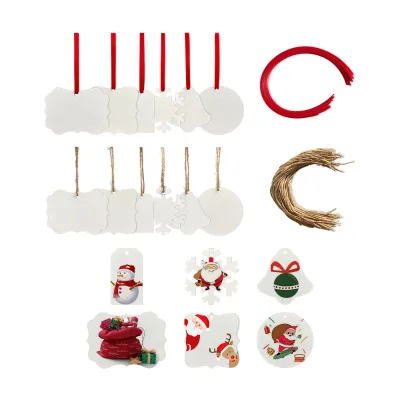
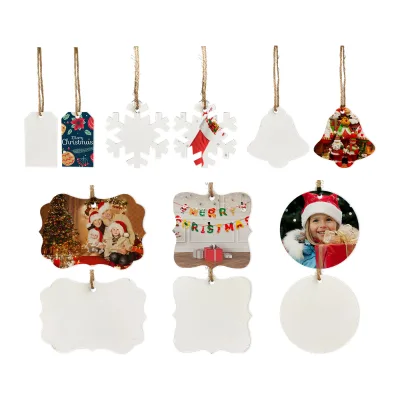
Sublimation Blank Christmas Ornament for Transfer Printing Christmas Gift
$0.37 - $0.50
MOQ: 200 Pieces


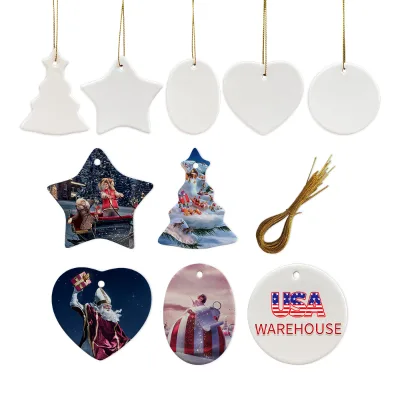
3 Inch Round Sublimation Blank Ceramic Christmas Ornament for DIY Photo Printing
$0.50 - $0.65
MOQ: 20 Pieces


Sublimation Blank Heat Press Red and Green Gift Box Metal Christmas Ornament
$0.79 - $0.90
MOQ: 1 Pieces
Guangzhou Yangze Trading Co., Ltd.
- Manufacturer, Trading Company, Distributor/Wholesaler
- Guangdong, China
- Lead time0 days
- Avg. response≤ 3h
Main productsTote bag,PU leather Wallet,PU card holder,PU Phone Case,PU passport Holder
Main marketsNorth America(20.0%), Southern Europe(10.0%), Northern Europe(10.0%), Central America(10.0%), Western Europe(10.0%), Eastern Asia(10.0%), Southeast Asia(10.0%), Eastern Europe(10.0%), South America(10.0%)
Shenzhen Huibocheng Technology Co., Ltd.
- Manufacturer, Trading Company
- Guangdong, China
- Lead time7 days
- Avg. response≤ 3h
Main productsSublimation Products,Water Bottle,Shopping Bag,Pillowcases,Blankets
Main marketsNorth America(25.0%), Southern Europe(20.0%), Africa(10.0%), Western Europe(10.0%), Eastern Europe(10.0%), South Asia(6.0%), Oceania(5.0%), Southeast Asia(5.0%), Mid East(5.0%), Northern Europe(2.0%), South America(2.0%)
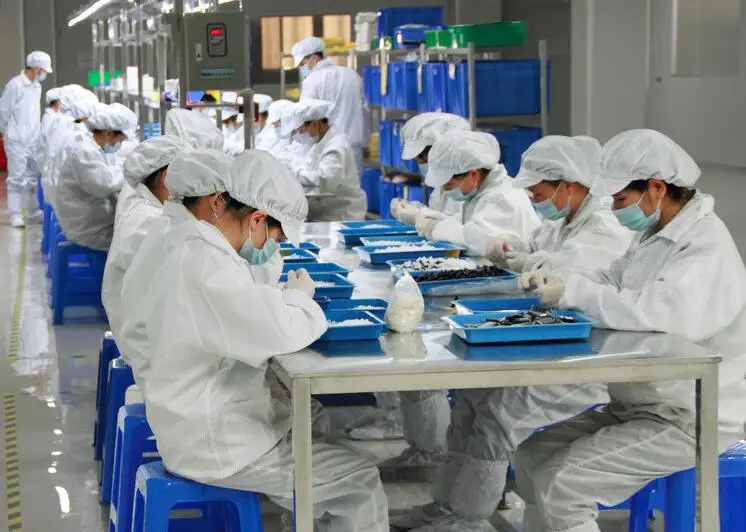
Shenzhen Gecool Electronics Techonlogy Co., Ltd.
- Manufacturer, Trading Company, Distributor/Wholesaler
- Guangdong, China
- Lead time3 days
- Avg. response≤ 5h
Main productskeychain
Main marketsNorth America(60.0%), Western Europe(15.0%), Northern Europe(8.0%), Southern Europe(5.0%), Oceania(2.0%), Domestic Market(2.0%), Africa(1.0%), South Asia(1.0%), Southeast Asia(1.0%), Eastern Europe(1.0%), Central America(1.0%), South America(1.0%), Eastern Asia(1.0%), Mid East(1.0%)
Hangzhou Ggblanks Houseware Co., Ltd.
- Verified by TüVRheinland
- Trading Company
- Lead time15 days
- Avg. response≤ 3h
Main productsSublimation Tumbler, Toys, Water Bottle, Clothing, Holiday Gift
Main marketsNorth America(50%), Oceania(20%), Western Europe(20%)

- Verified by BV
- Trading Company
- China Zhejiang
- Lead time30 days
- Avg. response≤ 15h
Main marketsSouth America,Africa,Southeast Asia/ Mideast,East Asia(Japan/ South Korea),Europe,Australia,North America

Dongguan Prosub Technology Co., Ltd.
- Verified by SGS
- Combined
- China Guangdong
- Lead time15 days
- Avg. response≤ 6h
Main productsSublimation Blanks, Sublimation Phone Case Blanks, Sublimation Machine, 3D Sublimation Tansfer Film, Sublimation Keycaps, Sublimation Rock Slate, Phone Case Printing Machine, Sublimation Phone Cover, Sublimations, Sublimation Products
Main marketsSouth America,Southeast Asia/ Mideast,Europe,Australia,North America


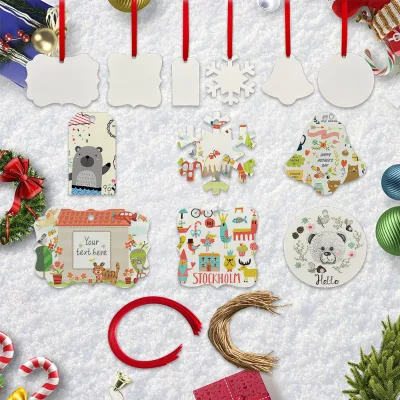
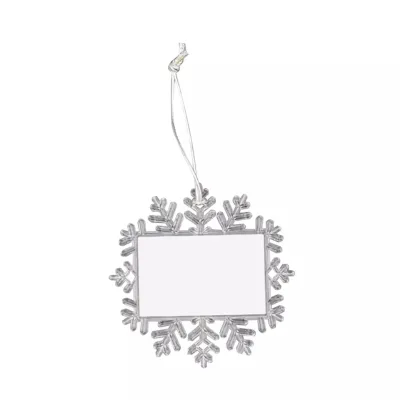
Prosub DIY Printable Sublimation Blank Christmas Hanging Metal Snowflake Ornament
$0.50 - $0.60
MOQ: 10 Pieces


BestSub Technologies Co Limited
- Verified by TUVRHEINLAND
- Trading Company
- China Guangdong
- Lead time23 days
- Avg. response≤ 11h
Main productsSublimation Blanks, Photo Mugs, Heat Press Machines, Photo Slates, Dtf Printers, Photo Frames, Ceramic Mugs, Water Bottles, Travel Tumblers, UV Printing & Engraving Blanks
Main marketsSouth America,Africa,Others(foreignTradeCapacity.exportBusinessCapacityMarketOther),Southeast Asia/ Mideast,East Asia(Japan/ South Korea),Domestic,Europe,Australia,North America


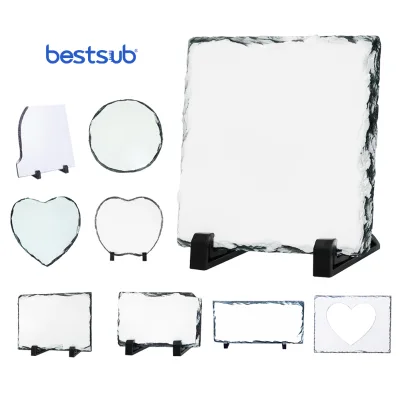
Bestsub Sublimation Blanks Promotion Home Decoration Gift 3.5" Square Glass Christmas Tree Ornament
Contact supplier
MOQ: 1 Boxes

Bestsub Sublimation Blanks Promotion Home Decoration Gift 3" Heart Glass Christmas Tree Ornament
Contact supplier
MOQ: 1 Boxes

Bestsub Wholesale Custom Sublimation Blanks 3" Octagon Christmas Ceramic Ornament Decoration
Contact supplier
MOQ: 100 Pieces

Bestsub Wholesale Supplier Custom Sublimation 3" Round Ceramic Ornament with Small Gear
Contact supplier
MOQ: 100 Pieces

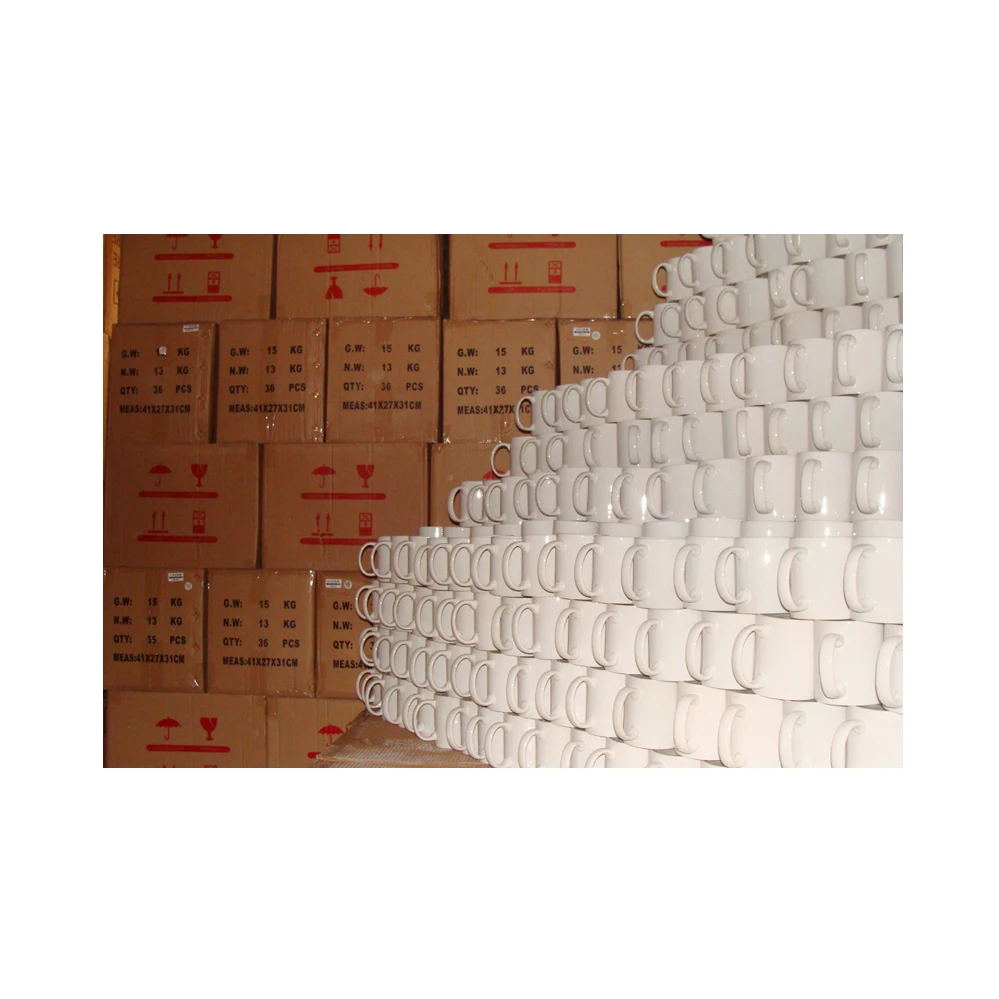
Quanzhou Kari Appliance Co., Ltd.
- Trading Company
- Fujian, China
- Lead time15 days
- Avg. response≤ 2h
Main productssublimation mug,sublimation blank,heat press machine,heat transfer machine,photo frame
Main marketsNorthern Europe(10.0%), Central America(10.0%), Western Europe(10.0%), Eastern Asia(10.0%), South Asia(10.0%), Southeast Asia(10.0%), Eastern Europe(10.0%), Southern Europe(10.0%), North America(10.0%), Africa(5.0%), South America(5.0%)

Zhongshan Echo Crafts Co., Ltd.
- Verified by BV
- Combined
- China Guangdong
- Lead time15 days
- Avg. response≤ 4h
Main productsMedal, Badge, Keychain, Coin, Lanyard, Wristband, Bottle Opener, Dog Tags, Lapel Pin, Key Ring
Main marketsSouth America,Southeast Asia/ Mideast,Europe,Australia,North America

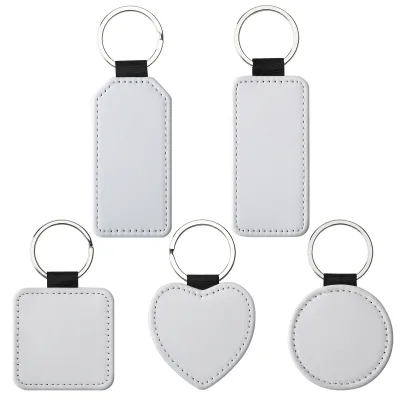
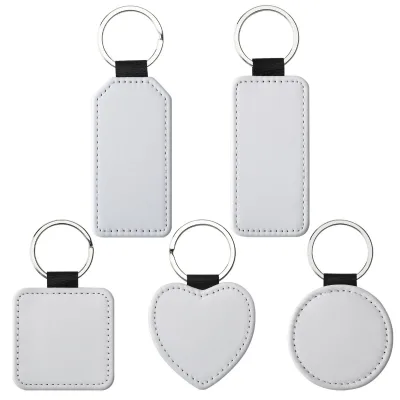
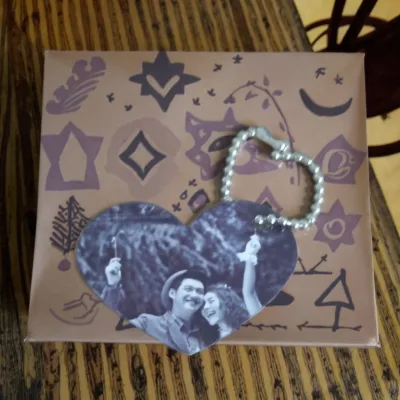
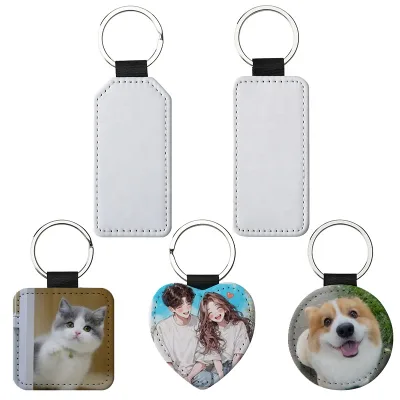
Cheap Sublimation Heat Transfer Blank Rectangle Keychain PU Leather Keychain
$0.35 - $0.76
MOQ: 50 Pieces


Shenzhen Casta Leather Co., Ltd.
- Verified by TUVRHEINLAND
- Combined
- China Guangdong
- Lead time15 days
- Avg. response≤ 5h
Main productsSublimation Blank, Faraday Box
Main marketsEast Asia(Japan/ South Korea),Domestic,Europe,North America
Yiwu Courage Digital Technology Co., Ltd.
- Verified by Intertek
- Manufacturer, Trading Company
- Lead time15 days
- Avg. response≤ 6h
Main productsHeat Press Machine, Sublimation Mug, Heat Transfer Printing Metal Plates, Heat Transfer Printing Pillows, Printing Consumables
Main marketsNorth America(50%), South Asia(15%), South America(10%)
BestSub Technologies Co Limited
- Verified by Intertek
- Trading Company
- Lead time15 days
- Avg. response≤ 4h
Main productsSublimation Blanks, Heat Press Machines, Photo Mugs Bottles, Craft Large Sheets Panels, DTF Printer Printing Solutions
Main marketsNorth America(40%), South America(30%), Eastern Europe(30%)
Shenzhen Siyijiu Industry Co., Ltd.
- Trading Company, Business Service (Transportation, finance, travel, Ads, etc)
- Guangdong, China
- Lead time0 days
- Avg. response≤ 2h
Main productsCustom gifts,household items,kitchen
Main marketsNorth America(80.0%), Western Europe(20.0%)
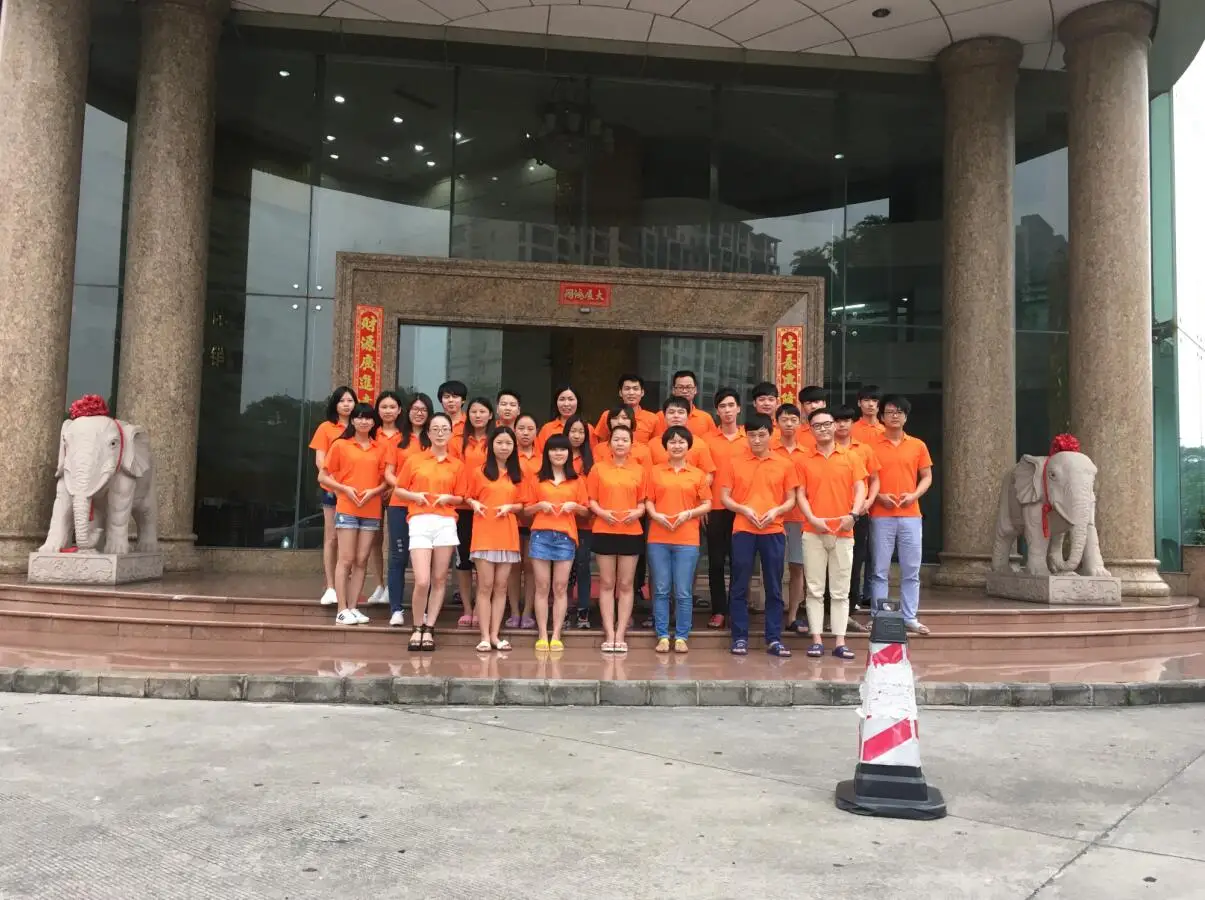
YIWU STAR PEAK COMMODITY CO.,LTD.
- Manufacturer, Trading Company
- Zhejiang, China
- Lead time20 days
- Avg. response≤ 4h
Main productsgift plastic spoon,gift tape measure keychains,gift water bottle,promotional gift,promotional gifts
Main marketsNorth America(18.0%), Eastern Europe(12.0%), Southern Europe(7.690000000000001%), Mid East(7.690000000000001%), Northern Europe(7.690000000000001%), Central America(7.690000000000001%), Western Europe(7.690000000000001%), South America(7.690000000000001%), Eastern Asia(5.0%), Oceania(5.0%), South Asia(5.0%), Southeast Asia(5.0%), Africa(3.8599999999999994%)

Guangzhou Baofan Sublimation Gift Co., Ltd.
- Trading Company
- Guangdong, China
- Lead time5 days
- Avg. response≤ 5h
Main productsSublimation Phone Case,Sublimation Metal Gift,Sublimation Bag,Sublimation Machine,Sublimation Mugs
Main marketsNorth America(20.0%), Western Europe(20.0%), South America(10.0%), Southern Europe(10.0%), Southeast Asia(10.0%), Eastern Europe(10.0%), Domestic Market(5.0%), Northern Europe(5.0%), South Asia(2.0%), Mid East(2.0%), Africa(2.0%), Eastern Asia(2.0%), Central America(2.0%)

EVER GREATER IMP. & EXP. CO., LIMITED
- Verified by TUVRHEINLAND
- Trading Company
- China Zhejiang
- Lead time15 days
- Avg. response≤ 5h
Main productsDisposable Cup, Paper Cup, Pet Cup, PLA Cup, Sleeve, Coaster, Food Packag Box, Pizza Box, Cake Box, Paper Box
Main marketsSoutheast Asia/ Mideast,Europe,Australia,North America

Shenzhen Yifan Technology Co., Ltd.
- Manufacturer, Trading Company
- Guangdong, China
- Lead time5 days
- Avg. response≤ 2h
Main productsPillow case,Stainless steel bottles,Blanket,Christmas ball,necklace
Main marketsNorth America(80.0%), Northern Europe(3.0%), South America(2.0%), Central America(2.0%), Mid East(2.0%), Africa(2.0%), Southeast Asia(2.0%), Eastern Europe(2.0%), Domestic Market(1.0%), South Asia(1.0%), Southern Europe(1.0%), Western Europe(1.0%), Eastern Asia(1.0%)
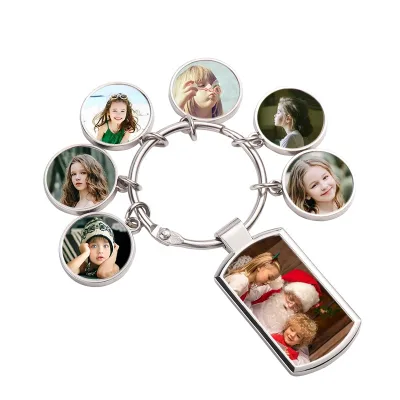
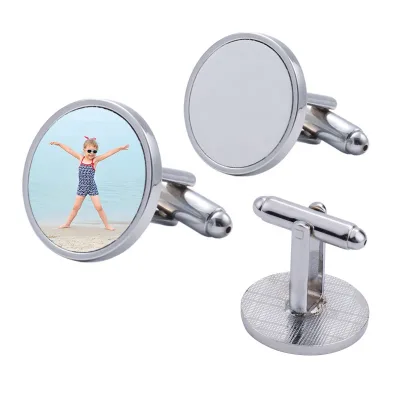
$0.58 - $0.68
MOQ: 10 pieces
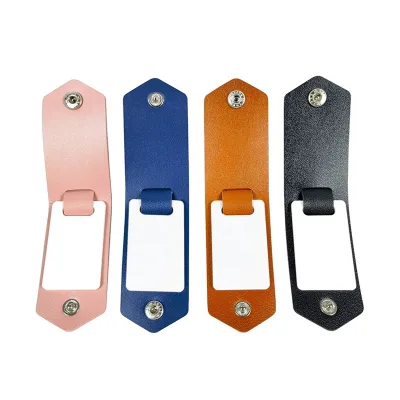
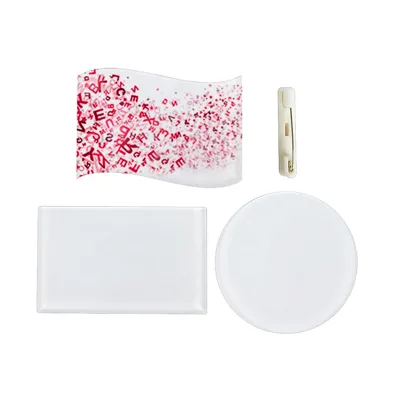
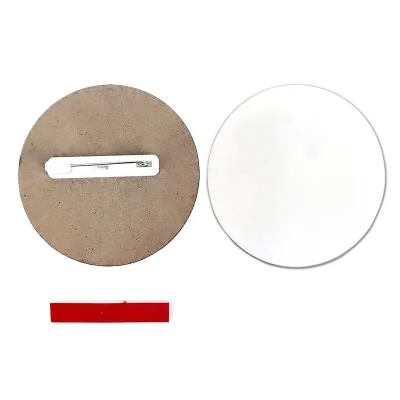

Dongguan Haixinda Nameplate Technology Co., Ltd.
- Manufacturer
- China Guangdong
- Lead time15 days
- Avg. response≤ 7h
Main productsNameplate, Label, Sticker, Badge, Epoxy Dome Label, Car Logo Badge, Headphone Logo
Main marketsSouth America,Europe,Australia,North America


Customized Electro-Plated and Painted TPU Emblem Heat Transfer Integrated Pattern & Letter Design
$0.20 - $1.20
MOQ: 500 Pieces






Comprehensive Sourcing Guide
Sublimation Transfer Blank Ornament Supplier Concentration and Factory Types
Current data indicates that active suppliers for sublimation transfer blank ornaments are concentrated in the Guangdong province of China, specifically within the Shenzhen area. This regional clustering suggests a mature supply chain ecosystem where manufacturers and trading companies operate in close proximity to raw material sources and logistics hubs. Buyers should recognize that the majority of listed entities in this sector operate as trading companies rather than direct factories. This distinction is critical because trading companies often aggregate products from multiple production facilities, which can streamline the ordering process but may introduce an additional layer between the buyer and the actual manufacturing floor.
When evaluating the supplier base, it is essential to note that the primary product portfolios often extend beyond simple ornaments to include heat presses, sublimation inks, and various other blanks like t-shirts and photo panels. This diversification implies that many suppliers are generalists in the sublimation equipment and material space rather than specialists in a single ornament type. Buyers looking for deep technical expertise in specific ceramic or metal ornament molding processes should verify if the trading company has direct access to specialized factories or if they are merely reselling generic stock. The presence of Shenzhen as a confirmed origin point for specific product models reinforces the need to focus sourcing efforts on this specific geographic cluster to ensure supply chain stability and logistical efficiency.
How to Verify Sublimation Transfer Blank Ornament Suppliers
Verification of supplier credibility in this category relies heavily on third-party audit reports and specific certification data points provided in the supplier profile. For instance, some suppliers in the current results display verification status from recognized bodies like TÜV Rheinland, which serves as a tangible indicator of operational compliance and quality management systems. Buyers must prioritize suppliers who can provide such external validation, as it offers a higher degree of confidence regarding their business legitimacy compared to those with no listed verification status. It is important to understand that a lack of displayed certification does not automatically disqualify a supplier, but it necessitates a more rigorous due diligence process to confirm their operational capabilities and financial stability.
Beyond external audits, buyers should scrutinize the specific product certifications listed for the ornaments themselves, such as CE or SGS marks, which indicate compliance with safety and quality standards for the end product. These certifications are particularly relevant for ornaments intended for children or those used in indoor and outdoor environments where material safety is paramount. When a supplier lists these certifications, it suggests a commitment to meeting international regulatory requirements, which is a strong positive signal. However, buyers must verify that these certifications are current and applicable to the specific model numbers being ordered, as generic claims can sometimes be misleading. Cross-referencing the supplier's claimed certifications with the specific product attributes, such as material composition and surface treatment, ensures that the verification is genuine and relevant to the specific order requirements.
What to Compare Across Sublimation Transfer Blank Ornament Suppliers
Comparing suppliers requires a systematic analysis of key operational metrics such as minimum order quantities, lead times, and response speeds to determine the best fit for specific business needs. The data shows significant variation in these areas; for example, some ceramic ornament listings indicate a minimum order quantity of 20 pieces, while others require 1,000 pieces, and lead times can range from 23 days to longer periods depending on the complexity of the customization. Buyers should create a comparison matrix that weighs these factors against their inventory requirements and cash flow constraints. A supplier with a low MOQ might be ideal for testing new designs, whereas a supplier with a longer lead time but lower unit cost might be better suited for large-scale seasonal stocking.
Response time is another critical dimension for comparison, as it directly impacts the speed of communication and problem resolution during the sourcing process. Current results indicate an average response time of approximately 4.60 hours, which serves as a benchmark for expected communication efficiency. Buyers should prioritize suppliers who consistently meet or exceed this responsiveness standard, as slow communication can lead to delays in order confirmation and production scheduling. Additionally, comparing the main product offerings helps identify suppliers who can provide a comprehensive solution, such as those offering both the blanks and the necessary heat press equipment. This holistic approach ensures that the buyer can source all necessary components from a single partner, potentially reducing logistical complexity and improving overall supply chain coordination.
Common Sublimation Transfer Blank Ornament Sourcing Risks
One of the primary risks in sourcing sublimation transfer blank ornaments involves the discrepancy between product customization claims and actual manufacturing capabilities. Some listings indicate that customization is available, while others specify that the product is non-customized or only printable, which can lead to confusion regarding the final deliverable. Buyers must carefully distinguish between blanks that are ready for immediate sublimation and those that require additional processing or specific surface treatments to accept the ink. Misinterpreting these attributes can result in receiving products that are unsuitable for the intended printing method, leading to wasted materials and production delays.
Another significant risk relates to the variability in material specifications and packaging standards across different suppliers. For instance, while some ornaments are made of ceramic with specific dimensions like 3 inches, others may be constructed from zinc alloy or aluminum, each requiring different handling and printing parameters. The packaging standards also vary, with some suppliers using cardboard boxes and others utilizing strong carton cases with foam inserts. Inconsistent packaging can lead to damage during transit, especially for fragile ceramic items. Buyers need to verify the exact material composition and packaging details for each order to ensure that the products arrive in perfect condition and are compatible with their specific sublimation equipment and processes.
Sublimation Transfer Blank Ornament Regional Sourcing and Logistics
Sourcing from the confirmed region of Guangdong, China, offers distinct logistical advantages due to the area's well-developed infrastructure and proximity to major shipping ports. The concentration of suppliers in Shenzhen facilitates efficient coordination between manufacturing and logistics, often resulting in faster dispatch times and more reliable shipping schedules. Buyers should leverage this geographic advantage by selecting suppliers who are located within this cluster to minimize transit times and reduce the risk of supply chain disruptions. The established nature of this manufacturing hub means that logistics partners are familiar with the specific requirements of exporting sublimation blanks, which can streamline the customs clearance process.
However, buyers must also account for the potential impact of regional logistics on lead times and shipping costs. While the local infrastructure is robust, international shipping times can vary based on the destination and the specific carrier chosen. It is advisable to discuss shipping terms and estimated delivery windows with the supplier before finalizing the order. Additionally, the origin of the products, such as Shenzhen, should be clearly documented on all shipping documents to ensure accurate customs declarations. Understanding the specific logistics capabilities of the supplier, including their experience with international freight forwarding, is essential for managing expectations and ensuring that the goods arrive on time for seasonal sales or promotional events.
Sublimation Transfer Blank Ornament Commercial Terms and Order Planning
Commercial terms for sublimation transfer blank ornaments vary significantly based on the product type, material, and order volume. Price ranges observed in the current data span from approximately $0.30 to $1.28 per unit, with specific models like ceramic ornaments and metal gift boxes falling at different points within this spectrum. Buyers should plan their orders by analyzing the price-to-MOQ ratio to determine the most cost-effective supplier for their specific volume needs. Understanding the pricing structure is crucial for budgeting, as some suppliers may offer tiered pricing that rewards larger order quantities with lower unit costs.
Order planning must also consider the specific production requirements and lead times associated with each supplier. With lead times ranging from 23 days to potentially longer periods, buyers need to align their production schedules with the supplier's capacity to ensure timely delivery. It is important to verify the exact production model numbers and specifications before placing an order to avoid any mismatches between the ordered item and the received product. Additionally, buyers should confirm the payment terms and any escrow options available to protect their financial interests. By carefully planning the order timeline and verifying all commercial terms, buyers can mitigate risks and ensure a smooth procurement process for their sublimation blank ornament needs.
FAQs
What is the minimum order quantity for ceramic sublimation ornaments?
Minimum order quantities vary by product type. Some ceramic ornaments require 1000 pieces, while others start at 20 pieces. Aluminum options may need 100 pieces. Buyers should check specific product listings to confirm the exact MOQ before placing an order.
How long does it take to receive sublimation blank ornaments?
The standard lead time for these products is 23 days. This duration applies to the manufacturing and preparation phase before shipment. Buyers should account for this timeline when planning their inventory or holiday season stocking schedules to ensure timely delivery.
Are these sublimation blanks suitable for children?
Yes, many ceramic sublimation ornaments are suitable for children. The product attributes explicitly list children as a target group. These items are designed for DIY photo printing and can be used for creating personalized gifts or decorations for young family members.
What certifications do the sublimation ornaments hold?
Specific ornaments carry CE and SGS certificates. The supplier itself holds a TÜV Rheinland verification status. Buyers should verify the exact certification for the specific model number they intend to purchase, as certifications may vary between different product lines and materials.
Where are these sublimation blanks manufactured?
These products originate from Shenzhen, China, within the Guangdong province. The manufacturing location is consistent across various sublimation blanks including ceramic and aluminum ornaments. Buyers can expect the origin to be listed as Shenzhen or China on the product details.
What is the price range for sublimation blank ornaments?
Prices typically range from 0.30 to 1.28 USD per piece depending on the material and design. Ceramic ornaments often cost between 0.37 and 0.67 USD. Aluminum options may be priced around 0.43 USD. The final cost depends on the specific model and quantity ordered.
Can I customize the logo on these ornaments?
Customization is available for most sublimation blanks. Buyers can define logos and use various printing methods like heat transfer. The products support both sublimation transfer and direct printing, allowing for personalized designs on ceramic, aluminum, or zinc alloy surfaces for promotional gifts.