Taiwan PU Chair Suppliers and Manufacturers in China
Explore 24 verified suppliers offering Taiwan PU Chair options with varying lead times, response speeds, and certifications like ISO 9000. Compare MOQs, prices, and customization capabilities to source the right factory for your needs today; review the available evidence before requesting comparable quotations from suitable candidates.
Suppliers List

Ningbo Yinzhou Henglu Plastic Industry&Trading Co., Ltd.
- Verified by BV
- Trading Company,Manufacturer/Factory
- China Zhejiang
- Lead time23 days
- Avg. response≤ 16h
Main productsBumper, Fender, Dock Cleat, Marine Hardwares, Marine Steering Wheel, Boat Seat, Boat Accessories, Dock Wheel, Auto Steering Wheel, OEM Plastic Parts
Main marketsNorth America,Southeast Asia,Eastern Asia,Oceania,Western Europe
Dongguan Julisheng New Material Technology Co., Ltd.
- Verified by BV
- Combined
- China Guangdong
- Lead time30 days
- Avg. response≤ 3h
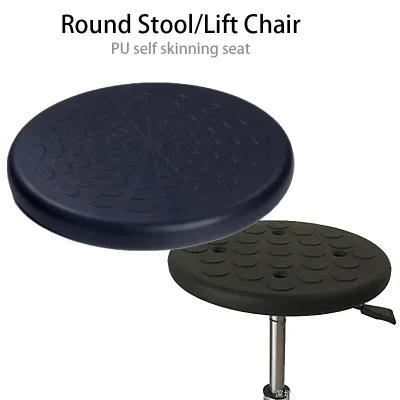
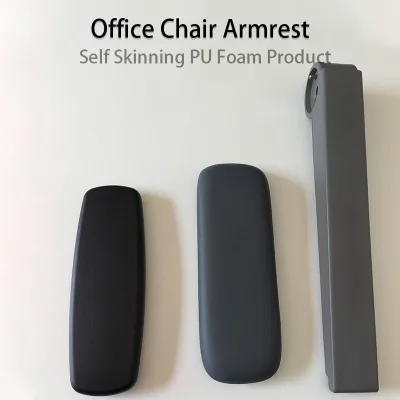
Main productsPU Foam, PU Corner Guard, Accessories PU Armrest, PU Self-Skinning, PU High Rebound, PU Slow Rebound, PU Imitation Wood Hard Foam, PU Foam Rugby, PU Traction Pillow, PU Foam Wheel
Main marketsDomestic

TIANJIN OKAY INTERNATIONAL TRADING CO., LTD.
- Verified by BV
- Combined
- China Tianjin
- Lead time30 days
- Avg. response≤ 5h
Main productsDining Table
Main marketsSoutheast Asia/ Mideast,East Asia(Japan/ South Korea),Europe,North America

Guangdong Bossay Medical Appliance Co., Ltd.
- Combined
- China Guangdong
- Lead time30 days
- Avg. response≤ 18h
Main productsHospital Bed, Children Bed, Operation Bed, Hospital Trolley, Beside Cabinet, Hospital Cabinet, Nursing Cart Series, Medical Cabinet, Washing Basin, Wheelchair
Main marketsAfrica,East Asia(Japan/ South Korea),Europe,Australia,North America
Zhengzhou Yuexiu Industrial Co., Ltd
- Trading Company,Manufacturer/Factory
- China Henan
- Lead time23 days
- Avg. response≤ 4h
Main productsPU Integral Skin Foam, High Resilience PU Foam, Low Resilience PU Foam, Molded PU Foam, Corner Guard, PU Handles, Foam Seat, Foam Insert, PU Suspension Bushing, PU Foam Products
Main marketsSouth America,Eastern Europe,Mid East,North America,Southeast Asia,Eastern Asia,Oceania,Western Europe,Africa
Shandong Haosong New Material Technology Co., Ltd.
- Verified by BV
- Combined
- China Shandong
- Lead time30 days
- Avg. response≤ 5h
Main productsPolyurethane Foam, Car Seat, PU Foam, PU Armrest
Main marketsDomestic


Outdoor Furniture Seat Cushions Rattan Chair High Elastic Sponge Outdoor Chair Seat Cushions
$25.00 - $32.00
MOQ: 50 Pieces

Office Manufacturer Comfort Armrest Adjustable Design Ergonomic Chair
$171.00 - $181.00
MOQ: 50 Pieces


MAC Chairs And Components Co., Ltd.
- Combined
- China Guangdong
- Lead time30 days
- Avg. response≤ 7h
Main productsOffice Chair, Office Chair Components, Laboratory Chair, Office Chair Parts, Chair Armrest, Chair Base, Chair Back, Mesh Chair, Chair Caster, Leather Chair
Main marketsSouth America,Africa,Domestic,Europe,Australia,North America

Zhenjiang Normanship Co., Ltd.
- Trading Company,Manufacturer/Factory
- China Jiangsu
- Lead time120 days
- Avg. response≤ 6h
Main productsLifeboat&Rescue Boat, Davit&Crane, Outfittings, Lifeboat Replacements, Mooring Fittings, Propeller, Marine Door, Marine Cover, Marine Equipment, Rib Boat
Main marketsSouth America,Eastern Europe,Mid East,North America,Southeast Asia,Eastern Asia,Oceania,Western Europe,Africa
Fujian Quanzhou Zhongpin Crafts Co., Ltd.
- Verified by TüVRheinland
- Manufacturer, Trading Company
- Lead time45 days
- Avg. response≤ 3h
Main productsMetal Crafts
Main marketsNorth America(70%), Western Europe(10%), Southeast Asia(5%)

Xiangshan Tongzhou Plastic Products Co., Ltd.
- Verified by BV
- Combined
- China Zhejiang
- Lead time30 days
- Avg. response≤ 16h
Main productsCaster, PU Wheel, Rubber Wheel, Nylon Wheel, PU Roller, PU Products, Rubbber Products
Main marketsSouth America,Southeast Asia/ Mideast,Europe,North America

- Verified by TUVRHEINLAND
- Trading Company,Manufacturer/Factory
- China Shandong
- Lead time23 days
- Avg. response≤ 10h
Main productsFolding Table, Chiavari Chair, Beer Table, Louis Chair, Bentwood Chair, Cross Back Chair, Stainless Steel Chair, Bamboo Folding Table and Chair
Main marketsSouth America,Eastern Europe,Mid East,North America,Southeast Asia,Eastern Asia,Oceania,Western Europe,Africa
Fujian Dongyi Shenghui International Trade Co., Ltd.
- Verified by SGS
- Combined
- China Fujian
- Lead time15 days
- Avg. response≤ 1h
Main productsHotel Furniture, Apartment Furniture, Dining Restaurant Banuqet Furniture, Church Furniture, Movie Theater Furniture, Opera House Furniture, KTV Furniture, Office School Stadium Furniture
Main marketsEurope

- Combined
- China Guangdong
- Lead time15 days
- Avg. response≤ 17h
Main productsSynthetic Grass, Artificial Grass, Synthetic Turf, Stadium Seat, Football Goal, Sport Equipment, Tennis Turf, Artificial Lawn, Football Grass, Landscaping Grass
Main marketsSouth America,Africa,Southeast Asia/ Mideast,East Asia(Japan/ South Korea),Domestic,Europe,Australia,North America

Ningbo Yilong Outdoor Products Co., Ltd.
- Verified by TUVRHEINLAND
- Manufacturer/Factory
- China Zhejiang
- Lead time0 days
- Avg. response≤ 11h
Main productsAluminium Foldable Gazebo, Aluminium Umbrella, Wooden Umbrella, Beach Umbrella, Swing Chair, Steel Gazebo, Outdoor Furniture, Campling, Chair, Table
Main marketsSouth America,Eastern Europe,Mid East,North America,Southeast Asia,Eastern Asia,Oceania,Western Europe,Africa
FOSHAN MZUO FURNITURE CO., LTD
- Verified by TUVRHEINLAND
- Combined
- China Guangdong
- Lead time30 days
- Avg. response≤ 3h
Main productsOffice Chair
Main marketsDomestic
Foshan Hanbang Furniture Co., Ltd.
- Verified by SGS Group
- Trading Company
- Lead time14 days
- Avg. response≤ 3h
Main productsHotel Furniture, Outdoor Furniture, Sofa Sets, Minimalist Furniture, Wicker Furniture
Main marketsDomestic Market(30%), North America(16%), Mid East(16%)
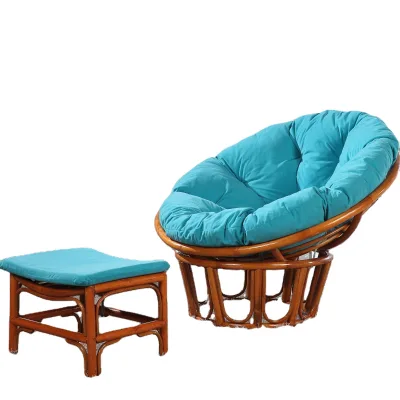
Super Comfortable Living Room Rattan Wicker Papasan Radar Chair with Cushion
$88.63 - $103.23
MOQ: 5 pieces
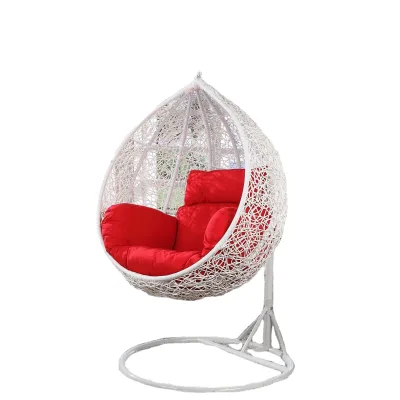
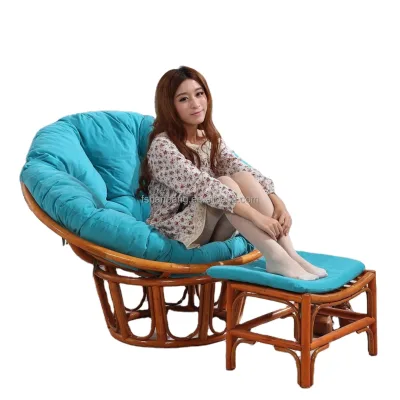
Super Comfortable Living Room Rattan Papasan Chair With Cushion
$1000.00 - $5000.00
Xiamen Haosen Plastic Products Co., Ltd.
- Verified by SGS Group
- Manufacturer, Trading Company
- Lead time30 days
- Avg. response≤ 3h
Main productsPlastic Crate, Plastic Pallet, Plastic Bucket, Plastic Drainage Channel, Plastic Extrusion Profile
Main marketsDomestic Market(40%), North America(30%), Oceania(10%)
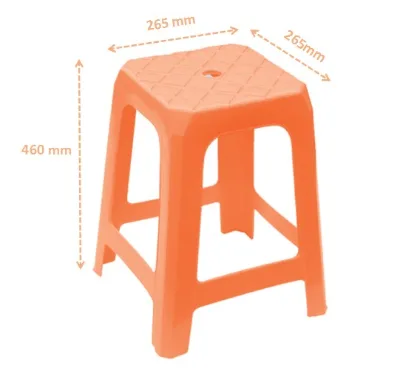
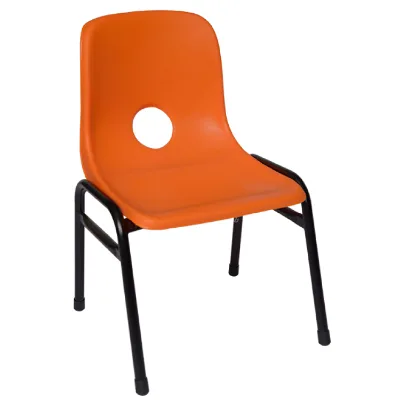
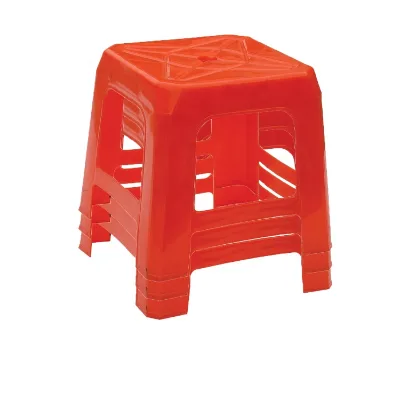
$1.80 - $5.80
MOQ: 1000 Minimum
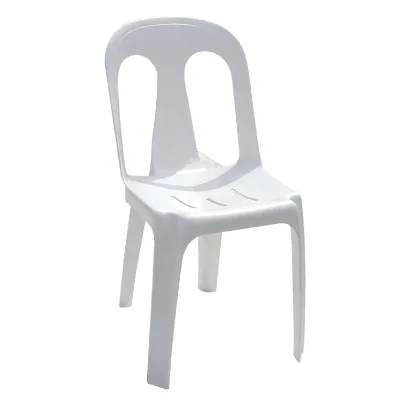
$5.00 - $10.00
MOQ: 1000 Minimum
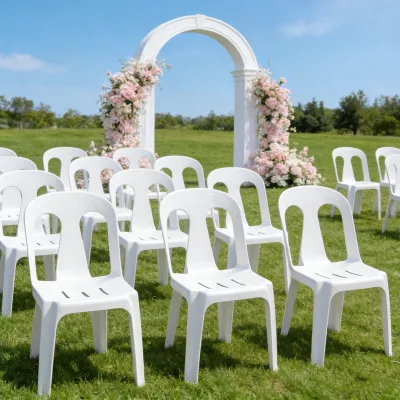

Shenzhen Hengmingjia Sponge Product Co., Ltd.
- Manufacturer
- Guangdong, China
- Lead time20 days
- Avg. response≤ 2h
Main productsPU Polyurethane foam,memory pillow,seat cushion,car seat,EVA lining
Main marketsDomestic Market(60.00%), Southeast Asia(15.00%), North America(15.00%), Eastern Europe(5.00%), Africa(5.00%)

Dongying Jiusheng Trading Co., Ltd
- Combined
- China Shandong
- Lead time15 days
- Avg. response≤ 13h
Main productsFoam Mattress, Mattress, PU Foam, Tri-Fold Mattress, Foam Sofa Bed, Foam Cushion, Custom Sponge Foam, Household Sponge Foam, PU Foam Sheet, PU Foam Block
Main marketsEast Asia(Japan/ South Korea)
Guangzhou YaTing Outdoor Furniture Co., Ltd.
- Verified by BV
- Combined
- China Guangdong
- Lead time23 days
- Avg. response≤ 25h
Main productsOutdoor Furniture, Beach Chair, Swings, Tents, Synthetic Rattan Furniture, Wood Furniture, Graden Furniture, Rattan Chair, Umbrella, Textilene Chair
Main marketsEurope,Australia,North America


Contact supplier

Contact supplier

Contact supplier

Contact supplier
Tianjin Runduo Import and Export Co., Ltd
- Verified by TUVRHEINLAND
- Trading Company
- China Tianjin
- Lead time15 days
- Avg. response≤ 24h
Main productsDining Chair, Outdoor Furniture, Outdoor Table, Upholstered Chair, UV-Resistant Chair, Dining Table, Outdoor Chair, Outdoor PP Chair, Sofa, Bar Chair
Main marketsEurope
Foshan Aston Furniture Co., Ltd.
- Verified by SGS
- Combined
- China Guangdong
- Lead time15 days
- Avg. response≤ 5h
Main productsoffice Furniture
Main marketsDomestic

Foshan Ulink Furniture Limited
- Verified by TUVRHEINLAND
- Combined
- China Guangdong
- Lead time30 days
- Avg. response≤ 9h
Main productsOffice Furniture, Bedroom Furniture, Coffee Table and TV Stand, Living Room Furniture, Dining Furniture, Office Chair, Office Desk, Computer Desk
Main marketsAfrica,Others(foreignTradeCapacity.exportBusinessCapacityMarketOther),Domestic
Weifang Bai Yi Garment Co., Ltd.
- Verified by CTI
- Combined
- China Shandong
- Lead time30 days
- Avg. response≤ 5h
Main productsCushions, Pillows, Seat Cushion, Pet Bed, Mattress, Folding Sofa, Compression Sofa Bed, Outdoor Cushion, Sofa Cushion, Lounge Cushion
Main marketsSoutheast Asia/ Mideast,Domestic,Europe,Australia,North America


Ergonomic Waterproof Outdoor Papasan Cushion Thick Overstuffed Solid Round Design
$22.50 - $24.50
MOQ: 20 Pieces






Comprehensive Sourcing Guide
Taiwan PU Chair Supplier Concentration and Factory Types
When buyers search for Taiwan PU Chair products on cross-border B2B platforms, most matching suppliers are actually manufacturers and trading companies based in mainland China rather than in Taiwan itself. The visible results include companies in Zhejiang, Guangdong and Tianjin, which matters because each location suggests a different product focus. Guangdong suppliers list PU foam materials, PU self-skinning and PU armrests, with some products explicitly listed as originating in Dongguan, Guangdong, while Zhejiang companies pair seating and chair accessories with marine hardware and auto parts. Tianjin suppliers concentrate on dining furniture, including diamond PU chairs and PU bow chairs sold in sets. Treating these clusters as directional signals helps buyers shortlist faster.
Factory type also varies widely in this category. Some suppliers describe themselves as combined manufacturer-and-trading operations, others as pure trading companies or factories, and several list OEM, ODM and own-brand capacity. For a customized PU chair program, a combined or factory profile with stated ODM capability is generally preferable, because mold and foam-density decisions stay with the producing party. Buyers should also note that product categories inside one supplier's catalog can be broad; a company listing bumper parts or dock cleats alongside chairs may be outsourcing the chair line. Confirm who actually owns the polyurethane molding equipment before assuming the profile reflects production depth, and request evidence such as workshop photos, mold lists and product sample references tied to the specific PU chair model.
How to Verify Taiwan PU Chair Suppliers
Verification should start with the platform-displayed credentials and then move to independent confirmation. In the current results, some suppliers carry a BV verification label and list system certifications such as ISO 9000, ISO 9001:2015, TS 16949 and ISO 20000, while others show only an "Others" certification entry or none at all. Do not assume a certification applies to the chair line; ask for the certificate scope and confirm it covers furniture or molded polyurethane production rather than an unrelated division. Check the company name on the certificate against the export entity on invoices and contracts, because mismatched names complicate payment recovery and after-sales claims.
Product-level attributes are a second verification layer. Listings in this category state certifications such as ISO at the product level, model numbers like ZD-003, OKC-1249, OKC-1209 and BS-211J, carton or wooden-frame packing, and after-sales options such as online technical support. Request the exact certificate number behind any product-level ISO claim and verify it against the issuing body's public database. For physical quality, order samples of the exact PU chair model, not a substitute, and test foam rebound, surface skinning, armrest adjustment and frame welding. Ask the supplier to confirm whether the sample is produced in-house. Finally, verify business longevity, registered capital and export history through third-party company-report services, since displayed years on profiles should be treated as a starting point rather than proof.
What to Compare Across Taiwan PU Chair Suppliers
Build a comparison table across the dimensions actually shown on supplier profiles, while accepting that not every supplier displays every attribute. Useful displayed fields include location, company type, verification label, system certifications, main products, response time, lead time, and OEM/ODM capacity. In the current results, quoted lead times range from about 23 days to about 30 days, and response times range from under three hours to more than seventeen hours, a spread large enough to affect project timelines. Also compare whether the supplier's main-product list matches chair production or mixes unrelated categories such as marine hardware, medical furniture or dining tables, which signals whether PU chairs are core or ancillary.
On the product side, compare MOQ, price range and customization terms for comparable items. Displayed MOQs in this category vary dramatically: a PU armrest at 100 pieces, a molded seat cushion at 200 pieces, a PU chair armrest at 1,000 pieces, and hotel PU chair sets at 30 sets. Prices likewise span from a few US dollars for armrests to several hundred dollars for multi-seater hospital waiting chairs, so normalize comparisons by product type and specification. Compare warranty statements, packing methods, product standards and origin declarations, and note whether customization is marked available at the listing level. Weight suppliers that document foam type, mold ownership and after-sales support more heavily than those competing on price alone.
Common Taiwan PU Chair Sourcing Risks
The most frequent risk is geographic mismatch: buyers searching for Taiwan PU Chair supply encounter mainland Chinese companies, sometimes with Taiwan-market positioning or export experience to Taiwan but no Taiwan production base. Confirm where manufacturing actually occurs, because origin affects shipping routes, duty treatment under cross-strait trade arrangements, and any "made in" labeling required by your market. A second risk is credential inflation: some profiles show system certifications while others show none, and product listings may carry a bare "ISO" label without a certificate number. Never accept a certification screenshot alone; validate scope, validity and the certified entity.
Product risks concentrate in PU foam quality. Inconsistent density, slow-rebound versus high-rebound mix-ups, color drift between batches, and cracking of self-skinning surfaces are common complaints in molded polyurethane. Listings in this category advertise features such as cold-resistant, heat-resistant, impact-resistant and wear-resistant performance, but these claims need test reports or independent lab verification against your specification. Quantity-based risks appear in the MOQ spread: a 30-set chair MOQ suggests stock or semi-custom production, while a 1,000-piece armrest MOQ implies mold-based production where your tooling cost may be embedded. Also watch for trading companies reselling factory output, which adds a margin and slows defect escalation. Mitigate by naming the producing factory in the quality agreement and defining corrective-action timelines.
Taiwan PU Chair Regional Sourcing and Logistics
Given that visible suppliers are located in Zhejiang, Guangdong and Tianjin, logistics planning should be anchored to those three regions. Guangdong and Dongguan origins sit close to major southern Chinese container ports, which typically favors sea freight consolidation for furniture volumes. Tianjin serves northern China with its own large port access, while Zhejiang benefits from the Yangtze River Delta export infrastructure. Since PU chairs are bulky relative to their value, freight cost per unit is a decisive landed-cost factor; compare suppliers partly on which port they ship from and whether they offer wooden-frame packing, as seen in some Tianjin dining chair listings that specify standard export cartons plus wooden frames.
Because actual Taiwan production cannot be confirmed from the displayed results, buyers targeting the Taiwan market specifically should ask each supplier directly about export experience to Taiwan, documentation familiarity, and whether goods ship direct or route through mainland ports. Ask for a packing specification listing carton dimensions, gross weight and pieces per pallet, then request a trial-shipment quote so freight is quoted on real data rather than assumptions. For sample stages, air courier is acceptable even for bulky chairs, but budget accordingly since multi-seater waiting chairs can be heavy. Confirm whether the supplier handles export customs clearance and whether the quoted lead time, roughly 23 to 30 days in current listings, includes production only or also transit booking.
Taiwan PU Chair Commercial Terms and Order Planning
Commercial planning should mirror the MOQ and price structures visible in the category. For project buyers, hotel chair sets with 30-set minimums and unit prices around the high-teens to low-twenties US dollars allow low-risk first orders. Component buyers face higher thresholds: 100 pieces for adjustable PU armrests at roughly four to six dollars, 200 pieces for molded cushions in the mid-thirty to high-forty dollar range, and 1,000 pieces for standard PU chair armrests. Plan first orders at minimum quantities, then negotiate price breaks on repeat volume rather than overcommitting upfront. Confirm currency, validity of quotations and whether customization is offered at no tooling charge or with amortized mold fees.
Payment and risk terms deserve equal attention. Some platform listings reference escrow-style protection, so prefer trade-assurance or escrow mechanisms for initial orders, with letters of credit reserved for larger recurring programs. Ask whether the displayed after-sales option, such as online technical support, extends to spare parts, replacement foam or component supply for models like the listed hospital waiting chairs carrying one-year warranties and stated lifetimes above five years. Build the order calendar backward from the displayed 23-to-30-day lead times, adding sample rounds, tooling if required, inland transport to port and holiday closures around Chinese New Year. Finally, fix inspection terms in writing: pre-shipment inspection, AQL sampling levels, and the remedy for failed batches should all be contractual, not assumed from listing descriptions.
word count check: six sections × ~230 = ~1380; total article within 1350–1450.
FAQs
Where are PU chair suppliers located?
Suppliers offering PU chairs are located in China Zhejiang, China Guangdong, and China Tianjin. These regions host manufacturers and trading companies capable of producing various furniture types including office and hospital waiting chairs with custom options.
What is the minimum order quantity for PU chairs?
Minimum order quantities vary by product type and supplier. Some PU chair armrests require 100 units, while seat cushions start at 200 units. Larger furniture items like waiting chairs often have a minimum of 10 to 30 sets depending on the model.
How long does it take to receive PU chair orders?
Lead times for PU chair orders typically range from 23 to 30 days based on current supplier data. Specific timelines depend on the product complexity and the manufacturer's capacity. Buyers should confirm exact delivery schedules before placing large orders.
Do suppliers offer customization for PU chairs?
Yes, customization is available for many PU chair products including armrests and seat cushions. Suppliers support OEM and ODM services with options for specific materials like PU foam. Customization allows for tailored colors, features, and dimensions to meet buyer requirements.
What certifications do PU chair suppliers hold?
Many suppliers hold ISO 9000, TS 16949, and ISO 20000 certifications. Some products specifically list ISO certification for features like cold resistance and impact resistance. Buyers should verify specific product certifications as standards may vary by manufacturer and product line.
What is the price range for PU chairs?
Prices for PU chairs vary significantly by type and specifications. Armrests range from 4.10 to 5.90 US dollars, while seat cushions cost between 35.60 and 48.80 US dollars. Larger furniture items like waiting chairs can range from 15.99 to 300.00 US dollars.
How quickly do suppliers respond to inquiries?
Response times for supplier inquiries vary, with observed times ranging from approximately 2.98 to 17.44 hours. Faster response times are noted for suppliers in Guangdong, while others may take longer. Buyers should expect varying communication speeds depending on the specific supplier selected.