Taiwan Pitching Baseball Machine Suppliers and Manufacturers
Compare 26 suppliers of Taiwan Pitching Baseball Machine equipment across verified certifications, OEM and ODM capability, minimum order quantities, lead times, and response speeds. Product listings range from dual-wheel training machines to matching dimpled balls with customization options. Shortlist candidates and request quotes to verify specifications directly.
Suppliers List

Quanzhou Ruiqi Crafts Co., Ltd.
- Verified by TUVRHEINLAND
- Trading Company,Manufacturer/Factory
- China Fujian
- Lead time45 days
- Avg. response≤ 2h
Main productsBaseball Glove, Baseball, Gymnastic Air Tracks, Football, Tennis Ball, Football Net, Sport Shoes, Pitching Machine, Toys
Main marketsSouth America,Eastern Asia,Western Europe

Ningbo Tower Machinery Co., Ltd
- Verified by TUVRHEINLAND
- Manufacturer/Factory
- China Zhejiang
- Lead time30 days
- Avg. response≤ 7h
Main productsSheet Metal Fabrication, CNC Machining Parts, Laser Cutting Parts, Tube Bending Parts, Welding Parts, Stamping Parts, Bus Seat, Trailer Jack, Electric Winch, Wheel Spacer
Main marketsSouth America,Eastern Europe,Mid East,North America,Southeast Asia,Eastern Asia,Oceania,Western Europe,Africa


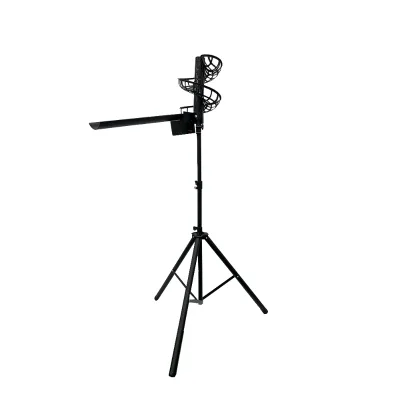
Adjustments Combination Single Wheel Baseball Softball Pitching Machine
$32.70 - $49.70
MOQ: 200 Pieces


Hebei Chuangya Technology Co., Ltd.
- Verified by SGS Group
- Manufacturer, Trading Company
- Lead time15 days
- Avg. response≤ 2h
Main productsDumbbell, Barbell Bar, Weight Plate, Dumbbell Bench
Main marketsSoutheast Asia(40%), Western Europe(25%), Mid East(25%)

- Trading Company
- Taiwan, China
- Lead time60 days
- Avg. response≤ 3h
Main productsbaseball machine,batting tees,baseball nets,softball machine,balls
Main marketsEastern Asia(65.00%), Domestic Market(35.00%)
Dongguan Top Machinery Co., Ltd.
- Trading Company
- Lead time旺季: "1 - 1":15,"> 1":"To be negotiated", 淡季: "1 - 1":15,"> 1":"To be negotiated"
- Avg. response≤ 3h
Main productsMetal Marking Machine,Badge Machine,Automotive Maintenance and Diagnostic products,Jewelry making machinery,Sports Machinery
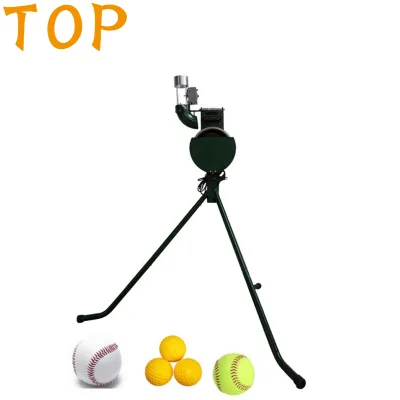
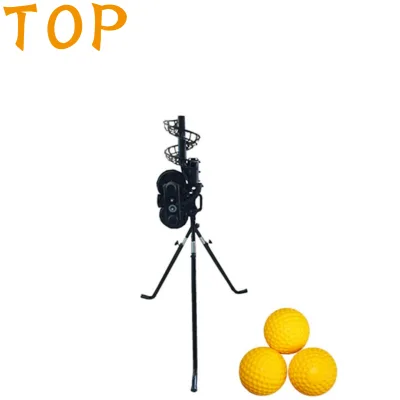
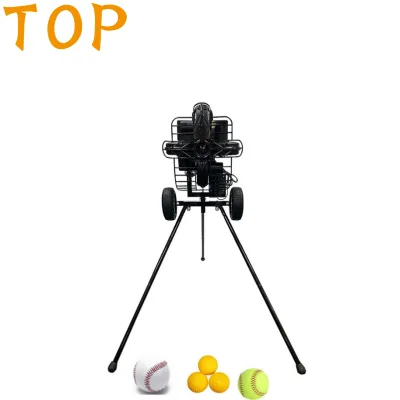
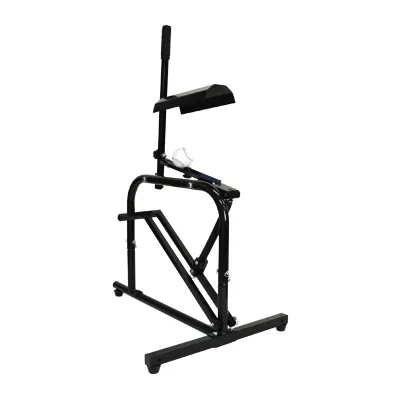
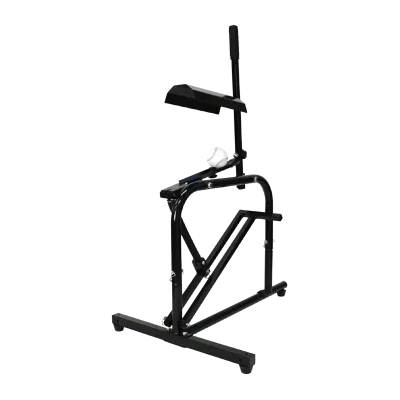
Durable Pro Baseball Softball Combo Pitching Machine Fielding Practice Batting Training
$3121.23
MOQ: 1 Minimum
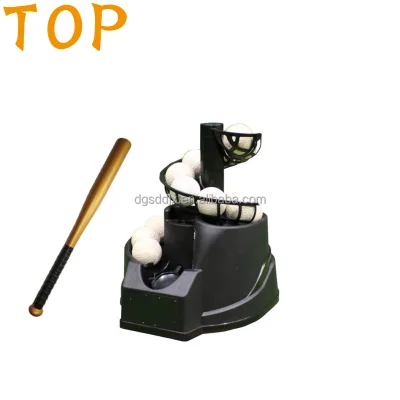
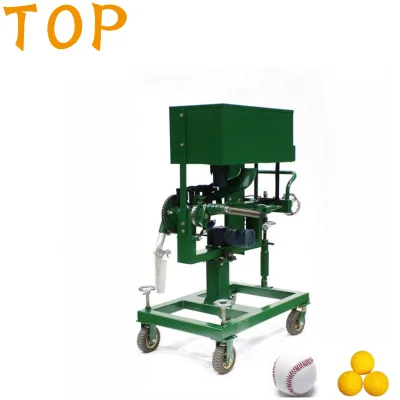
$2335.08 - $5280.58
MOQ: 1 sets

TIANCHANG ZHENGMU TECHNOLOGY CO., LTD.
- Verified by CTI
- Combined
- China Anhui
- Lead time30 days
- Avg. response≤ 1h
Main productsBaseball&Softball Bats, Baseball&Softballs, Laminated&Rubber Basketball, Machine-Stitched&Rubber Football, Machine-Stitched&Laminated Soccer, Multiple Rackets, Volleyball and Badminton Combo Set, Horsehoes Set, Volleyball Set, Bocce Set
Main marketsSouth America,Domestic,Europe,North America
Henan Jtn Sports Goods Co., Ltd.
- Verified by Intertek
- Manufacturer, Trading Company
- Henan, China
- Lead time30 days
- Avg. response≤ 2h
Main productsGolf Mat, Golf Green, Golf Training Net, Soccer Sports Net, Baseball Net
Main marketsNorth America(50%), Western Europe(15%), Northern Europe(10%)

- Manufacturer/Factory
- China Guangdong
- Lead time105 days
- Avg. response≤ 24h
Main productsSporting Goods, Sporting Nets, Basketball Goal, Portable Soccer Goal, Baseball Bat, Portable Hockey Door, Table Tennis Desk, Portable Basketball Stand Set, Air Hocky, Foosball
Main marketsEastern Europe,North America

Beijing Red Sun Bowling Technology Co., Ltd.
- Verified by BV
- Combined
- China Beijing
- Lead time15 days
- Avg. response≤ 1h
Main productsBowling Equipment, String Bowling Equipment, Mini Bowling Equipment, Duckpin Bowling Equipment, Bowling Machine, Bowling Lane
Main marketsOthers(foreignTradeCapacity.exportBusinessCapacityMarketOther),Southeast Asia/ Mideast,Europe

Indoor Baseball Simulate Automatic Ball Return Virtual Batting Sports Game Machine
$8000.00 - $8800.00
MOQ: 1 Sets

Virtual Batting Machine for Advanced Simulate Baseball Training Sessions
$8000.00 - $8800.00
MOQ: 1 Sets


Zhangjiagang Apollo Machinery Co., Ltd.
- Verified by TUVRHEINLAND
- Trading Company
- China Jiangsu
- Lead time15 days
- Avg. response≤ 17h
Main productsBlow Moulding Machine, Extrusion Blow Molding Machine, Automatic Blow Moulding Machine, Plastic Blowing Moulding Machine, Bottle Blowing Machine, Bottle Making Machine, Full-Automatic Blow Molding Machine, Automatic Blowing Shaping Machine, Auto Bottle Making Machine, Extrusion Blow Shaping Machine
Main marketsSouth America,Others(foreignTradeCapacity.exportBusinessCapacityMarketOther)
Shantou Cypress Toys Co., Ltd.
- Verified by TüVRheinland
- Trading Company
- Lead time25 days
- Avg. response≤ 2h
Main productsRole Play Toys, Educational Toys, Dinosaur Toys
Main marketsWestern Europe(35%), North America(20%), Southeast Asia(20%)

Chengdu Qinliwei Import and Export Trade Co., Ltd.
- Trading Company,Manufacturer/Factory
- China Sichuan
- Lead time23 days
- Avg. response≤ 9h
Main productsGolf Products, CNC Products, Timer, Mat, Fashion Accessories, Digital Counter, Photographic Equipment
Main marketsNorth America,Western Europe

- Verified by SGS
- Trading Company
- China Guangdong
- Lead time30 days
- Avg. response≤ 19h
Main productsToys, Education Toys, Puzzle, Summer Toys, Outdoor Toys
Main marketsDomestic
Tianchang Spatle Sports Equipment Technology Co., Ltd.
- Verified by Intertek
- Manufacturer, Trading Company
- Lead time15 days
- Avg. response≤ 4h
Main productsPickleball Paddle, Badminton Racket, Padel Racket, Baseball Bats, Baseball
Main marketsNorth America(50%), Southeast Asia(20%), Eastern Europe(10%)

TianChang Liangwen Sporting Equipment Co., Ltd.
- Verified by BV
- Combined
- China Anhui
- Lead time15 days
- Avg. response≤ 7h
Main productsPickleball Paddles, Beach Tennis Rackets, Padel Rackets, Badminton Rackets, Baseball/Softball Bats, Baseballs/Softballs
Main marketsNorth America

Shantou Chenghai Xaqi Toys Industrial Co., Limited
- Verified by BV
- Combined
- China Guangdong
- Lead time23 days
- Avg. response≤ 4h
Main productsRemote Control Car, Educational Toy, Sport Toy, Pretend Play Toys, Remote Contro Toy, Baby Toy, Summer Toy, B/O Toy
Main marketsSoutheast Asia/ Mideast,Domestic,Europe
Yiwu Buyball Sports Goods Co., Ltd.
- Verified by SGS Group
- Trading Company
- Lead time20 days
- Avg. response≤ 4h
Main productsSoccer Ball, Football, Softball, Baseball, Sports Training Material
Main marketsNorth America(50%), South America(30%), Eastern Asia(15%)
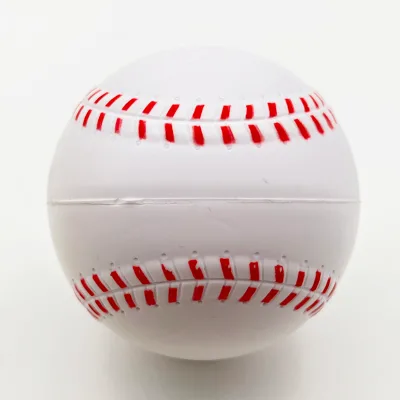
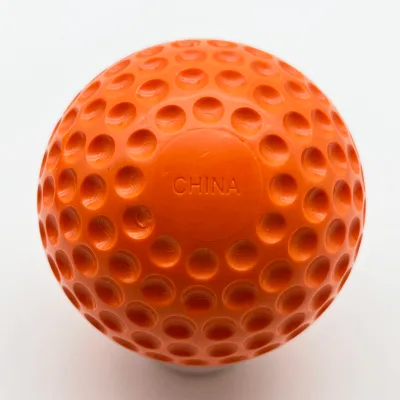
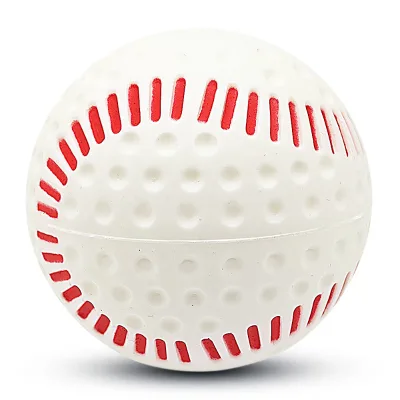
9-Inch Pitching Machine Baseballs PU Leather for Hand-Eye Coordination Hitting Fielding Practice
$0.90 - $1.10
MOQ: 120 pieces
AINDIA INTERNATIONAL TRADING CO., LTD.
- Verified by SGS Group
- Manufacturer, Trading Company
- Lead time0 days
- Avg. response≤ 9h
Main productsSport goods, e.g. baseball set.
Main marketsEastern Asia(69%), North America(28%), Oceania(1%)
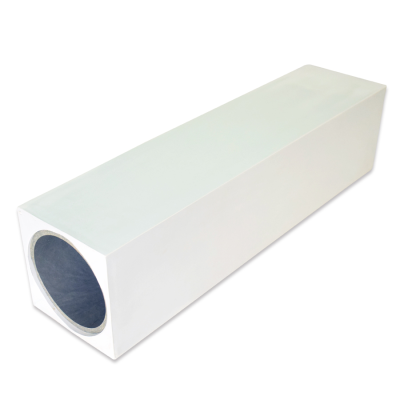
Durable AINDIA White Baseball Pitcher's Rubber Base with Four-Way Design
$60.00 - $75.00
MOQ: 1 pieces
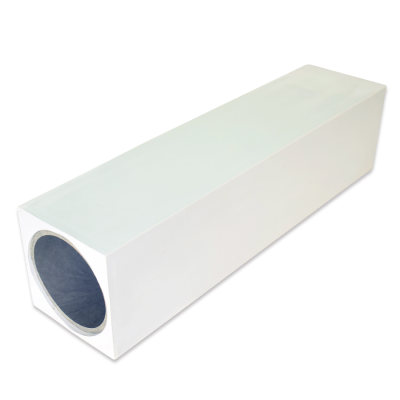
Versatile and Durable Four-Way White Baseball Pitcher's Rubber Base 24" X 6" X 6"
$60.00 - $75.00
MOQ: 1
- Manufacturer, Trading Company
- Guangdong, China
- Lead time45 days
- Avg. response≤ 9h
Main productsBaseball & Softball Training Equipment,Tennis Training Equipment,balls,Training Net,Pitching & Toss machine
Main marketsEastern Asia(40.00%), North America(40.00%), Western Europe(20.00%)

Telamon Sports Goods (Shanghai) Co., Ltd.
- Verified by BV
- Trading Company
- China Shanghai
- Lead time15 days
- Avg. response≤ 9h
Main marketsNorth America
Nantong Jinruite Sports Goods Co., Ltd.
- Manufacturer, Trading Company
- Jiangsu, China
- Lead time60 days
- Avg. response≤ 11h
Main productsCamping Tent/Camping Hammock/Sleeping Bag/Golf Trainer/Soccer Trainning/Fitness Accessories
Main marketsNorth America(48.00%), Western Europe(8.00%), Eastern Europe(8.00%), South America(6.00%), Southern Europe(6.00%), Northern Europe(6.00%), Eastern Asia(4.00%), Domestic Market(4.00%), Southeast Asia(4.00%), Oceania(3.00%), Africa(3.00%)
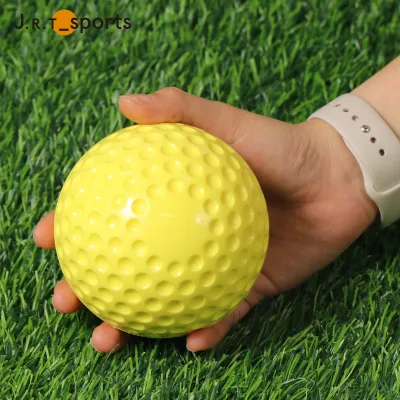
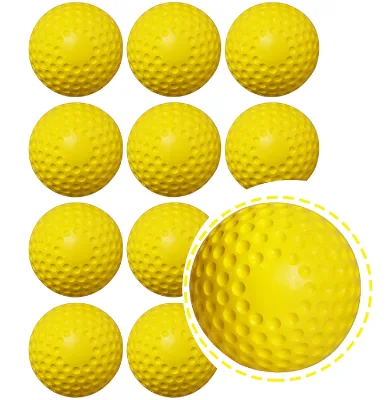
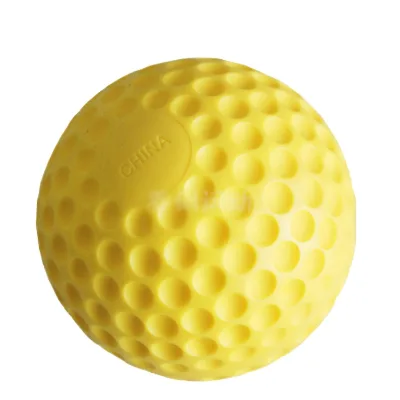
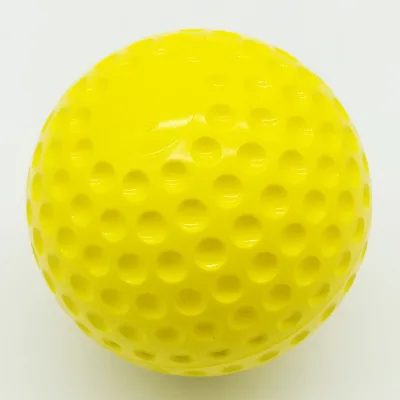
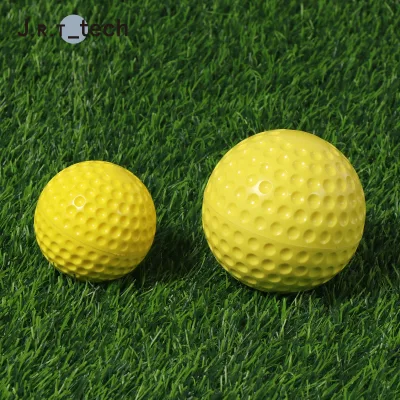
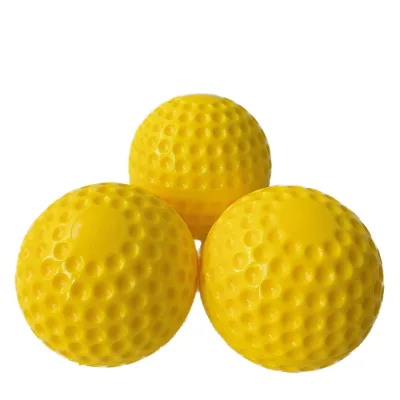
Hitting and Fielding Practice Ball Pitching Machine Yellow 4 Ounce PU Dimpled Baseball
$1.05 - $1.35
MOQ: 1000
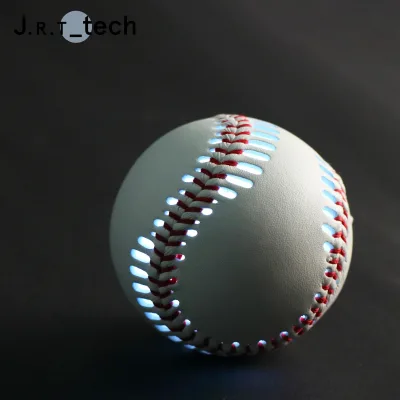
$4.32 - $5.13
MOQ: 500 pieces
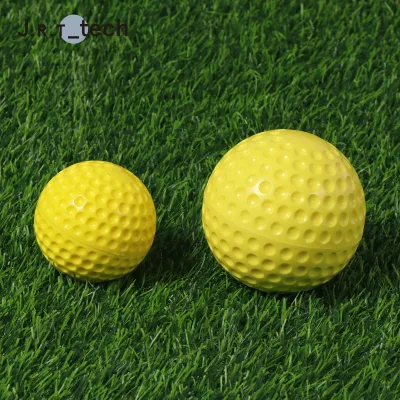
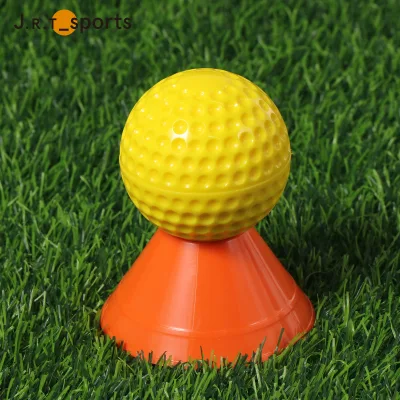
Wholesale Official Size 9 Inch 5 OZ Yellow Pitching Training Dimple Baseball Balls
$0.98 - $1.09
MOQ: 5000 pieces
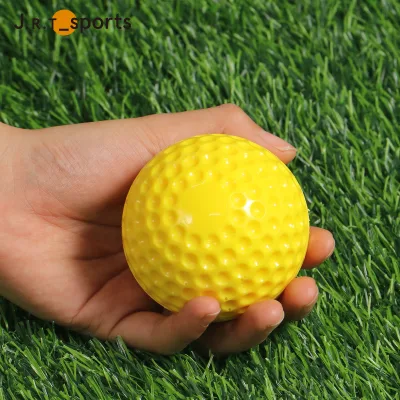
Polyurethane Material Hand-Eye Coordination Soft Ball Practice Ball 9 Inch Pitching Machine
$1.05 - $1.35
MOQ: 1000 pieces

- Verified by TUVRHEINLAND
- Combined
- China Guangdong
- Lead time15 days
- Avg. response≤ 18h
Main productsGun Toys, Child Toy, Baby Toy, Sport Toy, Outdoor Toys, Educational Toy, RC Toy, Plastic Toy
Main marketsDomestic,Europe,North America
Nantong Jinruite Technology Development Co., Ltd.
- Manufacturer, Trading Company
- Jiangsu, China
- Lead time30 days
- Avg. response≤ 12h
Main productsAerobic Step/Agility Ladder/AB Wheel/Yoga Strap/Massage Stick/Yoga Pilates/Strength Training/Fitness Sets
Main marketsNorth America(30.00%), Domestic Market(11.00%), Western Europe(10.00%), Eastern Asia(6.00%), Southern Europe(6.00%), Northern Europe(6.00%), Eastern Europe(6.00%), South Asia(5.00%), South America(5.00%), Oceania(5.00%), Southeast Asia(5.00%), Mid East(3.00%), Africa(2.00%)
Rizhao Healthbridge Sports Goods Co., Ltd.
- Verified by Intertek
- Trading Company
- Lead time20 days
- Avg. response≤ 2h
Main productsTraining Rack, Outdoor Sport , Barbell Plate, Kettlebell, Ball Game

Nanjing Bewe Intl Trading Co., Ltd.
- Verified by BV
- Trading Company
- China Jiangsu
- Lead time38 days
- Avg. response≤ 20h
Main productsPadel, Beach Tennis, Pickleball Paddle, Volleyball, Squash, Badminton, Golf, Tennis, Soccer Ball, Basketball
Main marketsSouth America,Eastern Europe,Mid East,North America,Southeast Asia,Eastern Asia,Oceania,Western Europe,Africa

Jamma Amusement Technology Co., Ltd
- Combined
- China Guangdong
- Lead time23 days
- Avg. response≤ 10h
Main productsVr Simulator
Main marketsAfrica,Southeast Asia/ Mideast,North America

Baseball Training Equipment Baseball Automatic System Equipment Hologram Projector
$15500.00 - $16000.00
MOQ: 1 Sets

Sports Baseball Ar Baseball Simulator Training Amusement Park Equipment
$15500.00 - $16000.00
MOQ: 1 Sets














Comprehensive Sourcing Guide
Taiwan Pitching Baseball Machine Supplier Concentration and Factory Types
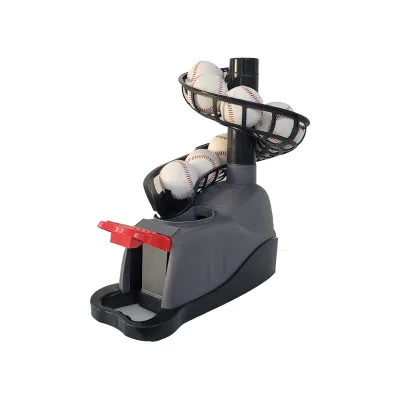
When buyers search for a Taiwan Pitching Baseball Machine, the supplier landscape they encounter is rarely limited to Taiwan itself. The current results show manufacturing activity concentrated in mainland China, with suppliers located in Fujian and Zhejiang provinces. Fujian suppliers in this category tend to operate as combined trading companies and manufacturers or factories, and their main product lines span baseball gloves, baseballs, footballs, tennis balls, gymnastic air tracks, sport shoes, pitching machines and related toys. This breadth matters because a supplier that already produces baseballs and training equipment is more likely to understand the feeding and ball-compatibility requirements of a pitching machine than a general machinery maker.
Zhejiang results point to a different factory profile: sheet metal fabrication specialists offering CNC machining, laser cutting, tube bending, welding and stamping, whose product list extends to pitching machines alongside bus seats, trailer jacks and electric winches. These metalworking roots are directly relevant to machine frames, wheel housings and adjustable mounts. When you cannot confirm a cluster location from supplier data, identify concentration yourself by filtering results by province or region, checking whether a supplier's main products cluster around ball sports equipment versus general industrial machinery, and noting company type. A factory specializing in fabricated metal parts will quote differently from a sporting-goods trading company, and knowing which type you are talking to shapes every later question about tooling, customization and quality control.
How to Verify Taiwan Pitching Baseball Machine Suppliers
Verification starts with the credentials displayed on the supplier profile, but you must read them narrowly. Among the current results, some suppliers hold ISO 9001 system certification, one also lists BSCI, and one carries TÜV Rheinland verification. These are meaningful signals, yet none of them is specific to pitching machine performance. ISO 9001 speaks to quality management processes, BSCI to social compliance auditing, and a third-party verification badge to identity checks — not to whether a dual-wheel machine delivers consistent pitch speed and accuracy. Never assume a supplier holds a certification simply because a competitor in the same list does; confirm the exact scope and validity of each certificate directly.
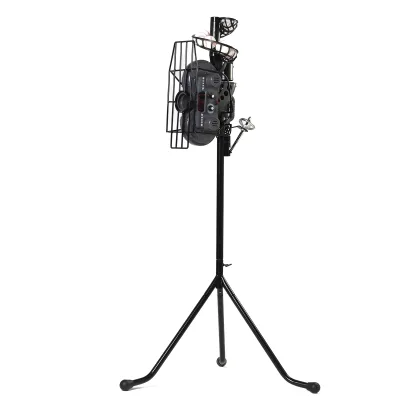
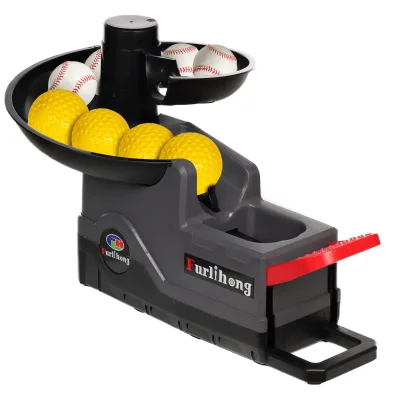
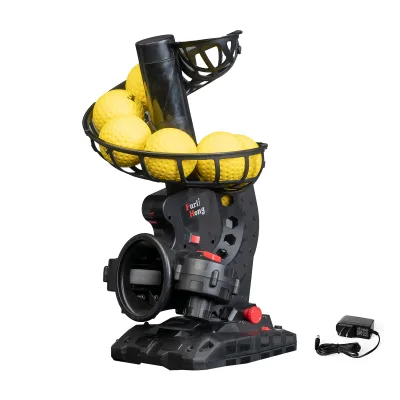
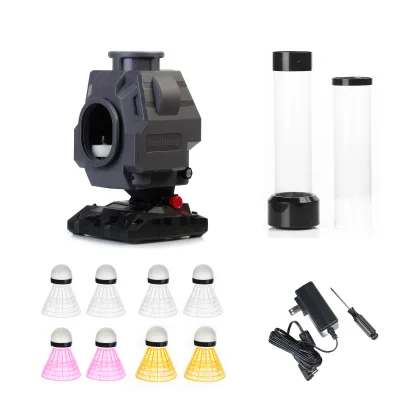
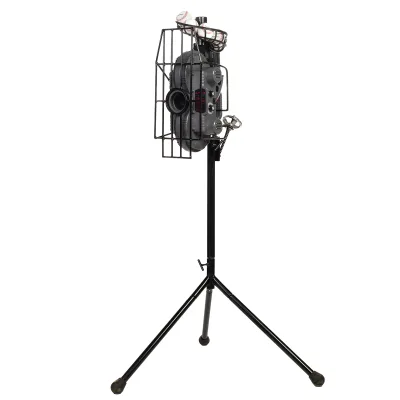
Practical verification for this category should go beyond badges. Ask for evidence tied to the specific machine model you intend to buy: the material specification, the finished weight, the packed dimensions and the claimed standard size. Current listings describe machines around 31 to 35 kilograms, roughly 4.6 feet in standard size, built mainly from plastic, packed in boxes — details you should match against a physical sample. Request a video of the machine pitching the exact ball type you plan to use, since separate listings cover PU dimple balls at 145 grams or 55 grams for machine use. Ask whether the supplier is OEM-capable or offers ODM, and whether customization is genuinely available for color and branding. Finally, verify business registration, export history to your market, and any product-level certification such as the CE and EU marking claimed on one listed machine.
What to Compare Across Taiwan Pitching Baseball Machine Suppliers
Build a comparison table using the attributes suppliers actually display, without assuming every supplier publishes every field. Useful dimensions from the current results include location, company type, system certification, response time, lead time, research and customization capacity, and main products. Response times in the observed data range from under two hours to more than six hours — a spread that predicts how smoothly a customization project will run when problems surface mid-production. Lead times shown include roughly 30 days for a Zhejiang manufacturer and around 45 days for a Fujian supplier, and one product-level entry lists 35 days, so quoted lead time clearly varies by supplier and model rather than by category average.
On the commercial side, compare MOQ and price ranges per model rather than per supplier. Machine listings in the results show MOQs of 100 pieces with prices in the several-hundred-dollar range, while one entry lists a minimum order of just a few units at a higher unit price — a trade-off worth testing with small trial orders. Ball listings show very different economics: PU pitching-machine balls priced under two dollars with MOQs in the thousands, or around a hundred-plus pieces for a specialized dimple ball model. Also compare packaging (box packing versus carton with pallet or plywood case), surface treatments such as powder coating and zinc plating, drawing-format support for custom parts, and whether payment terms are stated. Weight, material and customization options should be compared model by model, because two machines from the same supplier can differ materially.
Common Taiwan Pitching Baseball Machine Sourcing Risks
The most common risk in this category is assuming a machine listing describes a complete, ready-to-ship product when it actually describes a configurable platform. Listings show customized colors, customizable sizes, add-on logos and OEM service, which means the photographed machine may differ from what you receive unless specifications are locked in writing. Weight figures of 31 versus 35 kilograms within one supplier's range, and plastic construction where buyers may expect metal frames, are exactly the kinds of mismatches that surface only after shipment. Insist on a pre-production sample and a signed specification sheet covering material, weight, dimensions, wheel configuration and ball compatibility.
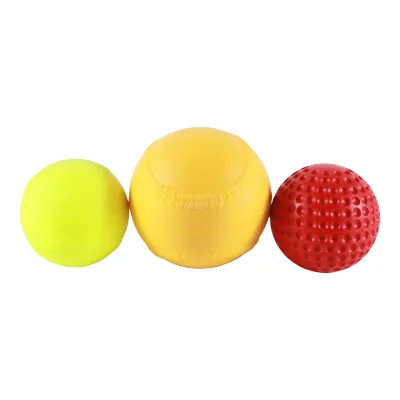
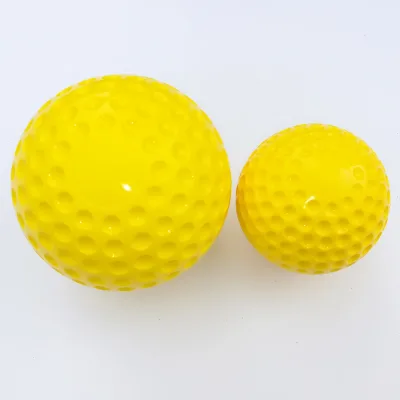
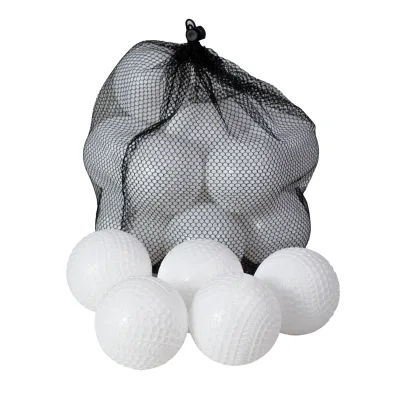
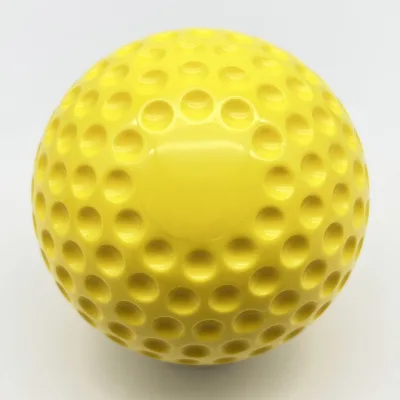
A second risk cluster involves balls and machine pairing. Suppliers sell PU dimple balls at two distinct weights — around 145 grams and 55 grams — for machine use, and a machine tuned for one weight may perform poorly with the other. Buyers who source machines and balls from different suppliers risk voiding performance expectations on both sides; where possible, source a matched set or test cross-compatibility before committing. Third, watch for compliance gaps: one machine listing claims CE and EU certification, but that attribute belongs to that listing, not the category, so unverified suppliers may ship machines that fail import checks. Finally, logistics misjudgment is a real risk: machines at 31–35 kilograms packed in boxes, or heavy fabricated units in plywood cases, carry freight costs that can distort unit economics if not quoted with shipping included. Confirm packing format, gross weight and container loading before signing.
Taiwan Pitching Baseball Machine Regional Sourcing and Logistics
The regional picture from current results is straightforward: sourcing activity for this keyword sits in Fujian and Zhejiang, China, rather than in an identified Taiwan manufacturing cluster. Fujian suppliers list broad ball-sports catalogs — gloves, baseballs, footballs, tennis balls, sport shoes, pitching machines — which suits buyers who want machines and matched balls from one region. Zhejiang suppliers bring sheet metal fabrication, CNC machining and welding capability, which suits buyers who need custom frames, brackets or heavy-duty structures. When your data does not confirm a cluster, map it yourself: sort search results by location, count how many suppliers list pitching machines as main products in each region, and weight regions by company type and certification coverage rather than by listing volume alone.
Logistically, plan around the packing and weight evidence. Machine listings describe box packing for units around 31–35 kilograms, while a fabricated-metal machine is packed in a plywood case or carton with pallet, sizes customizable. That difference drives freight mode choices: sub-40-kilogram boxed machines may suit consolidated sea freight or air cargo for samples, whereas plywood-cased fabrications demand forklift handling and container planning. Lead times of roughly 30 and 45 days, plus a 35-day product-level figure, should anchor your order calendar, with buffer added for custom colors and pre-shipment inspection. Ask each supplier for gross and net weight, packing dimensions per unit, and units per pallet or container, since these figures — not catalog prices — determine landed cost.
Taiwan Pitching Baseball Machine Commercial Terms and Order Planning
Commercial terms in this category vary enough that you should negotiate rather than assume. One Zhejiang listing states payment as 50% deposit and 50% balance, a common structure worth proposing as your default. Lead times cluster around 30 to 45 days depending on supplier and model, so align your purchase order dates with seasonal demand — pre-season orders placed too late will miss the window once customization time is added. MOQs differ sharply by product: 100 pieces for machines in most listings, as few as single units for one machine entry at higher unit pricing, roughly 120 pieces for a specialized dimple ball, and 1,200 pieces for standard PU pitching-machine balls. Structure your first order to test the supplier at the lowest viable quantity, then scale.
Plan quality and customization checkpoints into the order. Listings show customization available for color, logo, size and hardness (for balls), with OEM and ODM capacity declared by some suppliers — confirm which applies to your supplier before promising customized units downstream. Request a golden sample, define inspection criteria covering wheel condition, motor function, frame finish (powder coating, anodizing or zinc plating where offered) and packing integrity, and schedule inspection before the balance payment. Clarify box packing versus plywood case, since packaging affects both freight cost and damage risk. Finally, keep documentation consistent: specification sheets citing the model number, material, weight and origin stated in the listing should match the commercial invoice and packing list to avoid customs disputes.
FAQs
Where are the baseball pitching machines manufactured?
Most listed baseball pitching machines originate from China, specifically Fujian and Zhejiang provinces. These regions host both trading companies and manufacturers capable of producing the equipment. Buyers should verify the specific factory location for each order to ensure quality control and logistics planning.
What is the typical lead time for these machines?
The standard lead time for baseball pitching machines is around 45 days from order confirmation. Some suppliers in Zhejiang may offer faster production cycles of approximately 30 days. Buyers must confirm the exact delivery schedule with the specific manufacturer before finalizing the purchase agreement.
What is the minimum order quantity for pitching machines?
Minimum order quantities vary significantly by product type. Some models require a minimum of 100 pieces, while others allow orders as low as 5 units. Buyers should check the specific product details to determine the exact MOQ required for their intended purchase volume and budget.
Are these machines customizable for specific training needs?
Yes, customization is available for many baseball pitching machines regarding color and specific features. Suppliers offer options to tailor the equipment for different training scenarios. Buyers should specify their customization requirements clearly to ensure the final product meets their exact operational standards and preferences.
What certifications do the suppliers hold?
Suppliers often hold BSCI and ISO 9001 system certifications to ensure quality management standards. Some products also carry CE and EU certifications for safety compliance. Buyers should verify these specific certifications for each supplier to ensure the equipment meets international safety and quality requirements.
How quickly do suppliers typically respond to inquiries?
Response times for supplier inquiries vary, with some averaging around 1.63 hours and others taking up to 6.32 hours. Faster response times often indicate higher availability for immediate support. Buyers should expect varying reply speeds depending on the specific supplier and their current workload.
What materials are used in the construction of these machines?
Baseball pitching machines are commonly constructed using plastic materials for durability and cost efficiency. Some components may feature powder coating, anodizing, or zinc plating for enhanced protection. Buyers should review the specific material specifications for each model to ensure suitability for their intended usage environment.