Taiwan Style Placemat Suppliers and Manufacturers
Source 17 Taiwan Style Placemat suppliers from Zhejiang and Henan, China. Compare lead times, MOQs, and certifications like LFGB and FDA. Verify response times and pricing to select the right partner for your needs; review the available evidence before requesting comparable quotations from suitable candidates.
Suppliers List
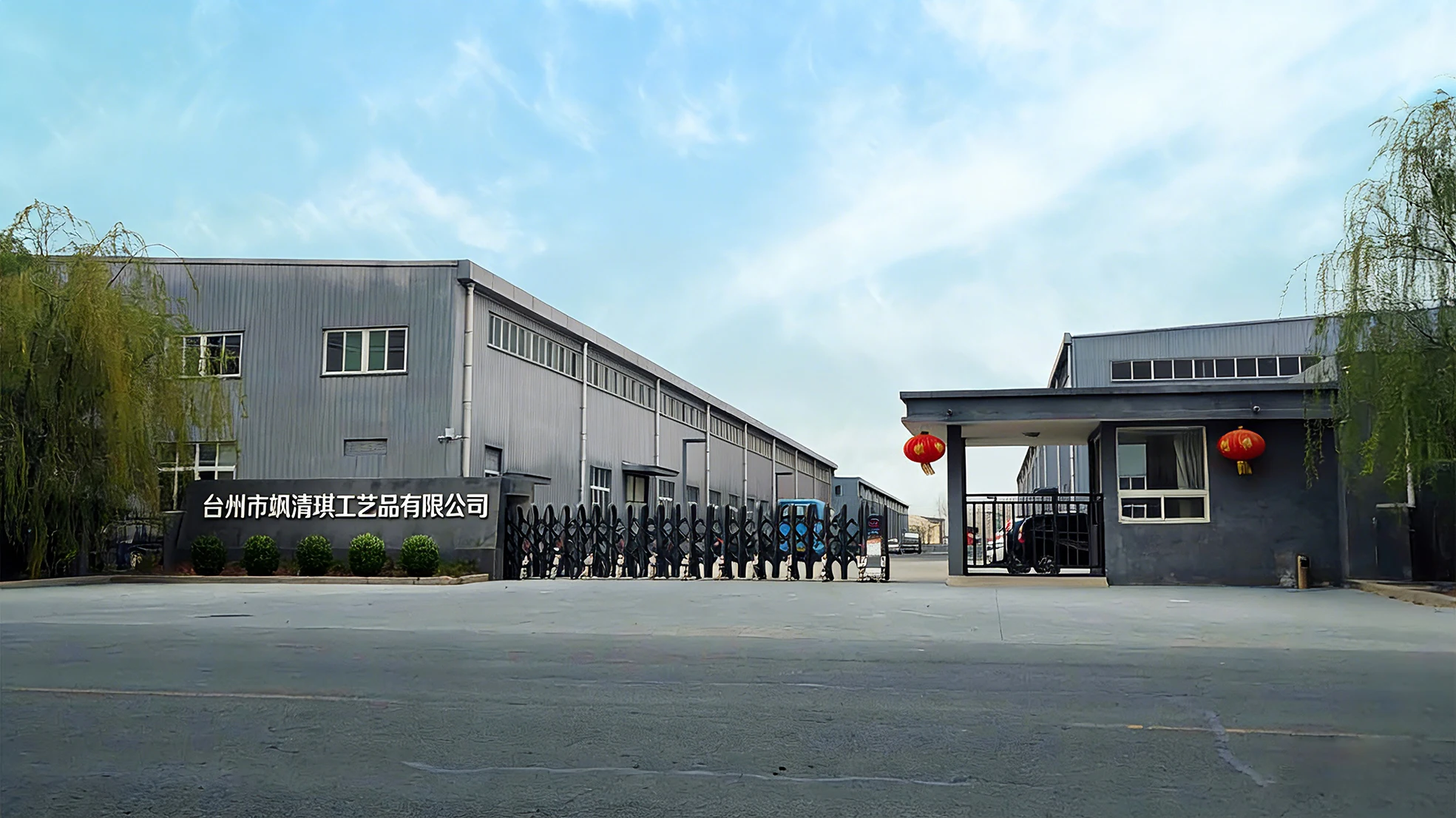
Taizhou Saqingqi Arts & Crafts Co., Ltd.
- Manufacturer, Trading Company
- Zhejiang Province, China
- Lead time20 days
- Avg. response≤ 2h
Main productsPlacemat,Woven placemat,Cotton placemat,Woven crafts,pp placemat
Main marketsNorth America(55.00%), Mid East(10.00%), South America(10.00%), Domestic Market(5.00%), Northern Europe(5.00%), Western Europe(5.00%), Eastern Asia(5.00%), Eastern Europe(5.00%)
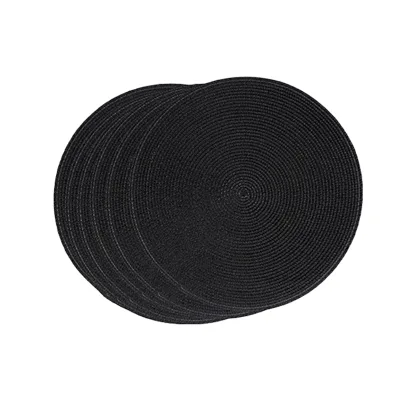
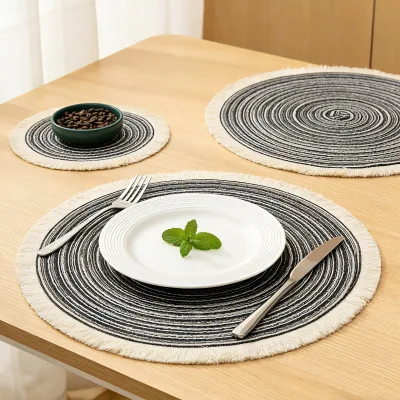
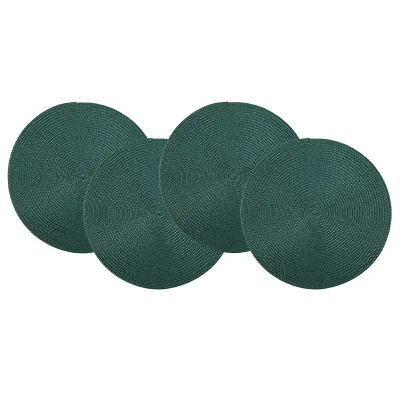
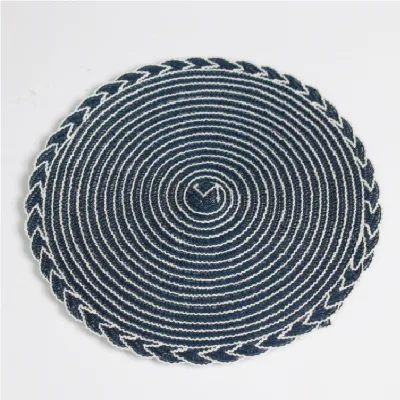
Hand-woven Bohemian Vintage Eco-Friendly Heat Resistant Non-Slip Circle Placemat
$0.67 - $0.75
MOQ: 20 pieces
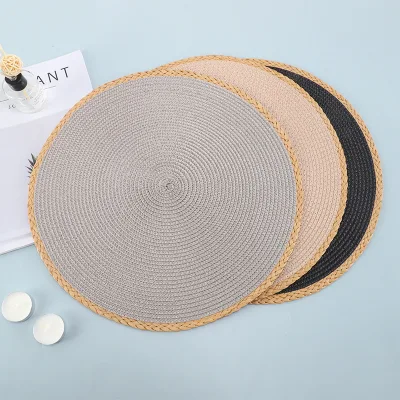
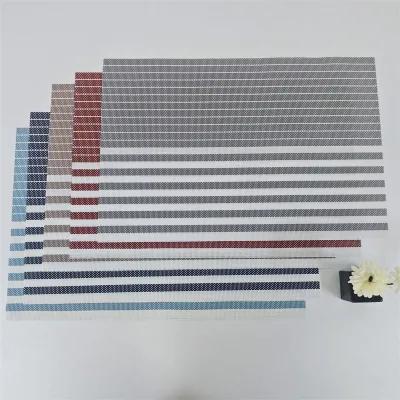
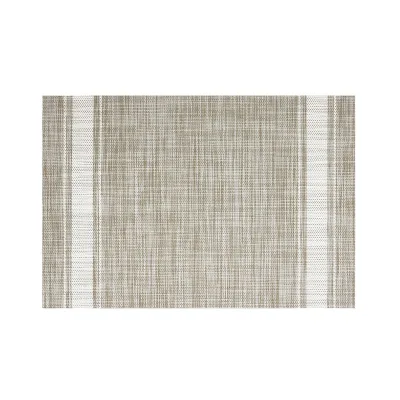
Nordic Style Western Food Table Mat Simple Fashion Design for Home or Restaurant Use
$0.43 - $0.54
MOQ: 10 pieces

NINGBO EAST ISLAND IMPORT & EXPORT CO., LTD.
- Trading Company
- China Zhejiang
- Lead time30 days
- Avg. response≤ 12h
Main productsPromotion Gift, Umbrella, Charger Plate, Plastic Tray, Picnic Blanket, Manicure Set, Mirror, Pill Box
Main marketsSouth America,Europe,North America
- Verified by TüVRheinland
- Trading Company
- Lead time30 days
- Avg. response≤ 3h
Main productsMatcha Tea Set, Storage Basket, Laundry Basket, Tableware Set, Woven Marcame Product
Main marketsSouth America(30%), Western Europe(20%), North America(15%)
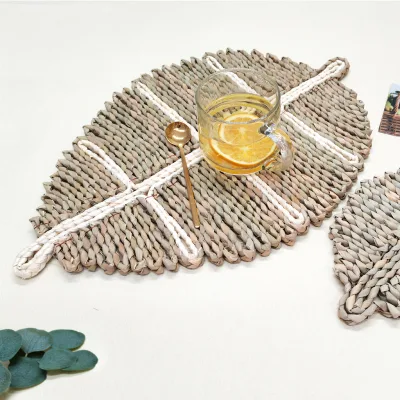
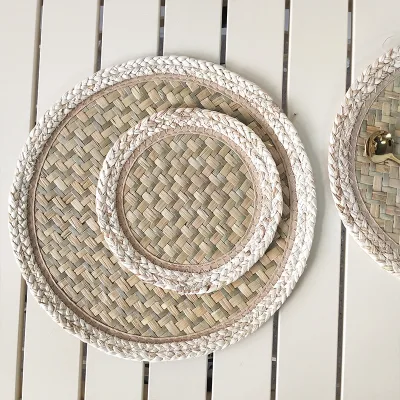
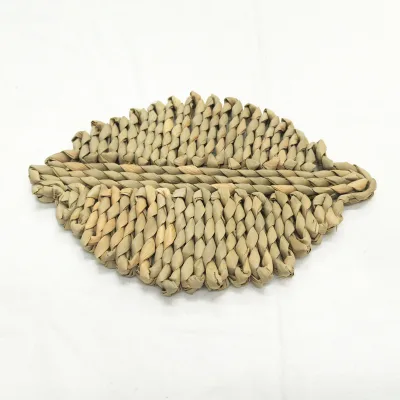
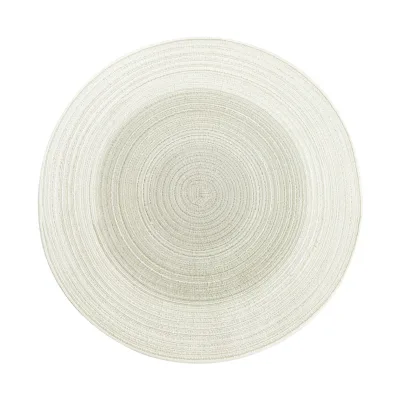
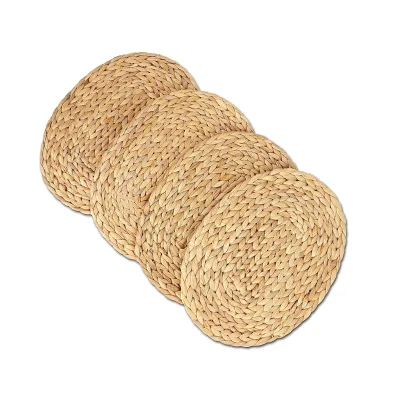
Wholesale Placemats Handmade Straw Woven Placemats Round Pads Place Mats Dining Table Placemat
$0.63 - $0.88
MOQ: 1000 pieces
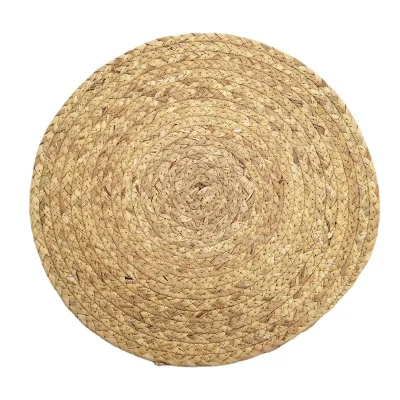
Water Hyacinth Round Woven Hand Placemats Straw Woven Placemat Woven Placemats
$1.18 - $1.55
MOQ: 1000 pieces
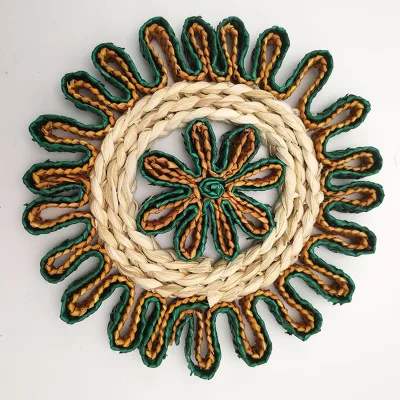
$0.32 - $0.39
MOQ: 1000 pieces

Shandong Fenite New Material Co., Ltd.
- Verified by BV
- Manufacturer
- China Shandong
- Lead time15 days
- Avg. response≤ 2h
Main productsToilet Paper, Facial Tissue, Hand Towel
Suqian Jinyue Household Products Co., Ltd.
- Trading Company
- Jiangsu, China
- Lead time30 days
- Avg. response≤ 2h
Main productsapron,oven glove,storage basket,cellulose cloth,placemats
Main marketsNorth America(50.00%), Western Europe(20.00%), Northern Europe(10.00%), Oceania(10.00%), Eastern Asia(10.00%)
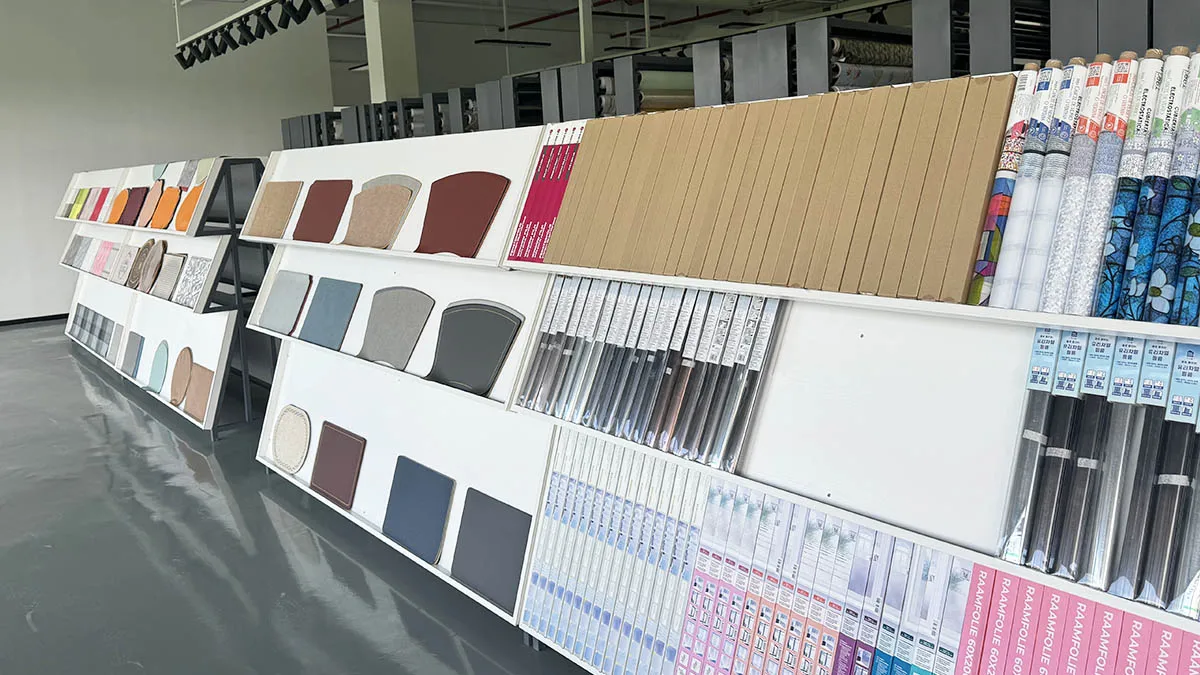
Guangdong Boen Material Technology Co., Ltd.
- Trading Company
- Guangdong, China
- Lead time30 days
- Avg. response≤ 1h
Main productsPVC Table Cloth, Placemat, Window Film, Shower Curtain, Non-slip Mat
Main marketsMid East(50.00%), North America(10.00%), Central America(10.00%), Domestic Market(10.00%), Southeast Asia(10.00%), Africa(5.00%), Eastern Europe(5.00%)

Ningbo Lanfon Homeware Co.,Ltd
- Verified by SGS
- Combined
- China Zhejiang
- Lead time30 days
- Avg. response≤ 3h
Main productsTable Top, Bath & SPA, Placemats, Kitchenware, Personal Care, Cleaning, Table Mat, Kitchen Organizer, Organizer
Main marketsEurope,North America

Quzhou Indeed Household Co., Ltd.
- Trading Company
- Zhejiang, China
- Lead time35 days
- Avg. response≤ 17h
Main productsCurtains,Placemats,Straw bag,Straw hat,Throw pillow
Main marketsNorthern Europe(70.00%), North America(10.00%), Central America(5.00%), Western Europe(5.00%), South America(5.00%), Southeast Asia(5.00%)
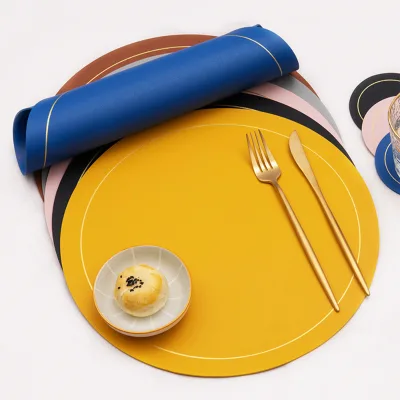
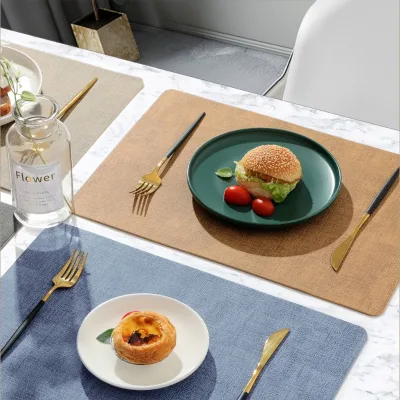
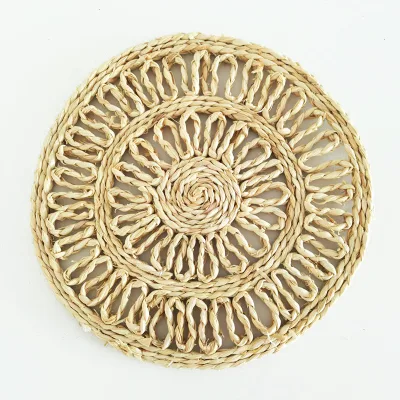
Straw Placemats Wholesale Round Woven Placemat Eco-friendly Natural Rattan Placemats
$1.75 - $1.99
MOQ: 200
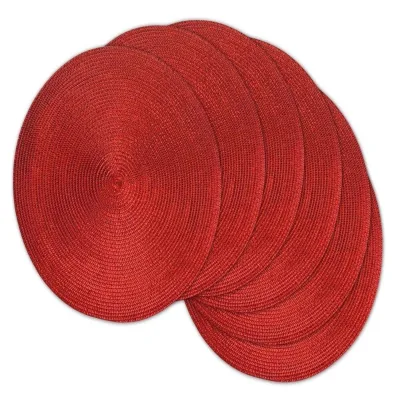
Hot Sale 40X40X30CM pp Straw Placemat Woven Placemat
$0.64 - $1.00

- Verified by TUVRHEINLAND
- Trading Company
- China Zhejiang
- Lead time15 days
- Avg. response≤ 12h
Main productsGraphite Material, Daily Use, Light Industry, Textile, Plastic Raw Material, Outdoor Supplies
Main marketsSouth America,Europe,North America


Eco-Friendly Nordic Waterproof Placemat for Sustainable Dining Solutions
$4.50 - $6.00
MOQ: 100 Pieces

Bei Mei Ti Home Supplies (Shenzhen) Co., Ltd
- Verified by BV
- Manufacturer/Factory
- China Guangdong
- Lead time38 days
- Avg. response≤ 6h
Main productsLeather Mat, Baby Play Mats, Dogs Mats, Home Mats, Placemats, Mouse Pads, Kitchen Mats
Main marketsSouth America,Eastern Europe,Mid East,North America,Southeast Asia,Eastern Asia,Oceania,Western Europe,Africa

Zhongshan Xinyuan Silicone Rubber Co. Ltd
- Verified by TUVRHEINLAND
- Combined
- China Guangdong
- Lead time15 days
- Avg. response≤ 2h
Main productsSilicone Mold, Silicone Ice Cube Tray, Silicone Wristband, Silicone Tea Infuser, Silicone Bakeware, Silicone Keychain, Silicone Cup Coaster, Silicone Bag
Main marketsSouth America,Southeast Asia/ Mideast,Domestic,Europe,North America

Wenzhou Cathylin International Trade Co., Ltd.
- Verified by TUVRHEINLAND
- Trading Company
- China Zhejiang
- Lead time15 days
- Avg. response≤ 14h
Main productsFlatware, Cutlery, Kitchen Tools, Tableware, Cookware, Bakeware, Drinkware
Main marketsNorth America
Bobai County Lovely Home Furnishing Co., Ltd.
- Verified by Intertek
- Trading Company
- Lead time0 days
- Avg. response≤ 3h
Main productsHome storage weaving

Dongguan Tengjia Plastic & Hardware Co., Ltd.
- Verified by TUVRHEINLAND
- Manufacturer
- China Guangdong
- Lead time30 days
- Avg. response≤ 16h
Main productsPVC Tablecloth, PVC Table Cloth, Tablecloth, Nonwoven Tablecloth, Flannel Tablecloth, PEVA Tablecloth, Placemat, Place Mat, PVC Placemat, Polyester Tablecloth
Main marketsDomestic
Changxing Grand Home Products Co., Ltd.
- Verified by SGS Group
- Trading Company
- Lead time30 days
- Avg. response≤ 2h
Main productsCutting Boards; Cheese Boards, Bamboo Organizer; Storage Baskets; Racks; Storage Bags; Mesh Bags, Bread Bags, Placemats
Main marketsWestern Europe(35%), North America(20%), Eastern Europe(20%)
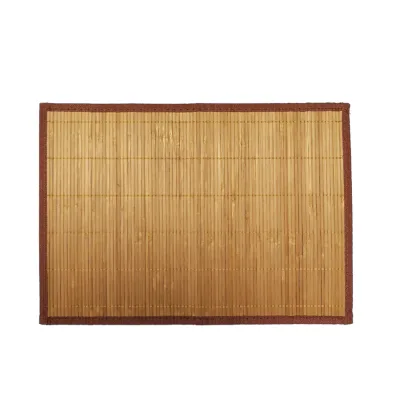
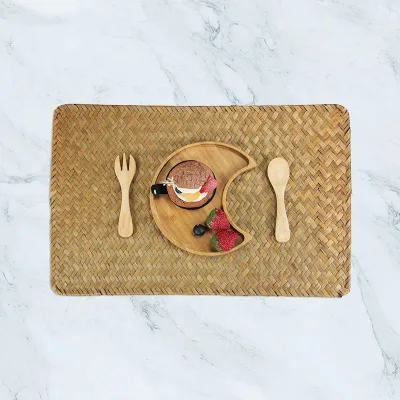
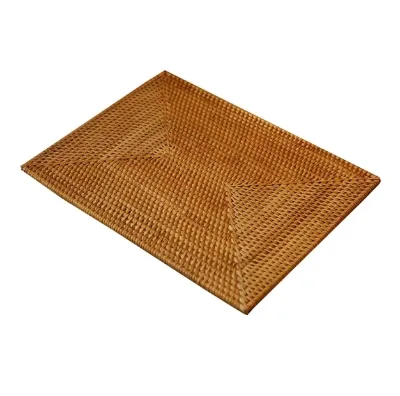
Natural Seagrass Placemats Woven Rectangular Placemats Rattan Wicker Table Mats for Dinning Table
$1.51 - $1.71
MOQ: 500 pieces

Jinjiang Naike Eco Technology Co., Ltd.
- Verified by SGS
- Trading Company
- China Fujian
- Lead time30 days
- Avg. response≤ 2h
Main productsKeychain, Promotional Gifts, Shoes Charm, Straw Toppers, Pencil Toppers, Christmas Decoration, Party Decoration, Toy, Metal Craft, Silicone Products
Main marketsEurope,North America

Wholesale High Quality Bamboo Table Placemats Restaurant Use Table Place Mat
$0.41 - $0.50
MOQ: 1000 Pieces

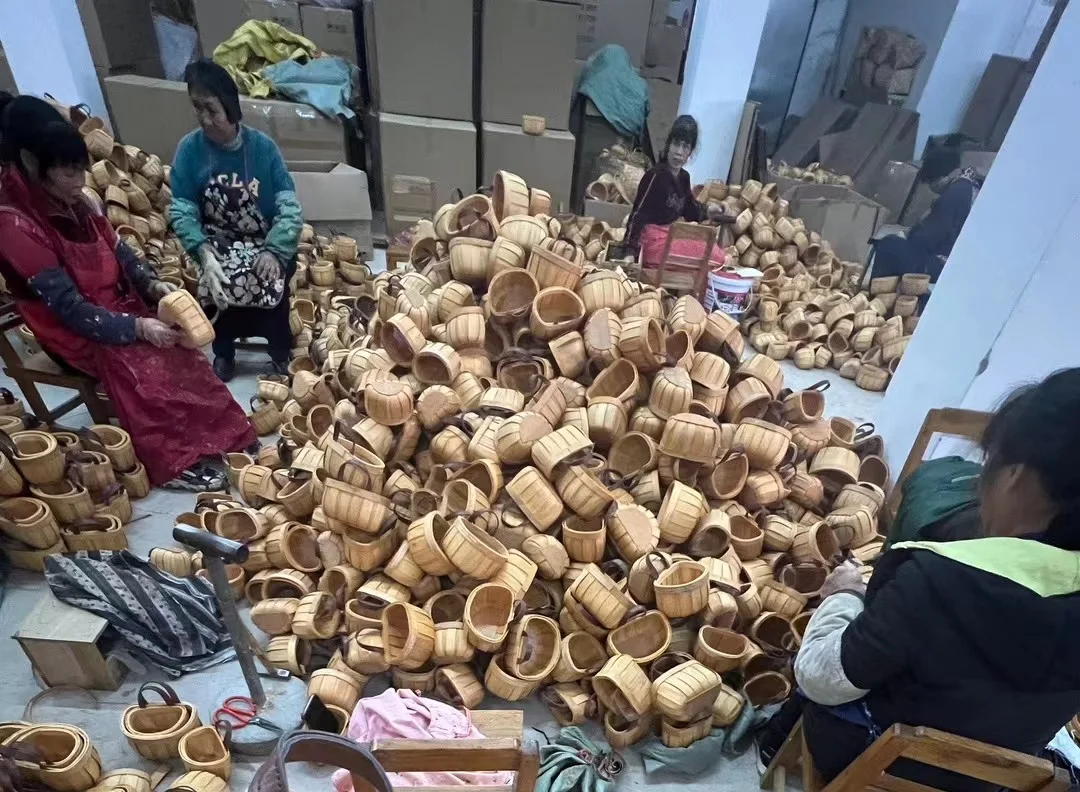
Nanning Holame Home Tech Co., Ltd.
- Manufacturer, Trading Company
- Guangxi, China
- Lead time30 days
- Avg. response≤ 2h
Main productsGift Baskets,Rattan Products,Bamboo Products,Wood Products,Kitchenware
Main marketsNorth America(50.00%), Western Europe(10.00%), Oceania(10.00%), Southern Europe(9.00%), Africa(8.00%), Mid East(6.00%), Northern Europe(5.00%), Eastern Europe(2.00%)
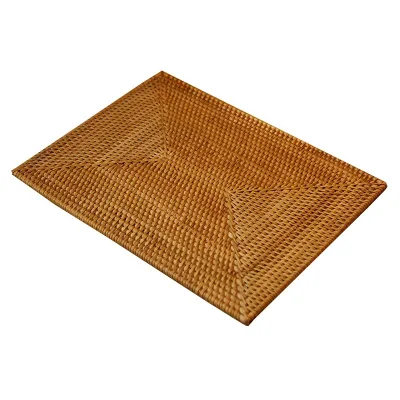
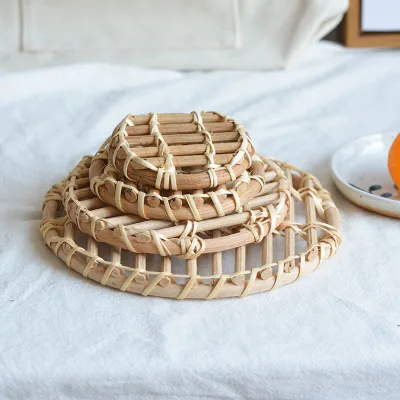
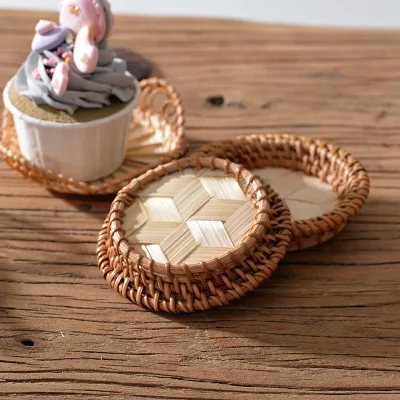
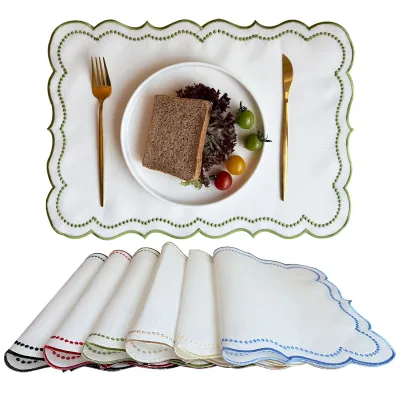
High Quality Creative Design Natural Eco-friendly Handmade Rattan Placemat for Cup Coffee Tea
$1.72 - $4.78
MOQ: 50 Minimum







Comprehensive Sourcing Guide
Taiwan Style Placemat Supplier Concentration and Factory Types
Sourcing results for this category show a clear concentration in eastern China, with Zhejiang Province appearing repeatedly as a supplier base for placemats and woven table accessories. Zhejiang's coastal export infrastructure and dense household-goods manufacturing network make it a logical starting point when filtering candidates by location. Product listings in the current results also reference origins in Henan Province, indicating that woven cotton and poly-cotton placemat production is not confined to a single cluster. Because listings may show the product's place of origin rather than the company's registered address, buyers should treat location fields on both the supplier profile and the product page as separate data points and reconcile any mismatch before shortlisting.
Supplier types in this category split into two broad models. Some companies describe themselves as manufacturers, often listing woven placemats, cotton placemats, woven crafts and polypropylene placemats as main products, which suits buyers seeking direct control over weaving, dyeing and finishing. Others are trading companies with broader catalogs, such as promotion gifts, charger plates, trays and picnic blankets, where placemats are one line among many. The trading-company route can simplify consolidated orders across table décor categories, while manufacturer-direct relationships typically offer better visibility into customization. Identify clusters by filtering search results on location, main products and company type together rather than assuming the headline listing address reflects the actual production site.
How to Verify Taiwan Style Placemat Suppliers
Begin verification with the structural facts each profile displays. Confirm whether the company registers as a manufacturer, a trading company, or both, since dual-role companies may outsource weaving while retaining sales control. Check the registered location against the place of origin stated on individual products; in the current category, supplier profiles point to Zhejiang while several products declare Henan origins, which is legitimate but worth clarifying with the seller. Response time is a displayed, testable signal: profiles in this category show figures ranging from roughly two hours to nearly twelve hours, and a fast, accurate first reply usually predicts smoother sampling and production communication.
Then verify capability through product-level evidence. Material claims should be checked against the listing attributes: some placemats are polypropylene, others cotton yarn or polyester-cotton blends, and the seller should be able to confirm fiber content, thickness (several listings state 2 mm) and construction method, whether woven, quilted or hand-made. If a listing claims certifications such as LFGB or FDA for food-contact suitability, ask for the underlying certificate documents and scope, since a listed attribute is not proof of a current, valid certificate covering your exact product. Request business-license documentation, ask whether the quoted factory is the same entity as the trading entity, and confirm which company will appear on the invoice. For any claim you cannot validate from the listing, note it as an open item to verify directly before committing to samples or deposits.
What to Compare Across Taiwan Style Placemat Suppliers
Compare suppliers on the attributes the platform actually displays, not on assumptions. Lead time is a primary differentiator in this category: current profiles show quoted production lead times of roughly twenty days for a manufacturer-type supplier and thirty days for a trading company, a difference that matters if you are planning around seasonal tableware restocks. MOQs vary dramatically, with some cotton placemat listings accepting as few as ten pieces while a trading-company listing quotes a 3,000-piece minimum, so align this field with your test-order and replenishment volumes. Response time, from about two hours to nearly half a day in current results, indicates how quickly issues will be surfaced during production.
Also compare product fit and commercial signals. Price ranges visible on listings span roughly $0.43 to $0.76 per piece, but treat these as starting points that shift with material, size and order quantity rather than as fixed quotes. Compare material families (PP versus cotton yarn versus polyester-cotton), shape and size options (round 38 cm designs appear frequently, with customized sizes also offered), and the feature sets claimed, such as heat resistance, non-slip backing, washability and eco-friendly positioning. Company type, location and main-product breadth tell you whether consolidation of related table décor items is realistic. Not every supplier displays every attribute, such as establishment year or escrow availability, so build your comparison around whichever verified fields exist and request the missing values directly.
Common Taiwan Style Placemat Sourcing Risks
The most frequent risk in this category is a mismatch between the listed supplier location and actual production. Profiles show Zhejiang-registered companies while several products originate in Henan, and a buyer who assumes single-site production can face unquoted travel costs, slower factory audits and unclear accountability when defects appear. A related risk is type ambiguity: companies listing both manufacturer and trading-company status may not disclose whether weaving is in-house. Ask explicitly which processes—braiding, cutting, edging, tassel application, packing—happen at the named facility and which are subcontracted.
Certification and material risks follow closely. A listing attribute such as LFGB or FDA on a round placemat is a claim, not evidence; ask for dated, scoped certificates before relying on food-contact compliance, and confirm the claim covers your specific material and colorway. Material confusion is also common, since similar-looking products may be polypropylene, cotton yarn or a polyester-cotton blend with different heat and wash performance—get written confirmation of fiber content and thickness for the exact SKU. Commercial risks include MOQ cliffs (ten-piece trial listings coexisting with 3,000-piece quotes in this category) and price ranges that move with customization. Finally, slow response times around half a day or longer can stretch a 30-day lead time into something far less predictable, so test communication quality before the deposit stage.
Taiwan Style Placemat Regional Sourcing and Logistics
The regional picture from current results centers on Zhejiang Province, whose coastal position supports established export channels for household and table décor goods, with Henan Province appearing at the product-origin level for woven cotton and poly-cotton designs. For a Taiwan-style placemat program, this means your most efficient sourcing path likely runs through eastern China, but you should confirm for each candidate whether the weaving facility sits in the coastal cluster or in an inland province, because this affects freight legs to port, audit logistics and the speed of any in-process inspection visit. Where no verified location exists for a candidate, identify clusters by comparing the location fields across supplier profiles and product pages rather than trusting the first address shown.
On logistics, quoted lead times in this category range from about twenty to thirty days, so build a shipping plan that separates production time from transit time. Placemats are lightweight and low-cube—single-item gross weights on some listings are under a tenth of a kilogram with package dimensions around 40 by 40 centimeters—making them well suited to consolidated sea freight alongside heavier tableware, though air freight is viable for urgent samples or small replenishment runs given the low unit weight. Confirm packing formats, since listings in this category reference opp bags or cartons, and ask how many units fit per inner box and per master carton so volume calculations are based on real packing data, not estimates.
Taiwan Style Placemat Commercial Terms and Order Planning
Structure first orders around the MOQ and price behavior visible in the category. Listings here span ten-piece minimums on cotton designs, twenty-piece minimums on some PP placemats, and 3,000-piece minimums on trading-company lines, with unit prices from roughly $0.43 to $0.76. A practical plan is a small paid trial order at the low end of the MOQ range to validate material, color accuracy, stitching and packing, followed by a volume order where the price curve and any customization (custom colors and sizes are offered on several listings) can be negotiated against firm quantities. Never treat the displayed price as final; request a written quotation tied to your exact size, material, color and quantity.
Order planning should anchor on the quoted lead times—about twenty days from manufacturer-type profiles and thirty days from trading-company profiles in current results—then add buffer for sampling, quality checks and holidays. Confirm payment structure in writing, including deposit percentage and balance timing, and prefer mechanisms that offer transaction protection where available, since escrow-style coverage may be displayed on some profiles but not others. Define acceptance criteria for the trial order: diameter tolerance (38 cm is a common spec here), thickness, tassel or edge finish, and heat-resistance expectations should all be documented before production. Finally, time repeat orders against the slower lead-time figure rather than the faster one, and reconfirm prices and lead times at each reorder rather than assuming continuity.
FAQs
What are the typical lead times for placemat orders?
Lead times vary by supplier and product type. Some manufacturers offer a 20-day lead time for standard orders, while others may require up to 30 days. Buyers should confirm specific timelines with the supplier before placing an order to ensure timely delivery.
What is the minimum order quantity for these products?
Minimum order quantities differ across listings. Some suppliers accept orders as low as 10 pieces for cotton placemats, while others require a minimum of 20 or even 3000 pieces for specific items. Always check the product details page for the exact MOQ required.
Which materials are commonly used for these placemats?
Common materials include cotton yarn, plastic, and polyester cotton blends. Some products are described as woven or heat-resistant PP. Buyers can find options in various colors like black, navy blue, or beige depending on the specific style and material chosen.
Are these placemats available in customized sizes?
Yes, many suppliers offer customized sizes for their placemat products. Some listings specify custom sizes or diameters like 38cm, while others allow for tailored dimensions. Buyers should verify size options directly with the manufacturer to ensure the product meets their specific needs.
What certifications do these products typically hold?
Some products carry certifications such as LFGB and FDA, indicating compliance with safety standards. These certifications are often listed for items intended for food contact. Buyers should verify specific certification details on the product page to ensure they meet regulatory requirements.
How quickly do suppliers typically respond to inquiries?
Response times vary among suppliers, with some responding within 2 hours and others taking up to 12 hours. Faster response times can help streamline the sourcing process. Buyers should check individual supplier profiles to gauge their typical communication speed before initiating contact.
Where are these placemat manufacturers located?
Manufacturers are primarily located in provinces like Zhejiang and Henan in China. These regions are known for producing various home and garden products. Buyers can filter search results by location to find suppliers in specific areas that may offer logistical advantages.