Therapeutic Grade Batana Oil Suppliers and Manufacturers
Source Therapeutic Grade Batana Oil from 25 verified suppliers in Guangdong, China. Compare key dimensions including MOQ, lead times, certifications like ISO9001 and GMPC, and pricing to identify the right partner for your bulk needs. Request quotes today; review the available evidence before requesting comparable quotations from suitable candidates.
Suppliers List
Zhicui Xiangfeng (guangzhou) Technology Co., Ltd.
- Manufacturer, Trading Company, Distributor/Wholesaler
- Guangdong, China
- Lead time7 days
- Avg. response≤ 3h
Main productspure essential oil,Perfume Fragrance Oil,Carrier oil,blend essential oil,OEM essential oil
Main marketsNorth America(30.00%), South Asia(10.00%), Southern Europe(10.00%), Mid East(10.00%), Central America(10.00%), South America(10.00%), Western Europe(5.00%), Oceania(5.00%), Southeast Asia(5.00%), Domestic Market(1.00%), Eastern Asia(1.00%), Africa(1.00%), Northern Europe(1.00%), Eastern Europe(1.00%)
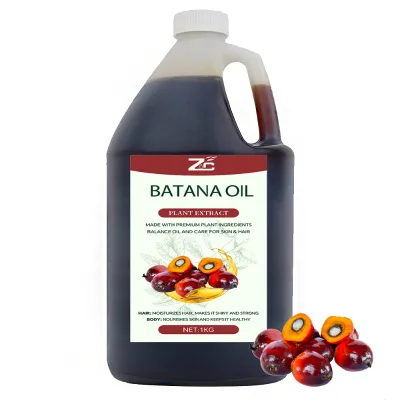
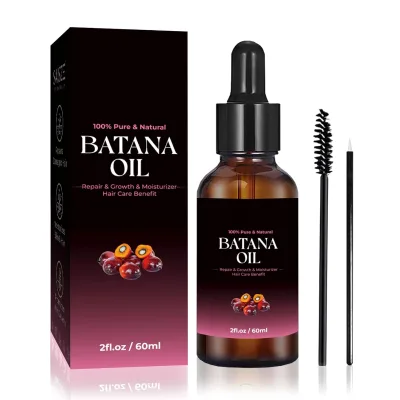
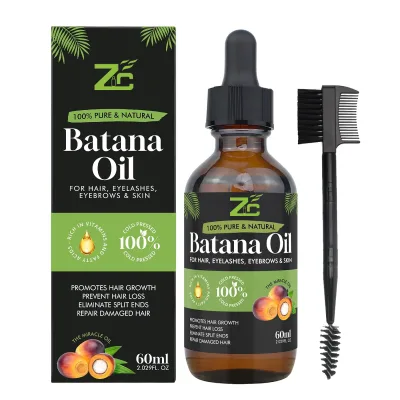
Cold Pressed 100% Pure Raw Batana Oil Butter Natural Hair Batana Oil for Hair Care
$16.00 - $18.00
MOQ: 2
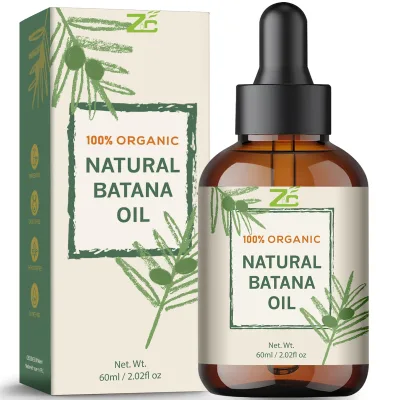

Private Label 100% Natural Raw Batana Oil Butter Hair Care Batana Hair Oil for Black Women
$1.59 - $1.65
MOQ: 500 pieces

Hanyutang (guangzhou) Cosmetics Manufacturing Co., Ltd.
- Verified by SGS Group
- Trading Company
- Lead time15 days
Main productsSkin Care, Make Up, Body Lotion, Shower Gel, Scrub
Main marketsNorth America(19%), Western Europe(14%), Mid East(12%)
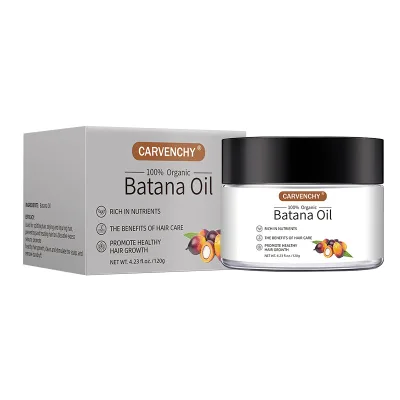
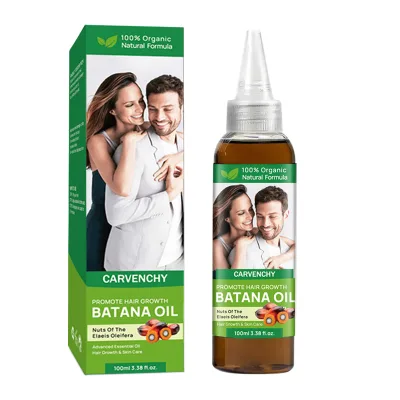
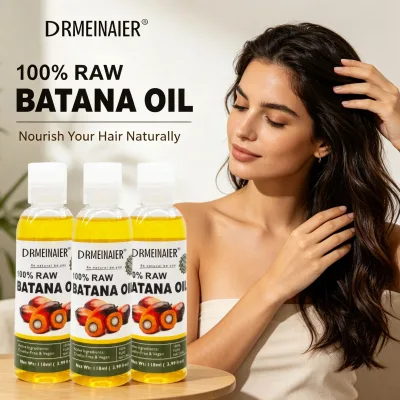
$1.61 - $1.84
MOQ: 3 pieces
Guangzhou Jianyuan Biotechnology Co., Ltd.
- Verified by Intertek
- Manufacturer, Trading Company
- Lead time0 days
Main productsHair Styling, Hair Care, Beard Care, Hair Growth, Hair Fiber
Main marketsNorth America(25%), South America(12%), Mid East(10%)
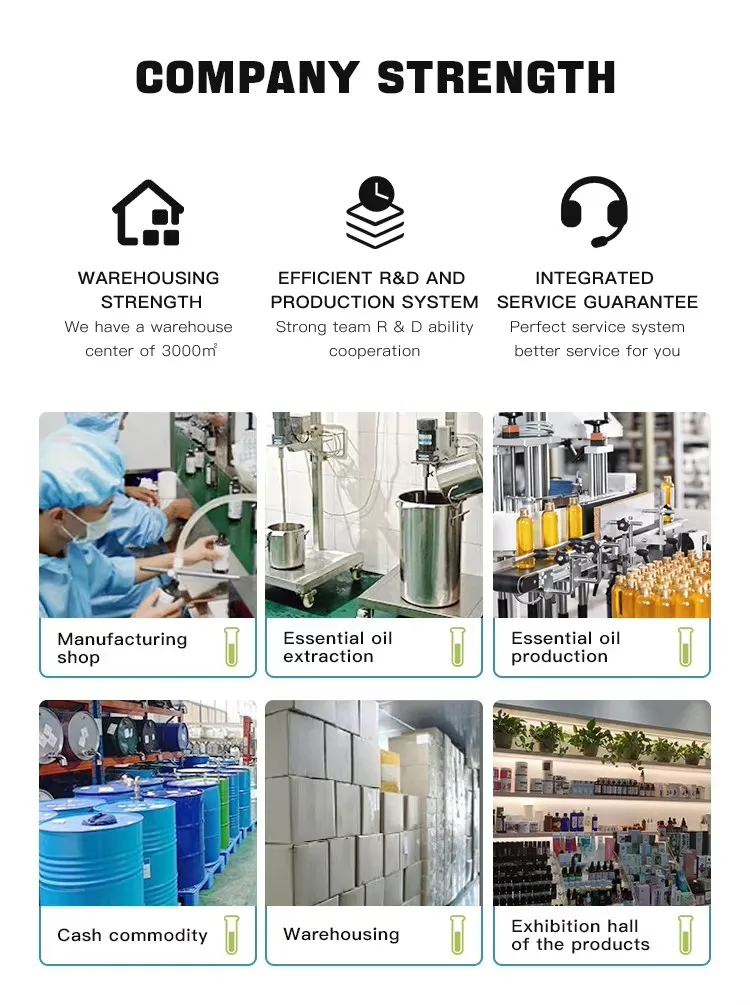
Jian Jia Yang Biotechnology Co., Ltd.
- Manufacturer, Trading Company
- Jiangx, China
- Lead time20 days
- Avg. response≤ 2h
Main productsfragrance oil,plant extract,scrub cream,skin cream,carrier oil
Main marketsNorth America(30.00%), Southeast Asia(20.00%), Eastern Europe(20.00%), South America(20.00%), Eastern Asia(10.00%)

Shenzhen Happymall Cosmetics Co., Ltd.
- Manufacturer, Trading Company, Distributor/Wholesaler
- Guangdong, China
- Lead time15 days
- Avg. response≤ 6h
Main productsBeauty makeup,face cream,skin care,all serums,body care
Main marketsWestern Europe(60.00%), Eastern Europe(10.00%), North America(10.00%), Domestic Market(5.00%), South America(5.00%), Mid East(5.00%), Southeast Asia(5.00%)
Ji'an Borui Spice Oil Co., Ltd.
- Verified by SGS Group
- Manufacturer, Trading Company
- Lead time5 days
Main productsEssential Oil, Carrier Oil, Natural flavors , Fragrance oil, Hydrosol
Main marketsSoutheast Asia(25%), Central America(18%), South America(12%)
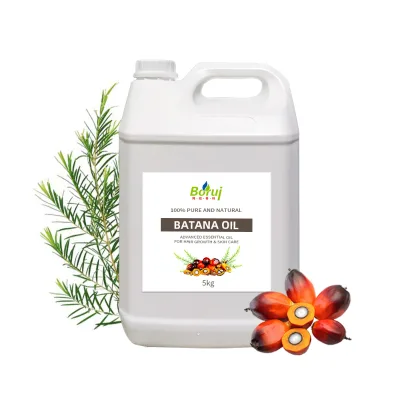


Batana Factory Direct Orange Essential Oil Whitening and Aroma Treatment 30ml Volume OEM Supply
$12.00 - $16.00
MOQ: 1 kilograms
Xi'an International Healthcare Factory Co., Ltd.
- Verified by Intertek
- Manufacturer, Trading Company
- Lead time10 days
Main productsCompound Whitening Powder, Healthcare Products, Nutritional supplement, Plant Extract, Compound anti-wrinkle powder
Main marketsNorth America(40%), South America(10%), Western Europe(10%)
Ji'an Huaxin Natural Plant Co., Ltd.
- Manufacturer
- Jiangxi, China
- Lead time10 days
- Avg. response≤ 3h
Main productsEucalyptus Oil,Cinnamon Oil,essential oil set,Citronella Oil,Peppermint Oil
Main marketsNorth America(35.00%), Western Europe(20.00%), Domestic Market(20.00%), Eastern Asia(5.00%), Southeast Asia(4.00%), Africa(3.00%), South Asia(2.00%), Southern Europe(2.00%), Eastern Europe(2.00%), Northern Europe(2.00%), Mid East(2.00%), South America(2.00%), Central America(1.00%)

Yihai Kerry (Qingdao) Oils & Grains Industries Co., Ltd.
- Verified by SGS
- Combined
- China Shandong
- Lead time30 days
- Avg. response≤ 25h
Main productsSesame Oil, Peanut Oil
Main marketsSoutheast Asia/ Mideast


Halal Vegetable Oil, Natural Peanut Oil, Peanut Oil, Sunflower Oil, Edible Oil
$2500.00 - $3000.00
MOQ: 2 Tons

High-Quality Peanut Oil From China / High-Quality Peanut Oil Vegetable Oil Edible Oil
$2500.00 - $3000.00
MOQ: 2 Tons

Factory Direct Sales of Halal Vegetable Oil, Natural Peanut Oil, Peanut Oil Edible Oil
$2500.00 - $3000.00
MOQ: 2 Tons

Jiangxi Baicao Pharmaceutical Co., Ltd.
- Verified by BV
- Combined
- China Jiangxi
- Lead time15 days
- Avg. response≤ 11h
Main productsEssential Oil, Plant Extract, Fragrance Oil, Flavor Oil, Tea Tree Oil, Eucalyptus Oil, Peppermint Oil, Citronella Oil, Pine Oil, Cassia Oil /Cinnamon Oil
Main marketsSoutheast Asia/ Mideast,East Asia(Japan/ South Korea),Europe

Shandong Vianor Pharma Co., Ltd.
- Verified by BV
- Combined
- China Shandong
- Lead time30 days
- Avg. response≤ 3h
Main productsNasal Inhaler Vaporub Stick Aromatherapy Refesh, Pet Care Shampoo Paw Balm Oral Care, Personal Care Household Toothpaste Mouth Wash, Cosmetic Factory Body Care Lotion Hair, Sport Care Pain Relief Muscle Care Spray, Healthy Care Natural Essential Oil Embrocation, Aromatic Stick Medicated Essential Oil Vapo Pad, Healthy Nutrition and Dietary Supplements, Daily Beauty Care Skin Care Body Oil Lube Oil, Patches Pain Relief Blister Plaster Bandage
Main marketsSoutheast Asia/ Mideast,North America

Refreshing Fragrance Gently Soothes Quickly Brings Relief Medicated Oil
$0.11 - $0.41
MOQ: 10000 Pieces


Xi'an Haoze Biotechnology Co., Ltd.
- Verified by BV
- Manufacturer/Factory
- China Shaanxi
- Lead time15 days
- Avg. response≤ 9h
Main productsNmn, Pharmaceutical Intermediates, Melatonin, Lidocaine, Coenzyme Q10, L-Carnitine, Plant Extract, Alpha Arbutin, Resveratrol, Quercetin
Main marketsSouth America,Eastern Europe,Mid East,North America,Southeast Asia,Eastern Asia,Oceania,Western Europe,Africa
Ji'an Badaling Spice Co., Ltd.
- Verified by Intertek
- Trading Company
- Lead time3 days
Main productsEssential Oils, Carrier Oils, Aromatherapy Oils, Fragrance Oils, Spices
Main marketsNorth America(60%), Africa(15%), Mid East(15%)

Factory Wholesale Pure Natural Organic Batana Carrier Oil Private Brand
$8.00 - $10.00
MOQ: 2 kilograms


Guangzhou Dongxuantang Biotechnology Co., Ltd.
- Manufacturer
- Guangdong, China
- Lead time15 days
- Avg. response≤ 2h
Main productsEssential Oil,Carrier Oil,OEM Essential Oil Set,Compound Essential Oil,Other Essential Oil Products
Main marketsDomestic Market(15.80%), Central America(13.45%), Mid East(12.78%), Southeast Asia(12.40%), Eastern Europe(8.60%), Northern Europe(8.10%), South Asia(6.80%), Oceania(5.60%), Africa(4.02%), Southern Europe(3.65%), South America(3.65%), Eastern Asia(2.50%), Western Europe(1.65%), North America(1.00%)

Xi'an Taima Biological Engineering Co., Ltd.
- Trading Company
- China Shaanxi
- Lead time15 days
- Avg. response≤ 6h
Main productsSuper Concentrated Flavors, Cooling Agent Ws-23, Cooling Agent Ws-27, Cooling Agent Ws-3, Cooling Agent Ws-5, Cooling Agent Ws-12, Sucralose, Ethyl Maltol, Neotame, Advantame
Main marketsSouth America,Africa,Southeast Asia/ Mideast,East Asia(Japan/ South Korea),Domestic,Europe,Australia,North America

Tianjin Chuangjiaguan Biotechnology Co., Ltd.
- Trading Company
- China Tianjin
- Lead time0 days
- Avg. response≤ 6h
Main productsWhey Protein Powder Monohydrate Creatine, Cocoa Butter, Cocoa Powder, Xanthan Gum, Milk Protein, Hydrolyzed Beef Protein, Creatine Anhydrous, Guar Gum, Limonene, Matcha Powder

- Verified by SGS
- Manufacturer/Factory
- China Liaoning
- Lead time30 days
- Avg. response≤ 7h
Main productsCosmetic Ingredients, Cosmetic Preservatives, Biocides, Molecular Sieve, Color Developer, Glyoxylic Acid, PARA Nitrobenzoic Acid, Benzoic Acid, 6-Methyluracil, Methyl Salicylate
Main marketsSouth America,Eastern Europe,Mid East,North America,Southeast Asia,Eastern Asia,Oceania,Western Europe,Africa

Guangzhou Sevich Biology Technology Co., Ltd.
- Verified by SGS
- Trading Company
- China Guangdong
- Lead time15 days
- Avg. response≤ 6h
Main productsHair Building Fibers, Hair Fiberes, Keratin Hair Fibers, Keratin Fiber Powder, Hair Fibers Building, Hair Loss Treatment, Hair Loss Concealer, Hair Loss Men, Hair Loss Women
Main marketsSouth America,Southeast Asia/ Mideast,East Asia(Japan/ South Korea),Europe,Australia,North America

Shandong Shiyi Trading Co., Ltd.
- Verified by CTI
- Trading Company
- China Shandong
- Lead time15 days
- Avg. response≤ 13h
Main productsHealth and Care, Cosmetics
Main marketsAfrica,Europe,North America


Hot Selling Facial Body Oil Emollient Plant Essential Oil Open Back Scraping Massage Oil
$0.70 - $1.80
MOQ: 48 Pieces

Xi'an Chinaherbs Commerce Co., Ltd
- Verified by BV
- Combined
- China Shaanxi
- Lead time15 days
- Avg. response≤ 8h
Main productsSlimming Tea, Health Tea, Matcha, Yoni Pearls, Yoni Oil, Yoni Pops, Vaginal Tightening Gel, Yoni Wash, Herbal Supplements
Main marketsAfrica,Europe,North America

Guangzhou Tinsun Biotechnology Company Limited
- Combined
- China Guangdong
- Lead time15 days
- Avg. response≤ 7h
Main productsSkin Care
Main marketsEast Asia(Japan/ South Korea),Australia,North America

GUANGZHOU BANGTING COSMETICS CO., LTD.
- Verified by TUVRHEINLAND
- Combined
- China Guangdong
- Lead time30 days
- Avg. response≤ 16h
Main productsFacial Cleansing Products, Facial Care, Eye Care, Collagen Eye Mask, Shampoo, Hair Mask, Eye Cream, Hair Essential Oil, Shower Gel, Body Lotion
Main marketsSoutheast Asia/ Mideast

Natural Batana Oil for Hair Growth Moisturizing & Nourishing Batana Hair
$1.60 - $3.80
MOQ: 100 pieces

Guangdong Cangty International Cosmetics Co., Ltd.
- Verified by SGS
- Combined
- China Guangdong
- Lead time15 days
- Avg. response≤ 6h
Main productsShampoo, Hair Wax, Hair Conditioner, Hair Serum, Hair Essence, Hair Mousse, Hair Spray, Hair Styling Cream, Hair Shampoo, Wax Sticker
Main marketsOthers(foreignTradeCapacity.exportBusinessCapacityMarketOther),Domestic


Private Personal Label 60ml Batana Oil Pure Organic Anti-Loss Luxury Hair Regrowth Oil with Rosemary
$0.05 - $1.85
MOQ: 1 Pieces


Guangdong Renhe Guozhuang Biotechnology Co., Ltd.
- Manufacturer, Trading Company, Distributor/Wholesaler
- Guangdong, China
- Lead time0 days
- Avg. response≤ 4h
Main productsDark Spot Cream,Whitening facial serum,Anti-acne gel,Hair Growth Products,Normal saline solution
Main marketsDomestic Market(50.00%), Southeast Asia(20.00%), Mid East(10.00%), Eastern Europe(10.00%), North America(1.00%), South Asia(1.00%), Southern Europe(1.00%), Northern Europe(1.00%), Central America(1.00%), Western Europe(1.00%), Eastern Asia(1.00%), South America(1.00%), Oceania(1.00%), Africa(1.00%)

$3.20 - $3.50
MOQ: 3000 boxes

$3.20 - $3.50
MOQ: 3000 boxes
Guangzhou Jiufa Biotechnology Co., Ltd.
- Manufacturer, Trading Company
- Guangdong, China
- Lead time20 days
- Avg. response≤ 3h
Main productshand cream,body scrub,soap,lip balm,aloe vera
Main marketsNorth America(50.00%), Eastern Europe(30.00%), Northern Europe(10.00%), Mid East(10.00%)


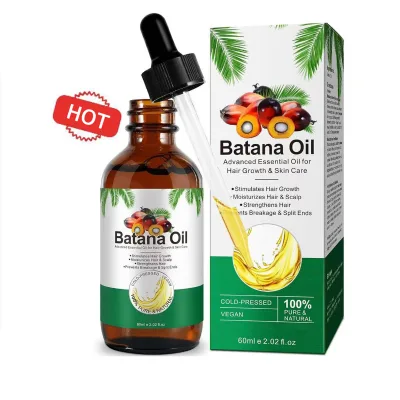
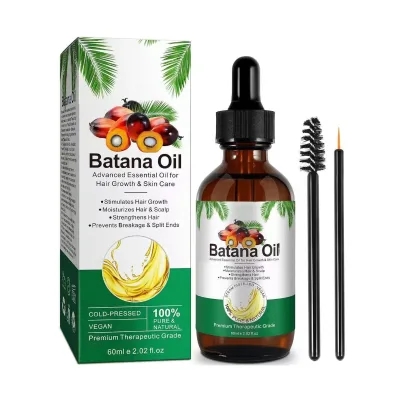


Comprehensive Sourcing Guide
Therapeutic Grade Batana Oil Supplier Concentration and Factory Types
When sourcing Therapeutic Grade Batana Oil, identifying the correct supplier type is the first critical step. The current market data indicates a mix of manufacturers, trading companies, and distributors operating within this niche. Manufacturers typically control the extraction and blending processes, which is essential for maintaining the "therapeutic grade" claim. Trading companies, on the other hand, may aggregate products from various sources, offering broader variety but potentially less direct control over raw material integrity. Buyers should distinguish between these entities by reviewing company profiles and asking about their production capabilities. A manufacturer will usually provide details on their extraction methods, such as cold pressing, while a trader might focus on logistics and packaging solutions. Understanding this distinction helps in negotiating terms that align with your quality requirements and volume needs.
The geographic concentration of these suppliers is a significant factor in your sourcing strategy. Current results highlight Guangdong, China, as a primary location for these suppliers. This region is known for its robust chemical and cosmetic manufacturing infrastructure, which supports the production of carrier oils and essential blends. However, buyers should not assume that all suppliers in this region are identical. Some may be specialized in hair care formulations, while others might be generalists. It is advisable to map out the specific clusters within this region that specialize in botanical extracts. By focusing on areas with established supply chains for natural ingredients, you can reduce the risk of supply disruptions. Additionally, consider the proximity of these factories to ports for efficient shipping. This geographic insight allows you to plan your logistics more effectively and anticipate potential delays in the supply chain.
How to Verify Therapeutic Grade Batana Oil Suppliers
Verification is paramount when dealing with therapeutic grade products, as the term implies a higher standard of purity and efficacy. Start by requesting Certificates of Analysis (COA) for each batch. These documents should detail the chemical composition, including the presence of active compounds and the absence of contaminants. Look for certifications such as ISO9001 and GMPC, which indicate adherence to quality management systems and good manufacturing practices. While these certifications are a good baseline, they do not guarantee the specific quality of the batana oil. Therefore, cross-reference the COA with independent third-party lab tests if possible. This dual verification process ensures that the product meets the therapeutic standards you require for your end-users.
Beyond documentation, conduct a thorough audit of the supplier’s production facilities. Request recent audit reports or consider hiring a third-party inspection service to visit the factory. During the audit, examine the storage conditions of the raw batana seeds and the final oil. Proper storage is crucial to prevent oxidation and degradation, which can compromise the therapeutic properties. Additionally, verify the supplier’s track record by checking their response time and communication efficiency. A responsive supplier is more likely to be transparent about their processes and willing to address any concerns promptly. By combining documentary evidence with physical inspections, you can build a comprehensive picture of the supplier’s reliability and commitment to quality. This rigorous approach minimizes the risk of receiving substandard products and ensures that your brand’s reputation remains intact.
What to Compare Across Therapeutic Grade Batana Oil Suppliers
When comparing suppliers, focus on key performance indicators that directly impact your business operations. Lead time is a critical factor, as it determines how quickly you can restock your inventory. Current data suggests a lead time of around seven days for some suppliers, but this can vary based on order size and production schedules. Compare this against your own inventory management needs to ensure that the supplier can meet your demand without causing stockouts. Additionally, evaluate the Minimum Order Quantity (MOQ) for each supplier. Some may require a minimum of 1 kilogram, while others might have higher thresholds. A lower MOQ can be beneficial for smaller businesses or those testing new markets, but it may come with a higher unit price. Balancing these two factors is essential for optimizing your cash flow and storage capacity.
Response speed and communication quality are also vital aspects to compare. A supplier with a response time of three hours or less is likely to be more agile and capable of handling urgent requests or resolving issues quickly. This responsiveness is particularly important when dealing with therapeutic grade products, where any delay or error can have significant consequences. Furthermore, consider the range of main products offered by each supplier. Some may specialize exclusively in batana oil, while others might offer a broader portfolio of essential and carrier oils. A specialized supplier may have deeper expertise in the specific properties of batana oil, whereas a generalist might offer more flexibility in product combinations. By comparing these dimensions, you can identify the supplier that best aligns with your strategic goals and operational requirements.
Common Therapeutic Grade Batana Oil Sourcing Risks
One of the primary risks in sourcing Therapeutic Grade Batana Oil is the potential for adulteration or mislabeling. Given the high demand for natural hair care products, some suppliers may dilute the oil with cheaper carriers or synthetic additives to reduce costs. This not only compromises the therapeutic benefits but also poses safety risks to consumers. To mitigate this risk, insist on full transparency regarding the sourcing of raw materials. Ask for proof of origin and ensure that the batana seeds are sourced from reputable suppliers. Additionally, conduct regular quality checks on incoming shipments to detect any deviations from the specified standards. By maintaining strict quality control measures, you can protect your brand from the reputational damage associated with substandard products.
Another significant risk is supply chain volatility, particularly due to the seasonal nature of batana seed harvesting. Fluctuations in supply can lead to price increases or shortages, disrupting your production schedule. To manage this risk, establish long-term contracts with multiple suppliers to diversify your sourcing base. This approach reduces your dependence on a single source and provides a buffer against supply disruptions. Furthermore, monitor market trends and weather patterns in the regions where batana seeds are grown to anticipate potential impacts on supply. By proactively addressing these risks, you can ensure a stable and reliable supply of Therapeutic Grade Batana Oil, allowing you to focus on growing your business without worrying about supply chain issues.
Therapeutic Grade Batana Oil Regional Sourcing and Logistics
The regional sourcing of Therapeutic Grade Batana Oil is heavily influenced by the location of the manufacturing facilities. As noted, Guangdong, China, is a prominent hub for these suppliers. This region offers advantages in terms of infrastructure, including well-developed transportation networks and proximity to major ports. These factors facilitate efficient shipping and reduce logistics costs. However, buyers should also consider the environmental and ethical implications of sourcing from this region. Ensure that the suppliers adhere to sustainable practices and fair labor standards. By choosing suppliers who prioritize sustainability, you can align your sourcing strategy with your corporate social responsibility goals. This not only enhances your brand image but also appeals to environmentally conscious consumers.
Logistics planning is crucial for ensuring the timely delivery of Therapeutic Grade Batana Oil. Consider the mode of transportation, whether by sea, air, or land, based on the urgency and volume of your orders. Sea shipping is cost-effective for large quantities but has longer transit times, while air shipping is faster but more expensive. Evaluate the trade-offs between cost and speed to determine the most suitable option for your business. Additionally, factor in customs clearance and import duties, which can add to the overall cost and lead time. By carefully planning your logistics, you can minimize delays and ensure that your products reach your customers in a timely manner. This strategic approach to logistics helps you maintain a competitive edge in the market and satisfies customer expectations for prompt delivery.
Therapeutic Grade Batana Oil Commercial Terms and Order Planning
Negotiating commercial terms is a critical aspect of sourcing Therapeutic Grade Batana Oil. Pay close attention to payment terms, such as whether the supplier requires full payment upfront or offers credit terms. Full payment upfront may be necessary for new suppliers, but established relationships can often lead to more flexible terms. Additionally, consider the currency of transaction and any potential exchange rate fluctuations that could impact your costs. By negotiating favorable payment terms, you can improve your cash flow and reduce financial risk. Furthermore, clarify the terms regarding returns and warranties. Ensure that the supplier has a clear policy for handling defective or non-conforming products. This protects your investment and ensures that you are not left bearing the cost of any issues that arise.
Order planning should be aligned with your sales forecasts and inventory levels. Avoid overstocking, which ties up capital and increases storage costs, or understocking, which can lead to lost sales. Use historical sales data and market trends to predict demand and adjust your order quantities accordingly. Consider implementing a just-in-time inventory system to minimize waste and maximize efficiency. Additionally, build in a buffer for unexpected demand spikes or supply disruptions. By carefully planning your orders, you can maintain a healthy inventory level and ensure that you are always ready to meet customer demand. This disciplined approach to order planning helps you optimize your operations and achieve sustainable growth in the Therapeutic Grade Batana Oil market.
FAQs
What does Therapeutic Grade Batana Oil mean when sourcing?
Therapeutic grade is a marketing term, not an official certification. Listings for batana oil commonly show it alongside claims like 100% pure natural extract and documents such as COA and MSDS. Ask suppliers for batch test reports, confirm the botanical source, and treat the grade label as a claim to verify rather than a guaranteed standard.
What certifications should I request for batana oil?
Common documents shown with batana oil listings include ISO9001, GMPC, COA, and MSDS. A COA should report purity and test results for your specific batch, while MSDS covers safe handling. Request current certificates issued to the producing facility, confirm who performed the testing, and keep copies for customs and retail compliance in your market.
What is the typical MOQ for batana oil orders?
MOQs vary by format and packaging. Bulk listings in this category start from as low as 1 kg, while private label bottled products often require 500 units or more. Smaller trial quantities help you test quality first, then scale. Always confirm the exact unit, packaging size, and whether private label orders carry higher minimums.
How long do batana oil orders usually take?
Suppliers in this category commonly quote a lead time of around 7 days for production, depending on order size and customization. Private label work with printed bottles, boxes, or labels usually adds extra time. Confirm the lead time in writing, ask whether it starts after artwork approval, and build in shipping and inspection time before launch.
Where is most batana oil shipped from?
The batana oil listings on this page are supplied from Guangdong, China, a region with many essential oil and personal care manufacturers. While the oil itself is marketed as originating from Honduras batana, packing and manufacturing typically happen in Guangdong. Ask each supplier to clarify the raw material origin and where production and filling occur.
Can suppliers provide private label batana oil?
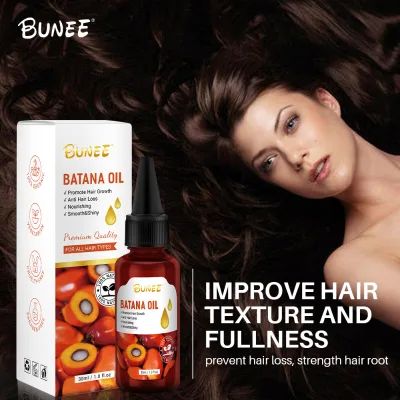
Yes, most listings in this category accept OEM and ODM orders, offering options like 10 ml, 60 ml, and 236 ml bottles with branded boxes and labels. Provide your logo files, choose bottle size and packaging, and confirm printing costs, proofing time, and MOQ for custom branding before placing a deposit.
What packaging sizes are available for batana oil?
Common options include retail bottles of 10 ml, 60 ml, and 236 ml, plus bulk drums in 1 kg, 5 kg, 10 kg, 25 kg, and 180 kg sizes. Bulk formats suit brands that fill locally, while finished bottles suit private label sellers. Confirm gross weight, carton dimensions, and shelf life, which listings typically state as two to three years.
How much does batana oil cost per unit?
Prices vary widely with format and volume. Bulk listings on this page range roughly from about 16 to 18 dollars per kilogram, while private label bottled units range from roughly 1.19 to 1.69 dollars at 500-unit minimums. Treat listed prices as starting points, then request quotes for your exact specification, volume, and packaging.