Top Grade Refined Rice Vermicelli Suppliers and Manufacturers
Source Top Grade Refined Rice Vermicelli from 17 verified suppliers in China. Compare key dimensions including lead times, MOQs, certifications, and response rates. Review product specifications and request quotes to streamline your procurement process; review the available evidence before requesting comparable quotations from suitable candidates.
Suppliers List

Zhongshan Kwangna Import & Export Co., Ltd.
- Verified by TUVRHEINLAND
- Trading Company,Manufacturer/Factory
- China Guangdong
- Lead time23 days
- Avg. response≤ 6h
Main productsSmiki Soy Sauce, Smiki Seasoning, Noodle, Detergent, Washing Powder, Mushroom, Can, Msg, Rice Stick, Dry Food
Main marketsSouth America,Eastern Europe,Mid East,North America,Southeast Asia,Eastern Asia,Oceania,Western Europe,Africa

- Trading Company
- China Fujian
- Lead time30 days
- Avg. response≤ 25h
Main productsCanned Mushrooms, Canned Bamboo Shoots, Canned Lychees, Canned Sweet Corn, Canned Water Chestnuts, Canned Fruits, Duck Egg Products, Rice Cake, Canned Mackerel, Canned Sardines
Main marketsSoutheast Asia/ Mideast,East Asia(Japan/ South Korea)


MOQ: 1 Pieces
- Verified by TüVRheinland
- Manufacturer, Trading Company
- Lead time30 days
Main productsFrozen Vegetables, Seaweed, Soy Sauce, Wasabi Powder, Chopsticks
Main marketsSouth America(16%), Eastern Europe(11%), Southeast Asia(10%)


$0.88 - $5.50
- Trading Company
- Jiangsu, China
- Lead time20 days
- Avg. response≤ 12h
Main productsNori,Panko Bread Crumbs,Soy Sauce,Pickled Ginger,Japanese Noodle
Main marketsWestern Europe(22.00%), South America(17.00%), Eastern Asia(11.00%), Northern Europe(9.00%), Southern Europe(8.00%), Mid East(8.00%), North America(7.00%), Eastern Europe(6.00%), South Asia(6.00%), Domestic Market(4.00%), Africa(2.00%)

Qingdao Sinomie Food Co., Ltd.
- Verified by TUVRHEINLAND
- Trading Company
- China Shandong
- Lead time30 days
- Avg. response≤ 4h
Main productsInstant Noodles, Udon Noodles, Soba Noodles, Chow Mein Noodles, Fresh Noodles, Longkou Vermicelli, Sweet Potato Vermicelli
Main marketsSoutheast Asia/ Mideast

Guanxian Xinrui Industrial Co., Ltd.
- Combined
- China Shandong
- Lead time15 days
- Avg. response≤ 22h
Main productsWheat Gluten, Food Ingredient, Vital Wheat Gluten, Protein, Wheat Protein
Main marketsSouth America,Africa,Southeast Asia/ Mideast,East Asia(Japan/ South Korea),Domestic,Australia

- Verified by TUVRHEINLAND
- Combined
- China Shandong
- Lead time15 days
- Avg. response≤ 18h
Main productsSoy Protein Isolate, Soy Fiber, Soy Oils, Isolated Soy Protein
Main marketsDomestic
Zhongshan Desly Foodstuffs Co., Ltd.
- Verified by Intertek
- Manufacturer, Trading Company
- Lead time30 days
Main productsSoy Sauce, Oyster Sauce, Sweet Chili Sauce, Vinegar, Sesame Oil
Main marketsWestern Europe(26%), Africa(20%), Oceania(19%)

- Trading Company
- China Beijing
- Lead time30 days
- Avg. response≤ 9h
Main productsNoodles, Wasabi, Sushi Nori, Vinegar, Sushi, Shirataki, Soy Sauce, Sushi Ginger, Miso, Sashimi Sauce
Main marketsSoutheast Asia/ Mideast,Europe

Zhangzhou Greencan Food Co., Ltd.
- Verified by SGS
- Trading Company,Manufacturer/Factory
- China Fujian
- Lead time23 days
- Avg. response≤ 9h
Main productsCanned Mushrooms, Canned Champignons, Canned Fruits, Canned Vegetables, Canned Beans, Canned Fishes, Canned Tomato, Canned Tomato Paste, Condiments, Dry Fungus
Main marketsSouth America,Eastern Europe,Mid East,North America,Southeast Asia,Eastern Asia,Africa

Top Quality of Rice Vermicelli with OEM Packing for Morocco Customers
$8.00 - $15.00
MOQ: 1 20 feet container


Guangdong Kenny Way Food Processing Machinery Co., Ltd.
- Verified by BV
- Combined
- China Guangdong
- Lead time30 days
- Avg. response≤ 2h
Main productsRice Noodles Production Line, Rice Noodles Making Machine, Food Machine, Rice Noodle Processing Equipment, Automatic Rice Noodle Making Machine, Fresh Rice Noodle Machine, Dry Rice Noodle Machine, Rice Vermicelli Machine, Rice Noodle Extruder Machine, Rice Noodle Processing Machinery
Main marketsDomestic

Advanced Rice Vermicelli Processing Solutions for Efficient Production
$7000.00 - $50000.00
MOQ: 1 Sets

Versatile Rice Vermicelli Manufacturing Solutions for International Markets
$4000.00 - $50000.00
MOQ: 1 Sets

Versatile Rice Vermicelli Manufacturing Solutions for International Buyers
$7000.00 - $50000.00
MOQ: 1 Sets


JIANGXI CHUNSI FOODS COMPANY LIMITED
- Combined
- China Jiangxi
- Lead time15 days
- Avg. response≤ 25h
Main productsNoodle, Rice Vermicelli, Soba, Udon, Buckwheat, Ramen, Somen
Main marketsSoutheast Asia/ Mideast,East Asia(Japan/ South Korea),Domestic,Europe,Australia,North America

Spicy Rice Noodles/Local Delicacies/Mixed Flour Rice Vermicelli/Family-Size (S)
$26.00 - $27.00
MOQ: 100 Boxes


Spicy Noodles/Local Delicacies/Nanchang Mixed Flour Rice Vermicelli/Hot Selling
$0.72 - $0.72
MOQ: 3000 Bags


Chinese Cuisine-Chunsi Jiangxi Rice Vermicelli (M) -Spaghetti/Spicy Snack/Instant Food/
$100.00 - $2000.00
MOQ: 100 Boxes

Hot Selling Chunsi Jiangxi Rice Vermicelli (M) /Spicy Snack/Instant Food/Chinese Cuisine
$100.00 - $2000.00
MOQ: 100 Boxes

Zhangzhou Greencan Food Co., Ltd.
- Trading Company
- Fujian, China
- Lead time30 days
- Avg. response≤ 4h
Main productscanned mushrooms,canned vegetables,canned fruits,canned beans,canned fishes
Main marketsMid East(40.00%), Africa(15.00%), South America(12.00%), Southeast Asia(12.00%), North America(5.00%), Domestic Market(5.00%), Eastern Asia(4.00%), South Asia(2.00%), Southern Europe(2.00%), Western Europe(2.00%), Oceania(1.00%)
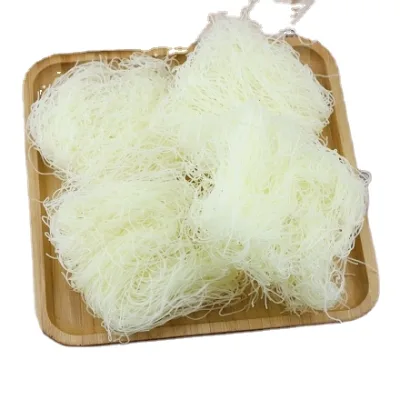
$6.14 - $8.18
MOQ: 1 cartons
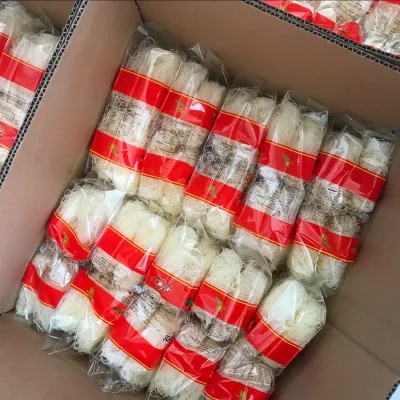

Zhongshan Ally Import and Export Company Limited
- Verified by BV
- Trading Company
- China Guangdong
- Lead time30 days
- Avg. response≤ 6h
Main productsSoy Sauce, Oyster Sauce, Egg Noodle, Noodles, Sweet Chilli Sauce, Sesame Oil, Canned Food, Peanut Butter, Chicken Powder, Vinegar
Main marketsSouth America,Africa,Europe,Australia


250g Brc Dried Wholesale Breakfast Cereal Rice Stick Xinzhu Rice Vermicelli
$16.00 - $29.00
MOQ: 500 Boxes

Bulk Wholesale Dry Low Lowcal Instant Chinese Mung Bean Longkou Vermicelli
$16.00 - $29.00
MOQ: 500 Boxes


- Verified by SGS Group
- Manufacturer, Trading Company
- Lead time20 days
Main productsSeaweed Salad, Tobiko, Masago
Main marketsWestern Europe(20%), North America(17%), Eastern Europe(17%)
- Verified by SGS Group
- Manufacturer, Trading Company
- Lead time15 days
Main productsPanko & Tempura Premix, Vermicelli, Noodle, Frozen Products
Main marketsWestern Europe(15%), Southeast Asia(15%), Africa(14%)

Chaoyang Fengmai Food Co., Ltd.
- Manufacturer, Trading Company
- Liaoning, China
- Lead time7 days
- Avg. response≤ 5h
Main productsMoon Cake,Biscuits,Jiang Mi Tiao(glutinous rice sticks),cookies(Tao Su),Noodles
Main marketsEastern Asia(50.00%), Domestic Market(20.00%), Southeast Asia(10.00%), North America(9.00%), Mid East(2.00%), South America(1.00%), South Asia(1.00%), Southern Europe(1.00%), Northern Europe(1.00%), Central America(1.00%), Western Europe(1.00%), Eastern Europe(1.00%), Africa(1.00%), Oceania(1.00%)


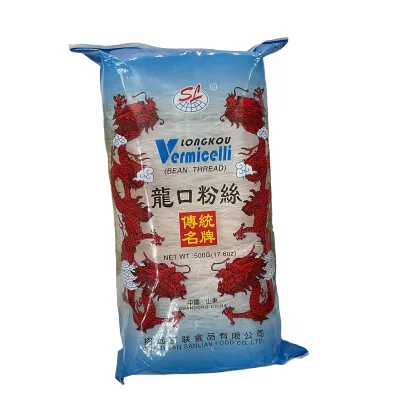


Comprehensive Sourcing Guide
Top Grade Refined Rice Vermicelli Supplier Concentration and Factory Types
The sourcing landscape for Top Grade Refined Rice Vermicelli reveals a distinct concentration of manufacturing and trading entities within specific Chinese provinces, primarily Guangdong and Fujian. Buyers evaluating this category will encounter a mix of company types, including dedicated manufacturers, factories, and trading companies, each offering different value propositions regarding production control and supply chain flexibility. In Guangdong, suppliers often operate as both trading companies and manufacturers, suggesting a hybrid model where direct factory access is possible alongside broader product portfolios. This region is known for producing a wide array of food items, including soy sauce, seasoning, and various noodle products, indicating a mature industrial ecosystem capable of supporting high-volume rice vermicelli production. The presence of established facilities in Guangdong implies that buyers can expect a robust infrastructure for raw material sourcing, particularly rice, which is the primary ingredient for these noodles. When assessing suppliers in this cluster, it is crucial to distinguish between pure trading entities and those with actual production capabilities, as this distinction impacts quality control, customization options, and lead time reliability.
In contrast, suppliers located in Fujian present a different operational profile, often focusing on canned goods, frozen vegetables, and other preserved foods alongside rice-based products. While some Fujian-based entities are listed as trading companies, others may have manufacturing roots, though their primary focus might not be exclusively on rice vermicelli. This diversification means that buyers sourcing Top Grade Refined Rice Vermicelli from Fujian might encounter suppliers who treat noodles as part of a broader agricultural or processed food portfolio. The concentration in these two provinces highlights the importance of geographic verification when selecting a partner. Buyers should not assume that all suppliers offering rice vermicelli are located in the same industrial hubs. Instead, they must verify the specific location of the factory to understand the logistical implications and the supplier’s core competencies. Understanding whether a supplier is a manufacturer or a trading company helps in predicting their responsiveness to custom orders and their ability to provide detailed production insights.
How to Verify Top Grade Refined Rice Vermicelli Suppliers
Verification is a critical step in ensuring that the Top Grade Refined Rice Vermicelli you source meets international safety and quality standards. Buyers should prioritize suppliers who hold recognized third-party certifications, as these serve as objective evidence of compliance with global food safety regulations. Several suppliers in the current results display certifications such as BRC, FDA, HACCP, ISO, and Health certifications, which are essential for exporting to stringent markets like the United States, Europe, and other regulated regions. The presence of these certifications indicates that the supplier has undergone rigorous audits regarding their production processes, hygiene controls, and quality management systems. Additionally, verification badges from reputable organizations like TÜV Rheinland provide an extra layer of confidence, signaling that the supplier’s business operations and product claims have been independently validated. Buyers should actively look for these credentials in the supplier’s profile and request copies of the certificates to ensure they are current and applicable to the specific product line being ordered.
Beyond certifications, buyers must verify the supplier’s response time and communication efficiency, as these factors are indicative of their operational maturity and customer service quality. Data shows that response times can vary significantly, with some suppliers responding within hours while others may take up to twenty-five hours. A faster response time, such as the five-hour average observed in some Guangdong-based suppliers, often correlates with a more agile and customer-centric organization. This agility is crucial when discussing custom specifications, resolving quality issues, or negotiating commercial terms. Furthermore, buyers should verify the supplier’s capacity for customization, including OEM and ODM services, which are available from many manufacturers in this sector. This capability allows buyers to tailor the product to their specific brand requirements, such as packaging design or specific noodle thickness. By combining certification checks with an assessment of communication speed and customization capabilities, buyers can build a reliable profile of potential partners, ensuring that the selected supplier is not only compliant but also responsive and flexible enough to meet their business needs.
What to Compare Across Top Grade Refined Rice Vermicelli Suppliers
When evaluating multiple sources for Top Grade Refined Rice Vermicelli, buyers must systematically compare key operational metrics to identify the most suitable partner for their specific requirements. One of the most critical dimensions is the minimum order quantity (MOQ), which can vary widely depending on the supplier’s production model and scale. For instance, some suppliers may require an MOQ of six hundred units, which is typical for standard packaged goods, while others might offer lower thresholds, such as one hundred units or even single-unit samples for testing purposes. Understanding these MOQ differences is essential for aligning supplier capabilities with your inventory strategy and cash flow constraints. Additionally, buyers should compare the lead times, which indicate how quickly an order can be fulfilled after confirmation. Lead times in this sector can range from twenty-three to thirty days, influenced by factors such as raw material availability, production scheduling, and shipping logistics. A shorter lead time can be advantageous for maintaining fresh stock and responding to market demand fluctuations, while a longer lead time might require more advanced planning and larger safety stocks.
Another vital aspect of comparison is the product specifications and pricing structure. Buyers should examine the detailed attributes of the rice vermicelli, including shelf life, storage requirements, and nutritional claims such as low fat, low sodium, or non-GMO status. These attributes can significantly impact the product’s marketability and suitability for different consumer segments. For example, some products are marketed as having a smooth and chewy taste with a slim appearance, while others emphasize ease of cooking or specific serving suggestions like stir-frying or soup preparation. Pricing should also be compared on a per-unit basis, keeping in mind that prices can range from approximately zero point five five to one point zero zero dollars per unit, depending on the quantity and specifications. Furthermore, buyers should assess the supplier’s main product focus; those specializing in rice noodles may offer deeper expertise and better quality control compared to general trading companies with diverse portfolios. By meticulously comparing MOQs, lead times, product attributes, and prices, buyers can make informed decisions that balance cost, quality, and operational efficiency.
Common Top Grade Refined Rice Vermicelli Sourcing Risks
Sourcing Top Grade Refined Rice Vermicelli involves several inherent risks that buyers must proactively manage to ensure supply chain stability and product quality. One significant risk is the variability in product consistency, particularly when dealing with multiple suppliers or switching between different production batches. Rice vermicelli is a natural product, and slight variations in texture, color, or cooking time can occur due to differences in raw rice quality or manufacturing processes. Buyers must establish clear quality benchmarks and request samples before committing to large orders to mitigate this risk. Additionally, the risk of miscommunication regarding product specifications is high, especially when dealing with trading companies that may not have direct oversight of the production line. It is crucial to provide detailed technical specifications and confirm that the supplier understands and can meet these requirements. Another risk is the potential for delays in delivery, which can disrupt inventory levels and customer satisfaction. Lead times can be affected by various factors, including raw material shortages, production bottlenecks, or logistical issues, so buyers should maintain open communication with suppliers and have contingency plans in place.
Furthermore, buyers face the risk of non-compliance with international food safety standards if they fail to verify the supplier’s certifications and production practices thoroughly. While many suppliers display certifications like HACCP, ISO, and BRC, it is essential to ensure that these certifications are valid and cover the specific products being ordered. Failure to do so can result in customs delays, product recalls, or reputational damage in the target market. Another risk is the potential for hidden costs, such as additional fees for customization, packaging, or expedited shipping, which can impact the overall profitability of the order. Buyers should request detailed quotations that include all potential costs to avoid surprises. Additionally, the risk of intellectual property infringement exists when working with suppliers who offer OEM services, so buyers should protect their brand assets through proper legal agreements. By identifying and addressing these risks through rigorous due diligence, clear communication, and robust contractual terms, buyers can safeguard their interests and ensure a successful sourcing experience for Top Grade Refined Rice Vermicelli.
Top Grade Refined Rice Vermicelli Regional Sourcing and Logistics
The regional location of suppliers plays a pivotal role in determining the logistics strategy and overall cost structure for sourcing Top Grade Refined Rice Vermicelli. Suppliers located in Guangdong and Fujian provinces offer distinct logistical advantages due to their proximity to major ports and established shipping routes. Guangdong, in particular, is a hub for international trade, providing efficient access to global markets through ports like Shenzhen and Guangzhou. This geographic advantage can lead to shorter transit times and potentially lower shipping costs for buyers targeting North America, Europe, or other distant markets. When sourcing from Guangdong, buyers should consider the supplier’s experience with export logistics, as this can impact the efficiency of customs clearance and documentation. Additionally, the concentration of manufacturers in this region often means that there is a well-developed ecosystem of packaging suppliers and logistics providers, which can streamline the procurement process. Buyers should leverage this infrastructure to optimize their supply chain, ensuring that products are packaged and shipped in a manner that preserves quality and minimizes damage during transit.
In contrast, sourcing from Fujian may involve different logistical considerations, as this province also has strong maritime connections but may have a different industrial focus. Buyers should assess the supplier’s logistics capabilities, including their experience with international shipping and their ability to handle complex documentation requirements. The choice of region should also consider the supplier’s lead time and production capacity, as these factors influence the overall delivery schedule. For instance, a supplier with a longer lead time may require earlier order placement, which can impact inventory management strategies. Additionally, buyers should evaluate the supplier’s packaging standards, as proper packaging is crucial for protecting the rice vermicelli during long-distance shipping. Some suppliers offer packaging materials like plastic bags and cartons that are designed to withstand transit conditions, while others may require custom packaging solutions. By carefully considering the regional logistics advantages and challenges, buyers can develop a robust sourcing strategy that minimizes risks and optimizes costs. This includes selecting suppliers with proven export experience and establishing clear communication channels to monitor shipment progress and address any potential issues promptly.
Top Grade Refined Rice Vermicelli Commercial Terms and Order Planning
Effective commercial terms and strategic order planning are essential for successful procurement of Top Grade Refined Rice Vermicelli, ensuring that buyers can manage costs, risks, and supply continuity. Buyers should negotiate clear payment terms that align with their cash flow needs and risk tolerance, such as using secure payment methods like escrow or letters of credit for initial orders. Understanding the supplier’s pricing structure is also crucial, as prices can vary based on order volume, customization requirements, and packaging specifications. For example, some suppliers offer competitive pricing for standard products, while custom OEM orders may incur additional costs. Buyers should request detailed quotations that break down these costs to avoid hidden fees and ensure transparency. Additionally, buyers should plan their orders based on the supplier’s lead time and production capacity, allowing for sufficient buffer time to handle any potential delays. This is particularly important for products with a shelf life of two years or more, as buyers need to balance inventory levels with product freshness.
Furthermore, buyers should establish clear quality assurance protocols and return policies in their commercial agreements to protect against product defects or non-compliance. This includes specifying acceptance criteria for product attributes such as taste, texture, and packaging integrity. Buyers should also consider the supplier’s after-sales support and responsiveness, as these factors can impact the resolution of any issues that arise post-delivery. For instance, a supplier with a fast response time is more likely to address quality concerns promptly, minimizing disruption to the buyer’s business. Additionally, buyers should plan for seasonal fluctuations in demand
FAQs
What certifications do top grade rice vermicelli suppliers hold?
Suppliers typically hold BRC, FDA, HACCP, ISO, and Health certifications. These credentials ensure compliance with international food safety standards. Buyers should verify specific certificates for their target markets. Some suppliers also offer Halal and Kosher options for broader distribution channels.
What is the typical lead time for rice vermicelli orders?
Lead times generally range from 15 to 30 days after receiving the deposit. Specific durations depend on the supplier's location and current production capacity. Some manufacturers in Guangdong report faster turnaround times compared to others. Buyers should confirm exact schedules during negotiation.
What is the minimum order quantity for rice vermicelli?
Minimum order quantities vary significantly by supplier. Some require as few as 1 unit, while others set the bar at 600 units. Larger orders often benefit from better pricing tiers. Buyers should clarify MOQ requirements early to ensure alignment with their inventory needs.
What is the price range for top grade rice vermicelli?
Prices typically range from $0.55 to $10.00 per unit depending on specifications. Lower prices often apply to bulk rice stick varieties. Higher costs may reflect specialized packaging or certified organic ingredients. Buyers should request detailed quotes based on their specific volume and customization needs.
Where are rice vermicelli suppliers primarily located?
Most suppliers are located in China, specifically in Guangdong and Fujian provinces. These regions are known for strong manufacturing capabilities in food products. Buyers can also find suppliers in Shandong. Location impacts shipping costs and logistics efficiency significantly.
What shelf life do rice vermicelli products offer?
Products typically offer a shelf life of 24 months or more than 12 months. Proper storage in cool and dry places is essential. Some suppliers specify normal storage conditions for coarse cereal products. Buyers should check expiration dates on samples before placing large orders.