Eco-Friendly Organic Menstrual Pad Suppliers and Manufacturers
Source 17 verified suppliers for Eco-Friendly Organic Menstrual Pad products. Compare key dimensions including ISO certifications, lead times, and MOQs. Review product attributes and request samples to evaluate quality and fit for your specific needs; review the available evidence before requesting comparable quotations from suitable candidates.
Suppliers List

Ningbo Luke Medical Devices Co., Ltd.
- Verified by TUVRHEINLAND
- Combined
- China Zhejiang
- Lead time23 days
- Avg. response≤ 8h
Main productsMedical Disposable, Laryngeal Mask Airway, Wound Drains, Medical Tubes, Animal Medical Series
Main marketsSouth America,Africa,Southeast Asia/ Mideast,East Asia(Japan/ South Korea),Europe,North America


Instead of Menstrual Period Pad
MOQ: 1000 Pieces

Quanzhou Topone New Materials Technology Development Co., Ltd
- Verified by BV
- Trading Company,Manufacturer/Factory
- China Fujian
- Lead time0 days
- Avg. response≤ 5h
Main productsDiaper Material, Baby Diaper, Sanitary Napkin Material, Sanitary Napkin, Wet Wipes, Adult Diaper, Under Pads

Manufacturer Natural Sanitary Pads Organic Sanitary Pads Disposable Menstrual Pants
$0.09 - $0.10
MOQ: 100000 Pieces

Period Pads with pH-Balanced Top Sheet Maintains Natural Flora & Reduces Risk of Infections
$0.01 - $0.02
MOQ: 200000 Pieces

Biodegradable Bamboo Fiber Pads Eco-Friendly & Sustainable Compostable Menstrual Care
$0.01 - $0.02
MOQ: 200000 Pieces
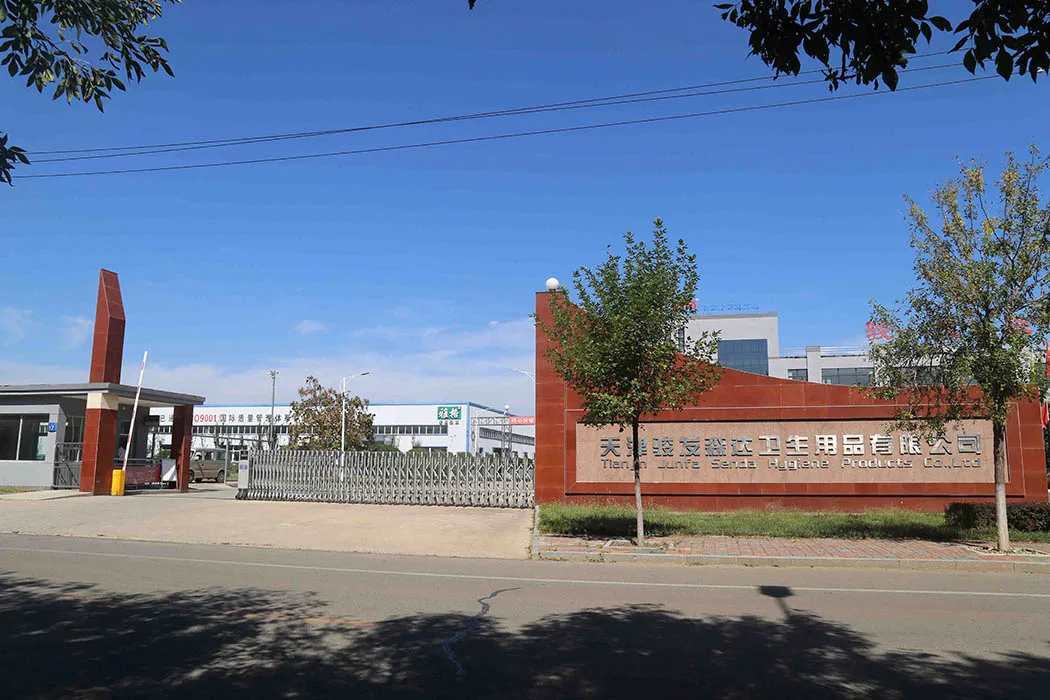
Tianjin Junfa Senda Hygiene Products Co., Ltd.
- Manufacturer, Trading Company
- Tianjin, China
- Lead time25 days
- Avg. response≤ 4h
Main productsPanty liner, Sanitary pad, Adult diaper, Adult pull-ups, Underpad
Main marketsDomestic Market(60.00%), South Asia(10.00%), Africa(10.00%), Eastern Europe(10.00%), Southeast Asia(10.00%)

QINGDAO KINGSOO GARMENT CO., LTD.
- Verified by SGS
- Trading Company,Manufacturer/Factory
- China Shandong
- Lead time30 days
- Avg. response≤ 5h
Main productsCloth Diaper, Cloth Nappy, Baby Diaper, Baby Nappy, Wet Bag, Sanitary Pads, Pet Diaper, Pet Nappy
Main marketsSouth America,Eastern Europe,North America,Southeast Asia,Western Europe

Quanzhou ERA Sanitary Products Co., Ltd.
- Verified by SGS
- Manufacturer
- China Fujian
- Lead time30 days
- Avg. response≤ 3h
Main productsBaby Diaper, Adult Diaper, Sanitary Pad, Baby Wipe, Baby Pant Diaper, Adult Pant Diaper, Tissue Paper, Disposable Protective Mask
Main marketsSouth America,Africa,Southeast Asia/ Mideast,Europe

Private Label Menstrual Pads Organic Cotton Menstrual Pads for Hospitals
$0.03 - $0.04
MOQ: 100000 Pieces


Quanzhou Tayue Sanitary Products Co., Ltd.
- Verified by SGS
- Manufacturer/Factory
- China Fujian
- Lead time23 days
- Avg. response≤ 4h
Main productsSanitary Napkins, Sanitary Pads, Adult Diapers, Baby Diapers, Wet Wipes, Ladies/Woman Sanitary Napkin, Baby Pants Diaper, Disposable Sanitary Napkin, Cheap Price Sanitary Napkin, Sanitary Napkin Korean
Main marketsSouth America,Eastern Europe,Mid East,North America,Southeast Asia,Eastern Asia,Oceania,Western Europe,Africa

Biodegradable Organic Cotton Menstrual Feminine Hygiene Period Napkin Sanitary Pad
$0.05
MOQ: 100000 Pieces

Eco Friendly Mesh Menstrual Period Menstrual Sanitary Protective Panties
$0.03 - $0.05
MOQ: 250000 Pieces

Soft Eco-Friendly Menstrual Pad Factory Price Cheap Hygienic Pad Breathable Sanitary Napkin
$0.03 - $0.05
MOQ: 250000 Pieces

Disposable Custom Menstrual Pads Private Label Cotton Sanitary Pads Organic
$0.01 - $0.02
MOQ: 100000 pcs


Quanzhou Duolashu Hygienics Co.,Ltd
- Verified by SGS
- Trading Company
- China Fujian
- Lead time30 days
- Avg. response≤ 5h
Main productsBaby Diapers, Baby Pants, Adult Diapers, Adult Pants, Sanitary Napkins, Sanitary Pads, Under Pads, Baby Diapers Pants, Wet Wipes, Pantyliner
Main marketsSoutheast Asia/ Mideast

High Quality Disposable Sanitary Pad Custom Logo Women Disposable Menstrual Pad
$0.10 - $0.20
MOQ: 10000 Bags

$0.03 - $0.05
MOQ: 30000 piece

Eco Friendly Disposable Sanitary Pad Ultra Thin Disposable Feminine Care Pad
$0.10 - $0.20
MOQ: 10000 Bags


Fujian Putian Licheng Paper Industry Co., Ltd.
- Verified by TUVRHEINLAND
- Combined
- China Fujian
- Lead time23 days
- Avg. response≤ 19h
Main productsDiaper, Baby Diaper, Adult Diaper, Under Pad, Pet Diaper, Sanitary Napkin, Pet Pad, Panty Liner
Main marketsOthers(foreignTradeCapacity.exportBusinessCapacityMarketOther),Europe

$0.01 - $0.01
MOQ: 900000 Pieces

Wholesale Biodegradable Organic Sanitary Pads Women 1 Menstrual Lady Anion Sanitary Napkin Suppliers
$0.01 - $0.01
MOQ: 900000 Pieces

Xiamen Minhongxingye Imp.& Exp. Co., Ltd.
- Verified by TUVRHEINLAND
- Trading Company,Manufacturer/Factory
- China Fujian
- Lead time23 days
- Avg. response≤ 2h
Main productsBaby Diaper, Baby Wipe, Sanitary Napkin, Tissue Paper, Adult Diaper, Wet Wipes, Toilet Paper, Pet Diaper
Main marketsSouth America,Eastern Europe,Mid East,North America,Southeast Asia,Eastern Asia,Oceania,Western Europe,Africa

Biodegradable Organic Sanitary Pad, Disposable Female Sanitary Pads Factory
$0.03 - $0.04
MOQ: 200000 Pieces

Good Quality Factory Directly Organic Sanitary Pads Reusable Sanitary Pads
$0.03 - $0.04
MOQ: 200000 Pieces
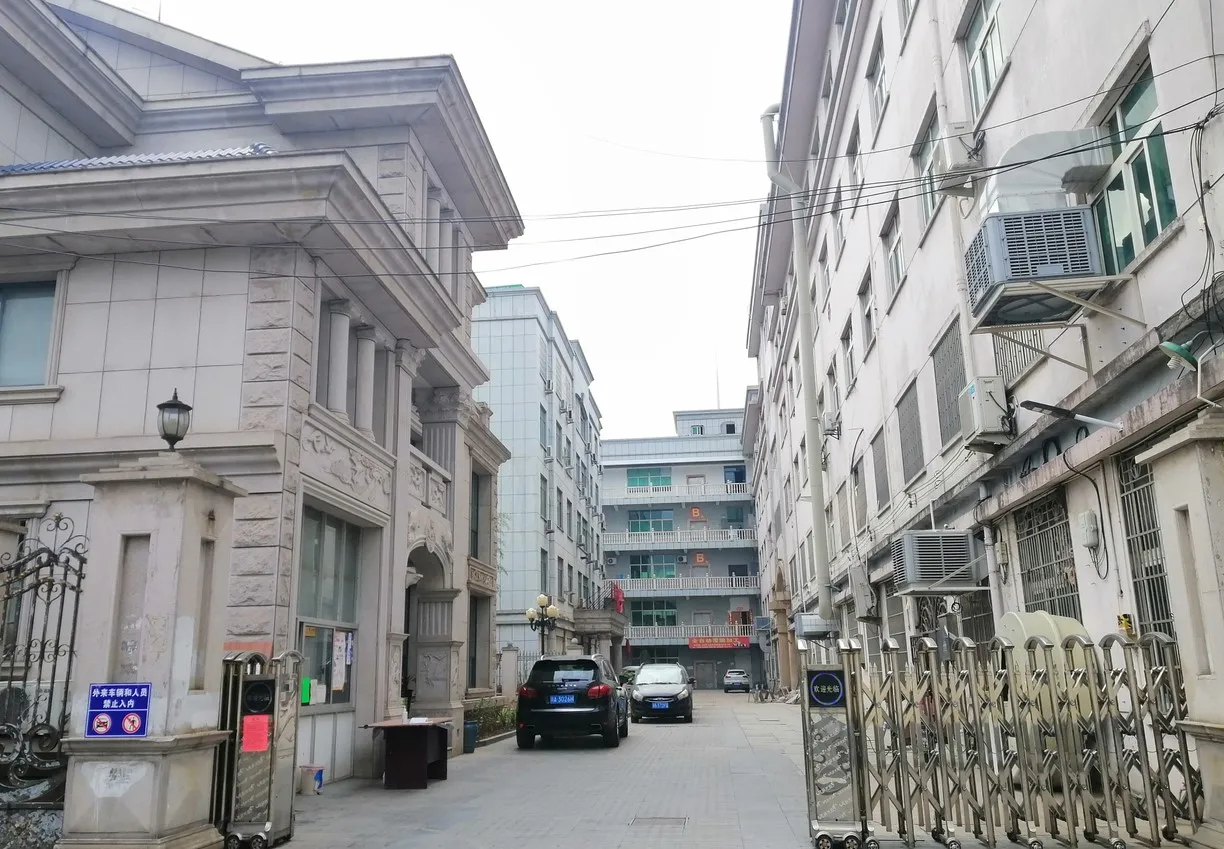
Yiwu Babyshow Maternal Co., Ltd.
- Manufacturer, Trading Company
- Zhejiang, China
- Lead time20 days
- Avg. response≤ 3h
Main productsAdult cloth diapers,Reusable Sanitary Pads/Nursing Pads,Baby Cloth Diapers,Heated bottle cover,Baby Swimming Diaper/Training Pnats
Main marketsNorth America(25.00%), Northern Europe(15.60%), Mid East(13.00%), Oceania(10.00%), Domestic Market(7.60%), South America(5.60%), Southeast Asia(5.00%), Eastern Europe(5.00%), Western Europe(5.00%), Southern Europe(4.00%), Africa(3.00%), Central America(1.20%)

- Verified by SGS
- Trading Company
- China Fujian
- Lead time30 days
- Avg. response≤ 2h
Main productsBaby Diaper, Baby Pull up Pant, Adult Diaper, Pet Diaper
Main marketsSouth America,Africa,Southeast Asia/ Mideast,Europe,North America

Nanjing Ihome Comfort Co., Ltd.
- Verified by SGS
- Trading Company
- China Jiangsu
- Lead time30 days
- Avg. response≤ 7h
Main productsHot Water Bottle, Ice Pack, Hot Water Bag, Kneepad, Hot Cold Pack, Bp Bulb Bladder, Fitness Equipment, Leather Bag, Test Pack, First Aid Kit
Main marketsSouth America,Africa,Others(foreignTradeCapacity.exportBusinessCapacityMarketOther),Southeast Asia/ Mideast,East Asia(Japan/ South Korea),Europe,North America


Customized Reusable Waterproof Sanitary Pads Washable Natural Color Menstrual Pads for Women
$0.42 - $0.70
MOQ: 500 Pieces

True Mission Industrial Co., Ltd
- Verified by BV
- Trading Company,Manufacturer/Factory
- China Fujian
- Lead time23 days
- Avg. response≤ 6h
Main productsBaby Diapers, Sanitary Pads, Wet Wipes, Raw Materials
Main marketsSouth America,Mid East,Southeast Asia,Eastern Asia,Africa

Premium Quality Organic Cotton Sanitary Pads for Use by Women During Menstruation
$0.02 - $0.02
MOQ: 200000 piece

Ultra Soft High Absorbency Disposable Sanitary Napkin Menstrual Period Hygienic Women Pad
$0.02 - $0.02
MOQ: 200000 piece

PUYANG SELFAIDING INDUSTRIAL CO., LTD.
- Verified by SGS
- Manufacturer
- China Henan
- Lead time15 days
- Avg. response≤ 2h
Main productsAdult Bib, Pet Pad, Underpad, Baby Bib, Protective Panties, Washable Sanitary Pad, Compression Stockings, Patient Care Clothing, Pet Nest, Pet Toy


Breathable Washable Sanitary Napkin Reusable Menstrual Pads Cotton Sanitary Pad
$1.15 - $1.34
MOQ: 500 Pieces

Shanghai DoHold Trading Co., Ltd.
- Trading Company
- China Hainan
- Lead time0 days
- Avg. response≤ 17h
Main productsFacial Towel, Sanitary Napkin/ Pad, Baby Diaper, Face Mask, Adult Diaper, Pet Diaper

Lightweight Breathable Cotton Non Woven Menstrual Women Sanitary Napkin Pad
$0.02 - $0.04
MOQ: 100000 PC


Odor Control Gentle Soft Dry Cover Period Cotton Women Sanitary Napkin Pad
$0.02 - $0.04
MOQ: 100000 PC


Fuzhou Shoobb Import and Export Co., Ltd.
- Trading Company
- China Fujian
- Lead time30 days
- Avg. response≤ 24h
Main productsVehicles, Electric Cars
Main marketsSouth America,Southeast Asia/ Mideast,East Asia(Japan/ South Korea),Europe,North America

Xiamen Ank Hygiene Care Product Co., Ltd.
- Verified by CTI
- Trading Company
- China Fujian
- Lead time30 days
- Avg. response≤ 1h
Main productsBaby Diaper, Adult Diaper, Sanitary Pad, Underpad, Adult Pant, Pet Diaper, Wipes, Disposable Underwear, Hygiene Raw Materials, Cotton Swab
Main marketsSouth America,Southeast Asia/ Mideast,Europe,Australia,North America



Comprehensive Sourcing Guide
Eco-Friendly Organic Menstrual Pad Supplier Concentration and Factory Types
The current supplier landscape for eco-friendly organic menstrual pads reveals a diverse mix of manufacturing capabilities and business models, primarily concentrated in specific Chinese provinces. Evidence indicates that suppliers are located in regions such as Zhejiang and Fujian, with additional presence in Tianjin. These geographic clusters often correlate with established textile and hygiene product supply chains, allowing for efficient sourcing of raw materials like organic cotton and bamboo fiber. Buyers should note that the company types listed include combined entities, trading companies, and manufacturer/factory setups. This variation is critical because it dictates the level of direct control a buyer has over production quality and customization. A trading company may offer a broader catalog but less direct oversight, whereas a manufacturer/factory can provide more transparency into the production line and material sourcing processes.
Understanding the specific role of each supplier type helps in aligning business goals with operational realities. For instance, some suppliers list main products that include sanitary napkins, wet wipes, and adult diapers, suggesting a broader hygiene focus rather than a niche specialization in menstrual care alone. Others may focus more heavily on medical disposable items or animal medical series, indicating a different regulatory and quality standard baseline. The presence of OEM and ODM capabilities across several results suggests that many factories are equipped to handle custom branding and product design. However, the extent of this capability varies, and buyers must verify whether the supplier’s primary expertise lies in mass-producing standard items or in developing specialized eco-friendly formulations. This distinction is vital for brands seeking unique selling propositions through organic materials or biodegradable components, as not all general hygiene manufacturers possess the specific technical knowledge required for sustainable product development.
How to Verify Eco-Friendly Organic Menstrual Pad Suppliers
Verification is a multi-layered process that goes beyond simple profile checks, requiring buyers to scrutinize third-party certifications and system validations. Several suppliers in the current results display specific system certifications, such as ISO 14001:2015, ISO 9001, and GMP. These certifications are strong indicators of a supplier’s commitment to environmental management and quality control systems, which are particularly relevant for eco-friendly products. Additionally, verification badges from recognized bodies like TÜV Rheinland and BV provide an extra layer of confidence regarding the supplier’s operational legitimacy. Buyers should prioritize suppliers who hold these verifications, as they suggest a structured approach to compliance and risk management. However, it is crucial to distinguish between general system certifications and product-specific approvals. For example, some product listings mention SGS and FDA List certifications, which are specific to the items themselves rather than the factory’s overall management system.
Beyond certifications, buyers must actively verify the authenticity of claims regarding organic materials and biodegradability. The term "eco-friendly" is often used loosely in marketing, so concrete evidence is necessary. Buyers should request detailed material composition reports that specify the source of cotton or bamboo fiber and confirm the absence of synthetic plastics in the absorbent core or backsheet. Some suppliers list features like "Super Absorbent" or "Breathable," but these do not automatically imply organic or sustainable origins. It is also important to check for any discrepancies between the supplier’s stated main products and the specific items being sourced. A supplier whose main products are medical disposables might not have the same rigorous standards for consumer hygiene products as one specializing in sanitary napkins. Therefore, direct communication to request recent audit reports or third-party lab tests for the specific eco-friendly pads is essential to ensure that the product meets the claimed environmental and safety standards.
What to Compare Across Eco-Friendly Organic Menstrual Pad Suppliers
When evaluating multiple suppliers, buyers should compare key operational metrics such as lead time, minimum order quantity (MOQ), and response time to assess suitability for their supply chain needs. The data shows a wide range in these metrics, with lead times varying from zero days to 25 days, and response times averaging around four to seven hours. A lead time of zero days might indicate ready stock, which is beneficial for urgent orders, but it requires verification of product freshness and storage conditions. Conversely, a lead time of 25 days suggests a production-based model, which may offer better customization options but requires longer planning horizons. MOQs also vary significantly, ranging from as low as one unit for samples to 200,000 units for bulk orders. This disparity allows buyers to start with small test orders or commit to large-scale production runs depending on their market demand and risk tolerance.
In addition to operational metrics, buyers should compare product specifications and pricing structures to ensure value alignment. Prices for menstrual pads can range from very low per-unit costs for standard disposable items to higher prices for specialized reusable or premium organic products. For instance, some listings show prices as low as $0.01 to $0.10 per unit, while others for reusable cups or specialized mats are priced higher. Buyers must also compare product attributes such as material composition, length, and features like "Odor Control" or "Side-Gather." Some suppliers offer customization options, which can be a significant advantage for brand differentiation. However, customization often comes with higher MOQs and longer lead times. Therefore, buyers should create a comparison matrix that includes not just price and MOQ, but also the specific certifications, material sources, and packaging options offered by each supplier. This holistic comparison helps in identifying suppliers who offer the best balance of cost, quality, and service for their specific business model.
Common Eco-Friendly Organic Menstrual Pad Sourcing Risks
One of the primary risks in sourcing eco-friendly menstrual pads is the potential for greenwashing, where suppliers make unsubstantiated claims about the organic or biodegradable nature of their products. Without rigorous verification, buyers may inadvertently source products that contain hidden synthetic materials or do not meet environmental standards. This risk is compounded by the variability in supplier expertise; some manufacturers may lack the specific knowledge required to produce truly sustainable hygiene products. For example, a supplier specializing in general sanitary napkins might not have the infrastructure to handle organic cotton or bamboo fiber effectively, leading to quality inconsistencies. Buyers must be vigilant in requesting detailed material safety data sheets and third-party test results to confirm the absence of harmful chemicals, dyes, or synthetic plastics. This due diligence is essential to protect brand reputation and ensure consumer safety.
Another significant risk is the mismatch between supplier capabilities and buyer expectations regarding customization and scalability. Some suppliers may advertise OEM/ODM capabilities but have limited experience with eco-friendly materials, leading to production delays or quality issues when custom orders are placed. Additionally, the variability in lead times and MOQs can disrupt supply chain planning if not carefully managed. A supplier with a low MOQ might be attractive for initial testing, but their production capacity may be insufficient for large-scale orders, leading to bottlenecks. Conversely, suppliers with high capacity might require large MOQs that are difficult for new brands to absorb. Buyers should also consider the risk of communication barriers and cultural differences, which can lead to misunderstandings regarding product specifications and quality standards. Establishing clear communication channels and regular quality checks is crucial to mitigate these risks and ensure a smooth sourcing process.
Eco-Friendly Organic Menstrual Pad Regional Sourcing and Logistics
Sourcing from specific regions in China, such as Zhejiang, Fujian, and Tianjin, offers distinct logistical advantages and challenges that buyers must consider. Zhejiang is known for its strong manufacturing base in medical and personal care products, which may provide access to a wide range of suppliers with diverse capabilities. Fujian, on the other hand, is often associated with textile and hygiene product manufacturing, potentially offering competitive pricing and established supply chains for raw materials like cotton. Tianjin’s location in northern China may provide different logistical benefits, such as proximity to major ports for export. Buyers should evaluate the shipping costs and transit times associated with each region, as these factors can significantly impact the overall cost of goods and delivery schedules. Additionally, regional differences in labor costs and regulatory environments may affect pricing and compliance requirements.
Logistics planning should also account for the specific packaging and handling requirements of eco-friendly products. Some suppliers use plastic packaging, which may contradict the eco-friendly branding of the product. Buyers should inquire about sustainable packaging options, such as biodegradable or recyclable materials, and assess the supplier’s ability to accommodate these requests. The weight and dimensions of the products, as indicated by single package sizes, will influence shipping costs and storage requirements. For instance, bulk orders of sanitary pads may require significant warehouse space, while reusable cups may be more compact. Buyers should work closely with their logistics partners to optimize shipping routes and consolidate shipments where possible to reduce costs. Furthermore, understanding the import regulations and tariffs in the destination country is essential to avoid unexpected expenses and delays. By carefully considering these regional and logistical factors, buyers can develop a more efficient and cost-effective sourcing strategy.
Eco-Friendly Organic Menstrual Pad Commercial Terms and Order Planning
Commercial terms and order planning are critical components of a successful sourcing strategy, requiring careful negotiation and alignment with supplier capabilities. Buyers should pay close attention to payment terms, such as the availability of escrow services, which provide a layer of financial security for both parties. Some suppliers may offer free samples, which is a valuable opportunity to evaluate product quality before committing to a large order. However, buyers should clarify any associated costs, such as shipping fees for samples, and ensure that the sample process is clearly defined. Additionally, warranty periods, such as the two or three years mentioned in some listings, should be verified to understand the supplier’s confidence in their product’s durability and performance. These terms can vary significantly between suppliers, so buyers must compare them to find the most favorable conditions for their business.
Order planning should also consider the scalability of production and the flexibility of the supplier to handle changes in demand. Buyers should discuss production schedules, capacity constraints, and the ability to rush orders if necessary. Some suppliers may have limited capacity for custom orders, which could lead to delays if demand spikes unexpectedly. It is also important to establish clear communication protocols for order updates, quality issues, and after-sales support. Buyers should request a detailed quotation that includes all costs, such as product price, packaging, shipping, and any additional fees, to avoid hidden charges. By carefully planning commercial terms and order logistics, buyers can build a resilient supply chain that supports their brand’s growth and sustainability goals. This proactive approach helps in mitigating risks and ensuring a smooth transaction process from initial inquiry to final delivery.
FAQs
What is the price range for eco-friendly organic menstrual pads?
Prices for eco-friendly organic menstrual pads vary significantly based on material and customization. Disposable cotton options range from $0.01 to $0.10 per unit. Reusable silicone menstrual cups are priced between $0.90 and $10.00. Buyers should verify specific pricing tiers with suppliers to confirm costs for bulk orders and shipping.
What are the minimum order quantities for organic sanitary products?
Minimum order quantities depend heavily on the product type. Reusable silicone cups have a low MOQ of just one unit. Disposable sanitary pads typically require bulk purchases, with MOQs ranging from 1,000 to 200,000 units. Buyers seeking small batches should focus on reusable options, while large retailers should target disposable manufacturers.
How long does it take to receive an order?
Lead times for menstrual products vary by supplier location and production capacity. Some manufacturers in China report lead times of zero days, indicating immediate stock availability. Others have standard production cycles of 23 to 25 days. Buyers should confirm current lead times directly with suppliers to ensure timely delivery for their specific orders.
What certifications do organic menstrual pad suppliers hold?
Suppliers offering organic and eco-friendly menstrual products often hold ISO 9001, ISO 14001, and GMP certifications. Product-specific certifications may include SGS and FDA listing for silicone items. Verification services like TÜV Rheinland and Bureau Veritas also validate supplier reliability. Buyers should request current certificates to ensure compliance with international safety and quality standards.
Where are eco-friendly menstrual product manufacturers located?
Manufacturers of eco-friendly menstrual products are primarily located in China. Key production hubs include Zhejiang, Fujian, and Tianjin provinces. These regions host both trading companies and direct manufacturers specializing in sanitary napkins, menstrual cups, and organic cotton pads. Buyers can filter search results by these specific locations to find relevant suppliers efficiently.
What materials are used in organic menstrual pads?
Organic menstrual pads typically use natural materials such as cotton, bamboo fiber, and organic cotton paper. The absorbent core often contains imported fluff pulp and Sumitomo SAP. Top sheets are made from breathable nonwoven fabrics or cotton. Backsheets may use PE film or breathable alternatives. These materials ensure comfort, absorbency, and eco-friendly disposal or compostability.