Thermostatic Kitchen Faucet with 360 Sprayer Suppliers and Manufacturers
Source 31 verified suppliers for Thermostatic Kitchen Faucet with 360 Sprayer options. Compare key dimensions including Zhejiang and Shandong locations, ISO 9001 certification, and pricing ranges from $30.19 to $36.49. Filter by response time and lead times to identify suitable partners.
Updated
Suppliers List
Wenzhou WANFAN Sanitary Ware Co., Ltd.
- Manufacturer, Trading Company
- Zhejiang, China
- Lead time25 days
- Avg. response≤ 11h
Main productsSanitary Ware
Main marketsNorth America(30.00%), South America(20.00%), Western Europe(10.00%), Eastern Europe(10.00%), Oceania(5.00%), Southern Europe(5.00%), Central America(5.00%), Northern Europe(5.00%), Mid East(5.00%), Southeast Asia(5.00%)

- Verified by SGS
- Manufacturer/Factory
- China Shandong
- Lead time30 days
- Avg. response≤ 9h
Main productsStainless Steel Sink, Sink, Water Tap, Kitchen Sink, Sink Accessory, Faucet, Commercial Restaurant Equipment, Portable Sink, Stainless Steel Niche
Main marketsSouth America,Eastern Europe,Mid East,North America,Southeast Asia,Eastern Asia,Oceania,Western Europe,Africa

304 Stainless Steel Kitchen Faucet with 360 Swivel Sprayer Kitchen Bar Sink Faucet
$20.00 - $45.00
MOQ: 10 Pieces

Stainless Steel Faucet Kitchen Tap Pull out Kitchen Mixer Kitchen Sink Faucet with Sprayer
$18.00 - $35.00
MOQ: 100 Pieces

Quanzhou Kadi Sanitary Ware Co., Ltd.
- Verified by TüVRheinland
- Manufacturer, Trading Company
- Lead time15 days
- Avg. response≤ 2h
Main productsBathroom Hardware, Kitchen Hardware, Bathroom Ceramics, Bathroom Vanity
Main marketsNorth America(40%), Eastern Europe(10%), Western Europe(10%)

Shaoxing Anruiqi Home Co., Ltd.
- Trading Company
- Zhejiang, China
- Lead time0 days
- Avg. response≤ 3h
Main productsbasin,faucet,kitchen sinks,bathroom hardware set,shower set
Main marketsWestern Europe(30.00%), North America(30.00%), Eastern Europe(20.00%), Southeast Asia(10.00%), South Asia(5.00%), Oceania(5.00%), Mid East(5.00%)

Taizhou Bobao Industry & Trade Co., Ltd.
- Verified by BV
- Combined
- China Zhejiang
- Lead time30 days
- Avg. response≤ 4h
Main productsFaucet, Shower Faucet, Bathroom Pendant, Bathroom Accessory, Floor Drainer, Waste Drainer
Main marketsEurope,North America

Changsha Pasteur Environmental Protection Technology Co., Ltd
- Verified by SGS
- Combined
- China Hunan
- Lead time30 days
- Avg. response≤ 6h
Main productsSeawater Desalination System, RO System, Water Treatment System, Water Filter, RO Membrane, Filter, Reverse Osmosis Membrane, Water Purifier, Water Treatment Equipment, Pure Water Equipment
Main marketsSoutheast Asia/ Mideast,Domestic
Foshan Motai Kitchen Technology Co., Ltd.
- Verified by TüVRheinland
- Trading Company
- Guangdong, China
- Lead time35 days
- Avg. response≤ 2h
Main productsGas Hob, Kitchen Sink, Faucet, Strainer And Pipe, Shower
Main marketsNorthern Europe(11%), South Asia(11%), Central America(10%)
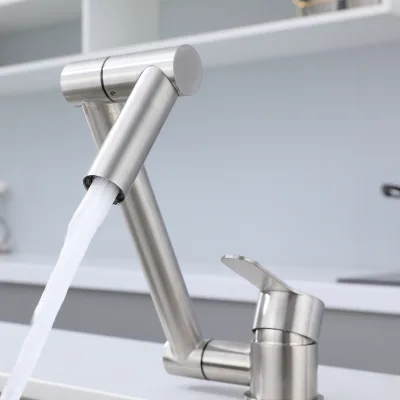
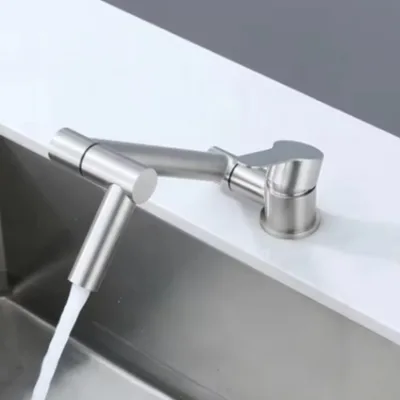
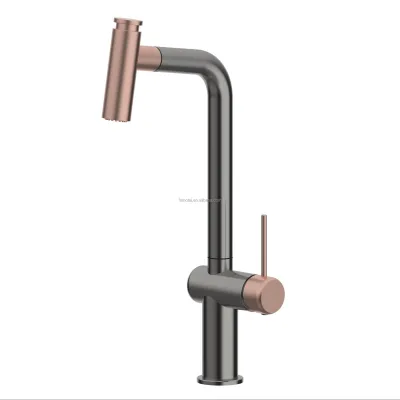
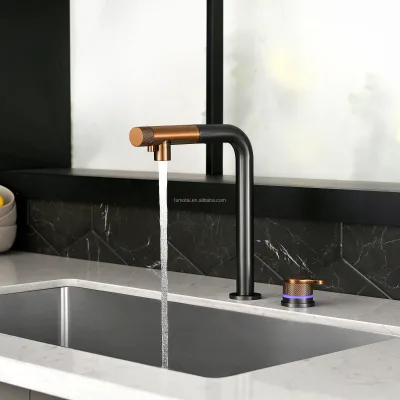
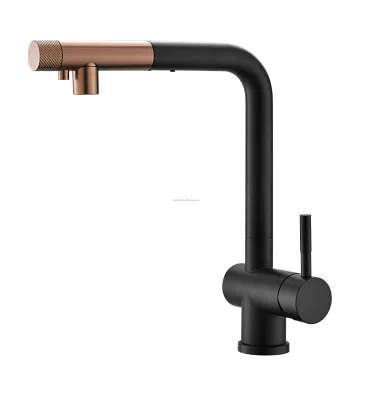
$38.19 - $42.3202
MOQ: 10 pieces
Guangdong Huaxia Ceramic Technology Co., Ltd.
- Verified by SGS Group
- Manufacturer, Trading Company
- Lead time30 days
- Avg. response≤ 2h
Main productsToilet, Bathroom Cabinet, Wash Basin, Bathroom Accessories
Main marketsMid East(15%), North America(10%), South America(10%)
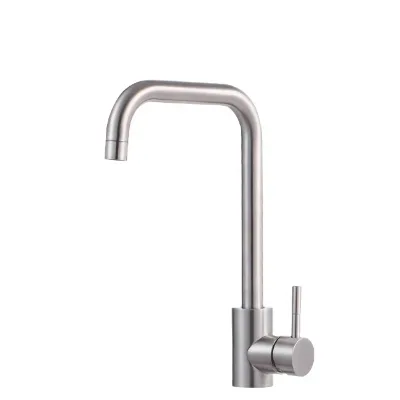
Hot Cold Water Kitchen Faucets Pull Down Sprayer Silver Brass Spout 360 Kitchen Faucet
$12.60 - $19.80
MOQ: 10 pieces
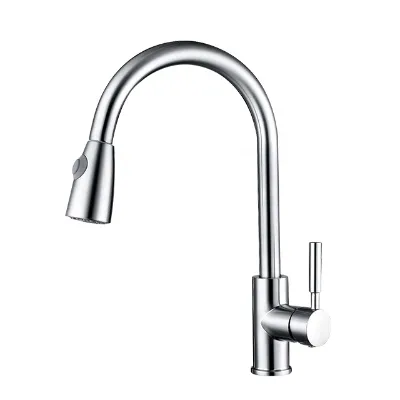
$40.404 - $48.6914
MOQ: 10 pieces
Zhejiang Beike Sanitary Ware Co., Ltd.
- Verified by TüVRheinland
- Manufacturer, Trading Company
- Lead time20 days
- Avg. response≤ 6h
Main productsFaucets, Showers, Valves, Bathroom Accessories, Ceramic Basins
Main marketsSouth America(20%), Eastern Europe(15%), Western Europe(15%)

Guangdong Huaxia Ceramic Technology Co., Ltd.
- Verified by TUVRHEINLAND
- Manufacturer/Factory
- China Guangdong
- Lead time23 days
- Avg. response≤ 3h
Main productsToilet, Mirror, Basin, Urinal, Faucet, Shower, Cabinet, Bathtub, Hardware, Bathroom Accessories
Main marketsSouth America,Eastern Europe,Mid East,North America,Southeast Asia,Eastern Asia,Oceania,Western Europe,Africa

Factory Stainless Steel Kitchen Mixer Water Taps Sink Kitchen Faucet with Sprayer
$37.00 - $43.00
MOQ: 10 pieces

Xiamen Insight Housewares Co., Ltd.
- Verified by SGS Group
- Manufacturer, Trading Company
- Lead time15 days
- Avg. response≤ 2h
Main productsFaucet, Bidet, Shower
Main marketsNorth America(30%), Mid East(30%), South America(20%)
JIANGMEN JIANGYI HARDWARE CO., LTD.
- Verified by Intertek
- Manufacturer, Trading Company
- Guangdong, China
- Lead time0 days
- Avg. response≤ 2h
Main productsFaucet, Shower Set, Bathroom Rack Set, Glass Bathroom, Bathroom Mirror
Main marketsSouth America(35%), North America(30%), Western Europe(12%)
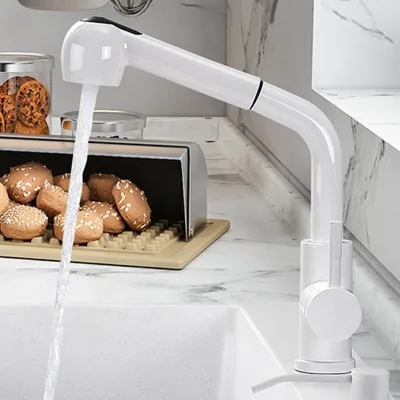
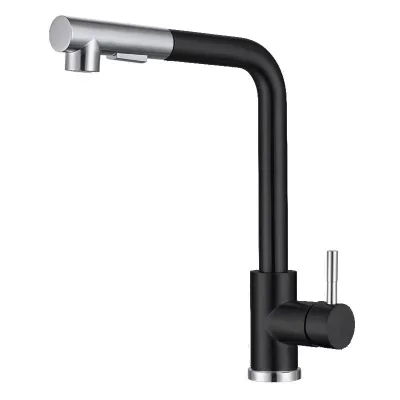
Contemporary Black Brass Kitchen Faucet With Chrome Single Lever and Sprayer
$43.00 - $44.00
MOQ: 10 sets
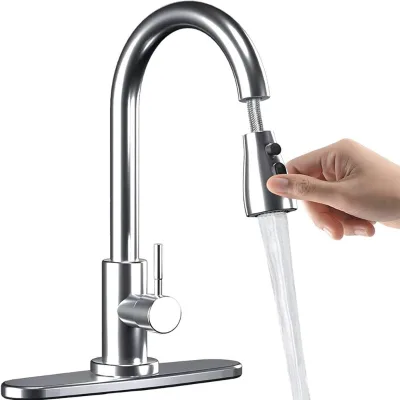
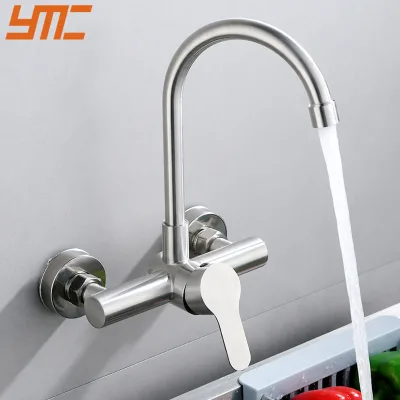
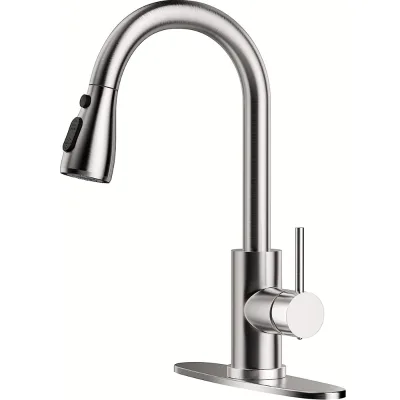
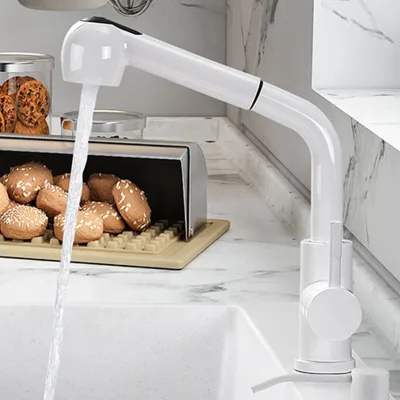
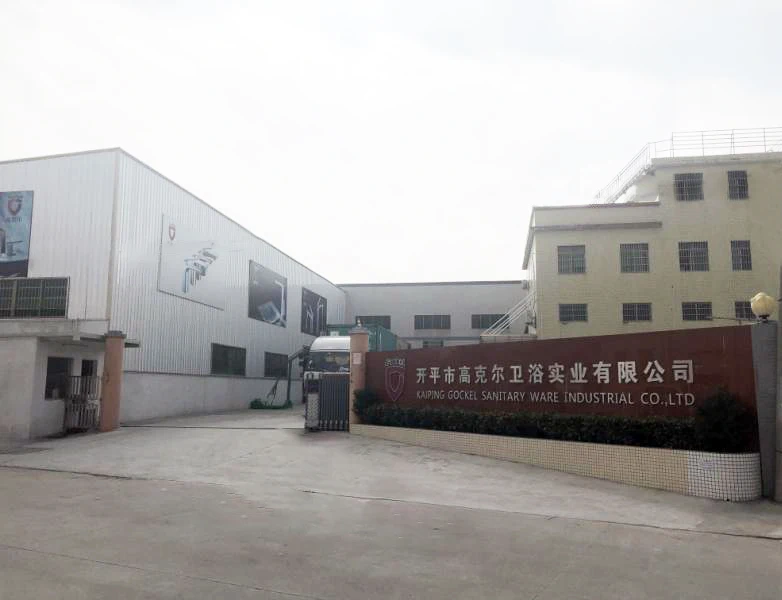
Kaiping Gockel Sanitary Ware Industrial Co., Ltd.
- Manufacturer
- Guangdong, China
- Lead time35 days
- Avg. response≤ 5h
Main productsKitchen faucet,basin faucet,bathroom faucet,shower set,shower mixer
Main marketsMid East(12.00%), North America(12.00%), Western Europe(10.00%), South America(10.00%), Northern Europe(10.00%), Eastern Europe(10.00%), Southeast Asia(2.00%)
Quanzhou Gaozhan Sanitary Ware Co., Ltd.
- Verified by SGS Group
- Manufacturer, Trading Company
- Lead time30 days
- Avg. response≤ 1h
Main productsBasin Faucet, Kitchen Faucet, Shower Mixer, Angle Valve, Flush Valve
Main marketsSouth America(25%), Mid East(25%), Western Europe(15%)
Bede (linyi) International Trade Co., Ltd.
- Verified by SGS Group
- Trading Company
- Lead time0 days
- Avg. response≤ 3h
Main productsGas Stoves, Portable Cassette Furnaces, Kitchen Sink
Main marketsNorth America(30%), Africa(20%), South America(10%)
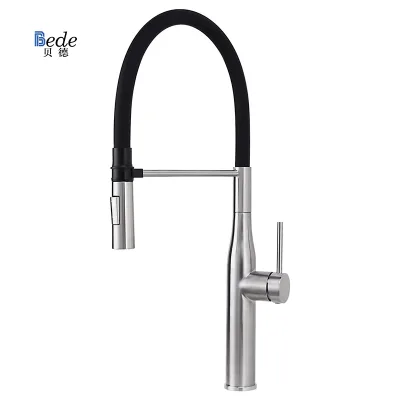
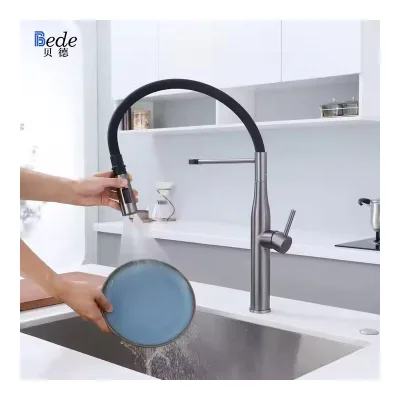
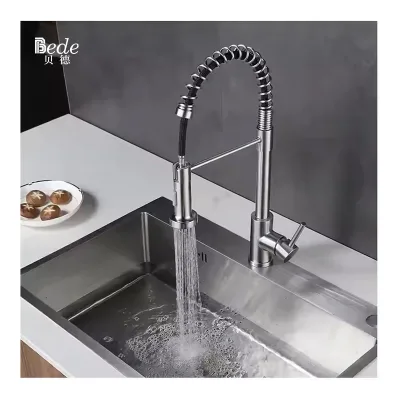
$25.6765 - $28.7589
MOQ: 10 pieces

- Trading Company
- China Fujian
- Lead time23 days
- Avg. response≤ 9h
Main productsSanitaryware, Faucet, Shower Mixer, Hardware, Faucet Accessories, Faucet Machine, Bathroom Accessories, Water Pipe, Bathroom Fittings, Kitchen Tap
Main marketsSouth America,Africa,Southeast Asia/ Mideast,Domestic,Europe,North America


Low Price Items Rotatable High Quality Sink Taps Black Kitchen Faucet Sprayer Spout
$6.00 - $7.00
MOQ: 50 Pieces

Sink Kitchen Faucet Hand Shower 2 Functions Spray High Pressure Shower Head
$2.00 - $15.00
MOQ: 200 Pieces

Foshan Besili Sanitary Ware Co., Ltd.
- Manufacturer, Trading Company
- Guangdong, China
- Lead time15 days
- Avg. response≤ 7h
Main productsFaucets/Showers/Bathroom Accessories,shower set,shower room,Bathroom cabinet,kitchen sink
Main marketsOceania(60.00%), Southeast Asia(20.00%), Eastern Europe(10.00%), Domestic Market(5.00%), Western Europe(5.00%)
Quanzhou Feidu Kitchen And Bathroom Co., Ltd.
- Manufacturer
- Fujian, China
- Lead time0 days
- Avg. response≤ 2h
Main productsShower Head Set, Basin Faucet, Kitchen Faucet, Pull-out Faucet, Angle Valve
Main marketsMid East(40.00%), South America(20.00%), Western Europe(20.00%), Africa(20.00%)
Zhejiang Unoo Sanitary Tech. Co., Ltd.
- Verified by TüVRheinland
- Manufacturer, Trading Company
- Lead time30 days
- Avg. response≤ 4h
Main productsKitchen Faucet, Basin Faucet, Shower Faucet, Bathroom Accessories, Faucet Fittings
Main marketsSouth America(40%), Domestic Market(30%), Eastern Europe(20%)

Huigao Kitchen and Bathroom (Zhongshan) Co., Ltd.
- Verified by SGS
- Manufacturer
- China Guangdong
- Lead time30 days
- Avg. response≤ 2h
Main productsStainless Steel Kitchen Sink, Stainless Steel Waterfall Sink, Bathroom Basin, Sink Drainer, Kitchen Faucet, Cutting Board, Cup Washer, Toilet Niche, Handmade Sink, Sintered Stone

Kitchen Faucet with Pull Down Sprayer, Single Hole Stainless Steel T-Faucets
$30.00 - $40.00
MOQ: 10 Pieces

Guangzhou Homedec Sanitary Ware Co., Limited
- Manufacturer, Trading Company
- Lead time旺季: "1 - 1":15,"> 1":"To be negotiated", 淡季: "1 - 1":15,"> 1":"To be negotiated"
- Avg. response≤ 1h
Main productsShower Faucets, Kitchen Faucets, Kitchen Storage, Toilets, Bathroom Accessories
Shanghai Flory Imp. & Exp. Co., Ltd.
- Verified by SGS Group
- Manufacturer, Trading Company
- Lead time35 days
- Avg. response≤ 6h
Main productsFaucet, Shower, Smart Toilet Seat, Bathroom Accessory, Hose
Main marketsWestern Europe(20%), South America(15%), Eastern Europe(15%)
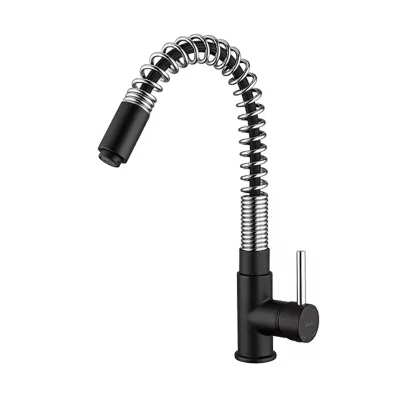
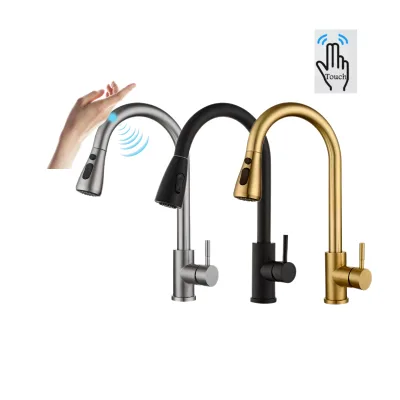
Pull Down Sprayer Stretchable Pull Out Touch Sensor Kitchen Faucets with Pull Down Sprayer
$20.6526 - $22.7095
MOQ: 100 pieces
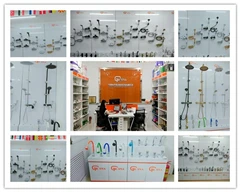
Urumqi Grosna Sanitary Ware Co., Ltd.
- Trading Company
- Xinjiang, China
- Lead time2 days
- Avg. response≤ 9h
Main productsSanitary Product
Main marketsMid East(60.00%), Domestic Market(10.00%), South Asia(10.00%), Eastern Europe(5.00%), South America(5.00%), Western Europe(5.00%), North America(5.00%)
Fujian Blue Sea Industrial Co., Ltd.
- Verified by TüVRheinland
- Trading Company
- Lead time15 days
- Avg. response≤ 2h
Main productsFaucets, Shower Set, Bidet Spray Sets, Floor Drains, Angle Valve
Main marketsNorth America(30%), Southeast Asia(25%), South Asia(23%)
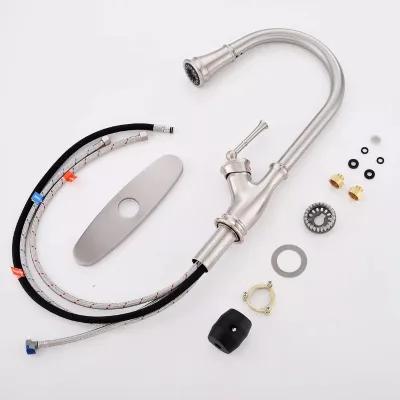
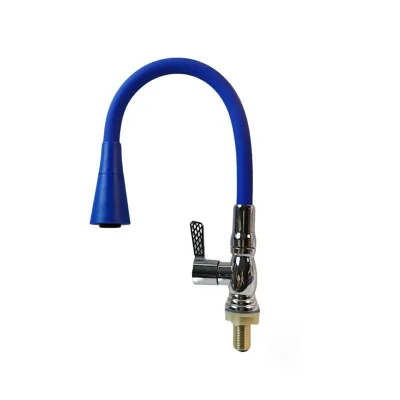
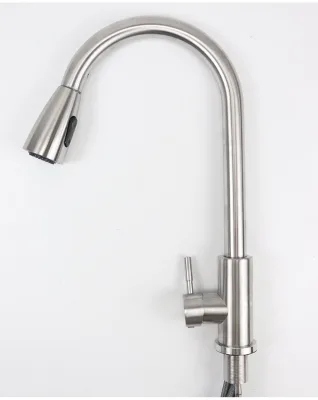
Wholesale Stainless Brushed Nickel Kitchen Faucet Spring Pull Down Spray 360 Rotary Kitchen Taps
$31.8517 - $39.0433
MOQ: 10 pieces
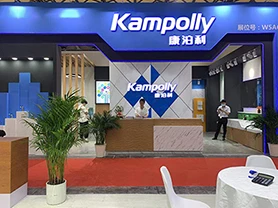
Xiamen Kampolly Sanitary Ware Technology Co., Ltd.
- Manufacturer, Trading Company
- Fujian, China
- Lead time30 days
- Avg. response≤ 2h
Main productsKitchen Faucet,Basin Faucet,Shower Faucet,Shower Head,Kitchen Sink
Main marketsSouthern Europe(70.00%), Central America(30.00%)
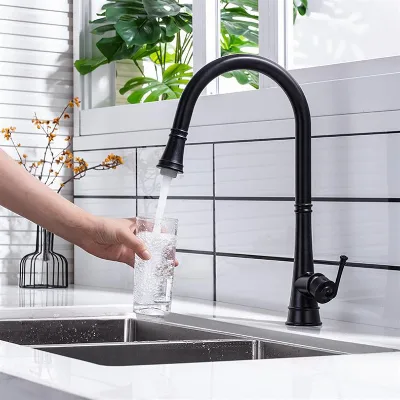
$30.3113 - $32.4684
MOQ: 2 pieces
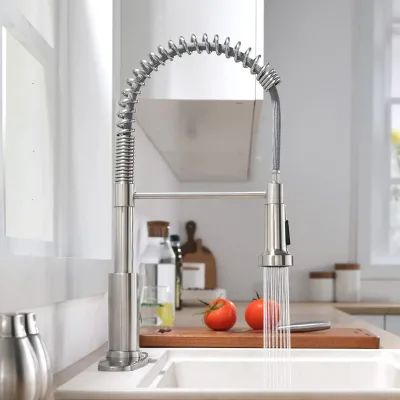
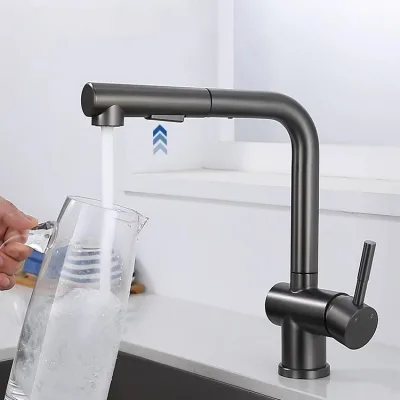
$14.7649 - $16.0029
MOQ: 2 pieces
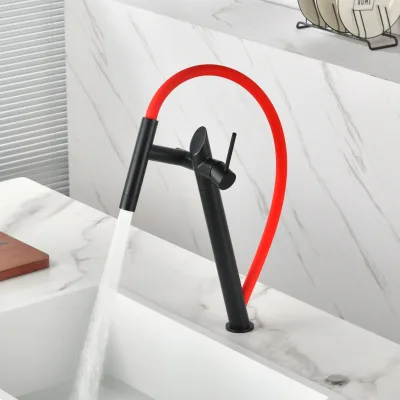
$72.4353 - $74.7991
MOQ: 1 pieces
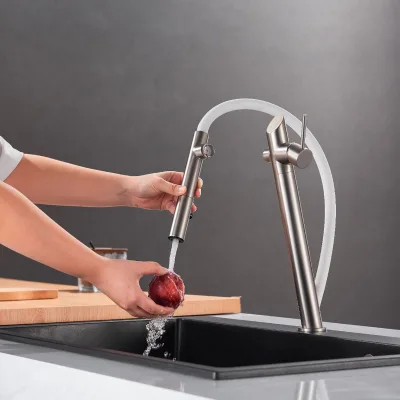
$72.1883 - $74.5431
MOQ: 1 pieces
Kaiping Aida Sanitary Ware Co., Ltd.
- Verified by SGS Group
- Manufacturer, Trading Company
- Lead time5 days
- Avg. response≤ 2h
Main productsBasin Faucet, Kitchen Faucet, Shower Faucet, Bathroom Faucet, Bathtub Faucet
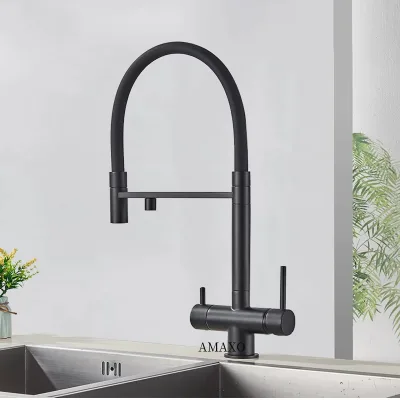
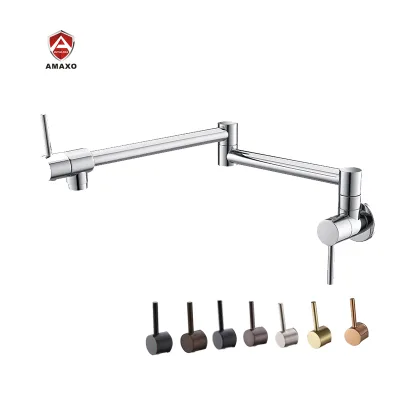
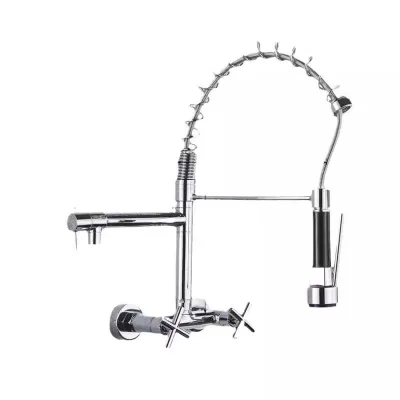
Classical USA Style in Wall 360 Degree Rotating Dual Handle Chrome Brass Kitchen Faucet
$24.50 - $36.50
MOQ: 24 Minimum

Taizhou Jiaxin Metals Co., Ltd.
- Verified by SGS
- Manufacturer/Factory,Group Corporation
- China Zhejiang
- Lead time30 days
- Avg. response≤ 10h
Main productsBathtub Drain Kit, Manifold, Ball Valve, Plumbing Fitting, Check Valve, Brass Valve, Bathtub Drain Stopper, Radiator, Basin Waste, Siphon
Main marketsSouth America,Eastern Europe,Mid East,North America,Eastern Asia,Oceania,Western Europe,Africa

- Verified by BV
- Combined
- China Zhejiang
- Lead time30 days
- Avg. response≤ 20h
Main productsWater Filter, Water Purifier, RO Membrane, RO System, Reverse Osmosis, Water Softener, Bottle Water Filling Machine, Ozone Generator, UV Sterilizer, Filter Cartridge
Main marketsSouth America,Africa,Southeast Asia/ Mideast,East Asia(Japan/ South Korea),Domestic,Europe,Australia,North America
Jiangmen Youchu Sanitary Ware Co., Ltd.
- Verified by TüVRheinland
- Manufacturer, Trading Company
- Lead time15 days
- Avg. response≤ 1h
Main productsPre-Rinse Kitchen Faucets, Commercial Kitchen Faucets, Bathroom Faucets, Kitchen Faucets, Sink Taps
Main marketsSouth America(60%), North America(20%), Western Europe(10%)
- Verified by SGS Group
- Trading Company
- Lead time45 days
- Avg. response≤ 4h
Main productsFaucet, Valve, Drain, Hose, Shower System
Main marketsWestern Europe(40%), Eastern Europe(13%), North America(10%)
Nanan Huifu Kitchen And Bath Co., Ltd.
- Trading Company
- Fujian, China
- Lead time3 days
- Avg. response≤ 1h
Main productsBasin Faucet,Kitchen Faucet,Shower Set,Bathroom Accessories
Main marketsNorth America(50.00%), Southeast Asia(20.00%), Africa(20.00%), Eastern Europe(10.00%)
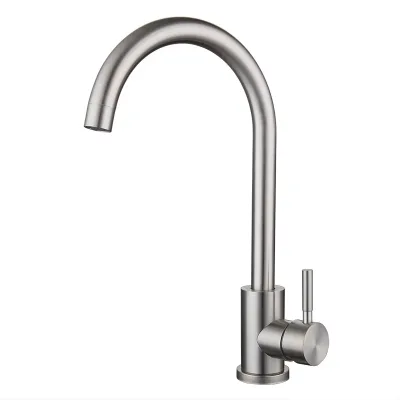
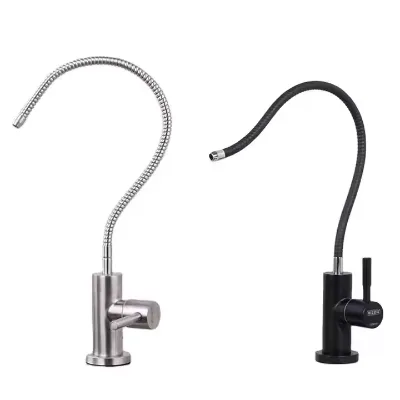
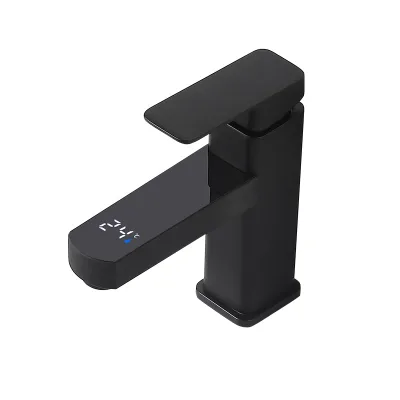
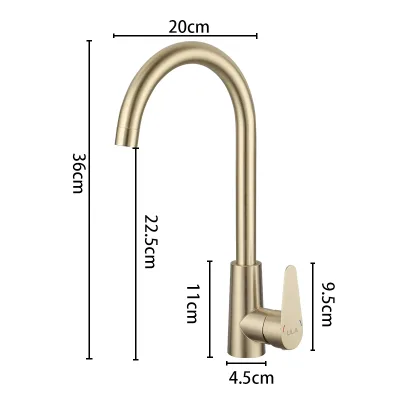


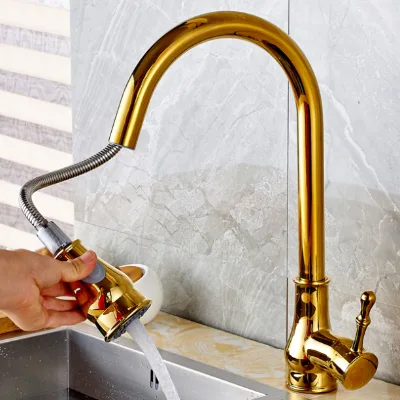
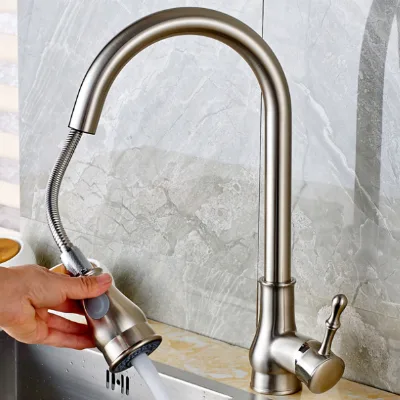
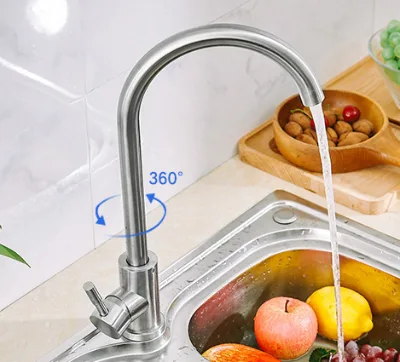
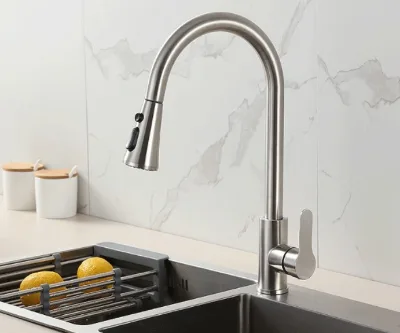


Comprehensive Sourcing Guide
Thermostatic Kitchen Faucet with 360 Sprayer Supplier Concentration and Factory Types
Current data indicates a concentration of manufacturers and trading companies operating within Zhejiang, China, specifically focusing on sanitary ware and kitchen fixtures. These entities often list their primary output as brass or stainless steel kitchen faucets, with some explicitly stating a decade of experience in the sanitary ware sector. The presence of both manufacturer and trading company types suggests a mixed supply chain where some suppliers control the production line while others facilitate the movement of goods. Buyers should note that the specific location of Zhejiang is a verified fact for certain results, whereas other suppliers may be located in regions like Shandong, China, which often specialize in stainless steel equipment and commercial restaurant fixtures.
When evaluating the factory type, it is critical to distinguish between pure manufacturers and trading companies based on the provided company type labels. Some suppliers explicitly welcome OEM and ODM services, indicating an in-house capability for customization and branding, while others may function primarily as intermediaries. The main products listed for these clusters often include single-hole deck-mounted units with pull-out sprayers, but the material composition varies significantly between brass and stainless steel options. Buyers must verify if the supplier's stated main products align with the specific thermostatic requirements of their order, as many listed items are standard pull-out models rather than thermostatic variants.
How to Verify Thermostatic Kitchen Faucet with 360 Sprayer Suppliers
Verification begins with checking for specific system certifications and third-party verification badges that confirm the supplier's operational legitimacy. One observed supplier holds ISO 9001 certification and has undergone SGS verification, which serves as a tangible indicator of quality management systems and product reliability. Buyers should prioritize suppliers displaying these specific credentials, as they provide a baseline assurance that the manufacturing process adheres to international standards. However, the absence of these specific badges in the current data does not disqualify a supplier, but it necessitates a direct request for documentation before proceeding with any significant order.
Beyond certifications, buyers must scrutinize the response time and the depth of product attributes provided in the supplier profile. A response time of approximately eight to eleven hours suggests a functional communication channel, which is essential for resolving technical queries regarding thermostatic mechanisms. The product evidence shows detailed attributes such as valve core material, installation type, and warranty periods, which are critical for verifying the authenticity of the product claims. Buyers should cross-reference the stated warranty, such as a two-year period for brass models or a one-year period for stainless steel units, against the supplier's general after-sale service promises to ensure consistency and reliability in their support structure.
What to Compare Across Thermostatic Kitchen Faucet with 360 Sprayer Suppliers
Comparative analysis should focus on the tangible operational metrics provided in the supplier results, such as lead times, minimum order quantities, and pricing structures. Lead times in the current dataset range from twenty-five to thirty days, with sample lead times as short as two to three days, indicating a variance in production capacity and readiness. Buyers must compare these figures against their own project timelines to determine which suppliers can meet delivery deadlines without compromising quality. Additionally, the minimum order quantity varies, with some suppliers setting a floor of ten pieces, which is a crucial factor for buyers looking to test the market with smaller initial orders.
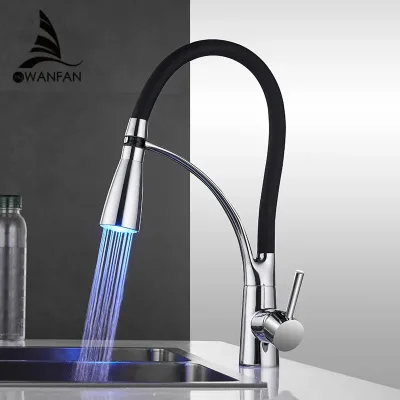
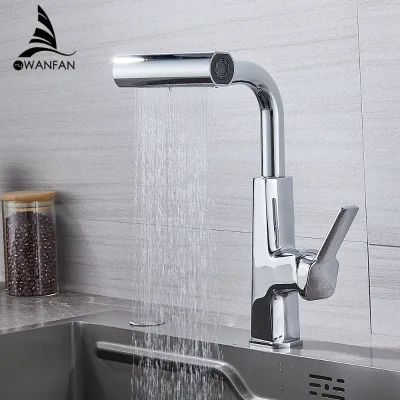
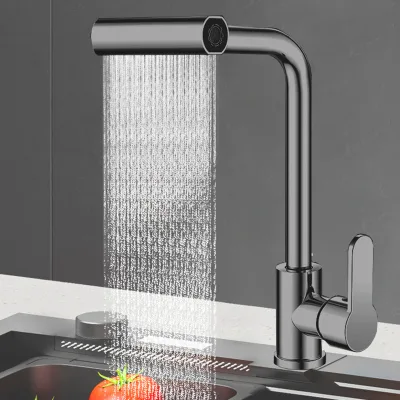
Pricing and product specifications offer another layer for comparison, with unit costs ranging from approximately thirty to thirty-six dollars depending on the material and feature set. The product attributes reveal differences in surface treatments, such as chrome with LED lighting versus standard chrome finishes, and variations in flow rates and spray types. Buyers should evaluate whether the price difference correlates with specific advantages like anti-rust properties, durability, or the inclusion of advanced features like 360-degree rotation and waterfall outlets. It is essential to verify if the listed price includes the specific model number and material composition, such as brass or stainless steel, to ensure accurate cost forecasting for the final procurement budget.
Common Thermostatic Kitchen Faucet with 360 Sprayer Sourcing Risks
One significant risk involves the discrepancy between the advertised product features and the actual thermostatic capabilities of the supplied units. While many listings highlight pull-out sprayers and 360-degree rotation, the specific mechanism for temperature control may vary or be absent in standard models. Buyers must explicitly confirm the presence of a thermostatic valve core, as the current data lists ceramic valve cores for some models but does not universally confirm thermostatic functionality across all listings. Relying on general keywords like "hot and cold water" without verifying the specific temperature regulation mechanism can lead to receiving standard mixers instead of the required thermostatic units.
Another risk pertains to the consistency of after-sale service and warranty enforcement across different supplier types. The data shows warranty periods ranging from one to two years, but the nature of the support, such as online technical assistance, may vary in effectiveness. Buyers should be cautious of suppliers who offer OEM services but lack clear protocols for handling defective units or providing replacement parts. The variation in main products, from sanitary ware to commercial restaurant equipment, suggests that some suppliers may not specialize exclusively in kitchen faucets, potentially impacting the depth of their technical expertise and the quality of their support when issues arise with complex thermostatic systems.
Thermostatic Kitchen Faucet with 360 Sprayer Regional Sourcing and Logistics
Regional sourcing strategies should account for the specific geographic origins of the suppliers, such as Zhejiang and Shandong, which offer distinct logistical advantages. Suppliers in Zhejiang are noted for their focus on sanitary ware and brass fixtures, while those in Shandong often specialize in stainless steel sinks and commercial equipment. This regional specialization can influence the shipping costs and the availability of specific materials, as stainless steel and brass have different supply chain dynamics. Buyers should verify the place of origin for each unit to ensure it matches their sourcing strategy, as the logistics of transporting heavy brass fixtures may differ from those of lighter stainless steel models.
Logistics planning must also consider the packaging dimensions and weight provided in the product attributes, which directly impact shipping costs and container utilization. The data indicates single package sizes ranging from approximately 45 to 47 centimeters in length, with gross weights varying between 1.97 and 2.3 kilograms per unit. These metrics are essential for calculating the total volume and weight of an order, which in turn affects the freight charges and the efficiency of the shipping container. Buyers should request detailed logistics information from the supplier, including the best shipping cost options, to ensure that the final landed cost remains within the projected budget and that the packaging is robust enough to prevent damage during transit.
Thermostatic Kitchen Faucet with 360 Sprayer Commercial Terms and Order Planning
Commercial terms should be evaluated based on the flexibility of the supplier regarding customization, payment structures, and order planning. Many suppliers in the current results explicitly state that OEM and ODM services are welcome, allowing buyers to customize logos, models, and specifications to meet their brand requirements. The acceptance of customized logos and the availability of sample orders indicate a willingness to accommodate specific buyer needs, which is vital for establishing a long-term partnership. Buyers should confirm the specific terms for customization, such as the minimum order quantity required for branded units, to ensure that the order planning aligns with their production and marketing schedules.
Order planning must also factor in the sample lead time and the project solution capabilities offered by the supplier. With sample lead times as short as two to three days, buyers can quickly validate product quality before committing to a larger order. The project solution capabilities, which may include graphic design and total solutions for projects, suggest that some suppliers can assist with broader procurement needs beyond just the faucet itself. Buyers should leverage these capabilities to streamline their sourcing process, ensuring that the commercial terms, including the warranty and after-sale service, are clearly defined in the contract to mitigate risks and ensure a smooth transaction from order placement to final delivery.
FAQs
What is the typical lead time for kitchen faucets?
Manufacturers in Zhejiang, China typically require 25 days for production lead times. Suppliers in Shandong, China may need up to 30 days to complete orders. Sample production is faster, often taking just 2-3 days for initial prototypes. Buyers should confirm specific timelines with the supplier before placing bulk orders to ensure delivery schedules are met.
What is the minimum order quantity for these faucets?
Some suppliers require a minimum order quantity of 10 pieces for stainless steel models. Other brass faucet options may have different MOQs depending on customization needs. Buyers should verify the specific MOQ for their chosen model and material. Custom branding or packaging may also influence the minimum order requirements set by the manufacturer.
Do suppliers offer OEM and ODM services?
Yes, many manufacturers welcome OEM and ODM customization requests. Buyers can often request custom logos, packaging, or specific design modifications. Suppliers in Zhejiang and Shandong explicitly state that customization is available. This allows buyers to brand products for their specific market needs while maintaining quality standards for kitchen and bathroom applications.
What certifications do these suppliers hold?
Some verified suppliers hold ISO 9001 system certification for quality management. Others are verified by SGS for product reliability and safety. Buyers should request current certification documents to ensure compliance with local regulations. These certifications indicate that the manufacturing processes meet international standards for sanitary ware and kitchen fixtures.
What is the warranty period for kitchen faucets?
Brass kitchen faucets often come with a 2-year warranty covering manufacturing defects. Stainless steel models may offer a 1-year warranty period. Buyers should check the specific warranty terms provided by each supplier. Online technical support is commonly included to assist with installation or troubleshooting issues that may arise after purchase.
What is the price range for these faucets?
Prices for brass kitchen faucets range from approximately $30.19 to $36.49 per unit. Stainless steel options may vary between $31.04 and $32.39 depending on features. Costs depend on material, finish, and order volume. Buyers should request detailed quotes to understand total costs including shipping and any customization fees for their specific requirements.
How quickly do suppliers respond to inquiries?
Response times vary, with some suppliers replying within 8.22 hours. Others may take up to 11 hours to provide initial feedback. Faster response times often indicate higher operational efficiency. Buyers should prioritize suppliers with quick response rates to ensure smooth communication throughout the sourcing and negotiation process.