Thermo King Tensioner Belt Suppliers and Manufacturers
Source 19 Thermo King Tensioner Belt suppliers from China. Compare verified manufacturers and trading companies based on lead times, MOQs, and certifications. Review product specs and request quotes today; review the available evidence before requesting comparable quotations from suitable candidates.
Suppliers List

Shandong Jinhang Container Service Co., Ltd.
- Verified by SGS
- Trading Company
- China Shandong
- Lead time30 days
- Avg. response≤ 1h
Main productsRefrigerated Container, Container Part, Container Freezer
Main marketsDomestic
Guangzhou Heshun Auto Electric Appliance Co., Ltd.
- Verified by TüVRheinland
- Trading Company
- Lead time5 days
- Avg. response≤ 4h
Main productsRadiator Fan, Blower Motor, Radiator, Car Condenser, Thermostat
Main marketsMid East(40%), Southeast Asia(30%), North America(10%)
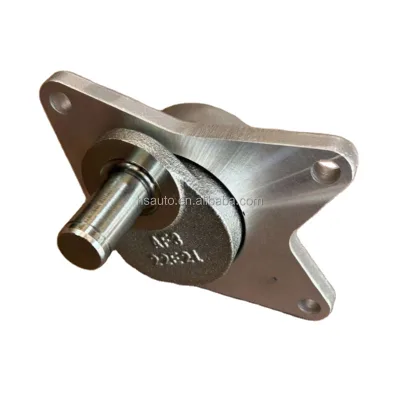
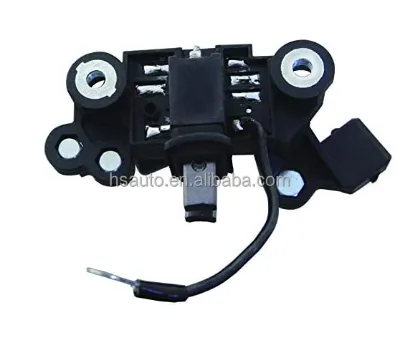
New 12V Regulator Replacement Magneton 0170750 1E32216G02 Thermo King 41-8851
$15.00 - $18.00
MOQ: 10 pieces
Hunan Weili Auto Parts Appliance Co., Ltd.
- Verified by TüVRheinland
- Manufacturer, Trading Company
- Lead time10 days
- Avg. response≤ 4h
Main productsBrushed Fan And Blower, Brushless Fan And Blower, Water Pump, Bus AC Assembly & AC Parts, Truck Refrigeration Parts
Main marketsDomestic Market(73%), South America(5%), Eastern Europe(5%)
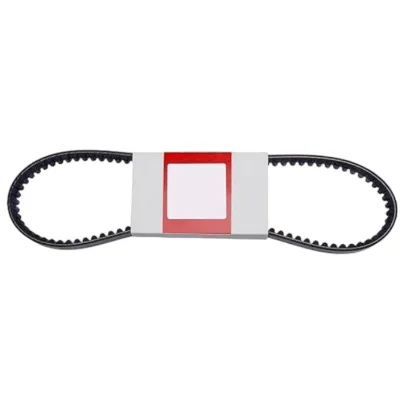
Transport Refrigeration Drive Belt 50-60288-39 Thermo King and Carrier Models Air Conditioner System
$4.61 - $5.12
MOQ: 10 pieces
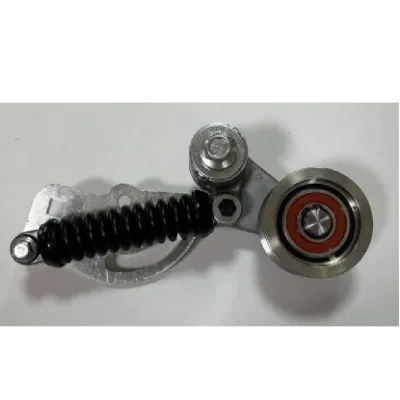
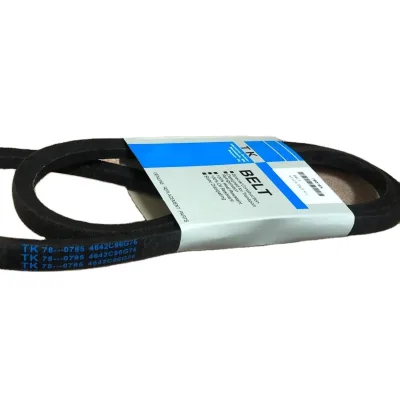
Thermo King Compressor SBII / SBIII / Spectrum SBTCI Drive Matched Pair 78-0785 Belt
$6.10 - $7.12
MOQ: 10 pieces
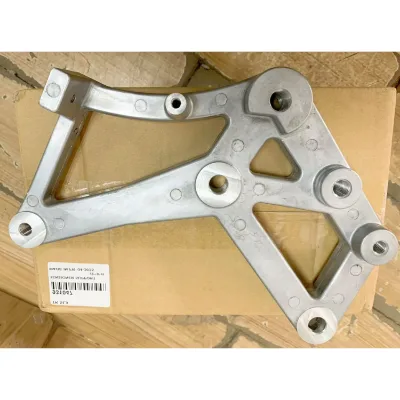
93-1047 Wholesale New Tensioner Brackets for Thermo King SLX Compatible Brackets Transicold
$91.54 - $93.57
MOQ: 2 pieces
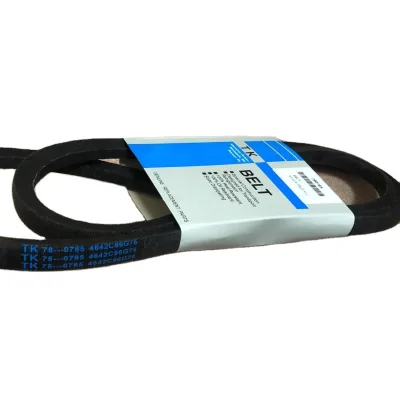
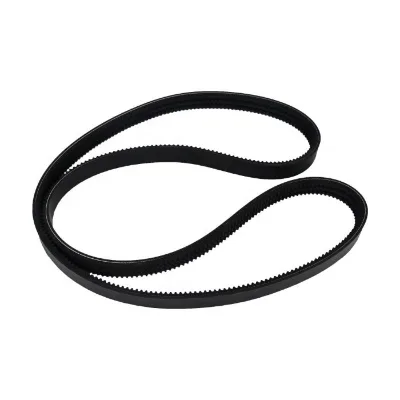
AC Auto Parts Thermo King T-Series Engine to Electric Motor Belt 78-1724
$22.00 - $23.00
MOQ: 10 pieces
Shenzhen J-He Industrial Co., Limited
- Trading Company
- Lead time旺季: "1 - 500":7,"> 500":"To be negotiated", 淡季: "1 - 500":7,"> 500":"To be negotiated"
- Avg. response≤ 4h
Main productsCompressor,Compressor Clutch,Condenser,Drier Filter,Conditioner Parts
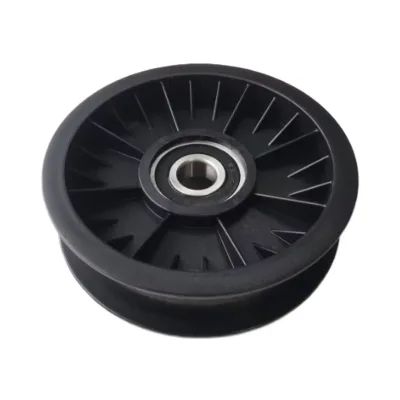
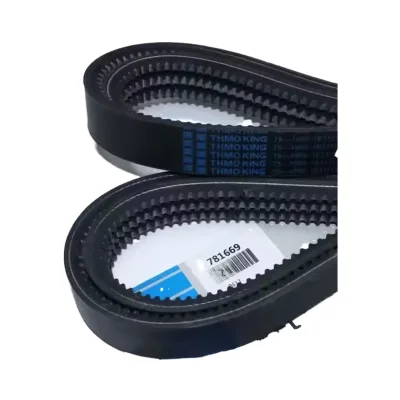
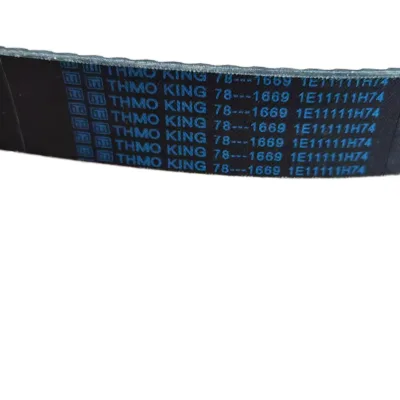
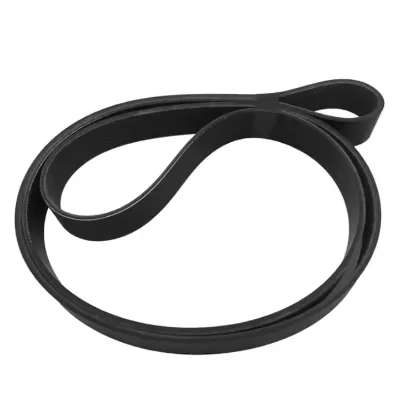
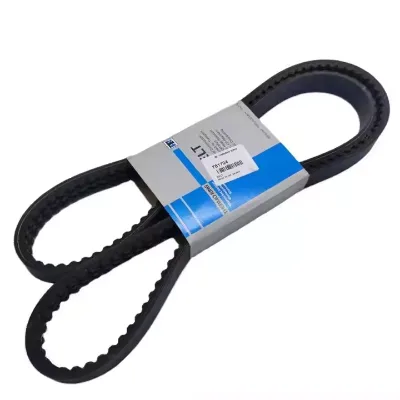
Aftermarket New Belt 78-1351 Transport Refrigeration TS-200 TS-300 XDS TS-500 TS-600
$18.36 - $23.46
MOQ: 5 bags
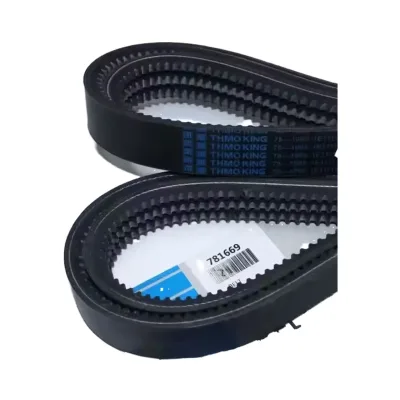
- Trading Company
- Zhejiang, China
- Lead time30 days
- Avg. response≤ 2h
Main productsbus ac parts,truck refrigeartion parts,bus evaporator blower,brushless blower,bus condenser fan
Main marketsWestern Europe(30.00%), South America(20.00%), Southern Europe(10.00%), North America(10.00%), Africa(10.00%), Eastern Asia(5.00%), Northern Europe(5.00%), Central America(5.00%), Mid East(5.00%)
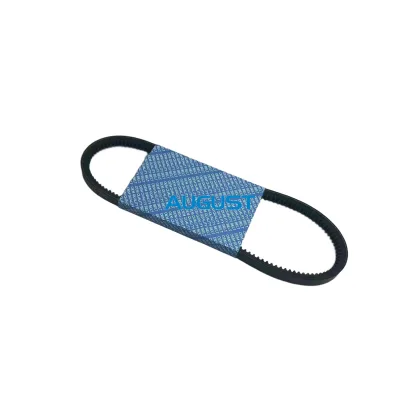
Thermo king Parts Evaporator/Compressor Belt 78-1026 781026 for Thermo King RD-II, TD-II
$2.40 - $3.60
MOQ: 10 pieces
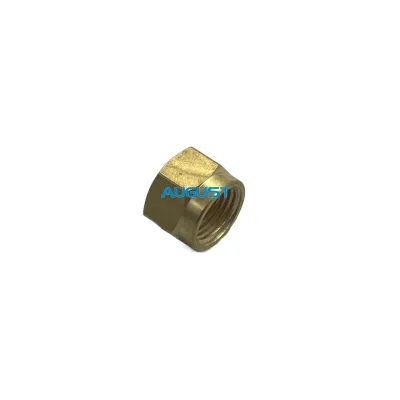
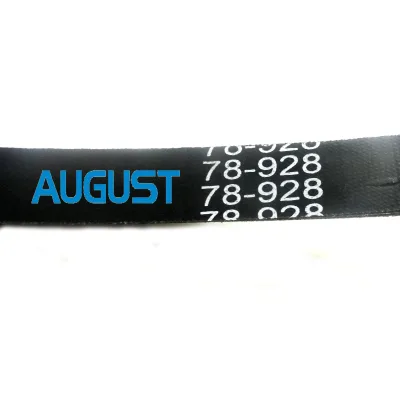
ThermoKing Belt 78-0928 :THERMOKING ELECTRIC ENGINE - FAN SMX / SL ; Replacement
$12.26 - $13.08
MOQ: 10 pieces
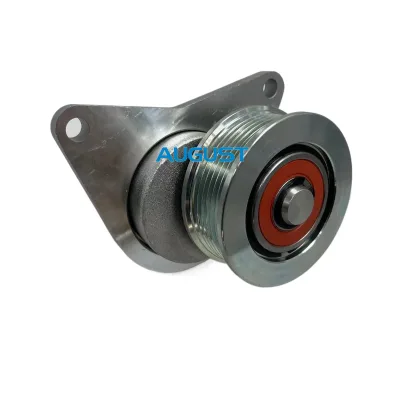
78-1620 Thermo King Belt Tensioner with PK Pulley
$45.00 - $52.00
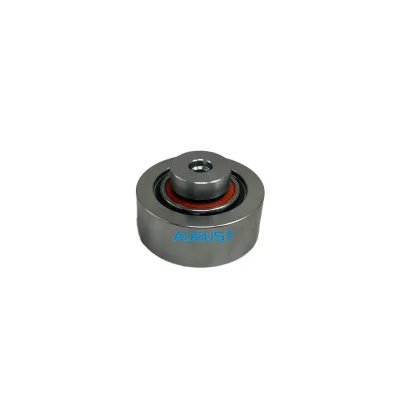
Pulley Tensioner 78-1843 Thermo King Precedent G-700
$24.00 - $33.00
Guangzhou Kaida Refrigeration Technology Co., Ltd.
- Verified by SGS Group
- Trading Company
- Lead time10 days
- Avg. response≤ 1h
Main productsRefrigeration Compressor, Refrigeration Parts
Main marketsEastern Europe(30%), North America(30%), South America(20%)
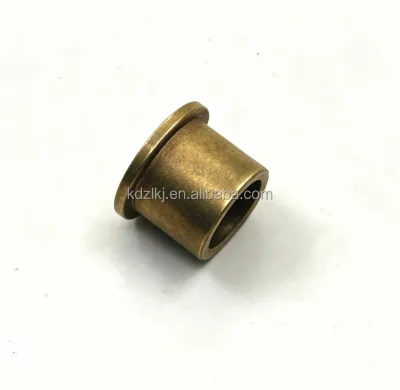
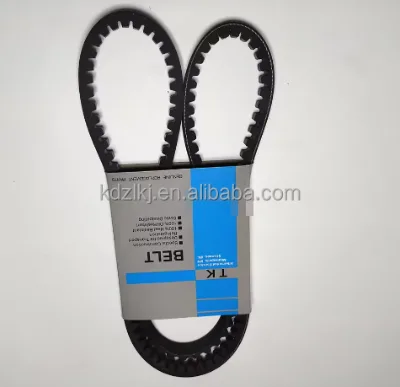
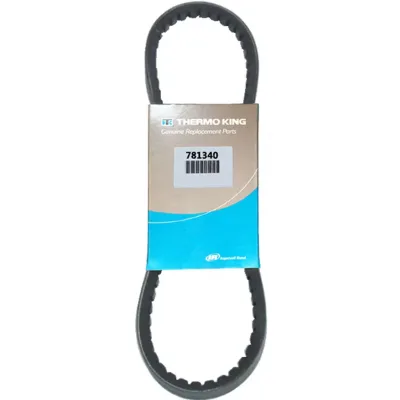
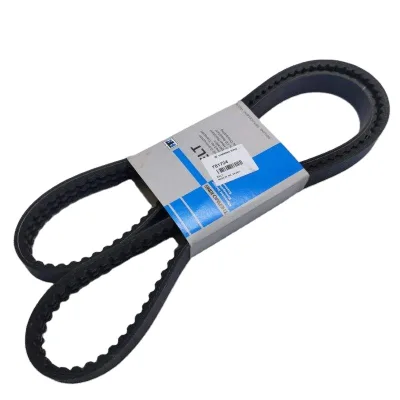
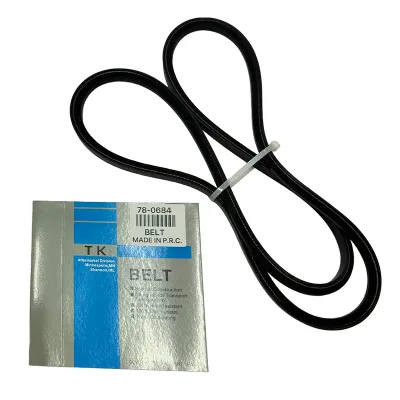
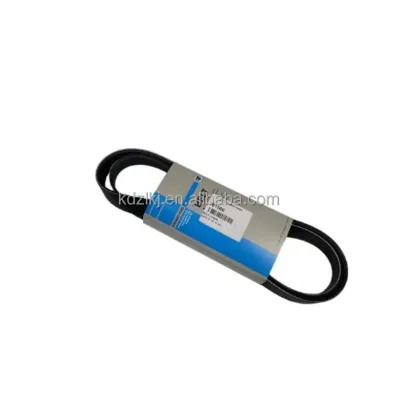
Wholesale Thermo King Units 78-1340 Ac Compressor Spare Parts 78-1968 Electric Motor Belt
$7.27 - $10.39
MOQ: 1 pieces
Dongguan Jirui Technology Development Co., Ltd.
- Trading Company
- Guangdong, China
- Lead time30 days
- Avg. response≤ 4h
Main productsbus air condition magnetic clutch,drier filter,ac compressors,bus air condition alternator partscondition assy,truck refrigeration parts
Main marketsAfrica(30.00%), South America(20.00%), Southeast Asia(10.00%), Mid East(10.00%), Domestic Market(6.00%), South Asia(5.00%), Central America(5.00%), North America(2.00%), Eastern Europe(2.00%), Southern Europe(2.00%), Northern Europe(2.00%), Oceania(2.00%), Western Europe(2.00%), Eastern Asia(2.00%)

Guangdong Fangyuyuan Refrigeration Industrial Co.,Ltd.
- Verified by TUVRHEINLAND
- Manufacturer/Factory
- China Guangdong
- Lead time23 days
- Avg. response≤ 6h
Main productsAutomotive Air Conditioning Accessories, Automotive Air Conditioning, Bus Air Conditioner, Truck Refrigeration Units, Compressor, Condenser Assembly, Evaporator Core, Receiver Drier, Evaporator Blower, Alternator
Main marketsSouth America,Eastern Europe,Mid East,North America,Southeast Asia,Eastern Asia,Oceania,Western Europe,Africa


Auto Thermo King Accessory Pressure Switch Pressure Sensor Transducer (44-8064)
$7.00 - $12.00
MOQ: 10 Pieces

Coolant Level Sensor Thermo King Parts 13-2543 Thermometer Water Tank Level Sensor
$4.50 - $6.00
MOQ: 1 Pieces


Guangzhou Hongda Trading Co., Ltd.
- Manufacturer, Trading Company, Distributor/Wholesaler
- Guangdong, China
- Lead time15 days
- Avg. response≤ 8h
Main productsEngine parts,Exterior parts,Electrical parts,Automobile lamp parts,Air parts
Main marketsNorth America(65.00%), Mid East(30.00%), Southeast Asia(5.00%)
Shenzhen Transcold Technology Co., Ltd
- Verified by TüVRheinland
- Manufacturer, Trading Company
- Lead time5 days
- Avg. response≤ 2h
Main productsTruck Refrigeration Unit, Parking Cooler, Parking Heater, Refrigerated Truck Body, Mobile Cold Storage
Main marketsSouth America(15%), Mid East(15%), Western Europe(15%)
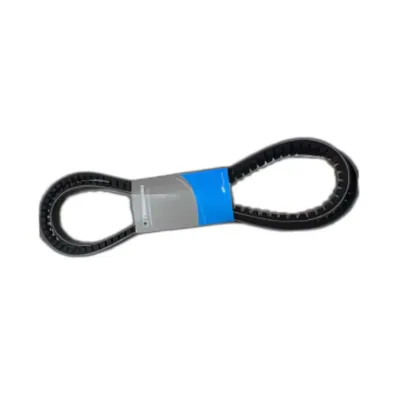
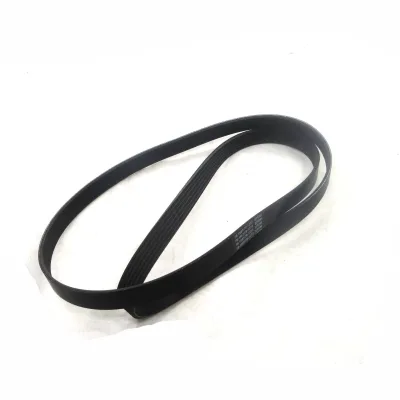
After-market Wholesale Belt Idler to Fanshaft Thermo King Sle / Smx 78-1987,78-1488,78-1272,78-1951
$6.80 - $7.80
MOQ: 1 pieces

Guangzhou Xusheng New Energy Technology Co., Ltd.
- Verified by CTI
- Trading Company
- China Guangdong
- Lead time15 days
- Avg. response≤ 5h
Main productsGenerator, Compressor, Evaporating Fan, Condensing Fan, Bus Lamp, Bus Sensor, Bus A/C, Refrigerated Truck Unit, Bus Air Conditioning Roof
Main marketsSouth America,Africa,Southeast Asia/ Mideast,East Asia(Japan/ South Korea),Europe,Australia,North America

78-1945 Fan Belt Compatible with Thermo King Refrigeration Unit Aftermarket Replacement Belt
$10.78 - $13.48
MOQ: 10 Pieces

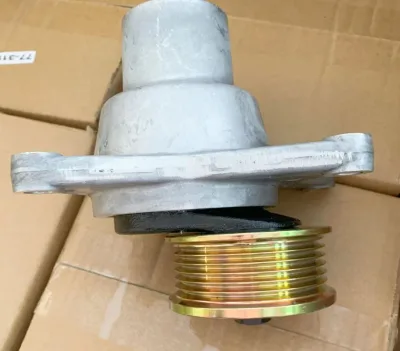
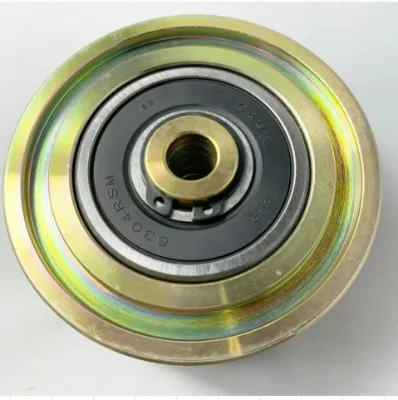
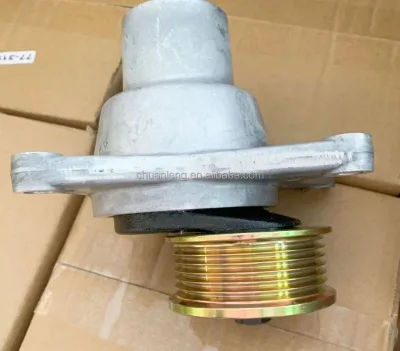
Factory Direct Refrigeration Parts 77-3186 Tensioner Pulley Idler for Thermo King
$22.00 - $25.00
MOQ: 2 pieces


$18.00 - $23.00
MOQ: 2 Pieces


Hangzhou Yes New Energy Tech Co., Ltd
- Verified by SGS
- Combined
- China Zhejiang
- Lead time30 days
- Avg. response≤ 8h
Main productsDiesel Engine Spare Parts, Generator Set Parts, Agriculture Machinery Parts, Construction Machine Parts, Aerial Work Platform Parts, Refrigeration Transport Parts
Main marketsSoutheast Asia/ Mideast,Europe,North America


Aftermarket 77-3192 Belt Tensioner for Thermo King Slxi Slx Slxe 100 200 300 400
$30.00 - $40.00
MOQ: 1 Pieces

Original High Quality New 77-2953 Belt Pully for Thermo-King Refrigeration Transport Parts
$296.00 - $320.00
MOQ: 10 Pieces

- Trading Company
- China Zhejiang
- Lead time30 days
- Avg. response≤ 5h
Main productsRubber Belt
Main marketsSouth America,Europe,Australia,North America


MOQ: 10 Pieces

Timing Belt Pulley and Tensioner 2
MOQ: 10 Pieces

Cogged Belt Ax for Thermal King Parts
MOQ: 50 Pieces

Wuhu Haihan Imp. & Exp. Co ., Ltd.
- Trading Company,Manufacturer/Factory,Group Corporation
- China Anhui
- Lead time23 days
- Avg. response≤ 1h
Main productsBus Air Conditioning Compressors, Bus Air Conditioner Magnetic Clutches, Bus Evaporator Blowers, Bus Condenser Fan, Auto Evaporator Blowers, Bus Alternators, Bus Receiver Driers, Compressor Spare Parts, Bock Compressors, Bock Clutches
Main marketsSouth America,Eastern Europe,Mid East,North America,Southeast Asia,Eastern Asia,Oceania,Western Europe
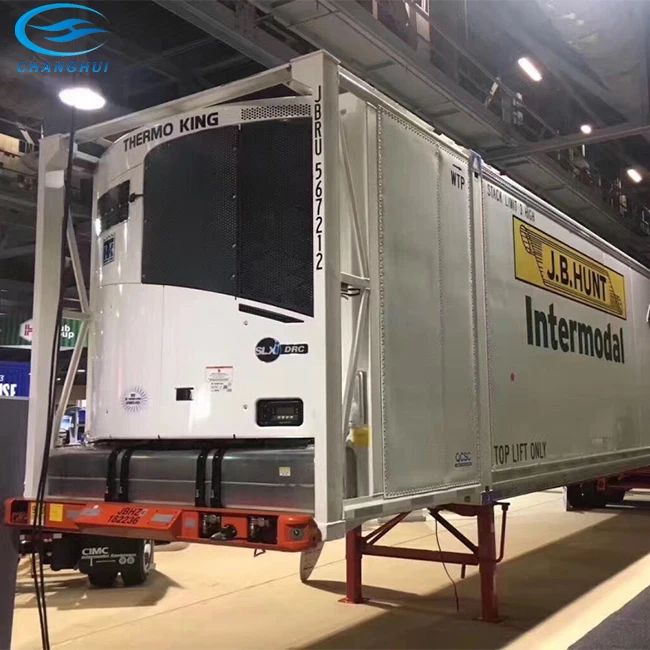
Chongqing Changhui Automotive Parts Co., Ltd.
- Trading Company
- Chongqing, China
- Lead time25 days
- Avg. response≤ 8h
Main productsrefrigeration units,refrigerated trucks,THERMO KING,Carrier,cluth
Main marketsSouth Asia(15.00%), Domestic Market(10.00%), Northern Europe(10.00%), Central America(10.00%), Mid East(10.00%), Africa(5.00%), North America(5.00%), Southeast Asia(5.00%), Southern Europe(5.00%), Eastern Europe(5.00%), Western Europe(5.00%), Eastern Asia(5.00%), South America(5.00%), Oceania(5.00%)
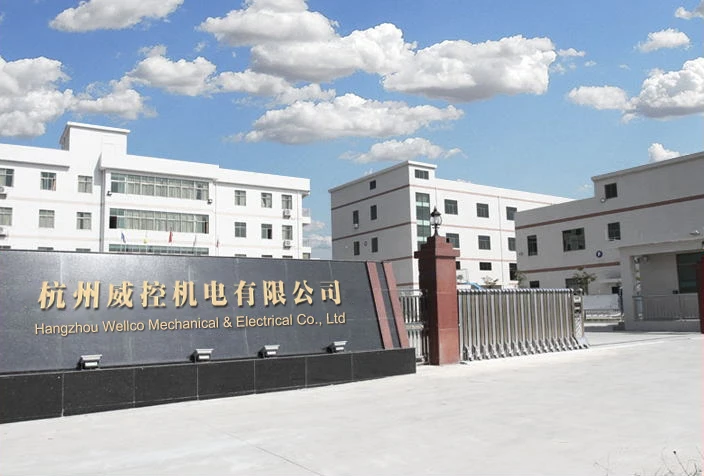
Hangzhou Wellco Mechanical & Electrical Co., Ltd.
- Trading Company
- Zhejiang, China
- Lead time5 days
- Avg. response≤ 2h
Main productsDiesel Engine Parts,Construction machinery parts,Agriculture machinery parts,Auto parts,Aerial work platform parts
Main marketsNorthern Europe(15.00%), Western Europe(15.00%), North America(15.00%), Domestic Market(5.00%), South Asia(5.00%), Southern Europe(5.00%), Eastern Europe(5.00%), Central America(5.00%), South America(5.00%), Eastern Asia(5.00%), Mid East(5.00%), Oceania(5.00%), Africa(5.00%), Southeast Asia(5.00%)
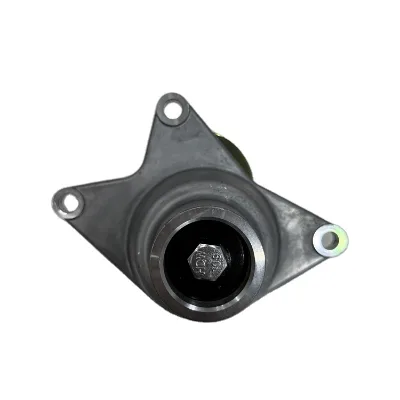
High Quality New Belt Tensioner 77-3192 773192 With Pulley for Thermo King SLX SLXE SLXI
$85.50 - $106.50
MOQ: 5 pieces
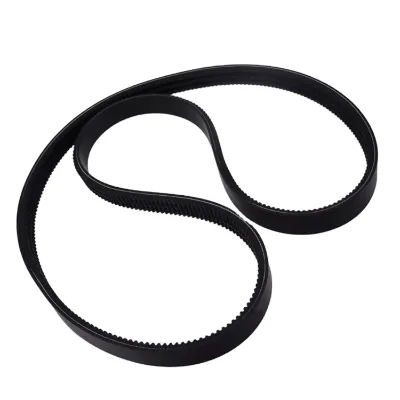
High Quality New Motor Compressor Belt 78-1724 for Thermo King T-500R T-580R T-600R T-680R T-800R
$21.50 - $29.50
MOQ: 10 pieces
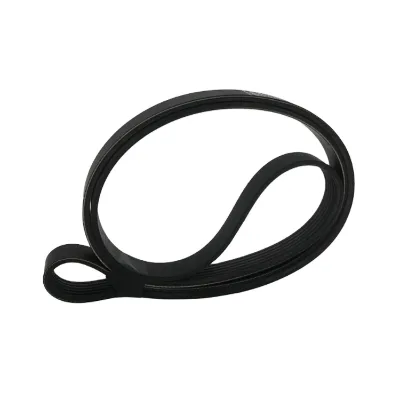
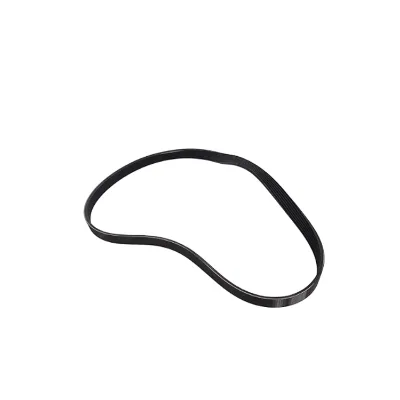
Belt 78-1624 781624 for Thermo King Transport Refrigeration SLX-300 SLX-200 SLX-100
$7.00 - $34.00
MOQ: 10 pieces

Hangzhou Yes New Energy Tech Co., Ltd.
- Verified by SGS
- Combined
- China Zhejiang
- Lead time30 days
- Avg. response≤ 4h
Main productsConstruction Machine Parts, Agricultural Machine Parts, Diesel Engine Parts, Aerial Work Platform Parts, Generator Parts, ATV UTV Parts
Main marketsSoutheast Asia/ Mideast,Europe,North America

New Aftermarket Belt 78-1724 for Thermo King T-500r T-580r T-680r T-800m T-800r
$23.00 - $28.00
MOQ: 1 Pieces


Ningbo Coolwell Import & Export Co., Ltd.
- Verified by CTI
- Trading Company
- China Zhejiang
- Lead time30 days
- Avg. response≤ 11h
Main productsSpare Parts of Home Appliance, AC DC Fan Motor, Filter Drier, AC Contactor, Gas Torch, Compressor, Defrosting Timer, Manifold Guage, Thermostat, Remote Control
Main marketsSouth America,Africa,Southeast Asia/ Mideast,East Asia(Japan/ South Korea),Europe,Australia,North America

Shanghai Trisun Parts Manufacture Co., Ltd.
- Manufacturer
- China Shanghai
- Lead time45 days
- Avg. response≤ 20h
Main productsPump Seals, Mechanical Seals, Auto Air- Con Compressor Seals, Auto Cooling Pump Seals, Cartridge Seals, Welded Metal Bellow Seals, Dry Gas Seals, Auto Air Conditioning Seals, Expansion Valves, Auto Air Conditioning Valves
Main marketsSouth America,Africa,Southeast Asia/ Mideast,East Asia(Japan/ South Korea),Domestic,Europe,Australia,North America


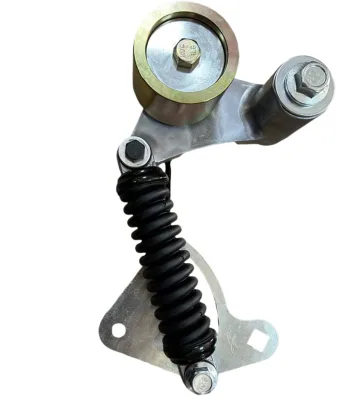
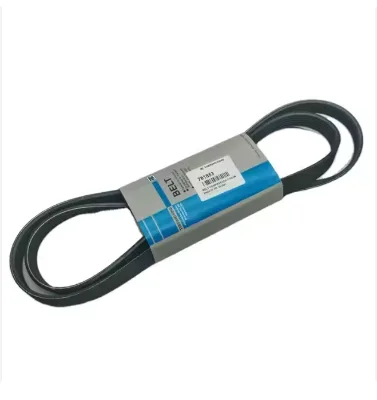
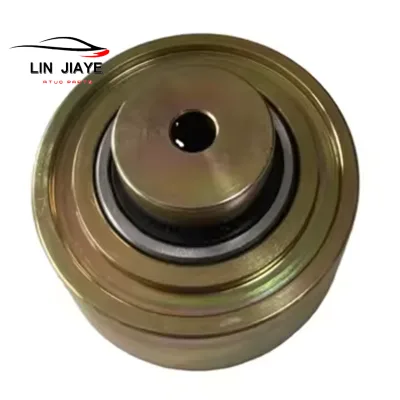
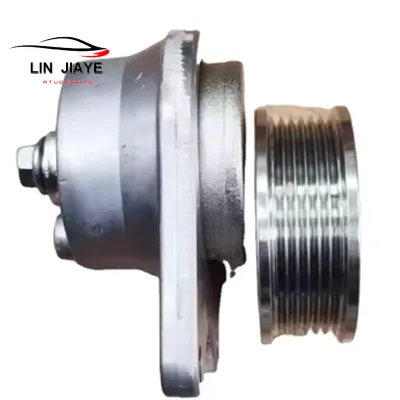




Comprehensive Sourcing Guide
Thermo King Tensioner Belt Supplier Concentration and Factory Types
The current supplier landscape for Thermo King tensioner belts reveals a distinct concentration of manufacturing and trading entities within specific Chinese provinces. Available data indicates that a significant portion of these suppliers operates out of Shandong province, with specific origins noted in Linyi and other regions within that state. This geographic clustering suggests a specialized industrial ecosystem where raw materials and component manufacturing for refrigeration units are readily accessible. Buyers observing this pattern should recognize that suppliers listing Shandong as their place of origin often possess established supply chains for steel and metal components required for heavy-duty tensioner assemblies.
Beyond the Shandong cluster, the supplier base includes entities located in Guangdong and Hunan provinces, indicating a broader distribution of manufacturing capabilities across China. The company types observed in these results vary between pure trading companies and hybrid entities that function as both manufacturers and traders. Some suppliers explicitly list their main products as refrigerated containers and container parts, while others focus on specific automotive transmission systems or truck parts. This diversity in company structure means that a buyer must carefully distinguish between a factory that produces the belt tensioner and a trading company that sources it from a third party. The presence of both types in the results requires a verification strategy that confirms the actual production capability of the vendor before committing to an order.
How to Verify Thermo King Tensioner Belt Suppliers
Verification of Thermo King Tensioner Belt suppliers relies heavily on third-party audit reports and specific certification markers provided in the supplier profile. The available data shows that some suppliers hold verification status from SGS, while others display TüVRheinland certification. These credentials serve as critical indicators of a supplier's adherence to quality management systems and operational standards. When evaluating a potential partner, buyers should prioritize those with these specific verification badges, as they represent an independent assessment of the supplier's business practices and product quality. The absence of such verification does not necessarily disqualify a supplier, but it requires a more rigorous internal due diligence process to ensure reliability.
In addition to external certifications, buyers must scrutinize the specific product attributes and warranty terms listed in the supplier's catalog. Evidence shows that suppliers offer warranties ranging from six months to one year, with some providing twelve-month coverage for specific belt models. The material composition, such as steel or plastic-metal combinations, and the finish type, including chrome plating or galvanization, are also key verification points. A supplier claiming high-quality output should be able to provide detailed specifications regarding load capacity, installation methods, and corrosion resistance. Buyers should request documentation that matches these listed attributes to confirm that the product meets the rigorous demands of cold chain equipment and heavy-duty refrigeration units.
What to Compare Across Thermo King Tensioner Belt Suppliers
Comparing suppliers requires a systematic analysis of key operational metrics such as lead time, minimum order quantity, and response speed. The data indicates a wide variance in lead times, with some suppliers offering a thirty-day turnaround while others can deliver within five to ten days. This difference is crucial for buyers managing tight inventory cycles or urgent repair needs for refrigeration units. Similarly, minimum order quantities fluctuate significantly, with some vendors requiring a minimum of ten pieces while others accept single-unit orders. Buyers must align their procurement volume with these constraints to avoid unnecessary capital tie-up or stockouts.
Response time is another critical differentiator that impacts the efficiency of the sourcing process. Available records show response times ranging from less than half a day to four days, which directly influences how quickly a buyer can resolve technical queries or negotiate pricing. Beyond these operational metrics, the main product focus of the supplier provides insight into their specialization. Some suppliers list refrigerated containers as their primary output, while others specialize in truck parts or air conditioning systems. A supplier whose core business aligns closely with the specific application of the tensioner belt is more likely to possess the necessary technical expertise and inventory depth to support complex orders effectively.
Common Thermo King Tensioner Belt Sourcing Risks
One of the primary risks in sourcing Thermo King tensioner belts involves the potential mismatch between product specifications and actual application requirements. The market offers various models, including assemblies with part numbers like 77-3192, 78-1904, and 50-60288-39, each designed for specific vehicle or refrigeration unit configurations. Buyers face the risk of ordering a component that appears compatible based on general keywords but fails to fit the specific make or model of their equipment. The presence of generic terms like "Standard Size" or "Heavy Duty" in product descriptions can be misleading if the precise dimensions or load capacities do not match the original equipment manufacturer specifications.
Another significant risk relates to the variability in warranty coverage and the clarity of after-sales support. While some suppliers explicitly state a one-year or twelve-month warranty, others may offer only six months or provide vague terms that are difficult to enforce. The lack of standardized warranty policies across different suppliers creates uncertainty regarding product longevity and replacement procedures. Furthermore, the distinction between a manufacturer and a trading company can complicate warranty claims if the trading entity does not have direct control over the production quality or the ability to facilitate returns. Buyers must ensure that the warranty terms are clearly defined in the contract and that the supplier has a proven track record of honoring these commitments.
Thermo King Tensioner Belt Regional Sourcing and Logistics
Regional sourcing strategies for Thermo King tensioner belts must account for the specific logistics capabilities of suppliers located in different Chinese provinces. Suppliers in Shandong, Guangdong, and Hunan may utilize different ports for dispatch, such as Guangzhou or Shenzhen, which can impact shipping costs and transit times. The single package size and gross weight of the products, often listed as 30x38x34 cm and 1.000 kg respectively, are essential data points for calculating freight charges and optimizing container loading. Buyers should verify the port of dispatch for each supplier to ensure it aligns with their preferred shipping routes and to minimize potential delays in the supply chain.
Logistics planning also involves understanding the packaging standards employed by different suppliers. Evidence suggests that many vendors use neutral packing or standard export cartons, which are designed to protect the tensioner belts during transit. However, the specific packing details, such as the use of blower motor standard export neutral carton packaging, vary between suppliers. Buyers should confirm that the packaging is robust enough to prevent damage, especially for heavy-duty components that may be subjected to rough handling. Additionally, the lead time provided by the supplier includes the time required for packaging and preparation, so buyers must factor this into their overall delivery schedule to ensure timely arrival at the destination.
Thermo King Tensioner Belt Commercial Terms and Order Planning
Commercial terms for Thermo King tensioner belts vary significantly in terms of pricing and order thresholds. The observed price range for these components spans from approximately 4.60 to 110.00, depending on the specific model, material, and supplier. Buyers must carefully evaluate the price per unit against the minimum order quantity to determine the total cost of ownership. Some suppliers offer competitive pricing for bulk orders, while others maintain higher prices for single-unit purchases. Understanding these pricing structures is essential for budgeting and negotiating effectively with potential vendors to secure the best value for the procurement.
Order planning must also consider the specific attributes of the product, such as the brand name, model number, and quality certifications. Suppliers like HESHUN and WEILI offer specific models with defined OEM numbers, which helps in ensuring compatibility with existing equipment. Buyers should plan their orders based on the confirmed model numbers and verify that the supplier can consistently supply the required quantity within the stated lead time. The inclusion of warranty periods, ranging from six months to one year, should be integrated into the order planning to account for potential replacement costs. By aligning commercial terms with technical requirements, buyers can mitigate risks and ensure a smooth procurement process for critical refrigeration components.
FAQs
What is the price range for Thermo King belt tensioner assemblies?
Prices for Thermo King belt tensioner assemblies typically range from $4.60 to $110.00 depending on the specific model and supplier. For instance, model 77-3192 is listed between $99.00 and $110.00, while model 78-1904 is priced at $35.00. Buyers should verify exact costs based on quantity and shipping terms.
What is the minimum order quantity for these parts?
The minimum order quantity for Thermo King belt tensioner assemblies is generally 10 pieces. Some suppliers list an MOQ of 10PCS for models like 78-1904, while others may accept orders as low as 1 piece for specific high-performance tensioners. Always confirm the MOQ with the supplier before placing an order.
How long does production and delivery take?
Lead times for Thermo King belt tensioner assemblies vary by supplier, ranging from 5 to 30 days. Some manufacturers offer faster turnaround times of 5 days, while others require up to 30 days for production. Response times also differ, with some suppliers replying within 0.44 hours and others taking up to 4 hours.
Where are these suppliers located?
Suppliers for Thermo King belt tensioner assemblies are primarily located in China. Specific regions include Shandong, Guangdong, and Hunan provinces. For example, some products originate from Linyi in Shandong, while others come from Guangdong or Hunan. Buyers should check the place of origin for each specific product listing.
What warranties are provided for these parts?
Warranties for Thermo King belt tensioner assemblies typically range from 6 months to 1 year. Some products offer a 1-year warranty, while others provide 12 months or 6 months of coverage. Buyers should verify the specific warranty terms with the supplier to ensure adequate protection for their purchase.
Are these parts compatible with specific Thermo King models?
Yes, these parts are compatible with specific Thermo King models such as SLX and various reefer units. Models like 77-3192, 78-1904, and 78-1887 are designed for Thermo King applications. Buyers should confirm compatibility with their specific equipment model before purchasing to ensure proper fit and function.