Thermal Insulation IXPE Sleeping Pad Suppliers and Manufacturers
Compare 27 verified Thermal Insulation IXPE Sleeping Pad suppliers by response time, lead time, and MOQ. Review product specs like R value, material type, and packing size before requesting quotes from these factories; review the available evidence before requesting comparable quotations from suitable candidates.
Updated
Suppliers List
- Verified by SGS Group
- Trading Company
- Lead time30 days
- Avg. response≤ 4h
Main productsTent, Sleeping Bag, Sleeping Pad, Camping Tarp, Hammock
Main marketsNorth America(41%), Eastern Europe(19%), Northern Europe(18%)
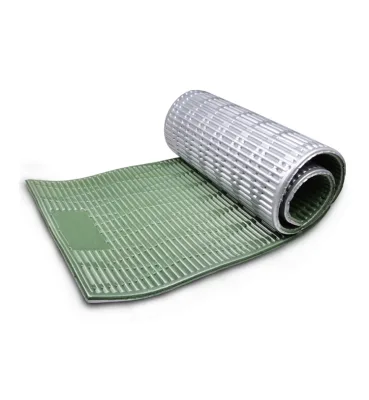
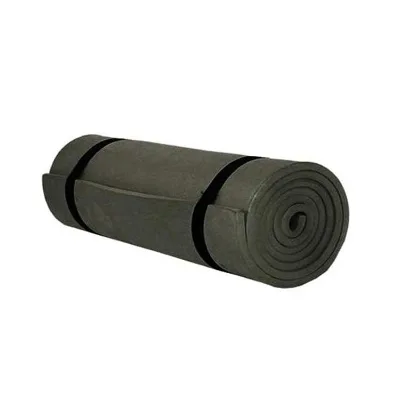
Outdoor Camping Thick Thermal Foam Mat Rollable Sleeping Pad High Density Light Weight Foam Pad
$3.55 - $8.55
MOQ: 500 pieces
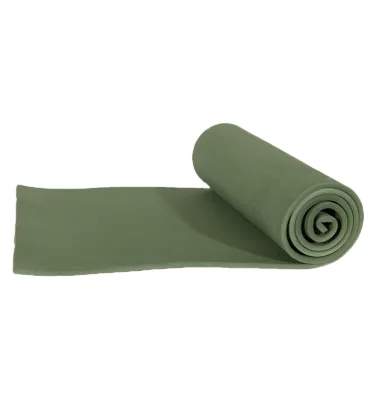
Extra Thick Foam Sleeping Pad OEM ODM Eco Friendly Foam Sleeping Pad for Backpacking Mountaineering
$4.7769 - $8.8577
MOQ: 500 pieces
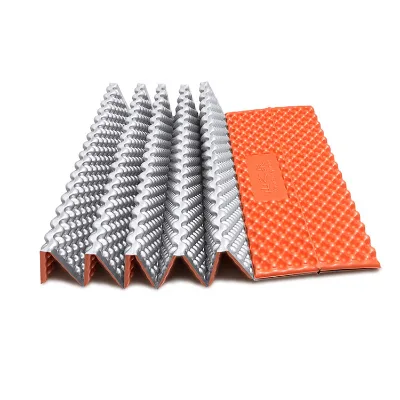
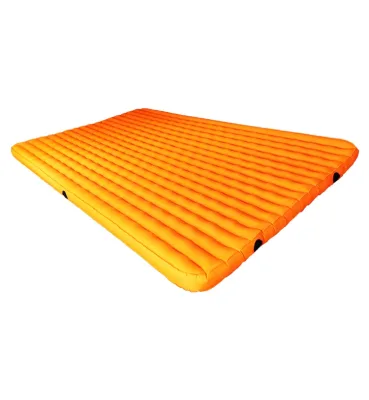
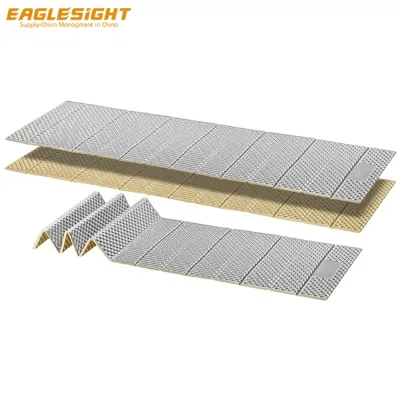
- Verified by Intertek
- Manufacturer, Trading Company
- Guangdong, China
- Lead time10 days
- Avg. response≤ 5h
Main productsIXPE Foam, XPE Foam, IXPP Foam, IXPE Camp Mat, PO Acoustic Insulation Foam
Main marketsDomestic Market(76%), Southeast Asia(9%), North America(4%)
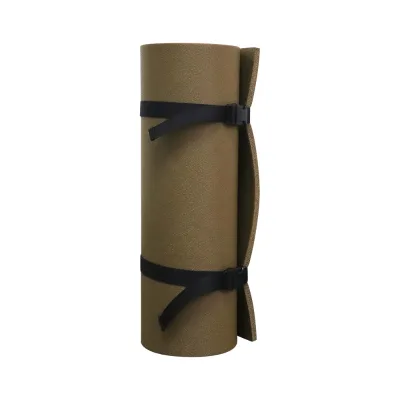
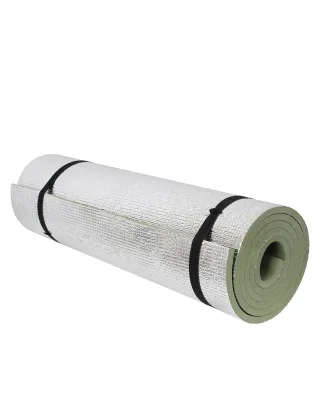
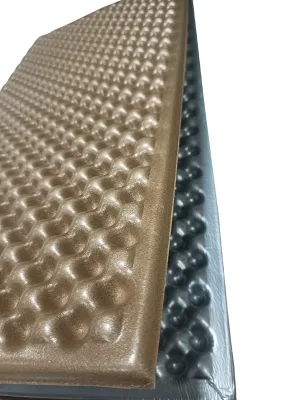
MilitaryMats REFLECTIVE THERMAL SLEEPING PAD
MOQ: 500 Minimum
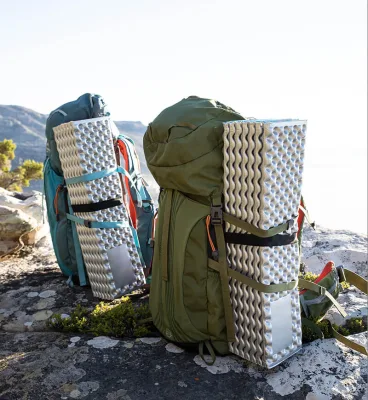
Outdoor Expedition Accordion Single Folding Foam Mat Thermal Camping Sleeping Pad Water Resistant
$5.99 - $12.90
MOQ: 10 pieces
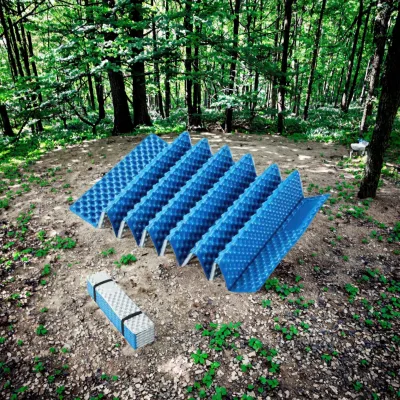
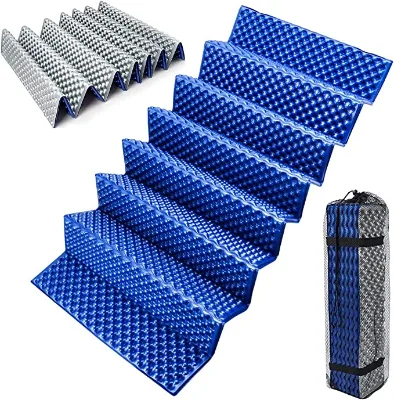
Hefei Goodwin International Trading Co., Ltd.
- Trading Company
- Lead time旺季: "1 - 100":31,"101 - 2000":35,"2001 - 10000":45,"> 10000":"To be negotiated", 淡季: "1 - 100":31,"101 - 2000":35,"2001 - 10000":45,"> 10000":"To be negotiated"
- Avg. response≤ 4h
Main productsTrekking Pole, Sleeping Mat, Camping Table, Camping Chair, Camping Bed
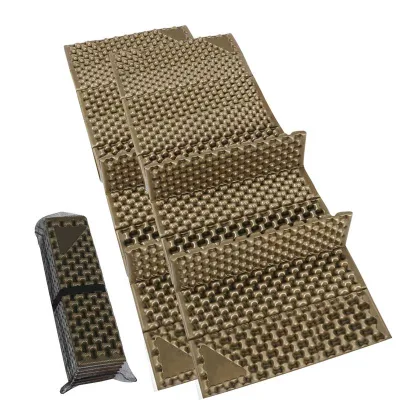
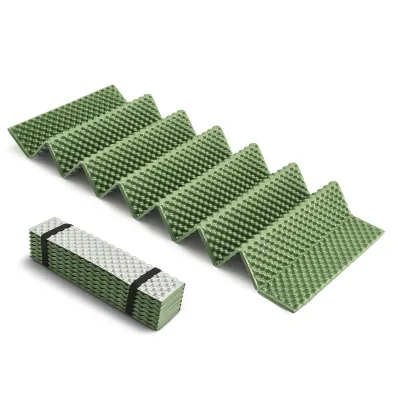
Lightweight Folding IXPE Foam Sleeping Pad Durable Waterproof Camping Mattress
$4.71 - $5.14
MOQ: 100 pieces
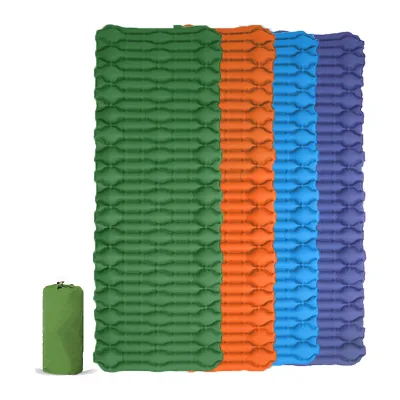
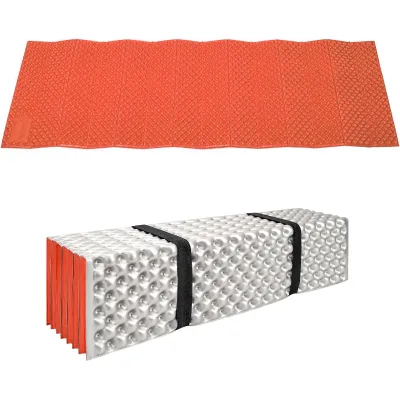
$4.99 - $5.99
MOQ: 100 pieces

Ningbo Youshine Trading Co., Ltd.
- Verified by BV
- Trading Company
- China Zhejiang
- Lead time45 days
- Avg. response≤ 8h
Main productsOutdoor Furniture, Gravity Chair, Garden Chair, Beach Chair, Camping Chair, Outdoor Portable Toilet, Plastic Table, Beach Umbrella, Garden Umbrella, Garden Furniture
Main marketsEast Asia(Japan/ South Korea),Europe,North America


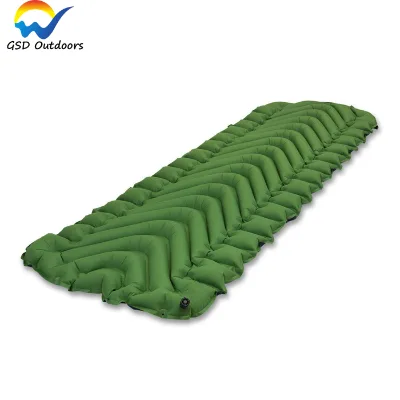
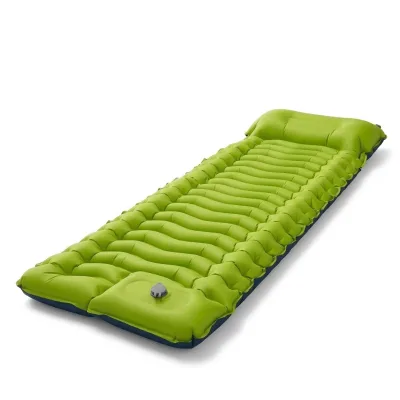
Camping Sleeping Pad Ultralight Camping Mat with Pillow Inflatable Sleeping Pads
$5.00 - $10.00
MOQ: 200 Pieces
Ningbo Godsword Outdoor Product Co., Ltd.
- Trading Company
- Zhejiang, China
- Lead time25 days
- Avg. response≤ 2h
Main productsTent,Sleeping Bag,Picnic Blanket,Beach Chair And Table,Outdoor Furniture
Main marketsWestern Europe(30.00%), North America(25.00%), Eastern Europe(10.00%), Southern Europe(5.00%), Northern Europe(5.00%), Central America(5.00%), South America(5.00%), Eastern Asia(5.00%), Mid East(5.00%), Oceania(5.00%)
$9.00 - $13.00
MOQ: 100 pieces
$0.7335 - $1.0479
MOQ: 1000 pieces
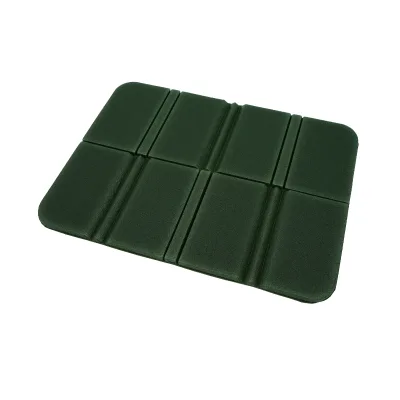
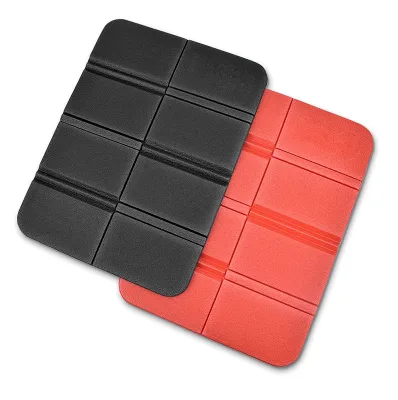
$0.6287 - $0.8383
MOQ: 1000 pieces

Lixin Outdoor Product Co., Ltd.
- Verified by TUVRHEINLAND
- Combined
- China Guangdong
- Lead time23 days
- Avg. response≤ 8h
Main productsPool Floats, Inflatable Swimming Pools, Inflatable Swimming Ring, Kid Toys, Inflatable Pool, Inflatable Sprinkler Toys, Air Bed Air Mattress, Inflatable Furnitures Inflatable Sofa, Inflatable Boat, Snow Tube
Main marketsSoutheast Asia/ Mideast,East Asia(Japan/ South Korea),Europe,Australia,North America

Sleeping Pad for Camping Ultralight Inflatable Sleeping Mat with Built-in Foot Pump
$13.21 - $14.62
MOQ: 18 Pieces

TPU Compact Outdoors Double Self Inflating Camping Pads Ultralight Air Sleeping Pad
$23.00 - $29.90
MOQ: 300 Pieces

Outdoor Lightweight TPU Air Mattress Sleep Mat Ultralight Self Inflating Sleeping Pad
$15.23 - $16.86
MOQ: 1000 Pieces

Ningbo Chanceca Import & Export Co., Ltd.
- Verified by TUVRHEINLAND
- Trading Company
- China Zhejiang
- Lead time30 days
- Avg. response≤ 8h
Main productsTrekking Poles, Camping Tent, Camping Furniture, Camping Gear, Sleeping Gear, Waterproof Dry Bag
Main marketsSouth America,Africa,Southeast Asia/ Mideast,East Asia(Japan/ South Korea),Europe,Australia,North America

Self Inflating Camping Sleeping Pad with Pillow Ultralight Sleeping Pad
$14.89 - $15.59
MOQ: 50 Pieces

Foam Sleeping Pad Ultralight Lightweight EVA IXPE Sleeping Pad Egg Crate Foil Camping Mat
$6.99 - $7.35
MOQ: 200 Pieces

Outdoor Single Self Inflating Sleeping Pad Outdoor Camping Sleeping Pad
$11.10 - $13.50
MOQ: 50 Pieces

Kinggear Insulated Camping Mattress Pad Camping Thick Foam Sleeping Pad Self Inflating Sleeping Pad
$31.59 - $32.95
MOQ: 300 Pieces


Compact Ultralight Self Inflatable Sleeping Mat Sleeping Pad for Camping
$9.90 - $13.90
MOQ: 50 Pieces
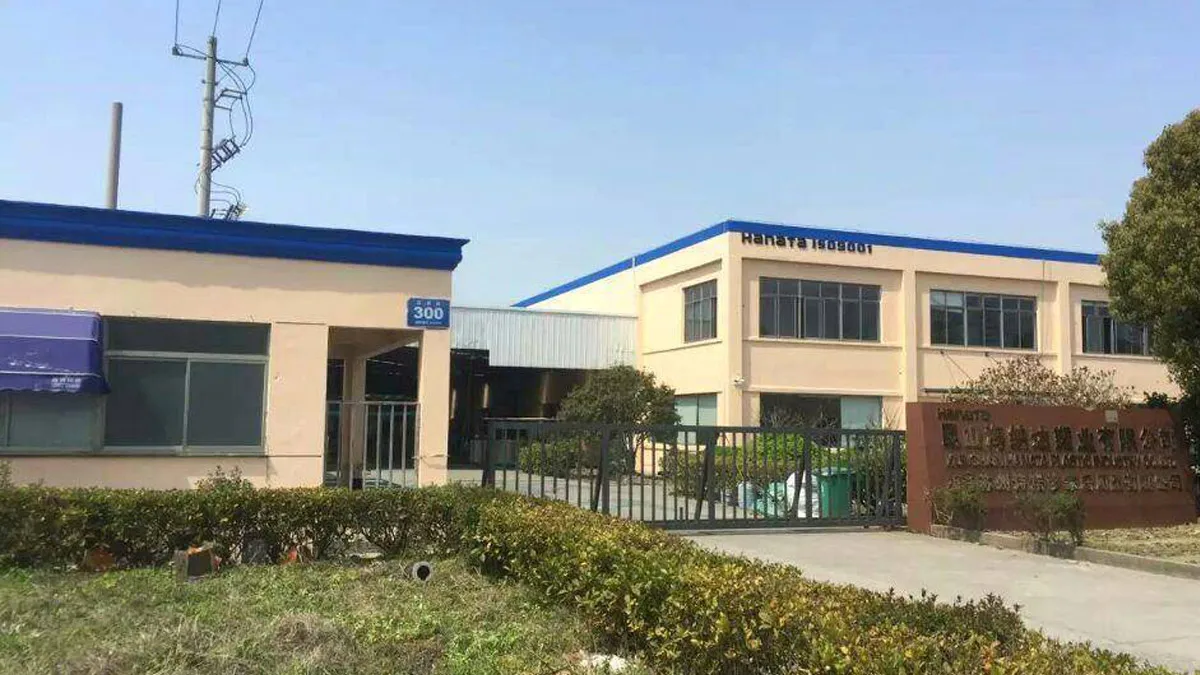
Kunshan Hanata Plastic Industry Co., Ltd.
- Manufacturer, Trading Company
- Jiangsu, China
- Lead time20 days
- Avg. response≤ 6h
Main productsXPE,IXPE,outdoor camping pad,outdoor seat cushion,foam packing
Main marketsDomestic Market(60.00%), North America(8.00%), Mid East(5.00%), Southeast Asia(5.00%), Eastern Europe(5.00%), Northern Europe(5.00%), Africa(3.00%), South America(3.00%), Southern Europe(3.00%), Western Europe(3.00%)
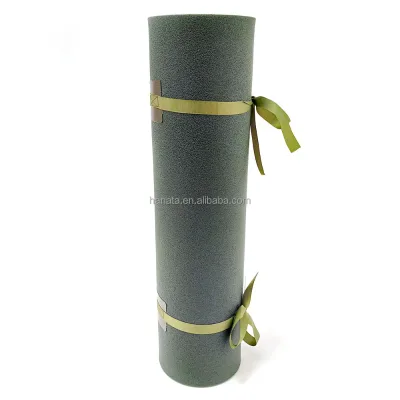

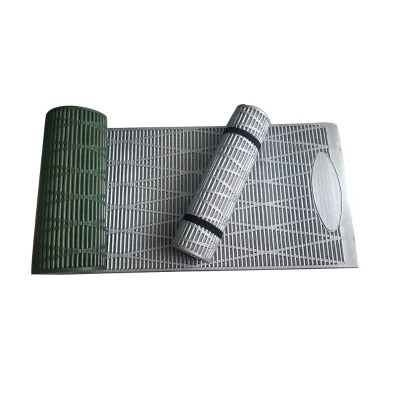

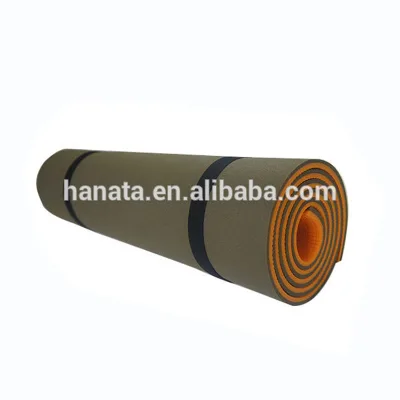
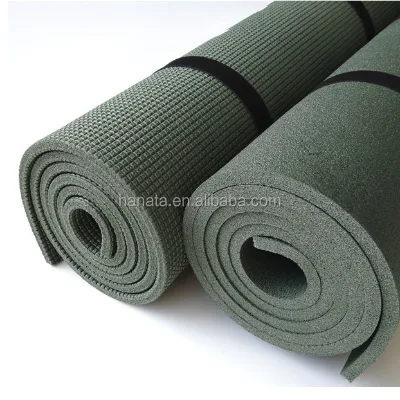
$3.5898 - $4.1018
MOQ: 500 Minimum

PIN INTERNATIONAL (NINGBO) LTD.
- Verified by TUVRHEINLAND
- Manufacturer/Factory
- China Zhejiang
- Lead time90 days
- Avg. response≤ 3h
Main productsWooden Toys Kids Toys Educational Toys, Arts and Crafts, Stem Toys, DIY Products, Subscription Box for Kids
Main marketsSouth America,Eastern Europe,North America,Eastern Asia,Western Europe
Shijiazhuang Aofeite Imp & Exp Co., Ltd.
- Manufacturer, Trading Company
- Lead time旺季: "1 - 500":7,"> 500":"To be negotiated", 淡季: "1 - 500":7,"> 500":"To be negotiated"
- Avg. response≤ 2h
Main productsKnee Brace, Lumbar Support Belt
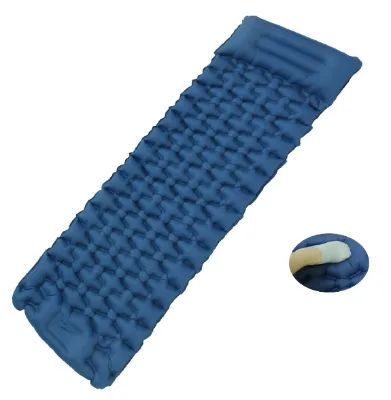
$0.5644 - $0.6871
MOQ: 50 pieces

Ningbo ZNZ Leisure Products Co., Ltd.
- Verified by CTI
- Manufacturer/Factory
- China Zhejiang
- Lead time45 days
- Avg. response≤ 12h
Main productsPVC Coated Woven Fabric, Siwmming Pool Fence, Outdoor RV Patio Mat, PE Rattan/Rattan Furniture, PVC Yarn, Outdoor Webbing/Rope for Outdoor Funture, Outdoor Beach Picnic Mat, Placemat, Door Mat, Outdoor PVC Mesh Sunscreen Fabric
Main marketsSouth America,Eastern Europe,North America,Oceania,Western Europe

$6.00 - $15.00
MOQ: 2 Pieces

Backpacking Outdoor Foldable XPE Foam Pad Moisture Ultra Light Waterproof Sleeping Mat Camping
$3.50 - $10.00
MOQ: 2 Pieces

Ningbo Qinding Material Technology Co., Ltd.
- Verified by TUVRHEINLAND
- Manufacturer/Factory
- China Zhejiang
- Lead time120 days
- Avg. response≤ 10h
Main productsFoam Machine, XPE Machine, XPE Floating Mat, Extrude Machine, Plastic Machine, Granulate Machine, XPE Crawling Mat, Foldable Mat, Baby Play Mat, Yoga Mat
Main marketsSouth America,Eastern Europe,Mid East,North America,Southeast Asia,Eastern Asia,Oceania,Western Europe,Africa

XPE IXPE Foam Lightweight Outdoor Mattress Portable Camping Mats Sleeping Pad
$2.30 - $5.50
MOQ: 1 Pieces

IXPE Foam Camping Mattress Sleeping Mat Travel Hiking Picnic Mat Sitting Mat Camping Mat for Outdoor
$4.90 - $5.65
MOQ: 200 Pieces

IXPE Foam Sleeping Mat Travel Hiking Picnic Mat Sitting Mat Camping Mat for Outdoor
$4.90 - $5.65
MOQ: 200 Pieces

XPE Foam Camping Mattress Sleeping Mat Travel Hiking Picnic Mat Sitting Mat Camping Mat for Outdoor
$4.45 - $5.20
MOQ: 200 Pieces

XPE Foam Camping Mattress Sleeping Mat Travel Hiking Picnic Mat Sitting Mat Camping Mat for Outdoor
$4.45 - $5.20
MOQ: 200 Pieces

Wuhan Corhunter Garment Co., Ltd.
- Verified by BV
- Combined
- China Hubei
- Lead time15 days
- Avg. response≤ 11h
Main productsUniform, Jacket, Shirt, Pants, Shorts, Boots, Gloves, Hat, Belt, Camouflage Uniform
Main marketsAfrica,Southeast Asia/ Mideast,North America


$6.00 - $8.00
MOQ: 200 Pieces


Cheap Price XPE Two Color Double-Sided Moisture-Proof Pad Tent Sleeping Mat
$4.99 - $5.59
MOQ: 200 Pieces

Wuhan TACEAG Garment Co., Ltd.
- Verified by SGS
- Trading Company,Manufacturer/Factory
- China Hubei
- Lead time23 days
- Avg. response≤ 9h
Main productsUniform, Jacket, Shirt, Pants, Shorts, Boots, Gloves, Hat, Belt, Shoes
Main marketsSouth America,Eastern Europe,Mid East,North America,Southeast Asia,Eastern Asia,Oceania,Western Europe,Africa

Ningbo Eto Outdoor Supplies Co., Ltd.
- Trading Company,Manufacturer/Factory
- China Zhejiang
- Lead time23 days
- Avg. response≤ 7h
Main productsTent, Hammock, Sleeping Bag, BBQ Grill, Camping Furniture, Garden Furniture, Camping Lantern, Beach Furniture, Travelling Accessories, Mattress
Main marketsSouth America,Eastern Europe,Mid East,North America,Southeast Asia,Eastern Asia,Oceania,Western Europe,Africa

- Verified by TUVRHEINLAND
- Trading Company
- China Zhejiang
- Lead time30 days
- Avg. response≤ 10h
Main productsSports and Outdoor
Main marketsSoutheast Asia/ Mideast,Europe

JINHUA YIJIA COMMODITY CO., LTD.
- Verified by SGS
- Combined
- China Zhejiang
- Lead time23 days
- Avg. response≤ 2h
Main productsAdult Soft Toilet Seat, Adult Padded Toilet Seat, Children Potty Toilet Seat, Floor Carpet Floor Mat, Wall Stickers Decoration Materials
Main marketsSouth America,Southeast Asia/ Mideast,Europe,North America

$3.00 - $3.60
MOQ: 300 Pieces

$3.20 - $3.60
MOQ: 300 Pieces

Ningbo Explorer Tour Goods Co., Ltd.
- Verified by CTI
- Manufacturer/Factory
- China Zhejiang
- Lead time90 days
- Avg. response≤ 2h
Main productsCamping Tent, Hiking & Mountaineering Tent, Air Mats, Sleeping Bag, Hammocks
Main marketsSouth America,North America,Eastern Asia,Oceania,Western Europe
Dongguan Liqi Outdoor Products Co., Ltd.
- Manufacturer, Trading Company
- Guangdong, China
- Lead time25 days
- Avg. response≤ 3h
Main productsPVC Bag,Wine Bag,Waterproof backpack,Swimming ring,Air mattress
Main marketsNorth America(30.00%), Domestic Market(15.00%), Southeast Asia(10.00%), Mid East(10.00%), Western Europe(10.00%), Southern Europe(10.00%), South America(5.00%), Eastern Europe(5.00%), Northern Europe(5.00%)

Foshan Yiroufang Textile Manufacture Co., Ltd.
- Combined
- China Guangdong
- Lead time30 days
- Avg. response≤ 13h
Main productsBedding Set, Table Cloth, Chair Cover, Curtain, Towel, Bed Sheet, Pillow, Duvet Cover, Quilt, Mattress Pad
Main marketsAfrica,Southeast Asia/ Mideast,North America

FUZHOU SHOO-IN IMP & EXP CO., LTD.
- Verified by SGS
- Trading Company
- China Fujian
- Lead time15 days
- Avg. response≤ 3h
Main productsPadel Ball, Tennis Ball, Hat, Pet Leash, Pickleball, Yoga Mat, Sports Towel
Main marketsEast Asia(Japan/ South Korea),North America
Ningbo Hanyue Import And Export Trade Co., Ltd.
- Manufacturer, Trading Company
- Zhejiang, China
- Lead time30 days
- Avg. response≤ 7h
Main productssleeping mats
Main marketsEastern Asia(40.00%), South Asia(20.00%), North America(20.00%), Eastern Europe(20.00%)

- Verified by BV
- Trading Company
- China Fujian
- Lead time23 days
- Avg. response≤ 4h
Main productsMouth Care and Soap, Field Kitchen Trailer, Camping Tents, Boots and Shoes, Camo Uniform and Clothes, Outdoor Backpacks and Bags, Camouflage Net and Ghillie Suit, Blankets and Sleeping Bags, Canteens and Mess Tins, Tactical Helmet
Main marketsSouth America,Africa,Southeast Asia/ Mideast,East Asia(Japan/ South Korea),Europe,Australia,North America

TPU Compact Backpacking Inflatable Sleeping Mat Air Mattress Camping Insulated Sleeping Pad
$17.00 - $18.80
MOQ: 5 Pieces

$6.00 - $10.00
MOQ: 500 Pieces
- Trading Company
- Jiangsu, China
- Lead time0 days
- Avg. response≤ 8h
Main productswooden jigsaw puzzles,wooden balance board,wooden toys,wooden coatrack,wooden stools
Main marketsNorth America(30.00%), Western Europe(20.00%), South America(10.00%), Eastern Asia(10.00%), Northern Europe(10.00%), South Asia(5.00%), Southern Europe(5.00%), Mid East(5.00%), Central America(5.00%)
Jinhua Ivy Home Textile Co., Ltd.
- Verified by TüVRheinland
- Manufacturer, Trading Company
- Lead time60 days
- Avg. response≤ 2h
Main productsBaby Products
Main marketsNorth America(30%), Western Europe(30%), Oceania(7%)
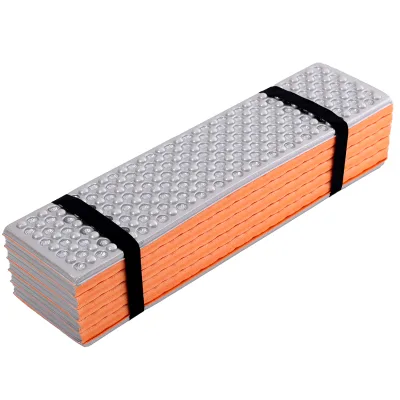
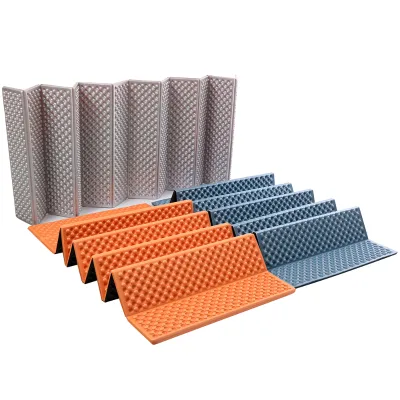
Soft Egg Crate Tent Folded Travel Pad IXPE Durable Sleeping Mat Odorless Foam Camping Mattress
$3.9476 - $4.6153
MOQ: 300 pieces
$4.0344 - $4.7156
MOQ: 300 pieces

Yuemai Outdoor & Camping Co., Ltd.
- Manufacturer/Factory
- China Jiangsu
- Lead time90 days
- Avg. response≤ 7h
Main productsTactical Vest, Body Armor Vest, Military Backpack, Tactical Clothing, Police Equipment, Outdoor, Tactical Gears, Army Rainwears, Airsoft and Paintball Articles, Army Uniforms
Main marketsEastern Europe,Mid East,North America,Southeast Asia,Western Europe,Africa

Custom XPE Camouflage Camping Mat Foam Roll Pads Portable Foam Waterproof Soft Sleeping Mat
$3.43 - $4.56
MOQ: 50 Pieces

Yuemai Customized Size Lightweight Waterproof XPE Foam Folding Camping Sleeping Mat
$7.35 - $9.38
MOQ: 100 Pieces
SHANXI DUFFY TRADING CO., LTD.
- Verified by Intertek
- Trading Company
- Lead time0 days
- Avg. response≤ 3h
Main productsOutdoor Chair, Outdoor Tent
Main marketsNorth America(50%), Western Europe(30%), Southeast Asia(10%)




Comprehensive Sourcing Guide
Thermal Insulation IXPE Sleeping Pad Supplier Concentration and Factory Types
The current supplier landscape for thermal insulation IXPE sleeping pads reveals a concentration of trading companies rather than direct manufacturing facilities. These entities primarily function as intermediaries that aggregate products from various factories to offer a broader catalog including tents, sleeping bags, and camping tarps. The observed data indicates that the primary business model for these suppliers is trading, which implies they may not own the production lines for the IXPE foam materials themselves. Buyers should recognize that a trading company structure often allows for greater flexibility in sourcing different product variations, such as closed-cell foam mats or egg-trough patterns, without being limited to a single factory's output capabilities.
When evaluating the factory types associated with these listings, it is crucial to understand that the trading company status does not inherently diminish product quality but shifts the verification focus. The suppliers listed demonstrate capabilities in sample processing, graphic processing, and customized on-demand production, suggesting they manage the design and branding aspects while outsourcing the actual molding and extrusion of the IXPE foam. This setup allows for rapid adaptation to market trends, such as the demand for eco-friendly materials or specific thermal insulation values. However, buyers must verify if the trading company has direct access to the manufacturing floor or if they rely on third-party partners, as this distinction affects the ability to conduct factory audits and ensure consistent quality control during the production of high-density foam pads.
How to Verify Thermal Insulation IXPE Sleeping Pad Suppliers
Verification of suppliers in this category requires a rigorous check of their third-party credentials and operational transparency. The available data confirms that at least one supplier holds verification from SGS Group, a recognized international inspection and certification body. This verification status serves as a critical baseline for assessing the supplier's legitimacy and adherence to safety and quality standards. Buyers should prioritize suppliers with similar third-party validations, as these reports often cover factory audits, product testing, and social compliance. Without such external validation, the claims regarding the thermal insulation properties or the durability of the IXPE foam remain unverified assertions that carry higher risk for the buyer.
Beyond certification, buyers must scrutinize the supplier's response time and communication efficiency as indicators of operational reliability. The observed response time of four hours suggests a level of responsiveness that is favorable for international trade, where time zone differences can often delay critical negotiations. A fast response time often correlates with a dedicated sales team and an organized internal workflow, which are essential when managing complex orders for customized sleeping pads. Buyers should test this responsiveness during the inquiry phase by asking specific technical questions about the foam density or R-value. If a supplier fails to provide timely, detailed answers regarding the product specifications, it may indicate a lack of technical expertise or a disconnect between the sales team and the actual production capabilities, warranting further caution before proceeding.
What to Compare Across Thermal Insulation IXPE Sleeping Pad Suppliers
Comparing suppliers requires a detailed analysis of their minimum order quantities (MOQ) and supply chain capacity, as these factors directly impact inventory planning and cash flow. The data shows a significant variance in MOQs, ranging from 500 pieces to 1000 pieces depending on the specific model and customization requirements. For instance, some listings indicate an MOQ of 600 pieces for standard IXPE foam pads, while others require 1000 pieces for specialized egg-trough designs. Buyers must align these thresholds with their projected sales volume to avoid overstocking or incurring unnecessary costs. Additionally, the supply ability varies widely, with some suppliers offering 50,000 pieces per month and others listing annual capacities of 2,000,000 pieces, necessitating a clear assessment of whether the supplier can scale production to meet peak demand periods.
Price and lead time are equally critical dimensions for comparison, as they define the total cost of ownership and delivery reliability. The observed price range for these products spans from approximately $3.55 to $15.79 per unit, heavily influenced by material thickness, packaging details, and branding options. A lower price point might correspond to a thinner foam or simpler packaging, while higher prices often reflect enhanced thermal insulation features or custom branding services. Lead times also present a variable factor, with some suppliers indicating a standard production window of 30 days, while sample processing times can extend to 10 days. Buyers should calculate the total landed cost by factoring in these price differences alongside the potential impact of longer lead times on their market launch schedules, ensuring that the selected supplier offers a balance of cost efficiency and timely delivery.
Common Thermal Insulation IXPE Sleeping Pad Sourcing Risks
One of the primary risks in sourcing thermal insulation IXPE sleeping pads involves the discrepancy between advertised specifications and actual product performance. The product attributes list various materials, including IXPE and Polyethylene Foam, with different thicknesses and dampproof mat types. Buyers face the risk of receiving goods that do not meet the expected thermal retention standards if the supplier substitutes materials or alters the foam density without notice. This is particularly concerning for products marketed as "extra thick" or "high density," where the actual R-value and insulation capability are critical for customer satisfaction in outdoor activities. Without independent testing or strict quality control protocols, the buyer may inadvertently stock products that fail to perform in cold weather conditions, leading to returns and reputational damage.
Another significant risk relates to the customization and branding process, which can introduce delays and quality inconsistencies. While suppliers offer options for hot-pressed logos, custom packaging, and specific color variations, the complexity of these requests can strain the production schedule. The data indicates that packaging details vary from simple polybags to blister packs, and customization is often highlighted as a key feature. However, the reliance on third-party factories for these customizations can lead to communication breakdowns or errors in the final output. If the supplier does not have a robust system for managing custom orders, the risk of receiving mismatched colors, incorrect logo placements, or damaged packaging increases. Buyers must establish clear quality checkpoints and require pre-shipment samples to mitigate these risks before committing to large-scale orders.
Thermal Insulation IXPE Sleeping Pad Regional Sourcing and Logistics
Logistics planning for thermal insulation IXPE sleeping pads must account for the specific ports of dispatch identified in the supplier data, which include Shenzhen and Ningbo. These ports are major hubs in China, offering extensive shipping networks to global destinations, but the choice of port can influence transit times and freight costs. Shenzhen is often associated with electronics and high-tech manufacturing, while Ningbo is a primary gateway for general cargo and bulk goods. Buyers should verify which port the supplier utilizes for their specific order, as this determines the routing and potential transshipment points. Understanding the logistics infrastructure at these ports helps in estimating the total delivery timeline and selecting the most cost-effective shipping method, whether by sea or air, depending on the urgency of the order.
The physical dimensions and weight of the sleeping pads also play a crucial role in logistics optimization and cost calculation. The product attributes reveal varying packing sizes, such as 55x18x18 cm or 61x15x15 cm, and weights ranging from 450 grams to 1 kilogram per unit. These specifications directly impact the number of units that can be loaded into a shipping container, affecting the per-unit shipping cost. Buyers should calculate the volumetric weight and container utilization efficiency to ensure they are not paying for excess air space. Furthermore, the collapsible nature of these foam pads makes them relatively easy to ship, but the packaging must be robust enough to prevent compression damage during transit. Proper logistics planning involves coordinating with freight forwarders to ensure that the packaging meets the necessary standards for international shipping and arrives in pristine condition.
Thermal Insulation IXPE Sleeping Pad Commercial Terms and Order Planning
Commercial terms for thermal insulation IXPE sleeping pads often include specific requirements for payment, shipping, and customization that must be clearly defined before order placement. The data indicates that suppliers accept customized logos and offer flexible packaging options, which are key commercial terms that can affect the final price and production timeline. Buyers should negotiate these terms explicitly, ensuring that the cost of customization is transparent and that the supplier has the capacity to handle the requested changes without compromising the lead time. Additionally, the supply ability figures, such as 50,000 pieces per month, should be used to plan order quantities that align with the supplier's production capacity, preventing bottlenecks that could delay delivery.
Order planning must also consider the sample time and the potential for iterative design changes. With sample times ranging from 10 days to longer periods for complex customizations, buyers need to build this buffer into their product development schedule. The ability to process samples quickly is a vital indicator of a supplier's agility and responsiveness. Buyers should plan their order timeline to include sufficient time for sample approval, design adjustments, and mass production. Furthermore, understanding the return policy and warranty terms is essential for managing risk. While the data does not explicitly state warranty periods, buyers should inquire about these terms to ensure they have recourse in case of quality issues. A well-structured order plan that accounts for these commercial variables ensures a smoother procurement process and minimizes the risk of unexpected delays or costs.
FAQs
What is the minimum order quantity for IXPE sleeping pads?
The minimum order quantity varies by product model. Some IXPE foam pads require a minimum of 600 pieces, while others may start at 500 or 1000 pieces. Buyers should check specific product listings to confirm the exact MOQ for their desired design and customization level.
How long does production take for custom sleeping pads?
Standard lead times for these sleeping pads are typically around 30 days. Sample processing times can be approximately 10 days. Custom graphic processing and on-demand customization may affect the final delivery schedule, so buyers should confirm specific timelines with suppliers before placing bulk orders.
What materials are used in these thermal insulation pads?
These pads primarily use IXPE foam or Polyethylene foam for thermal insulation. IXPE variants often feature foil thermal insulation and closed-cell structures. Polyethylene options provide closed foaming or open foaming types. Both materials are selected for their lightweight, dampproof, and durable properties suitable for outdoor camping.
Are these sleeping pads suitable for backpacking and hiking?
Yes, these pads are explicitly designed for hiking, backpacking, and mountaineering. They feature lightweight constructions, with weights ranging from 450g to 550g. The compact packing sizes allow for easy transport in backpacks, making them ideal for outdoor activities where weight and space are critical factors.
Can I customize the logo and packaging for these pads?
Suppliers accept customized logos, including printed or hot-pressed options. Packaging is also customizable, with standard options like polybags or blister packs. Buyers can request specific carton configurations or custom branding to meet their market requirements, ensuring the final product aligns with their brand identity and retail needs.
What is the price range for IXPE foam sleeping pads?
Prices for IXPE foam sleeping pads generally range from approximately $6.70 to $15.79 per unit. The cost depends on the specific model, material thickness, and customization requirements. Buyers should request quotes based on their desired quantity and specifications to get accurate pricing for their sourcing project.
Are the suppliers verified for quality assurance?
Yes, the suppliers are verified by SGS Group. This verification indicates that the companies have undergone specific quality and operational assessments. Buyers can rely on this verification status as an indicator of supplier reliability, though they should still review product samples and specific certifications before finalizing large orders.