Personal Care Aerosol Can Suppliers and Manufacturers
Compare 14 verified suppliers offering personal care aerosol cans with details on location, lead times, and certifications. Review MOQs, response times, and pricing to select the right factory for your needs; review the available evidence before requesting comparable quotations from suitable candidates.
Suppliers List
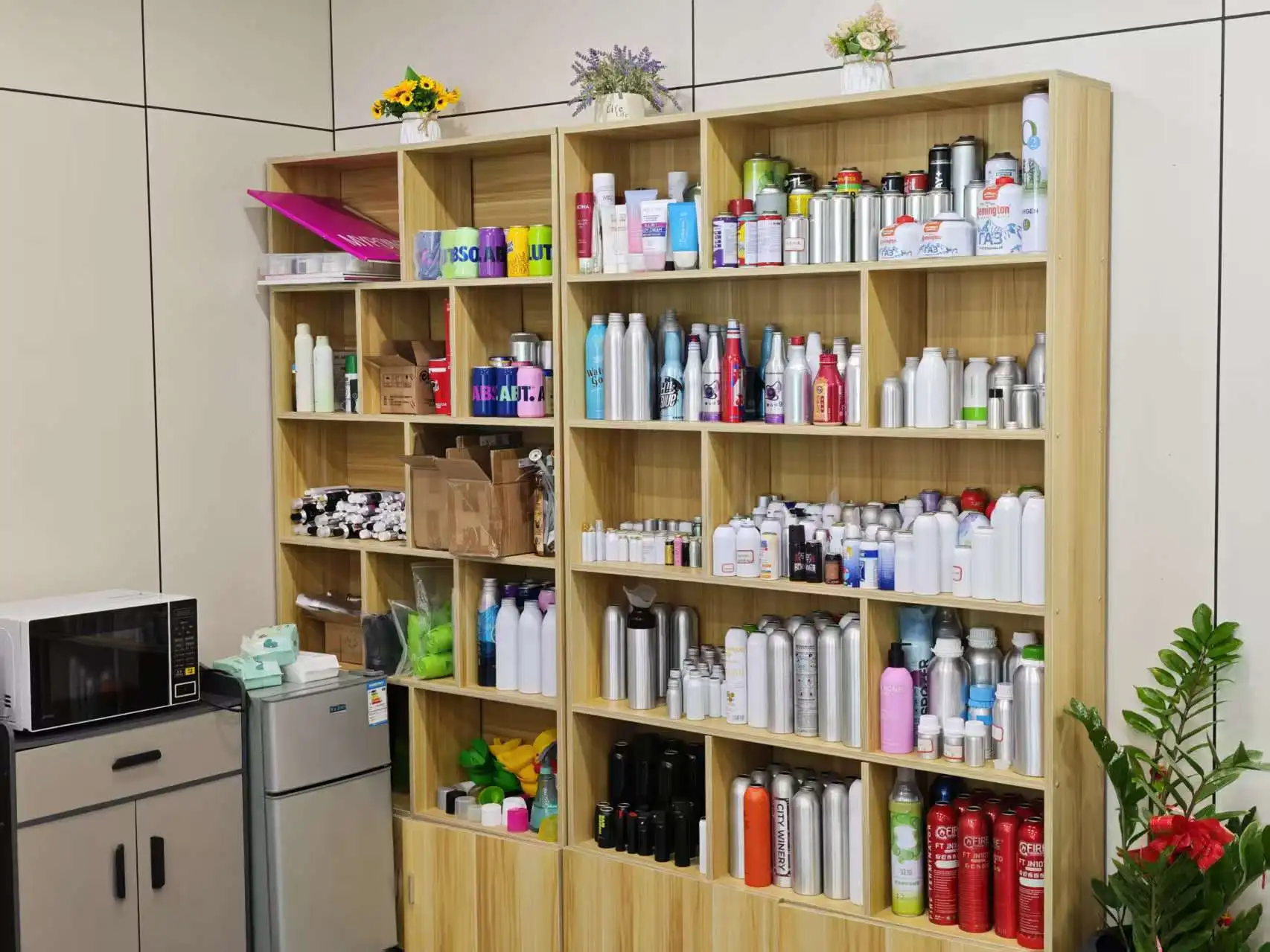
Foshan Brilliant Import & Export Co., Ltd
- Manufacturer, Trading Company
- Guangdong, China
- Lead time25 days
- Avg. response≤ 6h
Main productsAluminum Can,Aluminum Bottle,Aerosol Can,Cosmetic Tubes,Actuator Caps
Main marketsAfrica(20.00%), North America(20.00%), South America(10.00%), South Asia(10.00%), Eastern Asia(10.00%), Southeast Asia(5.00%), Southern Europe(5.00%), Northern Europe(5.00%), Central America(5.00%), Western Europe(5.00%), Eastern Europe(5.00%)

Guangzhou Hengyu Iron-Printing & Can-Making Co., Ltd.
- Combined
- China Guangdong
- Lead time15 days
- Avg. response≤ 5h
Main productsEmpty Aerosol Tin Can, Aerosol Spray Tin Can, Printed Tinplate Sheet, Cone and Dome, Plastic Cap, Valve
Main marketsSouth America,Africa,Southeast Asia/ Mideast,East Asia(Japan/ South Korea),Domestic,Europe,North America


Stylish Empty Aerosol Can for Personal Care with Airtight, Skin-Safe & Trendy Appearance
$0.15 - $0.22
MOQ: 37500 Pieces

Eco - Friendly Empty Aerosol Can for Body Spray with Comfortable Grip Design
$0.15 - $0.22
MOQ: 37500 Pieces


Body Care Empty Aerosol Can 150ml for Odor Control with Moisturizing Formula
$0.08 - $0.16
MOQ: 37500 Pieces

Anhui Keynovo Biotech Co., Ltd.
- Verified by SGS
- Trading Company
- China Anhui
- Lead time15 days
- Avg. response≤ 4h
Main productsPharmaceutical Packaging, Medicinal Impurities, Pharmaceutical Intermediates, Active Pharmaceutical Ingredients
Main marketsSouth America,East Asia(Japan/ South Korea),Europe,Australia,North America

Guangzhou Yongjia Iron-Printing and Tin-Making Co., Ltd.
- Verified by BV
- Combined
- China Guangdong
- Lead time15 days
- Avg. response≤ 6h
Main productsTin Can, Aerosol Can, Aerosol Valve
Main marketsSouth America,Africa,Southeast Asia/ Mideast,Europe,North America

Foshan Evergreen Tree Co., Ltd
- Verified by SGS
- Trading Company,Manufacturer/Factory
- China Guangdong
- Lead time38 days
- Avg. response≤ 23h
Main productsAerosol Valve, Tinplate Can, Aluminum Collapsible Tube Packaging, Aerosol Can, Aerosol Actuator, Aluminum Can
Main marketsSouth America,Eastern Europe,Mid East,North America,Southeast Asia,Eastern Asia,Oceania,Western Europe,Africa

FOSHAN BRILLIANT IMPORT & EXPORT CO., LTD
- Verified by SGS
- Manufacturer/Factory
- China Guangdong
- Lead time38 days
- Avg. response≤ 9h
Main productsAerosol Can, Aluminum Bottle, Aluminum Can, Hair Color Chart, Collapsible Aluminum Tube, Pepper Spray, Camping Gas Canister, Butane Gas Cartridge, Cosmetic Containers, Valve&Actuator&Cap
Main marketsSouth America,Eastern Europe,North America,Southeast Asia,Eastern Asia,Western Europe

$0.20 - $0.45
MOQ: 10000 Pieces

Custom 15ml Mini Eco Friendly Oral Vitamin Spray Aluminum Aerosol Can for Personal Care
$0.15 - $0.20
MOQ: 10000 Pieces


OLILA (GUANGZHOU) COSMETIC PACKAGE CO., LTD.
- Trading Company,Manufacturer/Factory
- China Guangdong
- Lead time45 days
- Avg. response≤ 9h
Main productsCosmetic Packaging, Perfume Bottles, Perfume Cap, Spray Cap, Aerosol Can, Aerosol Valve, Cream Jars, Cosmetic Packages, Perfume Bottle Caps, Olila Cosmetic Containers
Main marketsSouth America,Eastern Europe,Mid East,North America,Southeast Asia,Eastern Asia,Oceania,Western Europe,Africa

Ningbo Pack Imp. & Exp. Co., Ltd.
- Verified by SGS
- Trading Company,Manufacturer/Factory
- China Zhejiang
- Lead time30 days
- Avg. response≤ 6h
Main productsAluminum Jar, Aluminum Bottle, Tin Box, Glass Dropper Bottle, Glass Tube, Paper Box, Paper Tube, Plastic Pop Top Tube, Plastic Bottle, Silicone Gummy Mold
Main marketsSouth America,Eastern Europe,Mid East,North America,Southeast Asia,Eastern Asia,Oceania,Western Europe,Africa

Personalized Aluminum Aerosol Can for Skincare and Cosmetic Product Packaging
$0.10 - $0.50
MOQ: 20000 Pieces

Personalized Aluminum Aerosol Can for Skincare and Cosmetic Products with Custom Logo
$0.10 - $0.50
MOQ: 20000 Pieces

High-Grade Aluminum Aerosol Can with Personalized Logo for Skincare and Cosmetic Products
$0.10 - $0.50
MOQ: 20000 Pieces

Customized Aluminum Aerosol Can for Skincare and Cosmetic Product Packaging
$0.10 - $0.50
MOQ: 20000 Pieces

Aluminum Aerosol Can with Custom Logo for Skincare and Beauty Product Packaging
$0.10 - $0.50
MOQ: 20000 Pieces

Durable Aluminum Aerosol Can with Customized Logo for Skincare and Cosmetic Use
$0.10 - $0.50
MOQ: 20000 Pieces

Shanghai Golden Aerosol Co., Ltd.
- Verified by TUVRHEINLAND
- Combined
- China Shanghai
- Lead time15 days
- Avg. response≤ 12h
Main productsMetering Valve, Portable Gas Stove Valve, Bag on Valve, Aluminium Can, Fire Extinguisher Valve and Accessories, Pepper Spray Valve and Accessories, Female Valve, Aerosol Actuator, Aerosol Can, Air Diffuser
Main marketsSouth America,Africa,Southeast Asia/ Mideast,East Asia(Japan/ South Korea),Europe,Australia,North America

Customized High Quality Personal Care Cans Aluminum Aerosol Can for Delay Spray
$0.05 - $0.06
MOQ: 5000 Pieces


GOLD FORTUNE (GUANGDONG) IMPORT & EXPORT CO., LTD.
- Trading Company,Manufacturer/Factory
- China Guangdong
- Lead time23 days
- Avg. response≤ 23h
Main productsCollapsible Aluminium Tube, Laminated Tube, PE Cosmetic Tube, Aluminium and Tinplate Aerosol Can, Hair Colour Chart, Pet/PE Bottle, Packaging Paper Box, Aluminium Bottle, Aerosol Actuator and Valve, OEM Aerosol Products
Main marketsSouth America,Eastern Europe,Mid East,North America,Southeast Asia,Africa

Aluminum Personal Care for Facial Moisturizing Spray Packing Pain Reliever Empty Can Aerosol
$0.25 - $0.80
MOQ: 30000 Pieces


GUANGZHOU FANXUN TRADING CO.,LTD
- Verified by CTI
- Trading Company,Manufacturer/Factory
- China Guangdong
- Lead time23 days
- Avg. response≤ 5h
Main productsTin Can, Can, Aerosol Can, Engine Oil Cap, Aerosol Tin Can, Engine Oil Can, Packaging Box, Box, Bottle, Packaging
Main marketsSouth America,Eastern Europe,Mid East,North America,Southeast Asia,Eastern Asia,Oceania,Western Europe,Africa

Guangzhou Hongyuan Trading Co., Ltd.
- Verified by TUVRHEINLAND
- Trading Company
- China Guangdong
- Lead time15 days
- Avg. response≤ 1h
Main productsAerosol Tin Can, Aerosol Can, Can Components, Aerosol Valves, Plastic Caps, Aluminum Cans
Main marketsSoutheast Asia/ Mideast,Domestic,North America

Lightweight and Leak-Proof Aluminum Aerosol Can for Cosmetic & Personal Care Products
$0.19 - $0.50
MOQ: 20000 Pieces

Wholesale Shaving Cream Aerosol Can, Custom Size Tin Container for Personal Care
$0.10
MOQ: 37500 Pieces


Custom Printed Aluminum Aerosol Can with High Pressure Resistance for Hair Spray
$0.19 - $0.50
MOQ: 20000 Pieces

- Verified by TUVRHEINLAND
- Manufacturer/Factory
- China Jiangsu
- Lead time0 days
- Avg. response≤ 9h
Main productsPerfume Bottle, Perfume Cap, Deodorant Cap, Perfume Box, Gift Box, Jewelry Box, Watch Box, Paper Box, Wine Box, Aerosol Cap

Aerosol Cans for Wholesale Aerosol Can Cap Plastic Cap for Hair Spray Aerosol Can Cap
$0.22 - $0.25
MOQ: 100000 Pieces


Changzhou Xirun Machinery Manufacturing Co., Ltd.
- Combined
- China Jiangsu
- Lead time0 days
- Avg. response≤ 21h
Main productsAluminium Tube Line, Aerosol Can Production Line, Aluminum Can, Aluminium Can Line, Toothpaste Production Line, Aluminum Slug / Aluminum Circle Sheet/Pl, Filling Sealing Machine, Aerosol Can, Aluminium Tube Production Line, Aluminium Tube


Comprehensive Sourcing Guide
Personal Care Aerosol Can Supplier Concentration and Factory Types
The available data indicates a significant concentration of manufacturing activity in Guangdong, China, for personal care aerosol cans. This region appears to host a mix of direct manufacturers and trading companies, offering buyers a choice between factory-direct engagement and intermediary services. The primary product categories observed in this cluster include aluminum cans, aluminum bottles, aerosol cans, cosmetic tubes, and actuator caps. This geographic clustering suggests a mature supply chain ecosystem where raw materials and finishing services are readily accessible. Buyers should verify if a specific supplier operates as a manufacturer or a trading company, as this distinction impacts direct communication with production lines and potential cost structures.
Factory types in this sector often include combined entities that handle both production and trading functions. Some suppliers list their company type as "Combined," while others specify "Manufacturer" or "Trading Company." This variation requires careful verification to understand the actual source of the goods. The main products frequently listed involve empty aerosol tin cans, spray tin cans, printed tinplate sheets, and various valves. When evaluating potential partners, buyers must confirm the specific nature of the entity to ensure they are dealing with the appropriate level of the supply chain. The presence of both manufacturer and trading company profiles in the results highlights the need for due diligence regarding the actual production capabilities of the listed entities.
How to Verify Personal Care Aerosol Can Suppliers
Verification of suppliers requires a close examination of their stated certifications and production capabilities. Some results explicitly mention ISO9001:2015 certification, which serves as a tangible indicator of quality management systems. Buyers should request proof of this certification directly from the supplier rather than relying solely on profile summaries. Additionally, the presence of OEM and ODM capabilities is a critical factor for personal care brands requiring custom branding. The data shows that customization is widely welcomed, with specific mentions of design services and customized printing options. Confirming these capabilities ensures the supplier can meet specific branding and regulatory requirements for personal care products.
Response times and sample availability are also essential verification metrics. The observed response times vary, with some suppliers indicating a response time of 6 hours and others showing a score of 4.77. These metrics can influence the speed of the initial negotiation and sampling process. Buyers should also check if samples are available and under what terms, such as express freight collect. The product evidence suggests that samples are generally available, but the specific logistics and costs must be clarified. Verifying these operational details helps establish the reliability and responsiveness of the supplier before committing to a larger order.
What to Compare Across Personal Care Aerosol Can Suppliers
Comparing suppliers involves analyzing key operational metrics such as lead times, minimum order quantities, and pricing structures. Lead times in the observed data range from 15 to 25 working days, with some specific product listings indicating a 15-day delivery window. Buyers must compare these timelines against their own production schedules to ensure timely delivery. Minimum order quantities (MOQ) also vary significantly, with some listings showing an MOQ of 10,000 pieces while others indicate 37,500 pieces. Understanding these thresholds is crucial for budgeting and inventory planning, especially for smaller brands entering the market.
Pricing and material specifications are another critical area for comparison. The price range for aluminum cans observed spans from 0.09 to 0.26 per unit, depending on the specific product and volume. Material composition is another differentiator, with some products specified as 99.7% pure aluminum and others as metal or tinplate. Buyers should compare these material grades to ensure they meet the durability and safety standards required for their specific personal care applications. Additionally, comparing the surface handling options, such as offset printing, and the available shapes and sizes will help identify the most suitable supplier for the specific product requirements.
Common Personal Care Aerosol Can Sourcing Risks
One significant risk in sourcing aerosol cans is the variability in material quality and compliance standards. While some suppliers list ISO certifications, the specific material composition, such as the purity of aluminum or the type of metal used, can vary. Buyers must verify that the materials used meet the safety standards required for personal care products, particularly regarding skin contact and chemical compatibility. The lack of standardized test results in the general data means that buyers should request specific material safety data sheets and compliance certificates for each batch. Relying on general claims without specific documentation can lead to product failures or regulatory issues.
Another risk involves the consistency of lead times and the reliability of the supply chain. Although some suppliers list a lead time of 15 days, others indicate a range of 15 to 25 working days. This variability can disrupt production schedules and inventory management. Buyers should assess the supplier's capacity to handle peak demand and their history of meeting delivery deadlines. The presence of different company types, such as manufacturers versus trading companies, can also introduce risks related to communication gaps and quality control. Ensuring clear contracts and regular communication can mitigate these risks, but the inherent variability in the supply chain remains a factor to manage carefully.
Personal Care Aerosol Can Regional Sourcing and Logistics
The primary sourcing region identified for these products is Guangdong, China, which offers a concentrated hub of manufacturing capabilities. This location provides access to a robust network of suppliers specializing in metal packaging and aerosol solutions. Buyers should consider the logistical advantages of sourcing from this region, including established shipping routes and experienced freight forwarders. However, the distance from international markets can impact shipping times and costs. Buyers need to factor in these logistics when planning their supply chain, ensuring that the lead times provided by suppliers align with their overall delivery expectations.
Logistics planning also involves understanding the packaging and shipping methods used by suppliers. The data indicates that products are typically packed in cartons, with some options for wooden pallets or customized packing. Buyers should verify the specific packing standards to ensure the cans arrive without damage during transit. The choice of shipping method, whether sea or air freight, will depend on the urgency of the order and the total volume. Coordinating with the supplier on packing requirements and shipping terms is essential to minimize the risk of damage and ensure that the products arrive in optimal condition for distribution.
Personal Care Aerosol Can Commercial Terms and Order Planning
Commercial terms for personal care aerosol cans often include specific conditions regarding samples and payment. The data shows that samples are generally available, but the cost of express freight is often collected from the buyer. This practice is common in the industry and should be factored into the initial budget. Buyers should clarify the sample policy, including the number of samples allowed and the specific shipping terms, before placing a large order. Understanding these terms helps in managing the initial costs and ensures a smooth transition from sampling to full-scale production.
Order planning must account for the minimum order quantities and the production lead times observed. With MOQs ranging from 10,000 to 37,500 pieces, buyers need to align their order volumes with their sales forecasts and storage capabilities. The lead times of 15 to 25 days require careful scheduling to avoid stockouts. Buyers should also consider the customization options available, such as logo printing and design services, which may extend the production timeline. Planning for these variables ensures that the order is placed at the right time and that the supplier can meet the required delivery dates without compromising on quality or customization.
FAQs
What is the typical lead time for personal care aerosol cans?
Lead times for personal care aerosol cans typically range from 15 to 25 working days. This duration covers production and quality checks. Specific timelines may vary based on order volume and customization requirements. Buyers should confirm exact dates with suppliers before placing orders.
What is the minimum order quantity for these cans?
Minimum order quantities for personal care aerosol cans often start at 10,000 pieces. Some suppliers may require higher quantities, such as 37,500 pieces, depending on the specific product type. Always verify the exact MOQ for your desired can size and customization level.
Are custom printing options available for aerosol cans?
Yes, custom printing is widely available for personal care aerosol cans. Suppliers typically offer offset printing for logos and designs. This allows for brand-specific packaging that meets aesthetic and regulatory requirements. Confirm printing capabilities and sample availability before finalizing orders.
What materials are used in personal care aerosol cans?
Personal care aerosol cans are commonly made from 99.7% pure aluminum or tinplate. These materials provide durability and safety for cosmetic products. Aluminum cans are often preferred for their lightweight properties and recyclability. Verify material specifications to ensure compatibility with your product.
Do suppliers offer OEM or ODM services?
Many suppliers offer both OEM and ODM services for personal care aerosol cans. This allows buyers to customize can dimensions, shapes, and packaging. OEM services focus on manufacturing to your specifications, while ODM provides ready-made designs. Discuss your specific needs with suppliers to determine the best fit.
What certifications should I look for in suppliers?
Look for suppliers with ISO9001:2015 certification, which indicates adherence to quality management standards. This certification ensures consistent product quality and reliable manufacturing processes. Verify the validity of these certificates to ensure compliance with international standards and buyer requirements.
What is the typical response time from suppliers?
Suppliers typically respond to inquiries within 4 to 6 hours. This quick response time helps buyers make timely decisions and address any questions. Prompt communication is essential for coordinating production schedules and ensuring smooth order processing. Check supplier profiles for specific response times.