Agricultural Poultry Radiator Heater Suppliers and Manufacturers
Source 11 verified suppliers for Agricultural Poultry Radiator Heater units. Compare grounded dimensions including Shandong location, 15-day lead times, and CE certifications. Review product specs and request quotes to streamline procurement; review the available evidence before requesting comparable quotations from suitable candidates.
Suppliers List
Qingzhou Tailai International Trade Co., Ltd.
- Manufacturer, Trading Company
- Shandong, China
- Lead time15 days
- Avg. response≤ 3h
Main productsPan Feeder, Nipple Drinker, Ventilation Fan, Egg Incubator, Layer Cage
Main marketsSoutheast Asia(75.0%), Oceania(5.0%), Africa(5.0%), Eastern Europe(5.0%), Domestic Market(5.0%), Mid East(5.0%)
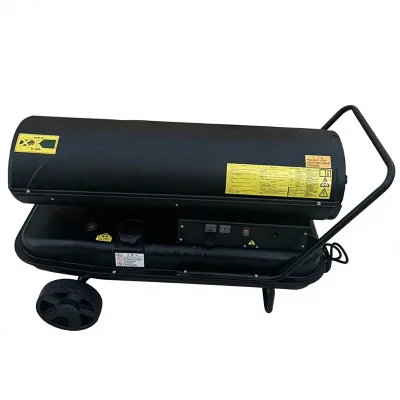
Diesel Heater 230w High Quality/Heater for Agriculture /Heater 220-50Hz Heating Area 600-900m3
$100.08 - $102.12
MOQ: 1 sets

Weifang Bangmu Machinery Co., Ltd
- Verified by SGS
- Trading Company
- China Shandong
- Lead time15 days
- Avg. response≤ 9h
Main productsChicken Gage, Exhaust Fan, Cooling Pad
Main marketsOthers(foreignTradeCapacity.exportBusinessCapacityMarketOther),Southeast Asia/ Mideast,East Asia(Japan/ South Korea),Europe,North America

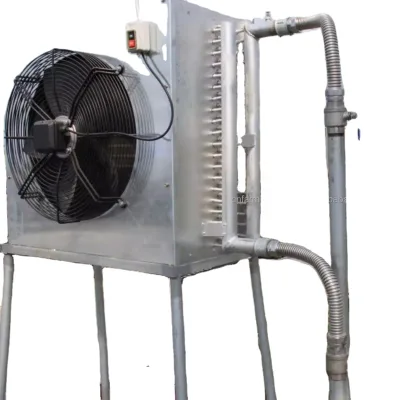
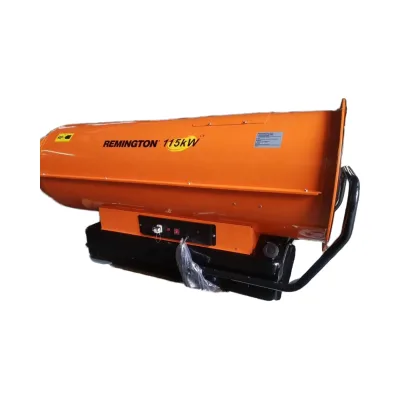
Agricultural Greenhouse Poultry Heating Equipment Diesel Poultry Space Air Heater
$109.00 - $240.00
MOQ: 20 Pieces


Qingdao Newjunyang Industry and Trade Co., Ltd.
- Verified by TUVRHEINLAND
- Combined
- China Shandong
- Lead time15 days
- Avg. response≤ 4h
Main productsExhaust Fan
Main marketsAfrica,Europe

Aluminum Breeding Radiator Heating and Cooling Boiler Heating Radiator for Poultry Fan
$140.00 - $190.00
MOQ: 10 Pieces


Qingdao Hrlynn Machinery Co., Ltd.
- Verified by BV
- Trading Company
- China Shandong
- Lead time23 days
- Avg. response≤ 14h
Main productsChicken Cage, Brick Machine, Steel Structure, Poultry Drinkers Feeders, Poultry Farm Equipment, Poultry Plastic Products, Motorcycle, Shade Net, Egg Incubator
Main marketsSouth America,Africa,Southeast Asia/ Mideast

Changzhou Santian Vehicle Industry Technology Co., Ltd.
- Verified by SGS
- Combined
- China Jiangsu
- Lead time30 days
- Avg. response≤ 3h
Main marketsDomestic

Optimal Heat Radiator for Customized Agricultural Machinery Applications
$30.00 - $199.00
MOQ: 50 Pieces

OEM Heat Management Radiator for Agricultural Machinery with Custom Features
$30.00 - $199.00
MOQ: 50 Pieces

Optimal Heat Radiator for Agricultural Machinery with Custom Parts Options
$30.00 - $199.00
MOQ: 50 Pieces

Optimal OEM Heat Radiator for Agricultural Machinery with Custom Parts Options
$30.00 - $199.00
MOQ: 50 Pieces

SHANDONG FARMING PORT GROUP CO., LTD
- Verified by BV
- Combined
- China Shandong
- Lead time30 days
- Avg. response≤ 4h
Main productsChicken Cage, Poultry Equipment, Livestock Machinery, Battery Layer Cage, Chicken Layer Cage, Poultry Battery Cage, Layer Poultry Cages, Broiler Battery Cage, Layer Cage System, Poultry Cage
Main marketsSouth America,Africa,Southeast Asia/ Mideast,Australia

Chicken farm fuel warm air blower heater intelligent constant temperature
$150.00 - $300.00
MOQ: 1 Sets

Qingdao Agrieso Machinery Company Limited
- Verified by TüVRheinland
- Manufacturer, Trading Company
- Lead time10 days
- Avg. response≤ 3h
Main productsAutomatic Nipple Drinking Line Equipment, Automatic Feeding Line Equipment, Ventilation Exhaust Fans Cooling Pads And Heaters Equipment, Poultry Farm Plastic Products, Automatic Chicken Cage System
Main marketsSouth America(35%), Mid East(30%), Southeast Asia(20%)
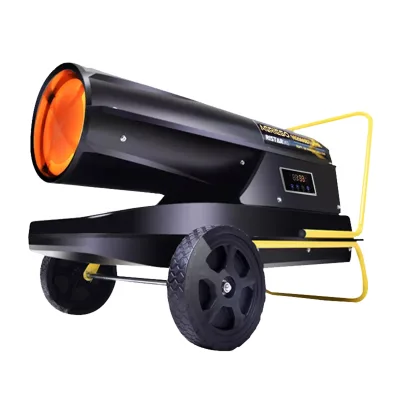
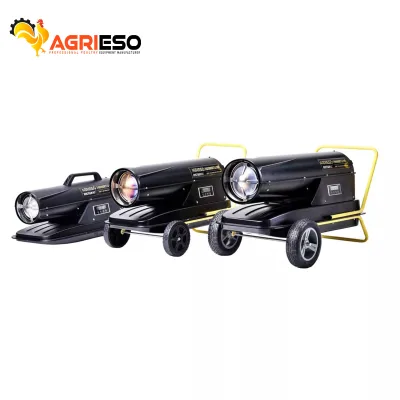
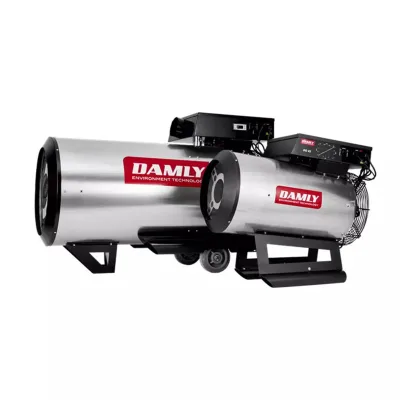
Radiant Poultry Heater Gas Heater for Chicken
$560.00 - $596.00

Shandong Yuyun Sanhe Machinery Co., Ltd.
- Trading Company,Manufacturer/Factory,Other
- China Shandong
- Lead time15 days
- Avg. response≤ 12h
Main productsCooling Pad, Exhaust Fan, Feed Silo, Air Inlet, Light Trap, Heater, Feeding Line System, Drinking Line System
Main marketsSouth America,Eastern Europe,Mid East,North America,Southeast Asia,Eastern Asia,Oceania,Western Europe,Africa


Best Sell Poultry Farming Gas Heater for Chick/Poultry Farming Equipment
$1500.00 - $4500.00
MOQ: 1 set

Zhejiang Zobo Technology Co., Ltd.
- Verified by SGS
- Combined
- China Zhejiang
- Lead time30 days
- Avg. response≤ 9h
Main productsDiesel Heater, Outdoor Propane Heater, Gas Air Heater, Electric Fan Heater, Wood Pellet Burner, Infrared Diesel Heater, Water Diesel Heater, Wood Pellet Heater, Tank Top Gas Heater, Gas Heater
Main marketsEurope,North America


High Power Constant Temperature Diesel Heater for Livestock Farming Equipment
$105.60 - $112.50
MOQ: 50 Pieces


Qingdao Farm Lyric Agri-tech Co., Ltd.
- Verified by BV
- Combined
- China Shandong
- Lead time30 days
- Avg. response≤ 6h
Main productsPoultry Farm Equipme, Goat Plastic Slatted Floor, Poultry Feeding System, Grain Silo, Poultry Drinking Line System, Egg Incubator
Main marketsSouth America,Domestic,Europe

WEIFANG U-BEST HUSBANDRY EQUIPMENT CO.,LTD.
- Verified by BV
- Combined
- China Shandong
- Lead time30 days
- Avg. response≤ 6h
Main productsPoultry Farm Equipment, Automatic Pan Feeding System, Main Feeding System, Automatic Nipple Drinking System, Cooling Pad System, Ventilation System, Environment Control, Heater, Chicken Cage, Layer Cage
Main marketsSouth America,Africa,Southeast Asia/ Mideast,Europe,Australia,North America


Good Quality Heating System for Broiler Coop with Automatic Poultry Farm Equipment
$100.00 - $500.00
MOQ: 1 Set


Comprehensive Sourcing Guide
Agricultural Poultry Radiator Heater Supplier Concentration and Factory Types
The current supplier landscape for agricultural poultry radiator heaters shows a distinct concentration in Shandong, China, where multiple manufacturers and trading companies operate. This region serves as a primary hub for producing equipment such as diesel heaters, ventilation fans, and layer cages, which are often integrated into poultry housing systems. The presence of both manufacturers and trading companies in this location suggests a robust supply chain capable of handling direct factory orders as well as consolidated procurement needs. Buyers should note that the specific location data confirms Shandong as a verified origin point for these heating solutions, providing a tangible anchor for sourcing strategies.
When evaluating the types of entities available, it is essential to distinguish between manufacturers who produce the core heating units and trading companies that may aggregate products from various factories. The observed data indicates that some suppliers offer a mix of main products including pan feeders, nipple drinkers, and egg incubators alongside the radiator heaters, suggesting a comprehensive approach to poultry equipment. This diversity allows buyers to potentially consolidate orders for multiple farm necessities. However, the distinction remains critical because a trading company might not have direct control over the manufacturing process or the specific quality controls applied to the radiator heater components compared to a dedicated manufacturer.
How to Verify Agricultural Poultry Radiator Heater Suppliers
Verification of suppliers in this category requires a careful examination of specific credentials and operational data points provided in the search results. Buyers should prioritize checking for verified status indicators, such as the SGS verification noted for certain entities, which adds a layer of confidence regarding the supplier's legitimacy. Additionally, the presence of system certifications like CE, ISO9001, GMP, and QS on product listings serves as a tangible indicator of compliance with international safety and quality standards. These certifications are particularly relevant for equipment used in animal husbandry, where safety and reliability are paramount to prevent fire hazards or equipment failure in poultry houses.
Beyond certifications, buyers must scrutinize the response times and lead times listed for each supplier to gauge operational efficiency. The data shows response times ranging from 3 to 8.69 hours, which can significantly impact the speed of negotiation and order placement. A supplier with a faster response time may indicate a more active sales team or better customer service infrastructure. Furthermore, verifying the establishment year and the specific nature of the company type, whether it is a manufacturer or a trading company, helps in understanding the depth of their expertise. Buyers should request proof of these attributes directly from the supplier rather than relying solely on the summary data, ensuring that the claimed capabilities match the actual operational reality of the business.
What to Compare Across Agricultural Poultry Radiator Heater Suppliers
When comparing suppliers, the primary focus should be on the technical specifications and pricing structures associated with the agricultural poultry radiator heaters. The available data reveals a wide range of product attributes, including motor power, heating area, and fuel consumption rates. For instance, some units are specified with a motor power of 230W and a heating area of 600-900 cubic meters, while others offer higher capacities up to 70kW. Buyers must carefully compare these technical parameters to ensure the selected heater matches the specific size and insulation requirements of their poultry facility. The variation in product sizes, such as dimensions ranging from 960360375 mm to larger industrial units, also necessitates a detailed comparison to fit the physical constraints of the barn.
Pricing and minimum order quantities (MOQ) represent another critical dimension for comparison across different suppliers. The observed price points vary significantly, with some listings showing prices as low as $60 per unit while others reach up to $300, depending on the model and capacity. The MOQ also fluctuates, with some suppliers requiring a minimum of one unit, whereas others demand orders of 20 units or more. This variation directly impacts the total cost of ownership and the feasibility of the purchase for small versus large-scale operations. Buyers should calculate the total landed cost, including shipping and potential tariffs, to make an informed decision, rather than focusing solely on the unit price listed in the initial search results.
Common Agricultural Poultry Radiator Heater Sourcing Risks
One of the primary risks in sourcing agricultural poultry radiator heaters involves the potential mismatch between product specifications and actual performance in the field. The data indicates diverse fuel types, including diesel and kerosene, with varying fuel consumption rates and heating capacities. If a buyer selects a unit based on a generic description without verifying the specific heating area or air flow rate, the equipment may fail to maintain the required temperature for chicks or adult poultry, leading to significant economic losses. The complexity of the product attributes, such as the difference between direct and indirect fired heating types, adds another layer of risk if the buyer is not fully aware of the safety implications and ventilation requirements associated with each type.
Another significant risk relates to the reliability of the supply chain and the consistency of product quality over time. While some suppliers list warranties of one year, the actual fulfillment of warranty claims can vary depending on the supplier's location and business model. The presence of trading companies in the mix introduces an additional intermediary layer that might complicate communication and after-sales support. If a defect arises, the buyer may face delays in receiving replacement parts or technical assistance. Furthermore, the lack of standardized testing results in the provided data means that buyers must independently verify the durability and safety of the heaters, as the listed certifications may not cover every specific model or batch produced by the supplier.
Agricultural Poultry Radiator Heater Regional Sourcing and Logistics
Sourcing from the identified region of Shandong, China, offers logistical advantages due to the concentration of manufacturers and the established infrastructure for exporting heavy machinery. The location data confirms that many suppliers are based in this province, which is known for its industrial capacity and proximity to major shipping ports. This concentration can streamline the logistics process, as suppliers in the region are likely experienced in handling the export of bulky items like diesel heaters and ventilation equipment. Buyers should leverage this regional clustering to negotiate better freight rates and ensure that the packaging, such as wooden cases or standard cartons, is designed to protect the equipment during transit.
However, buyers must also account for the specific packaging dimensions and weights when planning logistics, as these factors directly influence shipping costs. The product data shows varying package sizes, from compact units measuring 60x70x20 cm to larger industrial heaters with single package sizes exceeding 970x380x405 mm. The weight of these units, ranging from 8 kg to 36 kg or more, further impacts the freight calculation and the choice of shipping method. Buyers should verify the exact packing details with the supplier before finalizing the order to avoid unexpected surcharges or delays. Additionally, understanding the lead time of 15 days or more is crucial for planning the arrival of goods, ensuring that the heaters are available before the critical breeding or hatching seasons begin.
Agricultural Poultry Radiator Heater Commercial Terms and Order Planning
Commercial terms for agricultural poultry radiator heaters often include specific conditions regarding payment, delivery, and warranty coverage that buyers must carefully review. The data indicates that some suppliers offer a one-year warranty, which is a standard term for this type of equipment, but the scope of this warranty should be clarified to understand what components are covered and what constitutes a valid claim. Buyers should also pay close attention to the selling units and MOQ requirements, as these terms dictate the minimum financial commitment required to initiate an order. Understanding whether the supplier accepts mixed container loads or requires full container loads for the MOQ can significantly affect the cost efficiency of the purchase.
Order planning must also consider the response times and lead times to ensure timely delivery and installation. With response times varying from 3 to 8.69 hours, buyers can expect different levels of engagement from different suppliers, which may influence the speed of contract finalization. The lead time of 15 days or more suggests that production and shipping schedules need to be factored into the overall project timeline. Buyers should plan their orders well in advance of the intended usage date to accommodate any potential delays in manufacturing or logistics. Additionally, verifying the availability of customization options, such as specific voltage requirements or branding, is essential for ensuring the equipment integrates seamlessly with existing farm infrastructure and operational protocols.
FAQs
What is the typical lead time for these heaters?
The typical lead time for these heaters is 15 days from order confirmation. This duration applies to standard manufacturing and packaging processes. Buyers should confirm specific timelines with suppliers as variations may occur based on order volume and production schedules.
What is the minimum order quantity for diesel heaters?
The minimum order quantity varies by product, with some items requiring just one unit while others need 20 units. Specific models like the diesel poultry heater have an MOQ of 20, whereas other radiator heaters may start at a single item purchase.
Where are these agricultural poultry heaters manufactured?
These agricultural poultry heaters are manufactured in Shandong, China. The place of origin is consistently listed as Shandong for most diesel and radiator heater models found in the current supplier results, ensuring a specific regional production source for these heating units.
What certifications do these heating systems hold?
Some heating systems hold certifications including CE, ISO9001, GMP, and QS. These certifications apply to specific models like the agricultural greenhouse poultry heating equipment. Buyers should verify the exact certification status for each product model before placing an order.
What is the price range for these poultry heaters?
The price range for these poultry heaters spans from approximately 60 to 300 USD per unit. Specific models like the radiator heater start around 60 USD, while larger diesel heaters can reach up to 300 USD depending on capacity and features included in the package.
How quickly do suppliers typically respond to inquiries?
Suppliers typically respond to inquiries within 3 to 9 hours. Response times observed in the results range from 3 hours for some manufacturers to 8.69 hours for trading companies. Faster response times are common for direct manufacturers compared to trading entities.
What warranty is provided for these heating units?
A standard warranty of 1 year is provided for these heating units. This warranty covers the diesel heaters and radiator models listed in the product attributes. Buyers should confirm specific warranty terms with the supplier to ensure coverage details match their operational needs.