Two Components Epoxy Acrylic Resin Suppliers and Manufacturers
Compare 22 verified suppliers offering Two Components Epoxy Acrylic Resin with details on location, lead times, certifications, and pricing. Review product specifications like viscosity and application to select the right source for your needs; review the available evidence before requesting comparable quotations from suitable candidates.
Updated
Suppliers List

Guangdong Haohui New Materials Co., Ltd.
- Trading Company
- China Guangdong
- Lead time23 days
- Avg. response≤ 24h
Main productsUV Curing Resin, UV Curing Epoxy Resin, Polyurethane Acrylate, Epoxy Acrylate, Polyester Acrylate, Oligomer
Main marketsSouth America,Africa,Southeast Asia/ Mideast,Europe,North America
Guangdong Jinhua New Materials Technology Co., Ltd.
- Verified by Intertek
- Manufacturer, Trading Company
- Lead time0 days
- Avg. response≤ 1h
Main productsEpoxy Resin, UV Resin, Epoxy AB Glue, Epoxy 128, Silicone Resin
Main marketsDomestic Market(45%), North America(10%), South Asia(10%)
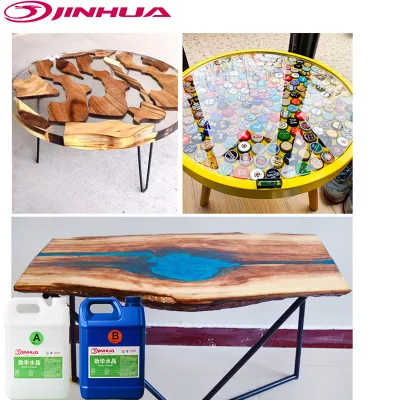
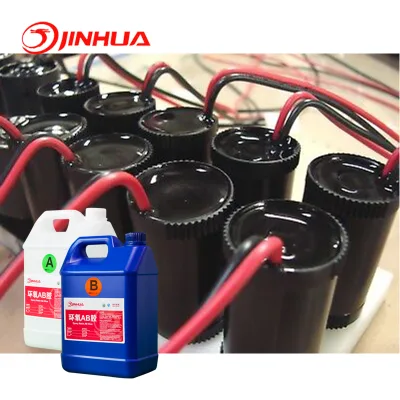
Epoxy Resin for Printed Circuit Board
$2.25 - $2.55
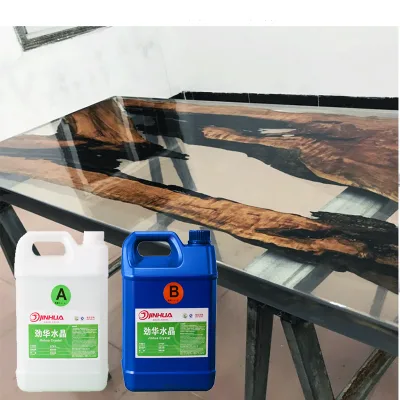
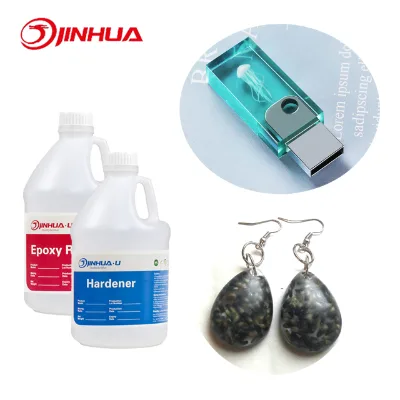
AB Parts Clear Epoxy Resin Liquid Epoxy Adhesive AB Glue 2 Part Epoxy Resin Bulk
$4.00 - $6.70
MOQ: 20
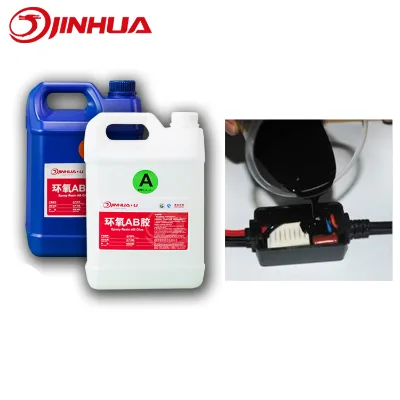

Tianjin Kaida Science and Technology Co., Ltd.
- Verified by SGS
- Manufacturer/Factory
- China Tianjin
- Lead time30 days
- Avg. response≤ 6h
Main productsFloor Grinding Machine, Concrete Laser Screed Machine, Floor Hardener, Diamond Discs, Floor Polishing Machine, Floor Cleaner Machine, Industry Vacuum, Epoxy Resin, Polishing Pad
Main marketsSouth America,Eastern Europe,Mid East,North America,Southeast Asia,Eastern Asia,Oceania,Western Europe,Africa
Hangzhou Dely Technology Co., Ltd.
- Verified by TüVRheinland
- Manufacturer, Trading Company
- Lead time30 days
- Avg. response≤ 3h
Main productsPU Sealant, Silicone Sealant, Acrylic Sealant, PUR Wood Adhesive, Chemical Anchor
Main marketsDomestic Market(45%), Mid East(17%), Southeast Asia(10%)
Tianjin Kaida Science And Technology Co., Ltd.
- Verified by Intertek
- Manufacturer, Trading Company
- Lead time10 days
- Avg. response≤ 2h
Main productsEpoxy Coating, Epoxy Resin AB Glue, Concrete Hardener, Fire Resistant Paint, Polyurethane Coating
Main marketsSouth America(71%), Southeast Asia(10%), Domestic Market(10%)
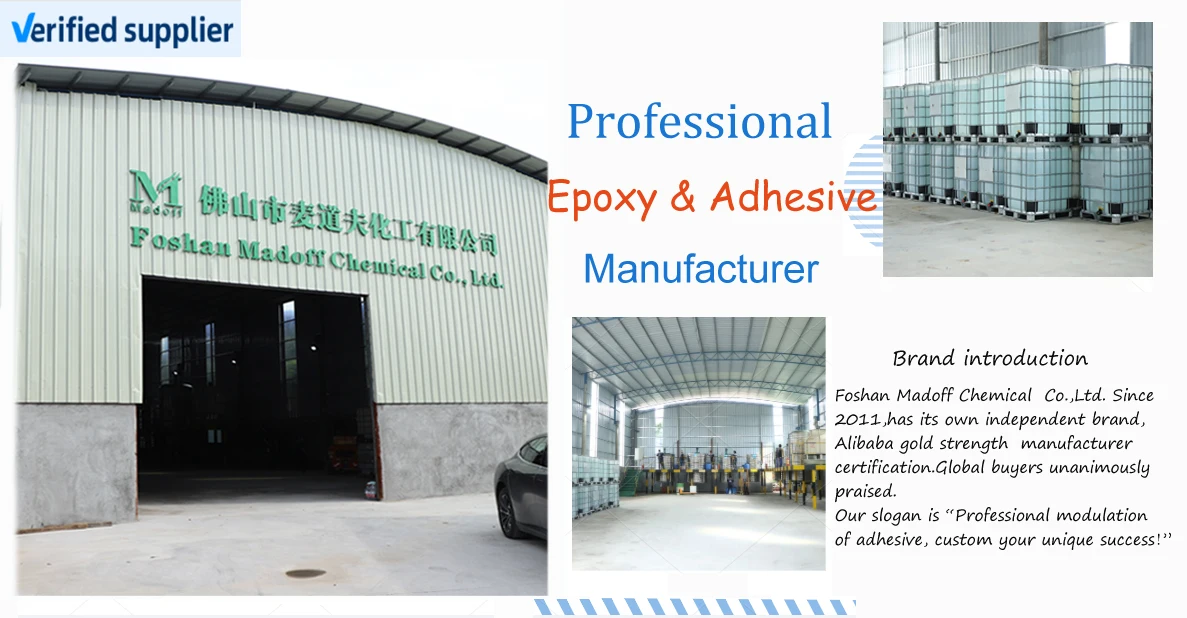
Foshan Madoff Chemical Co., Ltd.
- Manufacturer
- Guangdong, China
- Lead time0 days
- Avg. response≤ 2h
Main productsWashed Stone Paint,Color Sand Flooring,Roof Waterproof Coating,Colored Floor Paint,Repair Mortar
Main marketsNorth America(25.00%), Domestic Market(20.00%), Southeast Asia(20.00%), Eastern Asia(9.00%), Africa(8.00%), Northern Europe(5.00%), Southern Europe(3.00%), Eastern Europe(3.00%), Western Europe(3.00%), Central America(2.00%), Mid East(1.00%), South America(1.00%)
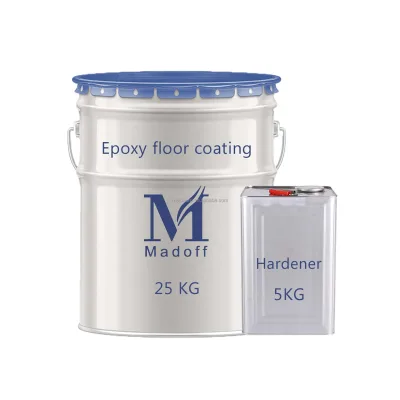
Epoxy Resin and Hardener for Floor Double Component Colorful Sealants Epoxic Resin
$2.10 - $2.80
MOQ: 1000 Minimum
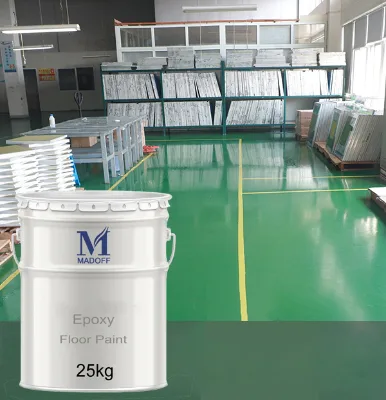

Epoxy Resin for Floors General Purpose Liquid Epoxy Resin for Concrete Floor
$2.80 - $3.59
MOQ: 1000 Minimum

Shanghai Juneso New Materials Co., Ltd
- Verified by SGS
- Manufacturer/Factory,Other
- China Shanghai
- Lead time15 days
- Avg. response≤ 4h
Main productsPaint, Pigment, Resin, Paint Raw Materials, Water-Based Paint
Main marketsSouth America,North America,Southeast Asia,Western Europe,Africa

SHENZHEN TIANMAXUN TECHNOLOGY CO., LTD.
- Verified by SGS
- Combined
- China Guangdong
- Lead time15 days
- Avg. response≤ 12h
Main productsEpoxy Resin
Main marketsNorth America

Shandong Jiancheng Environmental Protection Technology Co., Ltd.
- Verified by SGS
- Combined
- China Shandong
- Lead time15 days
- Avg. response≤ 7h
Main productsEpoxy Floor Paint, Epoxy Floor Coatings, Polyurea Coatings, Polyurea, Epoxy Resin, Polyurethane Waterproof, Water-Based Epoxy Floor Paint, Water-Based Polyurethane Topcoat, Epoxy Colored Sand Flooring
Main marketsDomestic

2 Components Pure Transparent Epoxy Resin and Epoxy Curing Agent for Epoxy Flooring
$3.00 - $3.20
MOQ: 500 kg


Epoxy Resin Curing Agent and Resins for Hospital Floor Epoxy Floor Paint Factories
$2.90 - $4.00
MOQ: 1 kg
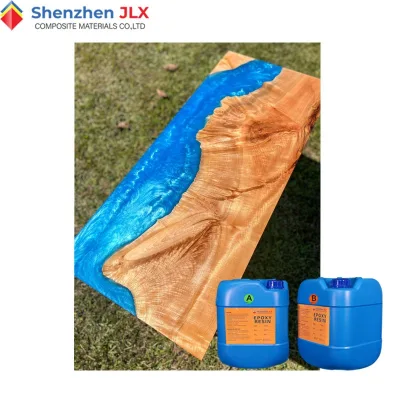
Shenzhen Jinlixiang Composite Material Co., Ltd.
- Verified by TüVRheinland
- Manufacturer, Trading Company
- Lead time0 days
- Avg. response≤ 2h
Main productsSilicone Rubber, Epoxy Resin, Epoxy Hardener, PU Resin, UV Resin
Main marketsNorth America(20%), South America(10%), Eastern Europe(10%)
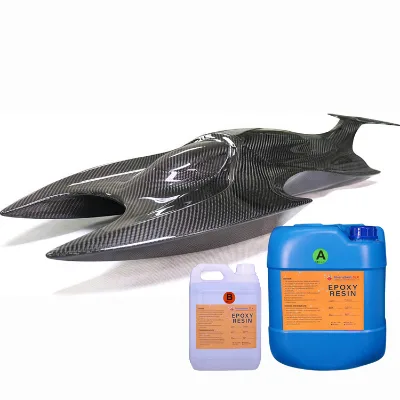
$3.98 - $4.50
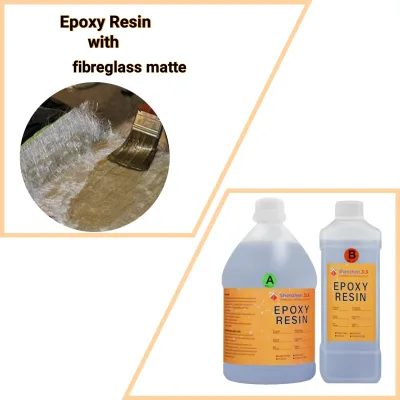
Epoxy Resin for Laminating Purpose to Apply on Fibreglass Matte Marine-grade Epoxy Resin
$3.98 - $4.50
MOQ: 20 kilograms
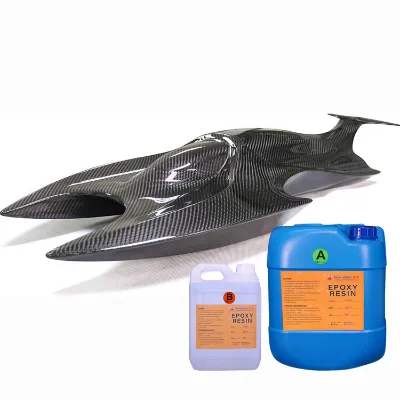
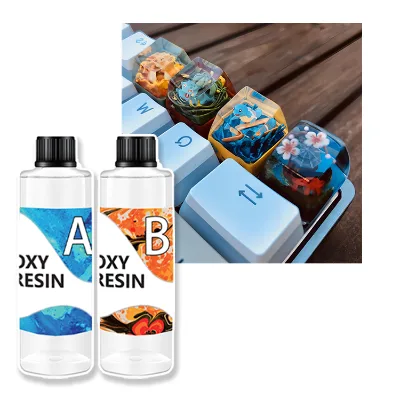
$4.109 - $4.6468
MOQ: 20 kilograms

Zhongshan Cashleton Building Materials Co., Ltd
- Verified by CTI
- Combined
- China Guangdong
- Lead time23 days
- Avg. response≤ 5h
Main productsTile Grout, Adhesive, Sealant, Gap Filler, Joint Filler, Epoxy Tile Grout, Epoxy Grout, Ms Adhesive, Marble Adhesive, Polyurea Grout
Main marketsSouth America,Africa,Southeast Asia/ Mideast,Domestic,Europe,Australia,North America

SHENZHEN MEITAIBANG CHEMICAL CO., LTD.
- Verified by SGS
- Combined
- China Guangdong
- Lead time15 days
- Avg. response≤ 13h
Main productsEpoxy Resin, Epoxy Floor Coating System, Epoxy Casting Resin, Epoxy Top Coating, Epoxy Resin Ab Glue, Water Premeable Epoxy Resin Bond, Epoxy Doming Resin, PU Doming Resin, Epoxy Art Resin, Color Pigments and Aggregates
Main marketsEast Asia(Japan/ South Korea)
- Manufacturer, Trading Company
- Taiwan, China
- Lead time10 days
- Avg. response≤ 6h
Main productsChemical anchor,5 second fix,construction adhesive,industrial adhesive,uv light glue
Main marketsWestern Europe(30.00%), Eastern Asia(30.00%), Mid East(20.00%), South America(20.00%)
Shenzhen Jinhua Electronic Materials Co., Ltd.
- Verified by SGS Group
- Manufacturer, Trading Company
- Lead time3 days
- Avg. response≤ 2h
Main productsEpoxy Resin Glue, Polyurethane Resin, Epoxy Sealant, UV Resin
Main marketsDomestic Market(63%), North America(10%), Southeast Asia(5%)
Lanzhou Jialetong Building Materials Processing Co., Ltd.
- Manufacturer
- Gansu, China
- Lead time15 days
- Avg. response≤ 2h
Main productsWhite latex glue,801resin glue,wall paint,epoxy Floor painting,emulsion panit latex
Main marketsWestern Europe(7.00%), Eastern Europe(7.00%), Southern Europe(7.00%), Oceania(7.00%), Domestic Market(6.00%), Eastern Asia(6.00%), South America(6.00%), Northern Europe(6.00%), Africa(6.00%), Southeast Asia(5.00%), South Asia(5.00%), Mid East(5.00%), North America(5.00%), Central America(5.00%)
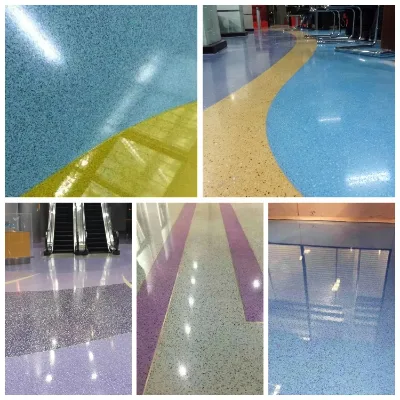
Two-Component 3D Floor Epoxy Resin Painting for Floor Coating-a and Hardner B Epoxy Resin
$3.2701 - $4.5479
MOQ: 1 kilograms
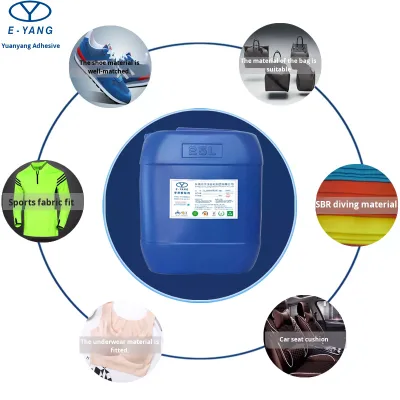
Yingde Amalchem Polymer New Materials Co., Ltd.
- Manufacturer, Trading Company
- Guangdong, China
- Lead time0 days
- Avg. response≤ 5h
Main productsUV Resin,UV Monomer,UV Photoinitiator,PVC film transfer ahesives,UV ahesives
Main marketsNorth America(1.00%)
Dongguan Delun New Material Co., Ltd.
- Manufacturer, Trading Company
- Guangdong, China
- Lead time10 days
- Avg. response≤ 2h
Main productsEpoxy Resin,White Carbon Black,Acrylic Emulsion,Carbon Black,Polyvinyl Alcohol
Main marketsAfrica(20.00%), Eastern Asia(20.00%), Southeast Asia(15.00%), South Asia(15.00%), North America(5.00%), Mid East(5.00%), Central America(5.00%), Northern Europe(5.00%), Domestic Market(5.00%), South America(1.00%), Eastern Europe(1.00%), Oceania(1.00%), Western Europe(1.00%), Southern Europe(1.00%)
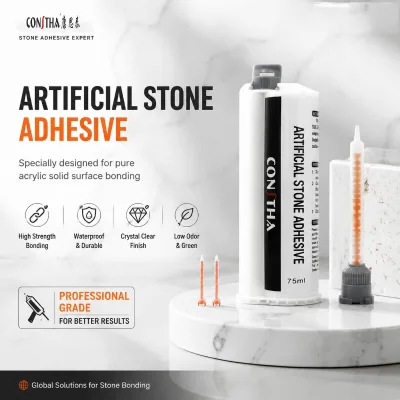
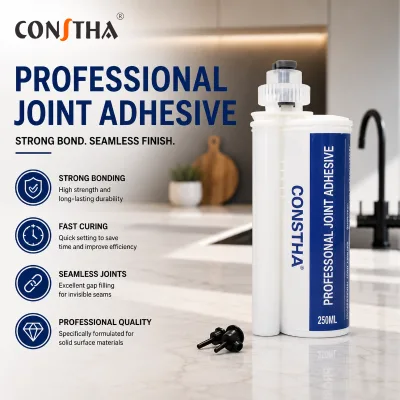
Dongguan Constha New Materials Technology Co., Ltd.
- Manufacturer, Trading Company
- Guangdong, China
- Lead time5 days
- Avg. response≤ 2h
Main productsRock slab adhesive,Quartz stone adhesive,Pure acrylic stone adhesive,Artificial stone ahdesive,solid surface adhesive
Main marketsDomestic Market(30.00%), Mid East(20.00%), Southern Europe(10.00%), Southeast Asia(10.00%), Eastern Europe(10.00%), North America(5.00%), South America(5.00%), Northern Europe(5.00%), Western Europe(5.00%)

SHANDONG RUISAN CHEMICAL TECHNOLOGY CO., LTD.
- Trading Company,Manufacturer/Factory
- China Shandong
- Lead time15 days
- Avg. response≤ 10h
Main productsPaint, Coating, Floor Paint, Floor Coating, Anti-Corrosion Paint, Anti-Corrosion Coating, 3D Epoxy Floor Paint, Epoxy Resin, Epoxy Curing Agent, Epoxy Hardener
Main marketsSouth America,Eastern Europe,Mid East,North America,Southeast Asia,Eastern Asia,Oceania,Western Europe,Africa
Shenzhen Flyfish New Materials Technology Co., Ltd.
- Verified by SGS Group
- Manufacturer, Trading Company
- Lead time0 days
- Avg. response≤ 3h
Main productsEpoxy Resin, Polyurethane, UV Resin, Silicone Resin, Gypsum Powder
Main marketsNorth America(20%), Eastern Europe(10%), Southeast Asia(10%)

SUZHOU FEIFANSENLIN Building Materials Technology Co., Ltd
- Verified by SGS
- Combined
- China Anhui
- Lead time15 days
- Avg. response≤ 4h
Main productsGlass Glue, Sealant, Hydrogenation Grout, Polyurea, Epoxy Floor Coating, PU Foam, Tile Grout, Epoxy Grout, Epoxy Quartz Grout, Epoxy Resin
Main marketsDomestic


Two-Component Professional High Performance Guaranteed Epoxy Resin Adhesive
$1.87 - $2.00
MOQ: 1 Pieces
Hubei Bestway Technology Co., Ltd.
- Manufacturer, Trading Company
- Hubei, China
- Lead time15 days
- Avg. response≤ 4h
Main productsEpoxy Curing Agents, Epoxy Resin, Raw Amine Materials
Main marketsSoutheast Asia(50.00%), Domestic Market(20.00%), North America(20.00%), Mid East(10.00%)


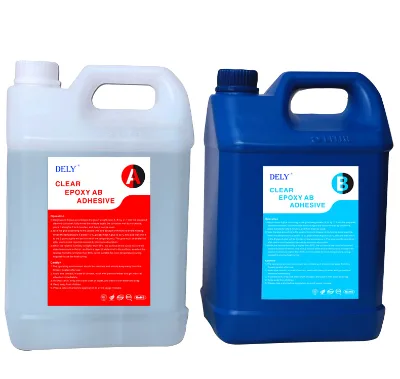





Comprehensive Sourcing Guide
Two Components Epoxy Acrylic Resin Supplier Concentration and Factory Types
The current supplier landscape for Two Components Epoxy Acrylic Resin reveals a distinct concentration of manufacturing and trading entities within specific industrial regions. Evidence indicates that a significant portion of available suppliers are located in China, with Guangdong province emerging as a notable hub for this chemical sector. This geographic clustering suggests that buyers seeking these materials will likely encounter suppliers operating from this region, which may influence logistics planning and sample acquisition timelines. The presence of suppliers in Guangdong implies a mature supply chain infrastructure for chemical production, potentially offering advantages in raw material sourcing and specialized labor availability. However, buyers must recognize that location data is derived from specific supplier profiles and may not represent the entire global market. It is crucial to verify the actual operational base of any potential partner, as listed locations can sometimes reflect registered offices rather than primary manufacturing sites. Understanding this geographic distribution helps in assessing the reliability of shipping routes and the potential for regional trade agreements to impact costs.
Supplier types in this category vary between pure manufacturers and trading companies, each offering different value propositions. Some suppliers are identified as trading companies, which may provide a broader catalog of related chemicals but might lack direct control over the production process. Others are listed as both manufacturers and trading companies, suggesting they have in-house production capabilities while also handling distribution. This dual role can be advantageous for buyers seeking customization, as seen in product attributes where customization is marked as available for various resin models. The distinction between these entity types is critical for evaluating quality control measures and technical support capabilities. Manufacturers typically offer more direct access to formulation experts, while trading companies might offer more flexible order sizes or bundled services. Buyers should carefully review the company type designation to align their sourcing strategy with their need for technical depth versus logistical convenience. The presence of ISO certifications among these entities further indicates a baseline level of operational standardization, though the specific scope of these certifications should be verified against the buyer’s requirements.
How to Verify Two Components Epoxy Acrylic Resin Suppliers
Verifying the legitimacy and capability of Two Components Epoxy Acrylic Resin suppliers requires a multi-layered approach that goes beyond basic profile reviews. One critical step is to check for third-party verification badges, such as Intertek, which serve as an independent confirmation of the supplier’s business status and operational claims. These verifications provide a layer of trust that is essential when dealing with chemical products where safety and consistency are paramount. Buyers should prioritize suppliers who display such verification marks, as they indicate that a professional auditing firm has assessed the company’s existence and potentially its operational practices. However, verification is not a substitute for technical due diligence. It is equally important to request and review specific product certifications, such as ISO9001:2015 or ISO9001:2008, which attest to the supplier’s quality management systems. Some suppliers may also hold additional certifications like REACH, RoHS, or FDA compliance, which are crucial for applications involving food contact or strict environmental regulations. Buyers must ensure that the certifications listed are current and applicable to the specific resin grades they intend to purchase.
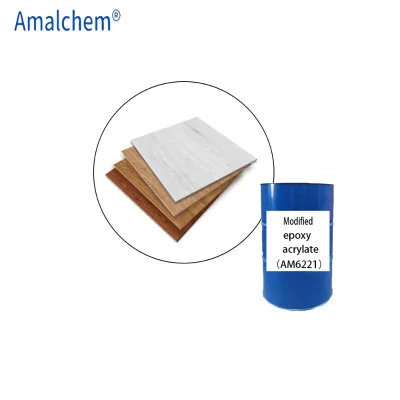
Beyond certifications, direct communication and technical inquiry are vital for assessing supplier responsiveness and expertise. The response time metric provides a quantitative measure of how quickly a supplier engages with potential buyers, with some profiles showing response times under one hour. A rapid response often correlates with a well-staffed sales team and efficient internal processes, which are beneficial for resolving technical questions or negotiating terms. Buyers should test this responsiveness by asking specific technical questions about the resin’s viscosity, functional groups, or shelf life. For instance, inquiring about the molecular principal chain or the specific application suitability, such as wood coatings or plastic coatings, can reveal the depth of the supplier’s technical knowledge. Additionally, buyers should request detailed product data sheets and safety data sheets (SDS) to verify the chemical composition and handling requirements. The availability of customization options, as indicated in some product attributes, should be explored through direct dialogue to understand the minimum requirements and lead times for tailored formulations. This interactive verification process helps ensure that the supplier can meet the specific technical demands of the buyer’s application.
What to Compare Across Two Components Epoxy Acrylic Resin Suppliers
When evaluating multiple suppliers for Two Components Epoxy Acrylic Resin, buyers must systematically compare key operational and commercial metrics to identify the most suitable partner. One of the primary dimensions for comparison is the minimum order quantity (MOQ), which can vary significantly across different product listings. For example, some epoxy resin products may have an MOQ of 200 kilograms, while others might require a minimum of 1000 kilograms. This variation directly impacts the buyer’s inventory management and cash flow, especially for smaller production runs or trial orders. Buyers should align their order volume with the supplier’s MOQ flexibility, considering whether the supplier allows for mixed orders or sample purchases to mitigate risk. Another critical factor is the lead time, which indicates the duration from order placement to shipment. While some suppliers list a lead time of zero or a few working days, others may have longer production cycles. Understanding these timelines is essential for planning production schedules and ensuring timely delivery to customers. Buyers should also consider the supplier’s capacity, such as the ability to process samples or handle customized graphics, which can be crucial for specialized applications.
Price and packaging standards are also essential comparison points that influence the total cost of ownership. The price range for these resins can vary, with some products listed between $2.59 and $4.99 per unit, while others may have tighter ranges like $3.30 to $3.50. Buyers should not focus solely on the unit price but also consider the packaging details, such as whether the product is supplied in 20kg, 50kg, or 200kg drums. The packaging standard affects handling costs, storage requirements, and potential waste. Additionally, the main products offered by each supplier can indicate their specialization and breadth of expertise. Suppliers focusing on UV curing resins, epoxy acrylates, and polyurethane acrylates may offer better technical support for specific applications like wood coatings or inks. Buyers should compare the alignment of the supplier’s main product portfolio with their own application needs. Furthermore, the response time metric serves as a proxy for customer service quality, with faster responses often indicating a more proactive and attentive supplier. By weighing these factors together, buyers can create a comprehensive scorecard to objectively rank potential suppliers based on their specific business requirements.
Common Two Components Epoxy Acrylic Resin Sourcing Risks
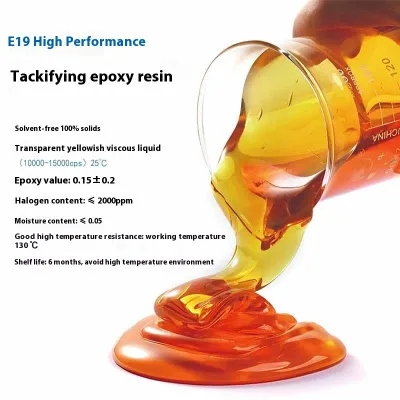
Sourcing Two Components Epoxy Acrylic Resin involves several inherent risks that buyers must proactively manage to ensure supply chain stability and product quality. One significant risk is the variability in product specifications, particularly regarding chemical properties such as viscosity, functional group content, and shelf life. For instance, some epoxy resins are specified with a low viscosity and a shelf life of six months, while others may have different functional characteristics suitable for specific applications like UV coatings or building materials. If a supplier fails to adhere to the agreed-upon specifications, it can lead to production failures or inferior end-product performance. Buyers must mitigate this risk by requesting detailed technical data sheets and conducting incoming quality control tests upon receipt. It is also advisable to establish clear acceptance criteria in the purchase agreement, including tolerance levels for key parameters. Another risk is the potential for supply chain disruptions, which can be exacerbated by the supplier’s location and logistical capabilities. Suppliers located in specific regions may be subject to local regulatory changes or infrastructure issues that impact production and shipping.
Another critical risk is the reliability of the supplier’s technical support and after-sales service. Since Two Components Epoxy Acrylic Resin often requires precise mixing ratios and specific application techniques, inadequate support can lead to user errors and wasted material. Buyers should assess the supplier’s ability to provide comprehensive technical guidance, including mixing instructions, curing conditions, and troubleshooting advice. The availability of customization services can also be a double-edged sword; while it offers flexibility, it introduces complexity in quality control and consistency. Buyers must ensure that the supplier has robust processes for managing customized orders to prevent deviations from the agreed formula. Additionally, there is a risk associated with certification validity and compliance. Suppliers may claim certifications such as ISO9001 or REACH compliance, but these must be verified through official channels to ensure they are current and applicable to the specific products. Failure to verify these credentials can result in regulatory non-compliance in the buyer’s market, leading to legal liabilities and reputational damage. Therefore, buyers should incorporate regular audits and certification checks into their supplier management process to maintain a high standard of compliance and quality assurance.
Two Components Epoxy Acrylic Resin Regional Sourcing and Logistics
Regional sourcing strategies for Two Components Epoxy Acrylic Resin are heavily influenced by the geographic concentration of suppliers, particularly in regions like Guangdong, China. This concentration offers buyers access to a dense network of manufacturers and trading companies, which can facilitate faster sample acquisition and more competitive pricing due to economies of scale. However, it also means that buyers must carefully manage logistics to ensure efficient transportation of these chemical products. Shipping from Guangdong typically involves port dispatches from major hubs like Shenzhen, which provides reliable connectivity to global markets. Buyers should consider the lead times associated with different shipping methods, as air freight may be faster but more expensive, while sea freight is cost-effective but slower. The lead time for production, which can range from a few working days to longer periods depending on the order size and customization needs, must be factored into the overall logistics plan. Understanding the port of dispatch and the supplier’s experience with international shipping is crucial for avoiding delays and ensuring that the products arrive in good condition.
Logistics planning also involves considering the packaging and handling requirements of the resin products. Many suppliers offer packaging in barrels or drums, with standard sizes such as 20kg, 50kg, or 200kg. These packaging formats are designed for safe transport and storage, but buyers must ensure that their own facilities are equipped to handle these weights and dimensions. Additionally, the chemical nature of epoxy resins may require specific storage conditions, such as temperature control, to maintain product integrity during transit and storage. Buyers should verify the supplier’s packaging details and any special handling instructions provided in the product attributes. For example, some products may have specific shelf life constraints that require timely usage upon arrival. Furthermore, buyers should be aware of any regional trade regulations or import duties that may apply to chemical products from specific countries. Understanding these logistical and regulatory nuances helps in optimizing the total landed cost and ensuring a smooth supply chain operation. By aligning their logistics strategy with the supplier’s regional capabilities, buyers can enhance efficiency and reduce the risk of supply chain disruptions.
Two Components Epoxy Acrylic Resin Commercial Terms and Order Planning
Effective order planning for Two Components Epoxy Acrylic Resin requires a thorough understanding of the commercial terms offered by suppliers, including pricing structures, payment terms, and delivery conditions. The price range for these products can vary, with some listings showing prices between $2.25 and $4.99 per unit, depending on the specific grade and quantity. Buyers should negotiate based on volume discounts and long-term partnership potential to secure favorable pricing. It is also important to clarify the currency of the transaction and any additional costs, such as freight or insurance, which may be included in the quoted price or billed separately. Payment terms, such as advance payment or letters of credit, should be aligned with the buyer’s financial policies and the supplier’s risk tolerance. Clear communication of these terms in the purchase order helps prevent disputes and ensures a smooth transaction process. Additionally, buyers should consider the supplier’s return and refund policies in case of quality issues or delivery failures, as these terms provide a safety net for the buyer.
Order planning also
FAQs
What is the typical price range for two component epoxy acrylic resin?
Prices generally range from $2.25 to $4.99 per unit depending on the specific formulation and application requirements. Buyers should verify the exact cost based on the selected model number and order quantity, as pricing varies significantly between standard oligomers and specialized coatings.
What is the minimum order quantity for these resin products?
Minimum order quantities typically start at 200 units for certain models, while others require a minimum of 1000 units. Buyers must check the specific product listing to confirm the exact MOQ, as requirements differ based on the resin type and packaging standards.
Where are these epoxy acrylic resins manufactured?
These products are manufactured in Guangdong, China. The origin is consistently listed as China across various product listings, ensuring buyers know the geographic source of the chemical materials and can assess logistics and shipping implications for their specific supply chain needs.
What certifications do these resin suppliers hold?
Suppliers hold various certifications including ISO9001:2015, ISO9001:2008, REACH, RoHS, and FDA 21 CFR 175. Some also possess SA8000, EN 71, and TSCA compliance. Buyers should verify specific certificates for their target market to ensure regulatory compliance for their end products.
How quickly can suppliers respond to inquiries?
Response times vary, with some suppliers responding within one hour and others taking approximately 23.46 hours. Buyers seeking urgent quotes should prioritize suppliers with faster response metrics to ensure timely communication and faster project initiation for their resin sourcing requirements.
What are the common applications for this resin?
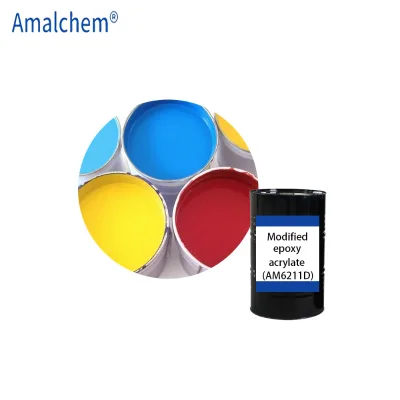
Common applications include wood coatings, plastic coatings, inks, and printed circuit boards. The resin is also used for anti-corrosion purposes and as an adhesive. Buyers should select the specific model number that matches their intended application to ensure optimal performance and durability.