Type 2 EV Discharging Cable Suppliers and Manufacturers
Source Type 2 EV Discharging Cable from 23 verified suppliers. Compare grounded dimensions including Shanghai and Hunan locations, response times, lead times, MOQs, and pricing. Verify specifications and request quotes directly; review the available evidence before requesting comparable quotations from suitable candidates.
Suppliers List
Shanghai Giantech Power Industry Co., Ltd.
- Trading Company
- Shanghai, China
- Lead time0 days
- Avg. response≤ 2h
Main productsEV charger,EV chargring cable,adapter,EV chargring Accessories,EV charger plug
Main marketsSouthern Europe(30.00%), Northern Europe(15.00%), North America(10.00%), South Asia(5.00%), Eastern Europe(5.00%), South America(5.00%), Central America(5.00%), Western Europe(5.00%), Eastern Asia(5.00%), Mid East(5.00%), Africa(5.00%), Southeast Asia(5.00%)
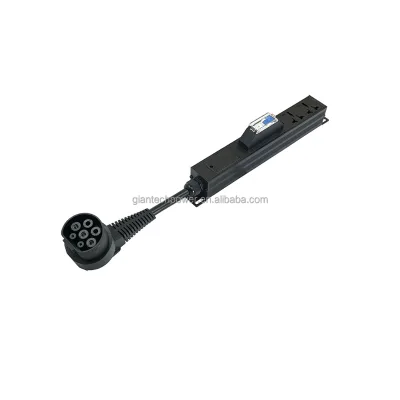
EV Discharer Adapter Car V2L 7kw Type 2 V2L Vehicle to Load Discharder Cable
$30.00 - $35.00
MOQ: 50 pieces
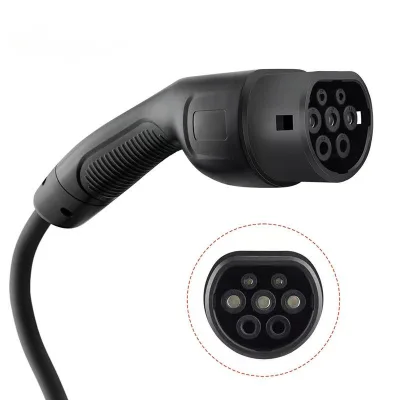
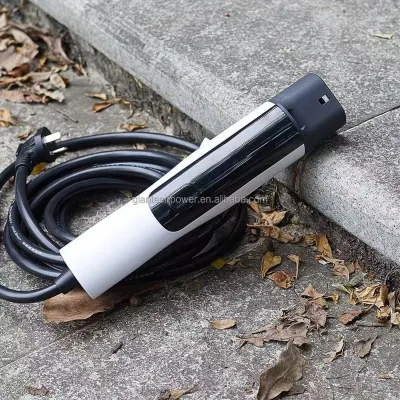
$58.00 - $60.00
MOQ: 2 boxes
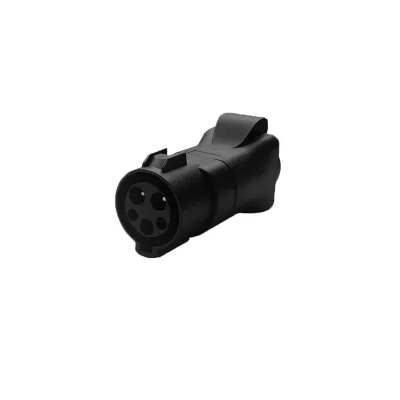
V2L Cable Electric Car Side Discharge V2H to Home Vehicle-to-Load Type1 V2L Adaptor
$30.00 - $34.70
MOQ: 50 pieces
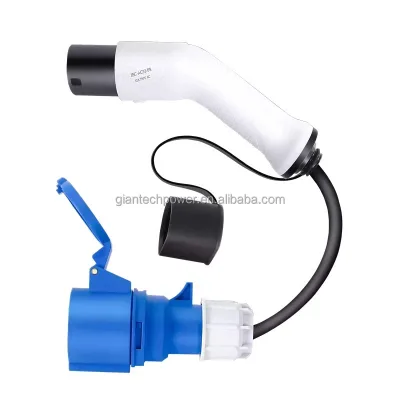
AC EV Charger V2L Type 2 EV Charging Discharger AC EV Charging Portable V2L 16A 32A CEE Plug
$43.56 - $48.62
MOQ: 2 pieces
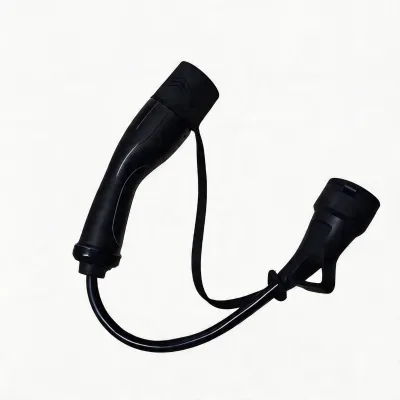

Changsha Sibel Electronic Technology Co., Ltd.
- Trading Company
- China Hunan
- Lead time15 days
- Avg. response≤ 10h
Main productsWiring Harness, Automotive Connectors, Collaborative Robots, Electronic Controller, Wire Harness, Automobile Connectors, Car Wiring Harness, Cable Harness, Electronic Wire Harness, Te Molex Jst Hirose Jae Connectors
Main marketsDomestic,Europe,North America


EV Electric Vehicle Charging Cable Type 2 to Type 2 32A 7.2kw Single Phase 5 M Cable TPU
$102.00 - $130.00
MOQ: 1000 Pieces


Jiangsu Zilong New Energy Technology Co., Ltd.
- Verified by SGS
- Combined
- China Jiangsu
- Lead time15 days
- Avg. response≤ 1h
Main productsEV Charger, Portable EV Charger, SAE J1772 Mode 2 Charger, IEC 62196-2 Mode 2 Charger, IEC 62196-2 Female Charger, IEC 62196-3 DC Charger, SAE J1772 AC Charger, EV Vehicles Cocket IEC62196-2 Charger Socket, J1772 Standard Socket, EV Charging Adapter T1-T2/T2-T1
Main marketsSoutheast Asia/ Mideast,Domestic,Europe,North America


$58.00 - $65.00
MOQ: 50 Pieces
Hefei Lithium Machinery Technology Co., Ltd
- Verified by SGS
- Combined
- China Anhui
- Lead time15 days
- Avg. response≤ 9h
Main productsElectric Car Charger, EV Car Charger, EV Charging Station
Main marketsAfrica,Europe,North America


Type 2 Cable EV Charger 5m 32A 16A Single Phase Three Phase EV Car Charging Cable
$30.00 - $35.00
MOQ: 1 Pieces

$30.00 - $35.00
MOQ: 1 Pieces


EV Charging Extension Cable Type2 to Type 2 Three Phase 11kw 22kw Customizable Length 5m
$30.00 - $35.00
MOQ: 1 Pieces
Shanghai Afan Industrial Co., Ltd.
- Trading Company
- Shanghai, China
- Lead time20 days
- Avg. response≤ 1h
Main productsEV Charger,portable ev charger,ev charging cable,AC EV charger,dc ev charger
Main marketsNorth America(50.00%), Southeast Asia(20.00%), Domestic Market(10.00%), Western Europe(10.00%), South America(10.00%)

- Combined
- China Zhejiang
- Lead time15 days
- Avg. response≤ 14h
Main productsCombiner Box, Circuit Breaker, EV Charger, Isolatior Switch, Fuse Holder, Surge Protector Device, Mc4 Connector, Solar Cable, Solar Tool Kit, Distribution Box
Main marketsSoutheast Asia/ Mideast,Europe

32A 1 Phase Mode Level 3 Electric EV Charging Cable Car Type 2 to Type 2 EV Charging Cable
$10.58 - $88.58
MOQ: 10 Pieces

$10.58 - $88.58
MOQ: 10 Pieces

Type 2 to Type 2 EV Charging Cable IEC62196, 16A 16A3p 3.5kw/11kw 5m Electric Vehicle Charging Cable
$10.58 - $88.58
MOQ: 10 Pieces

CE Certificate 7kw 22kw Type2 to Type2 Single Cable 3 Phase Cable Type 2 to Type 2 EV Charging Cable
$10.58 - $88.58
MOQ: 10 Pieces

Ningbo Midtrail Auto Parts Co., Ltd.
- Manufacturer/Factory
- China Zhejiang
- Lead time75 days
- Avg. response≤ 10h
Main productsTrailer Connectors, Trailer Plug, Triailer Socket, Trailer Cables, Trailer Lighting, Booster Cables, Jumper Clamps, Breakaway Kits
Main marketsSouth America,Eastern Europe,Mid East,North America,Southeast Asia,Eastern Asia,Oceania,Western Europe,Africa

Anhui Karunte New Energy Technology Co., Ltd.
- Manufacturer, Trading Company
- Anhui, China
- Lead time10 days
- Avg. response≤ 2h
Main productsEv charger,Ev charger accessories,Ev charger cable,Ev charger adapter,Ev charger parts
Main marketsWestern Europe(15.00%), Mid East(15.00%), North America(15.00%), Eastern Asia(10.00%), Southeast Asia(10.00%), Eastern Europe(8.00%), South America(8.00%), South Asia(5.00%), Central America(5.00%), Oceania(4.00%), Northern Europe(3.00%), Southern Europe(2.00%)

BESEN INTERNATIONAL GROUP LIMITED
- Verified by SGS
- Manufacturer/Factory
- China Jiangsu
- Lead time45 days
- Avg. response≤ 3h
Main productsEV Charging Station, Portable EV Charger, EV Charging Cable, EV Charging Connector, EV Adapter, EV Wire
Main marketsSouth America,Eastern Europe,Mid East,North America,Southeast Asia,Eastern Asia,Oceania,Western Europe,Africa

Wenzhou Jinling Electric Co., Ltd.
- Verified by SGS
- Manufacturer/Factory
- China Zhejiang
- Lead time45 days
- Avg. response≤ 3h
Main productsAC EV Charger, DC EV Charging Station, Electric Vehicle Charger, EV Adapter, Type 2 Charger, Type 1 Charger, EV Charging Cable, Tesla Charger, Wall-Mount Charger, Wall Mount Charger
Main marketsSouth America,Eastern Europe,North America,Southeast Asia,Western Europe

Type 2 to Type 2 EV Charing Cable AC Three Phase 11kw Portable Electric Car Charging Cable
$50.10 - $52.71
MOQ: 1 Sets

Type 2 to Type 2 EV Charing Cable AC Single Phase 3.5kw Portable Electric Car Charging Cable
$31.00 - $33.00
MOQ: 1 Sets

EV Charger Extension Cable Type2 to Type2 EV Charging Cable 16A 3.5kw 3phase for Evs Charging Type
$32.00 - $34.00
MOQ: 1 Sets

EV Charger Extension Cable Type2 to Type2 EV Charging Cable 16A 11kw 3phase for Evs Charging Type
$51.00 - $53.00
MOQ: 1 Sets


Nantong Hwatek Wires and Cable Co., Ltd.
- Verified by TUVRHEINLAND
- Combined
- China Jiangsu
- Lead time30 days
- Avg. response≤ 5h
Main productsElectric Wire, Electrical Wire, Electric Cable, Multi-Core Cable, Flexible Cable, Flexible Wire
Main marketsSoutheast Asia/ Mideast,Domestic,Europe,North America

Nanjing Jiutai Information Technology Co., Ltd
- Trading Company
- China Jiangsu
- Lead time30 days
- Avg. response≤ 2h
Main productsCharging Pile, Charging Station., LED Lawn Lamp, EV Charger, Portable EV Charger, 3.5kw EV Charger, 7kw EV Charger, 22kw EV Charger
Main marketsDomestic

Mode 3 Charger Evse Charging Cable Type2 2 to Type 2 3 Phase 11kw EV Charging Cable
$66.00 - $85.00
MOQ: 1 Pieces

Foshan Car Charger Guard Technology Co., Ltd
- Verified by TüVRheinland
- Manufacturer, Trading Company
- Guangdong, China
- Lead time0 days
- Avg. response≤ 2h
Main productsCharging Stations, Portable Charging Stations, V2L Adapter, EV Charger Adapter, Fast Charging Cable
Main marketsNorth America(20%), Southeast Asia(15%), Oceania(10%)
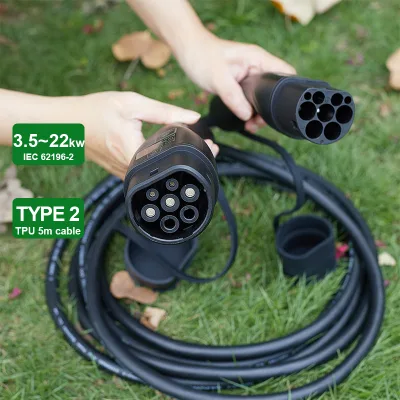
Hot Selling Best Quality New Condition EV Charging Cable Type 2 to Type 2 IP 55 16A 32A 3.5KW 11KW
$35.55 - $41.64
MOQ: 10 pieces
Shenzhen Shineyou New Energy Technology Co., Ltd.
- Verified by Intertek
- Manufacturer, Trading Company
- Lead time0 days
- Avg. response≤ 4h
Main productsEV Charging Cable, EV Charging Station, Portable EV Charger, Level 2 EV Charger, EV Charging Plug
Main marketsDomestic Market(87%), North America(4%), Eastern Europe(4%)
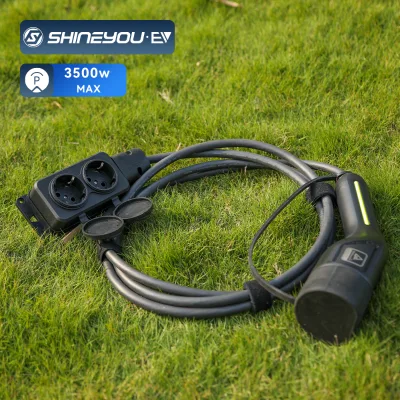
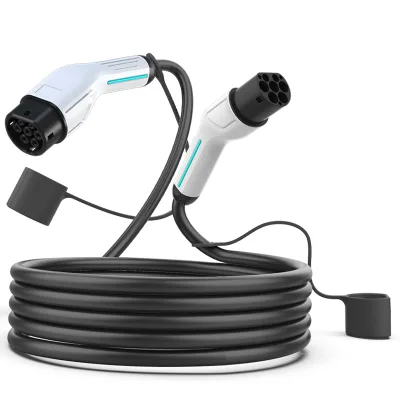
Excellent Quality Type 2 to Type 2 16a 1phase Male to Female Iec 62196-2 5m Tpu 3.5kw
$53.03 - $59.15
MOQ: 10 pieces

Guangzhou FastConcept New Energy Co., Ltd.
- Verified by SGS
- Combined
- China Guangdong
- Lead time30 days
- Avg. response≤ 1h
Main productsEV Charging Station, EV Charger, Portable EV Charger, EV Charging Cable, Wallbox Charger, AC EV Charger, Charging Station, Mobile Portable EV Charger, Electric Car Charger Portable, Electric Vehicle Charger
Main marketsDomestic

Are Type 1 to Type 2 Adapter EV Charging Cables Interchangeable Between Brands
$59.00 - $72.00
MOQ: 50 Pieces


Are All Type 1 and Type 2 Standard EV Charging Cables The Same in Function
$59.00 - $72.00
MOQ: 50 Pieces


What Type of Copper Core Cable Is Used for High-Power EV Charging Stations
$59.00 - $72.00
MOQ: 50 Pieces


Guangdong Huazheng Electronic Technology Co., Ltd.
- Verified by BV
- Trading Company,Manufacturer/Factory
- China Guangdong
- Lead time0 days
- Avg. response≤ 21h
Main productsWire Harness, Cable Assembly, Electric Wire Cables, Insulated Cables, Electrical Cables, Electrical Wires, Power Cables, Data Cables, Cable Parts and Terminals
Chongqing Jns Import And Export Co., Ltd.
- Trading Company
- Chongqing, China
- Lead time2 days
- Avg. response≤ 3h
Main productsautomobile steering system,automobile suspension system,cooling system of automobile,Automobile fuel system,Auto Parts
Main marketsSouthern Europe(10.00%), Northern Europe(10.00%), Western Europe(10.00%), Eastern Asia(10.00%), Mid East(10.00%), Africa(10.00%), Southeast Asia(10.00%), Eastern Europe(10.00%), South America(10.00%), North America(10.00%)

Hubei Xin Yanmei Supply Chain Management Co., Ltd
- Verified by SGS
- Trading Company
- China Hubei
- Lead time30 days
- Avg. response≤ 3h
Main productsEV Charger Motherboard, DC EV Charger, Charging Cable, EV Charger Adapter, EV Charger, EV Charging Station, Portable EV Charger, Portable Power Station, EV Charging Connector, Power Station
Main marketsSouth America,North America,Oceania,Africa
Chengdu Yunqiao Electronics Co., Ltd.
- Verified by TüVRheinland
- Manufacturer, Trading Company
- Lead time3 days
- Avg. response≤ 2h
Main productsEV Wallbox Charger, Portable EV Charger, EV Charging Cable, Wire Harness, Cable Assembly
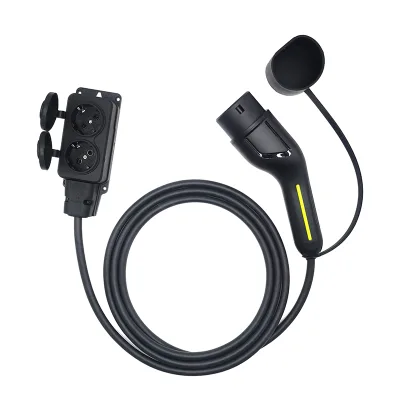
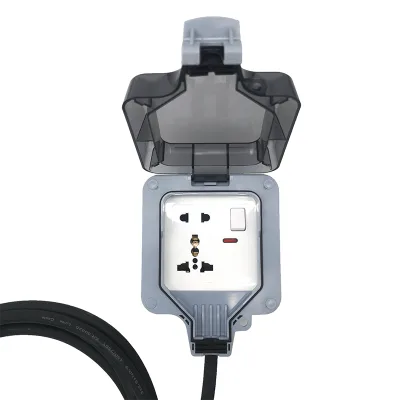
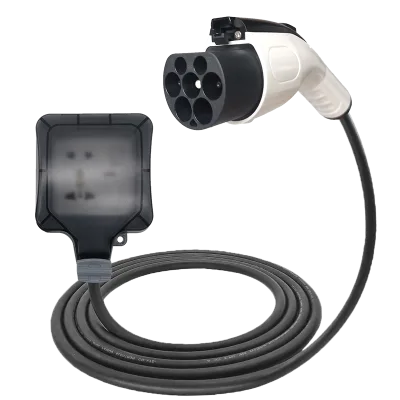
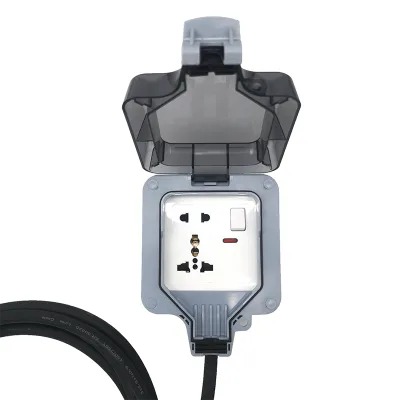
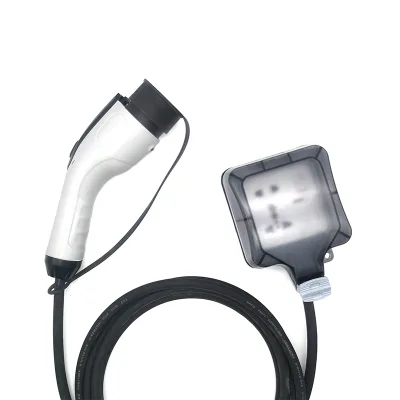
Portable GBT EV Discharger 3.5KW 16A V2L New Condition
$36.40 - $45.50

Changsha Deligreen Power Co., Ltd.
- Verified by SGS
- Trading Company
- China Hunan
- Lead time15 days
- Avg. response≤ 11h
Main productsLiFePO4 Battery 48V, Battery Charger, Active Battery Equalizer, BMS, Evse Charging Connector, Evse Charger, Dcdc Converter
Main marketsSoutheast Asia/ Mideast,East Asia(Japan/ South Korea),Europe,Australia,North America

Wenzhou Xinchi International Trade Co., Ltd.
- Trading Company,Manufacturer/Factory
- China Zhejiang
- Lead time68 days
- Avg. response≤ 8h
Main productsEV Charger, EV Home Charger, Electric Vehicle, Charging Station, Car Charger, Wallbox, Charging Pile, EV Charger Specialize, Portable EV Charger
Main marketsSouth America,Eastern Europe,Mid East,North America,Southeast Asia,Eastern Asia,Oceania,Western Europe,Africa

3.5kw 11A 3 Single Type 1 to Type 2 EV Cable Electric Vehicle Charging Cable EV Plug Adapter
$67.00 - $72.00
MOQ: 2 Pieces

7kw 32A Single Phase Type 2 to Type 2 EV Cable Electric Vehicle Charging Cable EV Plug Adapter
$53.00 - $57.00
MOQ: 2 Pieces

7kw 32A Single Phase Type 1 to Type 2 EV Cable Electric Vehicle Charging Cable EV Plug Adapter
$75.00 - $80.00
MOQ: 2 Pieces

EV Charging Cable 3.5kw/7kw/11kw/22kw Type 1 to Type 2/Type 2 to Type 2 Convenient Power Option
$72.00 - $77.00
MOQ: 2 Pieces

3.5/22kw Charging Cable with 16/32A Type 2 Plug for Electric Vehicles Portable EV Charger
$34.00 - $40.00
MOQ: 2 Pieces

Ningbo Dongyu Electrical Appliance Co., Ltd.
- Verified by TüVRheinland
- Manufacturer, Trading Company
- Lead time20 days
- Avg. response≤ 4h
Main productsHeater, Fan, Charging Stations, EV Connectors
Main marketsMid East(60%), Eastern Europe(40%)

Wenzhou Beike Electric Co., Ltd
- Verified by SGS
- Combined
- China Zhejiang
- Lead time30 days
- Avg. response≤ 3h
Main productsEV Charger, EV Charging Cable, EV Charging Controller, Contactor, Relay, Voltage Regulator, Changeover Switch
Main marketsSoutheast Asia/ Mideast,Domestic

OEM 32A Type 2 to Type 2 EV Charging Cable 22kw Evse Three Phases EV Cable for Car
$10.00 - $100.00
MOQ: 50 Pieces

Quality Guaranteed Mode 3 32A EV Charging Cable Connector Type 2 to Type 2
$10.00 - $100.00
MOQ: 50 Pieces

Hot Sale Type 2 to Type 2 32AMP EV Charging Extension Cable 22kw for EV Car
$10.00 - $100.00
MOQ: 50 Pieces
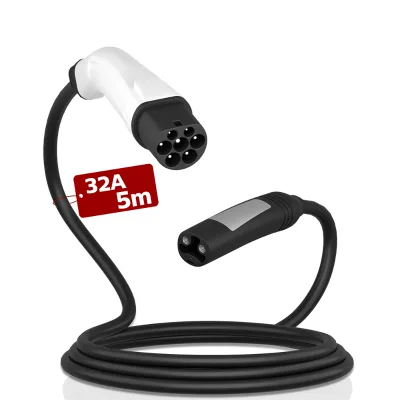


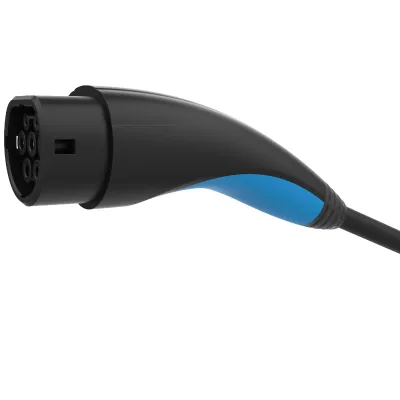
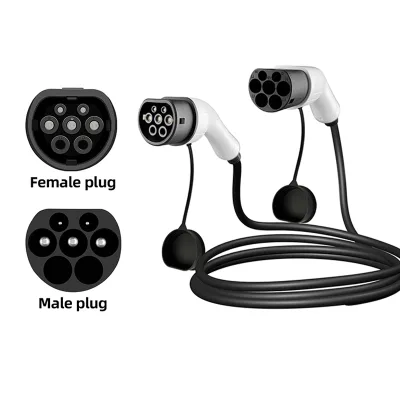


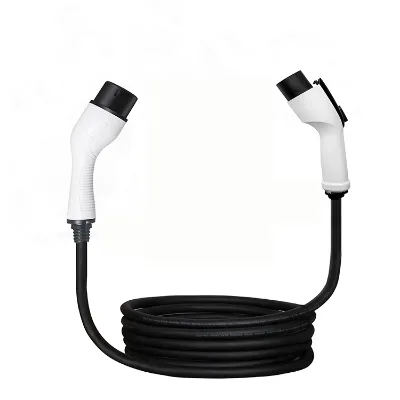


Comprehensive Sourcing Guide
Type 2 EV Discharging Cable Supplier Concentration and Factory Types
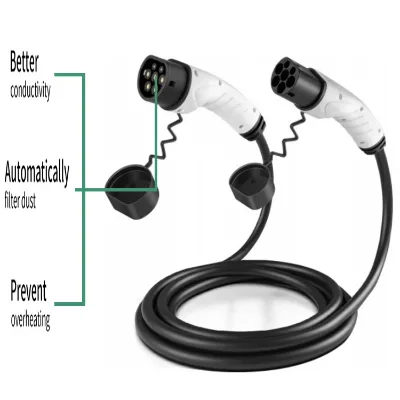
The visible supplier base for a Type 2 EV Discharging Cable sits inside China's broader new energy vehicle parts ecosystem, where discharging cables are listed alongside charging cables, connectors and adapters. One clearly evidenced location is Shanghai, where a supplier labeled as a trading company lists main products including EV chargers, charging cables, adapters, plugs and accessories, and shows products such as a GBT V2L discharging cable and Type 2 to Type 2 charging cables. A second evidenced presence is in China Hunan, but that company's main products are wiring harnesses, automotive connectors, collaborative robots and electronic controllers, which illustrates that proximity to the EV sector does not guarantee a matching product line.
Trading companies appear prominently in this category, and the Shanghai listing is explicitly labeled as a trading company rather than a manufacturer. That label matters: a trading intermediary may consolidate output from several connector and cable workshops, which broadens catalog choice but adds a margin layer and can distance you from the actual production floor. Because search results change over time, do not treat the current concentration as fixed. Build your own cluster map by filtering connector and charging cable categories by province, counting how many relevant listings appear per region, and checking whether each listing's main products genuinely include discharging cables. When shortlisting, ask directly for the factory address, the entity's manufacturing role, and whether assembly, overmolding and cable termination happen in-house or are subcontracted.
How to Verify Type 2 EV Discharging Cable Suppliers
Verification starts with separating what a listing claims from what a business document proves. For any Type 2 EV Discharging Cable supplier, request the business license and confirm the registered scope covers EV parts trading or manufacturing. Cross-check the company type label you see on the platform: the Shanghai supplier in these results is labeled a trading company, so if you need factory control, ask whether they can arrange a direct factory visit or a third-party audit of the producing workshop. For the Hunan-based connector and harness specialist, verify first whether discharging cables are even within their production capability, since their listed main products are harnesses and connectors. Verify compliance documentation, including applicable certification for the plug standard and market you sell into, rather than assuming a listing badge covers your destination.
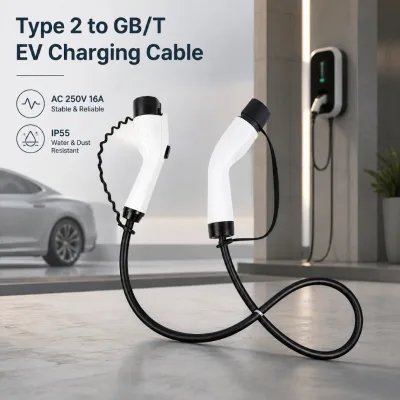
Then verify the product itself against the specification sheet. The evidenced products give concrete attributes to demand in writing: for one GBT V2L discharging cable, a rated current of 16A–32A, 220V operation, 7 kW power, a 0.5 m cable length described as customizable, a GBT V2L plug connector, a 12-month warranty, and place of origin China. For Type 2 charging cables, the listing cites IEC 62196 Type 2 as the standard, TPU or TPE cable material options, 32A three-phase rating, and cable lengths of 5 m, 7 m, 8 m, 10 m or customized. Ask for sample units, dimensional drawings, and material declarations, and test pin retention, insulation and strain relief before committing to volume.
What to Compare Across Type 2 EV Discharging Cable Suppliers
Build a comparison sheet using the attributes actually displayed on supplier profiles, and never assume every supplier shows the same fields. Useful label dimensions in this category include company type, location, main products, response time, lead time, establishment year, escrow availability and certifications. In the current results, the Shanghai trading company shows a response time of about 2 hours, which is fast, and carries deep product evidence across V2L dischargers and Type 2 cables. The Hunan supplier shows a response time of roughly 9.88 hours and a lead time of 15 days, which is a meaningful difference in communication speed you should weigh if quick iteration matters. Lead time for the Shanghai products is not displayed, so you must ask.
Compare product-level data with the same rigor. Price ranges on the evidenced listings run from roughly 30–35 USD for a 7 kW GBT V2L discharging adapter cable, 43–48 USD for Type 2 discharging and charging cable units, 58–60 USD for a 3.5/7 kW Type 2 AC charging cable, up to 66–72 USD for a 32A three-phase Type 2 to Type 2 cable. MOQs also diverge sharply: 50 pieces on one V2L product, 5 on the Type 2 to Type 2 cable, and 2 on another AC cable. Use these as negotiation anchors, then compare warranty terms, IP ratings where stated, material options, customization ability, and whether main products indicate a specialist or a generalist.
Common Type 2 EV Discharging Cable Sourcing Risks
The most frequent risk in this category is standard confusion. The evidenced listings mix Type 2 connectors under IEC 62196, GBT connectors, and a Type 1 V2L adaptor, and one portable unit even pairs a Type 2 listing with a GB interface standard label. If you order without pinning the connector standard, rated current and voltage to your vehicle fleet and destination market, you can receive stock that physically fits but is electrically or regulatory wrong. A second risk is length and current mismatch: listings show 16A, 32A, 16A–32A ranges, 3.5 kW and 7 kW outputs, and cable lengths from 0.5 m to 10 m or customized, so an unverbalized assumption about any of these can produce unusable inventory.
Supplier-structure risks follow. When the counterparty is a trading company, as the Shanghai listing is labeled, you may face diluted accountability for warranty claims, slower root-cause analysis on defects, and inconsistency if the intermediary switches cable workshops between orders. Material substitution is another recurring issue: listings offer TPU or TPE as options, and a cheaper jacket compound can crack in cold climates, so specify and verify the compound for your operating temperature range, especially since one listing cites a working temperature of -30°C to +50°C. Finally, watch for stale listing data, empty attribute fields such as unspecified gross weights, and prices that shift once customization is quoted. Mitigate each risk with written specifications, pre-shipment inspection, and samples retained as golden references.
Type 2 EV Discharging Cable Regional Sourcing and Logistics
The only high-confidence location evidence here is domestic to China: one active supplier operates from Shanghai and another from China Hunan, and product attribute sheets list the place of origin as China, in one case explicitly Shanghai. Shanghai's role as an established export gateway is relevant to logistics planning, since coastal proximity typically simplifies container consolidation and port scheduling for cable and connector shipments, though you should confirm actual export experience per supplier rather than inferring it from the city. The Hunan presence is inland, so if that supplier ever matches your product need, request inland freight costs to the loading port as part of the quote, because interior origin can add time and cost to the landed price.
For logistics execution, this category ships favorably because cables and connectors are dense, non-perishable and non-hazardous under normal classification, allowing full or mixed container loads. Still, plan around the variables that do exist. Customized cable lengths, connector variants and packaging change carton dimensions and weight, so request final packed specifications before booking freight. The Hunan supplier's displayed 15-day lead time offers one concrete benchmark, but lead times elsewhere in these results are not displayed, so collect written lead times including production and port cut-off allowances from every candidate. Confirm who handles export documentation, whether the trading entity can ship under your terms, and how warranty replacements cross borders, since a 12-month warranty is only useful if return logistics are defined in advance.
Type 2 EV Discharging Cable Commercial Terms and Order Planning
Commercial planning should start from the evidenced price and MOQ spread, then pressure-test it. Evidenced ranges span roughly 30–35 USD for a 7 kW GBT V2L discharge cable with a 50-piece MOQ, 43–48 USD for Type 2 discharging cable units, 58–60 USD for an AC Type 2 charging cable with an MOQ of 2, and 66–72 USD for a 32A three-phase Type 2 to Type 2 cable with an MOQ of 5. Low MOQs invite sampling and pilot orders; the 50-piece floor on the V2L item suggests planning an initial batch that doubles as your validation run. Negotiate tiered pricing against these anchors, and get warranty duration, stated as 12 months on multiple listings, written into the contract.
Order structure should reflect supplier behavior you have measured. Use the displayed response speed, roughly 2 hours for the Shanghai trading company versus about 9.88 hours for the Hunan connector supplier, as one input when deciding who handles urgent replenishment, but confirm live responsiveness yourself during quoting. Because lead time is displayed for only one supplier here, set a written lead-time commitment with penalties or escalation paths for every PO, and sequence payments against milestones: deposit on order, balance after pre-shipment inspection. Confirm escrow or platform-protected payment availability before wiring funds, since it was
FAQs
What is the price range for Type 2 EV discharging cables?
Prices for Type 2 EV discharging cables typically range from $30 to $72 per unit. The cost varies based on specifications such as cable length, rated current, and connector standards. Buyers should check specific product listings for exact pricing tiers and bulk discounts available from suppliers.
What is the minimum order quantity for these cables?
Minimum order quantities vary significantly by supplier and product type. Some listings require as few as two units, while others mandate orders of fifty or more. Buyers should verify the specific MOQ for their desired cable model and length to ensure it aligns with their procurement volume.
Where are Type 2 EV discharging cables manufactured?
Most Type 2 EV discharging cables are manufactured in China, with specific production hubs in Shanghai and Hunan. Buyers can filter results by these locations to find suppliers with established manufacturing capabilities. Origin details are usually listed in the product specifications to help assess logistics and quality standards.
What is the typical response time from suppliers?
Supplier response times can vary, with some companies responding within two days and others taking up to ten days. Faster response times often indicate higher availability and active sales teams. Buyers should prioritize suppliers with shorter response times to ensure timely communication regarding quotes and order status.
What is the lead time for manufacturing these cables?
Lead times for Type 2 EV discharging cables can range from zero days for stock items to fifteen days for production runs. Buyers should confirm the current inventory status and production schedule with the supplier. Understanding lead times is crucial for planning inventory and meeting project deadlines effectively.
What standards do Type 2 EV cables meet?
Type 2 EV discharging cables often comply with IEC 62196 Type 2 standards and GB interface standards. These certifications ensure compatibility with various electric vehicle models and charging infrastructure. Buyers should verify specific standard compliance in the product details to guarantee safe and effective operation with their vehicles.