Two Way Audio and Video Splitter Suppliers and Manufacturers
Explore 23 verified options for Two Way Audio and Video Splitter products from China Jiangsu and Zhejiang. Compare response times, lead times, certifications, and pricing to source coaxial splitters with ISO 9001 standards. Request quotes directly to confirm customization and MOQ details.
Suppliers List

- Trading Company,Manufacturer/Factory
- China Jiangsu
- Lead time45 days
- Avg. response≤ 7h
Main productsCable, Connector, Electronic, LED Lighting, Plug Adaptor, Panel Lighting, LAN Cable, AV Cable, Electronic Parts, Voltage Protector
Main marketsSouth America,Eastern Europe,Mid East,North America,Southeast Asia,Eastern Asia,Western Europe,Africa

Hangzhou DAYTAI Network Technology Co., Ltd.
- Verified by SGS
- Manufacturer/Factory
- China Zhejiang
- Lead time15 days
- Avg. response≤ 4h
Main productsOptical Receiver, PLC Splitter, Sc Fast Connector, Fiber Optic Distribution Box, ADSS Fiber Optic Cable, Optical Closure, Fiber Optic Cable Clamps, Olt ONU, EDFA, FTTH Drop Cable
Main marketsSouth America,Eastern Europe,Mid East,North America,Southeast Asia,Eastern Asia,Oceania,Western Europe,Africa


Indoor CATV CATV Tap Splitter Compatible CATV Outdoor Indoor TV Splitter
$3.18 - $3.27
MOQ: 100 Pieces


Guangzhou Jinyuanhua Trading Co., Ltd.
- Manufacturer, Buying Office, Distributor/Wholesaler
- Guangdong, China
- Lead time15 days
- Avg. response≤ 6h
Main productsAudio cable,wire rod,alligator clip,video line,Microphone
Main marketsAfrica(0.30%)
Foshan Tong Li Electronics Co., Ltd.
- Manufacturer, Trading Company
- Guangdong, China
- Lead time15 days
- Avg. response≤ 2h
Main productssplitter,switch,converter,extender,matrix
Main marketsEastern Europe(20.00%), South America(20.00%), North America(20.00%), Mid East(10.00%), Southeast Asia(10.00%), Western Europe(5.00%), Eastern Asia(5.00%), Africa(5.00%), Oceania(5.00%)
- Trading Company,Manufacturer/Factory
- China Shandong
- Lead time15 days
Main productsCATV, CATV Transmitter, Optical Receiver, Optical Node, CATV Optical Reciever, Hybrid Module, Optical Transmitter, EDFA, Optical Amplifier, Trunk Amplifier
Main marketsSouth America,North America,Africa

Contact supplier

Contact supplier

Shenzhen Caratar Technology Co., Ltd.
- Verified by BV
- Combined
- China Guangdong
- Lead time23 days
- Avg. response≤ 5h
Main productsWiFi Module, WiFi USB in Wall Ap Router, Portable WiFi Power Bank Router
Main marketsSouth America,Africa,Southeast Asia/ Mideast,East Asia(Japan/ South Korea),Europe,Australia,North America

Ningbo Meilan Communication Equipment Co., Ltd.
- Verified by TUVRHEINLAND
- Trading Company,Manufacturer/Factory
- China Zhejiang
- Lead time15 days
- Avg. response≤ 2h
Main productsFTTH Terminal Box, Finer Optic Cable, Fiber Optic Closure, FTTH Accessories, Fiber Optic Patch Cord, Patch Panel, Copper Connection Module, Distribution Box, ONU, Telecom Tools
Main marketsSouth America,Eastern Europe,Mid East,North America,Southeast Asia,Eastern Asia,Oceania,Western Europe,Africa

Shenzhen Bitvisus Technology Limited
- Verified by BV
- Trading Company
- China Guangdong
- Lead time15 days
- Avg. response≤ 3h
Main productsTV Video Wall Controller, HDMI Extender, HDMI Matrix Switcher, Multi Viewer, HDMI Fiber Cable, Multi Screen Expansion
Main marketsSoutheast Asia/ Mideast,East Asia(Japan/ South Korea),Domestic,Europe,Australia,North America

Changzhou Eagle International Trade Corp.
- Trading Company
- China Jiangsu
- Lead time23 days
- Avg. response≤ 15h
Main productsTV Bracket, Solar Power System, Solar Light, Solar System, Battery Charger, Power Inverter, Solar Controller, LED Light, LED Screen, Module
Main marketsSouth America,Eastern Europe,Mid East,North America,Southeast Asia,Eastern Asia,Oceania,Western Europe,Africa

Satellite TV Splitters/Satv Splitter/Satellite Television Splitters/2way Indoor Splitter
$0.10 - $1.50
MOQ: 2500 Pieces

Cable TV Splitters/CATV Splitter/Cable Television Splitters/2way Indoor Splitter
$0.01 - $1.00
MOQ: 2500 Pieces

Satellite TV Splitters/Satv Splitter/Satellite Television Splitters/6way Indoor Splitter
$0.10 - $2.50
MOQ: 2500 Pieces

Satellite TV Splitters/Satv Splitter/Satellite Television Splitters/8way Indoor Splitter
$0.10 - $2.50
MOQ: 2500 Pieces

Satellite TV Splitters/Satv Splitter/Satellite Television Splitters/4way Indoor Splitter
$0.10 - $2.50
MOQ: 2500 Pieces

Satellite TV Splitters/Satv Splitter/Satellite Television Splitters/5way Indoor Splitter
$0.10 - $2.50
MOQ: 2500 Pieces

Shenzhen Firstone Technology Co.,Ltd
- Verified by TUVRHEINLAND
- Combined
- China Guangdong
- Lead time15 days
- Avg. response≤ 3h
Main productsFtdi Cable, USB RS485 Cable, USB RS422 Cable, USB RS232 Cable, USB Ttl Serial Cable, Tc2030 Cable, Passive Poe Splitter, Poe Injector, Poe Extender, Kvm Matrix
Main marketsEurope

$55.00 - $59.99
MOQ: 1000 pieces


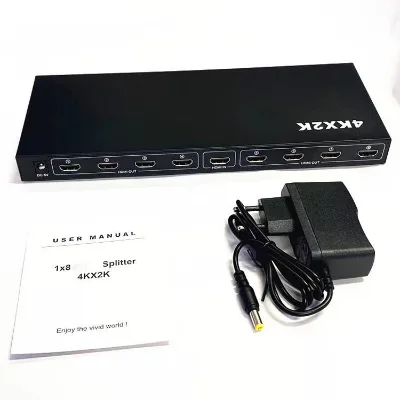
Custom 8 Ports HDMI Audio Video Splitter Converters Splitter 4K*2K 1 in 8 out HDMI Splitter 1X8
$99.78 - $159.92
MOQ: 100 pieces

1X2 HDMI Splitter Distributes 1 in 2 out Display Video Splitter with EDID
$22.00 - $29.00
MOQ: 500 pieces

EDID HDMI Splitter 1 in 4 out 50m 4 Ways Audio Video Splitter 1 Input 4 Output HDMI Extender 4K
$89.00 - $129.00
MOQ: 100 pieces


Elandphone Electronic Co., Ltd.
- Verified by TUVRHEINLAND
- Trading Company
- China Guangdong
- Lead time15 days
- Avg. response≤ 4h
Main productsHDMI Splitter, HDMI Switch, HDMI Extender, HDMI Cable, HDMI Converter, USB Hub, Type C Items, USB LAN, WiFi Repeater, Type C Hub
Main marketsEurope
Abccabls Technology Ningbo Co., Ltd.
- Manufacturer, Trading Company
- Zhejiang, China
- Lead time0 days
- Avg. response≤ 3h
Main productsStage sound system,Audio frequency cable,LED lamp cable
Main marketsWestern Europe(40.00%), South America(30.00%), Northern Europe(10.00%), North America(10.00%), Southeast Asia(10.00%)

Shanghai Yongjia International Trading Co., Ltd.
- Trading Company
- China Shanghai
- Lead time30 days
- Avg. response≤ 11h
Main productsExhibition Booth, Light Box, Glasses, Trade Show Stands, Tent, Pop up Stands
Main marketsSouth America,Africa,Southeast Asia/ Mideast,East Asia(Japan/ South Korea),Domestic,Europe,Australia,North America
Guangzhou Siying Electronic Technology Co., Ltd.
- Verified by TüVRheinland
- Manufacturer, Trading Company
- Lead time7 days
- Avg. response≤ 2h
Main productsHDMI Kvm Swtich, HDMI Splitter, HDMI Extender, HDMI Converter, VGA Splitter
Main marketsMid East(20%), Domestic Market(20%), North America(10%)
Shenzhen Magelei Electronic And Technology Co., Ltd.
- Manufacturer, Trading Company
- Lead time旺季: "1 - 500":15,"> 500":"To be negotiated", 淡季: "1 - 500":15,"> 500":"To be negotiated"
- Avg. response≤ 2h
Main productsHDMI-DP-DVI-VGA Converter Adapter, Switch-Splitter-Extender , USB Hubs , Video Capture Card, Audio Video Equipments

Ningbo Yinzhou Join Industry Co., Ltd.
- Trading Company
- China Zhejiang
- Lead time30 days
- Avg. response≤ 3h
Main productsSpeaker Cable, Alarm Cable, Connector, Power Cable, RCA Cable, HDMI Cable, LAN Cable, Optic Filer Cable, Audio Cable, Telephone Cable
Main marketsSouth America,Africa,Southeast Asia/ Mideast,East Asia(Japan/ South Korea),Europe,Australia,North America

Foshan Yangyang Optoelectronic Technology Co., Ltd.
- Verified by CTI
- Combined
- China Guangdong
- Lead time15 days
- Avg. response≤ 3h
Main productsAudio Cable, Speaker Cable, XLR Cable, Snake Cable, BNC Cable, Power Cable, Guitar Cable, RCA Audio Cable, Aux Cable, Rvv Cable
Main marketsSouth America,East Asia(Japan/ South Korea),Europe,Australia,North America
Abccabls Technology Ningbo Co., Ltd.
- Manufacturer, Trading Company
- Lead time旺季: "1 - 10":5,"> 10":"To be negotiated", 淡季: "1 - 10":5,"> 10":"To be negotiated"
- Avg. response≤ 3h
Main productsCable, Connector

Shenzhen Pioneer Goods Communication Co., Limited
- Verified by TUVRHEINLAND
- Trading Company
- China Guangdong
- Lead time15 days
- Avg. response≤ 3h
Main productsfiber telecom equipment and FTTH solution
Main marketsSouth America,Southeast Asia/ Mideast,Europe,North America

Hangzhou Risingsun Cable Co., Ltd.
- Combined
- China Zhejiang
- Lead time15 days
- Avg. response≤ 14h
Main productsCoaxial Cable CCTV Cable, LAN Cable, Fiber Optical Cable, Assembly Cable, Security Cable, Combo Cable Speaker Cable, HDMI Cable Audio Video Cable, Cable Accessory, Fiber Optic Products, CATV Products Ethernet Products
Main marketsSouth America,Southeast Asia/ Mideast,Europe,Australia,North America

Ningbo Weidan Electronics Co., Ltd.
- Verified by BV
- Manufacturer/Factory
- China Zhejiang
- Lead time75 days
- Avg. response≤ 24h
Main productsAV Cable, Network Cable, Power Cord, Network Accessories, WiFi Products, Computer Cable, Wires & Harness, Sensor Cable, Waterproof Cable, Auto Wiring Kit
Main marketsSouth America,Eastern Europe,Mid East,North America,Southeast Asia,Eastern Asia,Oceania,Western Europe,Africa
Hangzhou Huiyi E-commerce Co., Ltd.
- Verified by Intertek
- Trading Company
- Lead time0 days
- Avg. response≤ 2h
Main productsSilicone Sealant, Glass Glue, Glue
Main marketsDomestic Market(100%)
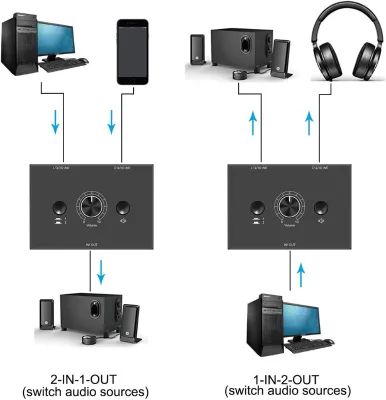
2 Way Bi-Directional Audio Switcher Stereo 2 In 1 Out 3.5mm Jack HiFi Switch 2 Port Splitter 1 2
$6.92 - $9.60
MOQ: 10 pieces
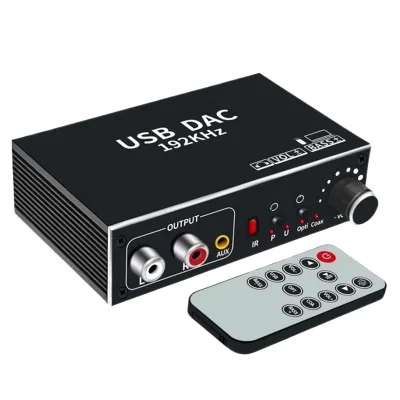
Video Splitters Optical Coaxial Fiber SPDIF RCA 3.5mm Jack Amplifier With Bass Volume Adjustable
$5.97 - $6.52
MOQ: 25 pieces
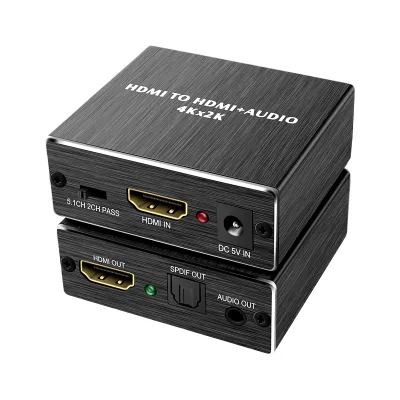
Audio Extractor Mini Splitter With Optical TOSLINK SPDIF+3.5mm Stereo Converter
Contact supplier
MOQ: 1 Minimum

Changzhou Eagle International Trade Corp.
- Trading Company
- China Jiangsu
- Lead time30 days
- Avg. response≤ 16h
Main productsRemote Control, Speaker, Multimeter, Connector, Megphone, Soldering Iron, CCAM Wire, LED Screen, LED TV Light Bar, TV Stand
Main marketsSouth America,Africa,Southeast Asia/ Mideast






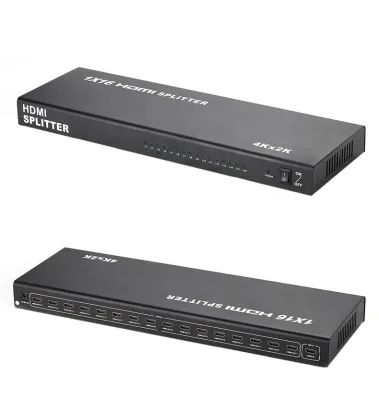
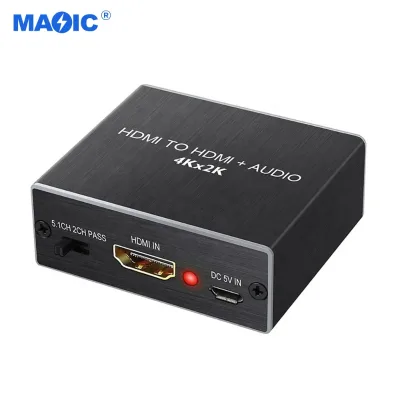
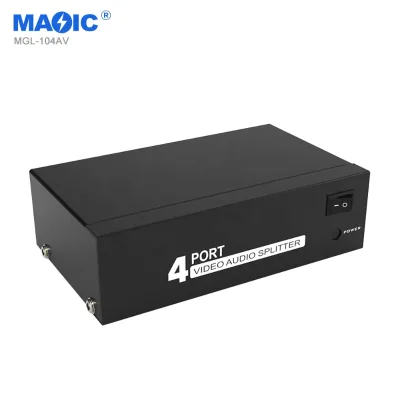
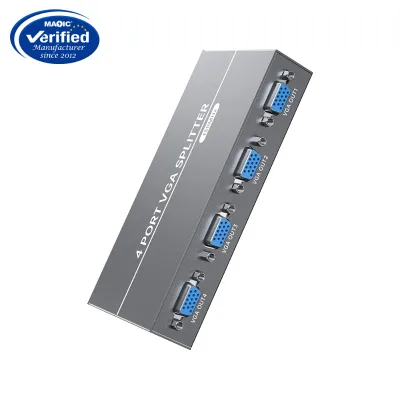




Comprehensive Sourcing Guide
Two Way Audio and Video Splitter Supplier Concentration and Factory Types
The current supplier landscape for Two Way Audio and Video Splitter components shows a distinct concentration of manufacturing and trading entities within specific Chinese provinces. Available data indicates a significant cluster of suppliers operating out of Jiangsu, where companies list main products including cables, connectors, and various electronic lighting parts alongside splitter units. Another notable cluster exists in Zhejiang, where suppliers focus heavily on optical receivers, fiber optic distribution boxes, and PLC splitters, suggesting a specialized ecosystem for signal distribution hardware. These regional groupings imply that buyers seeking specific technical capabilities, such as high-frequency coaxial splitting or fiber-optic integration, should prioritize regions where those specific product lines are explicitly documented as core offerings.
Regarding company structure, the observed supplier base includes a mix of trading companies and manufacturers or factories. Some entities in the Jiangsu cluster are identified as trading companies, which may offer a broader range of electronic accessories but might rely on third-party production for specific splitter models. Conversely, suppliers in the Zhejiang region are predominantly listed as manufacturers or factories, often holding certifications like ISO 9001, ISO 20000, and QC 080000. This distinction is critical for buyers, as a factory type often implies direct control over the production line and customization capabilities, whereas a trading company might facilitate sourcing from multiple sources. Buyers must verify the actual production capacity and whether the listed company type aligns with their need for direct OEM or ODM services, as the data shows both types are active in the market.
How to Verify Two Way Audio and Video Splitter Suppliers
Verification of supplier credibility for Two Way Audio and Video Splitter products requires a rigorous check of documented certifications and third-party audit results. The available data highlights that some suppliers possess ISO 9001 system certification, while others in the Zhejiang cluster hold additional standards such as ISO 20000 and QC 080000. Furthermore, specific suppliers are marked with SGS verification status, which serves as a tangible indicator of external quality assurance. Buyers should not assume all suppliers hold these credentials; instead, they must request current certificates and cross-reference them with the supplier's profile to ensure the certifications cover the specific splitter models being sourced. The presence of RoHS compliance in product attributes is another key verification point, indicating adherence to environmental standards for electronic components.
Beyond certifications, buyers must assess the responsiveness and operational stability of potential partners. Response time data indicates significant variation, with some suppliers showing a response time of 6.82 hours while others demonstrate a faster 3.77 hours. This metric is a proxy for communication efficiency and supply chain reliability. A supplier with a slower response time might indicate a larger volume of inquiries or less dedicated support staff, which could delay critical order confirmations or technical clarifications. Additionally, buyers should verify the "Customization" attribute listed in product details, as some entries show "Available" while others state "Non-Customized." Confirming whether a supplier can actually deliver custom specifications, such as specific frequency ranges or connector types, is essential before proceeding with a partnership, as the product evidence varies widely in this regard.
What to Compare Across Two Way Audio and Video Splitter Suppliers
When evaluating suppliers for Two Way Audio and Video Splitter components, the primary comparison points should include lead times, minimum order quantities, and pricing structures. The observed data reveals a wide range in lead times, with some suppliers offering a 15-day turnaround while others require up to 45 days. This variance directly impacts inventory planning and project timelines, making it a critical differentiator. Similarly, minimum order quantities (MOQ) fluctuate significantly, with some products requiring 100 units while others demand 1000 or even 2000 units. Buyers must align these MOQs with their actual demand to avoid excessive inventory costs or stockouts. Price comparisons should also be scrutinized, as unit costs can range from approximately $0.118 to over $3.26 depending on the specific model, frequency range, and material composition.
In addition to logistical metrics, buyers should compare the technical specifications and material attributes listed in product evidence. The data shows variations in shell materials, with some splitters using aluminum shells while others utilize zinc. Frequency ranges also differ, spanning from 5-900 MHz to 5-2500 MHz, which dictates the suitability of the product for specific applications like residential TV or industrial satellite systems. Connector types, such as RF RG6 Female, and internal components like PCB presence are other technical details that must match the buyer's system requirements. Furthermore, the "Application" field indicates whether a product is intended for residential, general-purpose, or industrial use. Comparing these technical attributes ensures that the selected supplier provides a component that is not only cost-effective but also technically compatible with the intended deployment environment.
Common Two Way Audio and Video Splitter Sourcing Risks
One significant risk in sourcing Two Way Audio and Video Splitter components is the inconsistency in product customization capabilities. The available data presents conflicting information, with some product entries listing "Customization: Available" while others explicitly state "Non-Customized." This ambiguity can lead to procurement errors if a buyer assumes a supplier can modify a standard model to meet specific frequency or connector requirements. If a buyer orders a non-customizable unit expecting tailored specifications, they may receive a product that is incompatible with their existing infrastructure. To mitigate this, buyers must explicitly confirm customization options in writing before placing an order, rather than relying solely on the general product listing which may not reflect the specific item's constraints.
Another critical risk involves the discrepancy between claimed certifications and actual product compliance. While some suppliers display ISO certifications and RoHS standards in their profiles, the product evidence for specific splitter models may lack detailed certification data or show incomplete standard listings. For instance, some product attributes list "RoHS available" while others omit this information entirely. This gap creates uncertainty regarding the environmental and safety compliance of the delivered goods, which could be problematic for markets with strict regulatory requirements. Additionally, the variation in response times suggests that communication delays could lead to misunderstandings regarding these compliance issues. Buyers should request specific test reports or compliance certificates for the exact batch of products they intend to purchase to ensure that the claimed standards are actually met by the finished goods.
Two Way Audio and Video Splitter Regional Sourcing and Logistics
Sourcing Two Way Audio and Video Splitter components from China involves navigating distinct regional logistics advantages based on the supplier's location. The data identifies Jiangsu and Zhejiang as the primary hubs for these products, each offering different logistical profiles. Jiangsu-based suppliers, often trading companies or factories, may benefit from established supply chains for general electronic components like cables and connectors. In contrast, Zhejiang-based suppliers, who are frequently manufacturers, might offer more streamlined logistics for specialized optical and fiber optic related splitting equipment. Buyers should consider the proximity of the supplier to major shipping ports, as this can influence freight costs and transit times. The specific location of the factory can also impact the speed of sample delivery and the efficiency of resolving any quality issues that arise during the production process.
Logistics planning must also account for the packaging standards and shipping requirements associated with these electronic components. Product evidence indicates that many suppliers use polybags, blister packs, or safe packaging according to export standards. However, the specific packing methods vary, with some listings mentioning "Safe Packaging According to Export Standard" while others simply list "Polybag." For buyers shipping large quantities, the robustness of the packaging is crucial to prevent damage during transit, especially for delicate coaxial connectors and internal PCBs. Buyers should verify the packaging details for their specific order to ensure that the goods will arrive in optimal condition. Additionally, the lead time data suggests that production schedules vary by region, so coordinating the shipping timeline with the supplier's production capacity is essential to avoid delays in receiving the Two Way Audio and Video Splitter units.
Two Way Audio and Video Splitter Commercial Terms and Order Planning
Commercial terms for Two Way Audio and Video Splitter orders are heavily influenced by the minimum order quantities and pricing tiers observed in the supplier data. The MOQs range widely, from as low as 100 units to as high as 2000 units, which dictates the initial capital outlay required from the buyer. Pricing also varies significantly, with unit costs ranging from $0.118 to $3.265, depending on the model's frequency range, material, and certification status. Buyers must calculate the total cost of ownership, including the impact of MOQs on inventory holding costs, to determine the most economical order size. It is advisable to negotiate based on volume, as higher order quantities often unlock lower price points, but buyers must balance this against their storage capabilities and cash flow constraints.
Order planning must also integrate the lead time and response time data to ensure timely delivery. With lead times ranging from 15 to 45 days, buyers need to factor in this production window when scheduling their inventory replenishment or project launches. A supplier with a 15-day lead time offers greater flexibility for urgent orders, while a 45-day lead time requires advanced planning. Furthermore, the response time of the supplier, which can vary from 3.77 to 6.82 hours, affects the speed of order confirmation and issue resolution. Buyers should prioritize suppliers with faster response times for critical projects to minimize the risk of delays. Establishing clear communication channels and agreeing on specific milestones for production and shipping is essential to manage these commercial terms effectively and ensure a smooth procurement process.
FAQs
What is the price range for two way splitters?
Prices for two way splitters typically range from $0.118 to $1.853 per unit. The cost varies based on frequency range, material, and customization options. Buyers should check specific product listings for exact pricing tiers and volume discounts available from suppliers.
What is the minimum order quantity for these products?
Minimum order quantities generally start at 100 units for some models and 1000 or 2000 units for others. The MOQ depends on the specific splitter model and whether it is customized. Buyers should verify the MOQ for their desired product specifications.
How long does production take for these splitters?
Lead times for manufacturing these splitters are reported as 15 days or 45 days. The duration depends on the supplier's location and production capacity. Buyers should confirm the exact lead time with the supplier before placing an order to ensure timely delivery.
Are these splitters RoHS certified?
Yes, many two way splitters are RoHS certified. Some products also carry CE certification. Buyers should verify the specific certification status for each product listing to ensure compliance with their regional regulatory requirements and safety standards for electronic components.
What materials are used for the splitter shells?
Splitter shells are commonly made from aluminum or zinc. Some models feature zinc color finishes. The material choice affects durability and signal performance. Buyers should select the material based on their application requirements for indoor or industrial use.
Can these splitters be customized?
Customization is available for many two way splitter models. Buyers can request specific wave ranges, connectors, or packaging options. However, some standard models are non-customized. Buyers should check the product attributes to confirm if customization is supported for their specific needs.