Universal Starlink Power Converter Suppliers and Manufacturers
Source 18 verified suppliers for Universal Starlink Power Converter solutions. Compare grounded dimensions including ISO9001:2015 certification, OEM/ODM capabilities, and Zhejiang or Guangdong origins. Request quotes to evaluate lead times and MOQs; review the available evidence before requesting comparable quotations from suitable candidates.
Suppliers List

Yueqing Daier Electron Co., Ltd.
- Combined
- China Zhejiang
- Lead time15 days
- Avg. response≤ 4h
Main productsRocker Switch, Push Button Switch, Indicator Light, Toggle Switch, Auto Switch, Key Switch, Circuit Breaker, Power Socket, Knob, Aluminum Enclosure
Main marketsSouth America,Southeast Asia/ Mideast,Domestic,Europe,North America

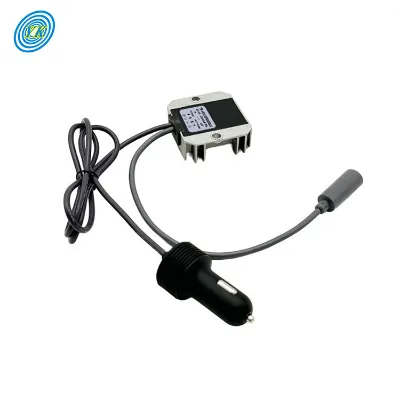
Starlink Power Supply Starlink Mini Converter with Anderson Plug for RV Boat
$15.00 - $27.00
MOQ: 1 Pieces

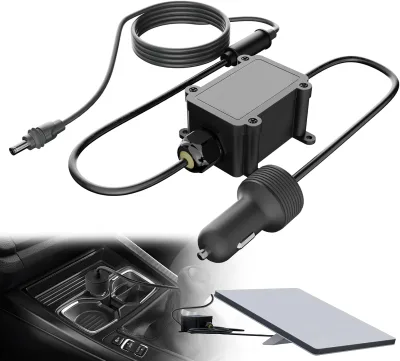
Starlink Gen3 V3 12V DC Adapter Truck RV DC Power Supply Cable Converter for Starlink Mini
$20.00 - $25.00
MOQ: 1 Pieces

12V DC Starlink Adapter Truck RV Power Supply Cable Converter for Starlink Mini Gen3 V3
$20.00 - $25.00
MOQ: 1 Pieces

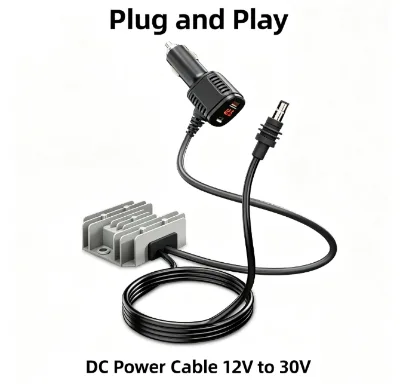
Starlink Mini DC Converter Starlink 12V Adapter Power Supply Step up to 30V 3.5A Conversion Kit
$20.00 - $25.00
MOQ: 1 Pieces


Shenzhen Lanwee Technology Co., LTD
- Verified by SGS
- Trading Company
- Hongkong_China Hongkong
- Lead time15 days
- Avg. response≤ 2h
Main productsEthernet Network Switch, Industrial Switch, Poe Switch, Poe Injector, Poe Splitter, Wireless Access Point, WiFi Module, Outdoor WiFi Bridge, FTTX Pon ONU/Olt
Main marketsEast Asia(Japan/ South Korea)


12V to 57V4a Voltage Converter for Starlink V3/V4
MOQ: 1 Pieces


Shenzhen Edup Electronics Technology Co., Ltd.
- Verified by TüVRheinland
- Manufacturer, Trading Company
- Guangdong, China
- Lead time15 days
- Avg. response≤ 2h
Main productsWiFi Adapter, WiFi Repeater, WiFi Camera, Network Card, WiFi Router
Main marketsDomestic Market(20%), North America(15%), Western Europe(15%)

Shenzhen Zhide Cable Technology Co., LTD
- Verified by SGS
- Combined
- China Guangdong
- Lead time15 days
- Avg. response≤ 1h
Main productsWire Harness Cable, Power Cord, DC Cable, Electronic Wire, New Energy Wiring Harness, Photovoltaic Cable, Terminal Connector, Heat Shrink Tubing, USB Cable, Data Cable
Main marketsDomestic
Huizhou Calculus Technology Co., Ltd.
- Manufacturer
- Guangdong, China
- Lead time7 days
- Avg. response≤ 5h
Main productsDC DC Converter,Car Quick Charger,AC DC Converter
Main marketsDomestic Market(30.00%), South Asia(8.00%), Eastern Asia(7.00%), Southeast Asia(7.00%), Western Europe(7.00%), South America(6.00%), Northern Europe(6.00%), North America(6.00%), Mid East(4.00%), Southern Europe(4.00%), Oceania(4.00%), Central America(4.00%), Eastern Europe(4.00%), Africa(3.00%)
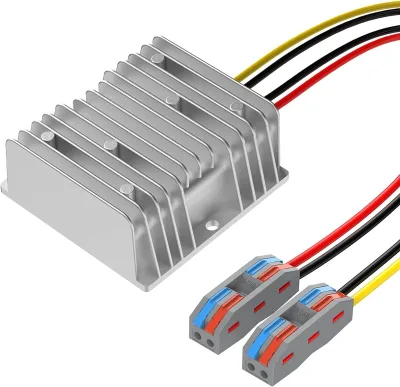
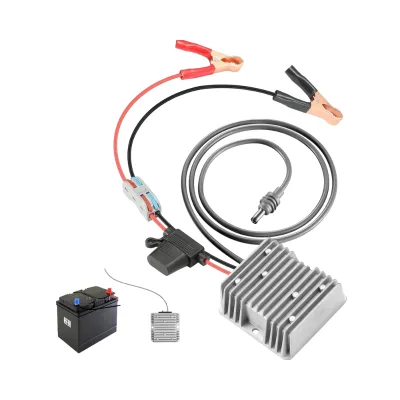
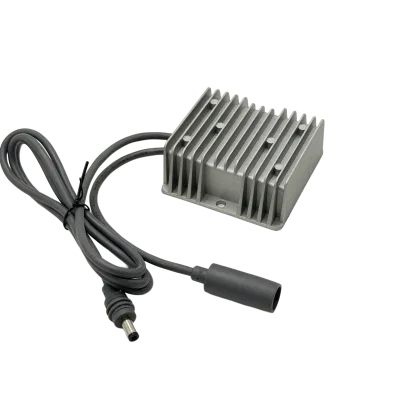
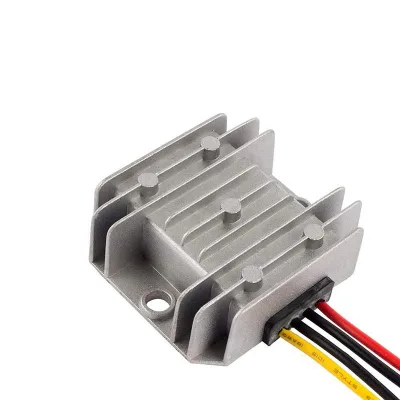
Starlink Gen 3 Converter Kit 12/24V to 57V 4.5DC Single Phase Outdoor RV Inverter Converter
$10.80 - $15.80
MOQ: 2 pieces

Shenzhen Caratar Technology Co., Ltd.
- Verified by BV
- Combined
- China Guangdong
- Lead time23 days
- Avg. response≤ 5h
Main productsWiFi Module, WiFi USB in Wall Ap Router, Portable WiFi Power Bank Router
Main marketsSouth America,Africa,Southeast Asia/ Mideast,East Asia(Japan/ South Korea),Europe,Australia,North America
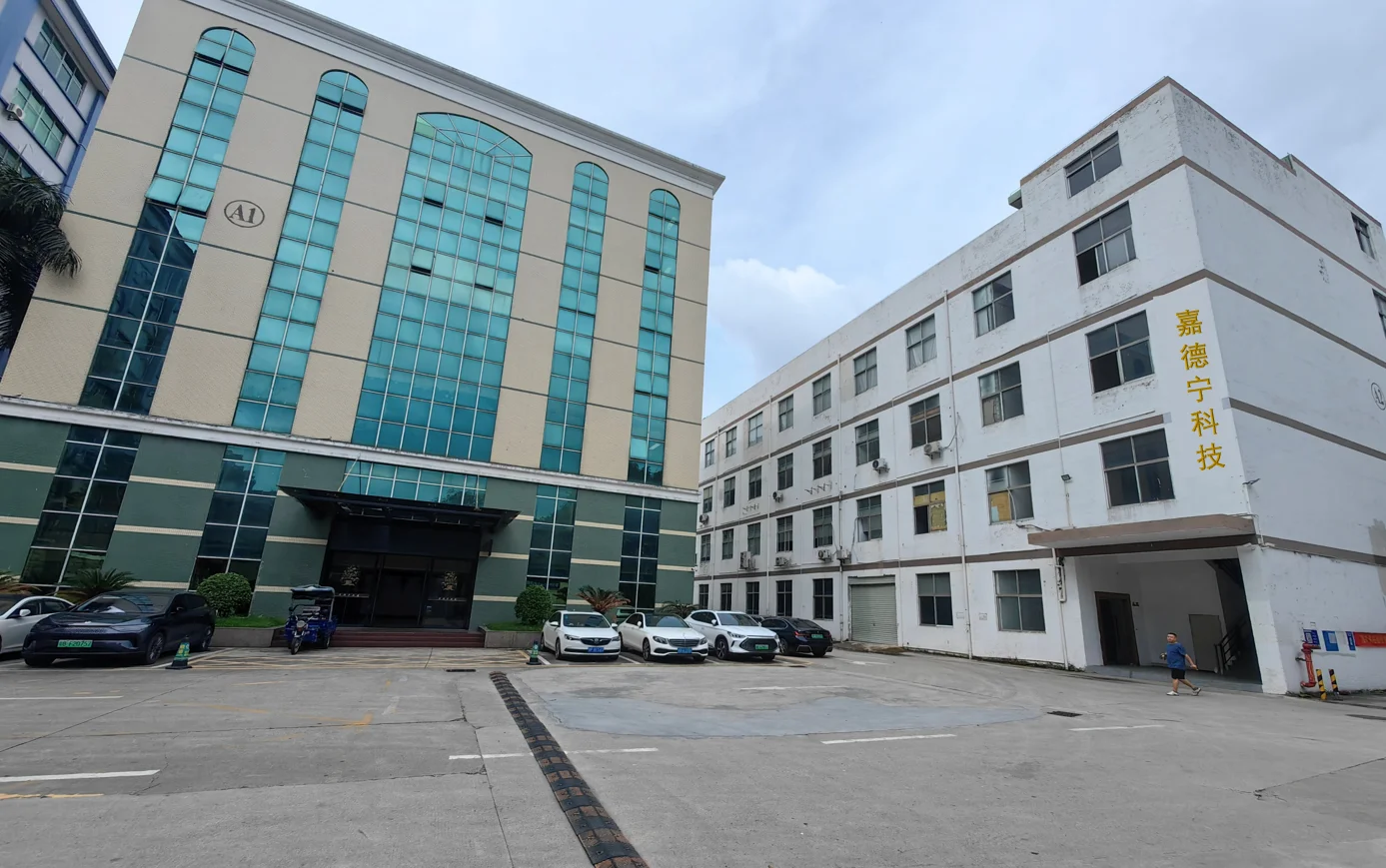
Shenzhen J.D.N Technology Co., ltd.
- Manufacturer, Trading Company, Agent
- Guangdong, China
- Lead time15 days
- Avg. response≤ 1h
Main productsFiber conmmunication product,wireless communication product,Satellite Communication,wire communication
Main marketsMid East(30.00%), South America(30.00%), Southeast Asia(20.00%), South Asia(10.00%), Africa(10.00%)

Dongguan Phynam Comtech Co., Ltd.
- Trading Company,Manufacturer/Factory
- China Guangdong
- Lead time120 days
- Avg. response≤ 2h
Main productsPoe Switch, UTP LAN Cable, Network Cable, Wireless Ap, Wireless CPE, SFP Transceiver, Fiber Media Converter, Optical Fiber, Smart IP Camera, Power Adapter
Main marketsSouth America,Eastern Europe,Mid East,North America,Southeast Asia,Eastern Asia,Oceania,Western Europe,Africa

IP68 48V Voltage Converter for 150W Poe Injector of Starlink Accessory
$11.50 - $16.50
MOQ: 100 Pieces


Starlink Poe Adapter 150W Injector 12-48V Input
MOQ: 50 Pieces
Yucoo Network Equipment Co., Limited
- Manufacturer
- Guangdong, China
- Lead time7 days
- Avg. response≤ 2h
Main productsDC Converter,AC DC Converter,Boost DC-DC Converter,Step down DC DC Converter,AC DC Power Supply
Main marketsDomestic Market(35.00%), North America(12.00%), Southeast Asia(9.00%), Western Europe(9.00%), Northern Europe(6.00%), Oceania(6.00%), Southern Europe(6.00%), Central America(4.00%), South America(3.00%), Eastern Asia(3.00%), Eastern Europe(3.00%), South Asia(2.00%), Mid East(1.00%), Africa(1.00%)
Shenzhen Firstone Technology Co.,Ltd
- Verified by TUVRHEINLAND
- Combined
- China Guangdong
- Lead time15 days
- Avg. response≤ 3h
Main productsFtdi Cable, USB RS485 Cable, USB RS422 Cable, USB RS232 Cable, USB Ttl Serial Cable, Tc2030 Cable, Passive Poe Splitter, Poe Injector, Poe Extender, Kvm Matrix
Main marketsEurope

Shenzhen Pioneer Goods Communication Co., Limited
- Verified by TUVRHEINLAND
- Trading Company
- China Guangdong
- Lead time15 days
- Avg. response≤ 4h
Main productsfiber telecom equipment and FTTH solution
Main marketsSouth America,Southeast Asia/ Mideast,Europe,North America
Guangzhou Chuangze Digital Technology Co., Ltd.
- Verified by SGS Group
- Trading Company
- Lead time0 days
- Avg. response≤ 2h
Main productsStarlik Mount, Wireless CarPlay Adapter, Wireless CarPlay, USB C HUB, USB HUB
Main marketsSouth America(30%), Northern Europe(20%), North America(10%)
Shenzhen Longxing Industrial Co., Ltd.
- Verified by TUVRHEINLAND
- Trading Company
- China Guangdong
- Lead time15 days
- Avg. response≤ 3h
Main productsFiber Media Converter, Industrial Ethernet Switch, Poe Switch, SFP Transceiver, Fiber Ethernet Switch, Fiber Dac Aoc Cable, CWDM DWDM Units, Fiber Patch Cord, Poe to USB Converter, Poe Injector
Main marketsAfrica,Southeast Asia/ Mideast,Domestic,Europe

Hangzhou DAYTAI Network Technology Co., Ltd.
- Verified by SGS
- Manufacturer/Factory
- China Zhejiang
- Lead time15 days
- Avg. response≤ 4h
Main productsOptical Receiver, PLC Splitter, Sc Fast Connector, Fiber Optic Distribution Box, ADSS Fiber Optic Cable, Optical Closure, Fiber Optic Cable Clamps, Olt ONU, EDFA, FTTH Drop Cable
Main marketsSouth America,Eastern Europe,Mid East,North America,Southeast Asia,Eastern Asia,Oceania,Western Europe,Africa


Gigabit Gpon Single Mode Media Converter for Fiber Optic to RJ45 Media Converter
$8.20 - $24.00
MOQ: 1000 Pieces


Jinan Deming Power Equipment Co., Ltd
- Verified by BV
- Combined
- China Shandong
- Lead time15 days
- Avg. response≤ 4h
Main productsWind Solar Hybrid Controller, on Grid Inverter, MPPT Solar Charge Controller, Grid-Tie Wind Turbine Inverter, Windmill Generator Controller, Windmill Generator, Hybrid Inverter, Converter, off Grid Inverter, AC Power Source
Main marketsSouth America,Africa,East Asia(Japan/ South Korea),Domestic,Europe,North America

Takfly Communications Co., Ltd.
- Manufacturer
- China Guangdong
- Lead time15 days
- Avg. response≤ 9h
Main productsMPO/MTP, CWDM/DWDM/OADM, PLC Splitter, Patch Cord, Fiber Cable, Terminal Box, Poe Switch, Media Converter, SFP Transceiver, Splice Closure
Main marketsSouth America,Africa,Southeast Asia/ Mideast,Europe,North America

Shenzhen UTP Fiber Technology Co., Ltd.
- Verified by BV
- Manufacturer/Factory
- China Guangdong
- Lead time23 days
- Avg. response≤ 2h
Main productsIndustrial Poe Switch, Fiber Media Converter, Poe Injector, HDMI Fiber Extender, HD/3G/12g-SDI Fiber Extender, DVI Fiber Extender, Optical Fiber Switch, SFP Transceiver, CWDM Mux Demux, DWDM Mux Demux
Main marketsSouth America,Eastern Europe,Mid East,North America,Southeast Asia,Eastern Asia,Oceania,Western Europe,Africa

Ningbo Meilan Communication Equipment Co., Ltd.
- Verified by TUVRHEINLAND
- Trading Company,Manufacturer/Factory
- China Zhejiang
- Lead time15 days
- Avg. response≤ 2h
Main productsFTTH Terminal Box, Finer Optic Cable, Fiber Optic Closure, FTTH Accessories, Fiber Optic Patch Cord, Patch Panel, Copper Connection Module, Distribution Box, ONU, Telecom Tools
Main marketsSouth America,Eastern Europe,Mid East,North America,Southeast Asia,Eastern Asia,Oceania,Western Europe,Africa
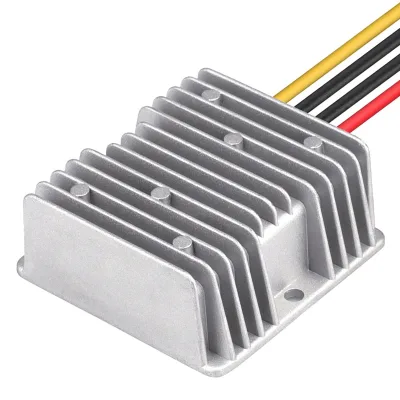
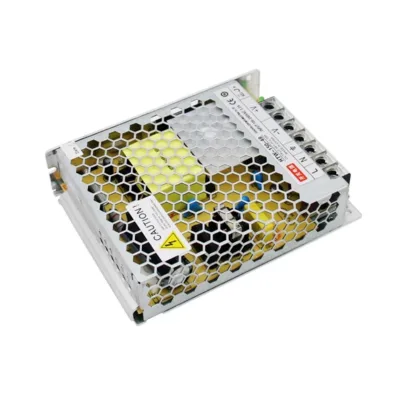






Comprehensive Sourcing Guide
Universal Starlink Power Converter Supplier Concentration and Factory Types
The current supplier landscape for Universal Starlink Power Converter components shows a distinct concentration in China, specifically within the Zhejiang province and Guangdong regions. Fact-based observations confirm that manufacturers in Zhejiang produce a wide array of electrical equipment, including rocker switches, power sockets, and aluminum enclosures, alongside specific Starlink conversion kits. These facilities often operate as combined entities capable of handling both OEM and ODM requests, with some explicitly listing their origin as Zhejiang in product specifications. This clustering suggests a mature supply chain for electrical conversion hardware, where raw material sourcing and assembly capabilities are geographically proximate.
In contrast, other supplier profiles indicate a presence in Hong Kong and Guangdong, functioning primarily as trading companies or manufacturers with a focus on network infrastructure. These entities often list main products such as Ethernet switches, wireless access points, and PoE injectors, which complements the power conversion needs of Starlink setups. While some suppliers in these regions hold verification from agencies like SGS or TÜV Rheinland, others may not display specific system certifications. Buyers should note that the factory type varies significantly; some are pure manufacturers with in-house R&D for custom models, while others act as trading companies bridging the gap between production and international distribution.
How to Verify Universal Starlink Power Converter Suppliers
Verification of Universal Starlink Power Converter suppliers requires a rigorous check of documented credentials rather than relying on general reputation. Several observed supplier profiles display ISO9001:2015 certification, which serves as a baseline for quality management systems in manufacturing. Additionally, specific product listings for converters indicate compliance with RoHS standards and, in some cases, ISORoHS certifications. Buyers must confirm that these certifications are current and applicable to the specific model being sourced, as some listings show "NIL" for system certification, indicating a potential gap in formal quality assurance.
Beyond certifications, the verification status of the supplier itself is a critical data point. Evidence shows that some suppliers have been verified by third-party agencies such as SGS or TÜV Rheinland, providing an external layer of trust regarding their business legitimacy. Response times also serve as a proxy for operational reliability, with observed averages ranging from 1.76 to 3.85 hours. A supplier with a verified status and a rapid response time is generally more likely to provide accurate product details and support. Buyers should request proof of these verifications and certifications directly, ensuring that the documents match the specific product models and not just generic company profiles.
What to Compare Across Universal Starlink Power Converter Suppliers
When evaluating suppliers, buyers must compare specific operational metrics such as lead times, minimum order quantities, and response speeds to determine fit. Observed data indicates lead times can vary, with some suppliers citing a standard 15-day window for production and delivery. Minimum order quantities (MOQ) also differ, with some listings showing an MOQ of just one unit, while others may have higher thresholds depending on customization levels. Response times, measured in hours, provide insight into communication efficiency, with some suppliers responding in under two hours while others take nearly four hours.
Product attributes and customization capabilities are equally vital for comparison. Some suppliers offer OEM and ODM services with available customization, allowing for tailored voltage outputs like 12V to 57V or specific current ratings. Others may list products as non-customized or standard commercial units. The main product focus also varies; some suppliers specialize in electrical components like switches and enclosures, while others focus on network hardware like PoE injectors and wireless modules. Buyers should align their specific technical requirements, such as output voltage and current capacity, with the supplier's stated capabilities and product specifications to ensure compatibility.
Common Universal Starlink Power Converter Sourcing Risks
One significant risk in sourcing Universal Starlink Power Converters involves the discrepancy between claimed certifications and actual product compliance. While some product listings explicitly state RoHS or ISORoHS compliance, other entries show "NIL" for system certification, creating uncertainty about the safety and regulatory adherence of the hardware. This inconsistency can lead to issues with customs clearance or end-user safety, particularly if the converter is used in commercial or automotive applications where strict standards apply. Buyers must treat unverified certification claims with caution and demand physical test reports before finalizing orders.
Another risk stems from the variability in product specifications and origin claims. Although many products list Zhejiang or Guangdong as the origin, some listings contain conflicting or incomplete data regarding the internal structure or power source type. For instance, some converters are described as having a linear model structure, while others utilize half-bridge types, which affects efficiency and heat dissipation. If a supplier does not clearly define the power source or internal structure, the buyer risks receiving a unit that does not meet the performance requirements of the Starlink equipment. Verifying the exact technical parameters against the supplier's datasheet is essential to mitigate this risk.
Universal Starlink Power Converter Regional Sourcing and Logistics
Sourcing from the identified regions of Zhejiang and Guangdong offers logistical advantages due to established manufacturing clusters for electrical components. Fact-based observations confirm that products originating from these areas often include detailed packing specifications, such as box packing or carton boxes, with standard dimensions like 11x9x4cm or 74x74x32mm. This standardization suggests that logistics providers in these regions are familiar with the packaging requirements for small electronic converters, potentially streamlining the shipping process. Buyers should leverage this regional expertise to negotiate favorable freight terms and ensure that packaging meets international shipping standards.
However, sourcing from Hong Kong-based trading companies introduces different logistical considerations. These entities often act as intermediaries, which can simplify communication but may add layers to the supply chain. The response times observed for these suppliers are generally fast, suggesting efficient order processing, but the physical origin of the goods may still be mainland China. Buyers need to clarify whether the shipping origin is the factory location or the trading company's warehouse, as this impacts transit times and customs documentation. Understanding the specific logistics flow from the manufacturing hub to the final destination is crucial for accurate delivery planning.
Universal Starlink Power Converter Commercial Terms and Order Planning
Commercial terms for Universal Starlink Power Converters vary significantly based on the supplier's capacity and product type. Price ranges observed in the market span from $15.00 to $27.00 per unit, depending on the model and customization level. Some suppliers offer low MOQs of one unit, making them suitable for prototyping or small-scale testing, while others may require larger volumes for cost-effective pricing. Buyers should carefully review the price structure to understand if it includes packaging, shipping, or taxes, as these factors can significantly impact the total landed cost.
Order planning must also account for the supplier's production capacity and lead times. With lead times averaging around 15 days, buyers should factor in this duration when planning inventory replenishment. Additionally, the availability of customization services, such as OEM or ODM, can extend the timeline if specific modifications are required. Buyers should confirm the production schedule and any potential delays before placing an order. Establishing clear communication channels and agreeing on delivery milestones will help ensure that the supply chain remains stable and that the Universal Starlink Power Converters arrive when needed for deployment.
FAQs
What is the price range for Starlink power converters?
Prices for Starlink power converters typically range from $15 to $27 per unit. This range covers various models including DC-DC converters and adapters. Buyers should check specific product listings for exact pricing based on output voltage and current requirements.
What is the minimum order quantity for these converters?
The minimum order quantity is generally one unit. This allows buyers to test samples before placing larger orders. Many suppliers offer customization and OEM services even for small quantities, making it easy to verify product quality and performance.
How long does it take to receive an order?
Lead times are typically around 15 days for production and shipping. Response times from suppliers average under four hours. Buyers should confirm specific delivery schedules with the supplier, as lead times may vary based on customization needs and order volume.
Are these converters customizable for specific applications?
Yes, many suppliers offer OEM and ODM customization options. Buyers can request specific output voltages, current ratings, and packaging. Customization is available for commercial and automotive applications, ensuring the converter meets the specific power requirements of the Starlink setup.
What certifications do these power converters have?
Suppliers may hold ISO9001:2015 certification for quality management. Products often carry RoHS and CE certifications for safety and environmental compliance. Buyers should verify specific certifications for each product model to ensure they meet local regulatory requirements for electrical equipment.
Where are these Starlink converters manufactured?
Manufacturing locations include Zhejiang and Guangdong in China, as well as Hong Kong. These regions are known for electronics manufacturing. Buyers can specify preferred origins for shipping and compliance purposes, ensuring the product meets their logistical and regulatory needs.