Universal Travel Adaptor DIN Plug Suppliers and Manufacturers
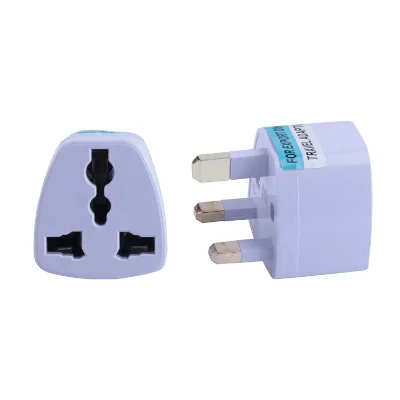
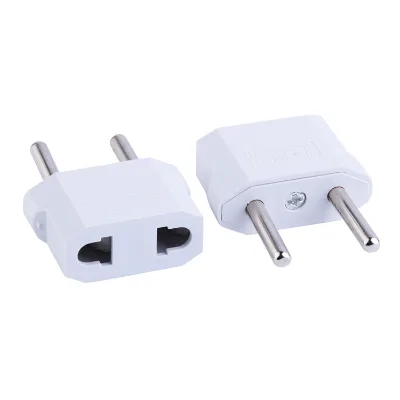
Compare 28 verified suppliers of Universal Travel Adaptor DIN Plug based on location, lead times, certifications, and response times. Review product specifications like CE and CCC standards before contacting factories in China Guangdong for quotes; review the available evidence before requesting comparable quotations from suitable candidates.
Updated
Suppliers List

Jinggoal International Limited
- Verified by BV
- Manufacturer/Factory
- China Guangdong
- Lead time23 days
- Avg. response≤ 11h
Main productsGift, Pen, Wall Clock, Travel Adapters, Book Wire Binding & Machine, Lock, Table Lamp, LED, Keychain, Alarm
Main marketsSouth America,Eastern Europe,North America,Southeast Asia,Eastern Asia,Oceania,Western Europe,Africa

Shenzhen Niteray Industry Limited
- Verified by SGS
- Trading Company,Manufacturer/Factory
- China Guangdong
- Lead time30 days
- Avg. response≤ 13h
Main productsAC/DC Power Supply Adapter, Travel Charger, Automobile Accessories, SIP Phone, USB Cables
Main marketsSouth America,Eastern Europe,North America,Southeast Asia,Oceania,Western Europe,Africa
Fuzhou Wells Import And Export Co., Ltd.
- Trading Company
- Fujian, China
- Lead time20 days
- Avg. response≤ 9h
Main productsExtension cord,Extension socket,Cable reel,Socket,Switch
Main marketsSouthern Europe(20.00%), Western Europe(20.00%), Northern Europe(15.00%), Eastern Europe(15.00%), Eastern Asia(5.00%), Mid East(5.00%), Domestic Market(5.00%), North America(5.00%), South America(3.00%), Africa(3.00%), Oceania(1.00%), South Asia(1.00%), Southeast Asia(1.00%), Central America(1.00%)

Xiamen Miss Home Gifts Limited
- Trading Company,Manufacturer/Factory
- China Fujian
- Lead time15 days
- Avg. response≤ 24h
Main productsLanyards, ID Badge Accessories, Pocket Ashtrays, Bespoke Metal Gifts, Promotional Products
Main marketsEastern Europe,North America,Oceania,Western Europe
WenZhou HENGCHUN electric Co.,Ltd
- Verified by TüVRheinland
- Manufacturer, Trading Company
- Lead time7 days
- Avg. response≤ 3h
Main productsWall Switch, Wall Socket, Extend Socket, Plug
Main marketsEastern Europe(30%), Africa(30%), South Asia(20%)
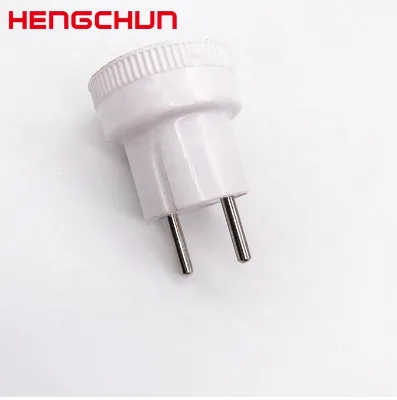
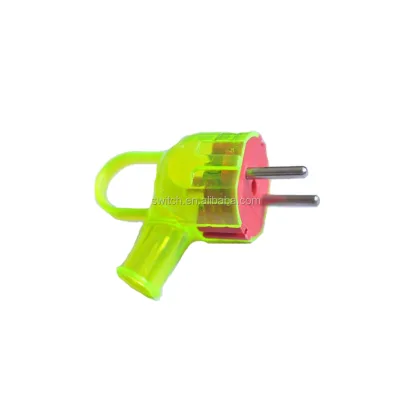
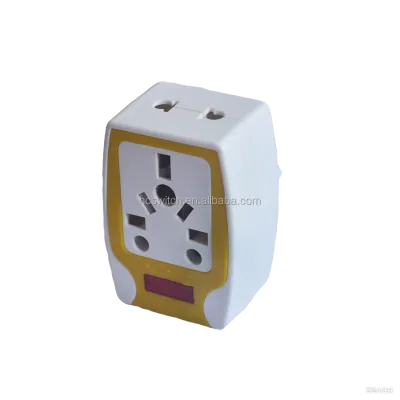
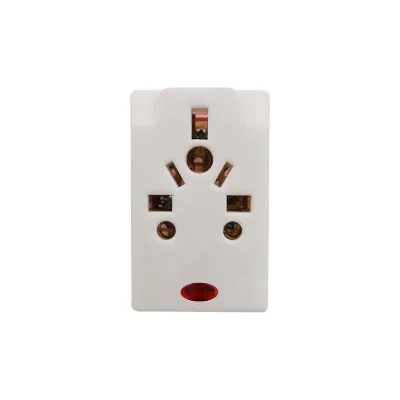
3 Pin Eelctrical Brass Multi Plug Adapter Universal Travel Adapter with Switch Socket
$0.2979 - $0.3698
MOQ: 200 pieces

YUEQING GUANGTAI IMPORT & EXPORT CO., LTD.
- Verified by CTI
- Trading Company,Manufacturer/Factory
- China Zhejiang
- Lead time23 days
- Avg. response≤ 6h
Main productsDistribution Board, Meter Socket, Load Center, Electrical Accessories, Tools, Hardware
Main marketsSouth America,Eastern Europe,Mid East,North America,Southeast Asia,Eastern Asia,Oceania,Western Europe,Africa


Universal Adapter 3 Prong Us Plug Adapter Universal Travel Easy Adapter with Switch
$0.40 - $0.80
MOQ: 1000 Pieces
Jinyu (Dongguan) Electric Appliance Co., Ltd.
- Manufacturer, Trading Company
- Guangdong, China
- Lead time15 days
- Avg. response≤ 5h
Main productsFuse holder,circuit breaker,Battery switch,Switch Panel,USB Charger
Main marketsSoutheast Asia(21.00%), North America(20.00%), South America(10.00%), Africa(10.00%), Southern Europe(5.00%), Western Europe(5.00%), Northern Europe(5.00%), Mid East(5.00%), Oceania(5.00%), Eastern Europe(5.00%), South Asia(3.00%), Central America(3.00%), Eastern Asia(3.00%)
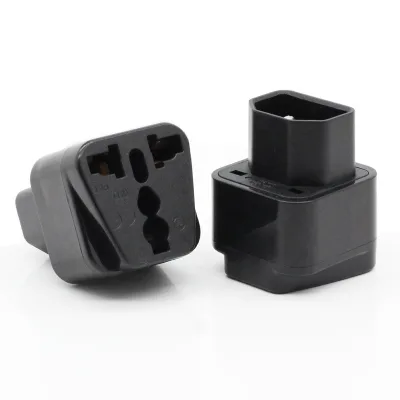
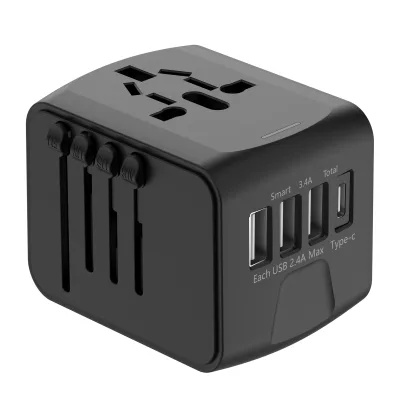
Universal Travel Adapter AU EU US UK Power Plug Socket Converter USB 3 Ports 2.4A Type-C
$7.2425 - $7.6572
MOQ: 10 pieces

Shenzhen Haizhi Trading Company Ltd.
- Verified by SGS
- Trading Company
- China Guangdong
- Lead time15 days
- Avg. response≤ 8h
Main productsUSB Drive, USB Memory, USB Disk, USB Flash Stick, USB Stick
Main marketsNorth America


Multifunction Socket to 3 Pins UK Plug Travel Power Adapter Mini Universal to UK Travel Adapter
$0.10 - $0.32
MOQ: 20 Pieces
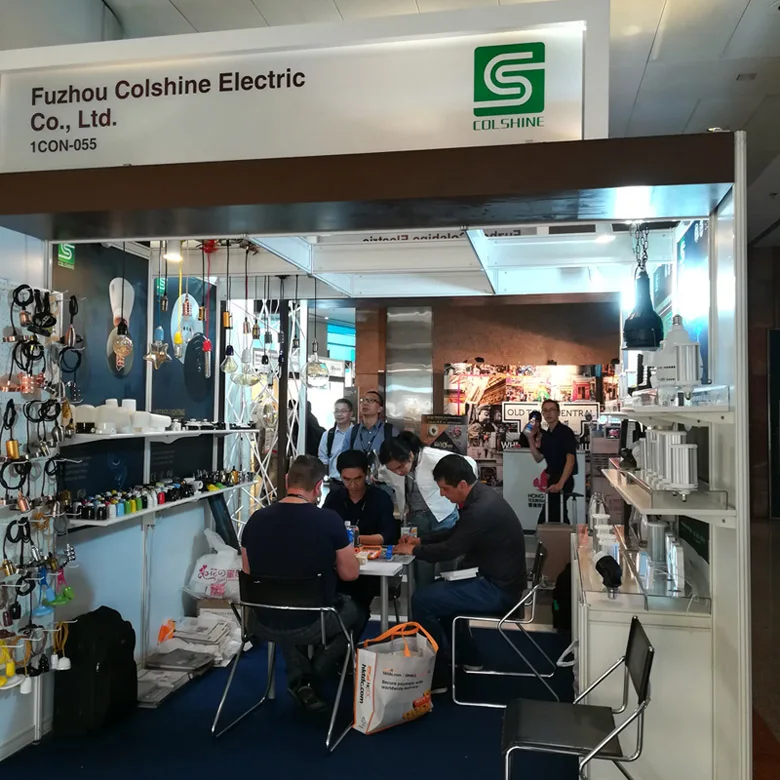
Fuzhou Colshine Electric Co., Ltd.
- Manufacturer, Trading Company
- Fujian, China
- Lead time30 days
- Avg. response≤ 6h
Main productsLed Corn Bulbs,Led High Bays,Sauna Lamp,Retro Switch and Socket,Pendant Light
Main marketsEastern Europe(20.00%), Western Europe(20.00%), Southern Europe(20.00%), Northern Europe(15.00%), South America(10.00%), North America(10.00%), Central America(5.00%)

Ninghai Yingjiao Electrical Co., Ltd.
- Verified by BV
- Combined
- China Zhejiang
- Lead time30 days
- Avg. response≤ 20h
Main productsAdapter, Power Adapter, AC/DC Adapter, Power Supply, Battery Charger, AC Adapter, CCTV Power Supply, Linear Power Adapter, LED Driver, Switching Power Adaptor
Main marketsEurope,North America
Shenzhen Futian Huapengxing Electronics Firm
- Verified by Intertek
- Trading Company
- Lead time0 days
- Avg. response≤ 10h
Main productsTravel Plug, Power Socket, Switch, Power Cord, Extension Socket
Main marketsWestern Europe(12%), North America(9%), South America(9%)

Dongguan Hugotravel Electric Co., Ltd.
- Manufacturer, Trading Company
- Guangdong, China
- Lead time15 days
- Avg. response≤ 12h
Main productstravel adapter,adaptor,usb charger,promotional gifts,universal adaptor
Main marketsEastern Europe(16.00%), North America(16.00%), Southern Europe(15.00%), Western Europe(12.00%), Mid East(10.00%), South America(5.00%), Northern Europe(5.00%), South Asia(5.00%), Domestic Market(5.00%), Eastern Asia(5.00%), Central America(4.00%), Africa(2.00%)

WANSHUN ELECTRICAL & INTELLIGENT MANUFACTURE (GUANGDONG) CO., LTD.
- Trading Company
- China Guangdong
- Lead time0 days
- Avg. response≤ 11h
Main productsSocket, Switch, Travel Adapter, Extension Socket, Plug Top, Terminal Block, Conversion Box
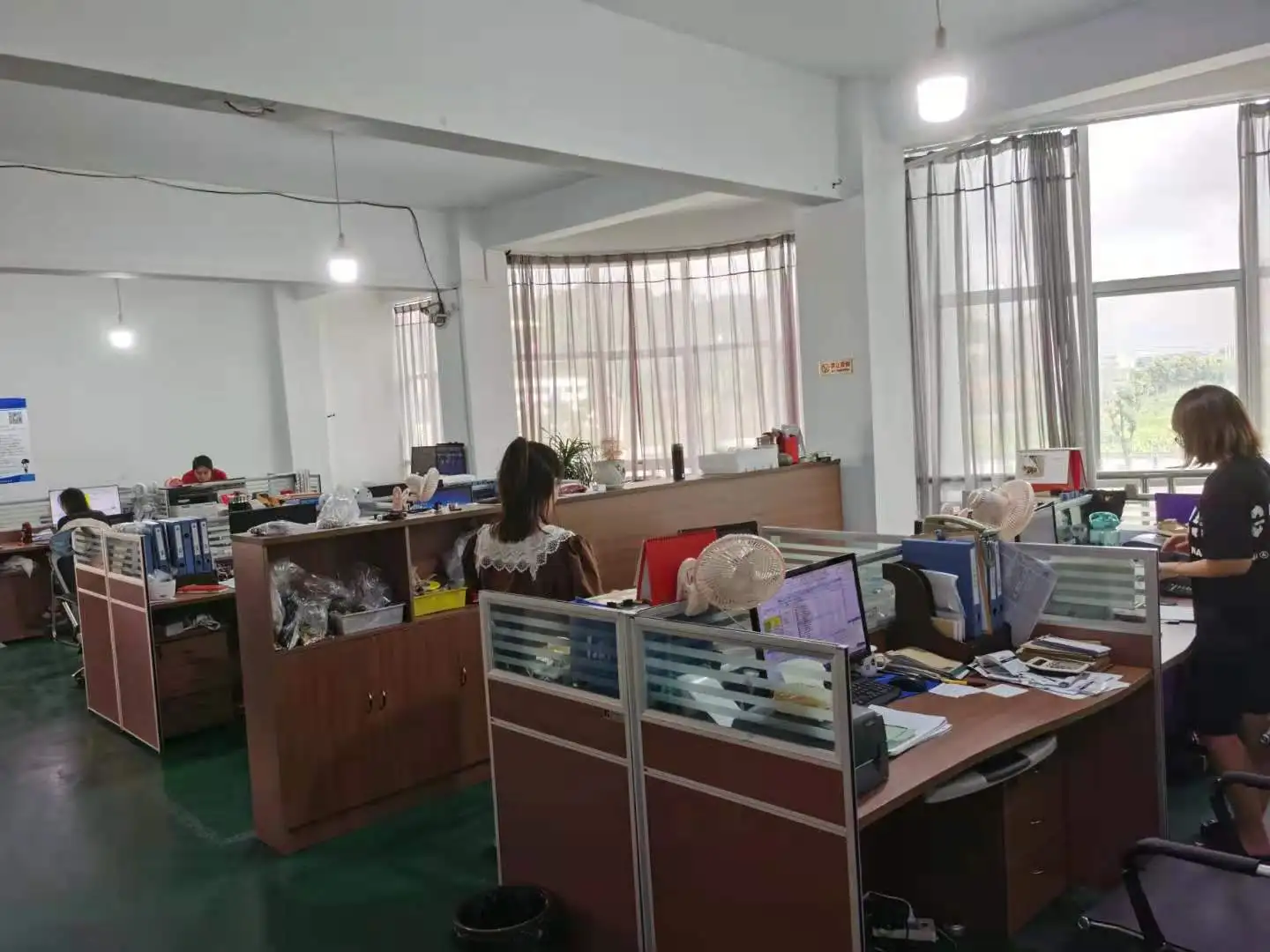
Yueqing Xinwei Electronics Co., Ltd.
- Manufacturer
- Zhejiang, China
- Lead time7 days
- Avg. response≤ 12h
Main productsRocker Switch/ Push Button Switch/ Micro Switch, AC Socket/ DC Socket
Main marketsEastern Asia(30.00%), North America(20.00%), Western Europe(10.00%), Southern Europe(10.00%), Northern Europe(10.00%), Africa(10.00%), Eastern Europe(10.00%)
Shenzhen Gogomm Technology Co., Ltd.
- Manufacturer, Trading Company, Distributor/Wholesaler
- Guangdong, China
- Lead time7 days
- Avg. response≤ 2h
Main productsOTG,Adapter,card reader,touchpen,data cable
Main marketsSoutheast Asia(20.00%), Eastern Europe(15.00%), North America(15.00%), Mid East(10.00%), Western Europe(10.00%), Eastern Asia(10.00%), South America(10.00%), Oceania(5.00%), Africa(5.00%)

Foshan Nanhai Guanglong Electrical Appliance Factory
- Verified by SGS
- Combined
- China Guangdong
- Lead time60 days
- Avg. response≤ 3h
Main productsElectrical Socket, Extension Socket, Extension Cord, Switches and Socket, Extension Cable, Extension Board, Multi Plug, Plug Adapter, Extension Reel, UK Plug
Main marketsAfrica,Southeast Asia/ Mideast


746m Hot Sale 3 Way 3 Pin Universal Travel Adaptor Multi Plug Adapter Electrical
$0.99
MOQ: 3000 pieces


Dongguan Bibuke Electronic Technology CO.,LTD
- Verified by SGS
- Trading Company,Manufacturer/Factory,Group Corporation
- China Guangdong
- Lead time23 days
- Avg. response≤ 2h
Main productsLCD Display, TFT LCD Display, LCD Module Display, OLED Display, COB LCD Display, Cog LCD Display, Buzzer, Other Electronic Materials
Main marketsSouth America,Eastern Europe,Mid East,North America,Southeast Asia,Eastern Asia,Oceania,Western Europe,Africa

Shenzhen BringYourHope Electronics Co., Ltd.
- Verified by TUVRHEINLAND
- Trading Company
- China Guangdong
- Lead time15 days
- Avg. response≤ 3h
Main productsPower Bank, Bluetooth Speaker, Digital Photo Frame, USB Flash Drive, Memory Card, Travel Adapter, USB Charger, Computer Speaker, Android TV Box, Mini PC
Main marketsOthers(foreignTradeCapacity.exportBusinessCapacityMarketOther),North America


Global Universal Travel Plug Converter Dual USB White Power Travel Adapter
$3.88 - $4.18
MOQ: 100 Pieces


Shenzhen Boxin Technology Co., Ltd.
- Manufacturer
- Guangdong, China
- Lead time6 days
- Avg. response≤ 3h
Main productsuniversal travel adapter,ac power connector,plug adapter,power socket,power plug
Main marketsNorthern Europe(20.00%), Eastern Europe(15.00%), Central America(15.00%), Southern Europe(10.00%), South America(10.00%), Western Europe(10.00%), Eastern Asia(5.00%), North America(5.00%), Mid East(5.00%), Africa(5.00%)
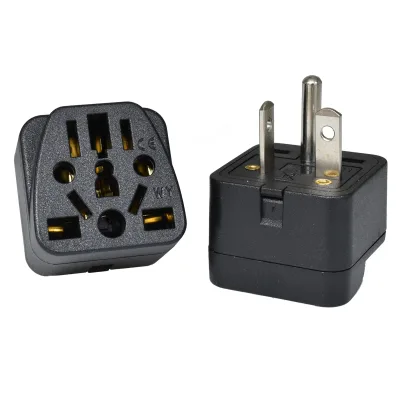
$0.6063 - $0.8204
MOQ: 10 pieces
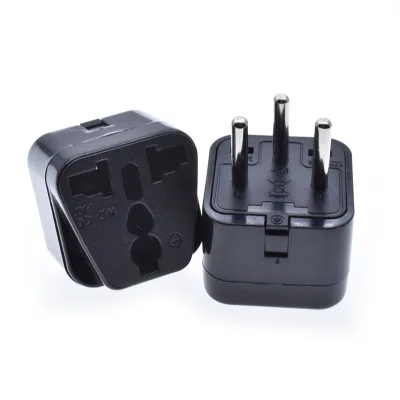
$0.7156 - $0.7769
MOQ: 20 pieces

Fuzhou Colshine Electric Co., Ltd.
- Verified by SGS
- Trading Company,Manufacturer/Factory
- China Fujian
- Lead time23 days
- Avg. response≤ 17h
Main productsLED Corn Light, LED Street Light, LED Yard Light, LED Dusk to Dawn Light, Sauna Lamp, Pendant Light, Porcelain Lampholder, Metal Lampholder, Halogen Lampholder, Retro Switch & Socket
Main marketsSouth America,Eastern Europe,Mid East,North America,Southeast Asia,Eastern Asia,Oceania,Western Europe,Africa


$3.50 - $5.00
MOQ: 10000 Pieces

Guangzhou Bosslyn Electric Co., Ltd.
- Verified by TüVRheinland
- Manufacturer, Trading Company
- Lead time7 days
- Avg. response≤ 2h
Main productsTravel Adapter, GFCI, NEMA Plug, Wall Switch, Receptacle
Main marketsDomestic Market(31%), North America(20%), Western Europe(18%)
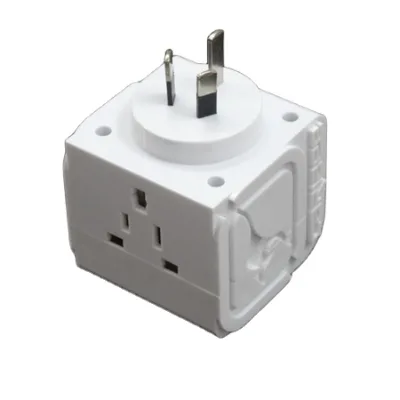
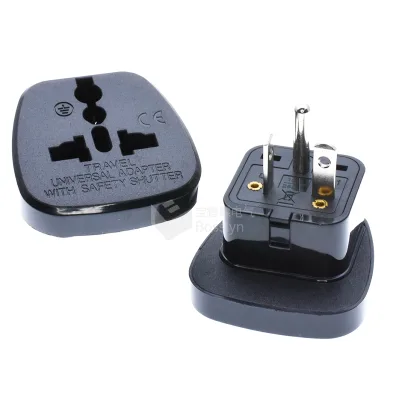
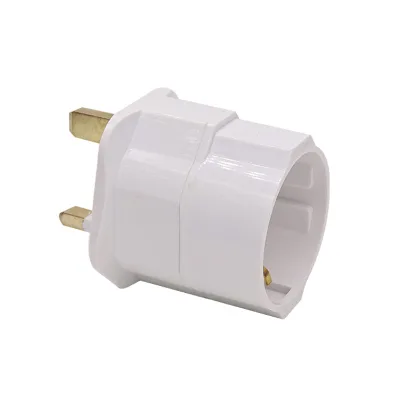
$0.7799 - $0.9446
MOQ: 100 pieces
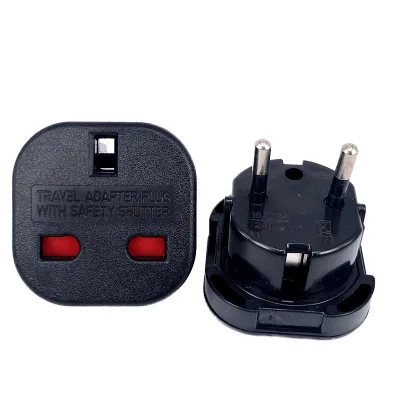
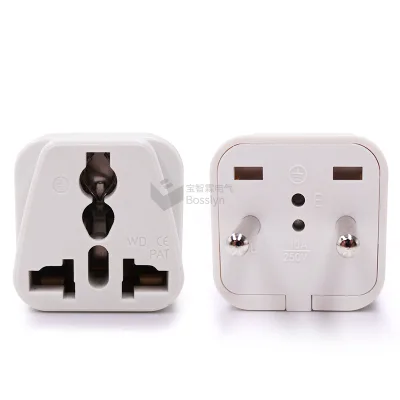
Shanghai Ouben Intelligent Technology Co., Ltd.
- Verified by SGS Group
- Manufacturer, Trading Company
- Lead time15 days
- Avg. response≤ 3h
Main productsTrack Socket, Switch Socket, Pop Up Socket, Extension Socket, Circuit Breaker
Main marketsDomestic Market(65%), Eastern Europe(10%), North America(10%)
Yiwu Jinmin Electric Appliance Co., Ltd.
- Verified by SGS Group
- Manufacturer, Trading Company
- Zhejiang, China
- Lead time15 days
- Avg. response≤ 3h
Main productsSwitch, Socket, Extension, Cable Wire Clips
Main marketsAfrica(80%), Mid East(10%), Southeast Asia(5%)
Fuzhou Aulipur Technology Co., LTD.
- Manufacturer, Trading Company
- Fujian, China
- Lead time30 days
- Avg. response≤ 3h
Main productsLamp Holder,Insulator,Plug,Socket,Switch
Main marketsSouth America(50.00%), Mid East(20.00%), Southeast Asia(10.00%), Western Europe(5.00%), Eastern Asia(5.00%), Eastern Europe(5.00%), Africa(5.00%)
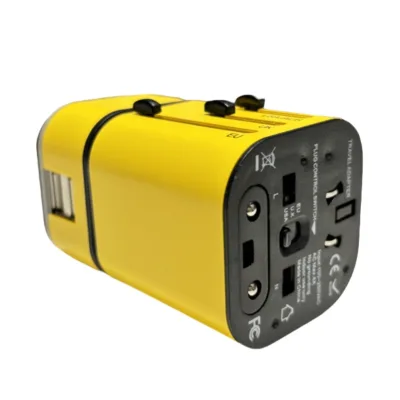
Universal Travel Adapter With Multiple Plug Adapters for Global Travel and Dual USB
$6.30 - $7.10
MOQ: 500 pieces
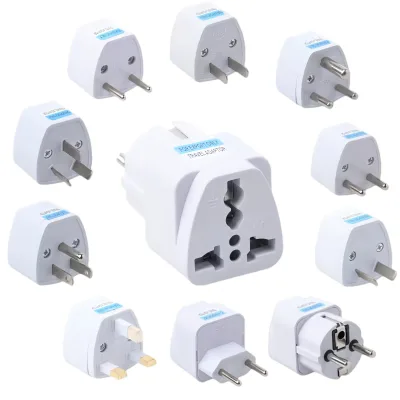
UK, European Standard Travel Plugs US, Australian Socket Adapters German Standard Conversion Plugs
$0.09 - $0.95
MOQ: 1000 Minimum

Shenzhen Merryking Electronics Co., Ltd.
- Verified by TUVRHEINLAND
- Manufacturer/Factory
- China Guangdong
- Lead time15 days
- Avg. response≤ 5h
Main productsPower Adapter, AC Adapter, AC DC Adapter, DC Adapter, Switch Power Supply, USB Charger, AC/DC Adapter, DC Adapter Manufacturer / Supplier in China, Pd Charger, Power Adapter Manufacturer
Main marketsSouth America,Eastern Europe,North America,Southeast Asia,Eastern Asia,Oceania,Western Europe

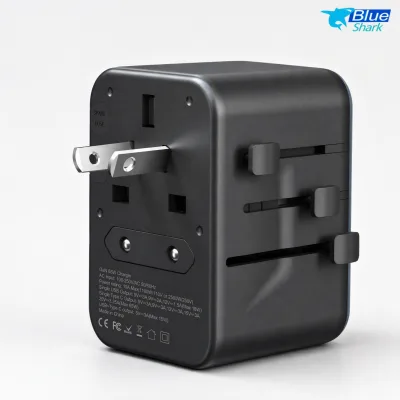
Universal Travel Power Adapter with Interchangeable Plugs for Global Use
$4.99 - $5.89
MOQ: 500 Pieces


Dongguan Blue Shark Technology Co., Limited
- Trading Company
- Lead time旺季: "1 - 100":15,"> 100":"To be negotiated", 淡季: "1 - 100":15,"> 100":"To be negotiated"
- Avg. response≤ 2h
Main productsDesktop Socket / Wall Socket / Power Strip / Power Grommet Box, LCD Monitor Lift

LION PROMOTIONAL GIFT CO., LIMITED
- Verified by TUVRHEINLAND
- Trading Company
- China Zhejiang
- Lead time30 days
- Avg. response≤ 25h
Main productsPromotional Gifts, Giveaways, Advertising Gift, Premium Items, Publicity Material, Freebie Items, Marketing Gifts, Campaign Gifts, Promotional Products, China Gifts Supplier
Main marketsAfrica,Europe,North America
Feilon Electronics Co., Limited
- Trading Company
- Anhui, China
- Lead time10 days
- Avg. response≤ 8h
Main productsTerminal Block,Cord Switch,UV Products,Electronic ballast,Electronic products
Main marketsWestern Europe(8.00%), Southern Europe(7.00%), North America(5.00%), South America(5.00%), Northern Europe(5.00%), Southeast Asia(5.00%), Eastern Europe(5.00%), Mid East(3.00%), Africa(3.00%)




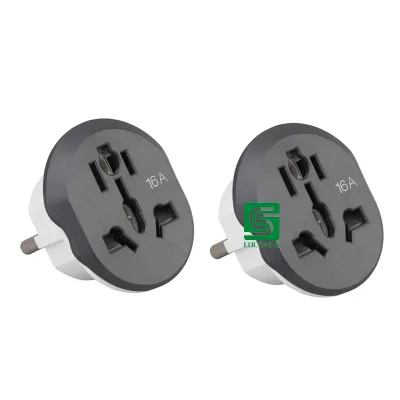
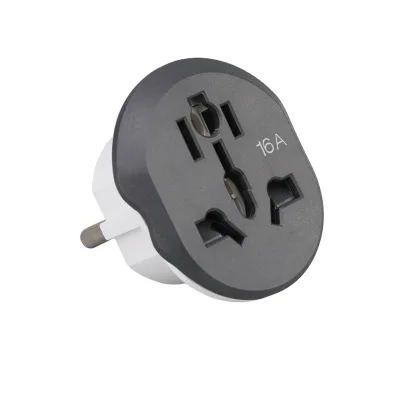


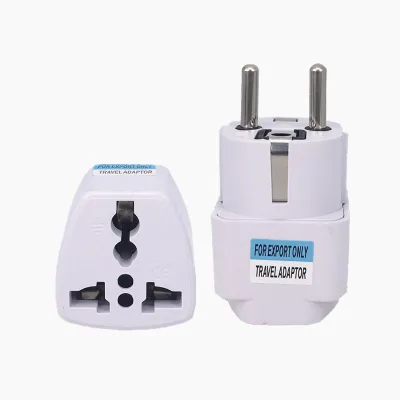
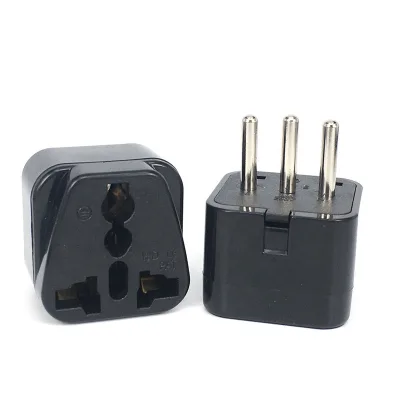


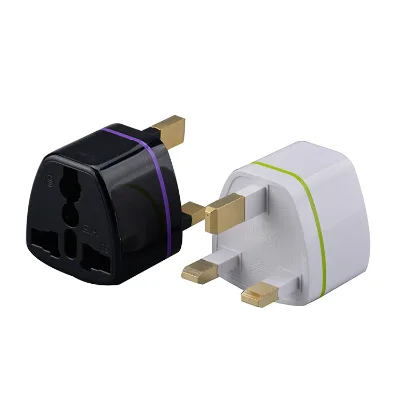
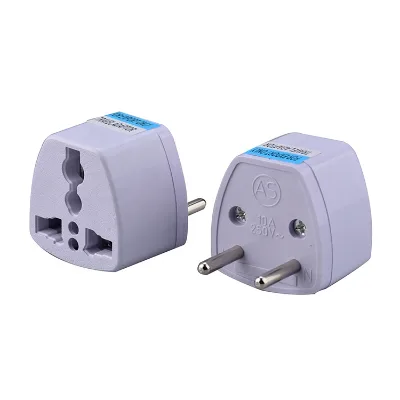
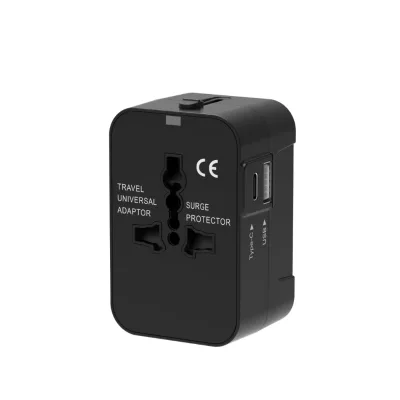
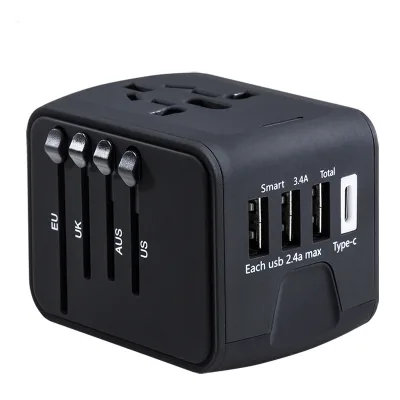




Comprehensive Sourcing Guide
Universal Travel Adaptor DIN Plug Supplier Concentration and Factory Types
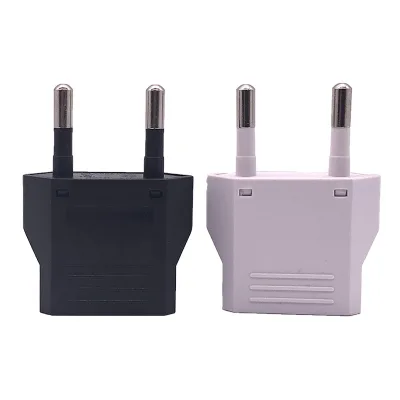
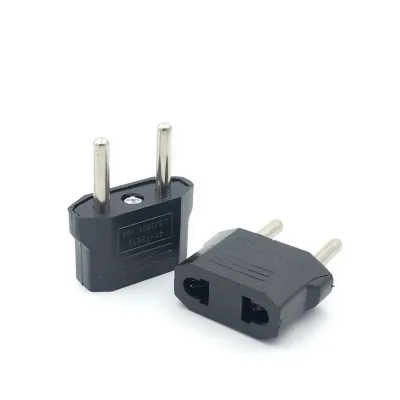
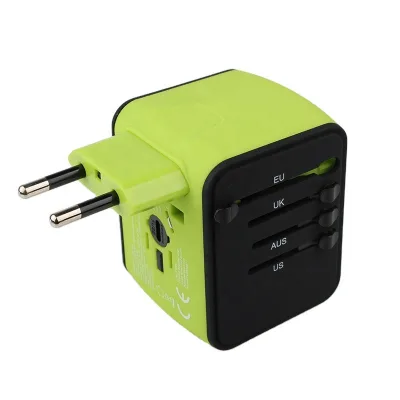
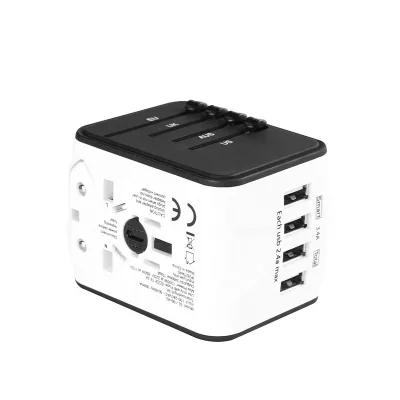
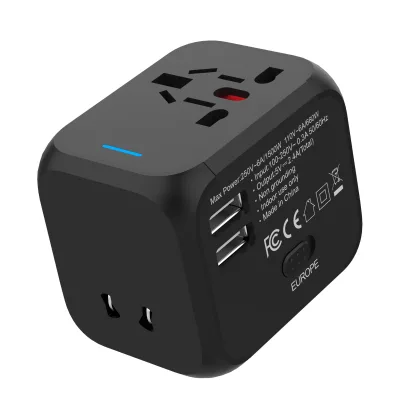
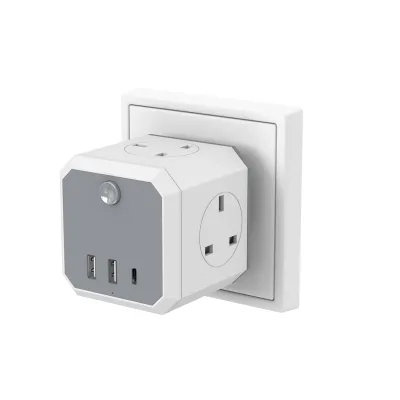
The current supplier landscape for universal travel adaptors reveals a distinct concentration of manufacturing capabilities within China, specifically in the Guangdong region. This geographic clustering is significant for buyers seeking efficient supply chains, as Guangdong has long established itself as a global hub for electronics and electrical component manufacturing. The presence of suppliers in this specific location suggests a mature ecosystem with access to raw materials, skilled labor, and established logistics networks that facilitate the production of complex electrical accessories. When evaluating potential partners, buyers should prioritize suppliers located in this region if they require rapid prototyping or high-volume production runs, as the local infrastructure is optimized for such demands. However, it is crucial to verify that the supplier’s stated location matches their actual operational base, as some trading companies may list headquarters in major cities while their factories are located elsewhere. The concentration in Guangdong also implies a high level of competition among manufacturers, which can drive innovation in product design and cost efficiency. Buyers should look for evidence of this regional expertise in the supplier’s profile, such as detailed factory photos or specific mentions of their manufacturing facilities in Guangdong. This regional focus is particularly relevant for universal travel adaptors, which require precise engineering to accommodate multiple plug standards while maintaining safety and durability. The density of suppliers in this area also means that buyers have access to a wide variety of product options, from basic adapters to those with advanced features like USB charging ports. Understanding this geographic concentration helps buyers narrow down their search and focus on suppliers who are likely to have the most experience and capacity in this specific product category. It also allows for more accurate estimation of shipping times and costs, as logistics providers in Guangdong are well-versed in handling electrical goods for international export.
In terms of company types, the market includes both pure manufacturers and hybrid entities that operate as both trading companies and factories. This distinction is critical for buyers who need to understand the source of their products and the level of control they have over the manufacturing process. Manufacturers typically offer greater flexibility in customization and potentially lower prices due to the elimination of middlemen, but they may have higher minimum order quantities. On the other hand, trading companies often provide a broader range of products and more flexible order terms, but they may add a markup to the final price. Some suppliers in the current results are identified as having both manufacturing and trading capabilities, which can offer the best of both worlds by providing direct factory access with the service orientation of a trading company. Buyers should carefully review the supplier’s company type to ensure it aligns with their specific needs. For instance, if a buyer requires extensive customization, such as private labeling or unique design modifications, a manufacturer or a hybrid supplier with strong OEM/ODM capabilities would be more suitable. The presence of ODM (Original Design Manufacturing) capabilities among some suppliers indicates that they can develop new products based on buyer specifications, which is valuable for brands looking to differentiate their offerings. Additionally, some suppliers offer OEM (Original Equipment Manufacturing) services, allowing buyers to produce products under their own brand name. Understanding these company types helps buyers make informed decisions about which suppliers to engage with, ensuring that they select partners who can meet their specific business requirements. It is also important to note that some suppliers may have their own brands, which could indicate a focus on domestic markets or a desire to build brand recognition. Buyers should inquire about the supplier’s brand strategy to ensure it does not conflict with their own branding efforts.
How to Verify Universal Travel Adaptor DIN Plug Suppliers
Verification is a critical step in the sourcing process, ensuring that suppliers are legitimate and capable of delivering quality products. One of the primary methods of verification is through third-party inspection and certification bodies. In the current supplier results, several suppliers have been verified by recognized entities such as BV (Bureau Veritas) and SGS. These verifications provide an additional layer of confidence, as they involve independent assessments of the supplier’s business operations, manufacturing capabilities, and quality control systems. Buyers should prioritize suppliers who have undergone such verifications, as it indicates a commitment to transparency and quality. Additionally, suppliers may hold various system certifications, such as ISO 9001, ISO 14001, and ISO 20000, which demonstrate their adherence to international standards for quality management, environmental management, and information security. These certifications are particularly important for electrical products like travel adaptors, as they ensure that the manufacturing processes are consistent and reliable. Buyers should request copies of these certifications and verify their validity through the issuing bodies. It is also important to check the scope of the certifications to ensure they cover the specific products being sourced. For example, an ISO 9001 certification should explicitly include the manufacturing of travel adaptors. Furthermore, some suppliers may have product-specific certifications, such as CE, FCC, or RoHS, which are required for sale in certain markets. Buyers should ensure that the suppliers they engage with hold the necessary product certifications for their target markets. This not only ensures compliance with local regulations but also reduces the risk of product recalls or legal issues. Verification also extends to the supplier’s response time and communication efficiency. A supplier’s ability to respond quickly and accurately to inquiries is a good indicator of their professionalism and reliability. Buyers should note the response times of potential suppliers and consider how this impacts their overall sourcing strategy. Slow response times may indicate poor communication practices, which could lead to delays and misunderstandings during the production process.
In addition to certifications and verifications, buyers should also assess the supplier’s production capacity and technical capabilities. This can be done by reviewing the supplier’s product portfolio and asking detailed questions about their manufacturing processes. Suppliers with strong R&D capabilities, such as those offering ODM services, are likely to have the technical expertise to develop innovative products. Buyers should inquire about the supplier’s design team, their experience with similar products, and their ability to handle complex engineering challenges. It is also important to verify the supplier’s quality control measures, including their testing procedures and defect rates. Buyers should ask for samples of the products they intend to purchase and conduct their own quality checks to ensure they meet the required standards. Additionally, buyers should review the supplier’s customer reviews and feedback, if available, to gauge their reputation and reliability. While online reviews can be biased, they can provide valuable insights into the supplier’s performance and customer service. Buyers should also consider the supplier’s financial stability and business longevity, as these factors can impact their ability to fulfill orders consistently. Suppliers with a long track record of operation are generally more reliable than newer entrants. Finally, buyers should verify the supplier’s legal status and business registration to ensure they are a legitimate entity. This can be done by checking their business license and other legal documents. By conducting thorough verification, buyers can mitigate risks and build a strong foundation for a successful sourcing relationship.
What to Compare Across Universal Travel Adaptor DIN Plug Suppliers
When evaluating multiple suppliers, buyers must compare key operational metrics to identify the most suitable partner for their needs. One of the most critical factors is the lead time, which indicates how long it takes for the supplier to produce and deliver the order. In the current results, lead times vary, with some suppliers offering a lead time of 23 days and others taking up to 30 days. Buyers should consider their project timelines and choose suppliers whose lead times align with their delivery requirements. It is also important to clarify whether the lead time includes production, quality control, and shipping, as this can impact the overall delivery schedule. Another key metric is the minimum order quantity (MOQ), which determines the smallest order a supplier is willing to accept. MOQs can range significantly, from as low as 5 units to as high as 200 units. Buyers with smaller budgets or those testing the market may prefer suppliers with lower MOQs, while those planning large-scale production may benefit from suppliers with higher capacities and potentially lower per-unit costs. Comparing MOQs helps buyers assess the supplier’s flexibility and suitability for their order volume. Additionally, buyers should compare the response times of potential suppliers, as this reflects their communication efficiency and customer service quality. In the current results, response times are recorded in hours, with some suppliers responding within 10.40 hours and others taking up to 12.05 hours. Faster response times are generally preferable, as they indicate a supplier’s readiness to engage and address buyer inquiries promptly. Buyers should also compare the main products offered by each supplier to ensure they have the expertise and inventory to meet their specific needs. Suppliers specializing in travel adaptors and related electrical accessories are likely to have more experience and better quality control in this category.
Price is another crucial factor in supplier comparison, but it should not be viewed in isolation. Buyers should consider the total cost of ownership, which includes the product price, shipping costs, tariffs, and any additional fees for customization or quality control. In the current results, prices for universal travel adaptors range from approximately $0.96 to $4.85 per unit, depending on the product specifications and order volume. Buyers should request detailed quotations that break down these costs to make accurate comparisons. It is also important to compare the certifications and standards held by each supplier, as these can impact the product’s marketability and compliance. Suppliers with multiple certifications, such as CE, FCC, and RoHS, may offer better value for buyers targeting regulated markets. Additionally, buyers should compare the customization options available, such as private labeling, custom packaging, and design modifications. Suppliers offering flexible customization services can help buyers differentiate their products in the market. The supplier’s location is also a significant factor, as it affects shipping costs and lead times. Suppliers located in Guangdong, China, may offer competitive shipping rates due to the region’s established logistics infrastructure. Buyers should also compare the supplier’s warranty and after-sales support policies, as these can impact the long-term cost and risk of the sourcing relationship. Finally, buyers should consider the supplier’s reputation and track record, as indicated by their verification status and customer feedback. By comparing these diverse factors, buyers can make a holistic assessment of each supplier and select the one that best aligns with their business objectives.
Common Universal Travel Adaptor DIN Plug Sourcing Risks
Sourcing universal travel adaptors from international suppliers involves several inherent risks that buyers must proactively manage to ensure a successful procurement process. One of the primary risks is quality inconsistency, which can arise from variations in manufacturing processes or raw materials. Travel adaptors are electrical products that must meet strict safety standards to prevent hazards such as electric shock or fire. Buyers must ensure that suppliers adhere to rigorous quality control measures and provide products that comply with the relevant standards in their target markets. Failure to do so can result in product recalls, legal liabilities, and damage to the buyer’s brand reputation. To mitigate this risk, buyers should request detailed quality assurance documentation and conduct regular inspections during production. Another significant risk is intellectual property infringement, particularly when working with suppliers who offer customization services. Buyers must ensure that their designs and branding are protected and that suppliers do not share their intellectual property with competitors. This can be achieved through clear contractual agreements and non-disclosure agreements (NDAs). Buyers should also verify that the suppliers they engage with have a strong reputation for respecting intellectual property rights. Communication barriers are another common risk, especially when sourcing from suppliers in different countries. Language differences and cultural nuances can lead to misunderstandings regarding product specifications, order details, and delivery schedules. Buyers should establish clear communication channels and use simple, precise language in all correspondence. It is also helpful to use visual aids, such as diagrams and photos, to clarify product requirements. Additionally, buyers should consider hiring a local agent or using translation services to facilitate communication.
Logistical risks are also prevalent in international sourcing, including delays in shipping, customs
FAQs
What certifications do universal travel adaptors have?
Manufacturers in Guangdong offer adaptors with CE, CCC, RoHS, FCC, and CB certifications. These standards ensure electrical safety and compliance for international markets. Buyers should verify specific certificates for their target region to guarantee regulatory acceptance and product reliability.
What is the typical lead time for orders?
Production lead times typically range from 23 to 30 days depending on the supplier and order volume. Manufacturers with ODM capabilities may require additional time for customization. Buyers should confirm exact schedules with suppliers before finalizing purchase agreements to avoid delays.
What is the minimum order quantity for adaptors?
MOQs vary significantly, ranging from 5 units for specific models to 200 units for standard universal plugs. Some suppliers require 100 units for certain configurations. Buyers should check specific product listings to determine the exact MOQ applicable to their desired adaptor model.
What is the price range for universal adaptors?
Prices generally range from $0.96 to $4.85 per unit based on features and certification levels. Basic models start near $0.96, while advanced versions with USB or quick charging reach higher prices. Buyers should compare specifications to find the best value for their needs.
Are customization options available for travel adaptors?
Customization is available for many universal travel adaptors, including logo printing and packaging design. Suppliers offer OEM and ODM services to meet specific brand requirements. Buyers should discuss customization details and potential additional costs directly with manufacturers to ensure alignment with their brand strategy.
How quickly do suppliers respond to inquiries?
Response times average around 10 to 12 hours for supplier inquiries. Faster responses indicate active customer service teams ready to assist with technical questions. Buyers should expect timely communication when contacting verified manufacturers for quotes or product specifications regarding universal travel adaptors.