Laptop Notebook Adapter Suppliers and Manufacturers
Source 27 verified suppliers for Laptop Notebook Adapter products. Compare key dimensions including lead times, MOQs, certifications, and response rates. Review product specifications and pricing to identify suitable partners for your procurement needs; review the available evidence before requesting comparable quotations from suitable candidates.
Updated
Suppliers List

Ninghai Yingjiao Electrical Co., Ltd.
- Verified by BV
- Combined
- China Zhejiang
- Lead time30 days
- Avg. response≤ 20h
Main productsAdapter, Power Adapter, AC/DC Adapter, Power Supply, Battery Charger, AC Adapter, CCTV Power Supply, Linear Power Adapter, LED Driver, Switching Power Adaptor
Main marketsEurope,North America

Dongguan Lewe Electronics Co., Ltd.
- Verified by BV
- Combined
- China Guangdong
- Lead time15 days
- Avg. response≤ 11h
Main productsLaptop Battery Packs, Power Tool Battery Packs, Power Bank, Mobile Battery Packs, AC Adapters, Storage Battery, Travel Battery, Backup Battery, Portable Power Bank, External Battery Pack
Main marketsAustralia,North America


Laptop Notebook Computer Adapter Charger Power Supply Connectors 19V/4.74A
$10.00 - $20.00
MOQ: 10 Pieces

Guangzhou zhanming Electronics Co.,Ltd.
- Verified by CTI
- Combined
- China Guangdong
- Lead time15 days
- Avg. response≤ 10h
Main productsLaptop Adapter, Laptop Charger, Power Supply, LED/LCD Adapter
Main marketsEurope

High Quality Notebook AC Adapter Power Adapter 65W 19.5V 3.3A Laptop Adapter for Sony Charger
$2.00 - $2.60
MOQ: 5 Pieces


All in One Notebook Power Adapter Charger 24V Power Adapter 96W Adapter European Standard
$3.00 - $3.60
MOQ: 5 Pieces

Universal Laptop AC Adapter 65W Power Adapter for Sony 19.5V 3.3A 6.5*4.4mm
$2.00 - $2.60
MOQ: 5 Pieces
Shanghai Fukangan Technology Co., Ltd.
- Verified by Intertek
- Trading Company
- Shanghai, China
- Lead time5 days
- Avg. response≤ 2h
Main productsIT Accessories , Monitor, Server related Parts and products
Main marketsNorth America(70%), Eastern Europe(20%), Southeast Asia(10%)

Shenzhen Chengyuan Technology Co., Limited
- Manufacturer, Distributor/Wholesaler
- Guangdong, China
- Lead time7 days
- Avg. response≤ 2h
Main productslaptop battery,AC adapters,laptop keyboards,battery pack
Main marketsNorth America(53.00%), Western Europe(35.00%), Northern Europe(3.00%), South America(2.50%), Southern Europe(2.00%), Eastern Europe(1.50%), Oceania(1.00%), South Asia(1.00%), Southeast Asia(0.50%), Africa(0.50%)

Jiangsu Shuangma Cable Technology Co., Ltd
- Verified by BV
- Combined
- China Jiangsu
- Lead time30 days
- Avg. response≤ 2h
Main productsCable
Main marketsDomestic

Dongguan Win-Hsin Electronic Co., Ltd.
- Verified by CTI
- Combined
- China Guangdong
- Lead time15 days
- Avg. response≤ 2h
Main productsLaptop Battery, Laptop Keyboard, Laptop Adapter, CPU Fan, Laptop Screen, DC Jack, Laptop Casings, Laptop Accessories, Notebook Battery, Notebook Keyboard
Main marketsSouth America,Southeast Asia/ Mideast,Europe

Shenzhen Apollo International Electronics Co., Ltd.
- Manufacturer, Trading Company
- Guangdong, China
- Lead time10 days
- Avg. response≤ 4h
Main productsLaptop Batteries,Laptop Adapters,Camera Batteries & Chargers & Grips,Mobile Phone Batteries,Power Tool Batteries & Chargers
Main marketsEastern Europe(20.00%), Northern Europe(20.00%), Western Europe(20.00%), Southern Europe(15.00%), North America(15.00%), Central America(5.00%), South America(5.00%)
Shenzhen Bejiate Industrial Development Co., Ltd.
- Manufacturer, Trading Company, Distributor/Wholesaler
- Guangdong, China
- Lead time3 days
- Avg. response≤ 6h
Main productslaptop battery,laptop adapter,laptop keyboard,laptop screen
Main marketsWestern Europe(25.00%), South America(25.00%), North America(25.00%), Domestic Market(5.00%), Eastern Asia(3.00%), Oceania(3.00%), Northern Europe(3.00%), South Asia(2.50%), Southeast Asia(2.00%), Mid East(2.00%), Southern Europe(1.50%), Central America(1.00%), Eastern Europe(1.00%), Africa(1.00%)
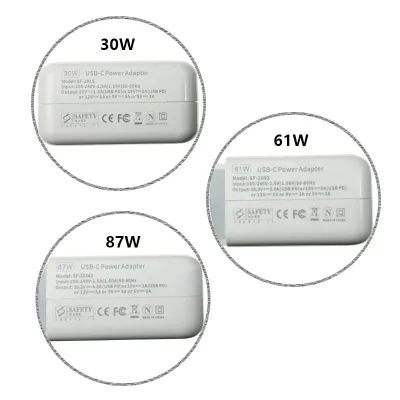
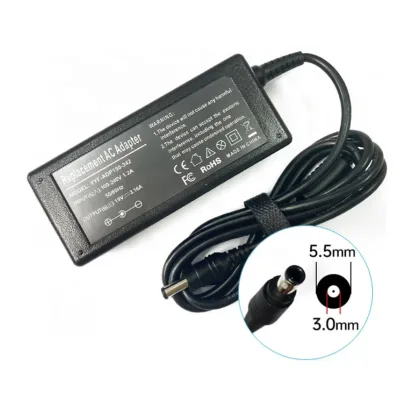
Notebook Laptop 90W for Samsung Adapter 19V 4.74A Charger 5.5x3.0 Plug Universal Ac Charger
$2.9745 - $5.1272
MOQ: 10 pieces

Guangdong MYIXI Technology Co., Ltd.
- Verified by BV
- Combined
- China Guangdong
- Lead time30 days
- Avg. response≤ 1h
Main productsPower Adapter, AC Adapter, DC Adapter, Power Supply, Switching Power Supply, Charger, Power Adaptor, Travel Power Adapter, Server Power Adapter, Power Supply Company
Main marketsSouth America,Africa,Southeast Asia/ Mideast,East Asia(Japan/ South Korea),Domestic,Europe,Australia,North America

Universal Power Adapter for Laptops and Notebooks - Versatile Charging Solution
$6.53 - $13.52
MOQ: 100 Pieces


Multi-Device Power Adapter for Laptops and Desktops with Versatile Connectors
$6.53 - $13.52
MOQ: 100 Pieces


- Verified by TUVRHEINLAND
- Trading Company,Manufacturer/Factory
- China Guangdong
- Lead time15 days
- Avg. response≤ 16h
Main productsLaptop Charger, Laptop Adapter, AC Adapter, Power Adapter, Power Supply, Laptop Accessories, Computer Parts, AC DC Adapter, Adaptor, Charger
Main marketsSouth America,Eastern Europe,Mid East,North America,Southeast Asia,Western Europe,Africa
Shenzhen Eborm Technology Co., Ltd.
- Manufacturer
- Guangdong, China
- Lead time0 days
- Avg. response≤ 3h
Main productsPoE switch,poe extender,POE injector,poe splitter,POE /Eoc coverter
Main marketsNorth America(60.00%), Southern Europe(20.00%), South Asia(5.00%), South America(5.00%), Central America(5.00%), Mid East(5.00%)
Foshan Wanwushang Electronic Technology Co., Ltd.
- Manufacturer, Trading Company, Distributor/Wholesaler
- Guangdong, China
- Lead time旺季: "1 - 1000":15,"> 1000":"To be negotiated", 淡季: "1 - 1000":15,"> 1000":"To be negotiated"
- Avg. response≤ 2h
Main productsphone accessories
Main marketsWestern Europe(15.00%), North America(15.00%), Southeast Asia(12.00%), South Asia(8.00%), Eastern Asia(8.00%), Mid East(8.00%), Southern Europe(5.00%), Northern Europe(5.00%), Central America(5.00%), South America(5.00%), Africa(5.00%), Eastern Europe(5.00%), Oceania(4.00%)

Guangzhou LiSheng Electronics Co., Ltd.
- Verified by BV
- Combined
- China Guangdong
- Lead time30 days
- Avg. response≤ 2h
Main productsLithium Battery Pack, LiFePO4 Battery Cells, LiFePO4 Battery Pack, Battery Pack, Rechargeable Battery, Power Bank, LiFePO4 Storage Battery Packs, Lithium Ion Battery Cells, Alkaline Battery AA AAA 9V, Carbon Zinc Battery AA AAA
Main marketsSouth America,Southeast Asia/ Mideast,North America
Shenzhen GROSUN Technology Co., LTD
- Manufacturer
- Guangdong, China
- Lead time7 days
- Avg. response≤ 4h
Main productsPower Adapter,AC DC Adapter,USB Charger,Switching Power Supply,Power Supply
Main marketsDomestic Market(60.00%), Africa(30.00%), North America(5.00%), Mid East(5.00%)
Hangzhou Yamao Information Technology Co., Ltd.
- Trading Company
- Zhejiang, China
- Lead time15 days
- Avg. response≤ 3h
Main productsLaptop Adapter(Charger),Laptop Battery,Power Bank and Cable,AC/DC Power Adapter,Laptop Parts Accessories
Main marketsEastern Asia(86.00%), South Asia(14.00%)
Shenzhen Kabbol Technology Co., Ltd.
- Verified by TüVRheinland
- Trading Company
- Lead time3 days
- Avg. response≤ 2h
Main productsCharger, Adapter, Cable, Power Bank, Power Supply
Main marketsNorth America(20%), Western Europe(15%), Eastern Europe(12%)
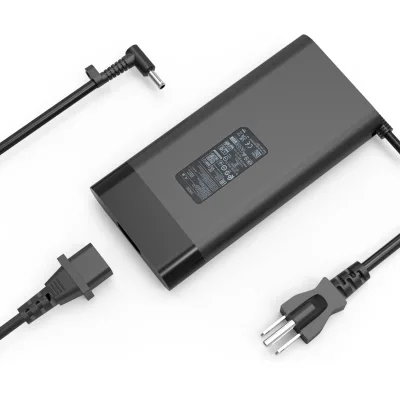
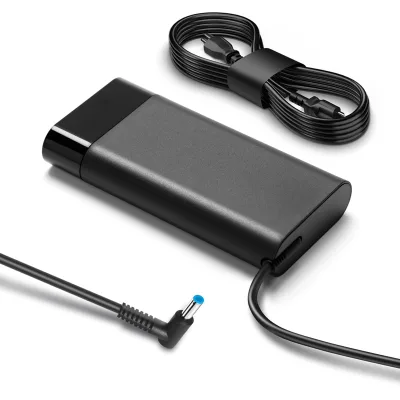
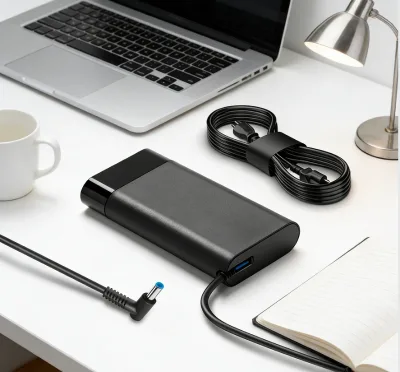
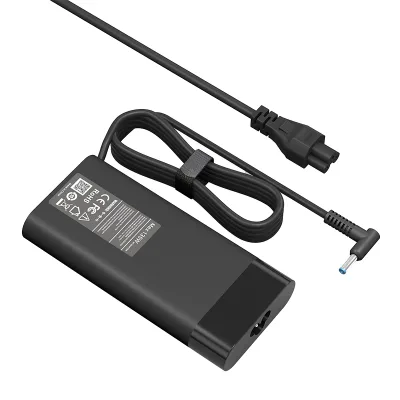
$14.7739 - $16.5778
MOQ: 10 units
Guangzhou Guangzhiyuan Electronic Technology Ltd.
- Trading Company
- Guangdong, China
- Lead time15 days
- Avg. response≤ 2h
Main productsPower Adapter
Main marketsNorth America(48.00%), Southeast Asia(12.00%), South Asia(8.00%), Eastern Europe(8.00%), Africa(6.00%), Central America(5.00%), Eastern Asia(4.00%), Mid East(3.00%), Oceania(2.00%), Southern Europe(1.00%), Western Europe(1.00%)

Guangzhou Qiusong Technology Co., Ltd.
- Manufacturer, Trading Company
- Guangdong, China
- Lead time7 days
- Avg. response≤ 2h
Main productsLaptop Adapter,Phone Charger,Laptop Battery,Power Adapter
Main marketsMid East(30.00%), North America(20.00%), Eastern Asia(10.00%), South America(10.00%), Domestic Market(10.00%), Eastern Europe(5.00%), Southern Europe(5.00%), Northern Europe(5.00%), Western Europe(5.00%)

Shenzhen Niteray Industry Limited
- Verified by SGS
- Trading Company,Manufacturer/Factory
- China Guangdong
- Lead time30 days
- Avg. response≤ 13h
Main productsAC/DC Power Supply Adapter, Travel Charger, Automobile Accessories, SIP Phone, USB Cables
Main marketsSouth America,Eastern Europe,North America,Southeast Asia,Oceania,Western Europe,Africa

Shenzhen Colourstone Technology Co., Ltd.
- Manufacturer, Trading Company
- Guangdong, China
- Lead time3 days
- Avg. response≤ 5h
Main productsLaptop Battery,Notebook Power Adapter,USB Flash Drive,laptop spare parts,laptop keyboard
Main marketsEastern Europe(30.00%), Western Europe(15.00%), Mid East(15.00%), South America(15.00%), North America(10.00%), Southern Europe(5.00%), Southeast Asia(5.00%), Oceania(5.00%)
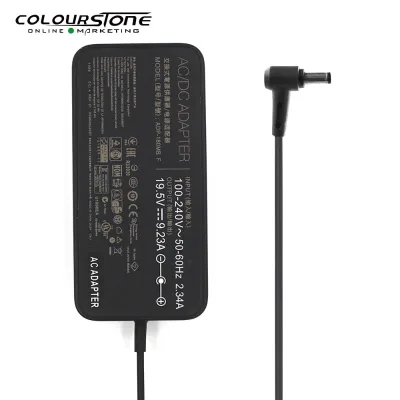
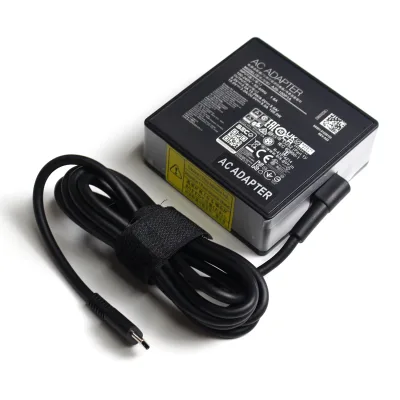
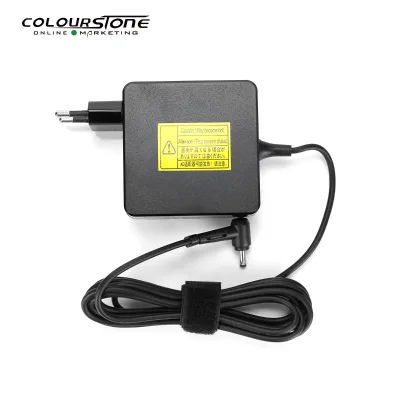
Laptop Power Charger 19V 3.42A 4.5mmx1.35mm EU AC Adapter Supply Charger
$25.11 - $28.66
MOQ: 5 pieces

Dongguan Simer Electronics Co., Ltd.
- Manufacturer, Trading Company
- Guangdong, China
- Lead time7 days
- Avg. response≤ 3h
Main productsPower adapter,Laptop battery,Power bank,GAN Fast Charger,Mobile phone charger
Main marketsNorth America(60.00%), Western Europe(25.00%), Eastern Europe(5.00%), Eastern Asia(5.00%), Oceania(5.00%)
Shenzhen Dangel Technology Limited Company
- Manufacturer, Trading Company, Distributor/Wholesaler
- Guangdong, China
- Lead time7 days
- Avg. response≤ 4h
Main productsLaptop charger,Laptop battery,Server Parts,Hard Disk Drive,Memory&RAM
Main marketsNorth America(36.00%), South America(14.00%), Mid East(12.00%), Southeast Asia(10.00%), Africa(10.00%), Western Europe(8.00%), Eastern Asia(4.00%), South Asia(3.00%), Oceania(3.00%)

Shantou Chuangkesheng Electronic Technology Co., Ltd
- Verified by SGS
- Combined
- China Guangdong
- Lead time23 days
- Avg. response≤ 4h
Main productsPower Adapter, Power Supply, USB Cable/ Data Cable, Power Cord, Charger
Main marketsSouth America,Europe

24V 2.5A Easy Desktop Power Adapter with Quick Connection Specific Type Adapters for Laptop Notebook
$2.34 - $2.61
MOQ: 500 Pieces

Reliable High Cost Performance Compact Switching Adapter for Laptop Device Power Supply
$0.99 - $2.10
MOQ: 500 Pieces

Shenzhen Leading International Trading Co., Ltd.
- Verified by BV
- Trading Company,Group Corporation,Other
- China Guangdong
- Lead time38 days
- Avg. response≤ 5h
Main productsInstruments Oscilloscope Spectrum Analyzer, Haitian Injection Molding Machines & Parts, Keysight Tektronix Rohde-Schwarz R&S, Resin Plastic Raw Materials POF Shrinkage Film, Soldering Weld Material Assembly Line and Parts, Electronic Components, Industrial Control Parts, Atlas Copco Compressors and Parts, Electronic & Mechanical Mro Spare Parts, Megger Druck Yokogawa
Main marketsSouth America,Eastern Europe,Mid East,North America,Southeast Asia,Eastern Asia,Oceania,Western Europe,Africa
Shenzhen Elong Technology Co., Ltd.
- Verified by Intertek
- Manufacturer, Trading Company
- Lead time8 days
- Avg. response≤ 4h
Main productsLaptop Charger, Mobile Charger, Wireless Charger, PD Charger, Power Supply
Main marketsNorth America(40%), Western Europe(33%), Eastern Europe(20%)
Shenzhen Delongyi Energy Co., Ltd.
- Manufacturer
- Guangdong, China
- Lead time30 days
- Avg. response≤ 4h
Main productschargers,batteries,keyboards,cables,LCD screens
Main marketsNorth America(40.00%), Western Europe(15.00%), South America(10.00%), Domestic Market(5.00%), Southern Europe(5.00%), Northern Europe(5.00%), Central America(5.00%), Eastern Europe(5.00%), Mid East(5.00%), Oceania(5.00%)








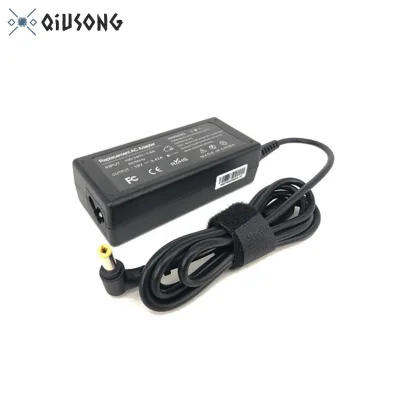


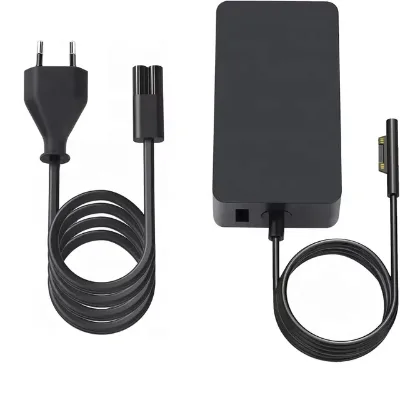
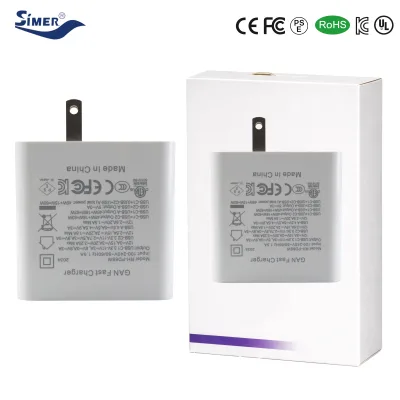
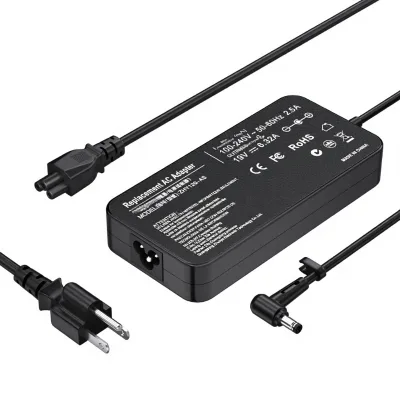
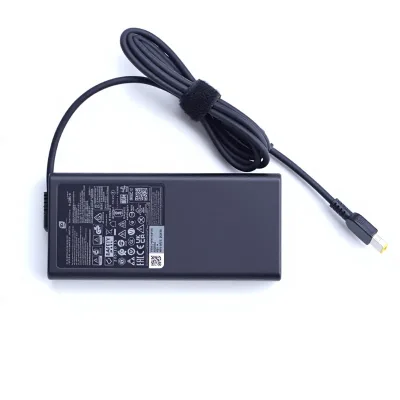
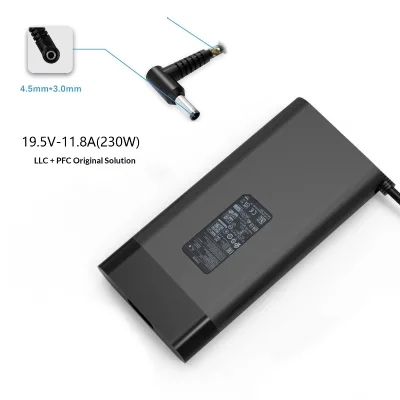
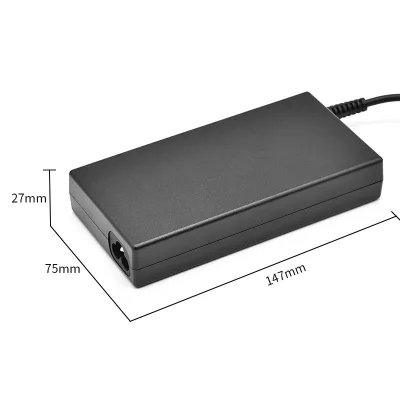


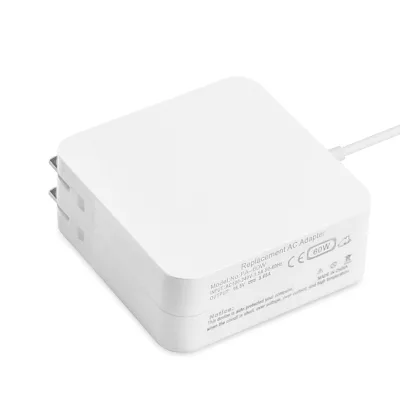
Comprehensive Sourcing Guide
Laptop Notebook Adapter Supplier Concentration and Factory Types
Current data indicates a concentration of manufacturing activity in China, specifically within the Zhejiang and Guangdong provinces. Suppliers in these regions often list main products including AC/DC adapters, switching power supplies, and laptop battery packs. The Zhejiang cluster frequently features combined company types that handle both manufacturing and trading functions, offering a broad range of items like linear power adapters and LED drivers. In contrast, the Guangdong cluster often specializes in specific replacement units and battery packs, with some facilities holding ISO9001:2015 certification. Buyers should verify if a supplier's stated location matches their actual factory address, as some entities may operate as trading companies without direct production capabilities.
When assessing factory types, look for explicit mentions of ODM and OEM capabilities alongside own brand development. Some suppliers in the Zhejiang region explicitly state they support ODM, OEM, and own brand services, suggesting a robust internal engineering team. Conversely, suppliers in Guangdong may focus heavily on OEM and ODM for specific laptop models or generic power solutions. It is critical to distinguish between a supplier that merely resells products and one that controls the production line. If a supplier lists "Combined" as their company type, verify whether they own the production facility or act as an intermediary. This distinction impacts quality control, customization speed, and the ability to resolve technical issues directly with the manufacturing floor.
How to Verify Laptop Notebook Adapter Suppliers
Verification processes should prioritize third-party validation and response metrics over self-reported claims. Several suppliers in the dataset have undergone BV verification, which serves as a baseline indicator of business legitimacy. However, buyers must also examine response times, as data shows variations ranging from approximately 10 hours to nearly 20 hours. A faster response time often correlates with better communication channels and more active account management. Additionally, check for system certifications like ISO9001:2015, which some Guangdong-based suppliers display, while others may list no system certification at all. The absence of a displayed certification does not automatically disqualify a supplier, but it requires deeper inquiry into their internal quality management systems.
Product-level evidence provides another layer of verification regarding technical competence. Look for specific product attributes such as certification marks (CCC, RoHS, TUV, CE) and standard compliance (UL, CUL, GS). Some listings explicitly detail internal structures like Half-Bridge or Linear models, which indicates a deeper understanding of the product's electrical architecture. Buyers should request test reports that match the listed certifications, as the presence of a keyword like "RoHS" in a product description does not guarantee the physical product meets the standard. Furthermore, verify the origin of the product, such as Ningbo or Dongguan, to ensure it aligns with the supplier's claimed location. Consistency between the product origin, the supplier's address, and the certification documents is essential for a reliable partnership.
What to Compare Across Laptop Notebook Adapter Suppliers
Comparative analysis should focus on lead times, minimum order quantities, and pricing structures to determine operational fit. Lead times in the observed data vary significantly, with some suppliers offering a 15-day turnaround while others require 30 days. This difference can be critical for projects with tight deadlines or seasonal demand spikes. Similarly, minimum order quantities (MOQ) range from as low as 10 units to 500 units. A supplier with a low MOQ might be suitable for sampling or small-batch testing, whereas a high MOQ supplier may offer better economies of scale for large-volume orders. Buyers must align these constraints with their inventory strategy and cash flow requirements before committing to a partnership.
Pricing and customization options are equally vital dimensions for comparison. Product prices in the dataset span from $3.00 to $18.00, depending on the model, output type, and certification level. Some suppliers offer fixed voltage adapters, while others provide AC or DC output options, which directly influences the price point. Customization availability is another key differentiator; many suppliers list customization as available, but the extent of this service varies. Some support full ODM services, while others may only offer minor modifications. Buyers should compare the specific customization capabilities against their technical requirements, ensuring the supplier can deliver the exact voltage, connector type, and safety standards needed for their target market.
Common Laptop Notebook Adapter Sourcing Risks
One significant risk involves the discrepancy between advertised certifications and actual product compliance. While many product listings display certifications like CCC, ISOUL, RoHS, and TUV, these claims must be validated through independent testing. A supplier may list a standard like UL or CUL, but without a valid test report from an accredited laboratory, the product may not meet safety requirements for export markets. This risk is particularly acute when dealing with suppliers who do not display system certifications like ISO9001. Buyers should treat all certification claims as provisional until verified by a third-party inspection agency to avoid potential customs seizures or safety liabilities.
Another risk relates to the consistency of supply and the reliability of the production capacity. Suppliers with high response times or long lead times may struggle to meet urgent demand, leading to production delays. Additionally, the variation in main products, such as the mix of laptop adapters, battery packs, and power tools, can indicate a lack of specialization. A supplier producing a wide array of unrelated electronics might not have the dedicated expertise required for high-quality power adapter manufacturing. Buyers should assess whether the supplier's primary focus aligns with their specific needs. If a supplier lists diverse product lines, verify their capacity to prioritize laptop adapter production and ensure they have the necessary raw material supply chains to maintain consistent output.
Laptop Notebook Adapter Regional Sourcing and Logistics
Sourcing from China, specifically Zhejiang and Guangdong, offers access to established manufacturing clusters but introduces specific logistical considerations. The Zhejiang region is noted for its concentration of combined suppliers offering a wide range of power solutions, while Guangdong is often associated with specialized battery packs and replacement adapters. The origin of the product, such as Ningbo or Dongguan, can influence shipping routes and transit times. Buyers should calculate the total landed cost, including freight, insurance, and duties, rather than focusing solely on the unit price. The distance between the factory and the port of loading can impact the efficiency of the shipping process, especially for time-sensitive orders.
Logistics planning must account for the specific packaging and dimensions of the products. Product attributes in the data show variations in packing, ranging from PE bags and white boxes to cartons and pallets. Some listings specify standard dimensions like 20.00 * 15.00 * 5.00cm, which helps in calculating container loading efficiency. Buyers should confirm the packaging details with the supplier to ensure the goods are protected during transit and to optimize space utilization. Additionally, verify if the supplier offers sample orders, as this can be a crucial step in validating the product before committing to a full shipment. Understanding the regional logistics capabilities of the supplier ensures a smoother transition from order placement to delivery at the destination.
Laptop Notebook Adapter Commercial Terms and Order Planning
Commercial terms should be clearly defined to manage expectations regarding payment, delivery, and quality assurance. Lead times observed in the data range from 15 to 30 days, which must be factored into the production schedule. Buyers should negotiate clear delivery dates and include penalties for delays in the contract. Payment terms often vary, and while some suppliers may support sample orders, the terms for bulk orders need to be established upfront. Escrow services can provide an additional layer of security, ensuring that funds are released only when the goods meet the agreed-upon specifications. It is essential to clarify whether the quoted price includes all taxes and duties or if these are the buyer's responsibility.
Order planning requires a strategic approach to inventory management and demand forecasting. With MOQs ranging from 10 to 500 units, buyers must balance the cost of holding inventory against the risk of stockouts. For suppliers with high MOQs, consider consolidating orders with other products or negotiating a lower initial quantity for the first batch. The availability of customization and OEM services allows for tailored solutions, but these processes may extend the lead time. Buyers should plan for these additional timeframes when scheduling production runs. Finally, establish a clear communication protocol for updates on production status and quality checks to ensure the final product aligns with the initial requirements and specifications.
FAQs
What is the price range for laptop adapters?
Laptop adapter prices typically range from $3.00 to $18.00 per unit depending on specifications and order volume. Lower-cost options around $3.00 to $5.00 are available for basic models, while premium switching power supplies can reach up to $18.00. Buyers should verify exact pricing based on their required wattage and certification needs.
What certifications are available for these adapters?
Manufacturers offer various safety certifications including CCC, RoHS, TUV, CE, GS, UL, and CUL. Specific models may carry ISOUL or meet regional standards like those for Asus Eeebook. Buyers must check individual product listings to confirm which certifications apply to their target market and regulatory requirements.
What is the minimum order quantity for adapters?
Minimum order quantities vary significantly by supplier and product type. Some suppliers require a minimum of 500 units for standard switching power supplies, while others accept orders as low as 10 units for specific replacement adapters. Buyers should confirm the MOQ directly with suppliers to ensure it aligns with their procurement volume.
How long does production take for orders?
Production lead times generally range from 15 to 30 days depending on the supplier and order complexity. Suppliers in Guangdong often report faster turnaround times of around 15 days, while those in Zhejiang may require up to 30 days. Buyers should confirm specific timelines during negotiation to plan their inventory effectively.
Can suppliers provide OEM and ODM services?
Yes, many suppliers offer both OEM and ODM services for laptop adapters. Manufacturers in Zhejiang and Guangdong explicitly list these capabilities, allowing buyers to customize designs or branding. Some suppliers also support own brand development. Buyers should verify customization availability and any associated minimum order requirements before placing orders.
Where are these laptop adapters manufactured?
These adapters are primarily manufactured in China, with key production hubs located in Zhejiang and Guangdong provinces. Specific origins include Ningbo in Zhejiang and Dongguan in Guangdong. Buyers can filter suppliers by these locations to align with logistics preferences or regional sourcing strategies for their supply chain.