Universal OBD2 Car Diagnostic Tool Suppliers and Manufacturers
Explore 32 verified suppliers offering Universal OBD2 Car Diagnostic Tool options with varying lead times, certifications, and response speeds. Compare ISO9001:2015 and RoHS standards alongside pricing and MOQ details to select the right partner for your needs; review the available evidence before requesting comparable quotations from suitable candidates.
Updated
Suppliers List

Hebei Sinotools Industrial Co., Ltd.
- Verified by CTI
- Trading Company
- China Hebei
- Lead time30 days
- Avg. response≤ 3h
Main productsScrewdriver, Plier, Wrench, Hammer, Tape Measure, Pruning Shear, Knife, Tool Set
Main marketsEurope


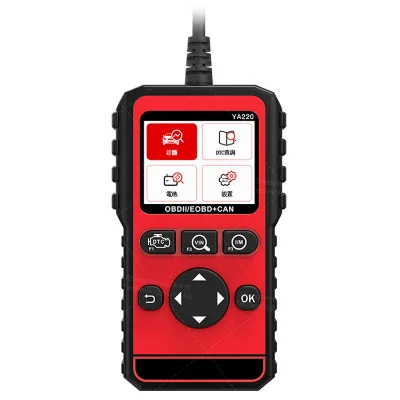
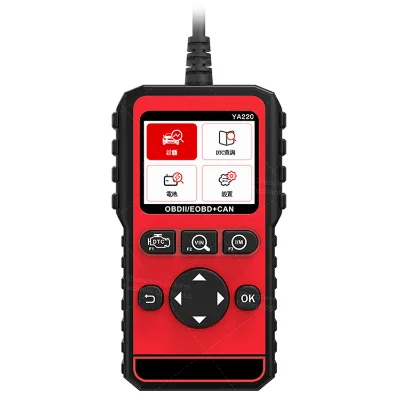
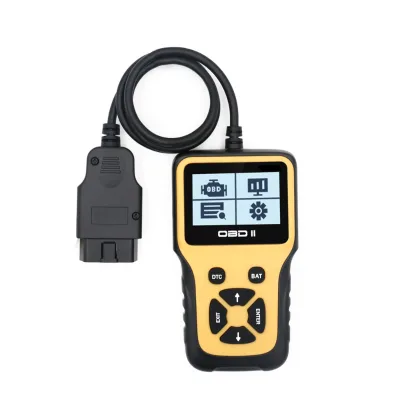
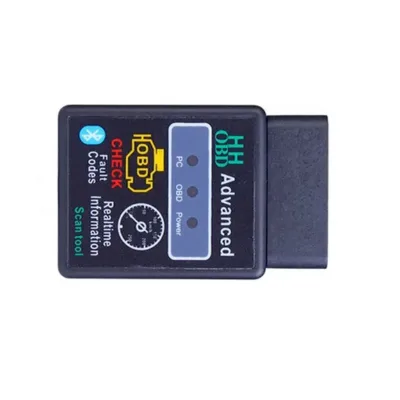
All Car Vehicle Auto Portable Universal OBD2 Scanner Diagnostic Machine Tools for All Vehicles Cars
$12.26 - $14.19
MOQ: 20 Pieces

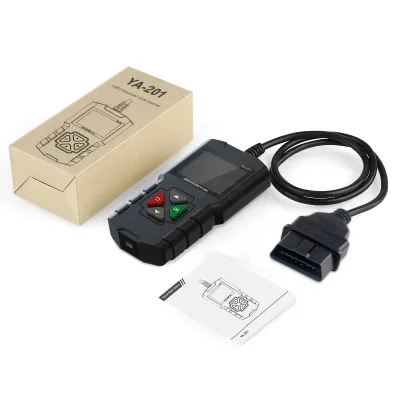
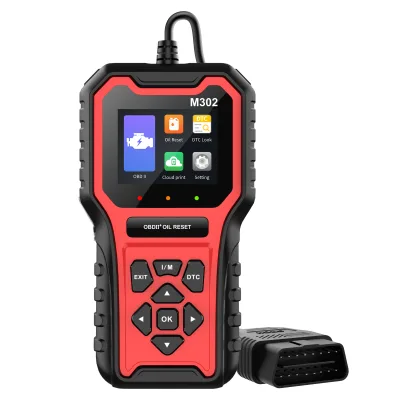
Universal Car OBD2 Diagnostic Scanner Tool Reading and Erase Engine Fault Codes Functions
$16.25 - $18.82
MOQ: 20 Pieces

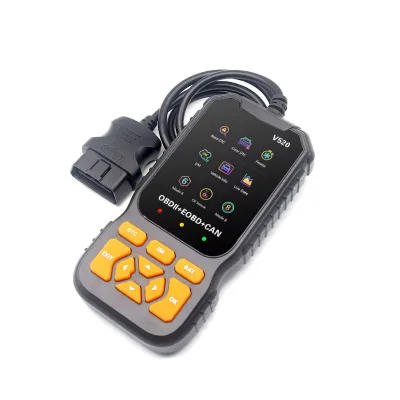
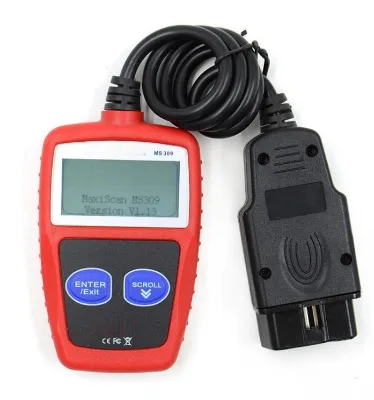
OBD 2 Professional Car Diagnostic Scanner Engine Fault Code Reader Car Diagnostic Tool
$22.04 - $25.51
MOQ: 20 Pieces
Ningbo Godeson Instrument Technology Co., Ltd.
- Verified by TüVRheinland
- Manufacturer, Trading Company
- Lead time30 days
- Avg. response≤ 4h
Main productsTire Pressure Gauge, Tire Repair Kit, Air Pump, Hybrid Air Hose, Torque Wrench
Main marketsNorth America(48%), Western Europe(20%), Eastern Europe(6%)

Shenzhen Yilida Technology Co., Ltd.
- Verified by CTI
- Manufacturer/Factory
- China Shandong
- Lead time0 days
- Avg. response≤ 23h
Main productsAutomotive Maitenance Equipment, Car Repair Tool, Automobile Collision Repair Equipment, Car Workshop Equipment, Chassis Straigntener
Shenzhen Dajin Technology Co., Ltd.
- Manufacturer, Trading Company
- Guangdong, China
- Lead time25 days
- Avg. response≤ 3h
Main productsTire Pressure Monitor System Sensor, EV Charger, Auto Diagnostic Tool/, Truck & Bus TPMS Diagnostic Tool And Sensor, Auto Parts
Main marketsNorth America(30.00%), Western Europe(15.00%), Southern Europe(15.00%), Northern Europe(15.00%), Eastern Europe(15.00%), South America(2.00%), South Asia(1.00%), Eastern Asia(1.00%), Oceania(1.00%), Central America(1.00%), Africa(1.00%), Domestic Market(1.00%), Mid East(1.00%), Southeast Asia(1.00%)
Shenzhen Wins Novelty Co., Ltd.
- Manufacturer
- Lead time旺季: "1 - 100":5,"101 - 500":6,"501 - 1000":7,"> 1000":"To be negotiated", 淡季: "1 - 100":5,"101 - 500":6,"501 - 1000":7,"> 1000":"To be negotiated"
- Avg. response≤ 8h
Main productsCar HUD Head up display,Car OBD2 Gauge,GPS Speedometer,Car OBD2 Scanner,Throttle Controller
Shenzhen Xing Chen Technology Trading Co., Ltd.
- Verified by TüVRheinland
- Trading Company
- Lead time5 days
- Avg. response≤ 10h
Main productsCar Diagnosis Tool, Key Cutting Machine, Car Keys, TPMS Tool, Automotive Parts
Main marketsNorth America(40%), Eastern Europe(10%), Western Europe(10%)
Guangzhou Shinely Import And Export Trade Co., Ltd.
- Verified by TüVRheinland
- Trading Company
- Lead time15 days
- Avg. response≤ 3h
Main productsVehicle Lift, Vehicle Testing Line, Spray Booth, Tire Changer, Auto Repair System
Main marketsMid East(30%), South Asia(20%), South America(10%)
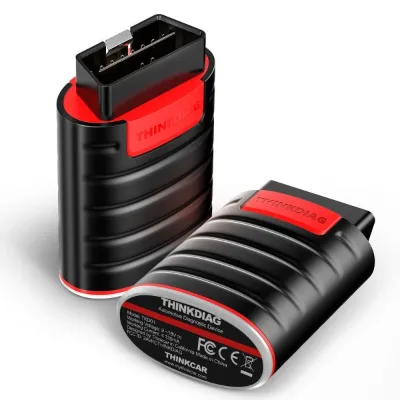
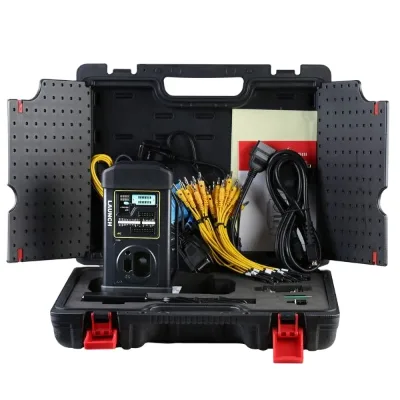
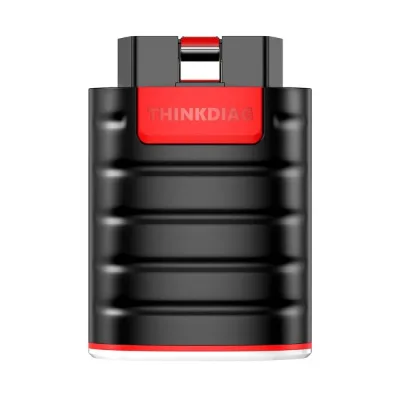
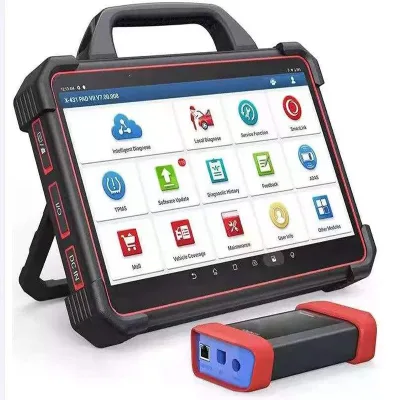
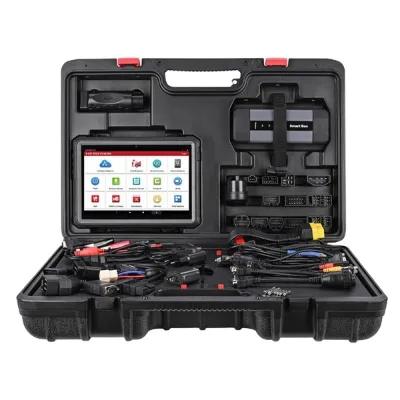
$1249.8902 - $1271.4231
MOQ: 1 sets

Ningbo Dicong Machinery Co., Ltd.
- Verified by SGS
- Combined
- China Zhejiang
- Lead time30 days
- Avg. response≤ 5h
Main productsAuto Tool, Airbrush, Auto Repair Tools, Socket Sets, Car Tool Set, Ratchet Handle, Under Car Tool, Brake Tools, Radiator Tool, Airbrush Compressor
Main marketsSouth America,Africa,East Asia(Japan/ South Korea),Europe,Australia,North America

Automotive Diagnostic Tool for Car Scanner OBD2 Code Read OBD Auto Diagnostic Tools for Vehicle
$26.00 - $28.00
MOQ: 50 Sets

PS70 Automobile Fault Decoder Full System Detection and Diagnosis Instrument Auto Diagnostic Tools
$600.00 - $680.00
MOQ: 1 Sets

Yantai Lift Equipment Co., Ltd.
- Trading Company,Manufacturer/Factory
- China Shandong
- Lead time23 days
- Avg. response≤ 4h
Main productsCar Lift, Wheel Alignment, Tire Changer, Wheel Balancer, Auto Diagnostic Scanner, Auto Scanner, Car Jack, Garage Equipment, Auto Diagnostic Tool, Spray Booth
Main marketsSouth America,Eastern Europe,Mid East,North America,Southeast Asia,Eastern Asia,Oceania,Western Europe,Africa

Hot Selling Auto Diagnostic Tool Testing Equipment Key Programmer Car Diagnostic Tool
$1380.00 - $1656.00
MOQ: 1 Pieces

High Quality Auto Car Diagnostic Tool Programming Device Auto Diagnostic for Car
$1380.00 - $1656.00
MOQ: 1 Pieces

Hot Sale Auto Diagnostic Tool/Key Programmer/Auto Scanner for Garage Equipment
$1340.00 - $1656.00
MOQ: 1 Pieces

Hot Selling Supply Super Adapter Auto Scanner/Diagnostic Tool for Car Repair
$1380.00 - $1656.00
MOQ: 1 Pieces

High-Quality Vehicle Diagnostic Equipment/Car Diagnostic Tool/Car Scanner for Sale
$1380.00 - $1656.00
MOQ: 1 Pieces

Auto Car Diagnostic Tool Programming Device for Auto Workshop with Full Packet
$1380.00 - $1656.00
MOQ: 1 Pieces
Guangzhou Baohua Auto Maintenance Equipment Trade Co., Ltd.
- Verified by TüVRheinland
- Trading Company
- Lead time2 days
- Avg. response≤ 2h
Main productsSpray Booth, Car Lift, Dent Pulling Machine, Wheel Alignment Machine, Auto Frame Straightening Machine
Main marketsAfrica(25%), Southeast Asia(20%), Eastern Europe(10%)

- Verified by SGS
- Trading Company
- China Zhejiang
- Lead time15 days
- Avg. response≤ 20h
Main productsCar Mat, Car Air Freshener, Car Seat Cover, Steering Wheel Cover, Car Phone Holder, Car Roof Tent, Car Sunshade, Jerry Can
Main marketsEurope,Australia


Factory Direct Sales Universal Car Fault Scanner Diagnostic Tool Scanner
$27.72 - $32.67
MOQ: 40 Pieces

Wholesale Scanner Engine Inspection Equipment Multi-Language Car Diagnostic Tool
$16.17 - $18.15
MOQ: 70 Pieces


Shenzhen Juhong Technology Co., Ltd.
- Verified by TüVRheinland
- Trading Company
- Lead time0 days
- Avg. response≤ 2h
Main productsCar Jack, Hardware Tools, Vehicle Accessories
Main marketsNorth America(30%), Eastern Europe(15%), South America(10%)
Yiwu Changyuan Supply Chain Management Co., Ltd.
- Trading Company
- Zhejiang, China
- Lead time15 days
- Avg. response≤ 8h
Main productsTire inflator,Wireless charging stand,Jumper Starter
Main marketsOceania(10.00%), Africa(10.00%), Mid East(10.00%), Eastern Europe(10.00%), South America(10.00%), North America(10.00%), Domestic Market(5.00%), South Asia(5.00%), Southern Europe(5.00%), Northern Europe(5.00%), Central America(5.00%), Western Europe(5.00%), Eastern Asia(5.00%), Southeast Asia(5.00%)
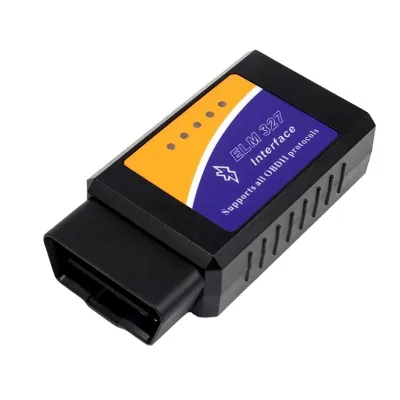
Car Obd2 Diagnostic Tool Vehicle Tool 16 Pin Elm327 bluetooth Obd2 Scanner for Universal Car
$0.99 - $1.38
MOQ: 1 pieces
Xi'an Wanpu Import And Export Trading Co., Ltd.
- Verified by SGS Group
- Trading Company
- Lead time15 days
- Avg. response≤ 2h
Main productsCar emergency products , Car tools , Car electric products , Car cleaning products , Car interior and exterior products
Main marketsEastern Europe(30%), North America(15%), Western Europe(15%)
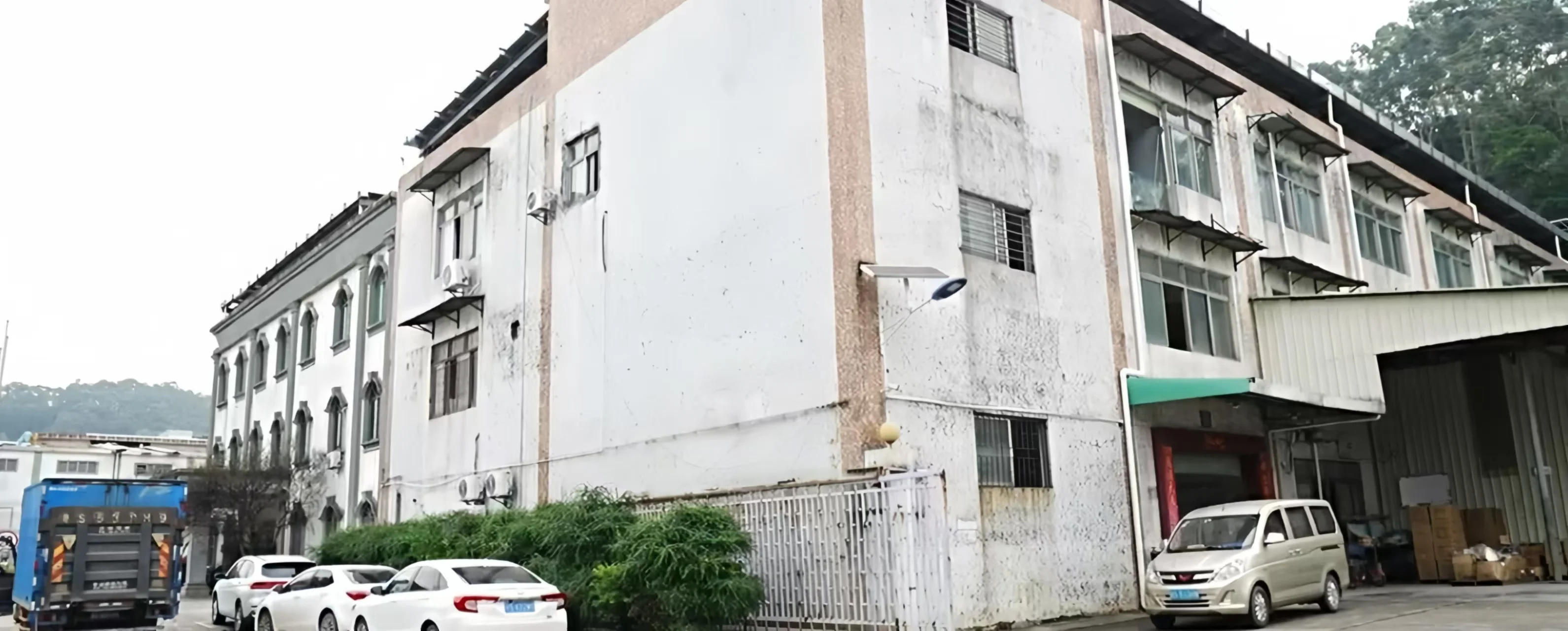
Dongguan Henuoweiya Electronic Technology Co., Ltd.
- Manufacturer, Trading Company
- Guangdong, China
- Lead time7 days
- Avg. response≤ 1h
Main productsVehicle diagnostic line,VGT wire
Main marketsCentral America(10.00%), Western Europe(10.00%), Eastern Asia(10.00%), Mid East(10.00%), Oceania(10.00%), Africa(10.00%), Southeast Asia(10.00%), Eastern Europe(10.00%), South America(10.00%), North America(10.00%)
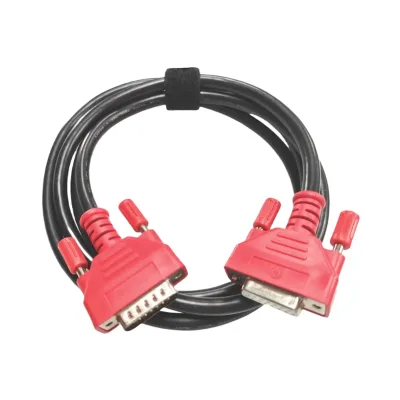
$25.8472 - $56.862
MOQ: 1 pieces
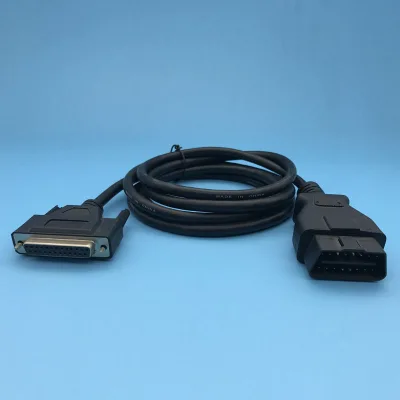
For Bluedriver Professional Engine Analyzer OBD2 Diagnostic Tool for All Cars Universal Fitment 12V
$12.8083 - $13.6287
MOQ: 5 pieces
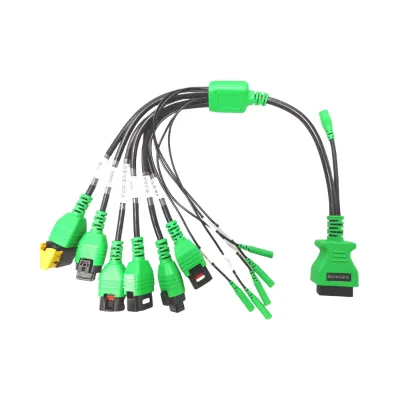
Shenzhen Yilie Network Technology Co., Ltd.
- Verified by TüVRheinland
- Trading Company
- Lead time15 days
- Avg. response≤ 2h
Main productsCar Jump Starter, Portable EV Charging Stations, Wall Mounted EV Chargers, Energy Storage Power Supply, Solar Power Supply
Main marketsOceania(30%), Western Europe(30%), North America(15%)

Xinxiang Chaosheng Electric Equipment Co., Ltd.
- Trading Company
- HeNan, China
- Lead time0 days
- Avg. response≤ 5h
Main productsrelay,sensor,meter,breaker,switch
Main marketsAfrica(15.00%), Central America(10.00%), Western Europe(10.00%), Eastern Asia(10.00%), Oceania(10.00%), North America(10.00%), Southeast Asia(10.00%), Eastern Europe(10.00%), Southern Europe(10.00%), South America(5.00%)

- Verified by SGS
- Trading Company
- China Guangdong
- Lead time15 days
- Avg. response≤ 9h
Main productsConsumer Electronics, Car Accessories, Mini Thermal Printers, Garden Lights, Lawn Mower Accessories, Portable Speakers, Digital Camera, Mini Projectors
Main marketsOthers(foreignTradeCapacity.exportBusinessCapacityMarketOther),Europe


Konnwei Kw902 OBD2 Scanner - Bluetooth 4.0/5.0, Ios/Android, Car Diagnostic Tool (Black)
$6.43 - $8.10
MOQ: 1 Pieces


Hicen Tools (suzhou) Co., Ltd.
- Verified by SGS Group
- Manufacturer, Trading Company
- Lead time45 days
Main productsPliers/Wrench/Socket/Hammer/Screwdriver/Tool Set
Main marketsSouth America(20%), Eastern Europe(20%), Southeast Asia(15%)
Guangzhou Xinyue Electronic Technology Co., Ltd.
- Trading Company
- Lead time旺季: "1 - 1000":7,"> 1000":"To be negotiated", 淡季: "1 - 1000":7,"> 1000":"To be negotiated"
- Avg. response≤ 2h
Main productsCar Diagnostic Tool,Vehicle Key Shells,Smart Watch straps and chargers,Electronics,Adapter cables

- Trading Company
- China Shandong
- Lead time23 days
- Avg. response≤ 25h
Main productsCar Lift Factory, Car Parking System, Tire Changer Manufacture, Wheel Balancer Factory, Wheel Alignment Machine, Frame Machine, Spray Booth, Air Compressor, Car Jack, Car Wash Machine
Main marketsSouth America,Africa,Southeast Asia/ Mideast,Domestic,Europe,Australia,North America

Professional Car Escaner Automotriz Launch Crp 129e OBD2 Scanner Auto Car Diagnostic Tool
$279.00 - $289.00
MOQ: 1 Pieces


Launch X431 Crp129E Four System OBD 2 Car Diagnostic Scanner Tool Crp129 New Upgrade
$279.00 - $289.00
MOQ: 1 Pieces

Professional Launch Crp123X OBD2 Scanner Automotive Diagnostics Tools Code Reader
$179.00 - $229.00
MOQ: 1 Pieces
Shenzhen Xing Chen Technology Trading Company Ltd.
- Verified by Intertek
- Trading Company
- Lead time3 days
- Avg. response≤ 3h
Main productsCar Key Programmer, Automotive Car Parts, Key Cutting Machine, Car Key, Diagnostic Tool
Main marketsNorth America(40%), Eastern Europe(10%), Western Europe(10%)
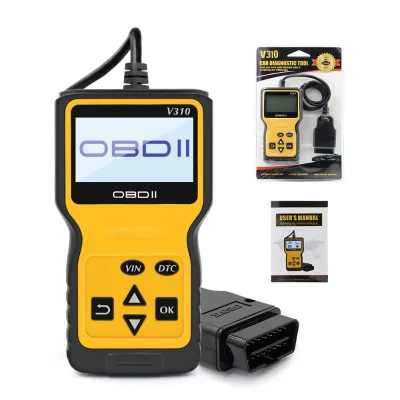
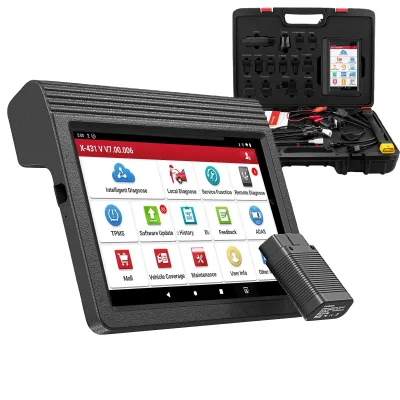
$9.80 - $15.00
MOQ: 5 pieces

Yantai Xpromise Garage Equipment Co., Ltd.
- Verified by TUVRHEINLAND
- Manufacturer/Factory
- China Shandong
- Lead time23 days
- Avg. response≤ 6h
Main productsCar Lift, Wheel Alignment, Tire Changer, Wheel Balancer, Auto Diagnostic Scanner, Auto Scanner, Car Jack, Garage Equipment, Auto Diagnostic Tool, Spray Booth
Main marketsSouth America,Eastern Europe,Mid East,North America,Southeast Asia,Eastern Asia,Oceania,Western Europe,Africa

High Precision Auto Scanner/Auto Diagnostic Tool for Workshop with Multiple Languages
$1380.00 - $1656.00
MOQ: 1 Pieces

Factory Direct Sales Professional Vehicle Diagnostic Tool for Auto Repair
$1380.00 - $1656.00
MOQ: 1 Pieces
Shenzhen Acartool Auto Electronics Co., Ltd.
- Verified by SGS Group
- Trading Company
- Lead time3 days
- Avg. response≤ 3h
Main productsCar Diagnostic Tool, Truck Diagnostic Tool, Car Key Programmer, Code Scanner, OBD2 Scanner
Main marketsNorth America(30%), South America(13%), Eastern Europe(12%)
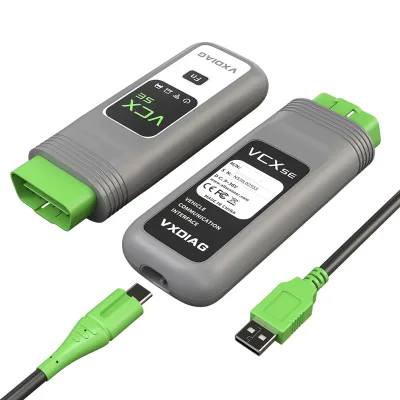
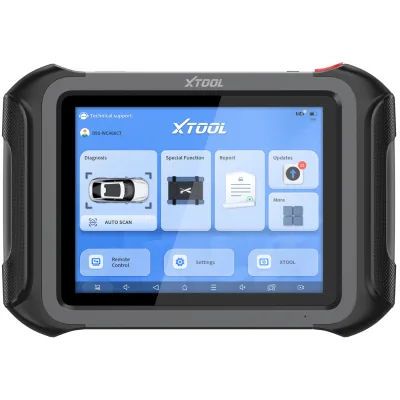
$678.00 - $899.00
MOQ: 1 pieces
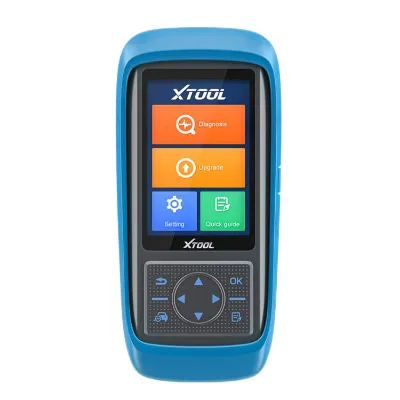
$150.00 - $160.00
MOQ: 1 pieces

- Verified by SGS
- Trading Company
- China Guangdong
- Lead time15 days
- Avg. response≤ 8h
Main productsMobile Phone Cases, Car Phone Holder, Bluetooth Speaker, Tablet Case, Wireless Charger, Power Bank, Earphone Headset, RC Drones, Consumer Electronics, Security Cameras
Main marketsOthers(foreignTradeCapacity.exportBusinessCapacityMarketOther),Europe

Thinkdiag Sp164-O OBD2 Car Fault Diagnosis Instrument with a Free Software and Demo
$66.00 - $72.00
MOQ: 3 Pieces

Chengdu Daobo Technology Co., Ltd.
- Trading Company
- Sichuan, China
- Lead time2 days
- Avg. response≤ 5h
Main productsDiagnostic tools,Key programmer,Ecu tools,Remote keys/Car Key shell,key cutting machine
Main marketsAfrica(25.00%), South Asia(12.00%), South America(10.00%), North America(10.00%), Eastern Asia(9.00%), Mid East(8.00%), Southeast Asia(8.00%), Central America(5.00%), Eastern Europe(3.00%), Western Europe(3.00%), Oceania(2.00%), Southern Europe(2.00%), Northern Europe(2.00%), Domestic Market(1.00%)
Shenzhen Jiawei Hengxin Technology Co., Ltd.
- Manufacturer, Trading Company
- Guangdong, China
- Lead time3 days
- Avg. response≤ 2h
Main productsKW870 Car Diagnostic Scanner, KW720 Car Battery Tester, KDIAG Car Full System Diagnostic Tool, KW520 Smart Battery Charger, KW450 Car OBD2 Full System Diagnostic Scanner
Main marketsNorth America(15.00%), Western Europe(15.00%), South America(10.00%), Southern Europe(10.00%), Africa(10.00%), Eastern Europe(10.00%), Oceania(5.00%), Central America(5.00%), Mid East(5.00%), Southeast Asia(5.00%), Northern Europe(4.00%), South Asia(2.00%), Eastern Asia(2.00%), Domestic Market(2.00%)
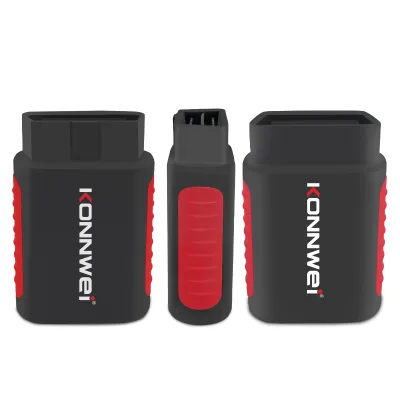
$21.6451 - $24.7409
MOQ: 2 pieces
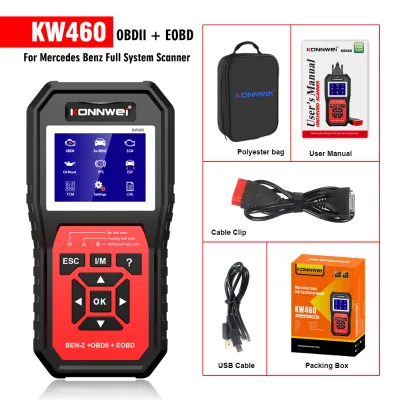
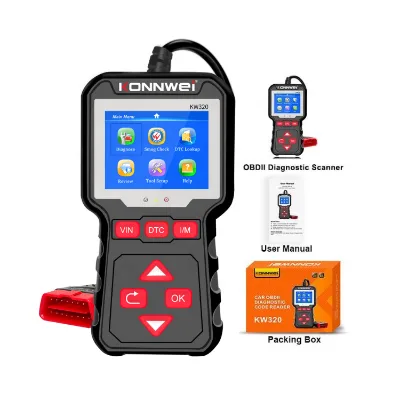
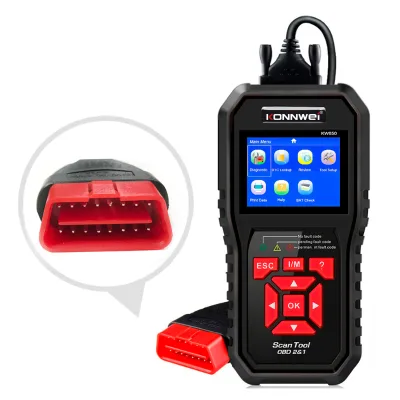
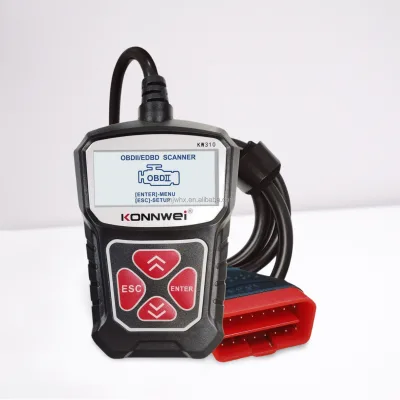
Easy Operating Car Engine System Diagnostic One-Click I/M Readiness Vehicle Repair Tool kwyye
$8.2051 - $9.2335
MOQ: 1 pieces

Shenzhen KangTong Technology Co., Ltd.
- Verified by TUVRHEINLAND
- Combined
- China Guangdong
- Lead time30 days
- Avg. response≤ 3h
Main productsTPMS, Ultrasonic Distance Measurement Module, Car Reversing Radar, Ultrasonic Sensor, Parking Sensor, Reverse Sensor, Uav Detection, Signal Jammer, Drone Defense System, Sensor
Main marketsDomestic

Qingxin Tech (Guangzhou) Co., Ltd.
- Manufacturer, Trading Company
- guangdong, China
- Lead time3 days
- Avg. response≤ 3h
Main productsauto diagnostic tools,ECU Chip Tuning Tools,Auto Transponder Chips,auto key programmer,locksmith tools
Main marketsNorth America(20.00%), Western Europe(20.00%), Eastern Europe(11.00%), South America(10.00%), Mid East(10.00%), Domestic Market(10.00%), Africa(5.00%), South Asia(5.00%), Southeast Asia(5.00%), Southern Europe(2.00%), Northern Europe(2.00%)
- Verified by TüVRheinland
- Manufacturer, Trading Company
- Guangdong, China
- Lead time15 days
- Avg. response≤ 2h
Main productsPCBA, Cable, Connector
Main marketsNorth America(25%), Domestic Market(23%), South America(15%)
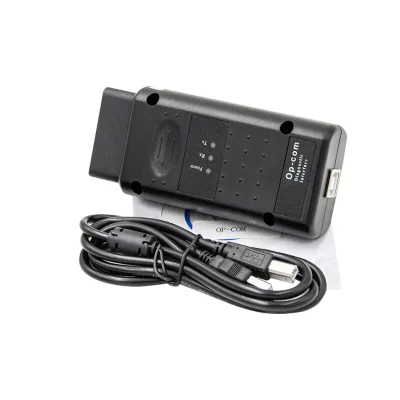
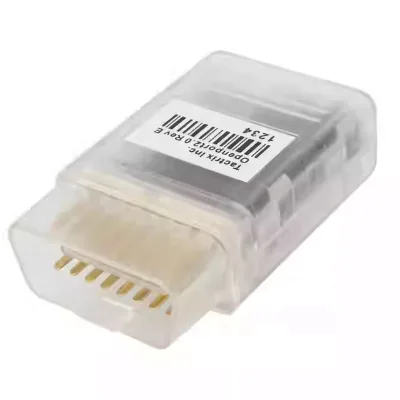
Wholesale Opcom Diagnostic Tool Scanner OBDII Obd2 Scanner Diagnostic Tool
$16.1496 - $17.9445
MOQ: 100 pieces
- Trading Company
- Jiangsu, China
- Lead time30 days
- Avg. response≤ 4h
Main productsVernier Calipers,Height Gauge,Micrometer,Bore Gauge,Magnetic Base
Main marketsSouth Asia(35.00%), Eastern Europe(16.00%), North America(10.00%), Domestic Market(5.00%), South America(5.00%), Mid East(5.00%), Oceania(5.00%), Africa(5.00%), Southeast Asia(5.00%), Central America(3.00%), Western Europe(2.00%), Eastern Asia(2.00%), Northern Europe(2.00%)
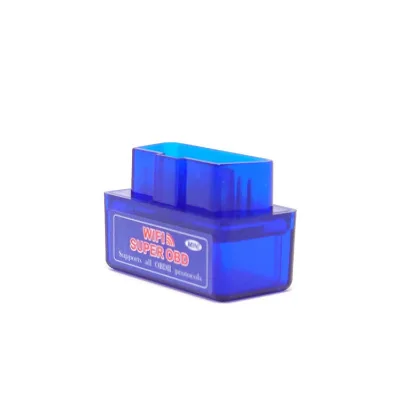
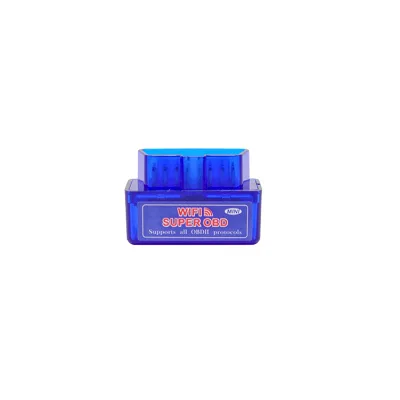
Wireless OBD2 Diagnostic Tool for Car Bidirectional Control 1-Year Warranty Advanced Troubleshooting
$2.22 - $2.36
MOQ: 1 pieces

Wuhan Derun Zhigu Network Technology Co., Ltd.
- Trading Company
- Hubei, China
- Lead time10 days
- Avg. response≤ 2h
Main productsDiagnose Tools,Code Reader,Launch,Autel
Main marketsNorth America(70.00%), Africa(5.00%), Southeast Asia(5.00%), Northern Europe(5.00%), South America(5.00%), Western Europe(4.00%), South Asia(1.00%), Eastern Europe(1.00%), Central America(1.00%), Oceania(1.00%), Eastern Asia(1.00%), Mid East(1.00%)


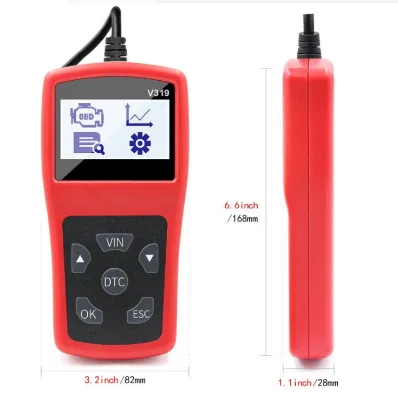
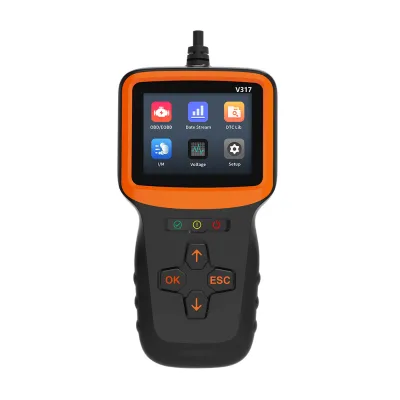
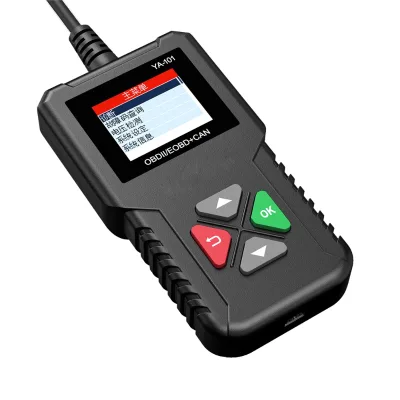
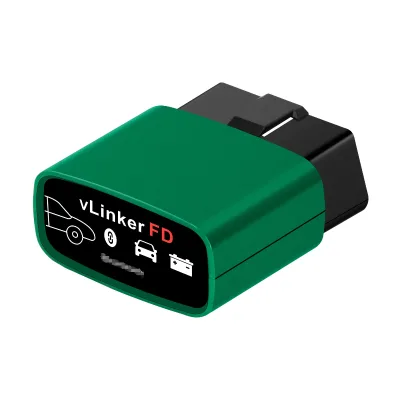
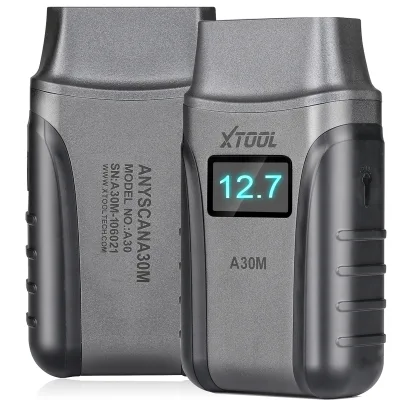
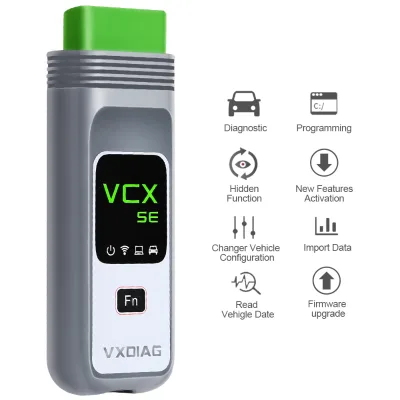


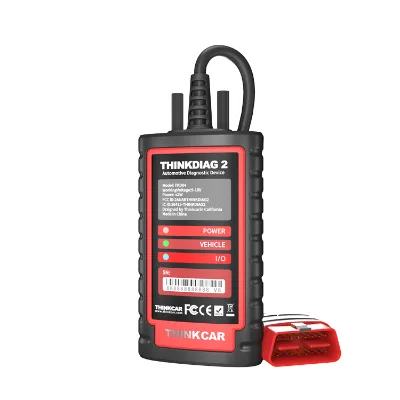
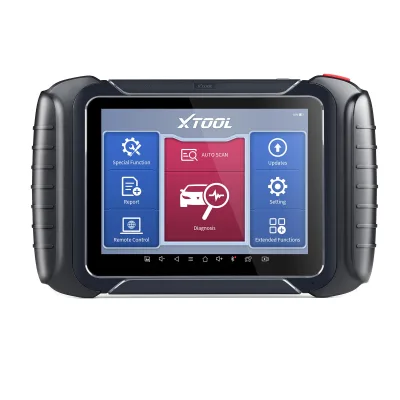
Comprehensive Sourcing Guide
Universal OBD2 Car Diagnostic Tool Supplier Concentration and Factory Types
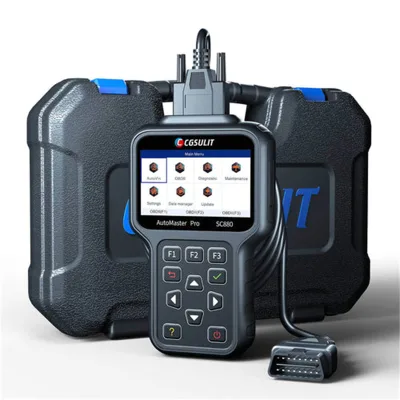
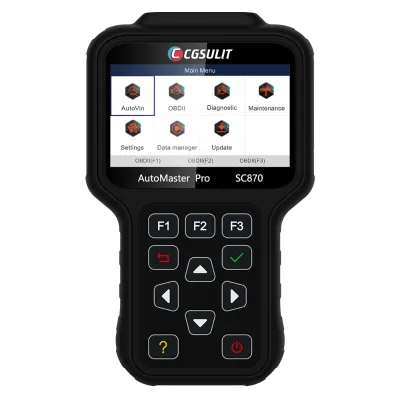
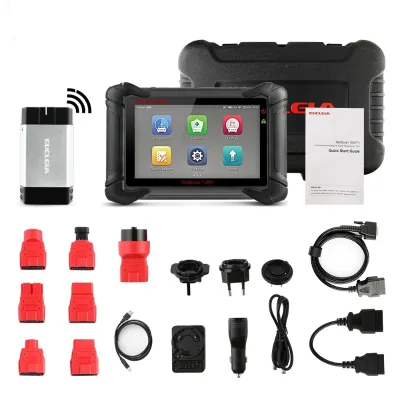
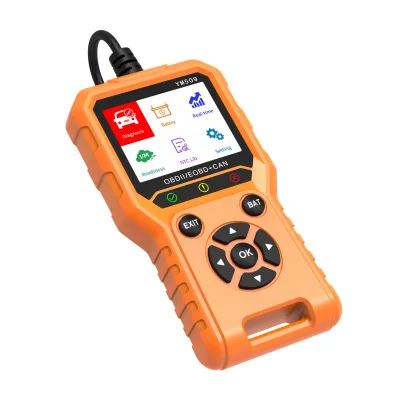
The current supplier landscape for universal OBD2 car diagnostic tools reveals a distinct concentration of manufacturing and trading entities within China, specifically in the Hebei and Zhejiang provinces. Evidence indicates that suppliers located in Hebei often list main products including general hand tools like screwdrivers and pliers alongside diagnostic equipment, suggesting a diversified manufacturing base. In contrast, other results point to Zhejiang as a specific place of origin for specialized diagnostic scanners, indicating that regional clusters may vary by product specialization. Buyers should verify the specific province listed on supplier profiles to understand the local supply chain ecosystem, as Hebei-based entities may prioritize broader tool sets while Zhejiang-based firms focus more narrowly on electronic vehicle accessories.
Factory types in this sector vary between pure manufacturers and trading companies, a distinction that impacts production control and inventory depth. Some suppliers are identified as holding both manufacturer and trading company status, which can offer flexibility in customizing products while maintaining direct production oversight. Others operate strictly as trading companies, sourcing from various factories to aggregate a wider range of items such as tire pressure gauges and air pumps alongside diagnostic scanners. When evaluating concentration, buyers must look beyond the general location to confirm whether the entity manages the actual assembly of the engine analyzer or simply facilitates the transaction. This structural difference influences the ability to implement customizations, such as specific language packs or hardware updates, which are frequently listed as available options in product attributes.
How to Verify Universal OBD2 Car Diagnostic Tool Suppliers
Verification of suppliers in the universal OBD2 diagnostic tool market relies heavily on third-party audit reports and specific certification standards rather than self-declared claims. Current data shows that some suppliers hold CTI verification status, while others possess TüVRheinland verification, indicating different levels of external scrutiny regarding their business operations and product quality. Buyers should prioritize suppliers displaying these specific verification badges, as they provide a higher degree of confidence in the supplier's legitimacy compared to unverified entities. Additionally, system certifications such as ISO9001:2015, RoHS, UKCA, EMC, and CE are critical indicators of compliance with international quality and safety standards. These certifications are not universal across all listings, so buyers must actively check the certification section of each supplier profile to ensure the specific standards required for their target market are met.
Beyond physical verification, the responsiveness and communication speed of a supplier serve as practical indicators of their operational reliability. Response times recorded in the system range from approximately 2.87 hours to 4 hours, providing a measurable metric for evaluating how quickly a potential partner can address inquiries. A faster response time often correlates with better customer service and more agile supply chain management, which is crucial when troubleshooting technical issues with diagnostic tools. Buyers should also examine the main products listed to ensure the supplier has a dedicated focus on vehicle accessories and electronics rather than a scattered inventory of unrelated hardware. Confirming that the supplier's primary business aligns with the specific needs of the universal OBD2 scanner market helps mitigate the risk of dealing with generalist traders who may lack the technical expertise required for complex automotive diagnostic equipment.
What to Compare Across Universal OBD2 Car Diagnostic Tool Suppliers
When comparing suppliers, the minimum order quantity (MOQ) and pricing structures present significant variations that directly impact procurement strategy. Available data shows MOQs ranging from a single piece to twenty units, allowing buyers to select partners based on their inventory capacity and risk tolerance. Pricing for similar diagnostic tools fluctuates between approximately $8.68 and $26.40, reflecting differences in features, build quality, and included functions. Buyers must carefully analyze the price range against the specific product attributes, such as voltage requirements, operating temperature ranges, and language support, to ensure the cost aligns with the functional value. A lower price point might correspond to a basic code reader with limited language options, whereas a higher price could indicate a multi-function engine analyzer with broader vehicle compatibility and advanced diagnostic capabilities.
Lead times and customization capabilities are equally critical dimensions for comparison when selecting a universal OBD2 diagnostic tool supplier. Standard lead times observed in the market are around 30 days, but this can vary based on order volume and the complexity of the requested customization. Some suppliers explicitly state that customization is available, offering options for specific update methods, such as hard disk updates, or tailored packaging solutions like portable plastic boxes. Buyers should verify if the supplier can accommodate specific model numbers or branding requirements before committing to an order. Additionally, the availability of sample processing and graphic processing capabilities suggests a higher level of manufacturing flexibility. Comparing these operational parameters helps buyers identify suppliers who can meet both their immediate volume needs and their long-term product development goals without unnecessary delays or compromises.
Common Universal OBD2 Car Diagnostic Tool Sourcing Risks
One significant risk in sourcing universal OBD2 diagnostic tools involves the discrepancy between product specifications and actual performance capabilities. While product attributes often list features like multi-language support or specific voltage ranges, buyers must verify that these claims are accurate for the specific model number provided. For instance, some listings indicate support for English, French, German, Japanese, and Spanish, while others are limited to English only. Relying solely on the product title without cross-referencing the detailed attribute list can lead to receiving tools that do not meet the linguistic or functional requirements of the end-user market. Buyers should demand detailed technical datasheets and request sample units to validate that the engine analyzer functions as described, particularly regarding its ability to read and erase fault codes across different vehicle brands.
Another critical risk is the potential for mismatched certifications and standards, which can lead to regulatory non-compliance in the destination market. Although some suppliers display certifications like RoHS, UKCA, EMC, and CE, these are not guaranteed for every product in their catalog. A supplier might be certified for general tools but lack specific approvals for electronic diagnostic devices intended for automotive use. Furthermore, the origin of the product, whether Hebei or Zhejiang, does not automatically ensure adherence to international safety standards. Buyers must explicitly confirm that the specific batch of diagnostic tools they are purchasing carries the necessary certifications for their target region. Failure to verify these details can result in customs delays, product recalls, or legal liabilities, making it essential to treat certification claims as unverified until confirmed through official documentation or third-party testing reports.
Universal OBD2 Car Diagnostic Tool Regional Sourcing and Logistics
Regional sourcing decisions for universal OBD2 diagnostic tools are heavily influenced by the specific province of origin, which dictates logistics routes and shipping costs. Evidence points to Hebei and Zhejiang as the primary manufacturing hubs, each offering distinct logistical advantages depending on the buyer's location. Suppliers in Hebei may leverage different port access compared to those in Zhejiang, potentially affecting transit times and freight rates. Buyers should request detailed shipping terms from suppliers in both regions to compare the total landed cost, including freight, insurance, and handling fees. Understanding the geographic distribution of the supply base allows buyers to optimize their logistics strategy, ensuring that the delivery of diagnostic tools aligns with their inventory planning and customer delivery expectations.
Logistics planning must also account for the specific packaging and weight characteristics of the diagnostic tools, which vary significantly across different models. Product attributes indicate weights ranging from 48 grams to 500 grams, with packaging sizes varying from compact single items to larger boxes measuring up to 36x28x15 cm. These dimensions directly impact shipping volume and cost, especially for bulk orders. Buyers should verify the single package size and gross weight for each model to accurately calculate shipping expenses and warehouse storage requirements. Additionally, the type of packing, whether standard boxes or portable plastic cases, affects the durability of the product during transit. Ensuring that the packaging is robust enough to protect sensitive electronic components is crucial, as damage during shipping can render the diagnostic tools unusable and lead to financial losses.
Universal OBD2 Car Diagnostic Tool Commercial Terms and Order Planning
Commercial terms for universal OBD2 diagnostic tools often include specific conditions regarding payment, warranty, and after-sales support that vary by supplier. While some listings mention a warranty period of six months, this is not a universal standard and must be confirmed for each specific order. Buyers should negotiate clear terms regarding the warranty coverage, including what constitutes a defect and the process for returns or replacements. Additionally, the availability of SDK combinations and other technical support features should be explicitly defined in the commercial agreement. Understanding these terms helps buyers manage their risk and ensures that they have recourse if the diagnostic tools fail to perform as expected in the field.
Order planning requires a strategic approach to inventory management, balancing the minimum order quantities with the anticipated market demand. With MOQs ranging from one unit to twenty units, buyers have the flexibility to start with small test orders before scaling up to larger production runs. This approach allows for the validation of product quality and supplier reliability without committing excessive capital to inventory. Buyers should also consider the lead time of 30 days when planning their order cycles to avoid stockouts. By aligning their order quantities with their sales forecasts and accounting for the production lead time, buyers can maintain a steady supply of universal OBD2 diagnostic tools while minimizing the risk of overstocking or understocking. This careful planning ensures a smooth supply chain operation and maximizes the efficiency of the procurement process.
FAQs
What is the price range for universal OBD2 scanners?
Prices for universal OBD2 diagnostic tools typically range from $8.68 to $26.40 per unit. The final cost depends on the specific model features, such as multi-language support or specialized engine analysis capabilities. Buyers should check the minimum order quantity to determine the exact per-unit price for their volume needs.
What is the minimum order quantity for these tools?
The minimum order quantity varies significantly by supplier. Some manufacturers offer an MOQ of just one piece for sample testing, while others require a minimum of 20 units for standard orders. Buyers should verify the specific MOQ with the supplier before placing an order to ensure it fits their budget.
How long does delivery take for these orders?
Standard lead times for these diagnostic tools are approximately 30 days. This timeframe allows for production and quality checks before shipment. Buyers should confirm the exact delivery schedule with the supplier, as expedited options or specific shipping methods may alter the total time to receive the goods.
Are these suppliers verified for quality assurance?
Yes, suppliers are verified by third-party inspection agencies such as CTI and TÜV Rheinland. Additionally, many hold ISO9001:2015 system certifications and product compliance standards like RoHS, UKCA, EMC, and CE. These verifications help ensure the manufacturing processes and product safety meet international quality benchmarks.
Where are these diagnostic tools manufactured?
These universal OBD2 scanners are primarily manufactured in China, with specific origins noted in Hebei and Zhejiang provinces. Buyers can filter suppliers by these locations to align with logistics preferences or regional trade requirements. The origin information is typically listed in the product specifications and supplier details.
What languages do the scanners support?
Most universal OBD2 scanners support multiple languages, including English, French, German, Japanese, and Spanish. Some models offer multi-language support to cater to a global market. Buyers should check the specific product attributes to confirm the available language options for their target customers or operational needs.