Vegan Glycolic Acid Toner Suppliers and Manufacturers
Compare 30 verified suppliers offering Vegan Glycolic Acid Toner with OEM and ODM capabilities. Review GMP certifications, lead times, and MOQs to select a factory in Guangdong, China. Request samples to verify product quality before placing an order; review the available evidence before requesting comparable quotations from suitable candidates.
Suppliers List

Guangzhou Mebamy Cosmetics Co., Ltd.
- Verified by TUVRHEINLAND
- Manufacturer/Factory
- China Guangdong
- Lead time15 days
- Avg. response≤ 5h
Main productsFace Serum, Soap, Face Cream, Sunscreen, Eyelash Growth Serum, Teeth Whitening, Face Mask, Facial Cleanser, Essential Oil, Hair Care Series
Main marketsNorth America,Western Europe
Guangzhou Pallas Cosmetics Co., Ltd.
- Trading Company
- Lead time旺季: "1 - 5000":31,"> 5000":"To be negotiated", 淡季: "1 - 5000":31,"> 5000":"To be negotiated"
Main productsFacial Mask, Face Cream, Shampoo, Sunscreen, Serum

Guangzhou Shiruoni Cosmetics Co., Ltd.
- Trading Company,Manufacturer/Factory,Group Corporation
- China Guangdong
- Lead time15 days
- Avg. response≤ 6h
Main productsSkin Care, Jelly Mask, Face Serum, Face Toner, Face Cream, Facial Mask, Sunscreen, Face Cleanser, Soap, Skin Care Set
Main marketsSouth America,Eastern Europe,Mid East,North America,Southeast Asia,Eastern Asia,Oceania,Western Europe,Africa


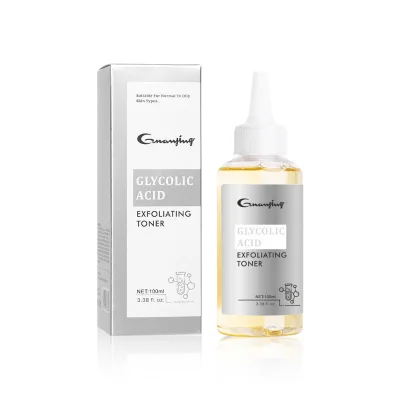
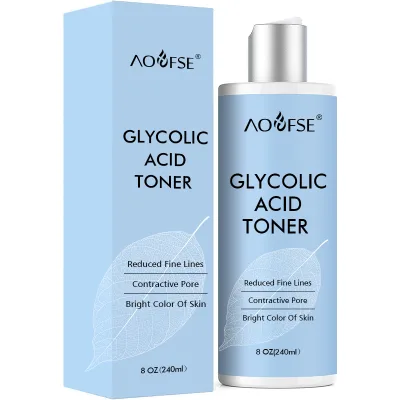
Custom Organic Face Toner Acide Glycolique 7% Pore-Tight Anti Acne Facial Toner
$2.20 - $2.80
Moq: 1000


OEM SPA Skincare Organic Aha Smoothing Acne Reduce Brightening Green Tea Face Toner
$2.10 - $2.35
Moq: 1000
Guangzhou Hisun Health Technology Co., Ltd.
- Verified by SGS Group
- Trading Company
- Lead time3 days
- Avg. response≤ 3h
Main productsWhitening Cream, Face Serum, Face Mask, Sunscreen, Beard Oil
Main marketsNorth America(25%), Africa(20%), South Asia(12%)
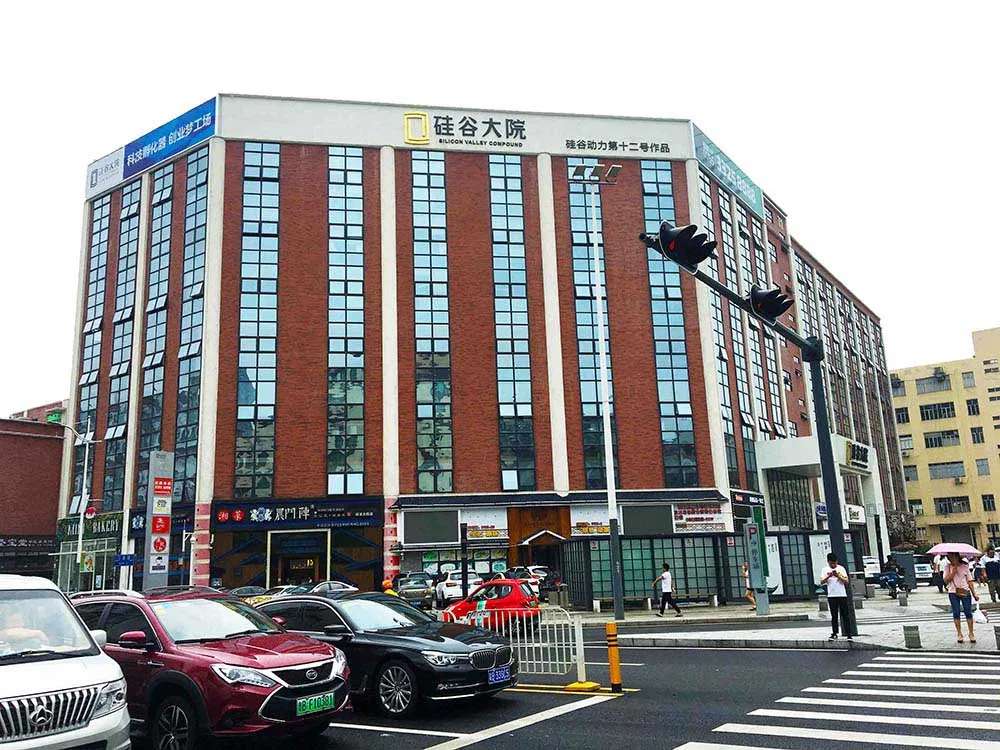
Shenzhen Happymall Cosmetics Co., Ltd.
- Manufacturer, Trading Company, Distributor/Wholesaler
- Guangdong, China
- Lead time15 days
- Avg. response≤ 7h
Main productsBeauty makeup,face cream,skin care,all serums,body care
Main marketsWestern Europe(60.0%), Eastern Europe(10.0%), North America(10.0%), Domestic Market(5.0%), South America(5.0%), Mid East(5.0%), Southeast Asia(5.0%)

Guangzhou Youngme Biotechnology Co., Ltd.
- Verified by BV
- Manufacturer/Factory
- China Guangdong
- Lead time0 days
- Avg. response≤ 11h
Main productsBody Lotion

Guangzhou Aixin Cosmetic Co., Ltd.
- Verified by TUVRHEINLAND
- Trading Company
- China Guangdong
- Lead time15 days
- Avg. response≤ 5h
Main productsSkin Care, Cosmetic, Face Mask, Beauty, Body Scrub, Face Care, Body Care, Skin Care Product, Mask, Cream
Main marketsDomestic
Guangdong Huashen Biomedical Co., Ltd.
- Verified by Intertek
- Manufacturer, Trading Company
- Lead time7 days
Main productsClay Mask, 24K Gold Rose Facial Serum, Aloe Vera Sheet Mask, Watermelon Lip Care Set, Petal Oil
Main marketsNorth America(50%), South America(8%), Southeast Asia(7%)
Guangzhou Hanmei International Trade Co., Ltd.
- Manufacturer, Trading Company
- Guangdong, China
- Lead time15 days
- Avg. response≤ 2h
Main productsSkincare manufacturing,Creams,masks,serums,hair oils
Main marketsNorth America(30.0%), Domestic Market(20.0%), Eastern Europe(15.0%), Southeast Asia(10.0%), South America(5.0%), Western Europe(5.0%), Eastern Asia(5.0%), Mid East(5.0%), Africa(5.0%)

Guangzhou Kanglixin Medical Biotechnology Co, Ltd.
- Verified by TUVRHEINLAND
- Manufacturer/Factory
- China Guangdong
- Lead time23 days
- Avg. response≤ 10h
Main productsSkin Care Products, Body Care, Hair Care Products, Makeup, Men's Care Products, Ferminine Care Products, Serum, Facial Mask, Face Cream, Scrub
Main marketsSouth America,Eastern Europe,Mid East,North America,Southeast Asia,Eastern Asia,Oceania,Western Europe,Africa


OEM Skin Care Moisturizing Toner Soothing Anti-Acne Brightening Oil Control Facial Toner
$0.70 - $1.00
Moq: 5000


Natural Organic Face Brightening Skin Care High Quality Vitamin C 24K Gold Facial Toner
Contact supplier
Moq: 1000
Guangzhou Xiaoshi Biotechnology Co., Ltd.
- Trading Company
- Guangdong, China
- Lead time3 days
- Avg. response≤ 3h
Main productsshampoo,Shower Gel,Conditioner,Personal Care Products,Mask Powder/Essence/Facial Scrub/Liquid Foundation/Sunscreen Cream
Main marketsNorth America(60.0%), Eastern Europe(10.0%), South America(10.0%), Southeast Asia(5.0%), Western Europe(2.0%), Eastern Asia(2.0%), Mid East(2.0%), Oceania(2.0%), Africa(2.0%), Domestic Market(1.0%), South Asia(1.0%), Southern Europe(1.0%), Northern Europe(1.0%), Central America(1.0%)

Sanli Biotechnology (Dalian) Co., Ltd
- Verified by SGS
- Combined
- China Liaoning
- Lead time15 days
- Avg. response≤ 6h
Main productsSkin Care Product
Main marketsDomestic
Guangzhou Fantesy Biotechnology Co., Ltd.
- Verified by Intertek
- Manufacturer, Trading Company
- Lead time0 days
- Avg. response≤ 3h
Main productsBody Lotion, Handmade Soap, Intimate Care, Skin Care Set, Sunscreen
Main marketsSouth America(30%), North America(30%), Eastern Europe(20%)
Guangzhou Aifujia Biotechnology Co., Ltd.
- Verified by Intertek
- Trading Company
- Lead time15 days
Main productsSkin Care Set, Essential Oil, Serum, Cream, Wash And Care
Main marketsNorth America(30%), Mid East(15%), Western Europe(15%)
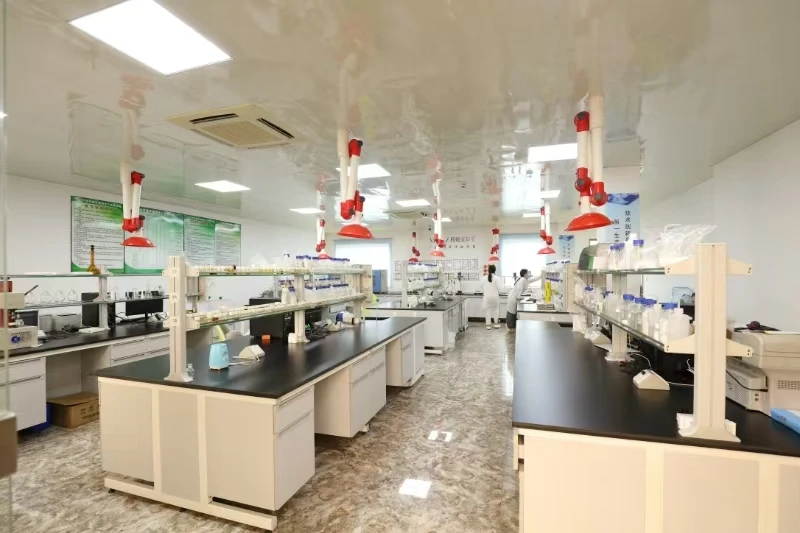
Guangzhou Yixuan Fine Chemical Co., Ltd.
- Manufacturer, Trading Company
- guangdong, China
- Lead time0 days
- Avg. response≤ 4h
Main productsCosmetics processing,Wash and protect,Skincare product sales
Main marketsSouthern Europe(8.33%), Northern Europe(8.33%), Central America(8.33%), Western Europe(8.33%), Eastern Asia(8.33%), Mid East(8.33%), Oceania(8.33%), Africa(8.33%), Southeast Asia(8.33%), Eastern Europe(8.33%), South America(8.33%), North America(8.33%)
Guangzhou Bonnieco Cosmetics Co., Ltd.
- Verified by TüVRheinland
- Trading Company
- Lead time15 days
- Avg. response≤ 4h
Main productsFace Care, Body Care, Eyes Care, Hands & Feet Care, Skin Care Set
Main marketsNorth America(28%), Eastern Europe(25%), Southeast Asia(13%)

Guangzhou EmbAroma Cosmetics Co., Ltd.
- Verified by BV
- Trading Company
- China Guangdong
- Lead time30 days
- Avg. response≤ 2h
Main productsSkincare, Cleanser, Moisturizer, Sunscreen, Toner, Serum, Exfoliant, Body Lotion, Hand Cream, Essential Oil
Main marketsDomestic

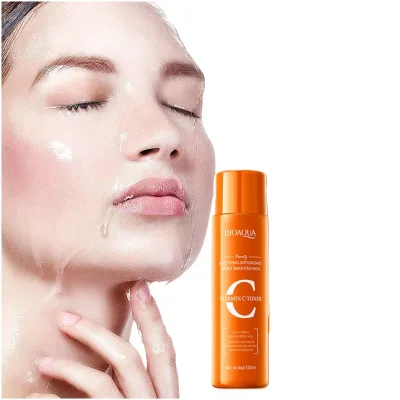
Hot Selling Customized Logo Face Care Brightening Anti-Acne Vitamin C Skin Toner
$0.78 - $0.90
Moq: 192


Guangzhou Qiaomei Cosmetics Co., Ltd.
- Verified by SGS Group
- Manufacturer, Trading Company
- Lead time35 days
Main productsShampoo, Conditioner, Hair Oil, Skin Care Set, Face Mask
Main marketsDomestic Market(70%), North America(10%), Eastern Europe(10%)
Guangzhou Aihuo Biotechnology Co., Ltd.
- Verified by SGS Group
- Trading Company
- Lead time10 days
- Avg. response≤ 2h
Main productsFace Serum, Facial Mask, Hair Shampoo, Body Lotion, Face Cream
Main marketsNorth America(50%), Eastern Europe(20%), Western Europe(20%)

Shandong Fuyang Bio-Tech. Co. Ltd.
- Verified by SGS
- Manufacturer/Factory
- China Shandong
- Lead time15 days
- Avg. response≤ 21h
Main productsSodium Glcuonate, Modified Starch, Corn Starch, Erythritol, Trehalose, Glucono Delta Lactone, Allulose, Gluconic Acid
Main marketsSouth America,Eastern Europe,Mid East,North America,Southeast Asia,Eastern Asia,Oceania,Western Europe,Africa
- Trading Company
- Henan, China
- Lead time15 days
- Avg. response≤ 2h
Main productslipstick,Perfume,Eye shadow,Lip gloss,Face cream
Main marketsNorth America(60.0%), Eastern Europe(20.0%), Southern Europe(10.0%), Western Europe(10.0%)
Guangzhou Nuokou Cosmetics Co., Ltd.
- Verified by SGS Group
- Trading Company
- Lead time25 days
- Avg. response≤ 7h
Main productsJelly Mask, Professional Skincare Products, Beauty Salon Products, Eye Care Products, Body Care Products
Main marketsNorth America(50%), Western Europe(20%), South America(12%)
Guangzhou Yikun Biotechnology Co., Ltd.
- Business Service (Transportation, finance, travel, Ads, etc)
- Guangdong, China
- Lead time25 days
- Avg. response≤ 24h
Main productswhitening cream,face care,body care,hair care,Skin problem conditioning and resolution
Main marketsSouth America(20.0%), North America(20.0%), Mid East(10.0%), Oceania(10.0%), Africa(10.0%), Southeast Asia(10.0%), Eastern Europe(10.0%), Western Europe(5.0%), Eastern Asia(5.0%)
Xi'an Canal Fashion Bio-Tech Co., Ltd.
- Trading Company
- Shaanxi, China
- Lead time1 days
- Avg. response≤ 3h
Main productsPet clothing,Pet shoes and socks,Pet bowls and feeders,Pet toys,Pet beds and kennels
Main marketsNorth America(40.0%), Northern Europe(30.0%), South Asia(5.0%), South America(5.0%), Eastern Asia(5.0%), Mid East(5.0%), Africa(5.0%), Southeast Asia(5.0%)

Guangzhou Meikou Biotechnology Co., Ltd.
- Verified by SGS
- Combined
- China Guangdong
- Lead time15 days
- Avg. response≤ 25h
Main productsSkin Care, Cosmetic, Facial Mask, Face Care, Body Care, Lyophilized Powder, Umbilical Extract
Main marketsDomestic
Aoxue (guangzhou) Biotechnology Co., Ltd.
- Verified by SGS Group
- Manufacturer, Trading Company
- Lead time15 days
Main productsLip Plumper Gloss, Face Serum, Face Cream, Body Butter, Slimming Cream
Main marketsNorth America(60%), South America(10%), Southeast Asia(10%)

Hangzhou Yimai Biotech Co., Ltd.
- Verified by TUVRHEINLAND
- Trading Company
- China Zhejiang
- Lead time0 days
- Avg. response≤ 14h
Main productsGluthatione Injection, Cosmetic Vitamin C Injection, Thioctic Acid Injection, Vitamin B12 Injection, Vitamin B Complex Injection, Vitamin B Complex Powder, Cannula, Gluthatione Capsule, Syringe, Multi Vitamin Injection
Main marketsSouth America,Eastern Europe,Mid East,North America,Southeast Asia,Eastern Asia,Oceania,Western Europe,Africa
Guangzhou Kaiyuan Biotechnology Co., Ltd.
- Verified by SGS Group
- Trading Company
- Lead time15 days
- Avg. response≤ 2h
Main productsFacial Mask, Serum, Face Cream, Toner
Main marketsNorth America(48%), South America(24%), Eastern Europe(16%)
Guangzhou Biting Cosmetics Co., Ltd.
- Verified by Intertek
- Manufacturer, Trading Company
- Lead time25 days
- Avg. response≤ 3h
Main productsFacial Mask, Essential Oils, Hair Shampoo, Face Cream, Serum
Main marketsNorth America(49%), Southeast Asia(15%), Eastern Europe(11%)
Jinshengmei International Limited
- Trading Company
- Hong Kong S.A.R.
- Lead time35 days
- Avg. response≤ 4h
Main productsFace Care Products,Body Care Products,Hair Care Products
Main marketsNorth America(10.0%)




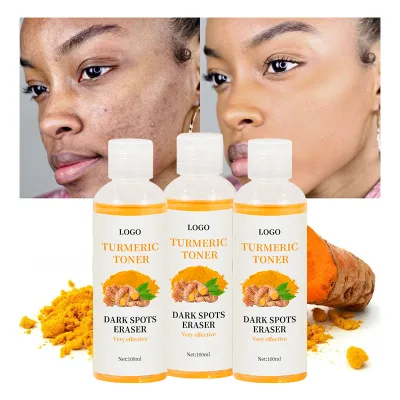
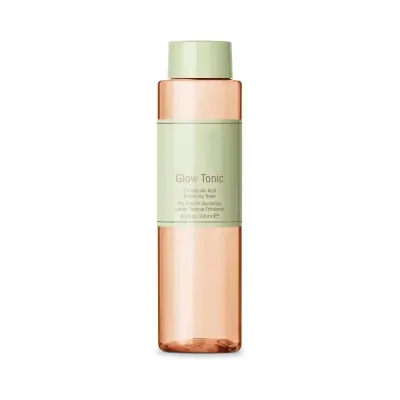
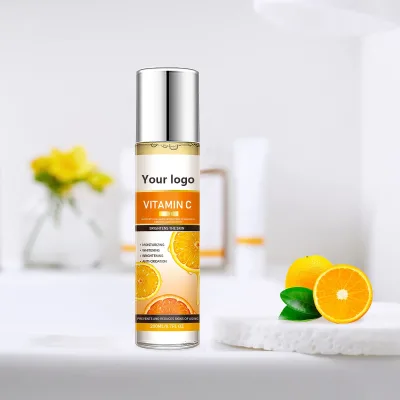


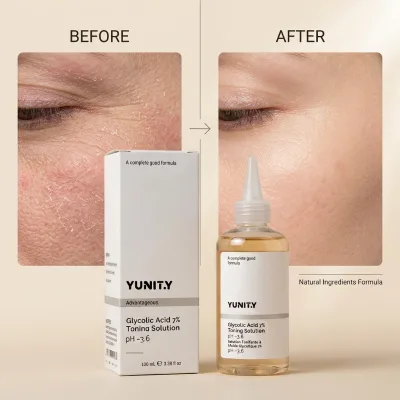


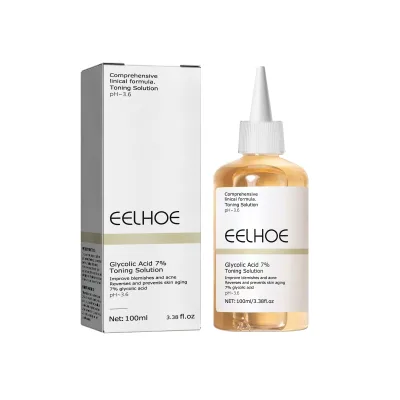
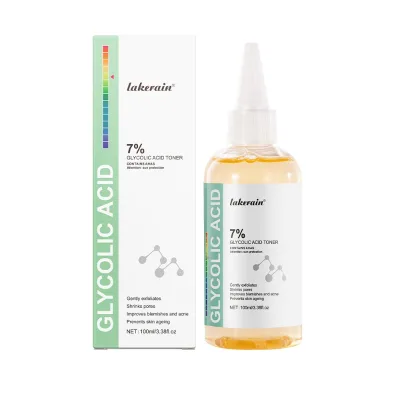
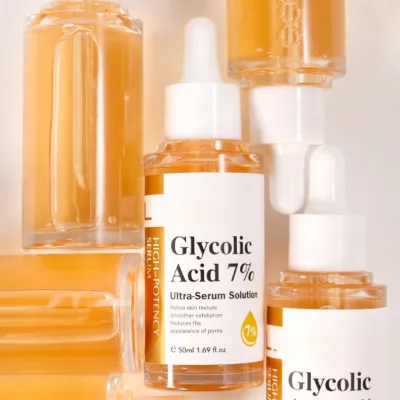


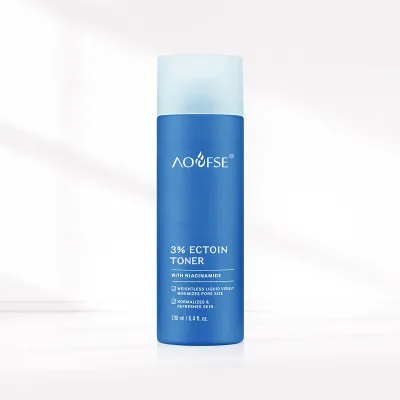


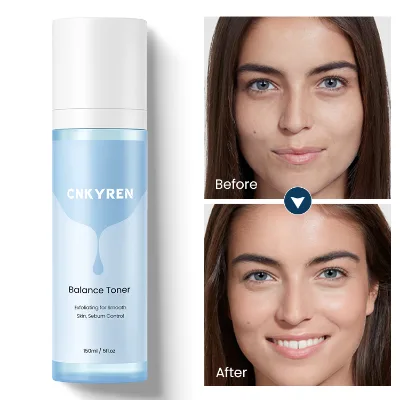
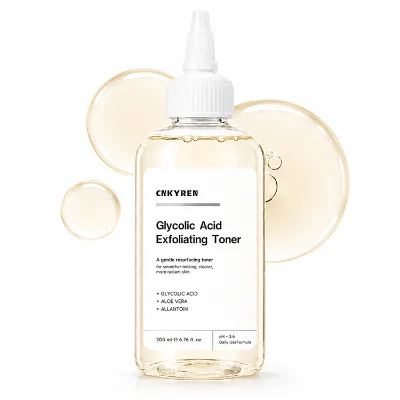
Comprehensive Sourcing Guide
Vegan Glycolic Acid Toner Supplier Concentration and Factory Types
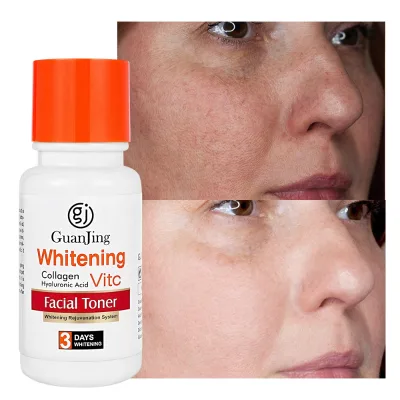
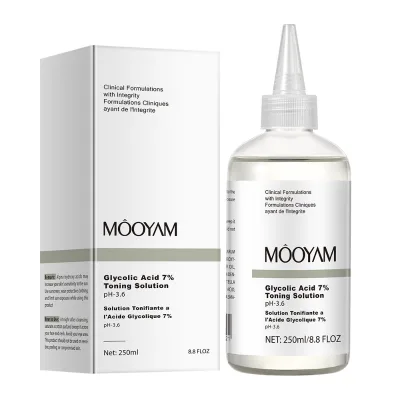
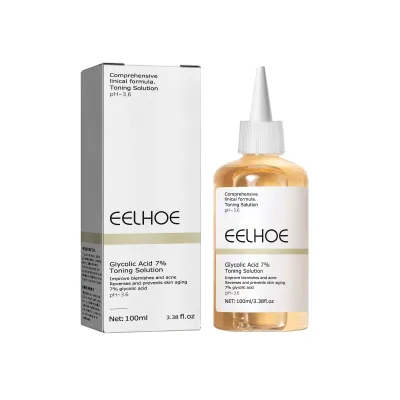
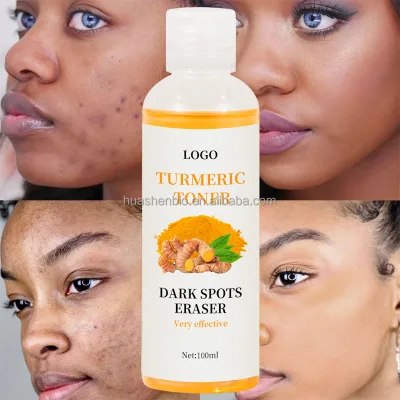
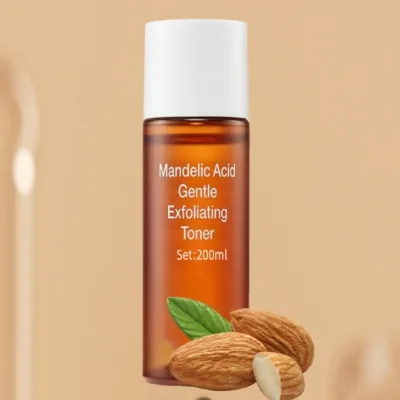
The current supplier landscape for Vegan Glycolic Acid Toner shows a distinct concentration of manufacturing capabilities within China, specifically in the Guangdong region. This area hosts a mix of Manufacturer/Factory entities and Trading Companies, each offering different value propositions for buyers seeking custom formulations. Manufacturer/Factory profiles indicate direct control over production lines, often highlighting capabilities in OEM and ODM services which are critical for brands requiring specific vegan ingredient blends or unique packaging solutions. These facilities typically list main products that include a broad range of skincare items such as face serums, creams, and sunscreens, suggesting a robust infrastructure for scaling toner production.
In contrast, Trading Companies in the results focus on aggregating products like facial masks, face creams, and shampoos, potentially offering a wider variety of finished goods from multiple sources. While manufacturers provide direct factory access, trading companies may facilitate sourcing for buyers who need diverse product lines or have smaller volume requirements that do not justify a dedicated factory run. Buyers should verify the specific company type listed in supplier profiles to determine if they are dealing with the production source or an intermediary. Understanding this distinction is vital for negotiating pricing and ensuring that the Vegan Glycolic Acid Toner meets the required quality standards without unnecessary markup from middlemen.
How to Verify Vegan Glycolic Acid Toner Suppliers
Verification of suppliers for Vegan Glycolic Acid Toner requires a rigorous check of system certifications and third-party audit results to ensure compliance with safety and ethical standards. Many suppliers in the current results display GMP certification, which is essential for manufacturing environments handling cosmetic ingredients. Additionally, specific product evidence indicates that items may carry CE, GMP, and MSDS certifications, confirming that the toners meet international safety and chemical handling requirements. Buyers must cross-reference these claims with the supplier's verification status, such as the TUVRHEINLAND verification noted in some profiles, to confirm that the facility has undergone independent inspection.
Beyond certifications, buyers should scrutinize the specific product attributes listed for vegan claims and ingredient transparency. Evidence shows that some products list ingredients like herbal extracts, vegan components, and specific acids, but the "vegan" status must be explicitly confirmed in the product description or certification documents. It is crucial to verify that the "OEM/ODM" customization options allow for the exclusion of animal-derived ingredients, as standard formulations may vary. Buyers should request detailed ingredient lists and ask for proof of vegan certification if it is not explicitly stated in the product attributes. Relying solely on marketing keywords without verifying the underlying documentation can lead to compliance issues in target markets.
What to Compare Across Vegan Glycolic Acid Toner Suppliers
When evaluating potential partners, buyers must compare key operational metrics such as lead times, minimum order quantities (MOQ), and response speeds to align with their supply chain needs. The data indicates varying lead times, with some suppliers offering a standard 15-day turnaround, while others specify seasonal variations where peak seasons may extend delivery to 31 days or require negotiation for larger volumes. MOQs also differ significantly, ranging from 1,000 pieces to 3,000 pieces depending on the specific product model and customization level. These variations directly impact inventory planning and cash flow, making it essential to select a supplier whose capacity matches the buyer's order volume and timeline constraints.
Response time is another critical factor for maintaining a smooth procurement process, with some suppliers demonstrating a response time metric of approximately 4.61, indicating a high level of engagement. Buyers should compare this against their own communication needs to ensure timely updates on production status and shipping. Additionally, the range of main products offered by a supplier can influence the decision; those offering a comprehensive line including face serums and essential oils may provide better bundling opportunities. However, buyers must ensure that the supplier's primary focus remains on high-quality toner production rather than being diluted across too many unrelated categories. Comparing these specific dimensions helps identify the most reliable partner for long-term collaboration.
Common Vegan Glycolic Acid Toner Sourcing Risks
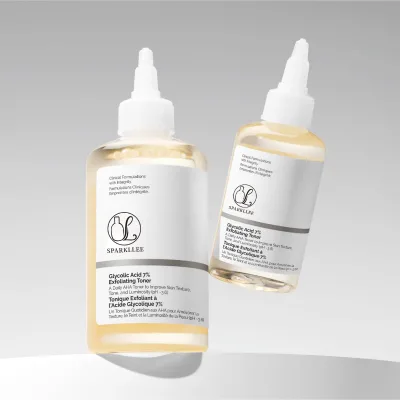
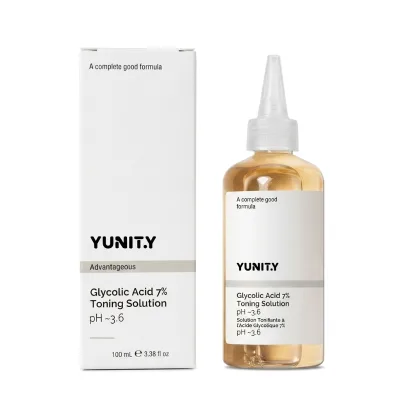
One significant risk in sourcing vegan glycolic acid toners involves the potential discrepancy between claimed ingredients and actual product composition, particularly regarding vegan status and acid concentration. While product attributes list ingredients like hyaluronic acid, peptides, and various plant extracts, the specific concentration of glycolic acid can vary, with some products offering 7% or 10% formulations. Buyers must verify that the stated concentration matches the intended formulation for their brand, as incorrect levels can affect product efficacy and safety. Furthermore, the presence of "customized packaging" and "OEM" services introduces the risk of quality control inconsistencies if the supplier does not strictly adhere to the agreed-upon specifications during the manufacturing process.
Another risk relates to the variability in lead times and capacity during peak seasons, which can disrupt supply chains if not managed proactively. Some suppliers indicate that lead times extend to 31 days during busy periods or require negotiation for orders exceeding 5,000 units. This unpredictability can lead to stockouts or delayed market launches if the buyer does not account for these fluctuations in their planning. Additionally, the reliance on third-party certifications like MSDS or GMP without regular re-verification can pose compliance risks if standards change or if the supplier's facility status is not current. Buyers should implement regular audits and clear contractual terms regarding lead time penalties to mitigate these operational risks effectively.
Vegan Glycolic Acid Toner Regional Sourcing and Logistics
The primary sourcing hub for Vegan Glycolic Acid Toner identified in the current results is located in Guangdong, China, a region known for its extensive cosmetic manufacturing infrastructure. This concentration allows for efficient logistics and access to a wide network of raw material suppliers, which can streamline the production of complex formulations like glycolic acid toners. The product origin is consistently listed as China, and specific attributes note the place of origin as Guangdong, confirming the regional focus. Buyers should leverage this geographic concentration to negotiate better shipping rates and consolidate orders from multiple product lines if the supplier offers a broad range of skincare items.
However, logistics planning must account for the specific packaging dimensions and weights provided in product attributes, such as single package sizes ranging from 10x10x10 cm to 12x12x17 cm and net weights varying from 30 ml to 283 ml. These variations affect container loading efficiency and overall shipping costs, which can significantly impact the final landed cost of the product. Buyers should calculate freight costs based on the specific product model and packaging requirements rather than assuming standard dimensions. Additionally, the origin location influences import duties and regulatory compliance in the destination country, so verifying the specific export documentation and origin certificates is essential to ensure smooth customs clearance and avoid unexpected delays or fees at the border.
Vegan Glycolic Acid Toner Commercial Terms and Order Planning
Commercial terms for vegan glycolic acid toners vary based on the supplier's pricing structure and order volume, with unit prices ranging from approximately $0.61 to $2.88 depending on the specific product model and customization. The minimum order quantities typically start at 1,000 pieces, though some suppliers require 3,000 pieces for certain formulations. Buyers must carefully analyze the price range against their budget and margin targets, considering that prices may fluctuate based on the complexity of the vegan formulation and the level of customization required. It is also important to note that for larger orders exceeding 5,000 units, lead times and pricing may be subject to negotiation, requiring early engagement to secure favorable terms.
Order planning should incorporate the specific production standards and packaging options available, such as customized packaging and various bottle sizes like 200ml, 236ml, or 283ml. The availability of OEM and ODM services allows for significant flexibility in branding and product design, but buyers must ensure that all customization requests are clearly documented to avoid production errors. Additionally, the response time of the supplier, which can be as fast as 4.61 units, plays a crucial role in the speed of order processing and communication. Buyers should establish clear communication channels and set realistic expectations for delivery schedules, especially during peak seasons when lead times may extend to 31 days or more.
FAQs
What certifications do the glycolic acid toners have?
The available glycolic acid toners carry CE, GMP, and MSDS certifications. These standards ensure product safety and manufacturing quality. Buyers should verify specific certificates for their target market before placing orders to confirm compliance with local regulations.
What is the minimum order quantity for these toners?
Minimum order quantities vary by supplier and product model. Some listings require 1000 pieces while others start at 3000 units. Buyers must check the specific MOQ for each product variant to ensure it fits their initial procurement budget and storage capacity.
How long does production take for custom orders?
Standard lead times are typically around 15 days for regular orders. During peak seasons, production may extend to 31 days depending on order volume. Larger quantities exceeding 5000 units often require negotiation for specific delivery schedules with the manufacturer.
Are these toners suitable for all skin types?
Many products are formulated for all skin types including oily, dry, and sensitive skin. Specific formulations target acne, aging, or hydration needs. Buyers should review ingredient lists for allergens like parabens or sulfates to ensure compatibility with their specific customer demographics.
Can suppliers provide custom packaging for these products?
Yes, most manufacturers offer customized packaging options for branding purposes. Buyers can request specific bottle sizes ranging from 30ml to 283ml with tailored labels. This service supports private label strategies and allows businesses to create unique product identities in the market.
What is the price range for bulk orders?
Unit prices generally range from 0.61 to 2.88 USD depending on volume and specifications. Lower prices apply to larger orders while specialized formulas may cost more. Buyers should request quotes based on their exact quantity to secure the best possible pricing tier.
Where are these manufacturers located?
The primary manufacturing hubs are located in Guangdong, China. This region is known for its established cosmetic supply chain and efficient logistics. Buyers can expect reliable shipping options from these facilities to major international markets with competitive freight rates.