Vintage Halter Ruffle Beach Dress Suppliers and Manufacturers
Source 21 verified suppliers for Vintage Halter Ruffle Beach Dress options. Compare key dimensions including location, lead time, MOQ, and response time to identify suitable partners. Review product specifications and pricing details to streamline your procurement process effectively; review the available evidence before requesting comparable quotations from suitable candidates.
Suppliers List

- Verified by CTI
- Trading Company
- China Anhui
- Lead time23 days
- Avg. response≤ 1h
Main productsFurniture, Home Furniture
Main marketsSoutheast Asia/ Mideast

Goldely Garment Import and Export Inc.
- Verified by SGS
- Trading Company
- China Guangdong
- Lead time15 days
- Avg. response≤ 6h
Main marketsNorth America


Classic Women's Summer Dress Halter Neck, Timeless Prints, Slimming, Elegant Beach Vacation Choice
$13.00 - $15.00
MOQ: 100 piece

$13.00 - $15.00
MOQ: 100 piece

Women Ruffle Long Sleeve Dress with Floral V Neck Long Dress for Women
$10.00 - $12.00
MOQ: 100 Pieces

Guangzhou Mingyu Manufacturing Co., Ltd
- Verified by SGS
- Trading Company
- China Guangdong
- Lead time15 days
- Avg. response≤ 1h
Main productsCoat, Dress, Trousers
Main marketsDomestic


French-Style Romantic and Elegant Printed Beachwear-Style Floral Women Dress
$15.00 - $18.00
MOQ: 100 pieces
Hangzhou Hanruisi Trading Co., Ltd.
- Trading Company
- Zhejiang, China
- Lead time45 days
- Avg. response≤ 1h
Main productsLadies blouse,Ladies dress,Ladies outwear,Men's sportwear,Ladies sportwear
Main marketsWestern Europe(90.00%), Eastern Europe(10.00%)
Huixian Baishangji Clothing Co., Ltd.
- Trading Company
- Henan Province, China
- Lead time7 days
- Avg. response≤ 3h
Main productsWomen's clothing,men's clothing
Main marketsNorth America(60.00%), Africa(20.00%), Western Europe(10.00%), Northern Europe(5.00%), South America(5.00%)

2 Piece Summer Sexy Strap Dress Halter Beach Dress Bra High Slit Maxi Dress
$5.66 - $7.21
MOQ: 2 pieces
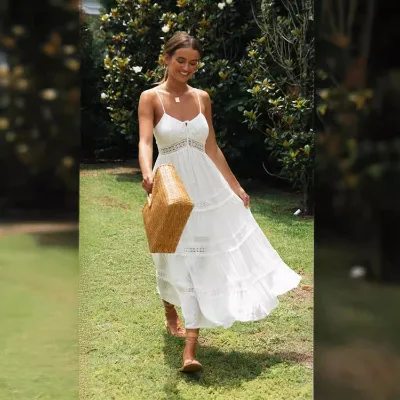
Summer New Sexy Lace Patchwork Skirt Bohemian Style Halter Dress Beach Long Dress for Women
$7.46 - $8.95
MOQ: 2 pieces
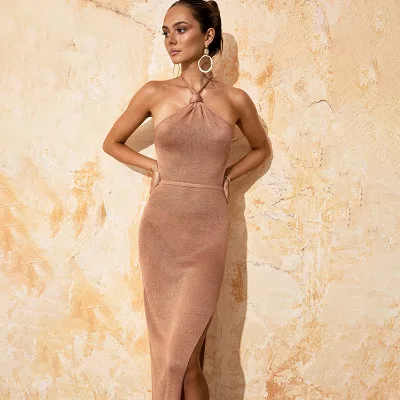
Hot Selling New Fashion Sexy Beach Dresses Halter Long Dress Beach Cover Ups for Women
$5.97 - $7.46
MOQ: 2 pieces
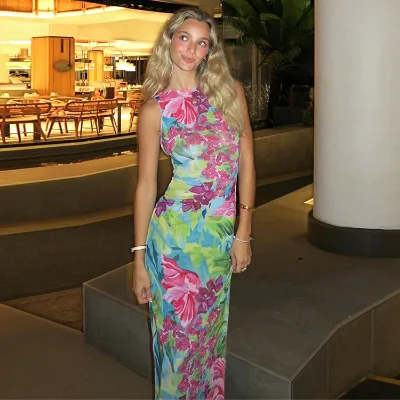
$5.04 - $6.54
MOQ: 2 pieces
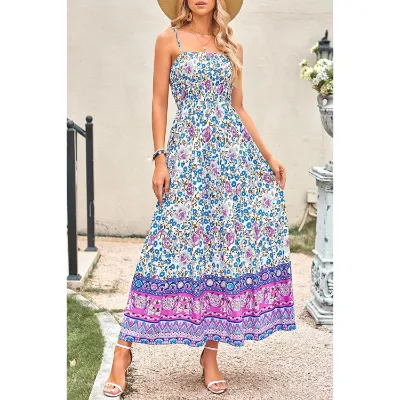
$7.46 - $9.05
MOQ: 2 pieces
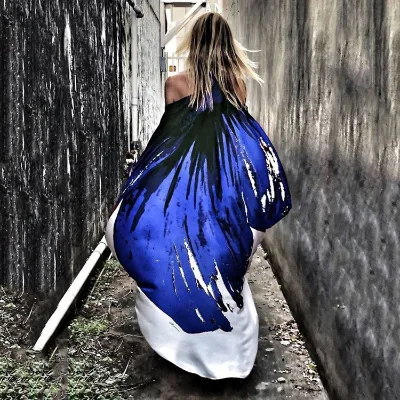
New Sloping Shoulder Casual Dresses Sexy Print Beach Wear Vacation Swing Dresses
$7.42 - $8.88
MOQ: 2 pieces

- Verified by SGS
- Trading Company
- China Zhejiang
- Lead time30 days
- Avg. response≤ 4h
Main productsBlazers, Dress, Jumpsuits&Bodysuits, Bottoms&Pants, Blouses, Sportswear, Skirts, Tops, T-Shirts, Coats&Jackets
Main marketsEurope,Australia,North America

Custom Ruffle Sleeve Smock Boho Beach Elegant Casual Summer Short Dresses
$8.90 - $15.00
MOQ: 30 Pieces

Custom Chic Linen Beach Dress Featuring Floral Patterns and Strap Design
$8.90 - $15.00
MOQ: 30 Pieces


GUANGZHOU SICHEM GARMENT CO., LTD
- Verified by BV
- Trading Company,Manufacturer/Factory
- China Guangdong
- Lead time45 days
- Avg. response≤ 19h
Main productsWomen Clothing, Children Clothing, Skirt, Dress, T Shirt, Pants, Blouse, Coat, Jumpsuit, Shirt
Main marketsEastern Europe,North America,Oceania,Western Europe
Xinxiang Baiyin Clothing Co., Ltd.
- Trading Company
- Henan, China
- Lead time15 days
- Avg. response≤ 3h
Main productsGarment making,Costume printing,Clothing sales
Main marketsSouth America(35.00%), Domestic Market(5.00%), North America(5.00%), South Asia(5.00%), Southern Europe(5.00%), Northern Europe(5.00%), Central America(5.00%), Western Europe(5.00%), Eastern Asia(5.00%), Mid East(5.00%), Oceania(5.00%), Africa(5.00%), Southeast Asia(5.00%), Eastern Europe(5.00%)
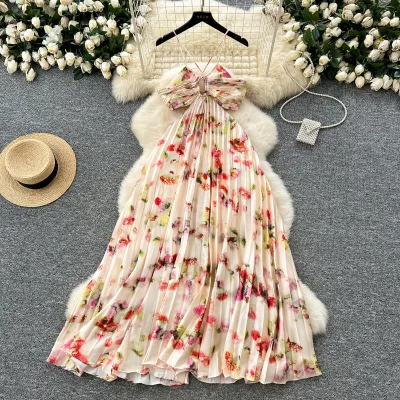
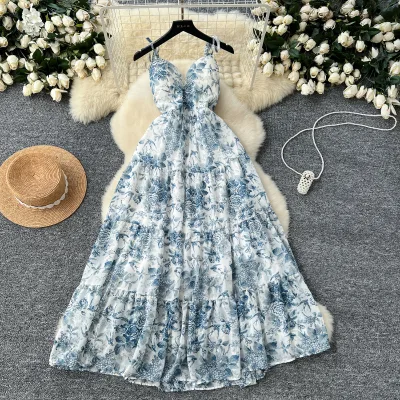
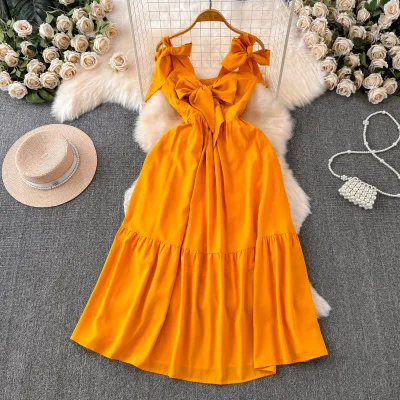
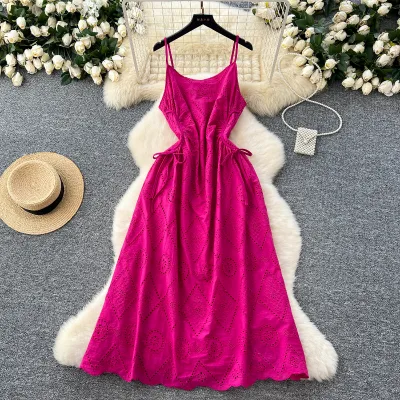
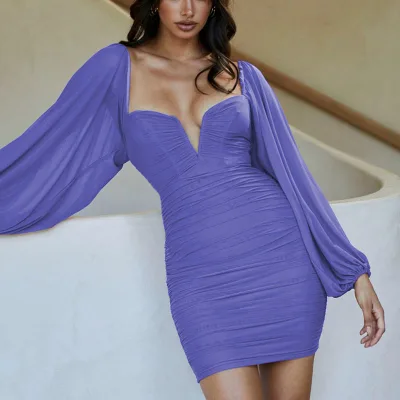
Vintage Halter Print Dress Women Temperament V-Neck Chiffon Long Dress for the Beach
$7.60 - $11.10
MOQ: 2 pieces
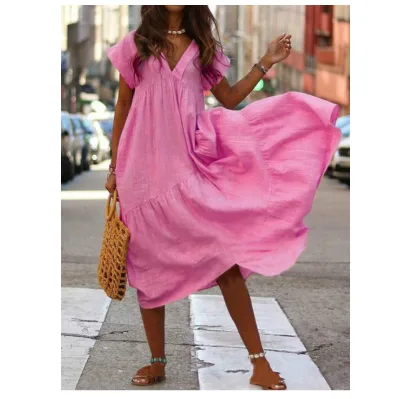

Dongguan Humen Yichang Garment Factory
- Verified by CTI
- Combined
- China Guangdong
- Lead time23 days
- Avg. response≤ 20h
Main productsFashion Clothing
Main marketsEurope,North America

Guangzhou Elegance Garment Co., Ltd
- Verified by SGS
- Combined
- China Guangdong
- Lead time15 days
- Avg. response≤ 7h
Main productsT-Shirt
Main marketsOthers(foreignTradeCapacity.exportBusinessCapacityMarketOther),Europe,North America

Sichuan Sustainable Garments Co., Ltd.
- Verified by CTI
- Combined
- China Sichuan
- Lead time30 days
- Avg. response≤ 11h
Main productsSweaters, Dresses, Hoodies, Socks, Underwear
Main marketsAustralia,North America

- Verified by BV
- Combined
- China Guangdong
- Lead time0 days
- Avg. response≤ 25h
Main productsWomen Dress, Ladies Dress, Bridesmaid Dress, Skirt, Jumpsuit, Trousers, Jacket, Coat, Blouse, Shirt
Main marketsSoutheast Asia/ Mideast,Europe,Australia,North America

Dongguan Xiuyu Fashion Garment Co., Ltd.
- Verified by TUVRHEINLAND
- Combined
- China Guangdong
- Lead time15 days
- Avg. response≤ 4h
Main productsSuit, Dress, Hoodie, T-Shirt, Jeans, Trousers, Skirt, Top, Shorts, Blazer
Main marketsEurope,Australia,North America


$14.70 - $16.70
MOQ: 100 pieces

Guangzhou Vincenia Trading Co., Ltd.
- Trading Company
- China Guangdong
- Lead time23 days
- Avg. response≤ 5h
Main productsUnderwear, Lingerie, Shapewear, Legging, Lace, Bra, Briefs, Yoga, Fabrics
Main marketsSouth America,Southeast Asia/ Mideast,East Asia(Japan/ South Korea),Europe,North America


New Design Women Floral Printing Fancy Dress Summer Slip Dress for Beach Vacation
$6.60 - $6.80
MOQ: 100 Pieces

New Design Summer Women's Long Sleeveless Netted Elegant Dress for Beach Vacation
$8.00 - $8.20
MOQ: 100 Pieces

Guangzhou Yifu Clothing Co., Ltd.
- Verified by SGS
- Combined
- China Guangdong
- Lead time15 days
- Avg. response≤ 13h
Main marketsDomestic


$11.23 - $16.55
MOQ: 50 pieces

Hefei Yaohai Zeyo Garment&accessory Firm
- Trading Company
- Anhui, China
- Lead time4 days
- Avg. response≤ 4h
Main productsShoes,Sandals,Slippers,Boots,Garments
Main marketsEastern Europe(15.00%), Central America(10.00%), Northern Europe(10.00%), Mid East(10.00%), South America(10.00%), North America(9.00%), Africa(8.00%), South Asia(8.00%), Southern Europe(5.00%), Western Europe(5.00%), Eastern Asia(3.00%), Southeast Asia(3.00%), Domestic Market(2.00%), Oceania(2.00%)

Shanghai Hubei Apparel Co., Ltd
- Verified by BV
- Trading Company,Manufacturer/Factory
- China Shanghai
- Lead time45 days
- Avg. response≤ 21h
Main productsShirt, Dress, Skirt, Coat, Suit, Knitwear, Blazer, Shorts, Pants
Main marketsSouth America,Eastern Europe,Mid East,North America,Southeast Asia,Eastern Asia,Oceania,Western Europe,Africa
Guangzhou Gimily Fashion Co., Limited
- Trading Company
- Guangdong, China
- Lead time25 days
- Avg. response≤ 7h
Main productsDresses,Tops,Bottoms,Jacket,Crochet Cardigan
Main marketsNorth America(30.00%), South America(20.00%), Western Europe(20.00%), Oceania(15.00%), Southeast Asia(5.00%), Eastern Europe(5.00%), Mid East(5.00%)

GUANGZHOU HUMLISUN IMP & EXP CO.,LTD.
- Verified by SGS
- Trading Company
- China Guangdong
- Lead time30 days
- Avg. response≤ 15h
Main productsSwimwear, Sports Wear, Bikini, Tracksuit, Yoga Suit, Cover up, Women Dresses, Beachwear
Main marketsSouth America,Others(foreignTradeCapacity.exportBusinessCapacityMarketOther),Southeast Asia/ Mideast,Europe,North America

Summer Sexy V-Neck Backless Dress Halter Top Beach Style Dress Cool Puff-Sleeved Dress
$25.50 - $51.00
MOQ: 1 Pieces

Summer Sexy V-Neck Backless Dress Halter Top Beach Style Dress Cool Puff-Sleeved Dress
$16.80 - $38.00
MOQ: 1 Pieces

Summer Sexy V-Neck Backless Dress Halter Top Beach Style Dress Cool Puff-Sleeved Dress
$25.40 - $50.80
MOQ: 1 Pieces

Guangzhou Yuanfeng Textile Technology Co., Ltd.
- Verified by BV
- Trading Company,Manufacturer/Factory
- China Guangdong
- Lead time23 days
- Avg. response≤ 8h
Main productsCustom Bikinis, One-Piece Swimwear, Beach Cover-UPS, Yoga & Activewear Sets
Main marketsSouth America,Eastern Europe,North America,Western Europe

Summer Waist V-Neck Printed Long Dress Beach Holiday Dresses Women Lady Elegant 6 Colors
$9.00 - $9.99
MOQ: 30 pieces


Guangzhou Dongzhou Garment Co., Ltd.
- Verified by TUVRHEINLAND
- Combined
- China Guangdong
- Lead time15 days
- Avg. response≤ 12h
Main productsDress, Blazer / Suit Jacket, Trousers / Dress Pants, Vest / Waistcoat, Chanel Style / Tweed Style, Skirt
Main marketsDomestic,Europe


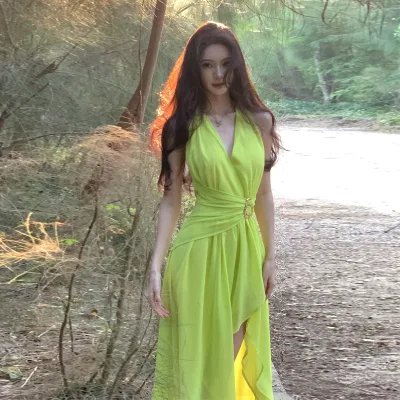
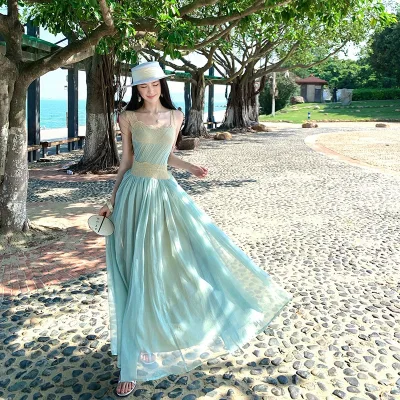
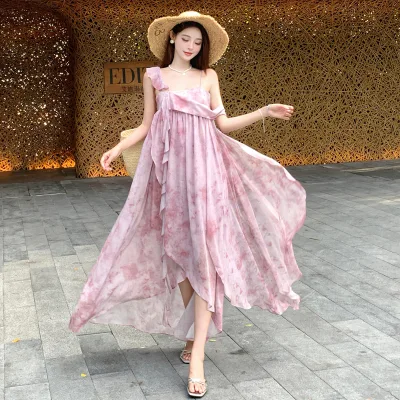


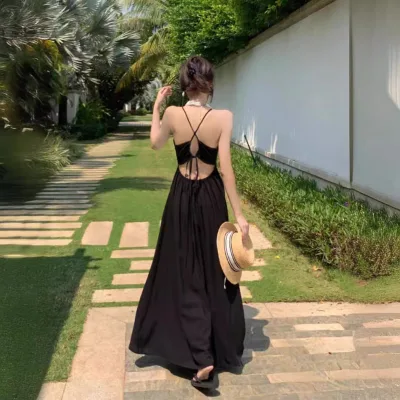
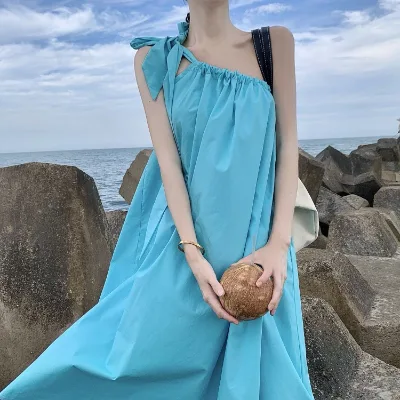


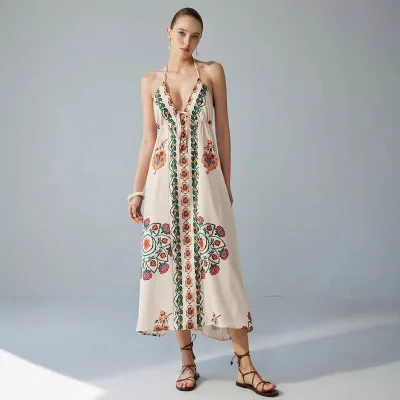
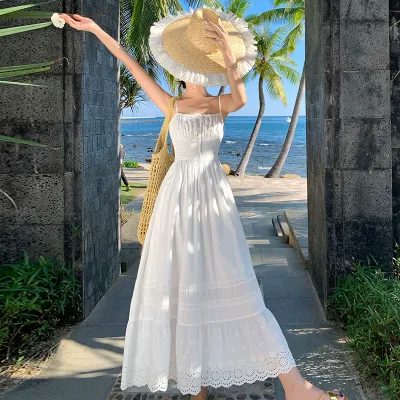


Comprehensive Sourcing Guide
Vintage Halter Ruffle Beach Dress Supplier Concentration and Factory Types
Current data indicates that suppliers offering vintage halter ruffle beach dresses are concentrated in specific Chinese provinces, with Anhui and Guangdong emerging as primary manufacturing hubs. In Anhui, the supply chain often involves trading companies that source furniture and home goods alongside apparel, suggesting a diversified industrial base that may impact production focus. These entities typically list their main products broadly, which requires buyers to verify if beach dress manufacturing is a core competency or a secondary line. The presence of trading companies in this region means the actual factory may be located elsewhere, necessitating a deeper inquiry into the supply chain structure before committing to large orders.
Conversely, suppliers in Guangdong often present different operational profiles, sometimes backed by specific verification bodies like SGS, which adds a layer of credibility to their operational claims. While some listings in this region focus on specific garment types, others may have broader catalogs including furniture, indicating a need for careful filtering. The distinction between a trading company and a direct manufacturer is critical here, as trading companies may offer more flexibility in sourcing but less control over the production floor. Buyers should examine the company type field carefully to determine if they are dealing with a factory that controls the entire process or an intermediary that aggregates orders from multiple sources.
How to Verify Vintage Halter Ruffle Beach Dress Suppliers
Verification of suppliers for vintage halter ruffle beach dresses relies heavily on third-party audit results and specific certification data points provided in the supplier profile. Some suppliers in the current dataset have undergone verification by CTI, a recognized testing and inspection body, which serves as a tangible indicator of their operational stability and compliance. However, not all suppliers display such credentials; some may show a status of NIL for system certifications, which does not necessarily imply non-compliance but rather a lack of displayed third-party validation. Buyers must treat the absence of a visible certification as a signal to request proof of compliance rather than assuming a lack of quality standards.
Beyond certifications, the response time and lead time metrics offer indirect evidence of a supplier's reliability and capacity to handle orders efficiently. A supplier with a response time of 0.60 hours demonstrates high responsiveness, which is crucial for resolving design queries regarding vintage halter styles and ruffle details quickly. In contrast, a response time of 5.40 hours suggests a slower communication cycle that could delay critical decisions during the sampling phase. Buyers should prioritize suppliers who provide clear, quantifiable response metrics and lead times, as these numbers reflect the operational efficiency of the team managing the Vintage Halter Ruffle Beach Dress production.
What to Compare Across Vintage Halter Ruffle Beach Dress Suppliers
When evaluating potential partners, buyers must compare minimum order quantities (MOQ) and pricing structures, as these vary significantly across the supplier pool. Some listings indicate an MOQ of 10,000 pieces for specific beach dress models, which may be prohibitive for smaller brands or test runs, while others offer lower thresholds such as 100 or 200 pieces. This disparity requires buyers to align their order volume with the supplier's capacity; a supplier demanding 10,000 units may be optimized for mass production, whereas one accepting 100 units might be better suited for niche vintage collections. Price ranges also fluctuate, with some items listed between $0.50 and $20.00, reflecting differences in material quality, such as polyester versus silk, and the complexity of the ruffle construction.
Lead times and customization capabilities are equally critical dimensions for comparison in this category. Suppliers may offer lead times ranging from 15 to 23 days for standard production, with some providing bulk lead times of 20-30 days for larger orders. The availability of OEM services and customization options, such as custom logos or specific fabric choices, varies by supplier and directly impacts the ability to create a unique Vintage Halter Ruffle Beach Dress. Buyers should scrutinize the "Customization" and "OEM" fields to ensure the supplier can accommodate specific design requirements, as a lack of these options could limit the ability to differentiate the product in the market.
Common Vintage Halter Ruffle Beach Dress Sourcing Risks
One significant risk in sourcing vintage halter ruffle beach dresses is the potential mismatch between the supplier's primary product focus and the specific garment requirements. Many suppliers in the current dataset list furniture or home furniture as their main products, which suggests that beach dress manufacturing might be a secondary or outsourced activity. This diversification can lead to inconsistencies in quality control, as the production team may lack specialized expertise in handling delicate fabrics like chiffon or silk required for vintage styles. Buyers must verify that the supplier has dedicated resources for apparel to avoid delays or quality issues that arise from a lack of focused production experience.
Another risk involves the variability in material specifications and product standards, which can lead to discrepancies between the sample and the final bulk order. While some products are described with specific features like "QUICK DRY" or "Breathable," others may lack detailed material breakdowns, relying on generic terms that do not guarantee the desired vintage aesthetic. The absence of standardized certifications for some suppliers, indicated by NIL status, further complicates risk assessment, as there is no third-party validation of their production processes. Buyers should request detailed material samples and production audits to mitigate the risk of receiving garments that do not meet the expected Vintage Halter Ruffle Beach Dress standards.
Vintage Halter Ruffle Beach Dress Regional Sourcing and Logistics
Regional sourcing strategies for vintage halter ruffle beach dresses must account for the logistical advantages and constraints of specific Chinese provinces. Suppliers located in Anhui and Guangdong offer distinct logistical profiles, with Guangdong often benefiting from established port infrastructure that facilitates faster export times. However, the presence of trading companies in these regions means that the physical location of the factory may differ from the supplier's registered address, potentially adding layers to the logistics chain. Buyers should confirm the actual factory location to estimate shipping times accurately and to understand the potential impact of regional weather or infrastructure issues on delivery schedules.
Logistics planning also requires attention to packaging standards, which vary by supplier and can affect the condition of the vintage halter ruffle beach dresses upon arrival. Some suppliers use standard OPP bags for packing, while others offer customizable packaging solutions that may better protect delicate ruffles and halter necklines during transit. The standard packing dimensions, such as 583630 cm for certain orders, influence container loading efficiency and overall shipping costs. Buyers should negotiate packaging requirements that balance cost efficiency with product protection, ensuring that the vintage aesthetic is preserved throughout the shipping process and that the goods arrive in pristine condition for retail display.
Vintage Halter Ruffle Beach Dress Commercial Terms and Order Planning
Commercial terms for vintage halter ruffle beach dresses often include specific sample and bulk lead times that must be integrated into the overall order planning timeline. Suppliers may specify sample times of 7-15 days and bulk lead times of 20-30 days, which are critical for managing inventory and launch schedules. These timelines can vary based on the complexity of the design, such as the number of ruffles or the specific vintage print required, and buyers should factor in buffer time for potential revisions. Understanding these lead times is essential for avoiding stockouts and ensuring that the Vintage Halter Ruffle Beach Dress collection hits the market at the right time.
Payment terms and order planning also hinge on the MOQ and pricing structure, which dictate the financial commitment required from the buyer. With MOQs ranging from 100 to 10,000 pieces, buyers must calculate the total cost of goods, including shipping and duties, to ensure the project remains viable. The price range of $0.50 to $20.00 per unit suggests that material choices, such as polyester versus silk, significantly impact the final cost. Buyers should plan their order volume carefully to leverage economies of scale while maintaining flexibility for future design iterations, ensuring that the commercial terms align with their budget and sales projections for the Vintage Halter Ruffle Beach Dress line.
FAQs
What is the typical lead time for beach dresses?
Manufacturers in China offer lead times ranging from 15 to 30 days depending on order volume and customization needs. Suppliers in Guangdong report a 15-day turnaround, while Anhui-based factories may require up to 23 days. Bulk production typically takes 20-30 days after sample approval, ensuring quality control before shipment.
What are the minimum order quantities for beach dresses?
MOQs vary significantly by supplier and product type. Some manufacturers require a minimum of 10,000 pieces for custom OEM orders, while others accept as few as 100 to 200 units for standard stock items. Buyers should verify specific MOQ requirements with each supplier to align with their inventory capacity and budget constraints.
Which materials are commonly used for beach dresses?
Common materials include polyester, chiffon, and silk, often featuring quick-dry and breathable properties. Polyester is widely used for its durability and cost-effectiveness, while chiffon offers a lightweight, flowy feel. Silk provides a premium texture. Buyers can choose based on desired comfort, seasonality, and price point when selecting their preferred fabric.
Are customization and OEM services available?
Yes, most suppliers offer customization and OEM services, allowing buyers to add custom logos, adjust patterns, and modify designs. Features like breathable fabrics and quick-dry technology can be tailored to specific needs. Buyers should confirm customization options, such as logo placement and fabric choices, directly with the supplier to ensure alignment with brand standards.
What is the price range for beach dresses?
Prices range from $0.50 to $20.00 per unit, depending on material, design complexity, and order quantity. Basic polyester styles start at lower price points, while silk or intricate chiffon designs may cost more. Buyers should request detailed quotes based on their specific requirements to understand the final cost per unit accurately.
How quickly do suppliers respond to inquiries?
Response times vary, with some suppliers responding within 0.60 hours and others taking up to 5.40 hours. Faster response times often indicate higher availability and efficient communication channels. Buyers should prioritize suppliers with quicker response rates to ensure timely support and smoother negotiation processes during the sourcing phase.