Vintage Eco-Friendly Bamboo Plate Suppliers and Manufacturers
Compare 22 verified suppliers offering Vintage Eco-Friendly Bamboo Plate options with varying lead times, certifications, and MOQs. Review response times and customization capabilities to select the right partner for your sourcing needs today; review the available evidence before requesting comparable quotations from suitable candidates.
Suppliers List
Fujian Natural Bamboo Housewares Co., Ltd.
- Verified by SGS Group
- Manufacturer, Trading Company
- Lead time45 days
- Avg. response≤ 3h
Main productsPet Feeder, Pet Kennel, Pet House, Cat Tree, Pet Furniture with Human
Main marketsWestern Europe(50%), North America(38%), Eastern Europe(2%)

XIAMEN TWO CITY IMP AND EXP CO., LTD.
- Verified by SGS
- Trading Company
- China Fujian
- Lead time30 days
- Avg. response≤ 4h
Main productsBamboo Panel, Bamboo Plywood, Bamboo Cutting Board, Bamboo Chopping Board, Bamboo Products, Bamboo Kitchenware, Bamboo Tableware, Bamboo Furniture, Wood Product, Wood Root Carving Product
Main marketsSoutheast Asia/ Mideast,Europe,North America


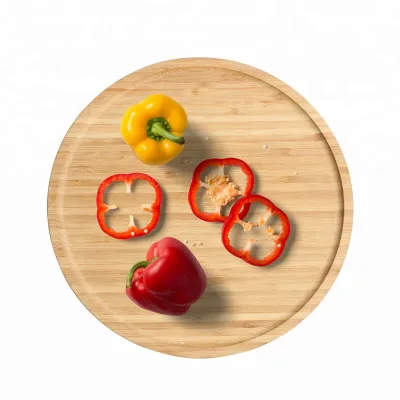
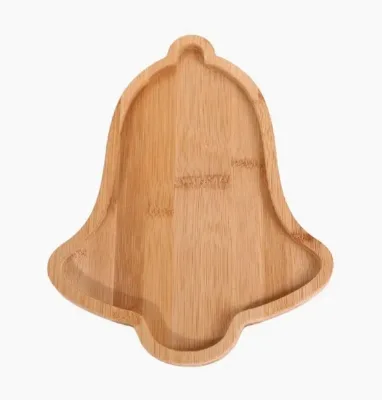
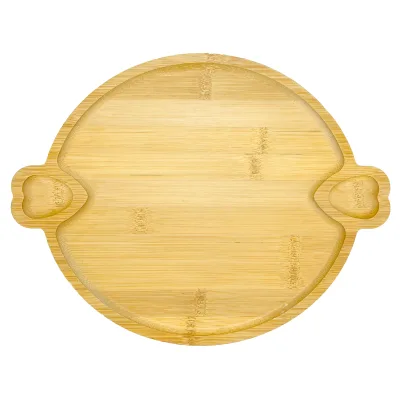
Natural Eco- Friendly Flower Shaped Bamboo Serving Plates Snack Tray Bamboo Plate
$2.05 - $2.63
Moq: 500


Yangzhou Muhe Trading Co., Ltd.
- Trading Company
- China Jiangsu
- Lead time15 days
- Avg. response≤ 2h
Main productsHeadband, Bamboo Fiber Scrunchie, Bamboo Cotton Make up Removers Pads, Silk Scrunchie, Hair Claw Clip, Bow Hair Clip, Cellulose Acetate Hair Claw Clip, Fashion Hair Accessories, Flannel Wristband & Headband
Main marketsSoutheast Asia/ Mideast,Europe

Xiamen Chengfengxin Industry & Trade Co., Ltd.
- Verified by BV
- Trading Company
- China Fujian
- Lead time23 days
- Avg. response≤ 14h
Main productsBamboo Cutting Board, Bamboo Bathtub Rack Caddy, Bamboo Tablet Computer Desk, Bamboo Kitchenwares Holder Organization, Bamboo Home Storage, Home Office Collection, Eco-Friendly Kitchen Products, Bamboo Kitchen Tools, Bamboo Diffuser, Eco-Friendly Green Products
Main marketsSoutheast Asia/ Mideast,Europe,Australia,North America

Tonglin Wood Industry (Dalian) Co., Ltd
- Verified by BV
- Trading Company
- China Liaoning
- Lead time30 days
- Avg. response≤ 4h
Main productsWooden Stair Product, Wooden Skirting Line, Wooden Baseball Bat, Wooden Pet Product, Wooden Knob, Wooden Handle, Wood Wine Box, Wooden Balusters, Wooden Cutting Board, Wooden Door Jamb
Main marketsNorth America


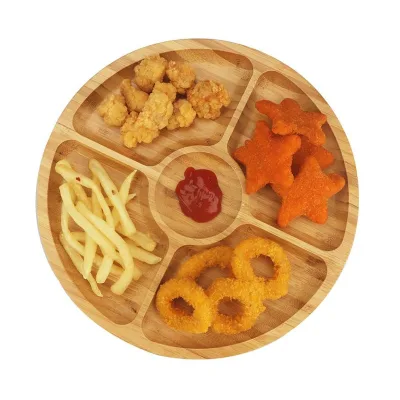
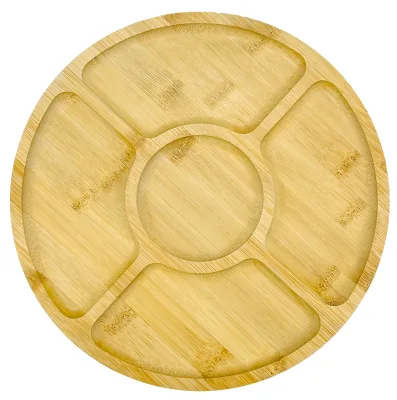
Healthy Eco-Friendly Round Shaped Bamboo Dinner Plates, Bamboo Tray Dinnerware
$2.50 - $3.50
Moq: 1000

Shaowu City Nafu Bamboo and Wood Industry Co., Ltd.
- Manufacturer
- China Fujian
- Lead time15 days
- Avg. response≤ 19h
Main productsBamboo and Wood Cutting Board Cheese Board, Bamboo and Wood Storage Box, Bamboo and Wood Plate, Bamboo and Wood Tray, Marble Wood Cheese Board, Bamboo and Wood Table, Bamboo and Wood Bathroom Products, Bamboo and Wood Shelf, Bamboo and Wood Kitchen Utensil, Bamboo and Wood Bowl
Main marketsEast Asia(Japan/ South Korea),Domestic,Europe,Australia,North America


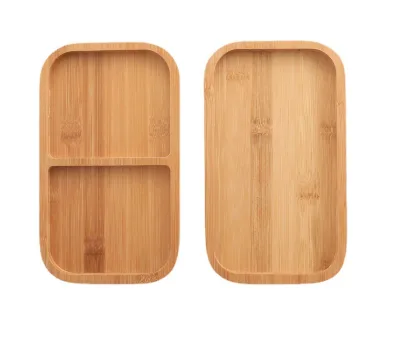
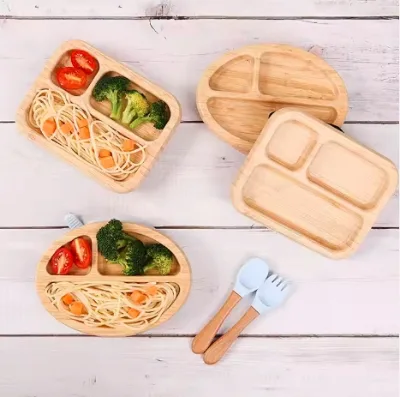
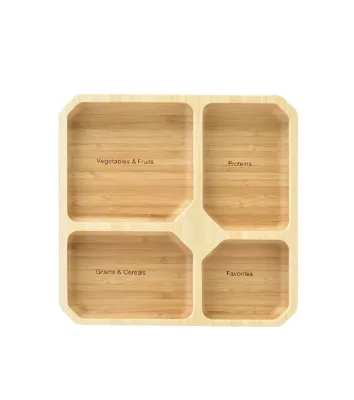
Natural Rectangular Bamboo Dessert Plate Snack Plate Wooden Serving Plate for Home
$1.25 - $2.25
Moq: 300


Cao County Lianchuang Wood Craft Packaging Co., Ltd.
- Manufacturer, Trading Company
- Shandong, China
- Lead time30 days
- Avg. response≤ 2h
Main productsWooden Pallets, Wooden Cutting Boards, Wooden Jars, Kitchen Storage Rack, Wooden Crafts
Main marketsDomestic Market(65.0%), North America(25.0%), South America(5.0%), Southeast Asia(5.0%)
Nanping Jianyang Eagle Bamboo And Wood Products Co., Ltd.
- Manufacturer
- Fujian, China
- Lead time30 days
- Avg. response≤ 2h
Main productsBamboo and wooden skewer,bamboo and wooden product,bamboo basket,bamboo and wooden chopstick,willow/rattan/grass picnic box
Main marketsWestern Europe(11.11%), Eastern Asia(11.11%), Mid East(11.11%), Oceania(11.11%), Africa(11.11%), Southeast Asia(11.11%), Eastern Europe(11.11%), South America(11.11%), North America(11.11%)
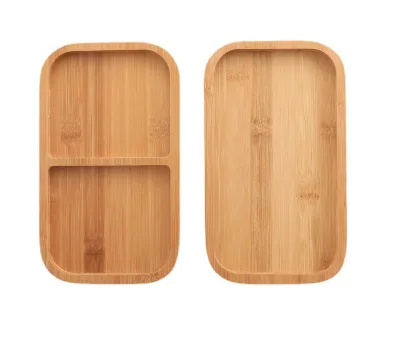
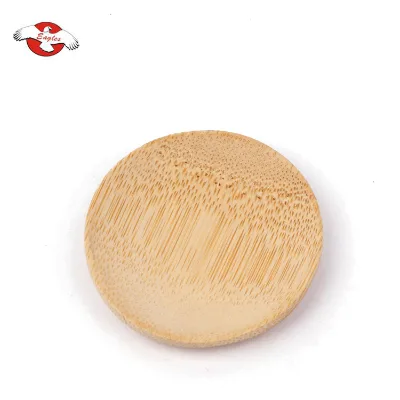
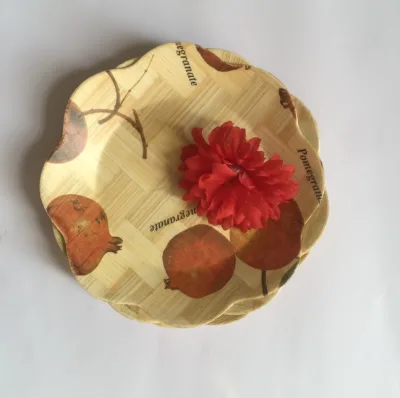
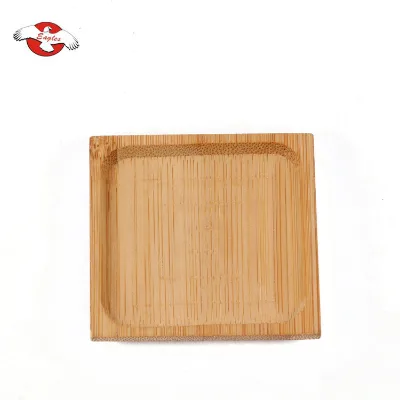
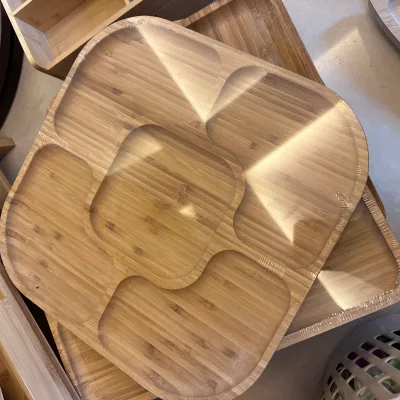
Eco Friendly Biodegradable Dinnerware Restaurant Bamboo Fiber Round Dinner Plate
$0.30 - $0.50
Moq: 2000

Shuifu Huiyang Agricultural Technology Co., Ltd.
- Verified by SGS
- Trading Company
- China Yunnan
- Lead time23 days
- Avg. response≤ 2h
Main productsBamboo Products, Bamboo Crafts, Bamboo Chopsticks, Bamboo Skewers, Bamboo Weaving, Bamboo Tray, Bamboo Box, Bamboo Placemat, Bamboo Fruit Bowl, Lamp Shades
Main marketsDomestic
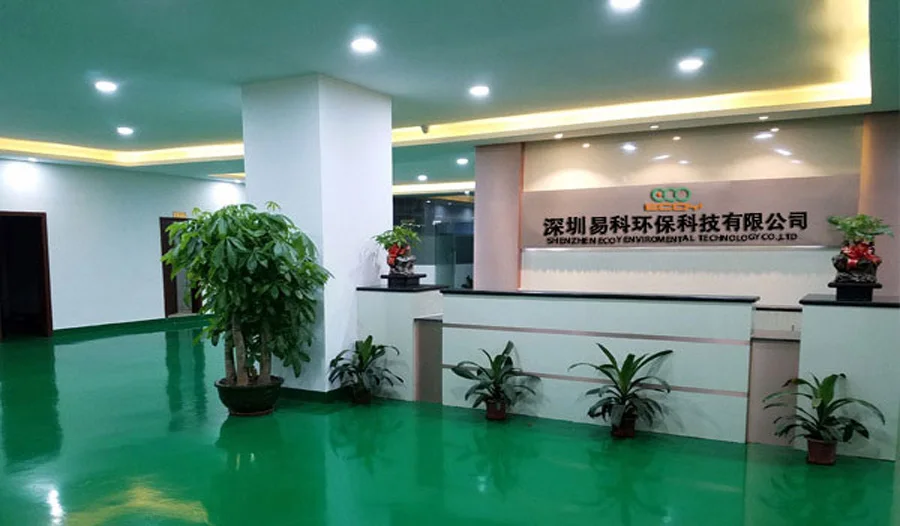
Shenzhen Ecoy Enviromental Technology Co., Ltd.
- Manufacturer, Trading Company, Distributor/Wholesaler
- Guangdong, China
- Lead time0 days
- Avg. response≤ 16h
Main productscheese board,cutlery,stainless steel bottle,bamboo items,yoga items
Main marketsNorth America(40.0%), Eastern Europe(20.0%), Southeast Asia(20.0%), Central America(5.0%), Mid East(5.0%), Oceania(5.0%), South America(5.0%)

Xiamen Forever Rise Imp and Exp Co., Ltd.
- Verified by BV
- Trading Company
- China Fujian
- Lead time23 days
- Avg. response≤ 18h
Main productsBamboo Plywood, Bamboo Panel, Bamboo Chopping Board, Bamboo Pizza Board, Bamboo Kitchenwares, Bamboo Weaving Mat, Bamboo Table Top, Bamboo Skewer Sticks, Outdoor Bamboo Decking, Outdoor Wall Panel
Main marketsSoutheast Asia/ Mideast,East Asia(Japan/ South Korea),Europe,Australia,North America
Quanzhou Bestowal Trading Co., Ltd.
- Verified by Intertek
- Trading Company
- Lead time60 days
- Avg. response≤ 2h
Main productsBamboo Rack/Shelf, Bamboo Furniture, Bamboo Kitchenware Accessories
Main marketsMid East(35%), South Asia(30%), North America(25%)

Xiamen Ebei Import & Export Co., Ltd.
- Verified by CTI
- Trading Company,Manufacturer/Factory
- China Fujian
- Lead time45 days
- Avg. response≤ 2h
Main productsEco-Friendly Products, Bamboo Tableware, Bamboo Furniture, Bamboo Kitchenware, Bamboo Office Supply, Bamboo Fibre Products, Biodegradable Products, Bamboo Towel, Solar Energy Products, Bamboo Garden Products
Main marketsSouth America,Eastern Europe,Mid East,North America,Southeast Asia,Eastern Asia,Oceania,Western Europe,Africa


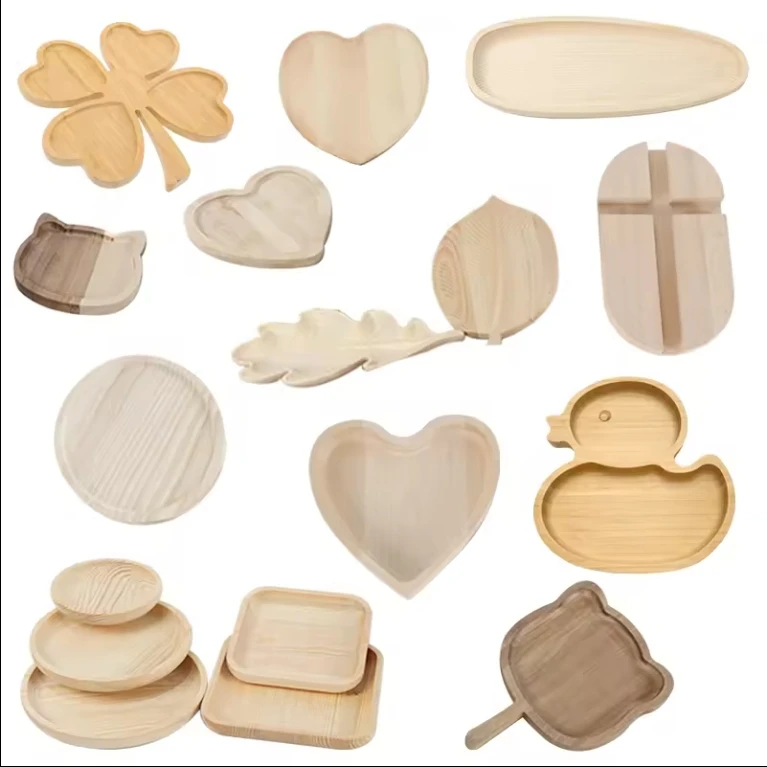
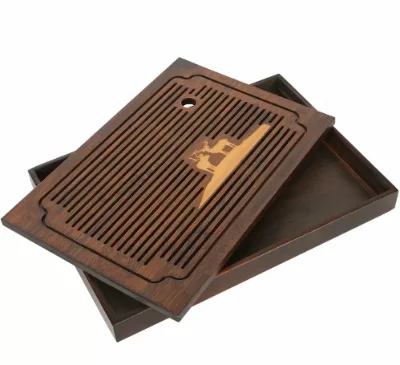
Rustic Vintage Bamboo Serving Tray, Storage Basket Platters Plate for Breakfast
Contact supplier
Moq: 500


Nanping Jianyang District Hejiale Bamboo Wood Household Supplies Co., Ltd.
- Verified by TüVRheinland
- Manufacturer, Trading Company
- Lead time40 days
- Avg. response≤ 2h
Main productsChopsticks
Main marketsDomestic Market(55%), Southeast Asia(25%), North America(10%)
Cao County Huiyifeng Crafts Co., Ltd.
- Manufacturer, Trading Company
- Shandong, China
- Lead time25 days
- Avg. response≤ 3h
Main productswood decor,wood box,wood coaster,wood craft,wood shelf
Main marketsNorth America(35.0%), Eastern Europe(20.0%), Western Europe(10.0%), Eastern Asia(10.0%), Central America(5.0%), Southeast Asia(5.0%), Northern Europe(4.0%), Mid East(3.0%), Africa(3.0%), South America(3.0%), Oceania(2.0%)

Anhui Nature Imp. & Exp. Co., Ltd.
- Verified by SGS
- Trading Company
- China Anhui
- Lead time15 days
- Avg. response≤ 2h
Main productsBamboo Products, Wooden Products, Multiple Knife Fork & Spoon, Bamboo Scissors Stick, Bamboo Sushi Curtain, Disposable Creative Bead Bamboo Stick, Bamboo Straw, Bamboo Stick, Wooden Cutlery, Wooden Knife Spoon Fork
Main marketsSoutheast Asia/ Mideast,Europe,North America

HUNAN TONGDA BAMBOO INDUSTRY TECHNOLOGY CO., LTD
- Verified by TUVRHEINLAND
- Manufacturer/Factory
- China Hunan
- Lead time23 days
- Avg. response≤ 18h
Main productsBamboo Chopstick and BBQ Sticks, Bamboo Skewers, Bamboo Straw, Hand Fan, Wooden Cutlery, Bamboo Cutlery, Sushi Bamboo Mat, Bamboo Leaves, Paper Cup, Paper Straw
Main marketsSouth America,Eastern Europe,Mid East,North America,Southeast Asia,Eastern Asia,Oceania,Western Europe,Africa

Ningbo Greenhome International Trade Co., Ltd.
- Verified by SGS
- Trading Company
- China Zhejiang
- Lead time30 days
- Avg. response≤ 6h
Main productsDisposable Plastic Tableware, Disposable Woodentableware, Disposable Bamboo Tableware, Disposable Paper Tableware, Disposable Biobased Tableware, Disposable Biodearadable Tableware
Main marketsAfrica,Southeast Asia/ Mideast,Europe,North America

- Trading Company
- China Zhejiang
- Lead time30 days
- Avg. response≤ 11h
Main productsHome Appliance, Cookware Set, Thermos, Home Storage, Furniture, Pet Supplies, Garden Tools, Outdoor Supplies, Baby Supplies, Houesehold Items
Main marketsSouth America,Africa,Southeast Asia/ Mideast,East Asia(Japan/ South Korea),Domestic,Europe,Australia,North America

Fujian Hoyee Household Items Co., Ltd.
- Verified by BV
- Manufacturer/Factory
- China Fujian
- Lead time0 days
- Avg. response≤ 10h
Main productsBamboo Products, Cutting Board, Bathtub Caddy, Bath Mat, Bath Towel Rack, Shoes Rack, Office Organizer, Desk Organizer, Cheese Board, Serving Tray

Shaowu Han Well Import and Export Trade Co., Ltd.
- Trading Company
- China Fujian
- Lead time23 days
- Avg. response≤ 9h
Main productsChopping Boards, Serving Boards, Bamboo Skewer, Bamboo Stick, Tray, Cutting Board, Box, Utensil Tool, Bamboo Chopsticks, Coffee Stirrers
Main marketsEast Asia(Japan/ South Korea),Europe,Australia,North America

Ningbo Artisan Import & Export Co., Ltd.
- Verified by TUVRHEINLAND
- Trading Company
- China Zhejiang
- Lead time30 days
- Avg. response≤ 25h
Main productsMailbox, Shaggy Blanket, Bathrobe, Furniture, Bill Counter, Book Stand, Bamboo Shoes Rack, Bar Tools
Main marketsEurope








Comprehensive Sourcing Guide
Vintage Eco-Friendly Bamboo Plate Supplier Concentration and Factory Types
When sourcing a Vintage Eco-Friendly Bamboo Plate, the first structural question is who actually makes the product versus who merely resells it. Supplier listings on B2B platforms typically split between manufacturers, trading companies, and hybrid operations that do both. In the current results, company-type labels include both Manufacturer/Trading Company combinations and pure Trading Company entries, so a buyer should never assume a listing equals a factory. Manufacturers may offer deeper customization capacity, such as sample processing, graphic processing, customized-on-demand work, and light customization, or ODM and OEM services, while trading companies often aggregate output from multiple workshops and can be faster at consolidating mixed orders. Neither model is inherently better; the risk is paying factory expectations for middleman margins.
Geographic concentration matters for bamboo tableware because material supply, finishing capacity, and tooling services cluster together. Some listings in these results do state a location, for example Fujian in China, with one product origin given as Nanping in Fujian, which signals a region where bamboo processing is visibly active. Where no location is displayed, buyers should identify clusters indirectly: filter by province in search facets, check whether the port of dispatch on product pages is consistent with the claimed address, and note whether main products—bamboo panels, cutting boards, tableware, pet furniture—suggest a genuinely bamboo-focused industrial base rather than a generalist trader.
How to Verify Vintage Eco-Friendly Bamboo Plate Suppliers
Verification starts with the platform's own evidence layers. Several suppliers in these results carry third-party verification badges from recognized inspection groups, which is a meaningful but limited signal: verification typically confirms the company exists at a registered address and that business credentials were checked, not that its bamboo plates meet food-contact rules in your market. System certifications shown in the results include RoHS, LFGB, and FSC for some suppliers, and "Others" for at least one, so certification coverage is uneven and must be checked listing by listing. LFGB relevance matters specifically for food-contact tableware, while FSC speaks to bamboo sourcing claims—both worth requesting as certificate copies rather than trusting a badge.
Beyond platform labels, run direct checks before committing funds. Ask for a business license and compare the registered scope against bamboo tableware manufacturing. Request recent food-contact test reports for the exact plate model, since a vintage-styled finish, lacquer, or oil treatment can change which regulations apply. Verify responsiveness under real conditions: response times in the current data range around three hours for some suppliers, but a quoted figure is not a guarantee, so measure reply speed yourself across several working days. Finally, confirm capacity claims with evidence—supply ability figures stated on product pages, such as a stated 10,000 pieces per month on one listing, should be reconciled with production-floor photos, a video call, or a third-party audit before large orders.
What to Compare Across Vintage Eco-Friendly Bamboo Plate Suppliers
Build a comparison matrix from the attributes actually displayed, accepting that no supplier shows every field. Useful dimensions include lead time, minimum order quantity, response speed, location, main products, company type, verification status, system certifications, and research-and-development capacity. In the current results, stated lead times range from 30 to 45 days, response times cluster near three hours, and one listing states an MOQ of 500 pieces with another noting "500 or negotiable upon our stocks"—differences like these directly affect cash tied up in inventory. Main-product lists also reveal fit: a supplier whose catalog centers on bamboo tableware and kitchenware is a different partner from one whose core is pet furniture with bamboo as a side line.
Product-level fields deserve equal weight when comparing vintage styling capability. One listing describes a bamboo plate with a suction feature and customized pattern types, polished technique, custom logo support, and packaging options spanning poly bags to PDQ display boxes; another offers plant-pattern or customized shapes with vegetable-oiled or lacquered finishes. These details tell you whether a supplier can execute a vintage aesthetic— antiqued stains, shaped rims, engraved patterns—rather than only standard round plates. Also compare price bands where shown, sample acceptance, and per-model supply ability, then weight the matrix by your priorities: speed favors short lead times, cash flow favors low MOQs, brand builders favor customization depth.
Common Vintage Eco-Friendly Bamboo Plate Sourcing Risks
The most frequent risk in this category is a mismatch between the "eco friendly" label and the underlying compliance evidence. Bamboo itself is renewable, but vintage finishes often involve stains, lacquers, or oils, and the results themselves show divergent finish types—vegetable oil versus lacquer—plus certifications that vary by supplier, with some showing food-related approvals and others showing general system certificates only. If a supplier cannot produce a food-contact test report matching your destination market's requirements, the eco story collapses at customs or during retail audits. Treat certification names on a profile as a prompt to request documents, never as proof of product-level conformity.
Operational risks cluster around trading-company opacity and capacity overstatement. A trading company may present factory-style imagery while subcontracting to small workshops with inconsistent finishing quality, which is especially visible on vintage-styled pieces where color washes and distressing vary batch to batch. Lead times shown on profiles, such as 30 to 45 days in the current results, typically exclude customization tooling, sample iterations, and peak-season queuing, so a vintage order can run materially longer than the headline number. MOQs labeled negotiable may hide higher true minimums once custom shapes or logos are requested. Mitigate by ordering pre-production samples from the actual production line, defining acceptable color and finish variation in writing, staging payments against inspection milestones, and confirming packaging specifications—such as shrink wrap or display boxes—before mass production.
Vintage Eco-Friendly Bamboo Plate Regional Sourcing and Logistics
Where a region is stated in verified listing data, use it; where it is not, work around it. The current results do identify Fujian, China as a supplier location, with one product's place of origin given more precisely as Nanping in Fujian, and a port of dispatch listed as Fuzhou Port. That combination is operationally useful: proximity between origin and port reduces inland freight cost and handling damage for bulky, fragile tableware, and it suggests the supplier ships regularly rather than occasionally. Buyers can also infer cluster strength from complementary catalog items—bamboo panels, plywood, cutting boards, and root-carving products in one supplier's main-product list indicate established regional processing infrastructure.
Logistics planning for bamboo plates hinges on packaging and mode choice. Stated packaging options in the results include poly bags, shrink wrap, white boxes, color boxes, PVC boxes, and PDQ display boxes; retail-ready packaging adds volume and weight, so confirm carton dimensions—one listing shows a 30x20x20 cm single package size and 1.0 kg gross weight—to model container fill accurately. Bamboo is sensitive to humidity swings, so ask about moisture content control and dried-container or desiccant practices for ocean freight. When quotes, compare FOB terms against the named dispatch port, factor in inland haulage if the factory is far from port, and for smaller trial orders evaluate whether LCL consolidation or air freight on samples shortens validation cycles before committing to a full container.
Vintage Eco-Friendly Bamboo Plate Commercial Terms and Order Planning
Commercial negotiation should anchor on the numbers each supplier actually discloses. Current results show stated unit prices from roughly 1.95 to 2.63 on some bamboo plate models and 3.00 to 7.00 on others, with MOQs of 500 pieces and at least one supplier noting negotiability depending on stock. Those spreads mean quoted prices are only comparable when matched to identical specifications—diameter, finish, packaging, and logo treatment. One listing supports custom logos and sample acceptance; lock down what a sample costs, whether the fee is credited against bulk orders, and how many revision rounds are included before signing anything. Confirm Incoterms, currency, and validity periods for every quote.
Order planning should sequence risk deliberately. A pragmatic path is: paid sample from production tooling, small pilot order at or slightly above MOQ, third-party inspection before shipment, then scale on reorder. Use stated lead times—30 to 45 days in the current data—as a baseline, then add buffer for custom tooling, finish approval, and seasonal port congestion; vintage finishes especially need approval cycles. Discuss escrow or platform-protected payment options where available, since verified-supplier status does not itself protect funds. Finally, document packaging choice from the offered range—poly bag through PDQ display box—because it affects landed cost and retail readiness, and set reorder triggers based on a supplier's stated monthly supply ability rather than optimistic sales forecasts.
FAQs
What is the typical MOQ for vintage eco friendly bamboo plates?
Listed bamboo plate offers show minimum orders of 500 pieces, and some suppliers state the MOQ is negotiable depending on current stock. Confirm whether your chosen design carries the standard 500-piece minimum or a negotiable threshold, since flower-shaped, rectangular, and plant-pattern models may be produced under different production runs and stocking arrangements.
How long does production take for bamboo plates?
Supplier profiles list lead times of 30 to 45 days for bamboo products. Actual timing depends on order size, customization level, and finish such as vegetable oiling or lacquering. Ask each supplier to confirm a production schedule for your specific quantity before you commit, and factor in extra days for sample approval and shipping.
Can bamboo plates be customized with my logo or design?
Yes, the listed products advertise custom logo making and customized patterns. Suppliers offer ODM and OEM capacity along with sample processing, graphic processing, and on-demand customization. Expect customization to affect lead time and possibly the minimum order quantity, so request a sample first to verify the engraved or printed result before mass production begins.
What finishes and materials are used on these bamboo plates?
The plates are made of bamboo and wood with polished finishing, offered vegetable oiled or lacquered depending on the model. Natural color is standard, and shapes include round, rectangular, flower, and plant patterns. Confirm with each supplier which finish suits food contact in your market and whether the coating complies with your local food-safety regulations.
Do suppliers offer samples before bulk orders?
Yes, at least one listed product explicitly states samples are acceptable. Requesting a sample lets you check bamboo quality, finish, weight, and packaging before committing to a 500-piece minimum. Sample costs, courier fees, and deductibility against bulk orders vary by supplier, so clarify these terms and the sample turnaround time in your first inquiry.
What certifications should I verify when sourcing bamboo plates?
Supplier profiles list system certifications including RoHS, LFGB, and FSC, while product listings reference BSCI, CE/EU, and FDA. Requirements vary by destination market, so verify which certificates are current and applicable to your country. Ask suppliers for dated copies, check scope, and confirm the certificate holder matches the entity you will contract with.
How fast do these bamboo plate suppliers respond to inquiries?
Listed suppliers show average response times of roughly three hours, so most inquiries receive replies within the same business day. To keep momentum, send a complete first inquiry specifying quantity, target price, customization, and destination port. Clear briefs typically shorten the quotation cycle and reduce back-and-forth before samples are arranged.
Where are these bamboo plates shipped from and what packaging is used?
The listed products originate in Fujian, China, with dispatch through Fuzhou Port. Packaging options include poly bag, shrink wrap, white box, color box, PVC box, and PDQ display boxes, packed in cartons for bulk shipments. Confirm carton dimensions, single gross weight of about one kilogram per unit, and freight terms when requesting your quotation.