Vintage Oversized Printed T Shirt Suppliers and Manufacturers
Source 23 verified suppliers for Vintage Oversized Printed T Shirt products. Compare key dimensions including location, lead time, MOQ, and response time to find the right partner. Review product specifications and pricing to initiate your sourcing process; review the available evidence before requesting comparable quotations from suitable candidates.
Suppliers List

Guangzhou City Basic Clothing Co.,Ltd
- Verified by BV
- Trading Company
- China Guangdong
- Lead time30 days
- Avg. response≤ 11h
Main productsT Shirt, Polo Shirt, Hoodies, Tracksuit, Men Suit, Men Shirt, Workwear, School Uniform, Caps, Apron
Main marketsAfrica,Others(foreignTradeCapacity.exportBusinessCapacityMarketOther),Southeast Asia/ Mideast,East Asia(Japan/ South Korea),Domestic,Europe,Australia,North America


Loose Custom Printing Street Wear Men's Tshirt Vintage Oversized Cotton
$6.00 - $18.00
MOQ: 100 Pieces

Vintage Distressed Pre Acid Washed Black Cotton T-Shirts Plain Men Oversized Tshirts
$5.00 - $10.35
MOQ: 50 Pieces

Mens Loose Heavyweight Cotton Brown Black Vintage Tshirt for Printing Oversized
$6.00 - $18.00
MOQ: 100 Pieces

Shanghai Easun Group Imp & Exp Co., Ltd.
- Verified by BV
- Trading Company
- China Shanghai
- Lead time15 days
- Avg. response≤ 19h
Main productsHoodies, Pajamas, T-Shirt, Bath Robe, Sleepwear, Polo Shirts, Safety Shoes
Main marketsAfrica

Guangzhou Shangshang Industrial Co., Ltd.
- Combined
- China Guangdong
- Lead time15 days
- Avg. response≤ 22h
Main productsHoodies, T Shirt, Sweatpant, Shorts, Jacket
Main marketsDomestic


New Style Vintage Oversize Graphic Printing Cotton Crewneck Short Sleeve T-Shirt
$6.00 - $13.00
MOQ: 50 Pieces

Yancheng Chimei Apparel Co., Ltd.
- Verified by CTI
- Trading Company
- China Jiangsu
- Lead time30 days
- Avg. response≤ 3h
Main productsT Shirt, Hoodie, Jacket
Main marketsSouth America,Europe,Australia,North America


Faded Graphic Vintage Washed T Shirts Black Printed T-Shirt for Men Oversized
$2.00 - $6.00
MOQ: 100 Pieces

Custom Streetwear Oversized Drop Shoulder Vintage Printed T Shirt for Men
$2.88 - $8.28
MOQ: 100 Pieces


Guangzhou BaiNaJia Garment Co., Ltd
- Verified by SGS
- Manufacturer/Factory
- China Guangdong
- Lead time45 days
- Avg. response≤ 4h
Main productsKnitted Sweater, Women Sweater, Men Sweater, Child Sweater, T-Shirt, Hoodies, Apparel, Custom Sweater, Sweater Products, Fashion Sweater
Main marketsEastern Europe,Mid East,North America

Yancheng Yunqian Apparel Co.,Ltd
- Verified by CTI
- Trading Company
- China Jiangsu
- Lead time30 days
- Avg. response≤ 4h
Main productsT Shirt, Hawaiian Shirt, Flannel Shirt, Hoodies, Dress Shirt, Leggings, Pants, Polo Shirt, Jacket
Main marketsSouth America,Europe,Australia,North America

Faded Graphic Vintage Washed T Shirts Black Printed Wash T-Shirt for Men Oversized Tshirt
$2.88 - $8.28
MOQ: 100 Pieces

Men's Oversized Short Sleeves Cotton Custom Printing Streetwear T-Shirts
$2.00 - $6.00
MOQ: 100 Pieces
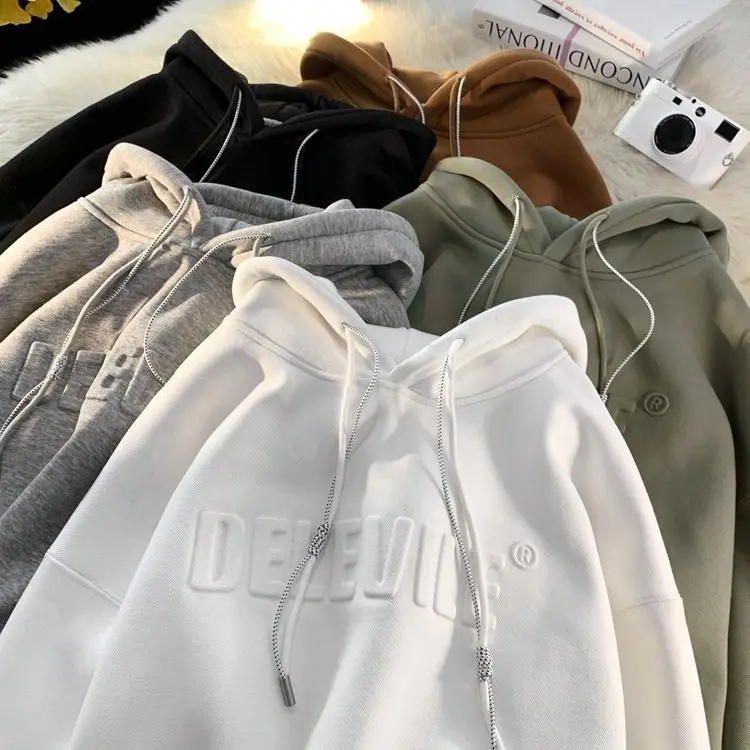
Foshan Haode Garments Co., Ltd.
- Manufacturer, Distributor/Wholesaler
- Guangdong, China
- Lead time15 days
- Avg. response≤ 11h
Main productsTSHIRT,TANK TOP,HOODIES,SWEATSHIRT,SHORTS
Main marketsCentral America(6.00%), Eastern Europe(6.00%), Northern Europe(5.00%), North America(5.00%), South America(4.00%)

Guangzhou Fengrong Clothing Co., Ltd.
- Verified by SGS
- Combined
- China Guangdong
- Lead time15 days
- Avg. response≤ 2h
Main productsT-Shirt, Hoodie, Jacket, Trousers, Shorts
Main marketsDomestic
- Verified by SGS
- Trading Company
- China Zhejiang
- Lead time15 days
- Avg. response≤ 2h
Main productsT-Shirt, Hoodie, Shorts, Baseball Cap, Sweatshirt, Pants, Gym Wear, Football Jersey, Waistcoat, Hat
Main marketsSouth America,Southeast Asia/ Mideast,East Asia(Japan/ South Korea),Domestic,Europe,Australia,North America

Custom Printing 100%Cotton Vintage T-Shirts for Men Oversized Acid Washed T Shirt
$1.99 - $4.99
MOQ: 30 Pieces

Wholesale Cotton Custom T Shirt Vintage Acid Washed Men's Oversized T-Shirt
$2.99 - $3.97
MOQ: 50 Pieces

Vintage Custom Logo T Shirt 100% Cotton High Quality Men's Oversized T-Shirt
$2.63 - $4.29
MOQ: 100 Pieces

Men's Cotton Custom Heavyweight T-Shirt Oversized with Printed Logo T Shirts
$2.79 - $4.27
MOQ: 50 Pieces

Custom Logo Washed Men Oversized Casual Printed T Shirt Men's Blank T-Shirt
$2.63 - $4.29
MOQ: 100 Pieces

High Quality 100%Cotton Men's T-Shirts Printing Embroidery Custom Oversized Tshirt
$2.50 - $3.50
MOQ: 30 Pieces
Shenzhen Dongqiyuan Technology Co. Ltd
- Verified by SGS
- Trading Company
- China Guangdong
- Lead time15 days
- Avg. response≤ 2h
Main marketsSoutheast Asia/ Mideast,Europe

DICDE Oversized Fit Vintage Cotton Washed T-Shirt with Unique Screen Print
$3.98 - $4.98
MOQ: 100 Pieces


Guangzhou Vision Clothing Co., Ltd.
- Verified by BV
- Combined
- China Guangdong
- Lead time15 days
- Avg. response≤ 7h
Main productsT-Shirt, Hoodie, Polo Shirt, Sweatpants
Main marketsSouth America,Southeast Asia/ Mideast,Europe,Australia,North America

T Shirt Supplier High Quality Acid Washed Vintage Men Printed Oversized Vintage Cotton T Shirts
$4.96 - $7.79
MOQ: 30 Pieces

Custom Screen Printed Puff Print Custom Vintage 100% Cotton Oversized Men T Shirt Manufacturer
$4.99 - $7.49
MOQ: 30 Pieces


$4.96 - $7.79
MOQ: 30 Pieces


Baoding Yukaihe Clothing Import & Export Co., Ltd.
- Verified by TUVRHEINLAND
- Trading Company
- China Hebei
- Lead time15 days
- Avg. response≤ 6h
Main productsCap, Hat, Baseball Cap, Bucket Hat, Beanie, Running Hat, Snapback Caps, Sport Hat, Trucker Hat, Camp Caps
Main marketsSoutheast Asia/ Mideast,Europe,Australia,North America


Custom T-Shirts Plus Size Printing Cotton Oversized T-Shirts Fitted T-Shirt Custom Own Logo
$11.49 - $12.55
MOQ: 10 Pieces

High Quality T-Shirts Short Sleeve Men's Cotton Custom Oversized T-Shirt
$12.19 - $13.80
MOQ: 10 Pieces

Sichuan Chenhai International Trade Co., Ltd.
- Trading Company
- China Sichuan
- Lead time0 days
- Avg. response≤ 3h
Main productsSocks, Lingerie

Suning County Xiangbird Clothing Co., Ltd.
- Verified by SGS
- Combined
- China Hebei
- Lead time30 days
- Avg. response≤ 3h
Main productsT-Shirt, Hooded Sweatshirt, Seluar Jeans, Pakaian Pelindung Matahari
Main marketsDomestic
Guangzhou Difan Clothing Co., Ltd.
- Verified by BV
- Combined
- China Guangdong
- Lead time15 days
- Avg. response≤ 7h
Main productsTshirt, Hoodie, Jacket, Polo, Pant, Sweatshirt, Jersey, Shorts, Tracksuit
Main marketsSouth America,Africa,Southeast Asia/ Mideast,East Asia(Japan/ South Korea),Europe,Australia,North America


Tshirt to Print Oversized Vintage Washed Country Custom Short Sleeve Mens Tshirts
$6.00 - $9.00
MOQ: 50 piece
Dongguan City Xinhui Garments Co., Ltd.
- Verified by Intertek
- Manufacturer, Trading Company
- Lead time20 days
- Avg. response≤ 2h
Main productsT shirts, Hoodies, Joggers, Women Dresses, Jackets
Main marketsNorth America(85%), Oceania(8%), Western Europe(7%)

Nuolang (Guangdong) Garment Industry Co., Ltd.
- Verified by BV
- Combined
- China Guangdong
- Lead time15 days
- Avg. response≤ 2h
Main productsT-Shirt, Polo Shirt, Shirt, Coverall, Suit, Uniform, Sportswear, Casual Wear
Main marketsSoutheast Asia/ Mideast
Guangzhou Nolai Garment Co., Ltd.
- Verified by TUVRHEINLAND
- Combined
- China Guangdong
- Lead time30 days
- Avg. response≤ 1h
Main productsT Shirt, School Uniform
Main marketsDomestic

Dongguan Monkey Clothes Co., Ltd.
- Verified by SGS
- Combined
- China Guangdong
- Lead time15 days
- Avg. response≤ 5h
Main marketsEurope,North America

High Quality Unisex Oversized with Logo Printed 100% Heavy Cotton T Shirt
$5.50 - $8.00
MOQ: 10 Pieces


Ningbo Z & H Foreign Trade Co., Ltd.
- Trading Company
- China Zhejiang
- Lead time45 days
- Avg. response≤ 17h
Main productsGarment T Shirt Hoody Polo Fashion Cloth
Main marketsSouth America,Africa,Southeast Asia/ Mideast,East Asia(Japan/ South Korea),Europe,Australia,North America
Dongguan Senzhou Garment Co., Ltd.
- Verified by TüVRheinland
- Manufacturer, Trading Company
- Lead time15 days
- Avg. response≤ 2h
Main productsTracksuit, T-Shirts, Hoodie, Shorts, Jacket
Main marketsNorth America(28%), Western Europe(22%), Domestic Market(20%)

Shanghai David International Trade Co., Ltd.
- Verified by TUVRHEINLAND
- Combined
- China Shanghai
- Lead time15 days
- Avg. response≤ 8h
Main productsPromotional Gifts, Gift Sets, Tshirts, Hats, Hot Packs, Hot Cold Packs, Ice Packs, Bags, Umbrellas, Water Bottles
Main marketsSouth America,Africa,Southeast Asia/ Mideast,East Asia(Japan/ South Korea),Domestic,Europe,Australia,North America


High Quality T-Shirts Custom Printing 100% Cotton T-Shirts
MOQ: 500 Pieces

Shanghai Touch Industrial Development Co., Ltd.
- Verified by TUVRHEINLAND
- Combined
- China Shanghai
- Lead time15 days
- Avg. response≤ 6h
Main productsInstant Hot Pack, Hot Cold Pack, Gel Eye Mask, Gel Ice Pack, Gel Bottle Cooler, Instant Ice Pack, Hand Warmer, Heat Pack, Cooling Scarf, Gel Beads
Main marketsSouth America,Others(foreignTradeCapacity.exportBusinessCapacityMarketOther),Southeast Asia/ Mideast,East Asia(Japan/ South Korea),Domestic,Europe,Australia,North America


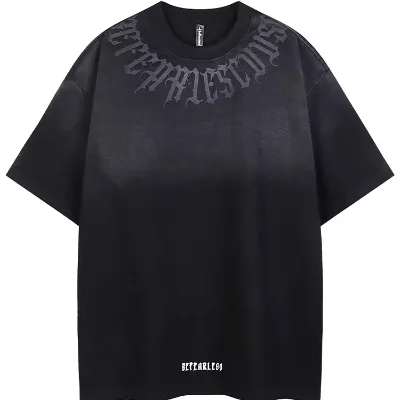
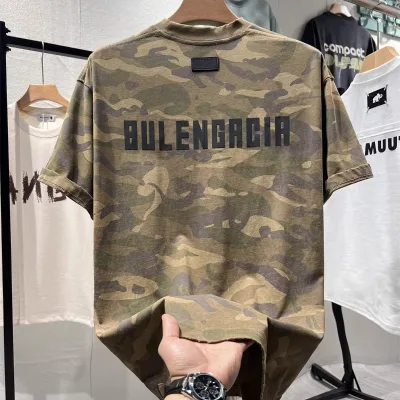


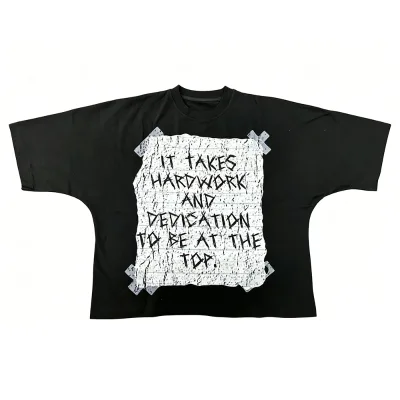





Comprehensive Sourcing Guide
Vintage Oversized Printed T Shirt Supplier Concentration and Factory Types
Buyers searching for Vintage Oversized Printed T Shirt supply will encounter two broad company archetypes on B2B platforms: manufacturers and trading companies. The manufacturer-type listings in this category typically present product lines covering T shirts, tracksuits, suits, shirts, workwear and uniforms, and they often advertise customization services spanning design, label, logo and packaging. Trading companies, by contrast, tend to list a wider mixed catalogue — hoodies, pajamas, polo shirts, sleepwear, bath robes and even safety shoes — which signals a sourcing-agent structure rather than in-house knitwear production. Neither archetype is automatically better, but the distinction changes who you negotiate with and who controls sampling.
Manufacturing clusters should be identified by the buyer rather than assumed. Location labels in current results show suppliers based in Guangdong and Shanghai, two provinces with established apparel ecosystems, but these are labels attached to individual listings, not proof of cluster depth. To map concentration yourself, filter search results by province, count how many verified suppliers appear in each region for this product type, and note where vintage-wash and oversized-cut capabilities cluster across repeated listings. Watch for signals such as product models referencing acid wash, distressed finishes, drop-shoulder construction and heavyweight cotton, since these indicate genuine category experience rather than general apparel capacity. A supplier listing only plain blank tees may subcontract the vintage treatments that define your product, so confirm washing and printing are handled in-house or through disclosed partners before assuming cluster advantage translates into supplier capability.
How to Verify Vintage Oversized Printed T Shirt Suppliers
Verification starts with the platform badges and disclosures already visible on supplier pages, then moves to checks you request directly. Some listings in this category display third-party verification, such as a BV assessment mark, which confirms a formal audit occurred, but a badge alone does not tell you the scope, date or findings of that assessment. Read the supplier type carefully: a self-declared manufacturer on one product attribute page may sit alongside a trading-company label on the company profile, and reconciling that contradiction is your first verification task. Response time metrics shown on some listings — figures in the range of ten to nineteen hours observed in current results — give a preliminary read on communication discipline, though a single snapshot number should not replace a live inquiry test.
Run a structured inquiry test before committing. Send the same technical brief to several suppliers: fabric weight in GSM, wash method for the vintage finish, printing technique for the graphic, and size tolerance for the oversized body. Note who answers with specifics versus generic brochures. Request references from buyers in streetwear or promotional apparel, and ask for the factory's business licence and, where applicable, the audit report behind any verification badge. For the vintage-wash process specifically, ask which facility performs garment washing, because chemical and water management compliance varies widely and your brand carries that risk. Finally, verify the person negotiating with you is authorized to set MOQ, pricing and lead time; in trading-company structures the sales contact may not control the producing mill, and discovering this after sampling wastes weeks.
What to Compare Across Vintage Oversized Printed T Shirt Suppliers
Build a comparison grid using the dimensions suppliers actually display, and record gaps rather than guessing. Core columns should include location, supplier type, verification status, response time, lead time, MOQ, main products and customization scope. In current results you can find listings with a thirty-day lead time, others at fifteen days, MOQs ranging from fifty pieces to one thousand, and response times from roughly ten to nineteen hours — that spread is exactly why a grid matters. Main-product lines also differ sharply: one supplier lists T shirts, polo shirts, hoodies, workwear and uniforms; another lists hoodies, pajamas, polo shirts and sleepwear alongside ODM and OEM capacity, which hints at different production priorities and sampling depth.
Beyond the label columns, compare the product-level evidence inside each listing. Price ranges in this category currently span from under one dollar to eighteen dollars per piece depending on fabric, treatment and print complexity, so normalize quotes against identical specs: same GSM, same wash, same print method. Compare sample times — some listings state three to five days — against bulk production windows of two to three weeks where disclosed. Examine packing details such as pieces per carton and carton dimensions, since these affect your freight math for bulky oversized garments. Check whether the listing specifies printing techniques and whether customization covers labels, packaging and design or only logo placement. A supplier whose attributes are sparse is not disqualified, but every empty cell in your grid becomes a question to ask, and suppliers who answer those questions precisely rank higher than those with impressive but unexplained labels.
Common Vintage Oversized Printed T Shirt Sourcing Risks
The vintage finish is the highest-risk element in this category. Acid wash, distressed treatment and pre-washing involve chemical processes where results vary between batches, and a sample approved in one wash lot may not match bulk production. Get a sealed wash reference sample and write the acceptable variance into your order terms. Second, oversized cuts invite grading errors: drop shoulders and boxy bodies amplify small measurement deviations, so require a full size-set sample, not just a medium. Third, printed graphics on heavyweight washed cotton can crack or fade if the print is applied before washing or with the wrong ink system; ask which happens first and demand a wash-test report on the printed sample.
Commercial risks cluster around hidden middlemen and attribute mismatches. A listing may self-declare manufacturer status while the company profile reads trading company; if the producing mill is undisclosed, quality control happens at arm's length. MOQ figures can differ between the product attribute table and the platform field — listings in this category show both — so confirm the enforceable number in writing. Lead times of fifteen or thirty days are advertised values; they exclude wash-queue delays during peak season, which is precisely when vintage treatments bottleneck. Finally, fabric composition claims need verification: some listings mention cotton, others mention blends or polyester options, and heavyweight feels different from true heavyweight GSM. Order third-party fabric testing rather than trusting hand-feel, and treat any supplier unwilling to share mill or wash-house details as a signal to investigate further before placing a deposit.
Vintage Oversized Printed T Shirt Regional Sourcing and Logistics
The location labels in current results place suppliers in Guangdong and Shanghai, and each base carries practical logistics implications. Guangdong sits close to major southern Chinese ports with dense fabric and trim markets, which typically shortens domestic material runs for wash-and-print workflows. Shanghai offers direct access to one of the world's largest container ports and a strong export-services ecosystem. These are structural observations about the provinces, not promises about any single supplier; a Shanghai-based trading company may source its garments from a mill hundreds of kilometers away, so always ask where production physically occurs relative to the port of loading.
Logistics planning for this category differs from plain apparel because vintage-wash processing adds steps between cut-and-sew and packing. Build the wash, print and drying stages into your production calendar before you calculate vessel dates, and ask each supplier how many days those internal steps consume. Check carton specifications from the listing — packed dimensions and weights per carton appear on some products — and use them to estimate your container fill, since oversized garments pack inefficiently and air freight becomes expensive if a container runs out of volume before weight. Confirm packing formats such as individual polybags and pieces per carton, and whether hangtags or retail packaging are included. For destination compliance, ask about care labeling and fiber-content requirements in your market before production, because wash-heavy garments often need specific care instructions. Finally, confirm the Incoterm and who books freight, and get the nearest port named in writing rather than inferred from the supplier's city.
Vintage Oversized Printed T Shirt Commercial Terms and Order Planning
Order planning in this category should reconcile three advertised numbers before you commit: MOQ, lead time and price range. Current listings show MOQs of fifty, one hundred, three hundred, five hundred and one thousand pieces, and lead times of fifteen to thirty days, which means two suppliers quoting similar unit prices can demand very different cash outlays and inventory positions. Negotiate a trial order near the lower MOQ tier to validate the wash finish and print durability, then scale. Price spreads — from under a dollar to eighteen dollars across this category — reflect fabric weight, wash intensity and print method, so insist every quote itemizes fabric, washing, printing and packing separately to expose where costs actually sit.
Structure payment around milestones tied to verifiable events: a deposit to start production, a balance after pre-shipment inspection of the washed and printed bulk goods. Ask whether the platform offers escrow or trade assurance on the transaction, since some marketplaces support it and others do not; if available, route at least the first order through protected payment. Confirm sample costs and whether sample fees credit against bulk orders. Clarify customization scope in the contract — design, labels, logo and packaging appear as service items on some listings — and specify that the approved sealed sample governs bulk quality. Finally, build buffer into the calendar: the two-to-three-week bulk windows and thirty-day lead times shown in listings exclude peak-season wash queues, shipping booking delays and inspection time, so a realistic landed timeline for a first vintage oversized order should add several weeks beyond any advertised figure.
FAQs
What is the price range for vintage oversized printed t-shirts?
Prices for vintage oversized printed t-shirts typically range from $0.70 to $18.00 per unit. The final cost depends on material quality, customization complexity, and order volume. Buyers should expect lower prices for bulk orders of plain cotton blanks and higher rates for complex vintage wash or distressed designs.
What is the minimum order quantity for these t-shirts?
Minimum order quantities vary significantly by supplier and product type. Some suppliers accept orders as low as 50 pieces for specific vintage styles, while others require 300, 500, or even 1000 pieces. Buyers should verify the specific MOQ for their chosen design and material before placing an order.
How long does production take for bulk orders?
Bulk production lead times generally range from 15 to 30 days. Some suppliers offer faster turnaround times of 15 days, while others require up to 30 days for complex vintage wash or printing processes. Sample production usually takes 3 to 5 days before bulk manufacturing begins.
What materials are used for vintage oversized t-shirts?
Most vintage oversized t-shirts are made from 100% cotton or cotton blends. Common features include heavyweight knitted fabric, round neck collars, and short sleeves. Some styles offer moisture absorption and breathability, suitable for summer wear. Materials may also include polyester blends for specific durability or texture requirements.
Where are these t-shirts manufactured?
These t-shirts are primarily manufactured in China, with suppliers located in Guangdong and Shanghai. Buyers can source from trading companies or manufacturers in these regions. The products originate from China, ensuring access to established textile supply chains and competitive pricing for global buyers.
What customization options are available for vintage t-shirts?
Customization options include logo printing, embroidery, label design, and packaging customization. Suppliers offer services for design, logo placement, and package adjustments. Buyers can choose from various sleeve shapes, collar styles, and patterns, including plain, printed, or distressed vintage looks, to meet specific brand requirements.