Vintage Inspired Cat-eye Sunglasses Suppliers and Manufacturers
Source Vintage Inspired Cat-eye Sunglasses from 24 verified suppliers in China. Compare lead times, MOQs, certifications, and response rates to find the right partner. Contact suppliers directly to request samples and pricing details; review the available evidence before requesting comparable quotations from suitable candidates.
Suppliers List

- Verified by CTI
- Trading Company
- China Zhejiang
- Lead time15 days
- Avg. response≤ 8h
Main productsJewelry, Brooch, Belt, Necklace, Agent, Bracelet, China Trim, China Ring, China Hair Accessory, China Earring
Main marketsSouth America
Yiwu Beiyuan Glasses Co., Ltd.
- Verified by Intertek
- Manufacturer, Trading Company
- Lead time12 days
- Avg. response≤ 4h
Main productsSunglasses, Glasses Frame, Anti Blue Light Glasses, Optical Glasses, Glasses Accessory
Main marketsNorth America(60%), Oceania(10%), Domestic Market(10%)
Wenzhou Changhui International Trade Co., Ltd.
- Trading Company
- Zhejiang, China
- Lead time40 days
- Avg. response≤ 6h
Main productsSUNGLASS,READING GLASS,SAFTY FRAME,GOGGLES,DISPLAY
Main marketsSouthern Europe(17.00%), South America(15.00%), North America(15.00%), Central America(12.00%), Western Europe(10.00%), Eastern Europe(10.00%), Oceania(8.00%), Southeast Asia(8.00%), Northern Europe(5.00%)

Wenzhou Yangming Eyewear Accessories Co., Ltd
- Verified by SGS
- Combined
- China Zhejiang
- Lead time30 days
- Avg. response≤ 3h
Main marketsDomestic

Fashionable Retro Distressed Cat-Eye Striped Sunglasses with UV Protection
$2.20 - $2.70
MOQ: 12 Pieces


Retro Cat-Eye Fashion UV Protection Sunglasses for Women and Men, Summer Sunshade Glasses
$1.60 - $1.90
MOQ: 12 Pieces


WeIVan (Hangzhou) International Import and Export Trading Co., Ltd.
- Verified by SGS
- Trading Company
- China Zhejiang
- Lead time23 days
- Avg. response≤ 4h
Main productsBag, Suitcase, Outdoor Bag, Backpack Bag, Acrylic Products
Main marketsEurope

Vintage Cat Eye Sunglasses Women Gradient Lens Fashion Plastic Frame Glasses
$10.12 - $12.25
MOQ: 50 Pieces


Pilot Optics International Corp.Ltd.Wenzhou
- Trading Company,Manufacturer/Factory
- China Zhejiang
- Lead time45 days
- Avg. response≤ 25h
Main productsReading Glasses, Optical Frames, Sunglasses, Glasses Pouch, Glasses Case, Glasses Cord, Glasses Display
Main marketsSouth America,Eastern Europe,Mid East,North America,Southeast Asia,Oceania,Western Europe

Pilot Optics 2023 Glasses Retro Cat Eye Brand Eyeglass Vintage Sun Glass Sunglasses
$0.50 - $2.00
MOQ: 1200 Pieces

Pilot Optics New Fashion Famous Brand Designer Vintage Summer Trendy Cat Eye Sunglasses
$0.50 - $2.00
MOQ: 1200 Pieces

Pilot Optics New Arrive Cat Eye Retro Anti Blue Light Sun Glasses Optical Sunglasses
$2.00 - $8.00
MOQ: 300 Pieces

Sky & Sea Optical MFY Co., Ltd.
- Verified by SGS
- Combined
- China Zhejiang
- Lead time60 days
- Avg. response≤ 4h
Main productsOptical Frame, Sunglasses, Reading Glasses, 3D Glasses, Blocking Pad, Eyeglasses, Optical Frames, Glasses Case, Safety Glasses, Lens Cleaner
Main marketsSouth America,Europe,North America

Retro Women Fashion Glasses Cat Eye Acetate Frames Vintage OEM Logo Custom Sunglasses
$8.00 - $11.00
MOQ: 12 Pieces

Design Cat Eye Unique New Fashion Retro High Quality Shades Metal Sunglasses
$8.00 - $11.00
MOQ: 12 Pieces


2026 Cat Eye Sunglasses Trending Vintage Sunglasses Popular Ladies Shades Fashion Eyewear
$8.50 - $11.00
MOQ: 12 Pieces

New Vintage Polarized Cat Eye Glasses Luxury Popular Fashion Eyewear Custom Logo Acetate Sunglasses
$7.90 - $8.00
MOQ: 300 Pieces

Wenzhou Brightlook Optical Co., Ltd.
- Verified by SGS Group
- Manufacturer, Trading Company
- Lead time45 days
- Avg. response≤ 5h
Main productsSunglasses, Optical Frames, Reading Glasses
Main marketsNorth America(30%), South America(17%), Eastern Europe(15%)

Huizhou Sunkey Optical Co., Ltd.
- Verified by SGS
- Combined
- China Guangdong
- Lead time45 days
- Avg. response≤ 11h
Main marketsDomestic


$1.10 - $3.50
MOQ: 100 Pieces

Xiamen Fengdongshi Shannan Trade Co., Ltd.
- Manufacturer, Trading Company, Distributor/Wholesaler
- Fujian, China
- Lead time3 days
- Avg. response≤ 1h
Main productsjewelry,necklace,bracelet,ring,anklet
Main marketsNorth America(59.00%), Domestic Market(5.00%), Southern Europe(5.00%), Northern Europe(5.00%), Eastern Europe(5.00%), Western Europe(5.00%), Oceania(2.00%), South Asia(2.00%), Africa(2.00%), Southeast Asia(2.00%), Central America(2.00%), South America(2.00%), Eastern Asia(2.00%), Mid East(2.00%)

- Verified by TUVRHEINLAND
- Trading Company
- China Zhejiang
- Lead time15 days
- Avg. response≤ 7h
Main productsReading Glass, Sunglasses, Optical Frame, Glasses Case &Accesories; Cord, Display, Promotion Sunglasses, Kids Sunglasses, Fashion Sunglasses, Hot Sale Sunglasses, New Sunglasses
Main marketsSouth America,Europe,North America


Fashion Desiogn Brand Party Sun Glasses Hot Sale Vintage Cat Eye Sunglasses UV 400 (WSP7101066)
$1.00 - $3.00
MOQ: 1200 Pieces
Wenzhou Fresh Optics Manufacture Co., Ltd.
- Manufacturer, Trading Company
- Zhejiang, China
- Lead time60 days
- Avg. response≤ 7h
Main productsOptical Frame,Sunglasses,Reading Glasses,Spectacles Cases (Only for Overseas)
Main marketsSouth Asia(41.25%), North America(14.16%), South America(10.67%), Eastern Europe(8.86%), Southeast Asia(7.91%), Southern Europe(7.16%), Oceania(6.78%), Western Europe(3.21%)

Guangzhou Mertto Sports Products Co., Ltd.
- Verified by TUVRHEINLAND
- Manufacturer/Factory
- China Guangdong
- Lead time23 days
- Avg. response≤ 1h
Main productsSport Sunglasses, Cycling Sunglasses, Ski Goggles, Motocross Goggles, Fishing Sunglasses, Fashion Sunglasses, Tactical Goggles, Shooting Sunglasses, Cycling Helmet, Ski Helmet
Main marketsSouth America,Eastern Europe,Mid East,North America,Southeast Asia,Western Europe,Africa
Taizhou Hannibal E-Commerce Co., Ltd.
- Verified by Intertek
- Trading Company
- Lead time30 days
- Avg. response≤ 2h
Main productsSunglasses
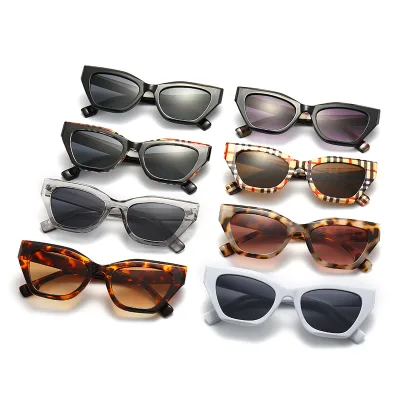
Vintage Steampunk Cat-Eye Sunglasses for Girls With Uv Protection Design Fashion Sunglasses
$2.00 - $2.40
MOQ: 2 pieces
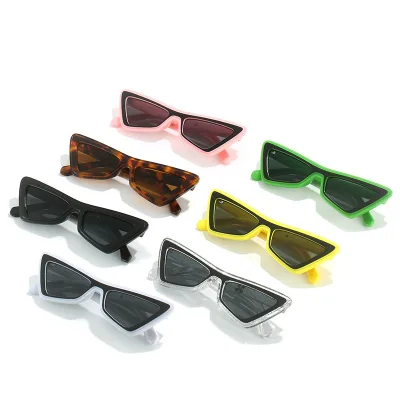
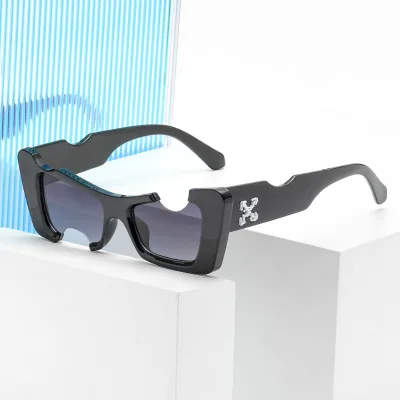
Creative Fashion Unique Design Trendy Ladies Sun Glasses Irregular Frame Cat Eye Shades
$1.62 - $2.03
MOQ: 3 pieces
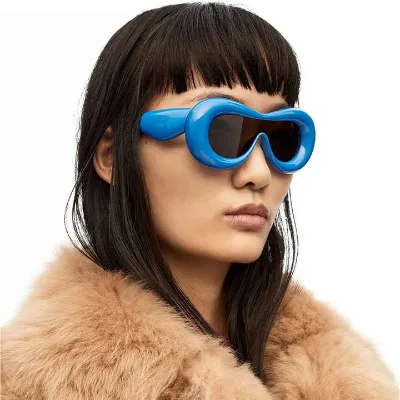
Funny Cute Sunglasses Unisex Cat Eyes Thick Frame Candy Style Sunglasses UV400
$1.58 - $1.67
MOQ: 20 pieces
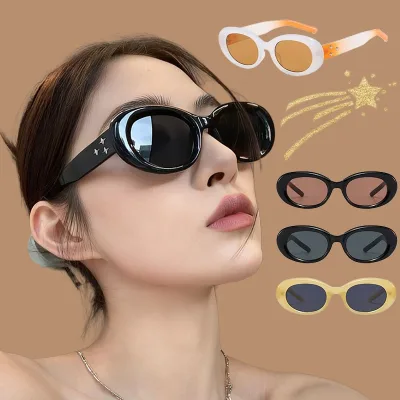
Luxury Trendy Sunglasses New Small Frame Slim Retro Sunglasses Women's Cat Eye Glasses
$1.18 - $1.38
MOQ: 3 pieces
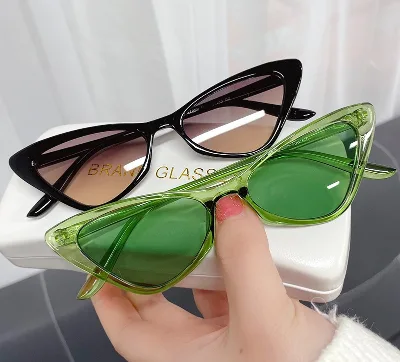

- Verified by BV
- Trading Company
- China Zhejiang
- Lead time30 days
- Avg. response≤ 6h
Main productsSunglass, Optical Frame, Sports Sunglasses, Kid's Optical Frames, Reading Glasses, Polarized Sunglasses, Eyeglasses Frame, Sun Glasses, Eyewear Frame, Sunglasses Case
Main marketsEurope,North America

Vintage Tortoise Cat Eye Acetate Sunglasses Luxury UV400 Shades Custom Logo Designer Eyewear
$8.20 - $9.15
MOQ: 15 Pieces


$7.80 - $8.00
MOQ: 10 Pieces


New Vintage Elegant Cat Eye Sunglasses Ladies Thick Acetate Frame Daily Support Custom Logo
$8.60 - $9.35
MOQ: 15 Pieces

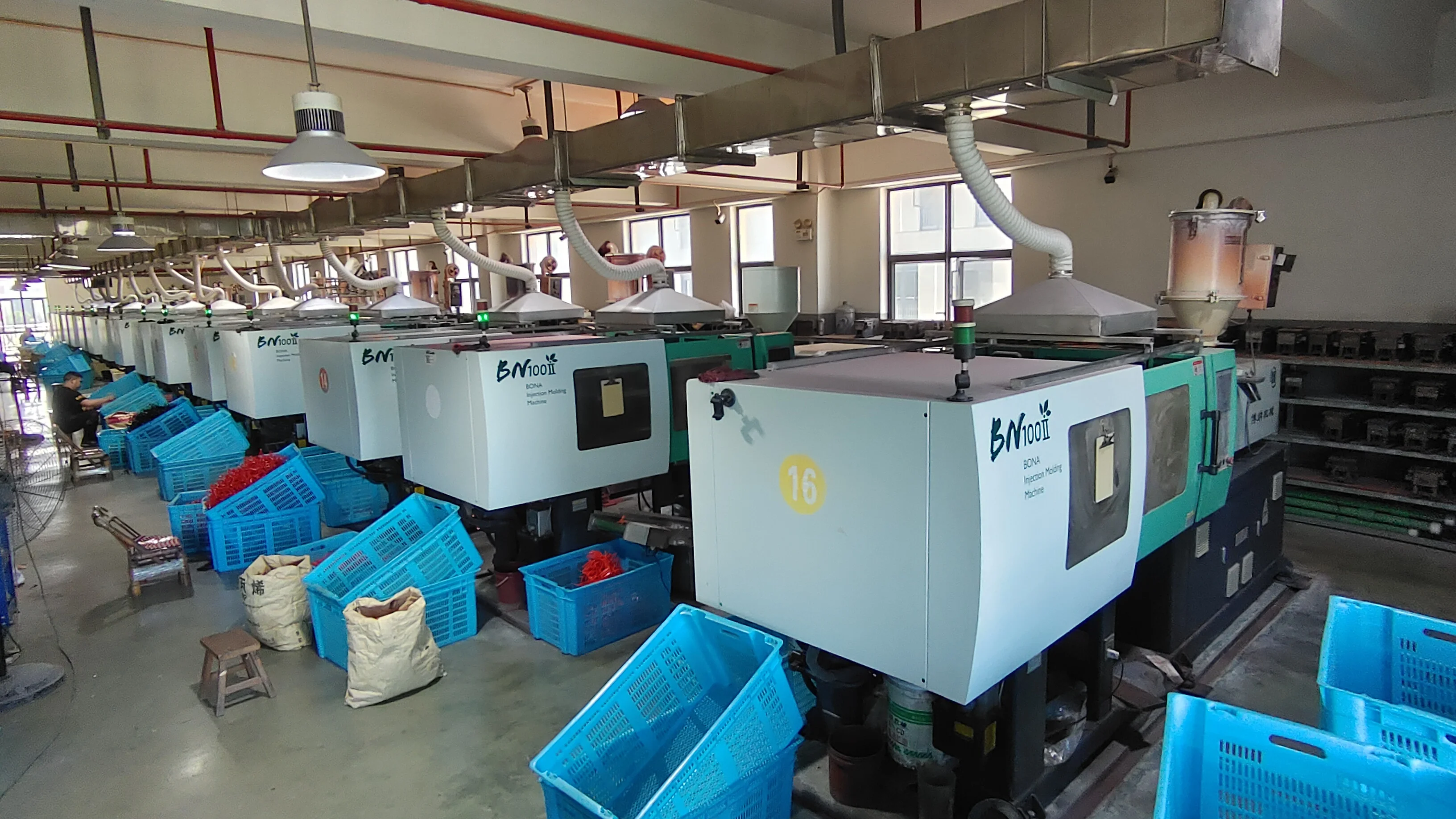
- Manufacturer, Trading Company
- Zhejiang, China
- Lead time30 days
- Avg. response≤ 3h
Main productsreading glasses,sunglasses,optical frames,sports glasses,Makeup glasses
Main marketsNorth America(30.00%), Western Europe(30.00%), Southern Europe(10.00%), Domestic Market(10.00%), South America(5.00%), Eastern Europe(5.00%), Africa(3.00%), Eastern Asia(2.00%), Southeast Asia(1.00%), Mid East(1.00%), Central America(1.00%), Northern Europe(1.00%), South Asia(1.00%)
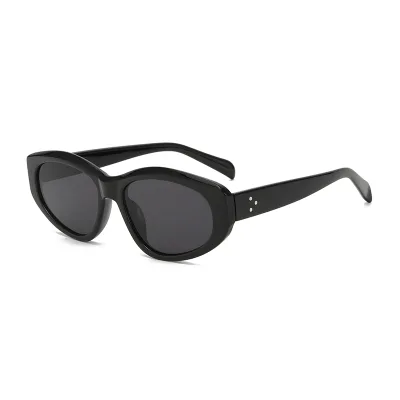
Vintage Cat-Eye Sunglasses - Classic Retro Design, UV400 Protection, Suitable for Daily & Party Wear
$1.20 - $1.22
MOQ: 300 units
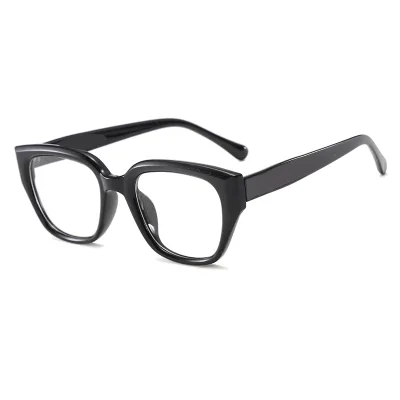
$1.20 - $1.22
MOQ: 300 units

Wenzhou Sunray Technology Co., Ltd.
- Verified by SGS
- Manufacturer/Factory
- China Zhejiang
- Lead time23 days
- Avg. response≤ 5h
Main productsSunglasses, Custom Sunglasses, Polarized Sunglass, Reading Glasses, Jewelry Boxes, Paper Boxes, Gift Boxes, Packaging Box, Custom Packaging Box, Packing Box
Main marketsSouth America,Eastern Europe,Mid East,North America,Southeast Asia,Eastern Asia,Oceania,Western Europe,Africa

GOODLINESS JEWELLERY CO., LIMITED
- Verified by SGS
- Manufacturer
- China Guangdong
- Lead time23 days
- Avg. response≤ 6h
Main productsFashion Glasses, Fashion Watch, Fashion Hair Accessory, Stainless Steel Necklace, Stainless Steel Ring, Stainless Steel Earrings, Key Chain, Brooch
Main marketsSoutheast Asia/ Mideast,Europe,North America
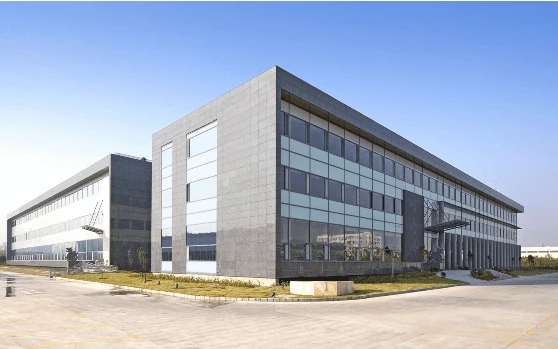
Changsha Shen Rui Technology Co., Ltd.
- Trading Company
- Hunan, China
- Lead time15 days
- Avg. response≤ 3h
Main productssunglasses,Eyeglasses Parts,reading glasses,eyeglass frame,anti blue light glasses
Main marketsWestern Europe(25.00%), North America(25.00%), Domestic Market(18.00%), Eastern Asia(10.00%), Eastern Europe(3.00%), South America(3.00%), Southeast Asia(3.00%), Mid East(3.00%), Oceania(3.00%), South Asia(3.00%), Central America(1.00%), Africa(1.00%), Southern Europe(1.00%), Northern Europe(1.00%)

Wenzhou Showxin Eyewear Co., Ltd.
- Verified by SGS
- Trading Company
- China Zhejiang
- Lead time60 days
- Avg. response≤ 7h
Main productsOptical Frame, Sunglass, Clip on Sunglasses, Eyewear, Reading Glasses, 3D Sunglasses, Lens
Main marketsEurope


Timeless and Graceful Cat-Eye Acetate Sunglasses for Unisex with Custom Engraved Badge
$6.00 - $7.00
MOQ: 450 piece
Fuzhou Hengchang Technology Co., Ltd.
- Verified by TüVRheinland
- Trading Company
- Lead time15 days
- Avg. response≤ 4h
Main productsSunglasses
Main marketsNorth America(80%), Western Europe(15%), Oceania(2%)

Wenzhou Dilicn Optical Co., Ltd
- Verified by TUVRHEINLAND
- Trading Company
- China Zhejiang
- Lead time15 days
- Avg. response≤ 7h
Main productssports sunglasses, reading glasses, optical frames
Main marketsSouth America,Europe,North America


Vintageeyes Acetate Retro Cat-Eye Clip-on Dual-Use Eyewear (Retro Trendy Style)
$10.28 - $11.10
MOQ: 12 Pieces

Acetate Cat Eye Sunglasses Tortoiseshell Pattern Multi Color Trendy Sunglasses
$7.00 - $7.40
MOQ: 12 Pieces

2026 Trendy Unisex Cat Eye Oversized Acetate Sunglasses with Multiple Color Choices
$8.50 - $8.90
MOQ: 12 Pieces

Dongguan Miao Xin Craft Co., Ltd.
- Verified by BV
- Trading Company
- China Guangdong
- Lead time15 days
- Avg. response≤ 5h
Main productsPaper Box, Gift Box, Tissue Paper, Sticker, Jewelry Box, Corrugated Carton, Paper Bag, Booklet, Name Card, Playing Card
Main marketsNorth America

$0.11 - $1.89
MOQ: 500 Pieces

Fashion Cat Eye Color-Changing Glasses Anti-Blue Optical Frame Factory Direct Sales
$0.89 - $1.99
MOQ: 10 Pieces

Xiamen Langxue Spectacles Co., Ltd.
- Combined
- China Fujian
- Lead time30 days
- Avg. response≤ 12h
Main productsSunglasses, Eyeglasses, Reading Glasses, Metal Sunglasses, Optical Frames, Safety Glasses, Eyewears, Optical Glass, Spectacles, Sports Sunglasses
Main marketsSouth America,Domestic,Europe,North America

Darkness Cat-Eye Christmas Sunglasses UV-Protective Stylish Festive Unisex Trendy
$6.00 - $9.00
MOQ: 900 Pieces

Teal Cat-Eye Sunglasses UV-Protective Stylish Trendy Unisex Fashion Chic
$6.00 - $9.00
MOQ: 900 Pieces

Tortoise Cat-Eye Christmas Sunglasses UV-Protective Stylish Festive Unisex Trendy
$6.00 - $9.00
MOQ: 900 Pieces

Black Cat-Eye Christmas Sunglasses UV-Protective Stylish Festive Unisex Trendy
$6.00 - $9.00
MOQ: 900 Pieces

Black Cat-Eye Sunglasses UV-Protective Stylish Trendy Unisex Fashion Chic
$6.00 - $9.00
MOQ: 900 Pieces

Black Cat-Eye Eyeglasses with Tortoiseshell Accents Sleek Modern Lightweight Wear
$6.00 - $9.00
MOQ: 900 Pieces


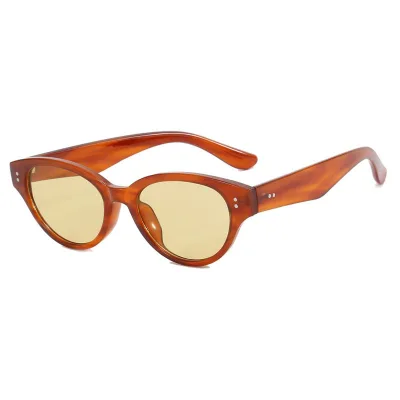
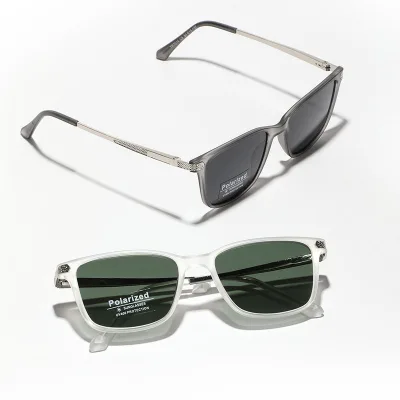
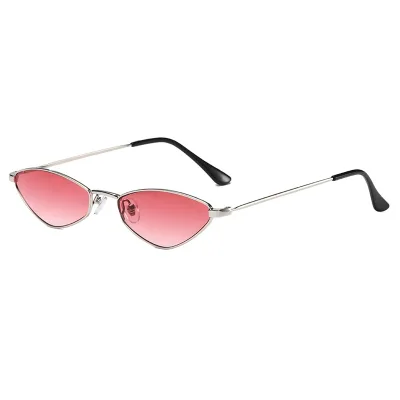
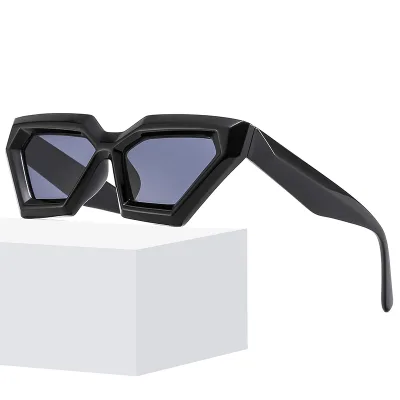
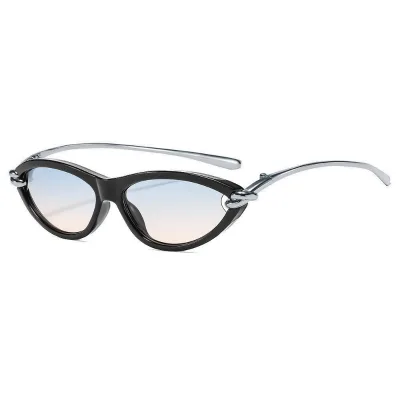
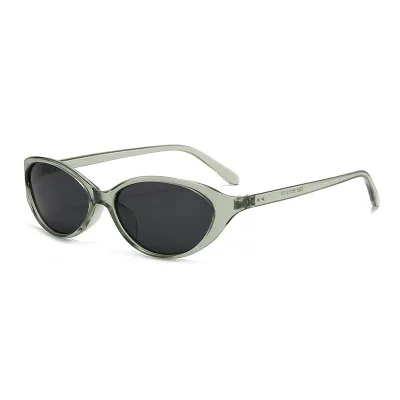
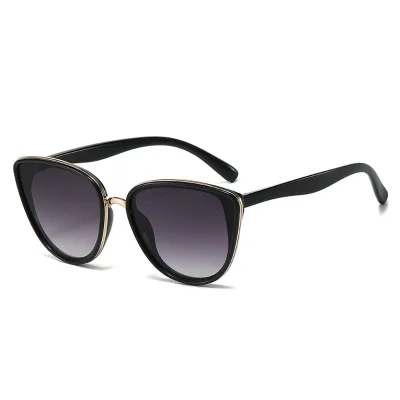
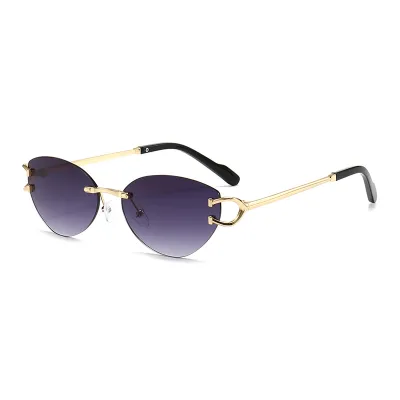
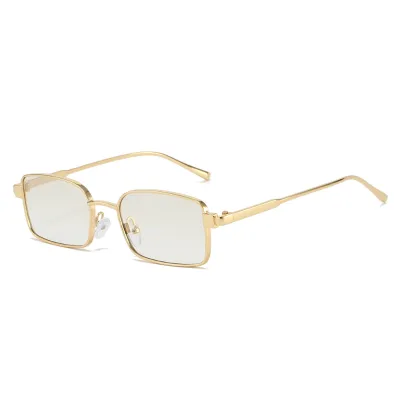


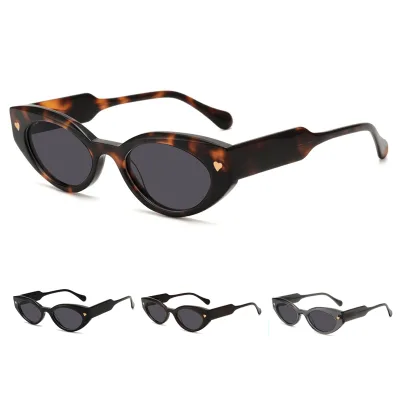
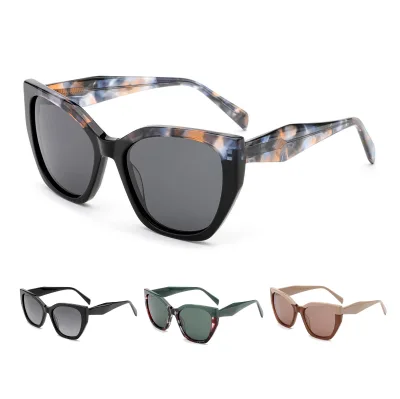
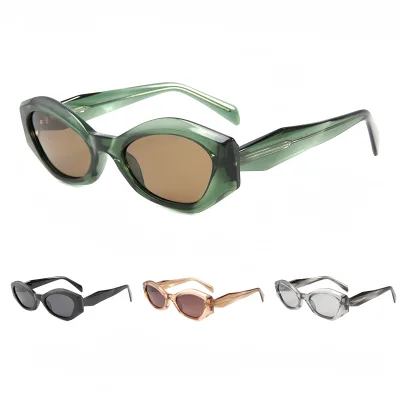
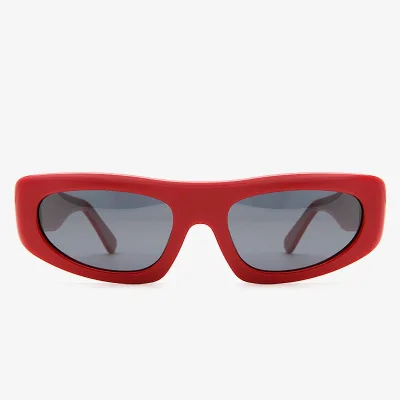
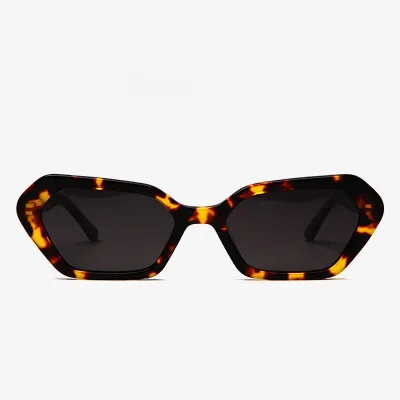
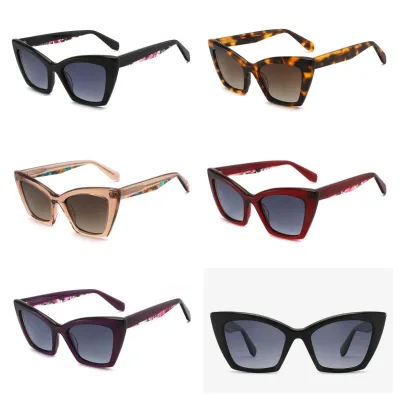
Comprehensive Sourcing Guide
Vintage Inspired Cat-eye Sunglasses Supplier Concentration and Factory Types
Suppliers of Vintage Inspired Cat-eye Sunglasses cluster regionally, and several of the supplier profiles surfaced for this keyword point to Zhejiang Province in China, including Yiwu origins on individual product listings. This matters because a concentrated cluster gives buyers more options for comparing sample quality in one sourcing trip, consolidating shipments, and finding accessory trading firms that also handle jewelry, belts, necklaces and hair accessories alongside eyewear. When you evaluate any supplier directory, check the location field first: profiles listing Zhejiang or Yiwu origins are consistent with an established eyewear and fashion accessories belt, while suppliers without a stated location require separate verification before you commit to samples.
Beyond geography, understand the two main company types. Some profiles identify as Trading Companies, which are useful for small mixed orders, fast communication, and access to many frame styles without factory minimums per SKU. Others identify as Manufacturer and Trading Company hybrids, and these typically advertise customization capability, mold making, sample making, and in-house production of glasses frames, anti blue light glasses and optical glasses. Manufacturer-leaning suppliers suit buyers who want private logos, custom lens colors, or exclusive frame shapes for their vintage line. Trading companies suit buyers testing a market with assorted stock designs. Neither type is automatically better; match the type to your order size, branding ambition, and how much design exclusivity your cat eye range actually needs.
How to Verify Vintage Inspired Cat-eye Sunglasses Suppliers
Verification starts with the credential fields a supplier profile actually displays. Some eyewear suppliers in these results carry third-party verification badges such as CTI or Intertek, and one lists a CE system certification. Treat these as starting signals, not proof of product quality: a verification badge confirms the business was audited at some point, but it does not confirm that a specific cat eye frame meets your market's lens and impact requirements. Ask for certificate copies with issue dates and scope, then confirm scope covers sunglasses rather than unrelated product lines, because several verified suppliers in this category primarily sell jewelry, brooches, belts and necklaces, with eyewear as one category among many.
Next, verify the product claims themselves. Listings for vintage style cat eye frames state lens attributes such as UV400, polarized, and anti-glare, plus frame materials like alloy, metal, and PC. Request samples and test lenses against the claimed attributes, checking whether "UV" claims on fashion sunglasses are documented or merely descriptive. Confirm the factory claim directly: some listings assert "Factory: Yes" and offer mold making and sample making service, which you should validate with a video walkthrough or an audit. Also verify response behavior before ordering — profile response times in these results range from roughly four hours to nearly eight hours, so a slow pre-sale reply usually predicts slower problem resolution during production.
What to Compare Across Vintage Inspired Cat-eye Sunglasses Suppliers
Build a comparison sheet across the dimensions that supplier profiles actually display. Lead time is one: verified eyewear suppliers in these results list production lead times of 12 to 15 days, which is a meaningful difference when you are replenishing seasonal stock. Response time is another, with profiles showing figures from about 4 hours to 8 hours — for a fast-moving fashion category, a supplier answering within hours is easier to iterate with on sample revisions. Location matters for consolidation: a Zhejiang-based eyewear manufacturer and a Zhejiang-based accessories trading company can ship together, while a supplier elsewhere adds freight legs.
Compare MOQ structures carefully, because they vary enormously even within this one keyword's results. One vintage cat eye listing shows an MOQ of 500 pieces priced from roughly $2.98 to $3.17; another retro metal cat eye design shows an MOQ of 100 at $1.17 to $1.53; a third gradient lens listing shows an MOQ as low as 1 piece. That spread tells you the market serves both small testers and volume buyers, but always confirm that a displayed MOQ is current. Finally, compare main products and company type, establishment year where shown, and any escrow or trade assurance status. Do not assume every profile shows all attributes; score suppliers only on fields they actually display and flag gaps as questions to ask.
Common Vintage Inspired Cat-eye Sunglasses Sourcing Risks
The first risk is category mismatch. Several verified suppliers matching this keyword list jewelry, necklaces, belts and hair accessories as main products, with sunglasses appearing only as individual listings. A supplier whose core business is costume jewelry may broker eyewear from elsewhere, which weakens quality control and slows custom requests. Ask whether the cat eye frames are produced in-house or resourced, and request the actual producing factory's details if the supplier is acting as an agent.
The second risk cluster is product-level. Vintage-style fashion sunglasses often carry descriptive claims — UV protection, polarized lenses, suitability for specific face shapes — that are easy to copy into a listing but hard to enforce without testing. One listing even labels clear-lens fashion sunglasses with UV attributes, so confirm what "UV400" means for the exact lens color you order. Packing claims such as OPP packing or carton packing also affect retail presentation and damage rates in transit. The third risk is demand volatility: cat eye shapes trend quickly, and low-MOQ listings with large stock claims invite overbuying of a style that dates within a season. Protect yourself by ordering small trial quantities, splitting initial orders across two suppliers, and confirming that any "fast shipping" or "large stock" capability claim is backed by a written stock confirmation with quantities and date, not just a profile keyword.
Vintage Inspired Cat-eye Sunglasses Regional Sourcing and Logistics
The location evidence in these results consistently points to Zhejiang Province, with Yiwu cited as the origin on multiple vintage cat eye listings. For logistics planning this concentration is practical: Yiwu is known for consolidated small-commodity export, so mixing sunglasses with jewelry, belts and accessory trims from nearby trading suppliers into one container or consolidated air shipment is realistic. Buyers planning market visits can review multiple eyewear and accessory suppliers in a compact geography, comparing frame materials like alloy and PC side by side before committing.
That said, do not conclude that every supplier on a results page sits in the same cluster — verify each profile's location field, and treat unstated locations as a pre-sample question. On shipping mechanics, note what listings actually state: packing formats such as OPP packing or carton packing, per-piece gross weight around 0.12 kg for one metal-frame model, and package dimensions like 11x11x6 cm. These small unit sizes make air freight viable for sample runs and trial orders, while sea freight suits restocking volumes once a style is proven. Lead times displayed on supplier profiles, in the 12-to-15-day range, cover production only — add domestic pickup, export documentation, and transit time when you build a replenishment calendar. For seasonal fashion, working backward from your on-shelf date and locking a sample approval milestone is more important than chasing the fastest quoted lead time.
Vintage Inspired Cat-eye Sunglasses Commercial Terms and Order Planning
Commercial terms in this category reward a tiered approach. The displayed price ranges — roughly $1.17 to $1.53 for a metal cat eye design at MOQ 100, $1.43 to $1.84 for a custom-logo large-frame model at MOQ 2, and $2.98 to $3.17 for a ladies vintage style at MOQ 500 — show that pricing scales with quantity, customization level, and materials. Budget for the ladder: sample-stage prices will sit at the top of a range or above it, and volume pricing requires negotiation once you reach quoted MOQs. Where customization is listed as available, expect logo printing and packaging customization to carry setup costs not reflected in the unit price, so request an itemized quote covering frame, lenses, logo, and packing separately.
Order planning should exploit the wide MOQ spread. Use single-piece or very low MOQ listings to evaluate a style with minimal cash exposure, then place a 100-piece run for market testing, and reserve 500-piece commitments for styles with proven sell-through. Negotiate payment terms against risk: for a first order with an unverified relationship, prefer structures that keep funds protected until inspection, such as escrow-style arrangements where offered, and confirm any escrow or trade assurance status displayed on the profile rather than assuming it. Set a written lead-time term matching the quoted production days plus a buffer, define acceptance criteria for lens claims and frame finish, and agree on re-order lead times so replenishment does not slip between seasons.
FAQs
What is the price range for vintage cat eye sunglasses?
Prices for Vintage Inspired Cat-eye Sunglasses typically range from $1.17 to $3.17 per unit. The cost varies based on frame material, lens type, and customization options. Buyers should check specific product listings for exact pricing tiers and volume discounts available from suppliers.
What is the minimum order quantity for these sunglasses?
Minimum order quantities vary significantly by supplier and product style. Some suppliers require a minimum of 100 units, while others offer lower thresholds starting at just 2 or 500 pieces. Buyers must verify the specific MOQ for each product model before placing an order.
How long does production and shipping take?
Lead times for manufacturing these sunglasses generally range from 12 to 15 days. Response times from suppliers average around 4 to 8 hours. Buyers should confirm exact delivery schedules with the supplier, as production capacity and shipping methods can affect the final timeline.
Are these sunglasses suitable for specific face shapes?
Yes, vintage cat eye sunglasses are designed for various face shapes including round, oval, square, and long faces. Many models are unisex and suitable for both men and women. Buyers should check product attributes to ensure the specific style complements their target customer's preferences.
What materials are used for frames and lenses?
Frames are commonly made from alloy, metal, or PC materials. Lenses are typically PC or plastic, offering UV400 protection or polarized features. Some models include gradient lenses or clear options. Buyers should review product specifications to select the appropriate material for durability and style.
Can I customize the sunglasses with my logo?
Customization is available for many vintage cat eye sunglasses. Suppliers offer options for custom logos, frame colors, and packaging. Buyers should verify customization capabilities and minimum requirements for branded orders directly with the supplier to ensure their specific branding needs are met.
Where are these sunglasses manufactured?
These sunglasses are primarily manufactured in Zhejiang, China, including areas like Yiwu. Suppliers in this region specialize in eyewear and fashion accessories. Buyers can verify the exact origin and factory details in the product listings to ensure alignment with their sourcing preferences.