Vintage Retro Ceramic Mug Suppliers and Manufacturers
Explore 18 verified sources for Vintage Retro Ceramic Mug options from China. Compare response times, lead times, certifications, and pricing to find the right partner. Contact suppliers directly to request samples and confirm customization details; review the available evidence before requesting comparable quotations from suitable candidates.
Suppliers List

Zibo Timestone International Co., Ltd.
- Manufacturer/Factory
- China Shandong
- Lead time45 days
- Avg. response≤ 14h
Main productsCeramic Dinnerware, Ceramic Mugs, Stainless Steel Bottles Mugs and Tumblers, Glass Bottles Mugs and Tumblers, Dinnerware, Tableware, Glassware, Kitchenware, Household Items, Ceramic Granding Balls and Filters
Main marketsSouth America,Eastern Europe,Mid East,North America,Southeast Asia,Eastern Asia,Oceania,Western Europe,Africa
FUZHOU SHOO-IN IMP & EXP CO., LTD.
- Verified by SGS
- Trading Company
- China Fujian
- Lead time15 days
- Avg. response≤ 3h
Main productsPadel Ball, Tennis Ball, Hat, Pet Leash, Pickleball, Yoga Mat, Sports Towel
Main marketsEast Asia(Japan/ South Korea),North America

Vintage-Inspired Ceramic Mug for Tea Enthusiasts and Collectors Gift Ceramic Cup
$3.70 - $4.60
Moq: 10


Chaozhou City Cha'an District Fengtang Town Sai Si Ceramics Factory
- Verified by CTI
- Combined
- China Guangdong
- Lead time30 days
- Avg. response≤ 6h
Main productsMugs, Ceramic Tissue Boxes, Ceramic Pet Bowls, Ceramic Vases
Main marketsDomestic


220ml Vintage Customized Ceramic Cup Reactive Glaze Coffee Mug Retro Stoneware Mug
$4.00 - $8.00
Moq: 1000


Custom Logo Vintage Handmade Ceramic Mug Personality Water Cup Clay Pottery Coffee Mug
$4.00 - $8.00
Moq: 1000

- Verified by BV
- Trading Company
- China Shandong
- Lead time30 days
- Avg. response≤ 2h
Main productsCeramic Mugs, Ceramic Dinnerware, Ceramic Tea Set, Ceramic Kitchen Ware, Custom Drum Shape Ceramic Coffee Mug, 24oz Large Capacity 3D Embossed Mug, Porcelain Cappuccino Cup and Saucer, 14oz Custom Souvenirs Ceramic Mug, 12 Sets Vintage Reactive Glazed Tableware, Custom Royal White Ceramic Milk Jar
Main marketsNorth America

Changsha Sofly Industry Co.,Ltd
- Verified by BV
- Trading Company
- China Hunan
- Lead time15 days
- Avg. response≤ 6h
Main productsPower Bank, Digital Luggage Scale, USB Flash Drive, LED Light, LED, Mobile Battery Charger, USB Stick, USB 2.0 USB 3.0, Digital Hanging Portable Scale, Digital Scale
Main marketsEurope

White Vintage Retro Diner Coffee Porcelain Mug Custom Creative Ceramic Coffee Mugs
$1.70 - $2.00
Moq: 500


Hunan Hualian China Industry Co., Ltd.
- Verified by SGS Group
- Manufacturer, Trading Company
- Lead time7 days
- Avg. response≤ 4h
Main productsCeramic Dinnerware Set, Ceramic Mugs, Ceramic Bowls, Ceramic Plates, Dental Zirconia BLock
Main marketsNorth America(36%), Western Europe(15%), Eastern Europe(9%)
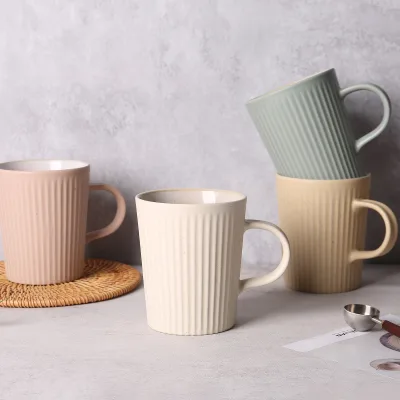
White Vintage Classic Style Coffee Mug Cup Custom Creative Logo Ceramic Water Mug
$0.80 - $0.90
Moq: 1000
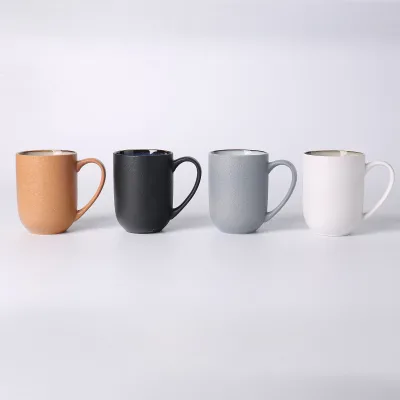
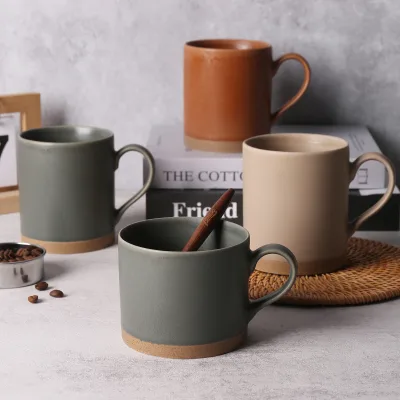
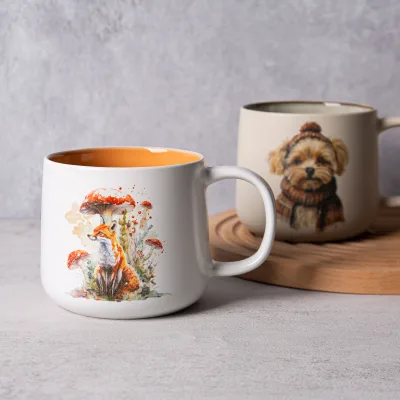
High Quality Ceramic Coffee Mug with Handle Custom Artistic Handmade Ceramic Cup
$0.80 - $1.20
Moq: 1500
Liling Daily Ceramic Co., Ltd.
- Trading Company
- Hunan, China
- Lead time45 days
- Avg. response≤ 7h
Main productsStoneware Mug,Ceramic Bowl,Ceramic Cup & Saucer,Ceramic plate,Ceramic dinner set
Main marketsEastern Europe(12.1%), Southeast Asia(9.8%), Africa(9.8%), Eastern Asia(9.8%), Domestic Market(9.7%), Western Europe(8.5%), North America(7.3%), Northern Europe(7.3%), South America(6.1%), Mid East(4.9%), South Asia(4.9%), Southern Europe(4.9%), Central America(4.9%)

Xiamen Athome Household Products Co., Ltd.
- Verified by SGS
- Trading Company
- China Fujian
- Lead time30 days
- Avg. response≤ 5h
Main productsCandle Holders, Drinkware, Arts&Handcrafts & Gifts, Home Decoration, Kicthenware, Tableware
Main marketsSoutheast Asia/ Mideast,East Asia(Japan/ South Korea)

Foshan Ciray Household Products Co., Ltd.
- Trading Company,Manufacturer/Factory
- China Guangdong
- Lead time45 days
- Avg. response≤ 19h
Main productsCeramic Plate, Ceramic Bowl, Ceramic Tray, Stainless Steel Tray, Stainless Steel Cutlery, Stainless Steel Plate, Coffee-Related Products, Ceramic Ornaments, Ceramic Tableware, Glass Tableware
Main marketsSouth America,Eastern Europe,North America,Oceania,Western Europe

Jinjiang Jiaxing Import and Export Co., Ltd.
- Verified by CTI
- Manufacturer/Factory
- China Fujian
- Lead time120 days
- Avg. response≤ 1h
Main productsShoes, Slipper, Clothes, Promotion Gifts, Silicone Products, Outdoor Sports Products, Bags, Fashion Accessories, Consumer Electronics
Main marketsSouth America,Eastern Europe,Mid East,North America,Southeast Asia,Eastern Asia,Oceania,Western Europe,Africa
Longyan Zhanling Industry and Trade Co., Ltd.
- Manufacturer/Factory
- China Fujian
- Lead time150 days
- Avg. response≤ 2h
Main productsStainless Steel Cup, Customized Cup, Stainless Steel Cup & Mug, Double Wall Stainless Steel Cup, Customized Stainless Steel Cup, Water Bottle, Tumbler, Stainless Steel Water Bottle, Stainless Steel Bottle, Whiskey Glass
Main marketsSouth America,Eastern Europe,Mid East,North America,Southeast Asia,Eastern Asia,Oceania,Western Europe,Africa

Ningbo Yinzhou Wenhui Paper Co., Ltd.
- Verified by TUVRHEINLAND
- Manufacturer/Factory
- China Zhejiang
- Lead time45 days
- Avg. response≤ 9h
Main productsStationery Gifts Promotional Homeware, Pen, Pet Products, Board Game, Paper Tube, Notebook, Wooden Toys, DIY Toy, Puzzle, Gift Bag
Main marketsSouth America,Eastern Europe,Mid East,North America,Southeast Asia,Eastern Asia,Oceania,Western Europe,Africa
- Manufacturer, Trading Company
- Shandong, China
- Lead time30 days
- Avg. response≤ 3h
Main productsMug,Sublimaion mug,Coffee mug,Ceramic mug,Decal mug
Main marketsWestern Europe(30.0%), North America(30.0%), Southern Europe(10.0%), Northern Europe(10.0%), Eastern Europe(10.0%), Oceania(10.0%)

Shanghai Touch Industrial Development Co., Ltd.
- Verified by TUVRHEINLAND
- Combined
- China Shanghai
- Lead time15 days
- Avg. response≤ 5h
Main productsInstant Hot Pack, Hot Cold Pack, Gel Eye Mask, Gel Ice Pack, Gel Bottle Cooler, Instant Ice Pack, Hand Warmer, Heat Pack, Cooling Scarf, Gel Beads
Main marketsSouth America,Others(foreignTradeCapacity.exportBusinessCapacityMarketOther),Southeast Asia/ Mideast,East Asia(Japan/ South Korea),Domestic,Europe,Australia,North America

Shanghai David International Trade Co., Ltd.
- Verified by TUVRHEINLAND
- Combined
- China Shanghai
- Lead time15 days
- Avg. response≤ 6h
Main productsPromotional Gifts, Gift Sets, Tshirts, Hats, Hot Packs, Hot Cold Packs, Ice Packs, Bags, Umbrellas, Water Bottles
Main marketsSouth America,Africa,Southeast Asia/ Mideast,East Asia(Japan/ South Korea),Domestic,Europe,Australia,North America
Foshan Ron Hospitality Supplies Co., Ltd.
- Verified by BV
- Manufacturer/Factory,Group Corporation
- China Guangdong
- Lead time45 days
- Avg. response≤ 2h
Main productsRestaurant Furniture, Restaurant Booth, Restaurant Chair, Restaurant Table, Bar Stools, Wedding Chairs, Flatware Sets, Dinnerware Sets, Garden Chairs, Disposable Dinnerware & Tableware
Main marketsSouth America,Eastern Europe,Mid East,North America,Southeast Asia,Eastern Asia,Oceania,Western Europe,Africa

Rollin Porcelain Industrial Co., Ltd.
- Verified by BV
- Manufacturer/Factory
- China Guangdong
- Lead time45 days
- Avg. response≤ 6h
Main productsPorcelain Dinnerware, Tableware, Dinner Set, Dinner Plate, Hotel and Restaurant Tableware, Bone China, Cutlery, Glassware, Ceramic Plate, Porcelain
Main marketsEastern Europe,Mid East,North America,Southeast Asia,Eastern Asia,Oceania,Western Europe

Ningbo Gusta Stationery Co., Ltd.
- Verified by BV
- Trading Company
- China Zhejiang
- Lead time30 days
- Avg. response≤ 6h
Main productsPencil Case, Stationery Set, Bag, Toys, Office Supplies, Arts & Crafts, Housewares, Silicone Product, School Bag, Travel Bag
Main marketsEast Asia(Japan/ South Korea),Europe,North America


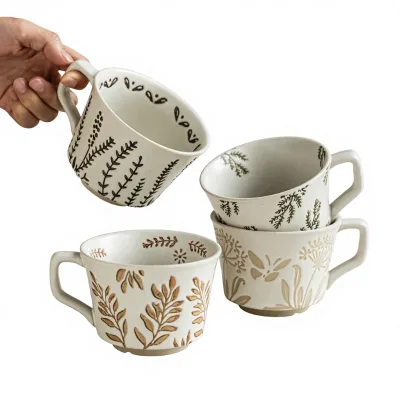
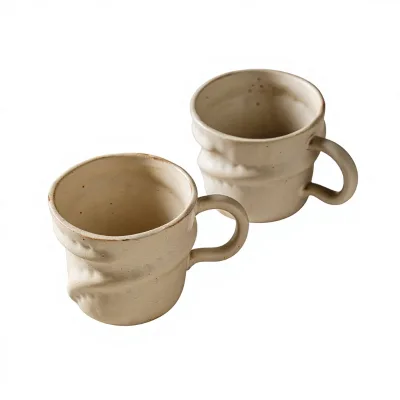


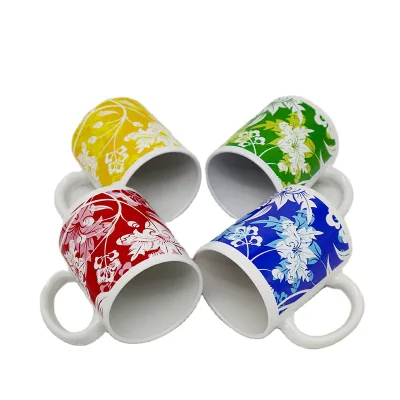


Comprehensive Sourcing Guide
Vintage Retro Ceramic Mug Supplier Concentration and Factory Types
The current supplier landscape for vintage retro ceramic mugs reveals a diverse mix of manufacturing capabilities and business models, primarily concentrated in specific Chinese provinces. Factories located in Shandong are often equipped to handle large-scale production runs, offering both OEM and ODM services under their own brands like TIMESTONE. These entities typically possess robust system certifications such as BSCI, ISO 9000, ISO 9001, and SEDEX, indicating a structured approach to quality management and ethical labor practices. In contrast, suppliers in Fujian and Guangdong may operate as trading companies or combined entities, focusing on different aspects of the supply chain. Trading companies often provide faster response times, such as the observed 2.64 hours, and lower minimum order quantities, making them suitable for smaller buyers or rapid prototyping. Combined companies in Guangdong offer a hybrid approach, supporting both OEM and ODM needs while maintaining a focus on creative designs and hand-painted techniques. Understanding these structural differences is crucial for buyers to align their sourcing strategy with their operational capacity and volume requirements.
Buyers must carefully distinguish between pure manufacturers and trading entities when evaluating potential partners for vintage retro ceramic mugs. Manufacturers in Shandong, for instance, may have longer lead times, such as 45 days, but offer greater control over the production process and potentially lower unit costs for high volumes. Their main products often include a wide range of ceramic dinnerware, mugs, and kitchenware, suggesting a broad expertise in ceramic materials like chinastone and porcelain. On the other hand, trading companies in Fujian might specialize in specific niches, such as gift ceramic cups or heat transfer mugs, and may verify their operations through third-party inspections like SGS. These suppliers often cater to buyers seeking smaller batches with quicker turnaround times, as evidenced by lead times of just 15 days. The choice between these supplier types should be driven by the buyer’s need for customization, volume, and speed, rather than just price. Recognizing the specific company type helps in setting realistic expectations regarding communication, production flexibility, and quality assurance protocols.
How to Verify Vintage Retro Ceramic Mug Suppliers
Verifying the credibility and capabilities of Vintage Retro Ceramic Mug suppliers requires a multi-layered approach that goes beyond surface-level claims. Buyers should prioritize suppliers who display recognized system certifications, such as ISO 9001 or SEDEX, as these indicate adherence to international standards for quality and social responsibility. Additionally, third-party verification badges like SGS or CTI provide an extra layer of confidence, confirming that the supplier’s operations have been independently audited. For manufacturers in Shandong, checking for BSCI certification is particularly important, as it ensures compliance with ethical labor standards. Buyers should also examine the supplier’s response time, as a quick reply often correlates with better customer service and operational efficiency. A response time of under three hours, as seen with some trading companies, suggests a high level of engagement and readiness to address buyer inquiries promptly. This metric can be a useful indicator of the supplier’s overall reliability and commitment to client satisfaction.
Beyond certifications and response metrics, buyers should scrutinize the specific product attributes and production capabilities listed by suppliers. Detailed product information, such as material composition (e.g., chinastone, porcelain, or pottery), customization options, and finishing techniques (e.g., glaze, hand-painted, or heat transfer), provides insight into the supplier’s technical expertise. For example, a supplier offering vintage-inspired mugs with color-changing features or eco-friendly materials demonstrates a focus on current market trends and sustainability. Buyers should also verify the supplier’s ability to meet specific standards, such as FDA compliance for food-contact items, which is critical for mugs and drinkware. Additionally, examining the supplier’s main products and capacity for OEM or ODM services can reveal their flexibility and experience in handling custom orders. By cross-referencing these details with independent verification reports and direct communication, buyers can build a comprehensive profile of each supplier’s strengths and limitations, ensuring a more informed and secure sourcing decision.
What to Compare Across Vintage Retro Ceramic Mug Suppliers
When evaluating multiple suppliers for vintage retro ceramic mugs, buyers should systematically compare key operational metrics to identify the best fit for their specific needs. Lead time is a critical factor, with some suppliers offering rapid turnaround times of 15 days, while others may require up to 45 days for production. This variance often correlates with the supplier’s location and business model, with trading companies typically providing faster service than large-scale manufacturers. Minimum order quantity (MOQ) is another essential comparison point, ranging from as low as 5 pieces for small batches to 30,000 pieces for bulk orders. Buyers with limited capital or testing requirements may prefer suppliers with lower MOQs, even if the unit price is higher. Conversely, buyers seeking economies of scale should focus on manufacturers that can accommodate large orders with competitive pricing. Response time also plays a significant role in the sourcing process, with faster replies indicating a more responsive and attentive supplier.
Price and customization options are equally important dimensions for comparison. Unit prices for vintage retro ceramic mugs can vary significantly, from as low as $0.75 to over $4.60, depending on material, design complexity, and order volume. Buyers should request detailed quotes that break down costs for materials, customization, and packaging to ensure transparency. Customization capabilities, such as logo printing, color matching, and unique shape designs, should be clearly defined by each supplier. Some manufacturers offer extensive ODM services, allowing buyers to co-develop new products, while others may limit customization to standard designs with minor modifications. Additionally, buyers should compare the supplier’s packaging standards, as proper packaging is crucial for protecting fragile ceramic items during shipping. By creating a comparison matrix that includes lead time, MOQ, price, response time, and customization options, buyers can objectively assess each supplier’s value proposition and make a data-driven decision that aligns with their business goals.
Common Vintage Retro Ceramic Mug Sourcing Risks
Sourcing vintage retro ceramic mugs involves several inherent risks that buyers must proactively manage to ensure a smooth procurement process. One significant risk is the potential for quality inconsistencies, particularly when dealing with hand-painted or custom-designed items. Variations in glaze application, color matching, or structural integrity can occur, especially if the supplier lacks rigorous quality control measures. Buyers should mitigate this risk by requesting pre-production samples and conducting thorough inspections before approving mass production. Another risk is the delay in delivery, which can disrupt supply chains and lead to missed market opportunities. Suppliers with longer lead times, such as those in Shandong, may face bottlenecks during peak seasons, causing further delays. To address this, buyers should establish clear communication channels and request regular production updates to monitor progress and identify potential issues early.
Intellectual property and design theft is another critical concern, especially when working with suppliers who offer ODM services. Buyers must ensure that their unique designs and branding are protected through proper legal agreements and non-disclosure contracts. Additionally, there is a risk of non-compliance with international standards, particularly regarding food safety and material toxicity. Buyers should verify that suppliers adhere to relevant certifications, such as FDA or ISO 9000, to ensure their products meet regulatory requirements in their target markets. Packaging damage is also a common risk, as ceramic mugs are fragile and susceptible to breakage during transit. Buyers should discuss packaging solutions with suppliers, ensuring that items are securely packed in sturdy cartons with adequate cushioning. By identifying and addressing these risks through careful supplier selection, clear contracts, and proactive monitoring, buyers can minimize disruptions and ensure a successful sourcing experience for vintage retro ceramic mugs.
Vintage Retro Ceramic Mug Regional Sourcing and Logistics
The geographic location of suppliers significantly impacts the logistics and shipping dynamics for vintage retro ceramic mugs. Suppliers based in Shandong, China, often utilize the port of Qingdao for exports, which is a major hub for maritime shipping. This location offers efficient access to global markets, but buyers should consider the transit times and associated freight costs when planning their supply chain. In contrast, suppliers in Fujian and Guangdong may have different port access and logistical advantages, potentially offering faster delivery to certain regions. Buyers should evaluate the supplier’s shipping port and preferred logistics partners to ensure alignment with their distribution needs. Additionally, the type of supplier, whether a manufacturer or trading company, can influence logistics flexibility. Trading companies may have established relationships with multiple freight forwarders, allowing for more adaptable shipping options, while manufacturers may rely on specific carriers for cost efficiency.
Buyers must also account for the fragility of ceramic products when planning logistics. Proper packaging is essential to prevent damage during transit, and suppliers should provide detailed packaging specifications, such as the use of 5-layer cartons or egg crate inserts. Buyers should verify that the supplier’s packaging meets international shipping standards to minimize the risk of breakage. Furthermore, buyers should consider the impact of regional trade policies and tariffs on their total landed cost. Different provinces in China may have varying local regulations or incentives that affect production and shipping costs. By understanding the logistical implications of sourcing from different regions, buyers can optimize their supply chain for cost, speed, and reliability. Collaborating with suppliers who have robust logistics networks and experience in exporting fragile goods can help mitigate risks and ensure timely delivery of vintage retro ceramic mugs to global markets.
Vintage Retro Ceramic Mug Commercial Terms and Order Planning
Effective order planning for vintage retro ceramic mugs requires a clear understanding of commercial terms and payment structures. Buyers should negotiate favorable payment terms, such as a deposit followed by balance payment upon shipment, to balance risk and cash flow. It is crucial to clarify the Incoterms, such as FOB or CIF, to determine who is responsible for shipping costs and insurance. Suppliers with lower MOQs, such as those in Fujian, may have different payment structures compared to large-scale manufacturers in Shandong. Buyers should also consider the impact of currency fluctuations and exchange rates on their final costs, especially for long-term contracts. Additionally, buyers should establish clear timelines for order placement, production, and delivery to avoid delays. Working with suppliers who provide detailed production schedules and regular updates can help ensure that orders are completed on time.
Customization and branding are key commercial considerations for vintage retro ceramic mugs. Buyers should specify their requirements for logo printing, color matching, and packaging design in the purchase agreement to avoid misunderstandings. Suppliers may charge additional fees for custom molds or special finishes, so buyers should request a detailed cost breakdown upfront. It is also important to discuss the supplier’s policy on defects and returns, as ceramic items are prone to damage during production or shipping. Buyers should ensure that the contract includes clauses for quality assurance and dispute resolution. Furthermore, buyers should plan for inventory management, considering the lead times and MOQs to optimize stock levels. By carefully negotiating commercial terms and planning orders strategically, buyers can build a sustainable and efficient sourcing relationship for vintage retro ceramic mugs, ensuring both product quality and business profitability.
FAQs
What is the typical lead time for vintage ceramic mugs?
The typical lead time for these items is 45 days based on current supplier data. Some suppliers offer faster turnaround with 15 days available for specific orders. Buyers should confirm exact delivery schedules before placing large volume orders to ensure timely arrival.
What are the minimum order quantities for ceramic mugs?
Minimum order quantities vary significantly by supplier and product type. Some listings require 30,000 units while others accept orders as low as 5 pieces. Buyers must check specific product pages to find the exact MOQ that matches their purchasing volume and budget constraints.
Which certifications do these ceramic mug suppliers hold?
Many suppliers hold BSCI, ISO 9000, ISO 9001, and SEDEX certifications. Product standards often include FDA compliance for food safety. Buyers should verify specific certification documents for their target market requirements before finalizing any procurement agreements with potential vendors.
Where are the main manufacturing locations for these mugs?
Manufacturing locations are primarily in China, specifically in Shandong and Fujian provinces. Some suppliers are located in Guangdong. Buyers should consider shipping ports like Qingdao when calculating logistics costs and delivery timelines for their international orders.
What materials are used for vintage style ceramic mugs?
Common materials include Chinastone, Porcelain, and general Potttery. These materials are selected for their durability and ability to withstand high temperatures. The specific material choice affects the final weight, finish, and suitability for different usage scenarios like daily use or promotion.
How quickly do suppliers typically respond to inquiries?
Response times vary among suppliers, with some averaging around 13 hours and others responding within 2 to 5 hours. Faster response times are often associated with trading companies or combined suppliers. Buyers should expect varying reply speeds depending on the specific vendor selected.
What customization options are available for these mugs?
Customization is widely available including logo printing, custom colors, and unique shapes. Many suppliers offer OEM and ODM services for branding needs. Buyers can request specific designs or patterns to create unique products tailored to their marketing campaigns or corporate identity requirements.