Vintage Printed Nylon Pocket Square Suppliers and Manufacturers
Explore 26 verified suppliers offering Vintage Printed Nylon Pocket Square options with varying lead times, MOQs, and certifications. Compare response times, customization capabilities, and product attributes to select the right partner for your needs; review the available evidence before requesting comparable quotations from suitable candidates.
Suppliers List
Jiaxing Jasen Imp & Exp Co., Ltd.
- Verified by SGS Group
- Trading Company
- Lead time30 days
- Avg. response≤ 2h
Main productsNecktie, Bow Tie, Scarf, Silk Scarf, Hats
Main marketsSouthern Europe(30%), North America(10%), Eastern Europe(10%)

Shengzhou Yili Necktie & Garment Co., Ltd.
- Verified by SGS
- Combined
- China Zhejiang
- Lead time23 days
- Avg. response≤ 10h
Main productsNecktie, Scarf, Bow-Tie, Jacquard Fabric, Women Weaving Fabrics, Garment
Main marketsSoutheast Asia/ Mideast,Europe

Qingdao Steven Tailoring I&T Co., Ltd
- Verified by SGS
- Manufacturer/Factory
- China Shandong
- Lead time15 days
- Avg. response≤ 6h
Main productsSuit, Tailor Made Suit, Mtm Suit, Custom Suit, Rtw Suit, OEM Suit, Shirt, Made to Measure Suits, Mtm Shirt, Bespoke Suits
Main marketsSouth America,Eastern Europe,Mid East,North America,Southeast Asia,Eastern Asia,Oceania,Western Europe,Africa

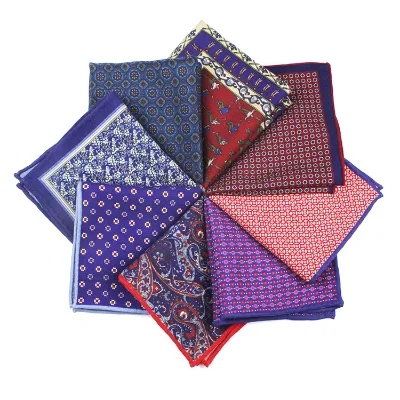
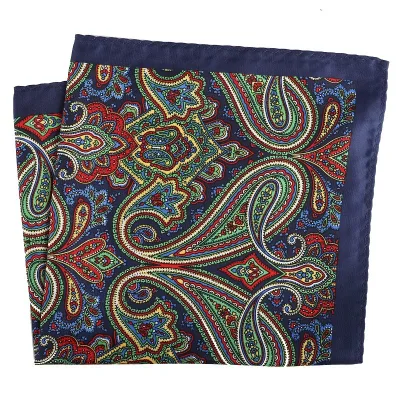
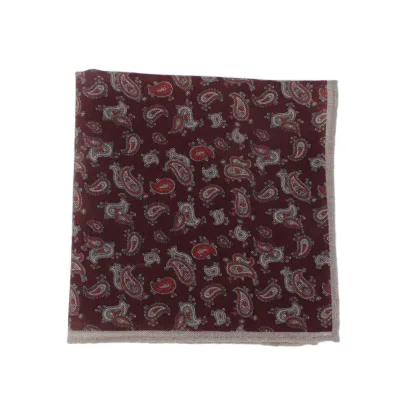
Elegant Cotton Paisley Print Design for a Timeless and Refined Look Pocket Square
$11.00 - $17.00
MOQ: 1 Pcs

Classic Floral Pattern Cotton Design for a Fresh and Elegant Appearance Pocket Square
$9.00 - $15.00
MOQ: 1 Pcs


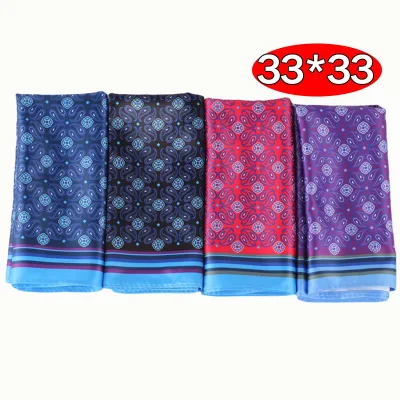
Classic Striped Silk Design for Men Offering Elegance and Timeless Style Pocket Square
$9.00 - $17.00
MOQ: 1 Pcs

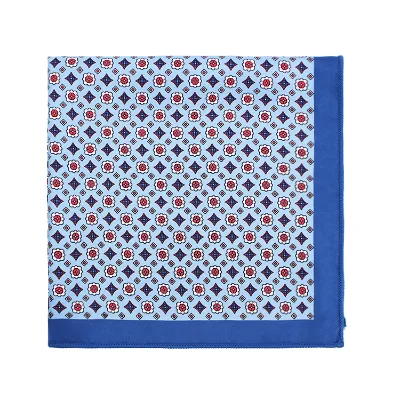
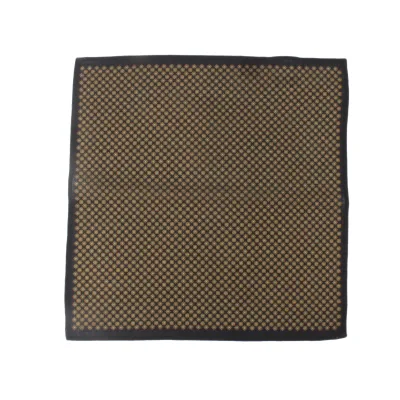
Classic Geometric Pattern Cotton Design for a Bold and Stylish Look Pocket Square
$10.00 - $13.00
MOQ: 1 Pcs
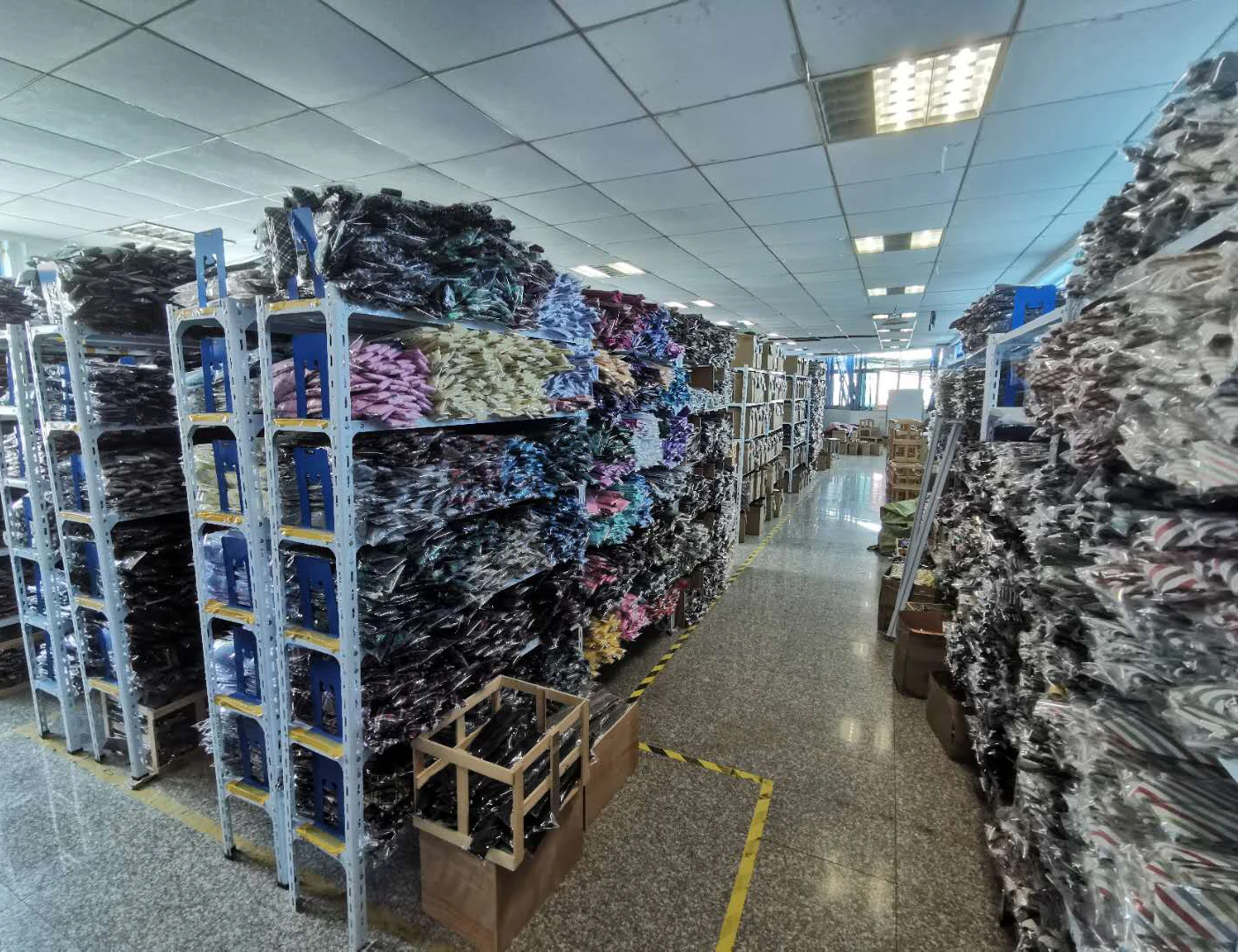
Shengzhou Huaer Tie & Garment Co., Ltd.
- Trading Company
- Zhejiang, China
- Lead time7 days
- Avg. response≤ 11h
Main productstie,Suspenders,bowtie,Pocket Square,Neckerchief
Main marketsNorth America(30.00%), South America(20.00%), Eastern Europe(10.00%), Northern Europe(5.00%), Central America(5.00%), Western Europe(5.00%), Eastern Asia(5.00%), Mid East(5.00%), Oceania(5.00%), Africa(5.00%), Southeast Asia(5.00%), Domestic Market(3.00%), Southern Europe(3.00%), South Asia(2.00%)
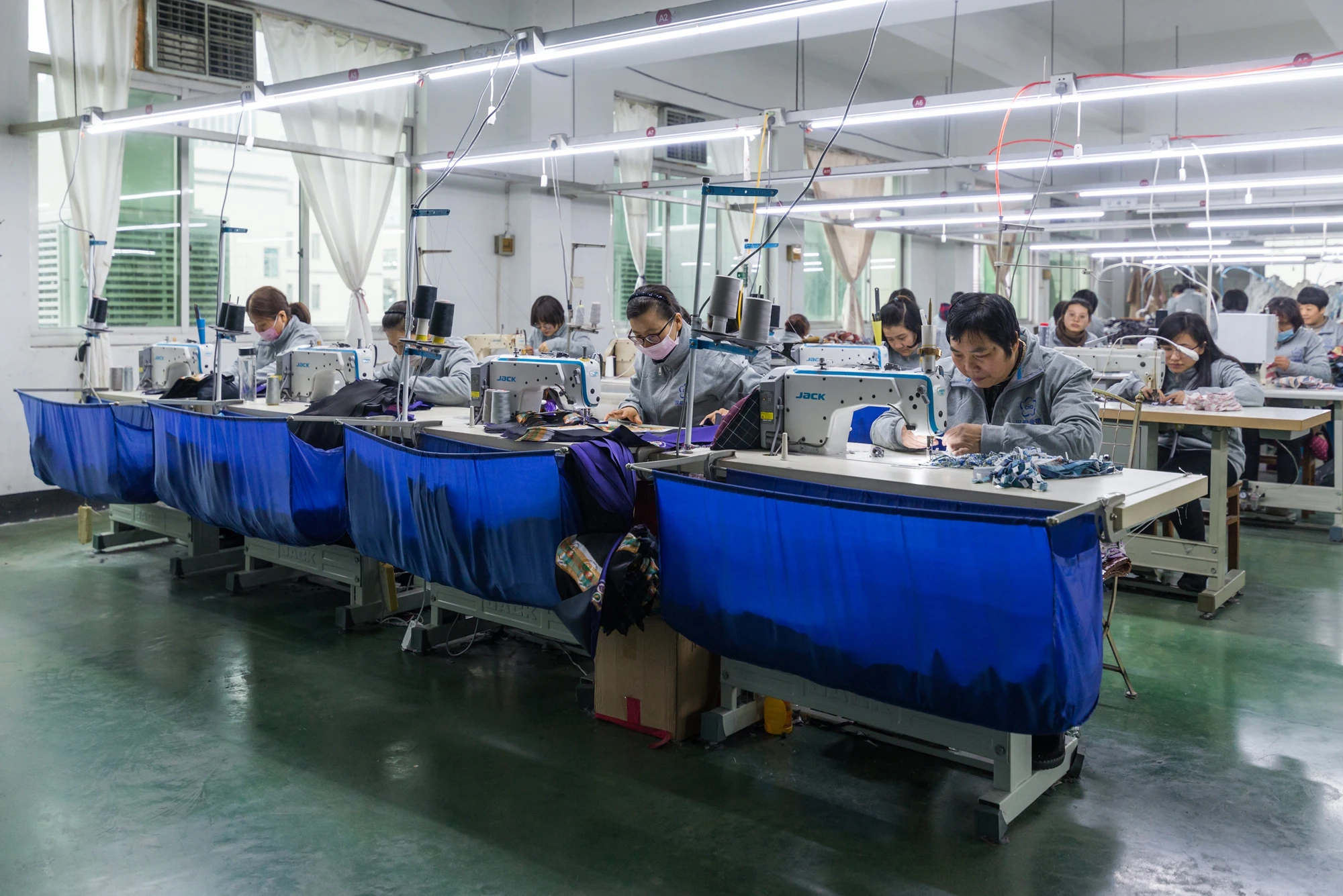
Shengzhou Handsome Textiles Co., Ltd.
- Manufacturer, Trading Company
- Zhejiang, China
- Lead time21 days
- Avg. response≤ 5h
Main productsMENS TIE,NECKTIE,BOW TIE,POCKET,SILK TIE
Main marketsNorth America(50.00%), Western Europe(20.00%), Domestic Market(10.00%), Eastern Europe(5.00%), South America(5.00%), Southern Europe(5.00%), Northern Europe(5.00%)
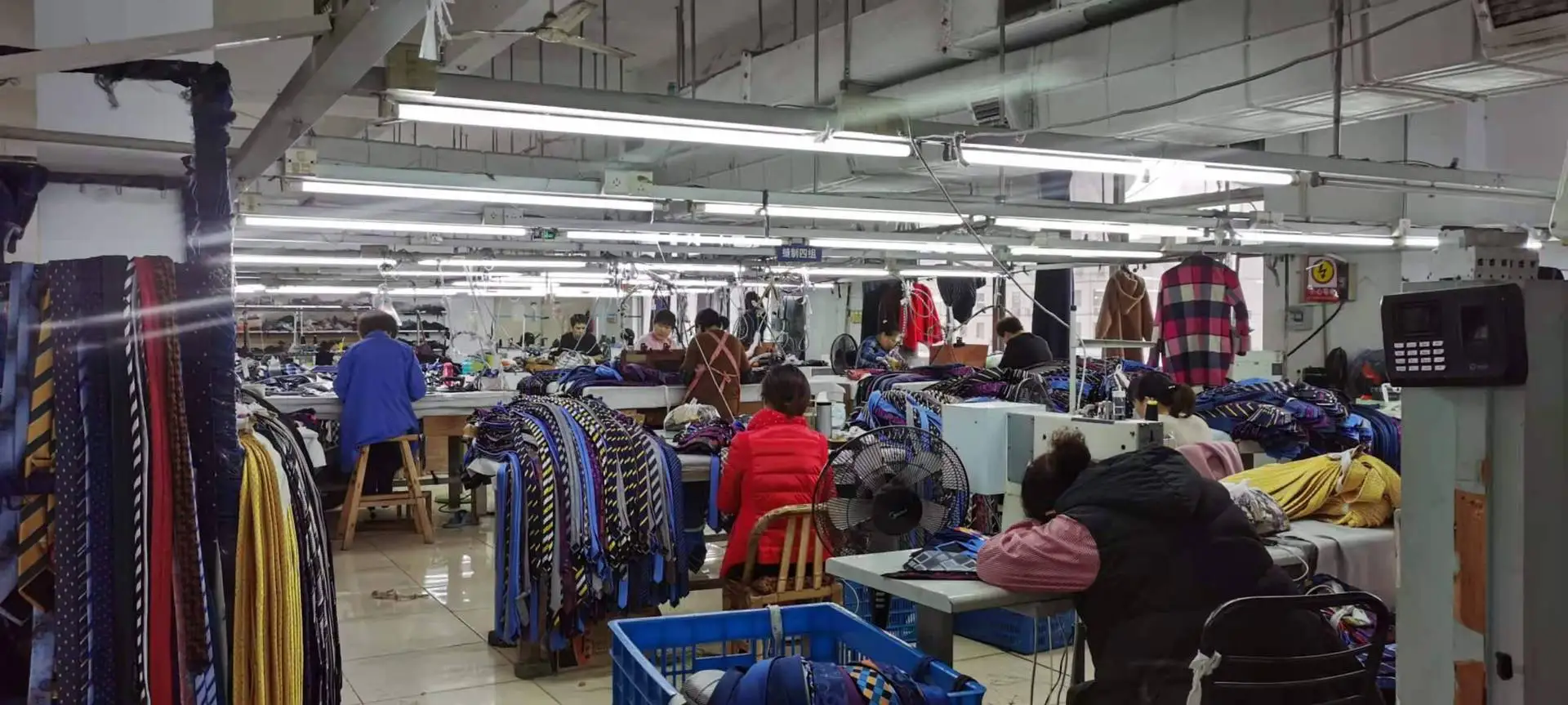
Shengzhou Deyao E Commerce Co., Ltd.
- Trading Company
- Zhejiang, China
- Lead time0 days
- Avg. response≤ 5h
Main productsTIE,BOW TIE,CUFFLINK,POCKET SQUARE,TIE PIN
Main marketsNorth America(70.00%), Southern Europe(5.00%), Northern Europe(5.00%), Central America(5.00%), Western Europe(5.00%), Eastern Europe(5.00%), South America(5.00%)
Hefei Easy Way Imp & Exp Co., Ltd.
- Verified by Intertek
- Trading Company
- Lead time30 days
- Avg. response≤ 4h
Main productsTies, Belt, Scarf, Silk Scarf, Hats
Main marketsSouthern Europe(55%), Eastern Asia(10%), Central America(10%)
Shaoxing Keer Import And Export Co., Ltd.
- Manufacturer, Trading Company
- Zhejiang, China
- Lead time35 days
- Avg. response≤ 3h
Main productsNecktie,Bow tie,Pocket square,cufflinks,Belt
Main marketsWestern Europe(45.00%), North America(10.00%), South America(10.00%), Eastern Europe(5.00%), Eastern Asia(5.00%), Mid East(5.00%), Africa(5.00%), Southeast Asia(5.00%), Southern Europe(3.00%), South Asia(3.00%), Northern Europe(2.00%), Domestic Market(1.00%), Central America(1.00%)
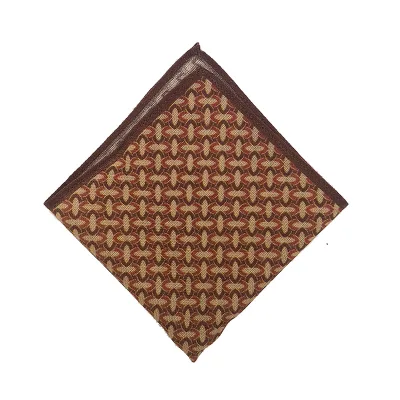
Pocket Squares Machine Rolled Embroidered Custom-made Men's Pocket Squares
$2.24 - $2.65
MOQ: 2 pieces
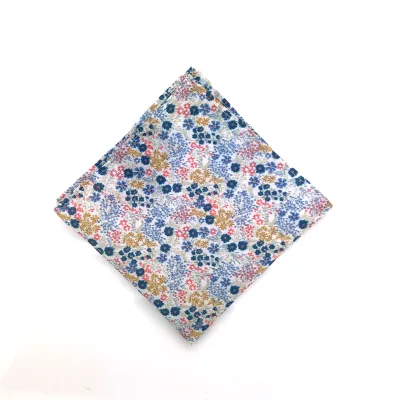
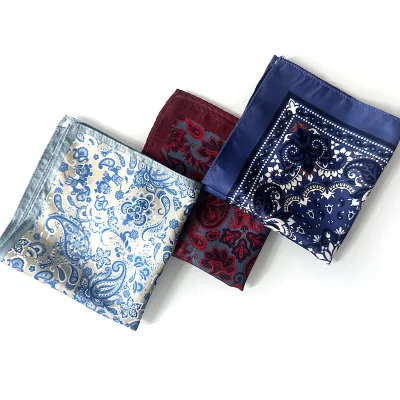
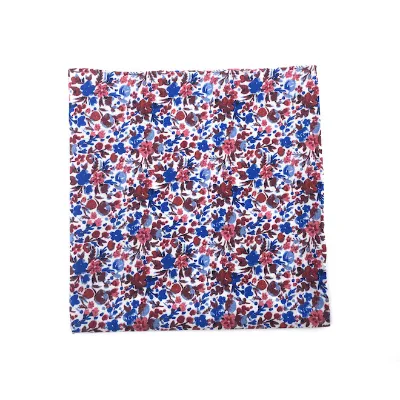
Shengzhou Dacheng Textile Co., Ltd.
- Verified by SGS Group
- Manufacturer, Trading Company
- Lead time20 days
- Avg. response≤ 1h
Main productsNecktie, Pocket Square, Scarf, Bowtie, Fabric
Main marketsNorth America(60%), Eastern Asia(15%), Northern Europe(15%)

- Verified by TUVRHEINLAND
- Trading Company
- China Jiangsu
- Lead time30 days
- Avg. response≤ 4h
Main productsHat and Cap, Bandana, Wristband, Bag, Socks, Christmas Items, Knit Hat, Sweatband, Tool Bag, Knitted Hat
Main marketsEurope,North America
Dongguan Binyang Garment Co., Ltd.
- Verified by Intertek
- Manufacturer, Trading Company
- Lead time30 days
- Avg. response≤ 5h
Main productsT-Shirt, Hoodies, Sweatshirts, Jackets, Pants
Main marketsNorth America(79%), Western Europe(13%), Eastern Europe(4%)
Dongguan Tengxiang Sportswear Co., Ltd.
- Verified by SGS
- Manufacturer/Factory
- China Guangdong
- Lead time15 days
- Avg. response≤ 2h
Main productsBaseball Jerseys, American Football Uniform, Basketball Uniform, Rugby Kits, Fishing Wear, Soccer Uniform, Ice Hockey Wear, Board Shorts, Cheerleading Uniform, Basketball Shorts
Main marketsSouth America,Eastern Europe,North America,Southeast Asia,Western Europe,Africa


Streetwear Custom Sublimation Leopard Print Fashion Mesh Basketball Shorts
$4.50 - $15.50
MOQ: 1 Piece


Shenyang Sunnytex Apparel Co., Ltd.
- Verified by BV
- Trading Company
- China Liaoning
- Lead time30 days
- Avg. response≤ 3h
Main productsPants, Jackets, Workwear, Cargo Pants, Swimwear, Uniform, Vest, Coverall, Reflective Clothes, Work Clothes
Main marketsEast Asia(Japan/ South Korea),Europe,Australia
Xiamen Daysun Industrial Co., Ltd.
- Verified by SGS
- Trading Company
- China Fujian
- Lead time30 days
- Avg. response≤ 4h
Main productsBackpack, Travel Bag, Sports Bag, Laptop Bag, Shopping Bag, Cosmetic Bag, Cooler Bag, RPET Bag, Clothing, Neoprene Case
Main marketsEurope,Australia,North America

Dongguan Humen Hucai Garment Co., Ltd.
- Verified by TUVRHEINLAND
- Combined
- China Guangdong
- Lead time15 days
- Avg. response≤ 7h
Main productsSportswear, Yoga Pants, Sports Bra, T Shirt, Tank Top, Jogger Pants, Tracksuit, Hoodies, Shorts, Leggings
Main marketsAustralia,North America
Shenzhen Shengda Garment Co., Ltd
- Trading Company,Manufacturer/Factory
- China Guangdong
- Lead time15 days
- Avg. response≤ 5h
Main productsClothing, Sportswear, Basketball Uniform, Hockey Jersey, Baseball Uniform, Fishing Shirt, Rugby Uniform, Beach Short, American Football Uniform, Yoga Wear
Main marketsSouth America,Eastern Europe,North America,Southeast Asia,Eastern Asia,Oceania,Western Europe

Custom Logo Dry-Fit Retro Old School Throwback Polyester Mesh Zipper Mens Basketball Shorts
$4.00 - $15.00
MOQ: 1 Pieces

Breathable Zipper Pocket Sublimated Streetwear Men Custom Basketball Shorts
$4.00 - $15.00
MOQ: 1 Pieces

Custom Design Sublimation Men Vintage Zipper Pockets Throwback Basketball Shorts
$4.00 - $15.00
MOQ: 1 Pieces

Summer Custom Logo Basketball Polyester Workout Sublimation Pocket Men′ S Mesh Shorts
$4.00 - $15.00
MOQ: 1 Pieces

$4.00 - $15.00
MOQ: 1 Pieces
Guangzhou Honghao Leather Co., Ltd.
- Manufacturer, Trading Company
- Guangdong, China
- Lead time45 days
- Avg. response≤ 6h
Main productsShoulder Bag, Messenger Bag, Wallet, Dinner Bag, Handbag
Main marketsNorth America(20.00%), South America(20.00%), Eastern Europe(18.00%), Oceania(10.00%), Africa(10.00%), Southeast Asia(10.00%), Eastern Asia(2.00%), Western Europe(2.00%), Central America(2.00%), Mid East(2.00%), South Asia(1.00%), Southern Europe(1.00%), Northern Europe(1.00%), Domestic Market(1.00%)
Jiaxing Qicheng Luggage Bag Co., Ltd.
- Trading Company
- Zhejiang, China
- Lead time20 days
- Avg. response≤ 2h
Main productsluggage bag,pet bag,back pack bag,carrier bag,travel bag
Main marketsSouth America(20.00%), Southeast Asia(20.00%), Northern Europe(10.00%), Western Europe(10.00%), Eastern Asia(10.00%), Mid East(10.00%), North America(10.00%), Eastern Europe(10.00%)
Be-Lase (guangzhou) Leather Co., Ltd.
- Verified by TüVRheinland
- Manufacturer, Trading Company
- Lead time30 days
- Avg. response≤ 5h
Main productsWomen's Bag, Shopping Bags, Women's Belts, Men's Belts, DIY Bag Accessories
Main marketsDomestic Market(60%), Oceania(10%), Eastern Asia(10%)
Suning County Xiangbird Clothing Co., Ltd.
- Verified by SGS
- Combined
- China Hebei
- Lead time30 days
- Avg. response≤ 3h
Main productsT-Shirt, Hooded Sweatshirt, Seluar Jeans, Pakaian Pelindung Matahari
Main marketsDomestic
Shenzhen Zhaohua Apparel Co., Ltd.
- Verified by SGS
- Manufacturer
- China Guangdong
- Lead time15 days
- Avg. response≤ 22h
Main productsWomen's Clothing, Women's Dresses, Women's Shirt, Women's Hoodie/Sweatshirt, Women's Pants, Man's Clothing, Man's Pants, Man's

Hebei Blue Whale Import and Export Trading Co., Ltd.
- Trading Company,Manufacturer/Factory
- China Hebei
- Lead time90 days
- Avg. response≤ 6h
Main productsWomen Bag, Handbags, School Bags, Backpack, Non Woven Bags, Paper Bags, Kraft Paper Bags, Travel Bag, ABS Luggage, Water Smoking Pipe
Main marketsSouth America,Eastern Europe,Mid East,North America,Southeast Asia,Eastern Asia,Oceania,Western Europe,Africa
Yiwu Hengxin Imp&exp Co., Ltd.
- Verified by Intertek
- Manufacturer, Trading Company
- Lead time30 days
- Avg. response≤ 5h
Main productsCase and Bag
Main marketsNorth America(30%), Western Europe(30%), South America(10%)
Guangzhou Cheerfeel Trading Co., Ltd.
- Trading Company
- Guangdong, China
- Lead time10 days
- Avg. response≤ 5h
Main productsClothes , Bodice Applique, Wedding hair accessories
Main marketsNorth America(40.00%), Western Europe(15.00%), Eastern Europe(15.00%), South America(10.00%), South Asia(5.00%), Central America(5.00%), Northern Europe(5.00%), Southeast Asia(5.00%)

Guangzhou Zexin Leather Co., Ltd.
- Verified by SGS
- Combined
- China Guangdong
- Lead time30 days
- Avg. response≤ 15h
Main productsLadies Handbag, Handbag, Fashion Handbag, PU Handbag, Leather Handbag, Women Handbag, Fashion Bag, Designer Handbag, Lady Bag, Leather Bag
Main marketsDomestic,Europe,North America
Guangzhou Tianhe Shahe Hongyang Clothing Store
- Verified by TUVRHEINLAND
- Trading Company
- China Guangdong
- Lead time15 days
- Avg. response≤ 2h
Main productsClothes
Main marketsDomestic


Summer Fashion Design OEM Custom Logo Sublimated Basketball Throwback Short
$4.90 - $5.50
MOQ: 100 pcs


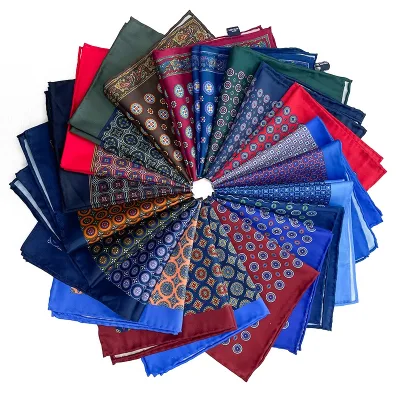
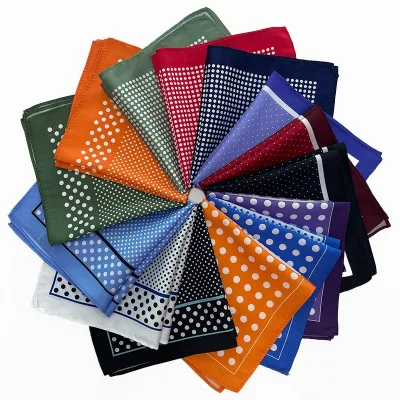
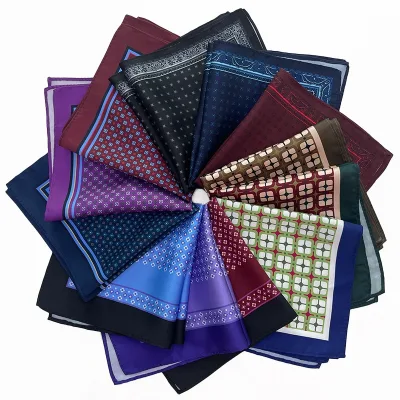
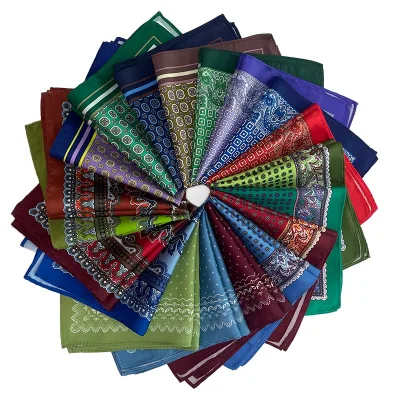
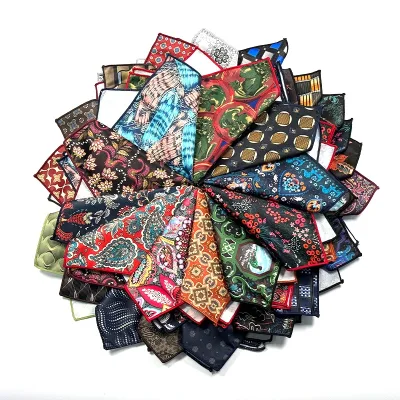
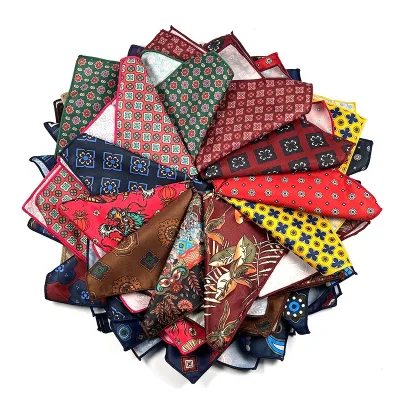
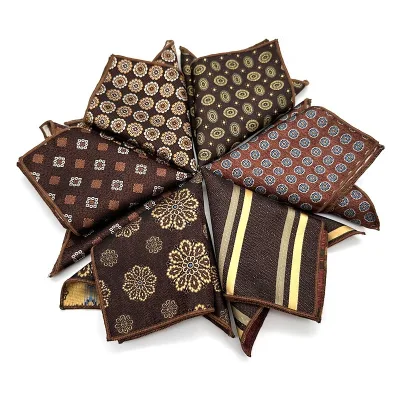
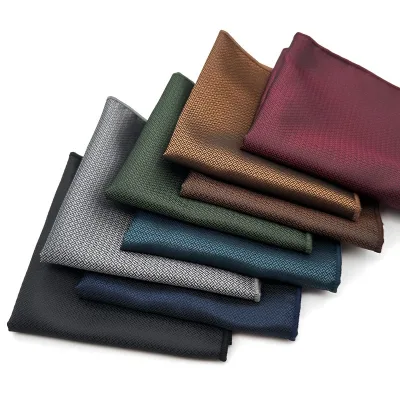
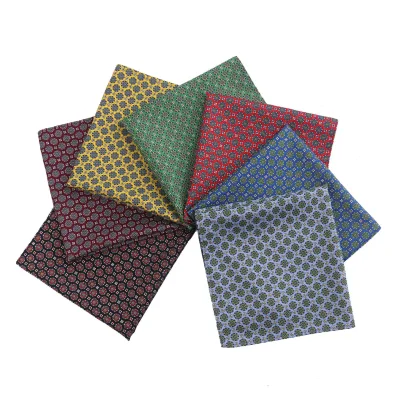
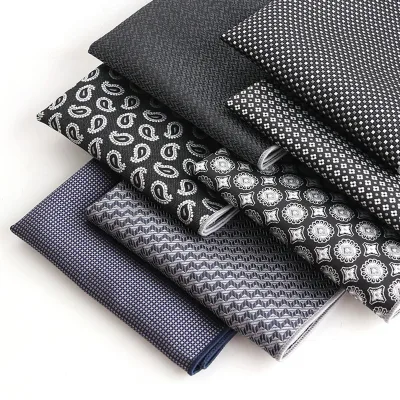
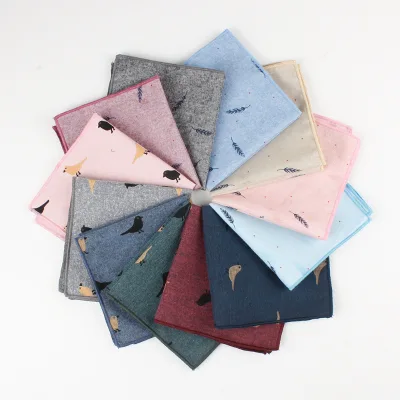
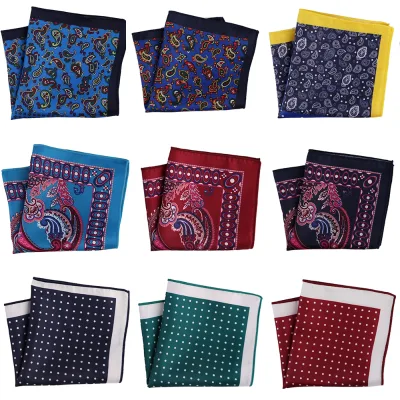
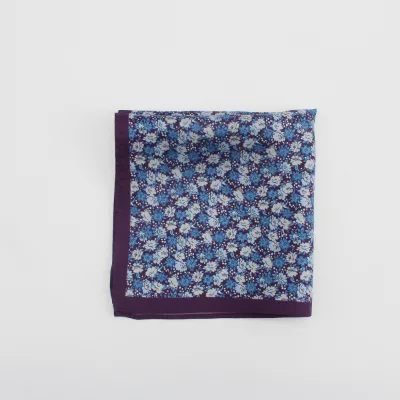
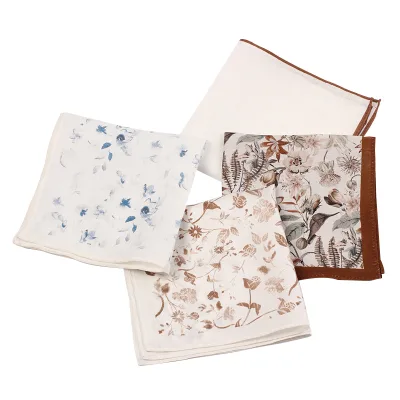








Comprehensive Sourcing Guide
Vintage Printed Nylon Pocket Square Supplier Concentration and Factory Types
Current data indicates a mix of trading companies and combined entity types operating within the Vintage Printed Nylon Pocket Square sector. Some suppliers are identified as trading companies, while others function as combined entities capable of offering both trading and manufacturing capabilities. This structural diversity means buyers must distinguish between pure intermediaries and those with direct factory access. The presence of combined entities suggests a potential for more integrated supply chain management, though this varies significantly by vendor. Buyers should not assume all listed suppliers possess in-house production facilities for nylon printing or weaving.
When evaluating supplier concentration, the available evidence points to specific regional hubs, such as Zhejiang, China, where several product origins are documented. This location is frequently cited in product attributes for items like pocket squares and related accessories. However, without a comprehensive map of all active suppliers, buyers cannot definitively state the total density of manufacturers in this specific niche. Instead, the focus should be on verifying the physical location of the production facility against the listed company type. If a supplier claims to be a factory but lists a trading company type, further verification of their manufacturing capacity is essential before proceeding with large orders.
How to Verify Vintage Printed Nylon Pocket Square Suppliers
Verification of supplier credentials is critical when sourcing vintage printed nylon pocket squares, as the market contains various entity types. The provided data shows that some suppliers hold ISO 1833 or ISO 9001:2015 certifications, which serve as indicators of quality management systems. However, not every supplier displays these specific standards, and the absence of a listed certification does not automatically imply non-compliance. Buyers must actively request current certification documents rather than relying solely on profile summaries. Additionally, third-party verification services like SGS Group are noted for certain suppliers, providing an external layer of trust regarding business legitimacy and operational stability.
Beyond certifications, response time and lead time metrics offer practical insights into supplier reliability. Evidence suggests response times can vary, with some suppliers showing rapid engagement while others take longer to reply. Lead times also fluctuate, with observed ranges extending up to thirty days for certain product configurations. Buyers should treat these numbers as benchmarks rather than guarantees, as actual performance depends on order complexity and material availability. It is advisable to test communication channels with a specific inquiry before committing to a contract. Confirming the supplier's ability to meet specific deadlines and maintain consistent communication is a vital step in the verification process for any Vintage Printed Nylon Pocket Square order.
What to Compare Across Vintage Printed Nylon Pocket Square Suppliers
Comparing suppliers requires a systematic review of key operational dimensions such as minimum order quantities, pricing structures, and customization capabilities. The data reveals significant variation in MOQs, ranging from as low as ten pieces to one hundred pieces depending on the specific product configuration and supplier. Pricing also differs widely, with observed ranges spanning from under one dollar to over two dollars per unit. These figures are influenced by factors like fabric composition, printing techniques, and order volume. Buyers must analyze these metrics in the context of their specific budget and volume requirements to identify the most cost-effective partners.
Customization capacity is another critical comparison point, as suppliers offer different levels of flexibility regarding design and branding. Some vendors support light customization, sample processing, and graphic processing, while others provide full ODM and OEM services with custom logo integration. The ability to accept custom designs and logos varies, with some suppliers explicitly stating "Customized Accept" while others may have restrictions. Additionally, the range of main products offered by a supplier can indicate their expertise; some focus on neckties and scarves, while others specialize in pocket squares and handkerchiefs. Evaluating these capabilities ensures the selected supplier can meet the unique aesthetic and functional needs of the Vintage Printed Nylon Pocket Square line.
Common Vintage Printed Nylon Pocket Square Sourcing Risks
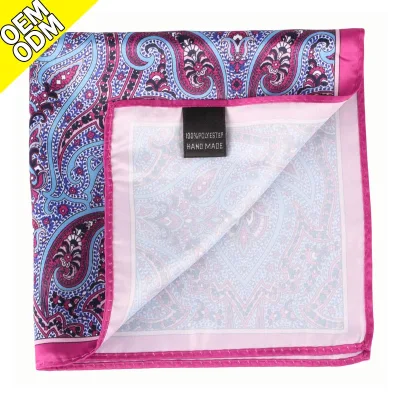
One significant risk in sourcing vintage printed nylon pocket squares involves discrepancies between product descriptions and actual deliverables. Product attributes sometimes list materials like polyester or silk, which may conflict with the buyer's specific requirement for nylon. For instance, some listings mention 100% polyester or silk blends, while the core keyword specifies nylon. This inconsistency can lead to receiving the wrong material if not carefully verified. Buyers must explicitly confirm the fabric composition in writing before production begins to avoid receiving items that do not match the intended vintage aesthetic or functional requirements.
Another risk relates to the reliability of shipping and packaging details provided in supplier profiles. While some suppliers list specific shipping methods like UPS, EMS, or DHL, others may only provide generic options. Packaging details also vary, with some specifying OPP bags and others offering gift sets. Inconsistent packaging can affect the perceived quality of the vintage printed nylon pocket squares upon arrival. Furthermore, lead times are not always fixed; observed times range from twenty-three to thirty days, and delays can occur if the supplier faces capacity constraints. Buyers should plan for potential delays and clarify shipping responsibilities to mitigate the risk of late deliveries or damaged goods during transit.
Vintage Printed Nylon Pocket Square Regional Sourcing and Logistics
Regional sourcing strategies should focus on identifying suppliers located in known manufacturing hubs like Zhejiang, China, where production capabilities are concentrated. The available data confirms that several products originate from this region, suggesting a robust ecosystem for textile manufacturing and printing. However, buyers should not assume all suppliers are located there without verification. It is essential to confirm the physical address of the factory or warehouse to ensure proximity to logistics hubs that can facilitate efficient shipping. Understanding the regional concentration helps in estimating transit times and potential shipping costs more accurately.
Logistics planning must account for the specific shipping methods and packaging requirements associated with the Vintage Printed Nylon Pocket Square category. Suppliers may offer various shipping options, including FEDEX, UPS, and EMS, each with different cost structures and delivery speeds. The single package size and weight also vary, impacting freight charges and handling requirements. Buyers should request detailed shipping quotes based on their destination and order volume. Additionally, understanding the packaging details, such as whether items are packed in OPP bags or gift sets, is crucial for determining the final landed cost. Proper logistics planning ensures that the vintage printed nylon pocket squares arrive on time and in the condition expected by the end customer.
Vintage Printed Nylon Pocket Square Commercial Terms and Order Planning
Commercial terms for Vintage Printed Nylon Pocket Square orders often include specific conditions regarding payment, delivery, and customization. While the provided data does not list explicit payment terms, the presence of escrow services and verified supplier statuses suggests a framework for secure transactions. Buyers should negotiate clear terms regarding deposit percentages and balance payments upon shipment. Lead times, which can range from twenty-three to thirty days, must be factored into the order planning timeline to ensure timely delivery. Understanding these timelines helps in managing inventory levels and meeting customer demand without overstocking or stockouts.
Order planning should also consider the minimum order quantities and pricing tiers offered by different suppliers. With MOQs ranging from ten to one hundred pieces, buyers can tailor their orders to match their budget and storage capacity. Pricing varies significantly, so comparing unit costs across suppliers is necessary to optimize expenses. Additionally, the availability of custom designs and logos allows for brand differentiation, but this may require additional time and cost. Buyers should plan their orders well in advance, accounting for the time needed for design approval, production, and shipping. By carefully managing these commercial terms and planning factors, buyers can secure a reliable supply of vintage printed nylon pocket squares that meet their business objectives.
FAQs
What is the typical lead time for pocket square orders?
Manufacturers generally require 30 days to produce standard orders, while some suppliers offer faster turnaround times around 23 days. Buyers should confirm specific production schedules with the supplier before placing bulk orders to ensure timely delivery for events or seasonal inventory needs.
What is the minimum order quantity for custom pocket squares?
Minimum order quantities vary significantly, ranging from 10 pieces for basic printed items to 100 pieces for certain styles. Some suppliers accept as low as 50 pieces per color for jacquard designs. Buyers must verify the specific MOQ with the supplier to match their budget and volume requirements.
What materials are commonly used for men's pocket squares?
Common materials include 100% polyester, silk, cotton, linen, wool, and satin. Suppliers offer various fabric options to suit different price points and aesthetic preferences. Buyers can choose from printed, jacquard, or yarn-dyed finishes depending on the desired look and durability for their specific application.
Do suppliers offer custom logo printing services?
Yes, many suppliers provide OEM and ODM services, allowing for custom logo printing and design acceptance. Buyers can request personalized branding on pocket squares, often with flexible customization options. It is advisable to discuss design files and proofing processes directly with the supplier to ensure quality.
What certifications do these suppliers typically hold?
Suppliers often hold ISO9001:2015 or ISO 1833 certifications, indicating adherence to quality management standards. Some are verified by SGS Group for reliability. Buyers should request current certification documents to verify compliance with international standards and ensure the supplier meets their specific quality assurance requirements.
What is the price range for wholesale pocket squares?
Prices typically range from $0.45 to $2.39 per piece, depending on material and customization. Basic polyester options start around $0.65, while premium silk or complex jacquard designs may cost more. Buyers should compare quotes from multiple suppliers to find the best value for their specific order volume.
Where are these pocket square manufacturers located?
Most manufacturers are located in Zhejiang, China, a major hub for textile and accessory production. This region offers efficient supply chains and competitive pricing. Buyers can filter suppliers by location to potentially reduce shipping costs and lead times, especially if they prefer suppliers in specific geographic areas.