Vintage Rivets Glasses Suppliers and Manufacturers
Source 17 verified suppliers for Vintage Rivets Glasses with OEM/ODM capabilities. Compare lead times, MOQs, and certifications like CE FDA to find the right partner. Request quotes today; review the available evidence before requesting comparable quotations from suitable candidates.
Suppliers List

Sky & Sea Optical MFY Co., Ltd.
- Verified by SGS
- Combined
- China Zhejiang
- Lead time60 days
- Avg. response≤ 3h
Main productsOptical Frame, Sunglasses, Reading Glasses, 3D Glasses, Blocking Pad, Eyeglasses, Optical Frames, Glasses Case, Safety Glasses, Lens Cleaner
Main marketsSouth America,Europe,North America

- Verified by SGS
- Manufacturer/Factory
- China Zhejiang
- Lead time15 days
- Avg. response≤ 2h
Main productsSunglasses, Polarized Sunglasses, Anti Blue Light Glasses, Optical Glasses, Wholesale Designer Replica, Fashion Sunglasses, Sport Sunglasses, Glasses, Eyewear Glasses, Custom Sunglasses
Main marketsSouth America,Eastern Europe,Mid East,North America,Southeast Asia,Eastern Asia,Oceania,Western Europe,Africa

Wenzhou Readsun Optical Co., Ltd.
- Trading Company,Manufacturer/Factory
- China Zhejiang
- Lead time60 days
- Avg. response≤ 6h
Main productsSunglasses, Reading Glasses, Optical Frame, Plastic Sunglasses, Kid's Sunglasses, Metal Sunglasses, Sport Sunglasses, Titanium Optical Frame, LED Reading Glasses, Promotion Sunglasses
Main marketsSouth America,Eastern Europe,Mid East,North America,Southeast Asia,Eastern Asia,Oceania,Western Europe,Africa

- Verified by BV
- Trading Company
- China Zhejiang
- Lead time30 days
- Avg. response≤ 5h
Main productsSunglass, Optical Frame, Sports Sunglasses, Kid's Optical Frames, Reading Glasses, Polarized Sunglasses, Eyeglasses Frame, Sun Glasses, Eyewear Frame, Sunglasses Case
Main marketsEurope,North America

- Verified by TUVRHEINLAND
- Trading Company
- China Zhejiang
- Lead time15 days
- Avg. response≤ 4h
Main productsReading Glass, Sunglasses, Optical Frame, Glasses Case &Accesories; Cord, Display, Promotion Sunglasses, Kids Sunglasses, Fashion Sunglasses, Hot Sale Sunglasses, New Sunglasses
Main marketsSouth America,Europe,North America


Retro Round Hot Sale Optical Eyewear Glasses New Unisex Reading Glasses (M20855)
$0.90 - $2.40
Moq: 2400


Wenzhou Sunray Technology Co., Ltd.
- Verified by SGS
- Manufacturer/Factory
- China Zhejiang
- Lead time23 days
- Avg. response≤ 4h
Main productsSunglasses, Custom Sunglasses, Polarized Sunglass, Reading Glasses, Jewelry Boxes, Paper Boxes, Gift Boxes, Packaging Box, Custom Packaging Box, Packing Box
Main marketsSouth America,Eastern Europe,Mid East,North America,Southeast Asia,Eastern Asia,Oceania,Western Europe,Africa
Wenzhou Ouhai Dongtian Glasses Manufacturing Co., Ltd.
- Verified by Intertek
- Manufacturer, Trading Company
- Lead time0 days
Main productsAcetate Optical Glasses, Acetate Sunglasses, Metal Optical Glasses, Metal Sunglasses, Titanium Glasses
Main marketsDomestic Market(70%), North America(20%), Western Europe(8%)

Shenzhen Yahao Glasses Manufacturing Co., Ltd
- Verified by CTI
- Trading Company
- China Guangdong
- Lead time15 days
- Avg. response≤ 6h
Main productsCar Key Programmer, Marine Scanner, Airbag Reset, Obdstar DC706, Obdstar X300m, Obdstar P50, Obdstar G3, Obdstar Ms80, Obdstar Iscan, Auto Diagnostic Tool
Main marketsDomestic


New Fashion Square Frame Anti-Blue Light Glassestrendy and Versatile Men's Metal
$3.67 - $4.30
Moq: 10

Xiamen Langxue Spectacles Co., Ltd.
- Combined
- China Fujian
- Lead time30 days
- Avg. response≤ 7h
Main productsSunglasses, Eyeglasses, Reading Glasses, Metal Sunglasses, Optical Frames, Safety Glasses, Eyewears, Optical Glass, Spectacles, Sports Sunglasses
Main marketsSouth America,Domestic,Europe,North America


High Quality Custom Logo Literary Vintage Small Glasses UV400 Simple Classic Glasses
$2.00 - $5.00
Moq: 600


Retro Metal Glasses Frames High Quality Business Square Man Glasses Optic Metal
$3.00 - $6.00
Moq: 1200

- Trading Company
- China Zhejiang
- Lead time0 days
- Avg. response≤ 4h
Main productsOptical Glasses, Reading Glasses, Sunglasses, Blue Light Blocking Glasses, Eyeglasses Frames, Kid's Sunglasses, Titanium Optical Frame, Women Reading Glasses, Mens Spectacles Frames, Fashion Sunglasses

Dongguan Shangmiao International Trade Co., Ltd.
- Manufacturer, Trading Company
- Guangdong, China
- Lead time0 days
- Avg. response≤ 2h
Main productsGlasses,Reading Glasses,Optical Glasses,Sunglasses,Sports Sunglasses
Main marketsNorth America(40.0%), Western Europe(18.0%), Northern Europe(15.0%), Eastern Europe(15.0%), South America(10.0%)

Wenzhou Dilicn Optical Co., Ltd
- Verified by TUVRHEINLAND
- Trading Company
- China Zhejiang
- Lead time15 days
- Avg. response≤ 6h
Main productssports sunglasses, reading glasses, optical frames
Main marketsSouth America,Europe,North America


Minimalist Square Acetate Clip-on Glasses (Dual Use: Daily Commute/Night Vision)
$5.48 - $5.94
Moq: 12


Danyang Xinjingjie Glasses Co., Ltd.
- Trading Company
- China Jiangsu
- Lead time0 days
- Avg. response≤ 5h
Main productsEyeglasses Accessories, Kids Eyeglasses, Sunglasses, Optical Glasses, Sun Lens/ Tinted Lens, Blue Cut Lenses

Wenzhou Yogi International Trade Co., Ltd.
- Verified by BV
- Trading Company
- China Zhejiang
- Lead time30 days
- Avg. response≤ 2h
Main productsReading Glasses, Sunglasses, Glasses, Sports Sunglasses, Eyewear, Optical Frame
Main marketsEurope

Wenzhou Fresh Optics Manufacture Co., Ltd.
- Manufacturer, Trading Company
- Zhejiang, China
- Lead time60 days
- Avg. response≤ 8h
Main productsOptical Frame,Sunglasses,Reading Glasses,Spectacles Cases (Only for Overseas)
Main marketsSouth Asia(41.25%), North America(14.16%), South America(10.67%), Eastern Europe(8.86%), Southeast Asia(7.91%), Southern Europe(7.16%), Oceania(6.78%), Western Europe(3.2099999999999995%)

Wenzhou Yangming Eyewear Accessories Co., Ltd
- Verified by SGS
- Combined
- China Zhejiang
- Lead time30 days
- Avg. response≤ 3h
Main marketsDomestic

Jinjiang Zhenghao Trading Co., Ltd
- Verified by TUVRHEINLAND
- Trading Company
- China Fujian
- Lead time30 days
- Avg. response≤ 5h
Main productsShoes
Main marketsDomestic


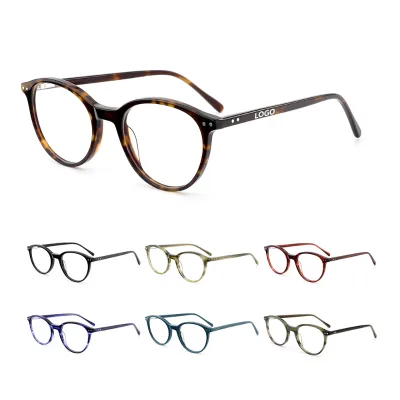
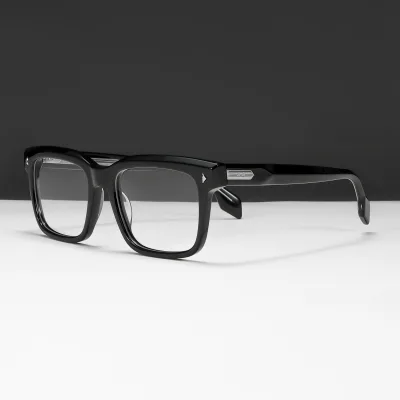
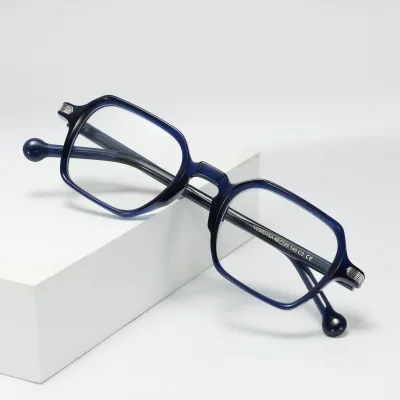


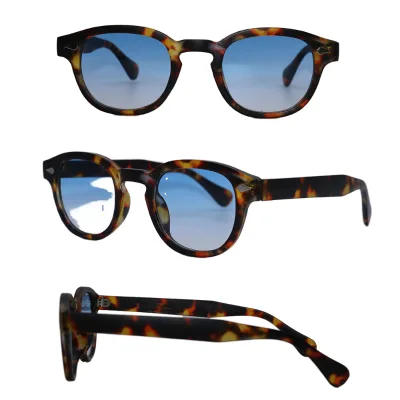




Comprehensive Sourcing Guide
Vintage Rivets Glasses Supplier Concentration and Factory Types
The sourcing landscape for Vintage Rivets Glasses reveals a distinct concentration of manufacturing activity within specific industrial hubs, with China’s Zhejiang province emerging as a primary cluster for this specialized eyewear category. Suppliers located in this region often operate as combined entities, blending trading capabilities with direct manufacturing or close-knit factory partnerships, which allows for greater flexibility in handling custom orders. When evaluating potential partners, buyers should prioritize suppliers who explicitly list optical frames, sunglasses, and reading glasses as their main products, as this indicates a mature supply chain capable of supporting the intricate assembly required for rivet-style designs. The presence of ODM and OEM capabilities further suggests that these factories possess the technical infrastructure to adapt standard vintage aesthetics to specific brand requirements, ensuring that the unique rivet detailing is executed with precision rather than appearing as a superficial afterthought.
Understanding the company type is crucial for determining the level of control and communication a buyer will experience throughout the production cycle. Combined companies often offer a middle ground between pure trading firms and standalone factories, providing the service-oriented approach of a trader with the production oversight of a manufacturer. This structure can be particularly advantageous for sourcing Vintage Rivets Glasses, where material selection and hardware quality are paramount. Buyers should verify if the supplier’s main products align closely with the desired aesthetic, such as acetate frames or metal constructions, as this specialization often correlates with higher quality control standards. Additionally, the geographic proximity to established eyewear supply chains in Zhejiang can facilitate faster access to raw materials like acetate sheets and specialized metal components, potentially reducing lead times and ensuring consistent material quality across large production runs.
How to Verify Vintage Rivets Glasses Suppliers
Verification of Vintage Rivets Glasses suppliers requires a multi-layered approach that goes beyond basic company registration checks to ensure operational legitimacy and product safety. One critical step is to confirm third-party verification status, such as SGS certification, which provides an independent assessment of the supplier’s business practices and manufacturing capabilities. Buyers should request recent verification reports to understand the scope of the audit, including whether it covers factory conditions, quality management systems, and social compliance. This verification acts as a foundational trust signal, indicating that the supplier adheres to recognized international standards for business operations. Furthermore, checking for specific product certifications like CE and FDA is essential, particularly if the Vintage Rivets Glasses are intended for markets with strict regulatory requirements. These certifications ensure that the materials used, including the rivets and frame components, meet safety standards for consumer use, reducing the risk of liability issues downstream.
Beyond documentation, assessing the supplier’s responsiveness and technical expertise is vital for a successful sourcing partnership. A quick response time, such as the observed average of 2.34 hours, can indicate a well-staffed and efficient communication team, which is crucial for resolving design queries or production issues promptly. Buyers should engage suppliers with targeted questions about their rivet attachment methods, frame material sourcing, and quality control processes to gauge their technical depth. Inquiring about their ability to handle custom logo placement or specific frame shapes, such as square or circular designs, can reveal their flexibility and experience with vintage styles. Additionally, verifying the supplier’s establishment year and long-term track record can provide insights into their stability and experience in the eyewear industry. Suppliers with a longer history may have refined their processes for handling delicate vintage details, offering greater reliability in meeting complex design specifications and maintaining consistent quality over time.
What to Compare Across Vintage Rivets Glasses Suppliers
When comparing suppliers for Vintage Rivets Glasses, lead time is a critical metric that directly impacts inventory planning and market launch schedules. Suppliers may offer varying lead times, with some indicating a standard duration of 60 days for production, which buyers must factor into their overall supply chain strategy. It is important to clarify whether this lead time includes material sourcing, production, and quality assurance, or if it represents only the manufacturing phase. Comparing these timelines across multiple suppliers helps identify those who can meet urgent deadlines without compromising quality. Additionally, buyers should assess the supplier’s capacity for handling different order sizes, as some may specialize in smaller batches while others are optimized for large-scale production. Understanding these capacity constraints ensures that the selected supplier can accommodate the buyer’s volume requirements and scale up if demand increases unexpectedly.
Minimum Order Quantity (MOQ) and pricing structures are equally important factors in supplier comparison, as they influence the initial investment and risk profile of the sourcing decision. MOQs can vary significantly, ranging from low thresholds of 2 pieces for sample orders to higher volumes like 12 pieces per color or 50 pieces per style for production runs. Buyers should evaluate whether the MOQ aligns with their sales forecast and storage capabilities, avoiding overstocking while ensuring cost-effective production runs. Pricing should be analyzed in conjunction with MOQ, as lower prices may be available for larger orders, but buyers must also consider the total cost of ownership, including shipping and potential rework costs. Comparing price ranges, such as those observed between $3.50 and $13.00 per unit, helps buyers identify suppliers that fit within their budget constraints. Additionally, assessing the supplier’s payment terms, such as 100% T/T, can impact cash flow management, so buyers should negotiate terms that balance risk and convenience.
Common Vintage Rivets Glasses Sourcing Risks
One significant risk in sourcing Vintage Rivets Glasses is the potential for quality inconsistencies in the rivet attachment and frame durability. The rivet detail, while aesthetically appealing, can be a point of failure if not securely fastened, leading to loose hardware or frame breakage during use. Buyers must establish clear quality standards for rivet strength and finish, requesting samples to test for durability before committing to large orders. Additionally, the choice of frame material, such as acetate or plastic, can affect the overall longevity and comfort of the glasses. Variations in material quality between suppliers can lead to differences in color consistency, flexibility, and resistance to wear. To mitigate this risk, buyers should specify material grades and request detailed product specifications, including frame shape and size dimensions, to ensure that the final product meets their quality expectations. Regular quality inspections during production can help identify and address issues early, preventing costly recalls or customer dissatisfaction.
Another risk involves the alignment of supplier capabilities with the buyer’s specific design requirements, particularly regarding customization and branding. Suppliers may offer OEM services, but the extent of customization can vary, with some limiting logo placement or frame modifications. Buyers must clearly communicate their branding needs, such as custom logo printing or specific rivet colors, and verify the supplier’s ability to execute these details accurately. Miscommunication in design specifications can lead to products that do not match the intended vintage aesthetic, resulting in wasted time and resources. Additionally, the risk of intellectual property infringement should be considered, especially when sourcing designs that may resemble existing branded products. Buyers should ensure that the supplier respects IP rights and that the Vintage Rivets Glasses do not infringe on any trademarks or patents. Conducting thorough due diligence on the supplier’s design portfolio and legal compliance can help avoid these legal and reputational risks.
Vintage Rivets Glasses Regional Sourcing and Logistics
Sourcing Vintage Rivets Glasses from regional hubs like Zhejiang, China, offers logistical advantages due to the concentration of eyewear manufacturing infrastructure in the area. This clustering effect facilitates efficient supply chain operations, from raw material procurement to final product assembly, reducing transit times and costs. Buyers should leverage this regional expertise by selecting suppliers who are well-integrated into the local supply network, ensuring timely access to high-quality acetate, metal components, and packaging materials. The proximity to major shipping ports in Zhejiang can also streamline export processes, reducing the complexity of international logistics. However, buyers must account for potential logistical challenges, such as customs clearance delays or shipping capacity constraints, which can impact delivery schedules. Establishing clear communication with suppliers regarding shipping methods and documentation requirements can help mitigate these risks and ensure smooth transit of goods to international markets.
Logistics planning for Vintage Rivets Glasses also involves considering the packaging and handling requirements to protect the delicate rivet details during transit. Suppliers often provide specific packing details, such as OPP bags or inner boxes, which buyers should evaluate for their protective qualities. Ensuring that the packaging is robust enough to prevent damage during shipping is crucial for maintaining product quality upon arrival. Additionally, buyers should assess the supplier’s experience with international shipping, including their ability to handle different Incoterms and provide necessary export documentation. Collaborating with suppliers who have a proven track record in exporting to the buyer’s target market can simplify logistics and reduce the risk of shipment-related issues. By understanding the regional logistics landscape and working closely with suppliers on packaging and shipping strategies, buyers can optimize their supply chain efficiency and ensure that Vintage Rivets Glasses arrive in pristine condition.
Vintage Rivets Glasses Commercial Terms and Order Planning
Effective order planning for Vintage Rivets Glasses requires a strategic approach to inventory management and cash flow, influenced by the supplier’s MOQ and lead time policies. Buyers should align their order quantities with sales projections to avoid excess inventory while ensuring sufficient stock to meet demand. Given the varying MOQs, from low sample quantities to higher production volumes, buyers can start with smaller orders to test market response before scaling up. This phased approach reduces financial risk and allows for adjustments based on customer feedback. Additionally, understanding the supplier’s lead time, such as the 60-day standard, is essential for planning production schedules and aligning them with marketing campaigns or seasonal launches. By mapping out the timeline from order placement to delivery, buyers can anticipate potential bottlenecks and adjust their strategies accordingly, ensuring a smooth and predictable supply chain operation.
Commercial terms, including payment methods and warranty policies, play a crucial role in the financial planning of Vintage Rivets Glasses sourcing. Buyers should negotiate payment terms that balance risk and convenience, such as partial payments or escrow services, to protect their investment. Understanding the supplier’s warranty and return policies is also important, as it provides a safety net in case of quality issues or non-conformance to specifications. Buyers should clarify these terms in writing before placing orders to avoid misunderstandings. Additionally, considering the total cost of ownership, including shipping, duties, and potential rework costs, helps in making informed financial decisions. By carefully evaluating commercial terms and integrating them into their order planning, buyers can optimize their sourcing strategy, minimize financial risks, and build a sustainable partnership with their Vintage Rivets Glasses suppliers.
FAQs
What is the minimum order quantity for vintage rivet glasses?
The minimum order quantity varies by supplier and product style. Some suppliers require a minimum of 2 pieces for specific metal styles, while acetate frames typically require 12 pieces per color or 50 pieces per style. Buyers should verify the exact MOQ on the product page before placing an order.
What materials are used for vintage rivet optical frames?
Vintage rivet optical frames are primarily constructed from acetate or metal. Acetate frames often feature full frames with one-piece nose supports and are available in black or multi-color options. Metal frames may include precious metals and are designed for both optical and sunglasses usage with polarized or plastic lenses.
Do these suppliers offer OEM and ODM services?
Yes, many suppliers offer both OEM and ODM services for vintage rivet glasses. Buyers can request custom logos and specific frame designs. The suppliers are verified as combined companies capable of handling custom branding, allowing businesses to create unique products that align with their specific market requirements and brand identity.
What certifications do the vintage rivet glasses have?
Selected vintage rivet glasses carry CE and FDA certifications, ensuring they meet specific safety and quality standards. The suppliers themselves are verified by SGS. Buyers should check the product attributes for specific certification details to ensure compliance with their local market regulations before importing these eyewear products.
What is the typical lead time for these orders?
The typical lead time for these orders is approximately 60 days. This duration allows for production and quality control processes. Buyers should confirm the exact lead time with the supplier, as it may vary based on order volume, customization requirements, and current production schedules at the manufacturing facility.
Where are these vintage rivet glasses manufactured?
These vintage rivet glasses are manufactured in China, specifically in the Zhejiang region. This area is known for its eyewear production capabilities. Buyers can expect products to originate from this location, which is a major hub for optical frame and sunglasses manufacturing in the global supply chain.