Vintage Style CD Player Suppliers and Manufacturers
Compare 15 verified suppliers of Vintage Style CD Player units from Guangdong, China. Review lead times, certifications like ISO 9001 and CE, and MOQs ranging from 1000 to 2000 units. Contact suppliers directly to request product models and pricing details.
Suppliers List

Dongguan AST Industry Co., Ltd.
- Verified by TUVRHEINLAND
- Manufacturer/Factory
- China Guangdong
- Lead time23 days
- Avg. response≤ 14h
Main productsSound Module, Voice Recorder, Video Brochure, Sound Chip, LED Flashing Module for POS, Musical Greeting Cards, Video Module, Musical Bottle Opener, Musical Postcards, DC Motor for Pop Dispay
Main marketsSouth America,Eastern Europe,Mid East,North America,Southeast Asia,Eastern Asia,Oceania,Western Europe,Africa

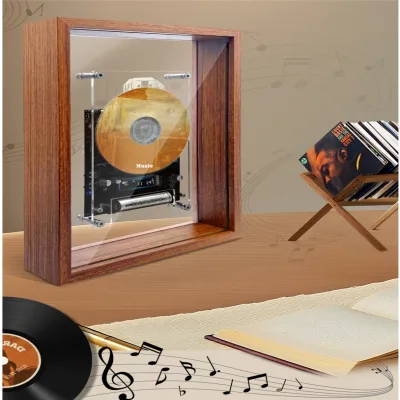
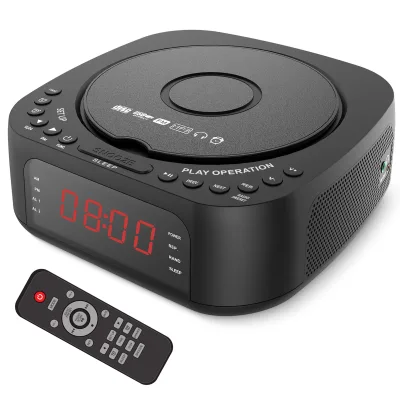
Bulk Vintage CD Turntable Record Player Platter Mechanism Black Vinyl Record Player
$5.00
MOQ: 2000 Pieces


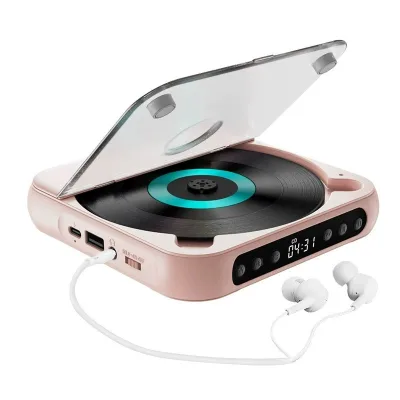
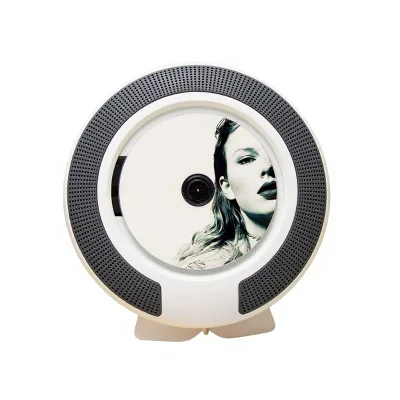
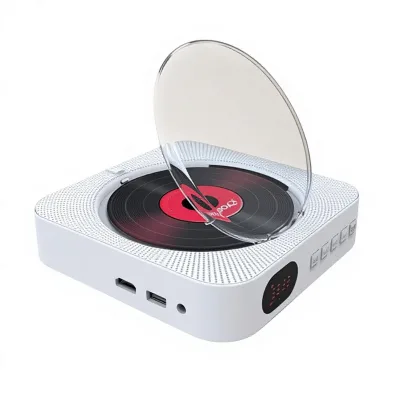
Bluetooth Turntable Electronic Core Accessories Vintage CD Record Players/Phonographs
Contact supplier
MOQ: 2000 Pieces

Huizhou Desonic Electronics Co., Ltd.
- Manufacturer, Trading Company
- Guangdong, China
- Lead time28 days
- Avg. response≤ 3h
Main productsturntable player,Gramophone,Radio,bluetooth speaker,record player
Main marketsNorth America(27.00%), Eastern Asia(18.00%), Mid East(15.00%), Eastern Europe(13.00%), Western Europe(11.00%), Southern Europe(5.00%), Oceania(5.00%), South America(3.00%), Northern Europe(1.30%), Africa(0.50%), South Asia(0.50%), Southeast Asia(0.50%), Central America(0.20%)
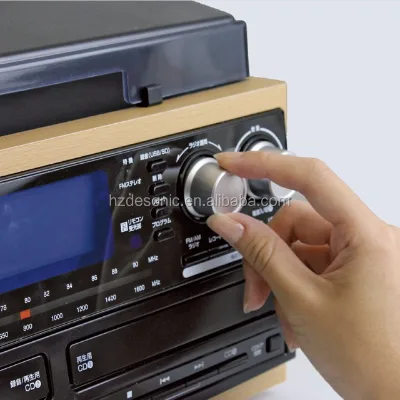
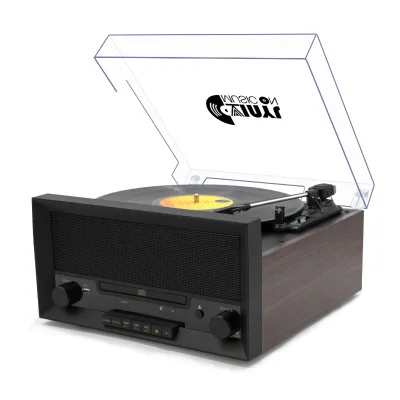
Vintage Vinyl Player With Double cd Player ,turntable Cassette Usb cd Player
$111.96 - $122.14
MOQ: 300 Minimum
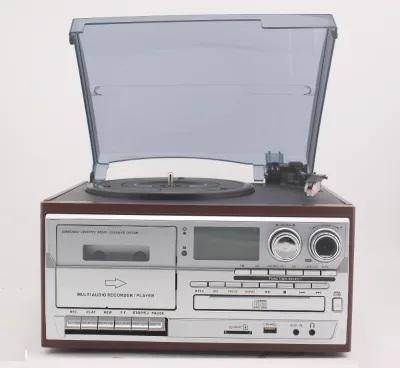
Classic Vintage Vinyl Records Player Multiple cd Player With Built in Speakers
$45.80 - $55.98
MOQ: 300 Minimum
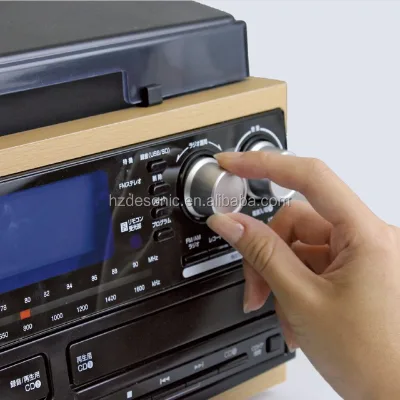
Hi-end Antique Gramophone Player ,vintage Radio Record Player With Tape Usb Double cd Player
$111.96 - $122.14
MOQ: 300 Minimum
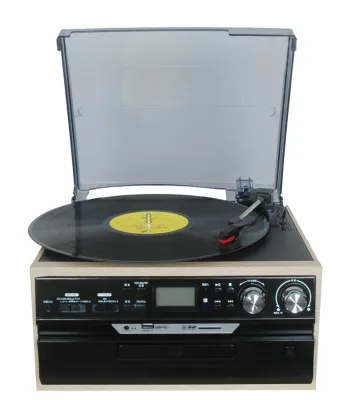
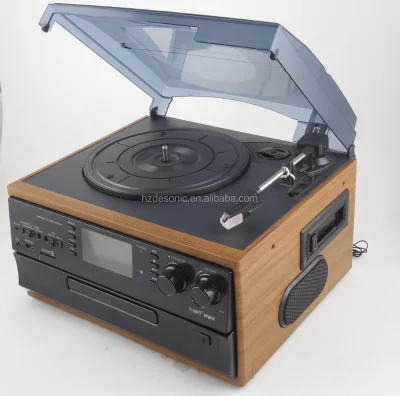
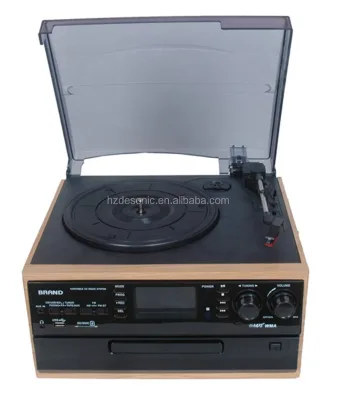
Best Selling Retro Cassette Player CD /USB /SD Player With Tape , AM , FM
$45.80 - $55.98
MOQ: 1 Minimum
Shenzhen Focus Electronics Co., Ltd.
- Verified by SGS Group
- Manufacturer, Trading Company
- Lead time7 days
- Avg. response≤ 1h
Main productsCD or DVD BT Player, Kids Camera, Body Camera, Doorbell Camera, Smart Incubator with camera
Main marketsDomestic Market(28%), Southeast Asia(18%), North America(15%)

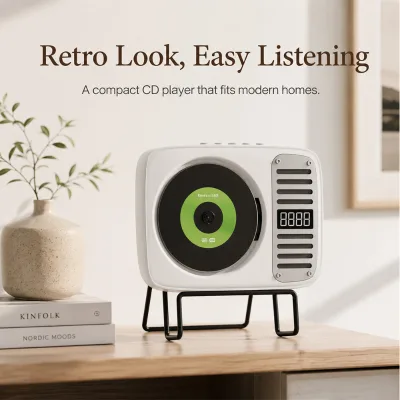
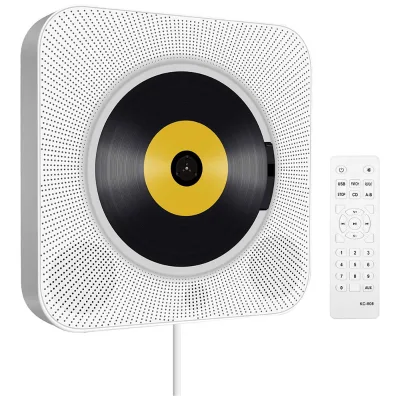
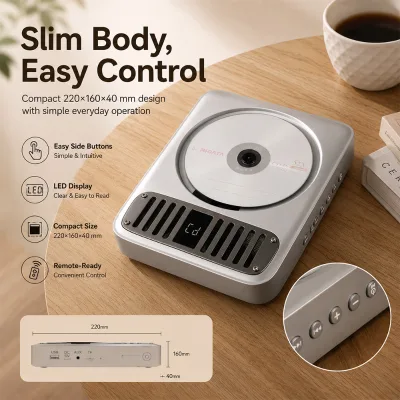
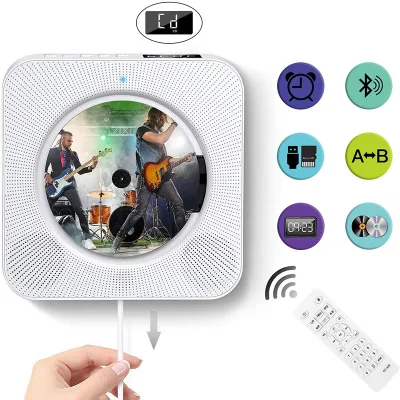
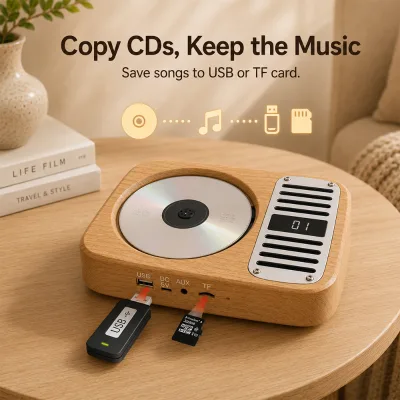
Best Seller Home Vintage Radio Cd Players
$22.00 - $25.00

Huizhou Dosound Electronics Co., Limited
- Verified by SGS
- Combined
- China Guangdong
- Lead time30 days
- Avg. response≤ 4h
Main productsVinyl Turntable Player, Cassette Player, Turntable Player, Vinyl Turntable, Record Player, Gramophone, CD Player, DAB Radio, Radio Cassette, Custom Vinyl Record
Main marketsEast Asia(Japan/ South Korea),Europe,North America


Multiple Record Player Vintage Turntable CD Record Cassette Radio Player
$45.00 - $47.00
MOQ: 300 Pieces

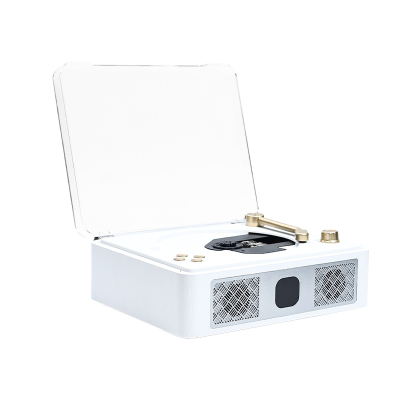
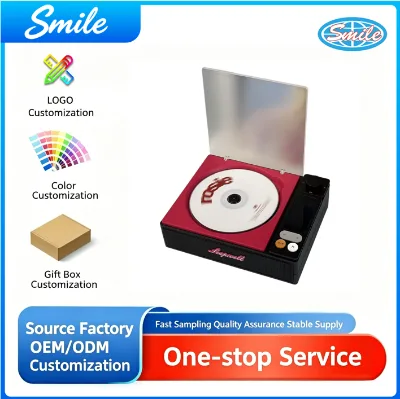
Shenzhen Smile Technology Co., Ltd.
- Manufacturer, Trading Company, Distributor/Wholesaler
- Lead time旺季: "1 - 200":15,"> 200":"To be negotiated", 淡季: "1 - 200":15,"> 200":"To be negotiated"
- Avg. response≤ 3h
Main productsCameraPhoto&Accessories,Chargers Batteries&Power Supplies,Commonly Used Accessories&Parts,Computer Hardware&Software,Earphone&Headphone&Accessories
Huizhou Dosound Electronics Co., Limited
- Verified by Intertek
- Manufacturer, Trading Company
- Lead time30 days
- Avg. response≤ 3h
Main productsTurntable Player
Main marketsNorth America(60%), Southeast Asia(15%), Western Europe(15%)
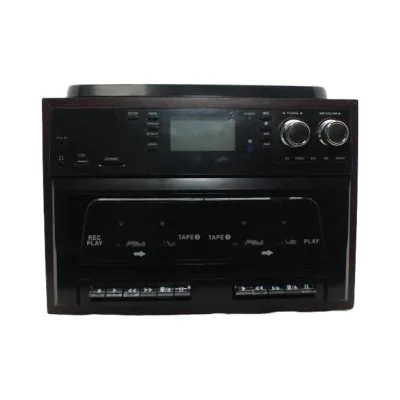
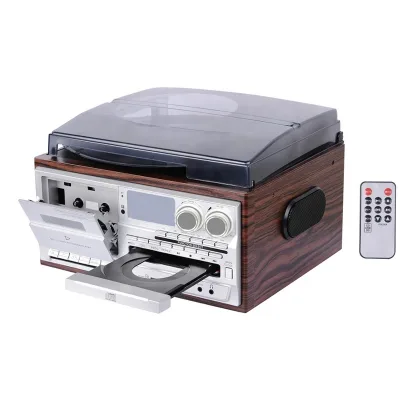
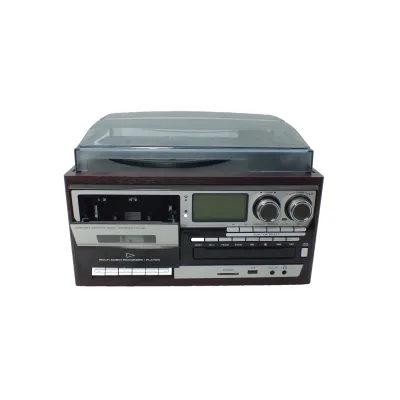
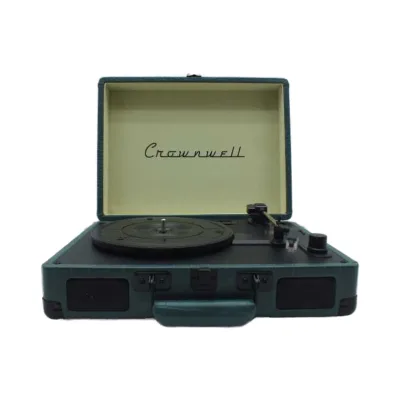
Retro and Popular Three-CD Player with USB Function and a Dual-cassette Player.
$56.00 - $60.00
MOQ: 300 units
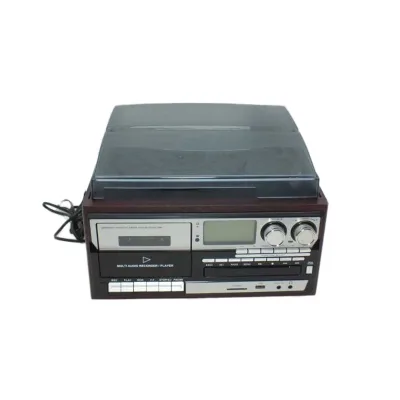
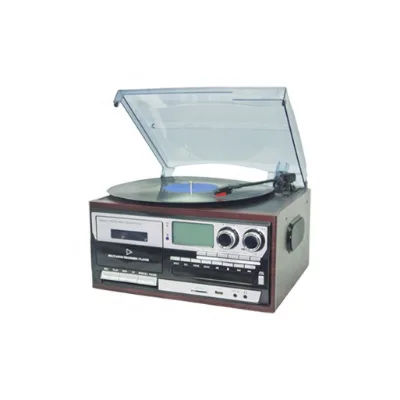
$45.00 - $48.00
MOQ: 300 units
Shenzhen Xy International Trading Co., Ltd.
- Manufacturer, Trading Company
- Guangdong, China
- Lead time14 days
- Avg. response≤ 4h
Main productsheadset,Neck fan,ear cushion,headset cable,microphone
Main marketsEastern Europe(30.00%), North America(20.00%), Africa(20.00%), South Asia(10.00%), Northern Europe(10.00%), South America(10.00%)

Guangzhou Lingyin Electronic Co., Ltd.
- Verified by BV
- Combined
- China Guangdong
- Lead time30 days
- Avg. response≤ 6h
Main productsPRO Audio, Speaker, Amplifier, PA Address System, IP Network System, Wireless Broadcast, Wireless Mic, PA Lectern, Professional Audio, Line Arry
Main marketsOthers(foreignTradeCapacity.exportBusinessCapacityMarketOther),Southeast Asia/ Mideast,Europe,Australia,North America

CD Player for Music Background Shop Music Player Family Music Player CD Player
$1.00 - $999.00
MOQ: 1 Pieces


CD/DVD Player for PA System (LPC-105) for Office Building and Meeting Room
Contact supplier
MOQ: 1 Pieces

Huizhou Sotesin Technology Co., Ltd.
- Verified by SGS
- Combined
- China Guangdong
- Lead time15 days
- Avg. response≤ 8h
Main productsBar Code Scanner Cable, Audio Cable, Bar Code Scanner, Guitar Cable
Main marketsSouth America,Africa,Southeast Asia/ Mideast,East Asia(Japan/ South Korea),Europe,Australia,North America

$54.49 - $55.89
MOQ: 100 Pieces


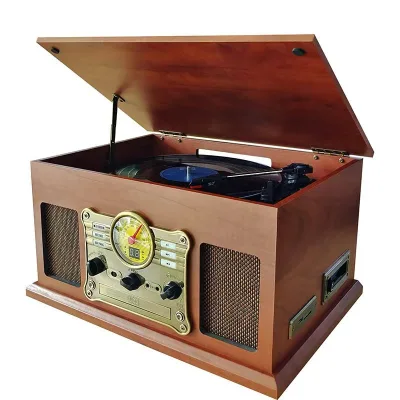
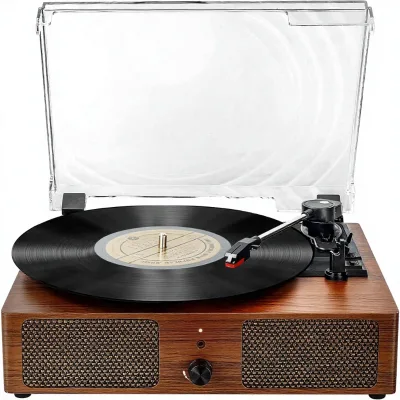
Vintage Wooden Design Turntable Vinyl Record Player with USB SD Cassette Play
$60.00 - $100.00
MOQ: 1 Pieces


$55.00 - $60.00
MOQ: 2 Pieces

Shenzhen Erkaisi Industrial Co., Ltd.
- Manufacturer
- Guangdong, China
- Lead time0 days
- Avg. response≤ 3h
Main productsdvd drive external,dvd burner,Blu Ray Player,Blu ray Burn,dvd Player
Main marketsMid East(28.00%), Central America(10.00%), South Asia(10.00%), North America(10.00%), Southeast Asia(5.00%), Domestic Market(5.00%), Eastern Asia(5.00%), South America(5.00%), Northern Europe(5.00%), Africa(5.00%), Western Europe(3.00%), Eastern Europe(3.00%), Southern Europe(3.00%), Oceania(3.00%)
Guangzhou Beautifulrecorder Electronics Co., Ltd.
- Manufacturer
- Guangdong, China
- Lead time20 days
- Avg. response≤ 8h
Main productsAnalog Record Cassette VHS Tape Film Slide Photo Digitizer,Electric Massager,Electric Air Pump inflator,Wireless Microphone Speaker,Wireless Headphone
Main marketsNorth America(20.00%), Eastern Asia(15.00%), Oceania(15.00%), Western Europe(15.00%), Southern Europe(10.00%), Northern Europe(10.00%), Southeast Asia(5.00%), Eastern Europe(5.00%), South America(5.00%)

Huizhou Ruiya Technology Co., Ltd.
- Verified by BV
- Trading Company,Manufacturer/Factory
- China Guangdong
- Lead time30 days
- Avg. response≤ 9h
Main productsRecord Player, Gramophone, Phonograph, Vinyl Player, Multi Turntable Vinyl Player, Victrola, Phonogram, Turntable CD Record Player, Turntable Player, USB Player
Main marketsEastern Europe,North America,Southeast Asia,Oceania,Western Europe


$60.00 - $65.00
MOQ: 100 Pieces

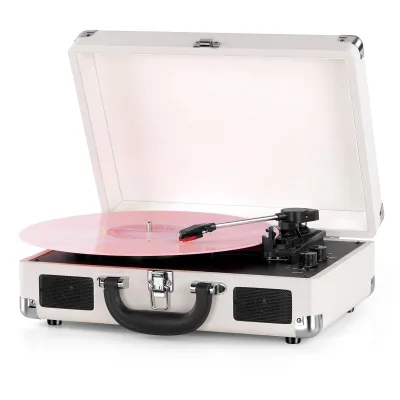
Classic Vintage Turntable Vinyl Record Player with Retro Leather Fabric Gramophone Phonogram
$15.88 - $16.71
MOQ: 500 Pieces

Cp65 CE Other Audio Vintage Design Vinyl Turntable Record Player with USB/SD FM Radio
$67.00 - $73.00
MOQ: 500 Pieces

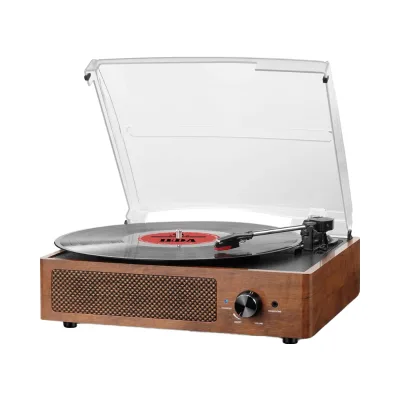
3 Speed Belt Driven Vintage Vinyl Record Player for Entertainment Aux in RCA out
$15.58 - $16.40
MOQ: 500 Pieces

Putian New HuaFeng Electronics Co.,Ltd
- Verified by SGS Group
- Manufacturer, Trading Company
- Lead time7 days
- Avg. response≤ 3h
Main productsDigital Clocks, Kitchen Thermometers, Thermometer Hygrometers, Kitchen Timers, Bluetooth Speakers
Main marketsAfrica(50%), Domestic Market(23%), North America(15%)
Dongguan Wanjiang Intelligent Innovation Electronics Co., Ltd.
- Manufacturer
- Guangdong, China
- Lead time7 days
- Avg. response≤ 2h
Main productsMobile phone case,earphone,power bank,charger and data cable,Radio receiver
Main marketsDomestic Market(30.00%), Eastern Asia(30.00%), Mid East(30.00%), Northern Europe(30.00%), Africa(30.00%), Southeast Asia(30.00%), Central America(30.00%), South America(30.00%), North America(30.00%), Western Europe(10.00%), South Asia(10.00%), Southern Europe(10.00%), Oceania(10.00%), Eastern Europe(10.00%)
Shenzhen Jiayinking Technology Holding Company Limited
- Manufacturer, Trading Company
- Guangdong, China
- Lead time30 days
- Avg. response≤ 19h
Main productswalkman,turnable player
Main marketsSouth America(20.00%), North America(20.00%), Western Europe(15.00%), Northern Europe(10.00%), Eastern Europe(10.00%), Southern Europe(8.00%), Oceania(5.00%), Central America(5.00%), Africa(2.00%), Eastern Asia(2.00%), Mid East(2.00%), Southeast Asia(1.00%)
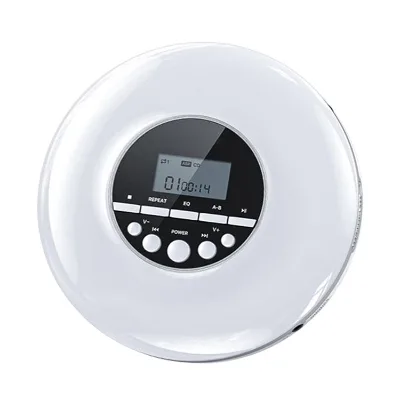
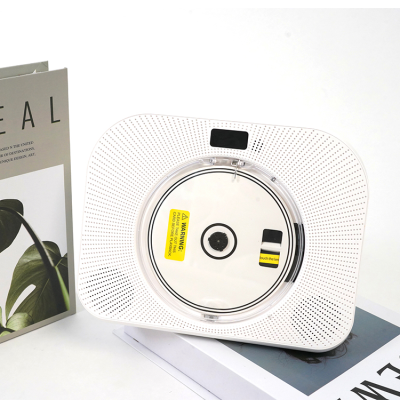
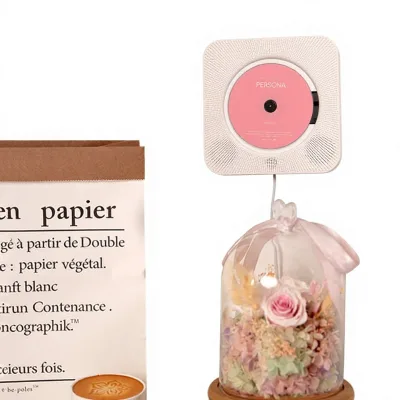
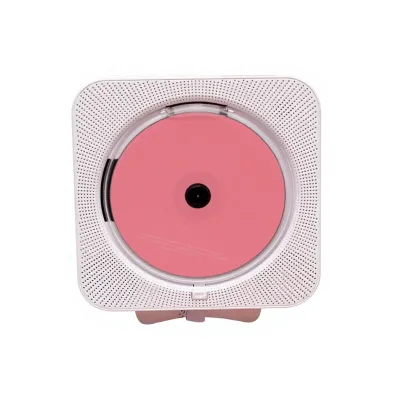
Comprehensive Sourcing Guide
Vintage Style CD Player Supplier Concentration and Factory Types
When you search for a Vintage Style CD Player, the supplier results are heavily weighted toward factories based in Guangdong, China. This is a genuine signal rather than coincidence: the region hosts suppliers whose main products include turntable players, gramophones, radios, bluetooth speakers and record players, alongside electronics manufacturers whose core business is sound modules, voice recorders, video brochures and musical greeting cards. Those two company profiles serve different sourcing needs, and it is worth understanding the distinction before you contact anyone. A dedicated audio manufacturer will typically own tooling for wooden cabinets, turntable mechanisms and multi-format playback boards, while a module specialist may be the right partner if your project needs a custom sound or playback core inside your own housing.
Company type also varies within the results. Some suppliers identify as Manufacturer/Factory, others as Manufacturer and Trading Company combined. Neither label is automatically better, but it changes what you should verify. A factory can arrange a line visit and quote tooling; a hybrid company may offer wider catalog coverage but should be asked who actually produces the unit. One listed supplier supports OEM, ODM and its own brand, showing that design-level cooperation is available in this category. Note that several vintage players here originate from China overall, and model numbers, packing and standards are often listed only as "available for consultation," so confirm specifics rather than assuming a displayed attribute applies across the results.
How to Verify Vintage Style CD Player Suppliers
Start with the verification marks that platforms display. At least one supplier in this category holds TUV Rheinland verification, and one lists system certifications including ISO 9001, ISO 14001, SEDEX and QC 080000. These are meaningful data points but they belong to specific companies, not to the category as a whole. When a listing shows no certification, that is not proof of a problem; it is a prompt to request copies of certificates directly and check that the scope covers audio manufacturing rather than an unrelated business line. Product-level claims also need scrutiny: some vintage vinyl and CD combo players in the results state certifications such as CE, LVD, EMC, FCC and ROHS at the product level, which you should reconcile with the company-level documents.
Beyond paperwork, verify capacity and identity yourself. Several listings state a supply ability of 20,000 units per month and a twelve-month warranty; ask how warranty service is executed from your destination market, not just that it exists. For factory verification, request a live video walkthrough of the turntable assembly and cabinet finishing lines, since wooden/MDF construction with PVC veneer is common in this category and finish quality is where vintage styling succeeds or fails. Confirm the legal entity name on the invoice matches the name on any certificate. Finally, test responsiveness before committing: recorded response times in these results range from about three hours to nearly fourteen, and that gap tells you how your questions will be handled during production.
What to Compare Across Vintage Style CD Player Suppliers
Build a comparison sheet using the dimensions the results actually expose. Lead times shown in this category cluster in the three-to-four-week range, with individual listings at 23 days and 28 days, but treat these as production windows that assume confirmed materials. Response times vary even more, from roughly three hours to nearly fourteen, which matters when a mid-production decision cannot wait a day. Minimum order quantities differ by an order of magnitude: listings show MOQs of 300, 1,000 and 2,000 units, so a supplier suited to a mass-market run may be wrong for a boutique brand. Prices on comparable products span roughly thirty dollars to over one hundred twenty dollars per unit, reflecting differences in cabinet material, playback formats and speaker configuration.
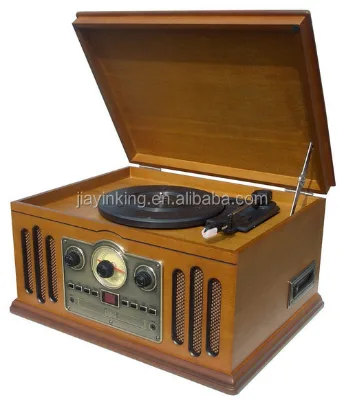
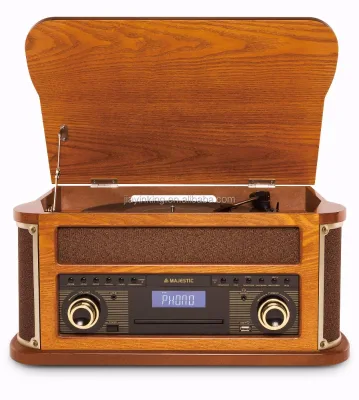
Compare product scope, not just price. Some suppliers specialize in internal mechanisms and bluetooth turntable cores for modification or integration, while others sell complete wooden-cabinet players combining turntable, double CD, cassette, USB, SD and radio functions, with speed selection at 33/45/78 rpm. Check what each listing actually states: one disc-playing product lists its standard as "for inquiries," and several list models, packing and standards as consultation items, so these fields are blanks you must fill, not facts on file. Also compare port of dispatch — one listing names Shenzhen port — and packaging configuration, such as the documented one giftbox per unit, two cartons arrangement. Establishment year and escrow status are not displayed for every supplier here, so ask directly where absent.
Common Vintage Style CD Player Sourcing Risks
The most frequent risk in this category is assumption stacking on consultation-only fields. Multiple listings state that model number, packing and product standard are "available for consultation," which means the visible listing is a showcase, not a specification. If you approve a sample and later discover the production standard, carton configuration or accessory set differs, you have no contractual anchor. Insist on a written specification sheet covering cabinet material (wooden/MDF with PVC veneer is typical), playback formats, speed settings and included accessories before any deposit, and reference the documented packaging detail — poly bag with protective buffer, one unit per giftbox, two per carton — as a baseline.
Second, beware of mismatched expectations between module suppliers and finished-goods suppliers. A core mechanism or bluetooth turntable module listing with a 1,000 or 2,000 unit MOQ is not interchangeable with a complete 300-unit MOQ player, and integrating a module into your own cabinet shifts tooling, certification and assembly responsibility toward you. Certification risk is similar: CE, LVD, EMC, FCC and ROHS appear as product attributes on some listings only, so a destination market requiring documented compliance must be confirmed per model, per shipment. Finally, watch lead-time drift. The stated 23- or 28-day windows are typical factory estimates; wooden cabinet finishing and multi-format mechanism sourcing can slip in peak season, so build buffer into launch dates and confirm warranty handling logistics, since a twelve-month warranty claim is only as good as the returns channel behind it.
Vintage Style CD Player Regional Sourcing and Logistics
The supplier results consistently point to Guangdong, China, as the production base for this category, and that concentration has practical logistics consequences rather than just geographic trivia. When your suppliers cluster in one province, you can plan consolidated shipments, visit multiple factories in one trip and compare components — turntable mechanisms, CD decks, wooden cabinets — across vendors within a short radius. One listing explicitly names Shenzhen port as the dispatch point, which aligns with the region's role as a major container gateway. That said, always confirm the actual dispatch port and inland leg with each supplier, because a hybrid trading company may ship from a partner factory elsewhere even if its own office sits in Guangdong.
For ocean freight planning, use the packing data that appears in the results as a sizing reference: one documented configuration loads 830 units into a 20GP, 1,660 into a 40GP and 1,800 into a 40HQ, which reflects the bulk of wooden-cabinet vintage players. These figures are model-specific, so recalculate with your chosen unit's carton dimensions. Combine that with the stated lead times — 23 and 28 days appear in current listings — to build a realistic door-to-door calendar, adding booking time and port congestion. Suppliers listing specialized components like sound modules, LED flashing modules for POS or DC motors for pop displays may ship smaller mixed consignments, so ask whether they support consolidated loading with your finished-player order. Always confirm incoterms in writing before arranging freight.
Vintage Style CD Player Commercial Terms and Order Planning
Structure your first order around the MOQ and price spread visible in this category. Listings currently show minimums of 300 units for finished wooden-cabinet players, 1,000 units for a vintage turntable model and 2,000 units for a bulk platter mechanism, with unit prices ranging from about thirty dollars to roughly one hundred twenty-two dollars depending on format count and finish. A sensible plan is to place a pilot order at the lowest applicable MOQ with the supplier whose response time and verification status best survive your due diligence, then scale. One supplier's recorded monthly supply ability of 20,000 units suggests headroom for reorders, but confirm current capacity in writing rather than relying on a listing figure.
On terms, tie payment milestones to verifiable events: deposit after specification approval, balance after passed inspection. Where a platform offers escrow-style protection, confirm whether the specific supplier participates — this attribute is not displayed uniformly in the results, so verify rather than assume. Product-level terms worth fixing in the contract include the stated twelve-month warranty, the certification set (CE, LVD, EMC, FCC, ROHS appears on certain listings), and the documented packing scheme of poly bag, buffer, one giftbox per unit and two per carton. Customization is explicitly marked available on several products, including color options such as mahogany, oak, black or customized finishes, so negotiate tooling ownership and sample costs before scaling. Finally, align reorder cadence with the 23- to 28-day production lead times plus freight, and keep buffer stock for Q4 retail demand.
FAQs
What MOQs can I expect when sourcing vintage style CD players?
Minimum order quantities vary widely by product type. Compact vintage-style audio modules and turntable accessories are often quoted with MOQs around 1,000 to 2,000 pieces, while full-size wooden cabinet players may start at 300 pieces. Always confirm the MOQ for the exact model you want, since higher-specification units with multi-format playback typically carry different minimums than simpler items.
How long does production take for vintage CD player orders?
Lead times reported by manufacturers in this category generally fall between 23 and 28 days after order confirmation. Production time can extend if you request customized cabinets, colors, or branding, as these require additional tooling or materials planning. Ask each supplier to confirm the current lead time for your specific configuration and quantity before committing to a delivery schedule.
Which certifications should vintage style CD players have for export?
For European and American markets, look for CE, LVD, EMC, FCC, and ROHS compliance, which some Guangdong manufacturers list on their vintage players. Beyond product marks, check whether the factory holds ISO 9001 quality management and ISO 14001 environmental certifications. Request copies of current certificates and confirm they cover the exact model and plug standard required for your destination market.
What features do vintage CD players from Chinese factories typically combine?
Most models combine a retro vinyl-inspired cabinet with modern playback options such as CD, cassette, USB, SD, Bluetooth, and radio, with turntable speeds of 33/45/78 rpm. Some include built-in speakers, double CD decks, or recording functions. Materials are usually MDF or wood with PVC veneer in mahogany, oak, or black finishes, and customization of color and features is commonly offered.
Do suppliers offer customization and OEM branding on retro CD players?
Yes, customization is widely available in this category. Manufacturers typically support OEM branding, custom colors such as mahogany or oak, and adjusted feature sets, and some operate as full factories with ODM capability and their own brands. Confirm what product models, packaging, and standards can be tailored to your requirements, and expect customized orders to affect pricing, minimums, and production lead times.
How quickly do vintage CD player suppliers respond to inquiries?
Response times in this category range from around 3 hours to nearly 14 hours on average. Manufacturers and trading companies both operate here, and faster responders are not always the better factory, so evaluate product quality alongside speed. Send a detailed inquiry covering model, quantity, certifications, and destination market to receive accurate quotations and reduce back-and-forth delays.
What warranty and production capacity do these factories offer?
Some manufacturers of vintage players provide a 12-month warranty and report monthly supply capacity of up to 20,000 units, with container loading figures available for planning. Warranty terms, coverage scope, and spare-parts support should be confirmed in writing before ordering. Ask how warranty claims are handled and whether the capacity figure applies to your specific model and configuration.
What price ranges apply to vintage style CD players in bulk?
Listed bulk prices in this category span roughly from about 5 dollars for small turntable accessories or modules to over 120 dollars for full-size wooden gramophone-style units with double CD decks. Pricing depends on features, materials, order quantity, and customization level. Request itemized quotations that separate unit cost, packaging, and customization charges so you can compare offers accurately.