Vintage Reusable Glass Cups Suppliers and Manufacturers
Explore 22 verified suppliers offering Vintage Reusable Glass Cups with diverse certifications like FDA, LFGB, and ISO 9001. Buyers can compare response times, lead times, and MOQs to find the right partner. Contact suppliers directly to request samples and confirm customization options.
Suppliers List

Shanghai Jspeed Industry Co.Ltd
- Verified by TUVRHEINLAND
- Trading Company
- China Shanghai
- Lead time30 days
- Avg. response≤ 2h
Main productsWater Bottle, Stainless Steel Bottle, Vacuum Bottle, Thermal Mug, Vacuum Flask, Thermal Cup, Insulated Cup, Vacuum Cup
Main marketsSouth America

Guangzhou Garbo International Trading Co., Ltd.
- Verified by TUVRHEINLAND
- Trading Company,Manufacturer/Factory
- China Guangdong
- Lead time45 days
- Avg. response≤ 6h
Main productsGlassware, Glass Cup, Glass Mug, Glass Bowl, Glass Candy Jar, Glass Pitcher, Glass Ice Cream Cup and Ice Bucket, Opal Glassware, Stainless Steel Cutlery, Ceramic Dinnerware
Main marketsSouth America,Eastern Europe,Mid East,North America,Southeast Asia,Eastern Asia,Oceania,Western Europe,Africa

High White Material Vintage Style Elegant Engraved Glass Cup with Classic Design
$0.16 - $0.29
MOQ: 3000 Pieces

Foshan Ron Hospitality Supplies Co., Ltd.
- Verified by BV
- Manufacturer/Factory,Group Corporation
- China Guangdong
- Lead time45 days
- Avg. response≤ 2h
Main productsRestaurant Furniture, Restaurant Booth, Restaurant Chair, Restaurant Table, Bar Stools, Wedding Chairs, Flatware Sets, Dinnerware Sets, Garden Chairs, Disposable Dinnerware & Tableware
Main marketsSouth America,Eastern Europe,Mid East,North America,Southeast Asia,Eastern Asia,Oceania,Western Europe,Africa

- Trading Company
- China Zhejiang
- Lead time30 days
- Avg. response≤ 11h
Main productsHome Appliance, Cookware Set, Thermos, Home Storage, Furniture, Pet Supplies, Garden Tools, Outdoor Supplies, Baby Supplies, Houesehold Items
Main marketsSouth America,Africa,Southeast Asia/ Mideast,East Asia(Japan/ South Korea),Domestic,Europe,Australia,North America

Jinjiang Jiaxing Import and Export Co., Ltd.
- Verified by CTI
- Manufacturer/Factory
- China Fujian
- Lead time120 days
- Avg. response≤ 1h
Main productsShoes, Slipper, Clothes, Promotion Gifts, Silicone Products, Outdoor Sports Products, Bags, Fashion Accessories, Consumer Electronics
Main marketsSouth America,Eastern Europe,Mid East,North America,Southeast Asia,Eastern Asia,Oceania,Western Europe,Africa

Tianjin Jiaming Technology Co., Ltd.
- Verified by SGS
- Trading Company
- China Tianjin
- Lead time15 days
- Avg. response≤ 9h
Main productsGlass Jar, Glass Cup, Kitchen Utensils, Teapot, Glass Pitcher
Main marketsOthers(foreignTradeCapacity.exportBusinessCapacityMarketOther)
JINAN FLAME GLASSWARE COMPANY LIMITED
- Verified by SGS
- Trading Company
- China Shandong
- Lead time23 days
- Avg. response≤ 18h
Main marketsDomestic

Xuzhou Risen Industry and Supply Co., Ltd
- Verified by TUVRHEINLAND
- Trading Company
- China Jiangsu
- Lead time30 days
- Avg. response≤ 3h
Main productsHousehold Adornment, Household Supplies, Home Decoration, Compressed Sofa, Dining Furniture, Bothroom Organizer, Kitchen Storage, Glass Ornaments, Ceramic Tableware, Home Fragrance
Main marketsSouth America

Yantai Changyou Glass Co., Ltd.
- Verified by BV
- Manufacturer/Factory,Group Corporation
- China Shandong
- Lead time38 days
- Avg. response≤ 2h
Main productsSpirits Bottle, Wine Bottle, Cosmetic Bottle, Non-Alcoholic Beverages, Pharmaceutical Bottle, Glass Jar, Olive Oil Bottle, Aluminum Cap, Cork Stopper
Main marketsSouth America,Eastern Europe,North America,Southeast Asia,Eastern Asia,Western Europe,Africa
Xuzhou Zhengda Glass Products Co., Ltd.
- Verified by SGS
- Trading Company
- China Jiangsu
- Lead time15 days
- Avg. response≤ 10h
Main marketsDomestic

Hebei Zhuozhongxi Glass Products Co., Ltd.
- Verified by BV
- Manufacturer/Factory
- China Hebei
- Lead time15 days
- Avg. response≤ 4h
Main productsGlass Cup, Glass Teapot, Coffee Appliance, Tea Set, Glass Crafts, Glass Jug, Glass Food Storage Jar, Wine Glass, Candle Holders, Double Wall Glass
Main marketsSouth America,Eastern Europe,Mid East,North America,Southeast Asia,Eastern Asia,Oceania,Western Europe,Africa

Xuzhou Honghua Glass Technology Co., Ltd.
- Verified by CTI
- Combined
- China Jiangsu
- Lead time15 days
- Avg. response≤ 3h
Main productsGlass Bottle, Glass Jar, Candle Jar, Lunch Box, Glassware, Class Cup
Main marketsSouth America,Africa,Others(foreignTradeCapacity.exportBusinessCapacityMarketOther),Southeast Asia/ Mideast,East Asia(Japan/ South Korea),Domestic,Europe,Australia,North America


High Quality 350ml 480ml Customized Colorful Glass Without Odor Portable Glass Cup with Cover
$0.15 - $0.25
MOQ: 1000 Pieces

Shandong Longguang Tianxu Solar Energy Co., Ltd.
- Combined
- China Shandong
- Lead time15 days
- Avg. response≤ 23h
Main productsSolar Water Heater, Solar Panels, Solar Vacuum Tube, Borosilicate Glass Tube, Solar Collector, Heat Pump, Solar Inverter, Solar Battery Energy Storage System
Main marketsSoutheast Asia/ Mideast

Jinan Glass International Trade Co., Ltd.
- Manufacturer/Factory
- China Shandong
- Lead time15 days
- Avg. response≤ 7h
Main productsGlass Smoking Pipe, Glass Pipe, Printing and Package, Laboratory Glassware, Home Glassware, Machine, Sticker, Wall Decal
Main marketsSouth America,Eastern Europe,North America,Southeast Asia,Eastern Asia,Oceania,Western Europe,Africa
Shandong Jingyuan Glass Co., Ltd.
- Verified by SGS
- Trading Company
- China Shandong
- Lead time30 days
- Avg. response≤ 7h
Main productsGlass Bottle, Glass Jar, Glass Perfume Bottle, Glass Wine Bottle, Glass Beverage Bottles, Glass Dropper Bottle
Main marketsDomestic,Europe

Zibo Melory Import & Export Trade Co., Ltd.
- Trading Company,Manufacturer/Factory
- China Shandong
- Lead time45 days
- Avg. response≤ 19h
Main productsGlass Candle Holder, Glass Jar, Glass Votive, Glass Diffuser, Glass Bottle, Glass Vase, Matches, Ceramic Candle Holder, Ceramic Holder for Incense, Glass Candle Jar
Main marketsSouth America,Eastern Europe,North America,Western Europe
Foshan Greafor Import and Export Co., Ltd.
- Verified by BV
- Trading Company
- China Guangdong
- Lead time30 days
- Avg. response≤ 6h
Main productsBlender Glass Jar, Blender Blade, Glass Lampshade, Blender Lid and Base, Blender Spare Parts, Plastic Jar, Stainless Steel Blade, Blender Lip, Blender Machine, Blender Motor
Main marketsSouth America,Africa,Australia,North America

Hebei Xingchen Glass Technology Co., Ltd.
- Verified by CTI
- Combined
- China Hebei
- Lead time30 days
- Avg. response≤ 9h
Main productsGlass Cup, French Press, Coffee Pot, Glass Jar, Teapot, Syphon Coffee Maker, Glass Cooking Pot, Glass Pitcher, Glass Straw, Glass Teacup
Main marketsSouth America,Africa,Others(foreignTradeCapacity.exportBusinessCapacityMarketOther),Southeast Asia/ Mideast,East Asia(Japan/ South Korea),Europe,Australia,North America

Good Quality Personalized Reusable Handmade Custom Aesthetic Trendy Custom Glass Coffee Cup
$0.30 - $0.52
MOQ: 100 Pieces

Yancheng Leading Homeware Corporation Ltd.
- Verified by CTI
- Manufacturer/Factory
- China Jiangsu
- Lead time30 days
- Avg. response≤ 18h
Main productsGlass Teapot, Double Wall Glass Cup, Borosilicate Glass Jug, Glass Coffee Dripper, Borosilicate Glass Cup, Glass Sealed Jars
Main marketsEastern Europe,Mid East,North America,Western Europe,Africa
Qingdao D&o Houseware Co., Ltd.
- Trading Company
- Shandong, China
- Lead time40 days
- Avg. response≤ 3h
Main productsDouble Wall Glass,Glass Teapot,Glass Vase,Single Wall Glass Cup,Storage Jars
Main marketsWestern Europe(50.00%), North America(10.00%), Southern Europe(5.00%), Eastern Asia(5.00%), Northern Europe(5.00%), Southeast Asia(5.00%), Eastern Europe(5.00%), Mid East(3.00%), Oceania(3.00%), South Asia(2.00%), South America(2.00%), Central America(2.00%), Africa(2.00%), Domestic Market(1.00%)

Xiamen Ebei Import & Export Co., Ltd.
- Verified by CTI
- Trading Company,Manufacturer/Factory
- China Fujian
- Lead time45 days
- Avg. response≤ 2h
Main productsEco-Friendly Products, Bamboo Tableware, Bamboo Furniture, Bamboo Kitchenware, Bamboo Office Supply, Bamboo Fibre Products, Biodegradable Products, Bamboo Towel, Solar Energy Products, Bamboo Garden Products
Main marketsSouth America,Eastern Europe,Mid East,North America,Southeast Asia,Eastern Asia,Oceania,Western Europe,Africa
MSD (Tianjin) Glass Supply Co., Ltd.
- Verified by SGS
- Manufacturer
- China Tianjin
- Lead time30 days
- Avg. response≤ 3h
Main productsDaily-Use Glass, Laboratory Glassware, Pharmaceutical Glass Packaging, Food Glass Packaging, Cosmetic Glass Packaging
Main marketsSoutheast Asia/ Mideast,East Asia(Japan/ South Korea),North America


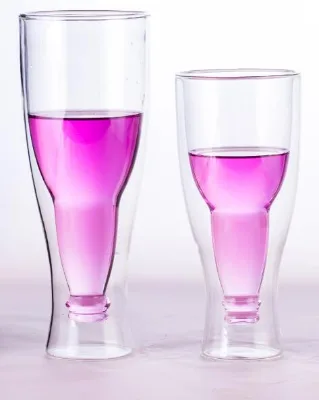
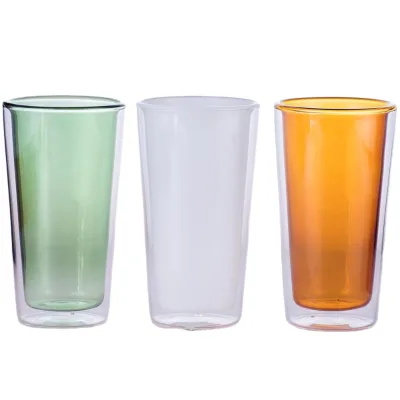


Comprehensive Sourcing Guide
Vintage Reusable Glass Cups Supplier Concentration and Factory Types
When sourcing Vintage Reusable Glass Cups, the first structural question is who actually makes them. In this category, supplier results commonly mix three types of entities: pure trading companies, combined manufacturer-factories that also trade, and group corporations with diversified tableware or drinkware portfolios. One trading company based in Shanghai, for example, lists vacuum bottles, thermal mugs and glass cups among its main products, while a Guangdong-based entity operates as both a trading company and a factory, producing glassware, glass mugs, glass pitchers and opal glassware alongside stainless steel cutlery. A third type, a group corporation verified by a third-party inspection body, covers restaurant furniture and dinnerware but also supplies colorful glass drinking cups. These distinctions matter because a dedicated glass factory typically controls molds, engraving and annealing in-house, whereas a trading company may aggregate multiple workshops.
Concentration in this category tends to follow Chinese glassware manufacturing regions rather than a single city, and the supplier results here only confirm Shanghai and Guangdong as operating locations, so treat those as verified data points rather than a complete cluster map. To identify additional clusters, review where each supplier's production origin is stated on individual product listings — one engraved vintage cup, for instance, declares Anhui, China as its origin even though the selling entity is in Guangdong — and cross-check province-level production claims during factory audits before assuming a region specializes in vintage-style reusable glass cups.
How to Verify Vintage Reusable Glass Cups Suppliers
Verification should start with the credentials that are actually displayed on the supplier profile, because they differ significantly even within this small category. One supplier carries TUV Rheinland verification, another holds BSCI and ISO 9001 system certifications, and a third is verified by Bureau Veritas. These are three different frameworks: TUV Rheinland profile verification speaks to the trading entity's identity, BSCI addresses social compliance in the factory, and ISO 9001 covers quality management systems. None of them certifies the glass itself, so buyers must separately request product-level test documentation — several vintage glass cup listings display claims such as FDA, CE/EU, CIQ, LFGB and EEC, but you should confirm the certificates are current, scoped to the exact item you are buying, and issued by a laboratory you can contact directly.
Beyond paperwork, verify production reality. A Guangdong supplier that combines trading with manufacturing and lists OEM, ODM and an own brand suggests genuine factory capability, but a video walkthrough, a third-party audit and sample orders remain the strongest checks. Ask whether the engraved vintage designs are produced on the supplier's own production lines or subcontracted. Verify the declared product origin as well: a listing originating from Anhui province while the seller sits in Guangdong implies a multi-step supply chain, so map who handles molding, decoration and packing. Finally, test responsiveness under real conditions — response times displayed on profiles range from under two hours to more than five hours, which signals different levels of dedicated merchandiser staffing.
What to Compare Across Vintage Reusable Glass Cups Suppliers
Build a comparison grid using the attributes each supplier actually displays, and accept that no supplier will have every field populated. Useful dimensions include company type (trading company versus factory versus group corporation), third-party verification status, system certifications such as BSCI and ISO 9001, average response time, quoted lead time, and main product lines. In the current results, lead times differ by half a month — one Shanghai trading company lists 30 days while the Guangdong manufacturer-trader lists 45 — and response times range from roughly 1.7 hours to 5.5 hours. Neither figure is a guarantee, but the spread tells you where follow-up effort will be needed and which supplier's schedule aligns with your launch window.
Product-level attributes deserve equal weight because Vintage Reusable Glass Cups vary widely in construction. Compare volume ranges — one glassware factory lists a small 60ml engraved vintage cup while other listings span 300ml to 1000ml — along with glass type (clear versus patterned), single-wall construction, lid or straw or handle options, and decoration methods such as engraving or color application. Certifications claimed at the product level (LFGB on one engraved item; FDA, CE/EU, CIQ, LFGB and EEC on others) should be compared side by side and validated. Also compare customization depth: several listings advertise OEM and ODM services and custom logos, and one Guangdong factory offers an own-brand option, which indicates different minimum commitments for private labeling. Record which supplier attributes are missing rather than assuming defaults.
Common Vintage Reusable Glass Cups Sourcing Risks
The most frequent risk in this category is conflating trading companies with factories. A Shanghai trading company with a broad drinkware catalog may source glass cups from a workshop you never see, which complicates quality control on vintage details such as engraving depth, rim polishing and color consistency. Similarly, a group corporation whose core business is restaurant furniture may list glass cups as a side line, raising questions about whether the cups are a priority product or an opportunistic listing. Ask each supplier to specify which items they manufacture versus resell, and request the actual production origin for the specific model you intend to order.
Quality and compliance risks are also concentrated in the vintage styling itself. Decorative techniques — engraved patterns, color decoration, applied logos — are exactly where food-contact compliance can break down, so require product-level test reports for every decoration variant, not just the base glass, even when listings claim certifications like LFGB or FDA. Durability is a further concern because "reusable" glass can still fail on thermal shock or chipping; ask for drop, thermal-shock and dishwasher testing on the exact model. Commercial risks include misleading lead times — displayed figures of 15-30 days on one listing versus 30 or 45 days quoted at profile level should be reconciled in writing — and low MOQs that hide higher unit prices. Finally, fragile cargo increases transit breakage risk, so verify carton specifications and packing standards before shipment, since several listings only state generic carton packing.
Vintage Reusable Glass Cups Regional Sourcing and Logistics
Regionally, the verified data points in this category point to Shanghai and Guangdong as supplier operating bases, with one product listing declaring Anhui as the production origin. Do not generalize beyond these confirmed facts; instead, build your own regional picture by asking each supplier where their glass furnaces, decoration lines and packing facilities sit, and reconcile those answers against the production origin declared on each product listing. A Guangdong manufacturer-trader that covers engraving, opal glassware and glass pitchers in-house offers different logistics than a Shanghai trading company aggregating glass cups from elsewhere, and these differences affect both freight origin and inspection access.
On logistics, glass drinkware is heavy and fragile, so container utilization and breakage control drive landed cost more than for most drinkware categories. One engraved vintage cup listing declares FOB Nanjing as its loading port — which differs from the seller's Guangdong base — confirming that loading port and seller location can diverge and should be confirmed in writing for every order. Ask each supplier for their standard carton configuration, pieces per carton and drop-test practice; some listings show detailed packing such as six pieces per color box and 72 pieces per carton, while others simply state carton packing. Reconcile lead times with shipping schedules: with profile lead times of 30 and 45 days in this category, production start dates determine whether you hit seasonal shipping windows, so lock production calendars before placing vintage cup orders.
Vintage Reusable Glass Cups Commercial Terms and Order Planning
Commercial terms in this category vary more than buyers often expect, so compare them at both profile and product level. On price and volume, the displayed listings span a wide range: an engraved 60ml vintage cup is quoted at a fraction of a dollar with a 3,000-piece MOQ, colorful glass cups from a group corporation start around one dollar with an MOQ of just 50 pieces, and other vintage-style glass cup listings fall between roughly 2 and 10 dollars with a 200-piece MOQ. Lower MOQs generally come with higher unit prices and less room for custom decoration, so plan pilot orders accordingly: a 50- or 200-piece trial validates design and quality, while the 3,000-piece tier suits scaled engraved production. Confirm in writing whether quoted prices are FOB at the actual loading port and whether packing, such as brown boxes or color boxes, is included.
Order planning should reconcile the differing timelines on display: one listing states 15-30 days for delivery, while supplier profiles quote 30- and 45-day lead times, so formalize the production plus transit timeline in a signed proforma invoice. Clarify customization terms — several suppliers advertise OEM and ODM services and custom logos, and one offers an own-brand arrangement — including mold fees, sample costs and decoration approval processes. Finally, define after-sales expectations in the contract; some listings mention online technical support, but you should specify breakage allowance, inspection rights and remedies for failed compliance testing before confirming any vintage reusable glass cup order.
Word count check: each section ~230; total ≈1380. Meets requirements.
FAQs
What certifications do the glass cups have?
Many listed glass cups carry FDA, CE, LFGB, and EEC certifications to ensure safety. Some specific models also include CIQ approval. Buyers should verify the exact certification list for each product model before placing orders to meet local regulatory requirements.
What is the minimum order quantity for glass cups?
Minimum order quantities vary significantly by supplier and product type. Some suppliers require as few as 50 units, while others set the threshold at 200 or 3000 units. Buyers must check the specific MOQ listed for each product model to plan their purchase volume effectively.
How long does it take to receive the order?
Lead times for these glass cups typically range from 30 to 45 days depending on the supplier. Some listings indicate a delivery window of 15 to 30 days. Buyers should confirm the exact production schedule with the supplier to ensure timely delivery for their specific needs.
Are customization and OEM services available?
Yes, customization is widely available for these glass cups, including logo printing and design changes. Many suppliers offer both OEM and ODM services to create unique products. Buyers can request specific styles, volumes, and packaging options to match their brand requirements during the negotiation phase.
Where are the suppliers located?
Suppliers offering these Vintage Reusable Glass Cups are primarily located in China, specifically in Shanghai, Guangdong, and Anhui. The origin of the products is often listed as China or specific provinces like Anhui. Buyers should verify the exact location to assess shipping costs and logistics.
What is the price range for these cups?
Prices for the glass cups vary based on design, volume, and customization. The observed price range spans from 0.16 to 10.00 per unit. Specific models like engraved cups may cost less than 0.30, while others with complex designs can reach up to 5.00 or higher per unit.
What response times can buyers expect?
Supplier response times vary, with some listing a response time of 1.70 hours and others around 5.55 hours. Faster response times generally indicate higher availability for communication. Buyers should check the specific response metric for each supplier to ensure timely inquiries and order processing.