Vlogging Digital Camera with Image Stabilization Suppliers
Source a Vlogging Digital Camera with Image Stabilization from 25 verified suppliers in China. Compare response times, lead times, and certifications like ISO 9001. Verify OEM capabilities and pricing directly; review the available evidence before requesting comparable quotations from suitable candidates.
Suppliers List

Shenzhen Esaker Technology Co., Ltd.
- Verified by SGS
- Manufacturer/Factory
- China Guangdong
- Lead time15 days
- Avg. response≤ 8h
Main productsGame Console, Gaming Accessories, Phone Case, Charger, Entertainment Electronics, Game Controller, Game Box, Earphone
Main marketsSouth America,Eastern Europe,Mid East,North America,Southeast Asia,Eastern Asia,Oceania,Western Europe,Africa


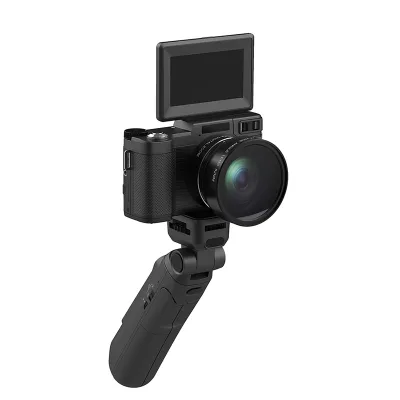
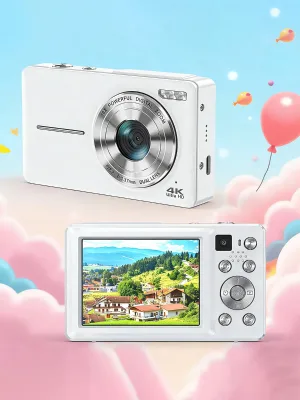
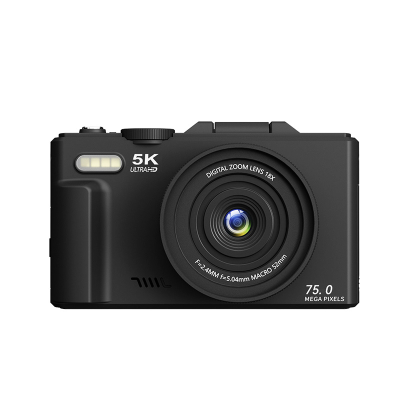
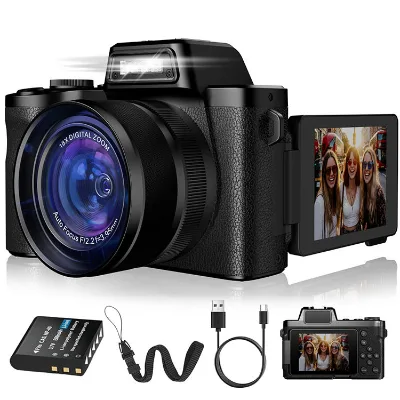
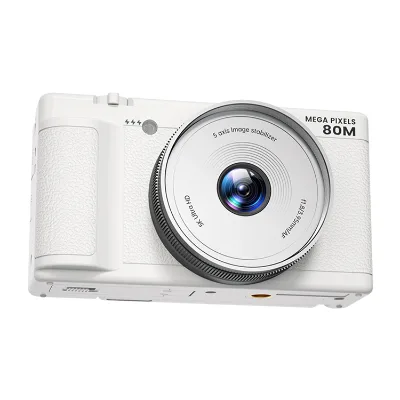
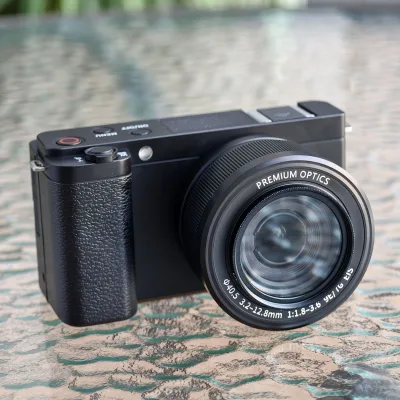
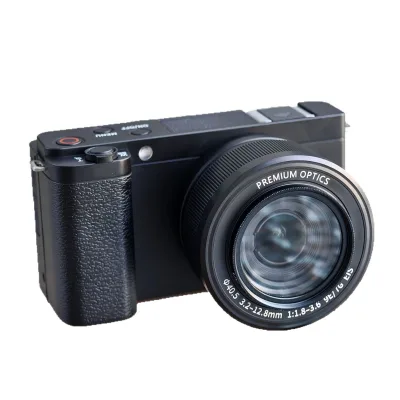
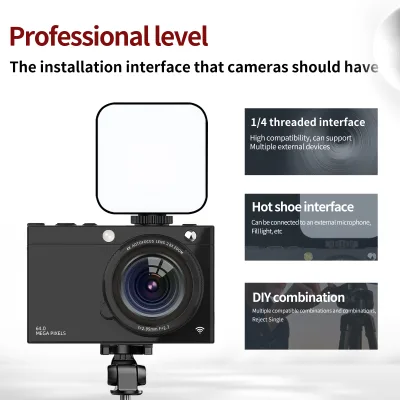
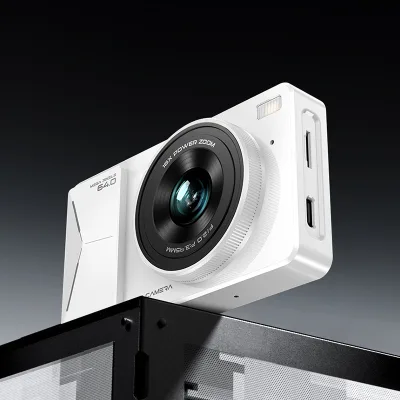
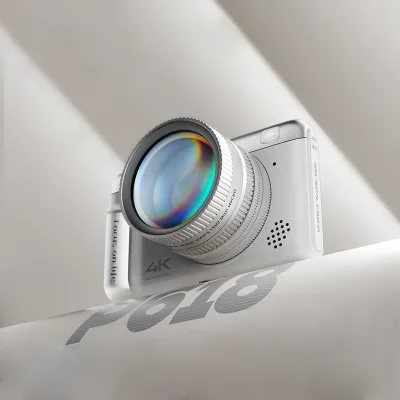
Portable Handheld Vlog Camera with 64MP Photo Resolution and Auto Focus Function
$33.49 - $35.00
Moq: 50


Shanghai Mss International Trade Co., Ltd.
- Verified by TUVRHEINLAND
- Trading Company
- China Shanghai
- Lead time15 days
- Avg. response≤ 6h
Main productsMicroscope, Industrial Camera, Microscope Accessories, Industrial Lens, Infrared Thermal Imaging, Vacuum Pump, Endoscope, Optical Measuring Instruments
Main marketsEast Asia(Japan/ South Korea)
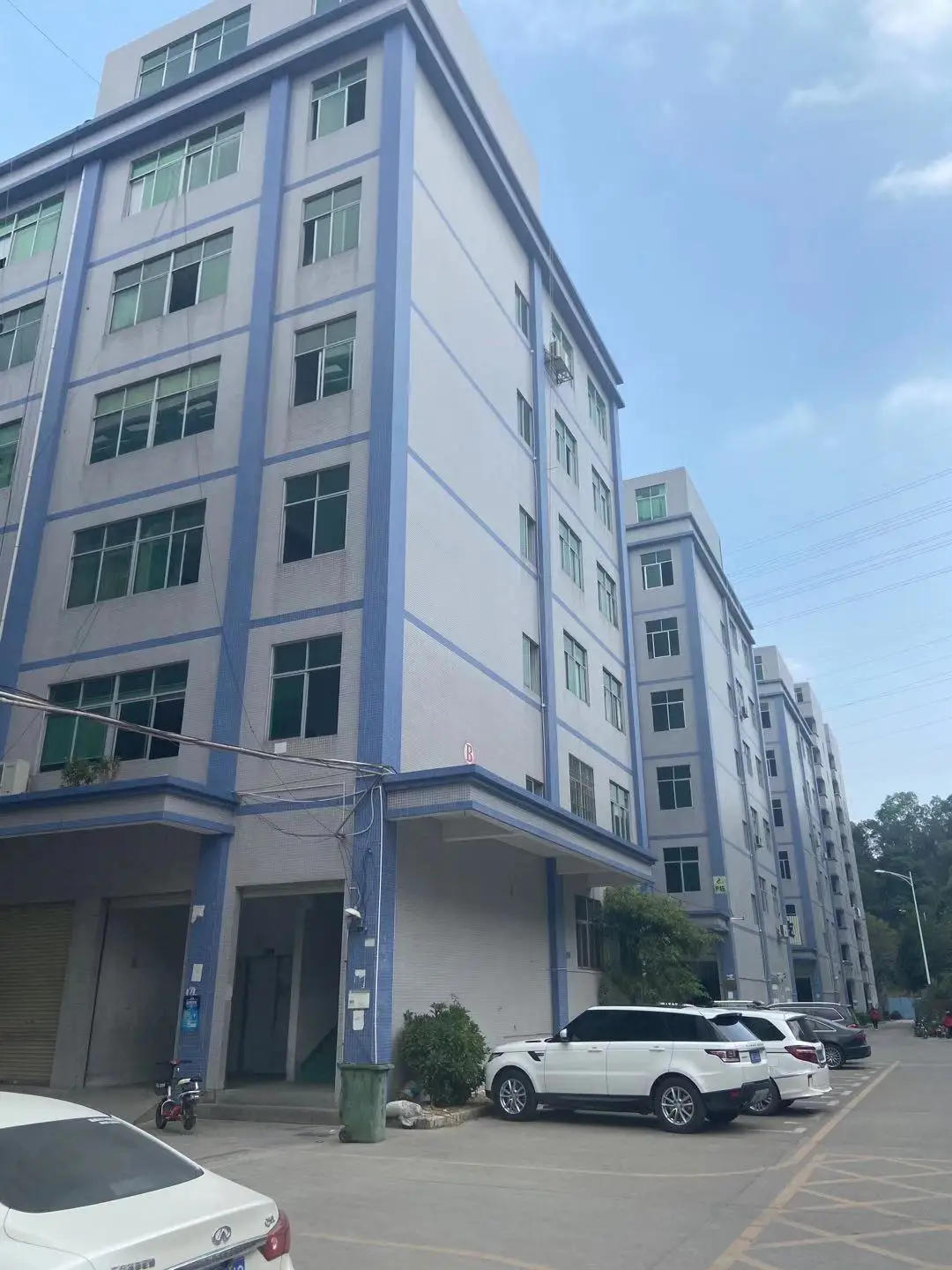
- Manufacturer
- Guangdong, China
- Lead time5 days
- Avg. response≤ 6h
Main productsMini camera,sport camera,hunting camera,kids camera,Endoscope camera
Main marketsNorth America(60.0%), Western Europe(14.000000000000002%), South America(10.0%), Eastern Europe(5.0%), Southeast Asia(5.0%), Northern Europe(3.0%), Africa(3.0%)
Shenzhen Chuangshitong Electronic Technology Co., Ltd.
- Manufacturer
- Guangdong, China
- Lead time3 days
- Avg. response≤ 3h
Main productsCar DVR,action camera,car black box,webcam,sports DVR
Main marketsEastern Europe(14.26%), Northern Europe(12.85%), Western Europe(10.0%), North America(10.0%), Southern Europe(9.87%), South America(9.8%), Central America(7.200000000000001%), Southeast Asia(5.5%), Domestic Market(5.0%), Africa(4.09%), Mid East(3.2799999999999994%), Eastern Asia(2.91%), Oceania(2.84%), South Asia(2.4%)
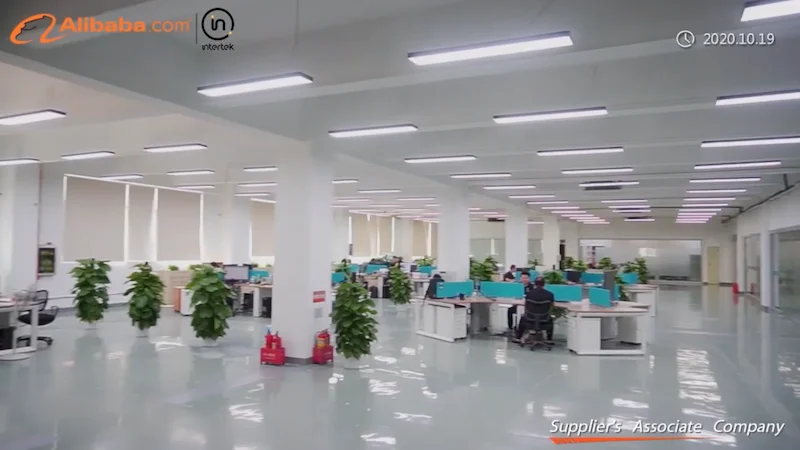
Shenzhen Qidong Jiyuan Technology Co., Ltd.
- Manufacturer, Trading Company, Distributor/Wholesaler
- Guangdong, China
- Lead time2 days
- Avg. response≤ 4h
Main productsRobot vacuum cleaner,WIFI camera,smart home,heathy and sports,smart watches
Main marketsNorth America(35.0%), South America(21.0%), Western Europe(15.0%), Eastern Europe(5.0%), Eastern Asia(5.0%), South Asia(5.0%), Southern Europe(3.0%), Northern Europe(3.0%), Mid East(3.0%), Oceania(2.0%), Africa(2.0%), Southeast Asia(1.0%)

Shenzhen Icar Multimedia Industry Co., Ltd.
- Manufacturer
- Guangdong, China
- Lead time25 days
- Avg. response≤ 2h
Main productsAction cam,Dash cam/car dvr,life camera,Carplay/Android box,action cam accessories
Main marketsWestern Europe(37.0%), South America(15.0%), North America(10.0%), Southern Europe(10.0%), Mid East(5.0%), Northern Europe(5.0%), Eastern Asia(5.0%), Southeast Asia(3.0%), Central America(3.0%), Eastern Europe(2.0%), South Asia(2.0%), Africa(2.0%), Oceania(1.0%)
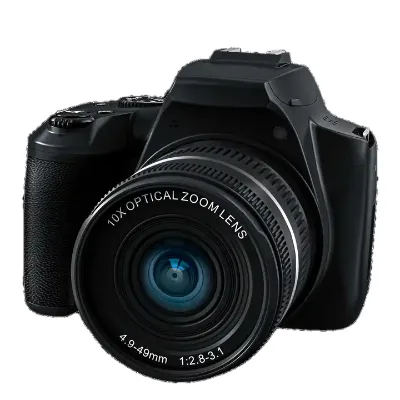
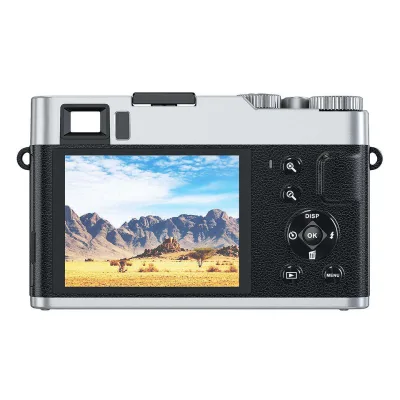
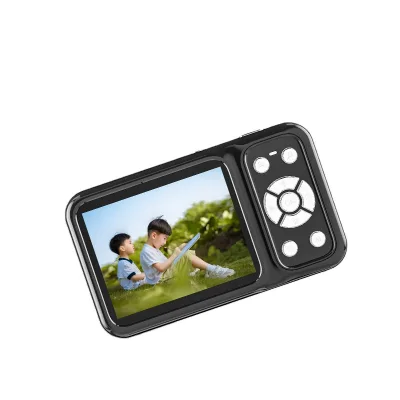
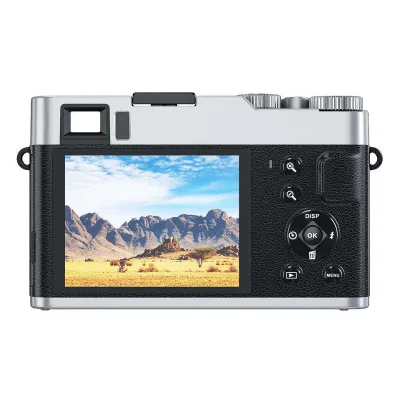
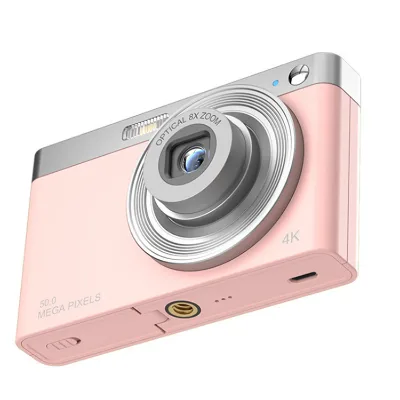
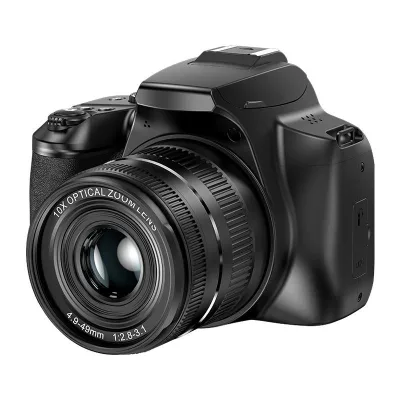
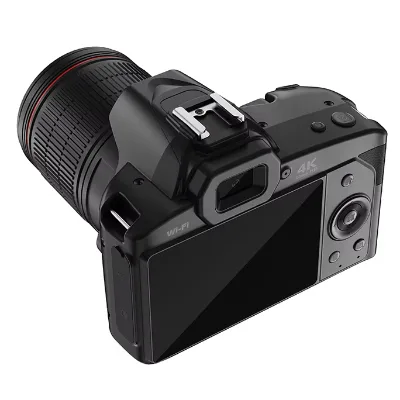
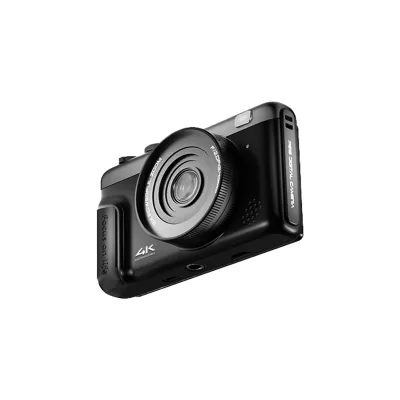
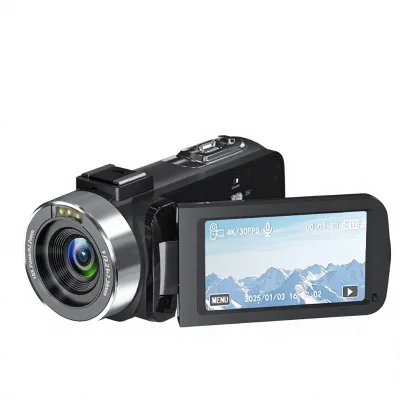
Custom Digital Camera 4K Vlog Video Camera YouTube Vlogging 56MP WiFi Digital Camera Recorder
$88.00 - $100.00
Moq: 100
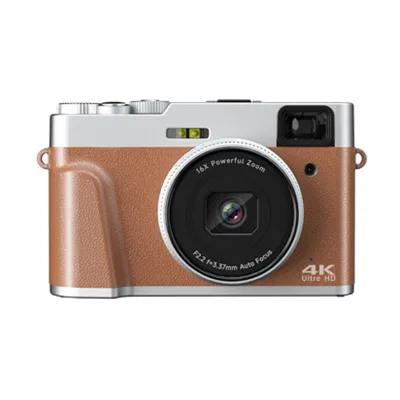
Shenzhen COC-Technology Co.,Ltd
- Verified by TüVRheinland
- Trading Company
- Lead time10 days
- Avg. response≤ 3h
Main productsDigital Camera, Voice Translator, Mini Printer, Instant Print Camera, Kids Camera
Main marketsEastern Europe(15%), Northern Europe(15%), North America(10%)
Jarvis Smart (ShenZhen) Co., Ltd.
- Verified by Intertek
- Manufacturer, Trading Company
- Lead time15 days
- Avg. response≤ 2h
Main productsDigital Cameras, Driving Recorder, Action DV, Thumb Cameras, Kids Digital Cameras
Main marketsNorth America(40%), Western Europe(15%), Northern Europe(15%)
- Verified by TüVRheinland
- Trading Company
- Lead time15 days
- Avg. response≤ 6h
Main productsPhotographic Flash, Continuous Light, LED Panel Light, Light Stand, Photography Accessories
Main marketsNorth America(15%), South America(15%), Southeast Asia(10%)
Dongguan Donghuasheng Electronic Technology Co., Ltd.
- Manufacturer
- Guangdong, China
- Lead time0 days
- Avg. response≤ 4h
Main productsfan,Smart Ring,counter,Bluetooth glasses,Magnetic power bank
Main marketsNorth America(30.0%), Western Europe(20.0%), Southeast Asia(10.0%), Mid East(10.0%), Eastern Asia(5.0%), South Asia(5.0%), Eastern Europe(5.0%), South America(5.0%), Southern Europe(5.0%), Domestic Market(1.0%), Northern Europe(1.0%), Oceania(1.0%), Africa(1.0%), Central America(1.0%)
Shenzhen Jrki Technology Co., Ltd.
- Manufacturer
- Guangdogn, China
- Lead time7 days
- Avg. response≤ 4h
Main productsdigital camera,optical camera,Camera Accessories,Printing camera,DV camera
Main marketsNorth America(40.0%), Northern Europe(10.0%), Eastern Europe(10.0%), Western Europe(10.0%), Southeast Asia(5.0%), South America(5.0%), Eastern Asia(5.0%), Southern Europe(5.0%), South Asia(5.0%), Mid East(4.0%), Africa(1.0%)
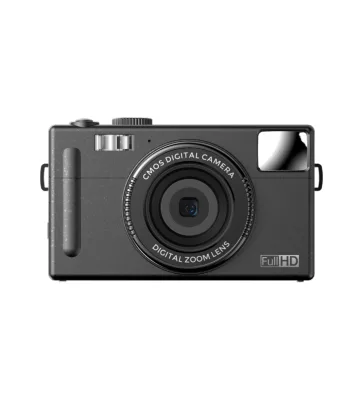
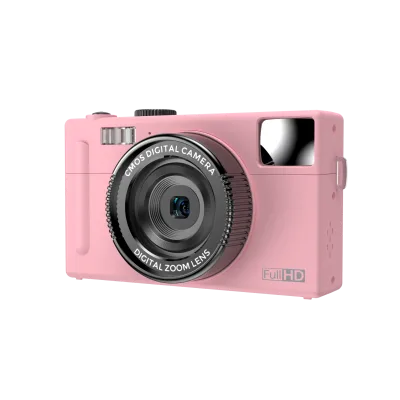
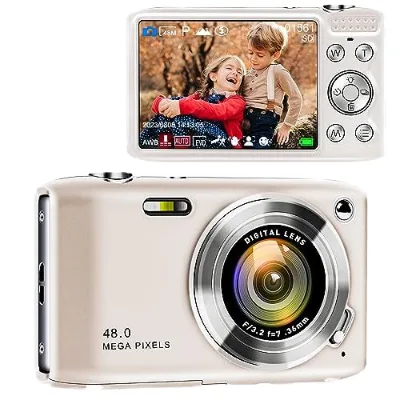
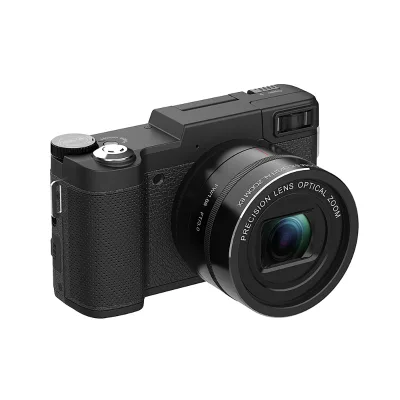
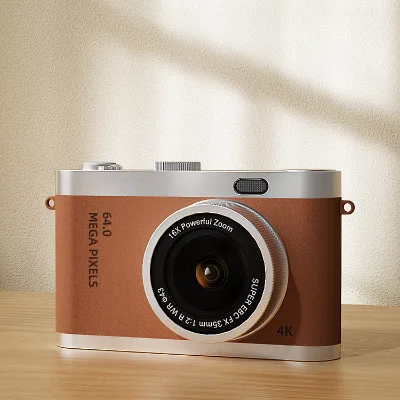
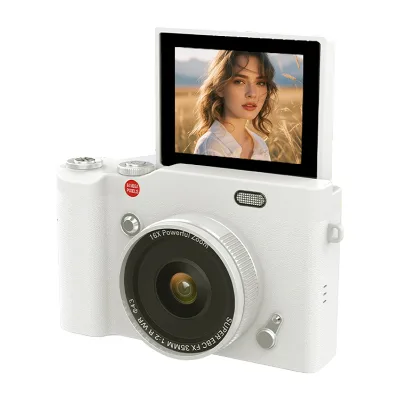
Fashion Smart Camera Vlog Shooting Compact Portable Camera Photo Slim Video Digital Camera
$55.00 - $59.00
Moq: 100
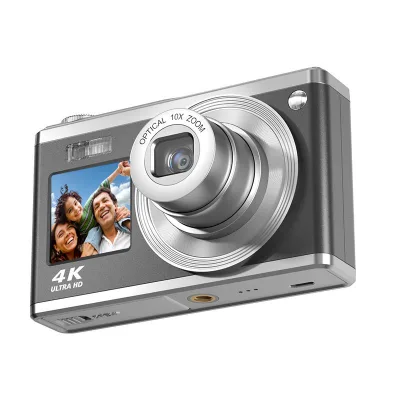
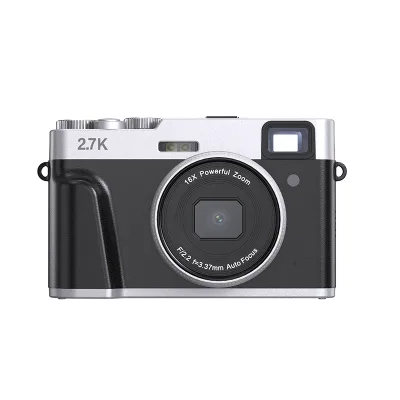

- Verified by SGS
- Trading Company
- China Zhejiang
- Lead time15 days
- Avg. response≤ 12h
Main marketsOthers(foreignTradeCapacity.exportBusinessCapacityMarketOther),North America


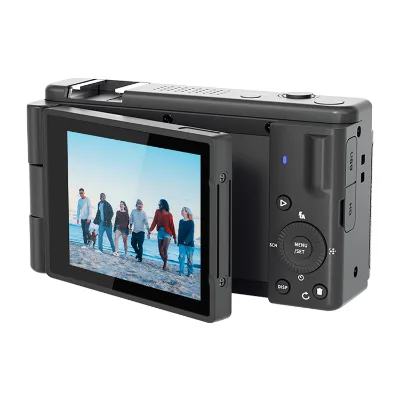
New Arrival HD Dual Lens Digital Video Camera Wholesale Compact Photography Device
$35.82 - $40.04
Moq: 30

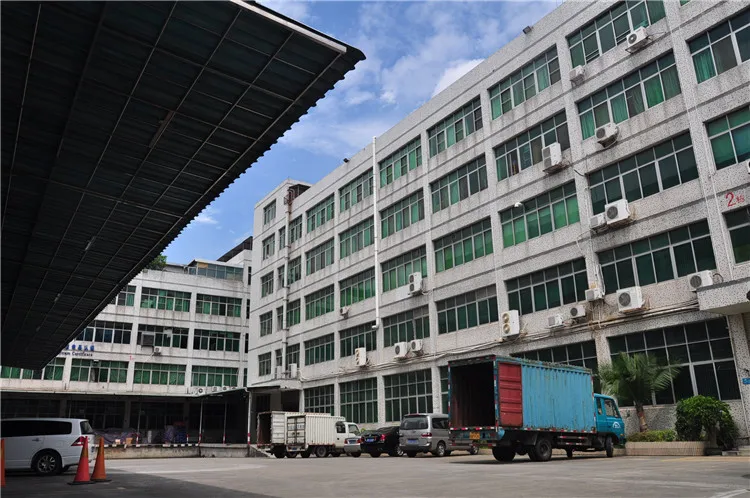
Shenzhen Golden Jade Electronic Industrial Limited
- Manufacturer
- Guangdong, China
- Lead time20 days
- Avg. response≤ 9h
Main productsDigital Camera,Video Camera,film camera,Sport Camera,Children Camera
Main marketsWestern Europe(40.0%), North America(30.0%), Domestic Market(20.0%), Eastern Asia(10.0%)

Quanzhou E-Best International Trade Co., Ltd.
- Verified by BV
- Trading Company
- China Fujian
- Lead time30 days
- Avg. response≤ 7h
Main productsBluetooth Speaker, Phone Case, Power Bank, Beauty Device, Portable Projector, IP Poe Camera, Mouse, Air Fryer, Razors, Wireless Headphones
Main marketsNorth America

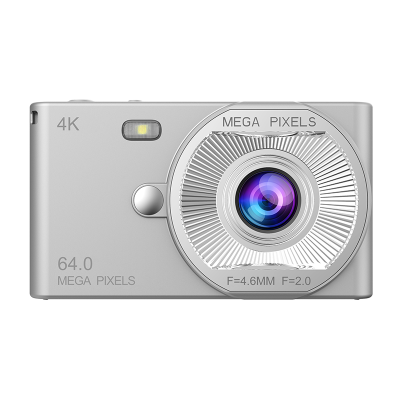
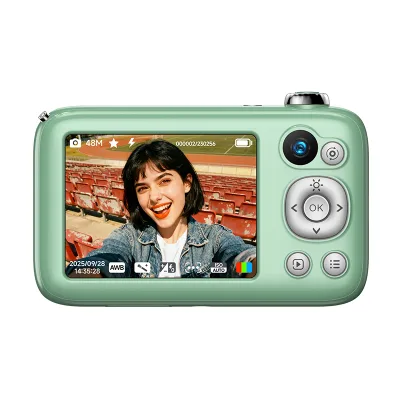
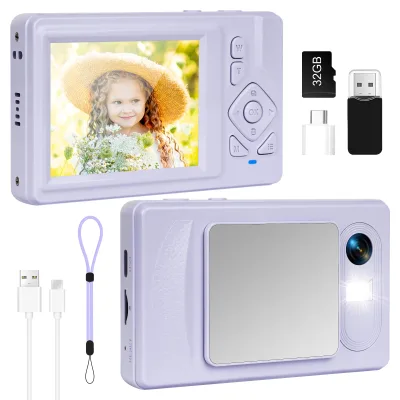
Digital Camera Cameras for Photography Point Shoot Digital Camera with Auto Focus
$31.20 - $35.10
Moq: 20

Digital Camera Cameras for Photography Point and Shoot Digital Camera with Auto Focus
$34.15 - $38.42
Moq: 20
Jining Rui Xing Sheng Electronic Technology Co., Ltd.
- Trading Company
- Shandong, China
- Lead time10 days
- Avg. response≤ 1h
Main productsConsumer electronics,Intelligent doll
Main marketsEastern Asia(40.0%), Africa(20.0%), North America(20.0%), Western Europe(10.0%), Eastern Europe(10.0%)

- Verified by SGS
- Trading Company
- China Guangdong
- Lead time15 days
- Avg. response≤ 8h
Main productsConsumer Electronics, Car Accessories, Mini Thermal Printers, Garden Lights, Lawn Mower Accessories, Portable Speakers, Digital Camera, Mini Projectors
Main marketsOthers(foreignTradeCapacity.exportBusinessCapacityMarketOther),Europe


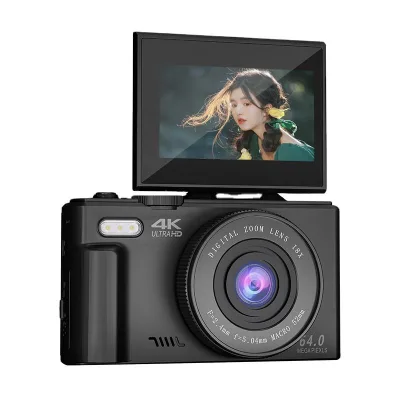
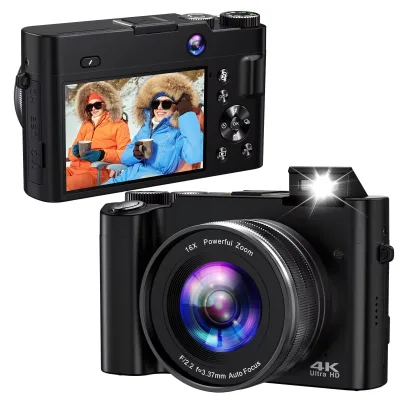
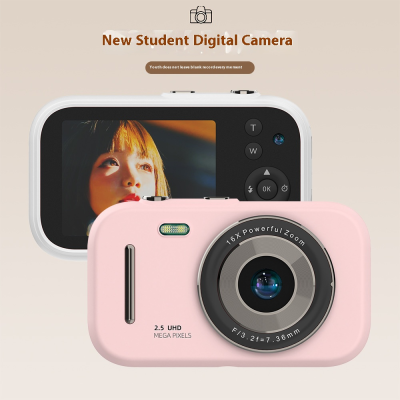
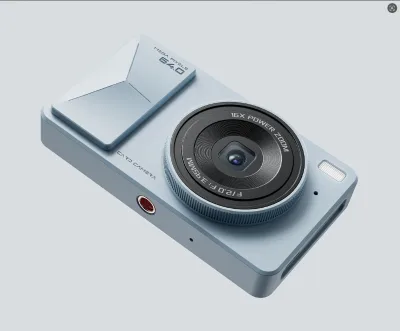
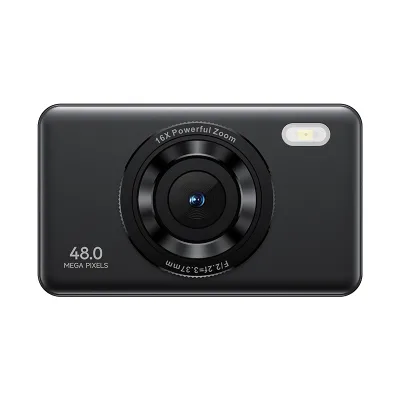
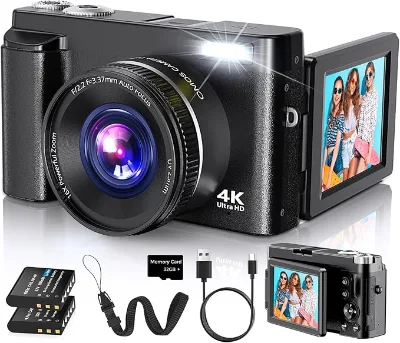
4K Kids 48MP Digital Camera Auto Focus 16X Digital Zoom Vlogging Camera for Teens
$30.47 - $35.86
Moq: 1


Shenzhen Ecostar Technology Co., Ltd
- Manufacturer
- Guangdong, China
- Lead time7 days
- Avg. response≤ 2h
Main productscamera,camera accessories,mouse keyboard,smart watch,projector
Main marketsNorth America(28.000000000000004%), Western Europe(18.0%), Domestic Market(10.0%), Northern Europe(9.0%), Eastern Europe(5.0%), Mid East(5.0%), South Asia(4.5%), Southern Europe(4.0%), Southeast Asia(4.0%), Oceania(4.0%), South America(3.5000000000000004%), Central America(2.0%), Eastern Asia(1.5%), Africa(1.5%)
Shenzhen Benjie Technology Co., Ltd.
- Verified by TüVRheinland
- Manufacturer, Trading Company
- Lead time15 days
- Avg. response≤ 2h
Main productsMP3 Music Player, Digital Voice Recorder, Digital Camera
Main marketsDomestic Market(20%), Eastern Europe(15%), North America(12%)
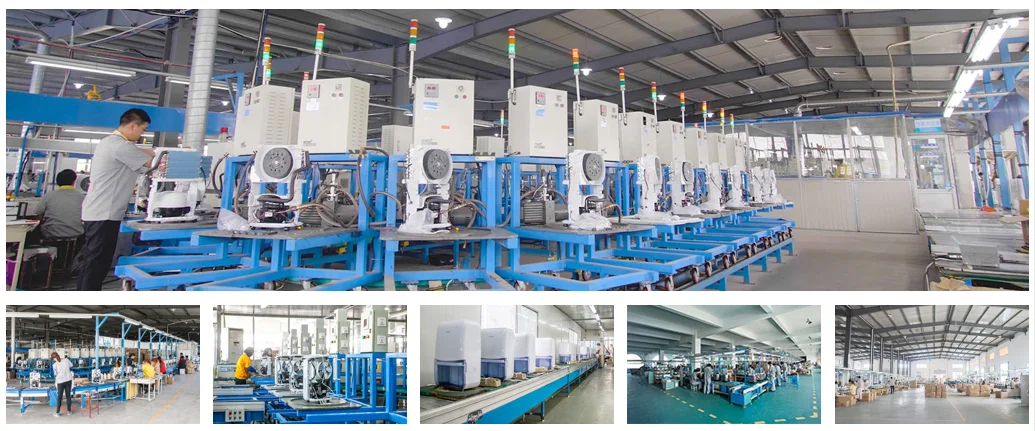
- Trading Company
- Beijing, China
- Lead time20 days
- Avg. response≤ 7h
Main productsHousehold Appliances
Main marketsNorth America(80.0%), Western Europe(5.0%), Southeast Asia(5.0%), Eastern Europe(5.0%), South America(5.0%)

Shenzhen Shixin Digital Co., Ltd.
- Manufacturer
- China Guangdong
- Lead time15 days
- Avg. response≤ 9h
Main productsUSB Camera, IP Camera, CCTV, 4K Camera, Security Camera, Camera Module, Mini Camera, Webcam, HD Camera, CCTV Camera
Main marketsSoutheast Asia/ Mideast,Domestic,Europe,North America
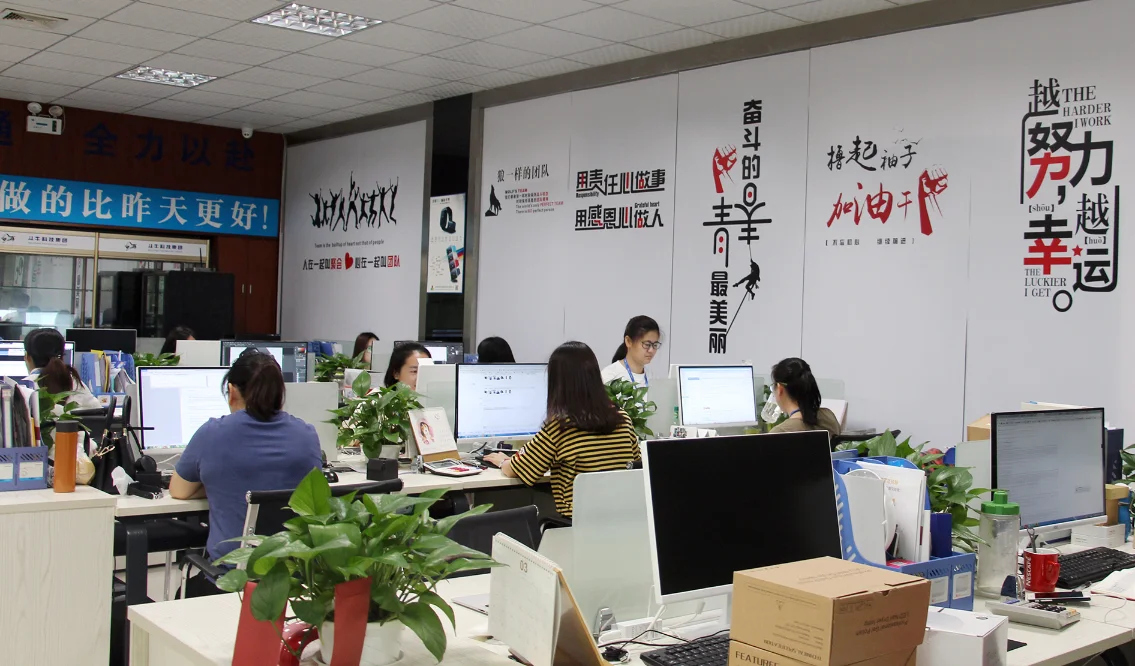
Shenzhen Chinyi Trading Co., Ltd.
- Manufacturer, Trading Company
- Guangdong, China
- Lead time0 days
- Avg. response≤ 2h
Main productsherb spice grinder,storage jar,milk frother,water bottle,smart waste bin
Main marketsNorth America(68.0%), Western Europe(16.0%), Southeast Asia(4.0%), Eastern Asia(2.0%), Eastern Europe(2.0%), South Asia(1.0%), Southern Europe(1.0%), Northern Europe(1.0%), Central America(1.0%), South America(1.0%), Africa(1.0%), Mid East(1.0%), Oceania(1.0%)

Shenzhen Ease-Way Tech. Co., Ltd.
- Verified by SGS
- Trading Company
- China Guangdong
- Lead time30 days
- Avg. response≤ 10h
Main productsCar Camera
Main marketsSoutheast Asia/ Mideast,East Asia(Japan/ South Korea),North America

HD720p 16MP Digital Video Camera with 2.4'' Tff Display and 16X Digital Zoom Video Camcorder
$11.50 - $12.20
Moq: 100

16MP Digital Video Camera HD Digital Camcorder with 2.7'' TFT Display and 16X Digital Zoom
$11.50 - $12.20
Moq: 100

Glory (Shenzhen) Technology Co., Ltd.
- Verified by SGS
- Trading Company
- China Guangdong
- Lead time15 days
- Avg. response≤ 7h
Main productsKids Camera, Security Cameras, Earbuds, Electric Folding Bike, Phone Protectors, Outdoor Products
Main marketsEurope
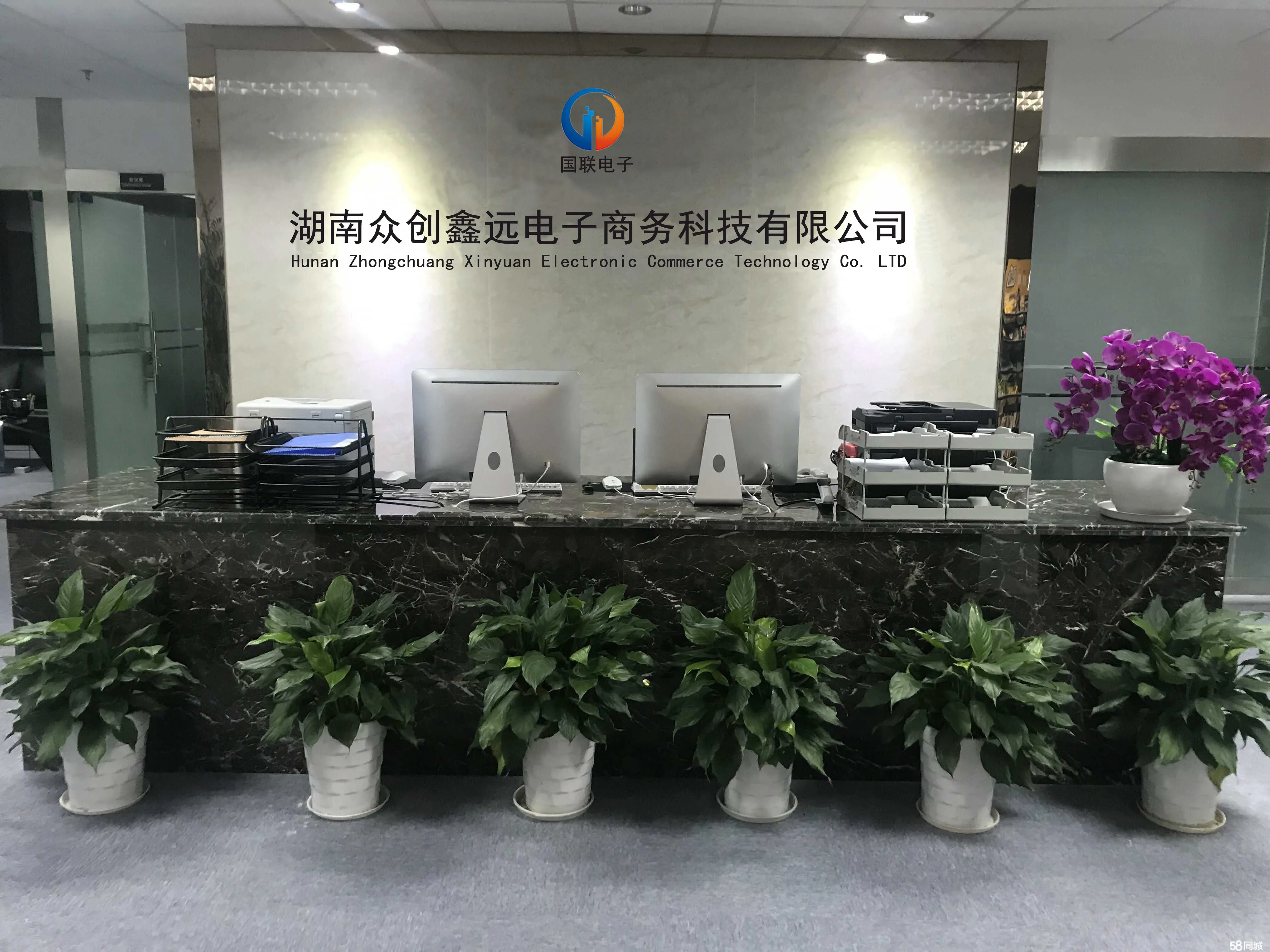
Hunan Zhongchuang Xinyuan Electronic Commerce Technology Co., Ltd.
- Trading Company
- Hunan, China
- Lead time7 days
- Avg. response≤ 4h
Main productsprojector,scanner,printer,switch Cisco,HDD&mainboard
Main marketsSoutheast Asia(30.0%), North America(20.0%), South America(20.0%), Domestic Market(15.0%), Mid East(10.0%), Africa(5.0%)

Guangzhou Miao Figure Digital Technology Co, Ltd
- Verified by TUVRHEINLAND
- Manufacturer/Factory
- China Guangdong
- Lead time68 days
- Avg. response≤ 2h
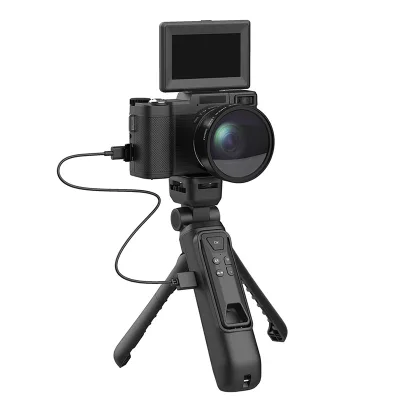
Main productsPhotography Lights, Photography Background, Photography Props, Camera Stand, Photography Stand, Background Stand, Camera Accessories, Action Camera Accessories, Photography Softbox, Photography Light Stand
Main marketsEastern Europe,Mid East,North America,Western Europe,Africa


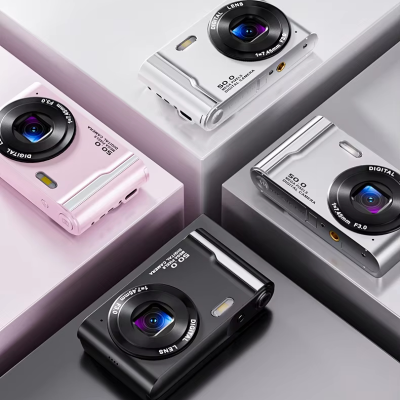
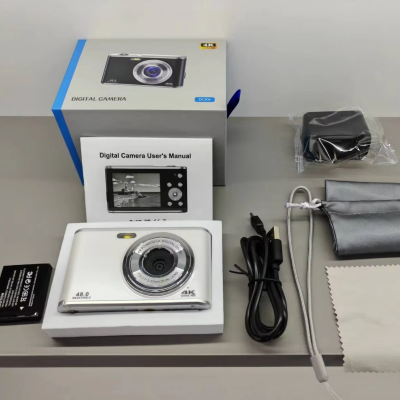
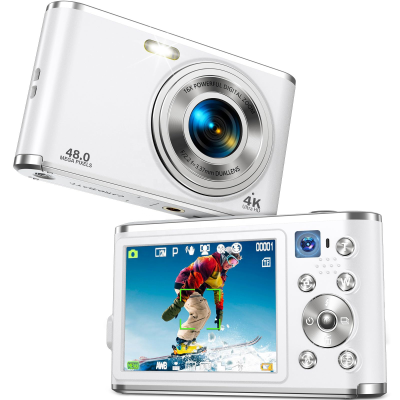
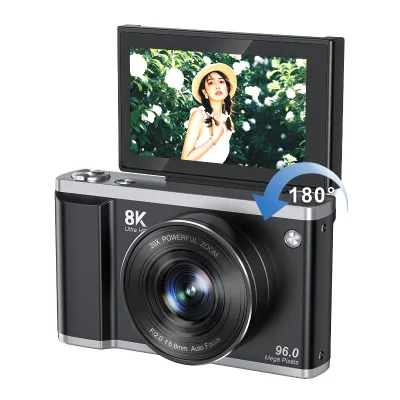
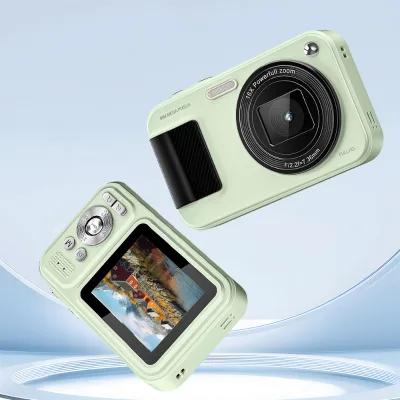
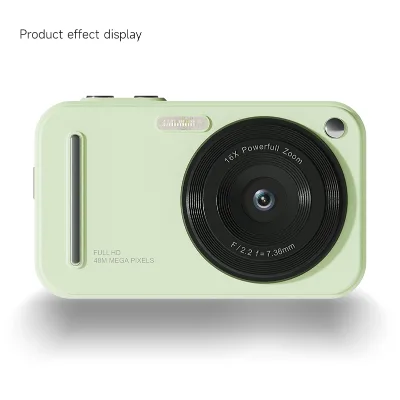
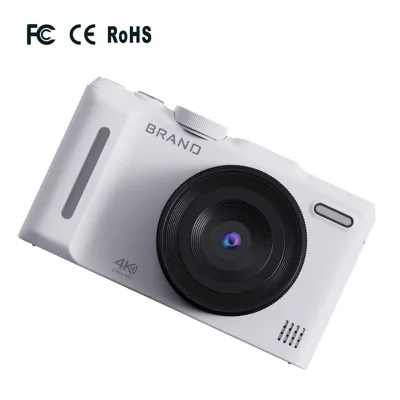
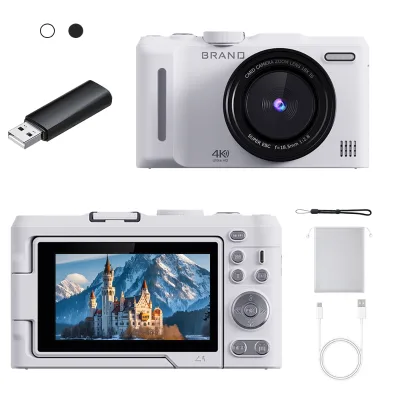
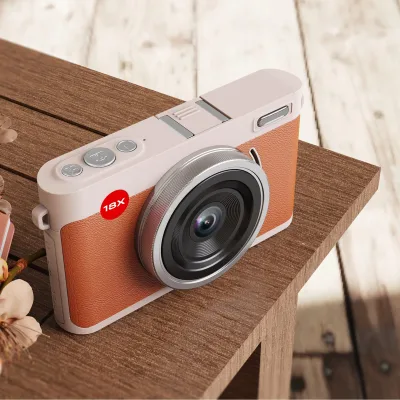
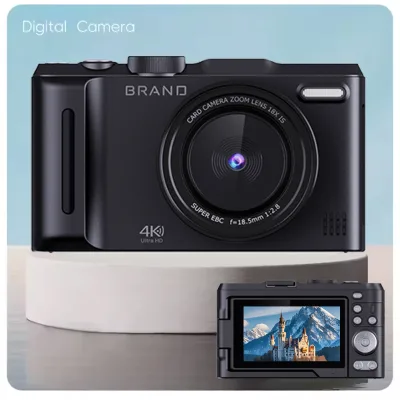
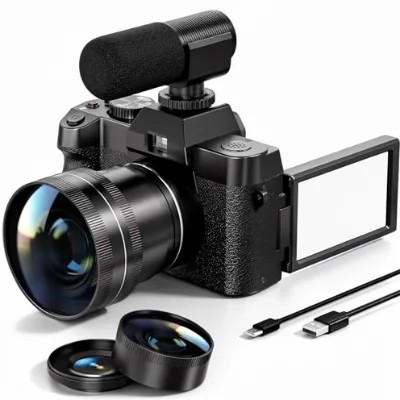
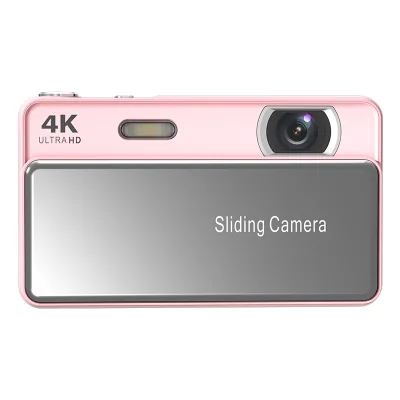
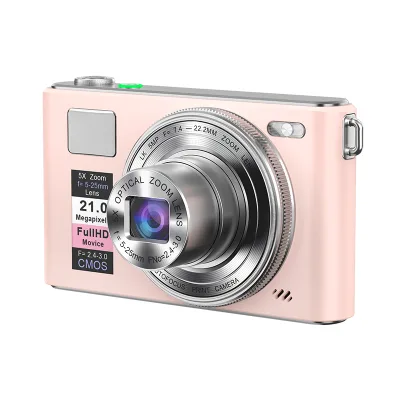
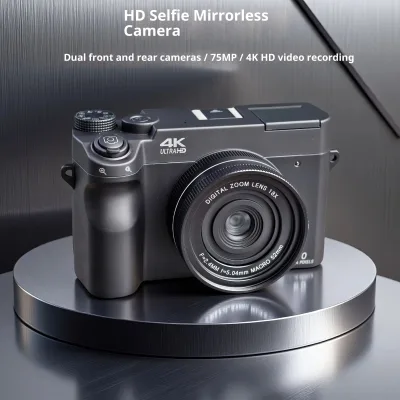

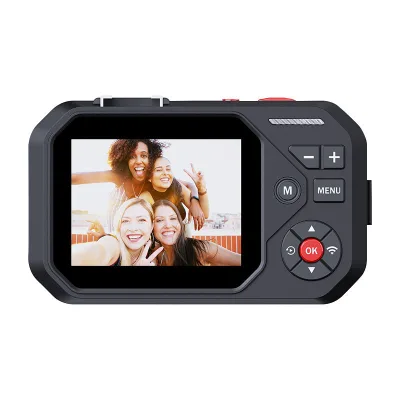
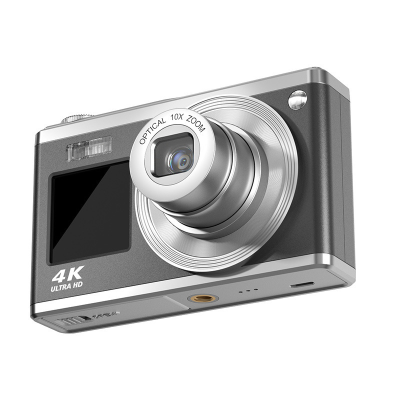
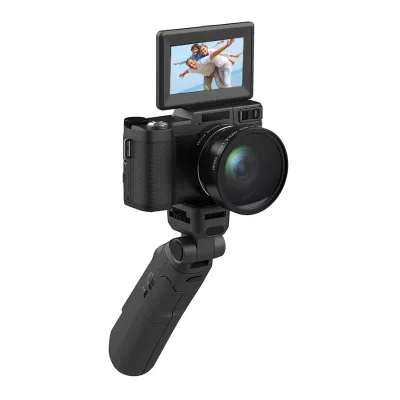
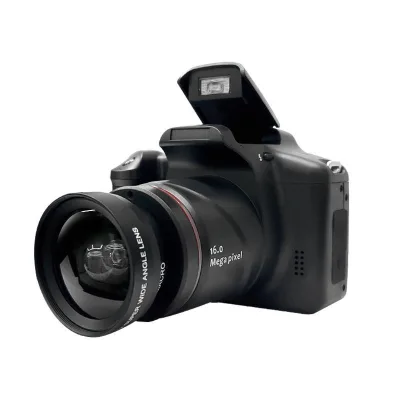


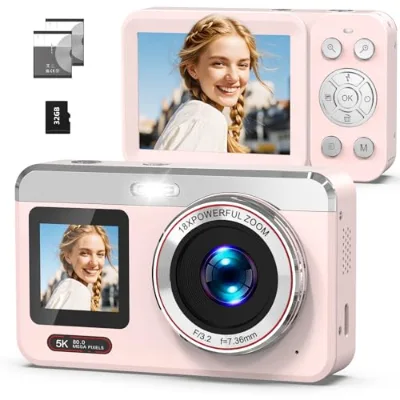


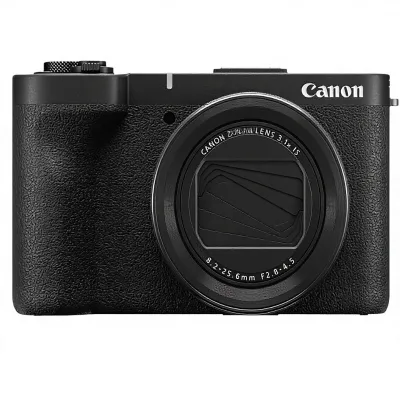
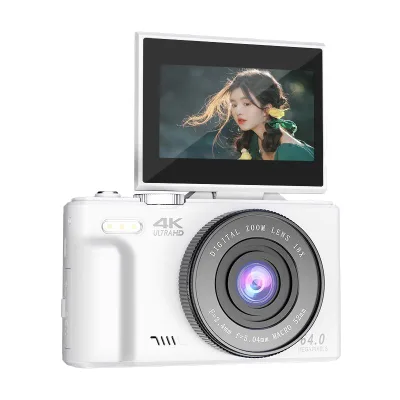


Comprehensive Sourcing Guide
Vlogging Digital Camera with Image Stabilization Supplier Concentration and Factory Types
Current data indicates a concentration of manufacturers and factories located in China, specifically within the Guangdong province and Shanghai regions. These facilities primarily list main products including game consoles, gaming accessories, and various entertainment electronics alongside the target handheld vlogging cameras. The supplier types observed range from direct manufacturers and factories to trading companies, with some entities holding verification status from agencies like SGS or TÜV Rheinland. This mix suggests that buyers may encounter both production houses and intermediaries depending on the specific product listing, requiring careful distinction between the two when evaluating the supply chain structure.
When assessing the factory types, it is essential to note that some suppliers offer OEM and ODM capabilities, while others operate under their own brands. The presence of specific product evidence, such as handheld vlog cameras with stabilizers and CMOS sensors, confirms that these facilities possess the technical capacity for digital camera production. However, the exact establishment years for these entities are not provided in the current results, so buyers must verify the operational history directly. Understanding whether a supplier is a manufacturer or a trading company is critical, as this distinction influences the ability to customize products and the depth of technical support available for complex imaging systems.
How to Verify Vlogging Digital Camera with Image Stabilization Suppliers
Verification of suppliers should begin by checking for third-party audit reports and system certifications that are explicitly listed in the supplier profile. The available data shows that some entities hold certifications such as BSCI, ISO 9001, ISO 14001, and TS 16949, which indicate adherence to quality and environmental management standards. Additionally, verification badges from agencies like SGS or TÜV Rheinland serve as a primary indicator of a supplier's legitimacy. Buyers must confirm that these certifications are current and relevant to the specific manufacturing processes involved in producing digital cameras with image stabilization, rather than accepting them as generic claims without proof.
Beyond certifications, the response time and verification status provide further insight into supplier reliability. The observed response times vary, with some suppliers showing a response time of approximately 5.24 hours and others around 7.16 hours, while one manufacturer lists a response time of 6 hours. A faster response time often correlates with better communication channels and operational efficiency. Buyers should also verify the "is_verified" status directly on the platform, ensuring that the supplier has undergone a rigorous identity and capability check. It is crucial to cross-reference these digital badges with physical factory audits to ensure the claims match the actual production environment and quality control measures in place.
What to Compare Across Vlogging Digital Camera with Image Stabilization Suppliers
When comparing suppliers, buyers should prioritize lead times, minimum order quantities (MOQ), and pricing structures to determine the best fit for their specific needs. The data reveals a lead time of 15 days for some manufacturers, while others indicate a shorter lead time of 5 days. Pricing varies significantly across different product models, with ranges observed from approximately $33.49 to over $10,000 depending on the complexity and specifications of the camera. Buyers must carefully analyze these price points against the stated MOQs, which can range from as low as 1 unit to 50 units, to ensure the order volume aligns with their budget and inventory requirements.
In addition to cost and time, the customization capabilities and product attributes are vital comparison points. Some suppliers explicitly state that customization is available, offering flexibility for branding and specific feature requests. Product evidence highlights attributes such as CMOS image sensors, 4K video recording, and various zoom capabilities, which differ between models. Buyers should compare the specific technical specifications, such as optical zoom ranges and screen sizes, to ensure the product meets their technical standards. Furthermore, the packing standards, ranging from retail boxes to master cartons, should be evaluated to ensure they meet the logistical needs of the final destination market.
Common Vlogging Digital Camera with Image Stabilization Sourcing Risks
One significant risk in sourcing these cameras is the potential discrepancy between the claimed product specifications and the actual delivered goods. While product evidence lists attributes like 4K resolution and CMOS sensors, buyers must verify these claims through sample testing before committing to large orders. The variation in product origins, such as Shenzhen, Hongkong, or general China locations, can also introduce inconsistencies in quality control and compliance standards. Without a standardized verification process, buyers risk receiving products that do not match the advertised features, particularly regarding image stabilization performance and video quality.
Another risk involves the reliability of the supply chain and the ability to meet delivery deadlines. The observed lead times of 5 to 15 days suggest variability in production capacity, which could lead to delays if demand spikes or if the supplier faces operational issues. Additionally, the lack of explicit establishment years for many suppliers makes it difficult to assess their long-term stability and experience. Buyers should be cautious of suppliers who do not provide clear information on their production capacity or who have vague responses to technical inquiries. Ensuring that the supplier has a robust quality assurance process and a track record of on-time delivery is essential to mitigate these risks effectively.
Vlogging Digital Camera with Image Stabilization Regional Sourcing and Logistics
Regional sourcing strategies should focus on the identified manufacturing clusters in China, particularly Guangdong and Shanghai, where a significant number of suppliers are located. These regions offer a dense network of manufacturers and trading companies specializing in consumer electronics and digital cameras. Buyers should consider the logistical advantages of sourcing from these areas, such as proximity to major ports and established supply chains for components like CMOS sensors and lenses. However, the specific origin of individual products, whether from Shenzhen, Hongkong, or other parts of China, must be confirmed to ensure accurate customs classification and compliance with local regulations.
Logistics planning must also account for the varying packing standards and shipping requirements associated with different suppliers. Product evidence indicates that packing can range from retail boxes to master cartons, with some items requiring specific handling due to their weight and dimensions. Buyers should verify the single package size and weight, such as the 20x14x10 cm dimensions observed for certain models, to calculate shipping costs accurately. Additionally, the response times of suppliers in different regions may impact the speed of communication and issue resolution. Establishing clear logistics protocols with the supplier, including packaging specifications and shipping methods, is crucial to ensure the safe and timely delivery of the vlogging cameras.
Vlogging Digital Camera with Image Stabilization Commercial Terms and Order Planning
Commercial terms and order planning require a detailed understanding of the pricing structures, MOQs, and payment conditions offered by each supplier. The data shows a wide range of prices, from budget-friendly options around $33.49 to high-end industrial cameras exceeding $10,000, necessitating a clear budget allocation strategy. Buyers must also consider the MOQs, which can vary from single units to 50 units, to determine the most cost-effective order size. It is essential to negotiate terms that align with the buyer's cash flow and inventory management strategies, ensuring that the financial commitment matches the expected sales volume and market demand.
Order planning should also incorporate the lead times and customization requirements to ensure timely delivery and product alignment. With lead times ranging from 5 to 15 days, buyers need to factor in production schedules and potential delays when planning their inventory replenishment. Customization options, such as branding and specific feature requests, should be confirmed early in the process to avoid bottlenecks. Additionally, buyers should verify the supplier's capacity to handle large orders and their ability to maintain quality standards throughout the production run. Establishing a clear timeline and communication plan with the supplier is vital for successful order execution and long-term partnership development.
FAQs
What is the price range for vlogging cameras with stabilization?
Prices for handheld vlogging cameras with stabilization typically range from $33.49 to $52.50 for consumer models. Higher-end industrial or specialized digital cameras can cost between $750 and $10,000 depending on frame rate and resolution capabilities. Buyers should verify specific pricing based on customization needs and order volume.
What is the minimum order quantity for these cameras?
The minimum order quantity varies significantly by supplier and product type. Standard consumer vlogging cameras often require a minimum order of 50 units. However, specialized industrial or microscope cameras may have a minimum order of just 1 unit. Always confirm the specific MOQ with the supplier before placing an order.
How long does production and delivery take?
Lead times for manufacturing these cameras generally average around 15 days for standard orders. Some suppliers in Guangdong report faster turnaround times of approximately 5 days. Response times for supplier inquiries typically range from 5 to 7 hours. Buyers should confirm exact delivery schedules with the manufacturer.
Are these cameras available for customization or OEM?
Yes, many manufacturers offer customization options including OEM and ODM services. Features like image sensors, packing, and branding can often be tailored to specific requirements. Buyers should verify available customization levels, such as logo printing or packaging design, directly with the supplier to ensure their specific needs are met.
Where are these vlogging cameras manufactured?
These cameras are primarily manufactured in China, with key production hubs in Guangdong and Shanghai. Specific origins may include Shenzhen or Hongkong for certain models. Buyers should check the product origin details for each specific item to understand the manufacturing location and potential logistics implications for their region.
What certifications do these suppliers hold?
Suppliers often hold various system certifications including ISO 9001, ISO 14001, and BSCI. Some may also possess OHSAS 18001 or TS 16949 certifications. Verification services like SGS or TÜV Rheinland may also be applied. Buyers should request current certification documents to ensure compliance with their quality and safety standards.