Remy Indian Human Hair Toupee Suppliers and Manufacturers
Source Remy Indian Human Hair Toupee from 10 verified suppliers in China. Compare ISO certifications, OEM capabilities, lead times, and pricing to find the right partner. Review product specs and request quotes today; review the available evidence before requesting comparable quotations from suitable candidates.
Suppliers List

Qingdao Eminent Hair Products Co., Ltd.
- Manufacturer/Factory
- China Shandong
- Lead time15 days
- Avg. response≤ 12h
Main productsMen's Toupee, Wig, Hair Replacement, Hair Replacement System, Hairpiece, Hair Prosthesis, Human Hair, Human Hair Wig, Hair Topper
Main marketsSouth America,Eastern Europe,Mid East,North America,Southeast Asia,Eastern Asia,Oceania,Western Europe,Africa

Hangzhou Jiangyu Liangchen Trading Co., Ltd.
- Trading Company
- China Zhejiang
- Lead time23 days
- Avg. response≤ 12h
Main productsToupee, Human Hair Wig, Wigs, Human Hair Extensions, Men Skin Toupee, Men Lace Toupee, Men Mono Toupee, Women Topper, Women Wigs
Main marketsSouth America,North America,Africa


Top Selling Men's Remy Human Hair Thin Skin Lace Front Wig New Design Human Hair Toupee
$59.00 - $60.00
MOQ: 1 Pieces

Remy Human Hair Toupee Human Hair Lace Front Mono Top Hair Replacement for Men's Wig
$59.00 - $60.00
MOQ: 1 Pieces


100% Indian Human Hair Toupee with Lace Front Breathable PU Base for Balding Men
$99.00 - $120.00
MOQ: 1 Pieces

- Verified by TUVRHEINLAND
- Trading Company
- China Shandong
- Lead time15 days
- Avg. response≤ 2h
Main productsHuman Hair Extension, Hair Extension, Toupee, Eyelash, Top Closure, Clip in Extension, Hair Accessories
Main marketsEurope,North America
Qingdao Show-Ing Hair Products Co., Ltd.
- Manufacturer, Trading Company
- Shandong, China
- Lead time25 days
- Avg. response≤ 14h
Main productsWig,Jewish Wig,Hair Replacement,Hair Extension,Full Lace Wig
Main marketsCentral America(20.00%), Southern Europe(10.00%), Northern Europe(10.00%), North America(10.00%), Western Europe(10.00%), Mid East(10.00%), Oceania(10.00%), Eastern Europe(10.00%), South America(10.00%)

Xuchang Crius Wig Products Co., Ltd.
- Manufacturer, Trading Company
- Henan, China
- Lead time7 days
- Avg. response≤ 2h
Main productswig,bundle,closure lace,frontal lace
Main marketsWestern Europe(20.00%), Domestic Market(20.00%), North America(20.00%), Central America(10.00%), Africa(10.00%), Eastern Europe(8.00%), Northern Europe(7.00%), Southern Europe(5.00%)
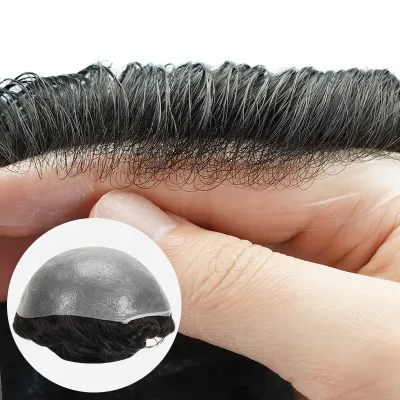
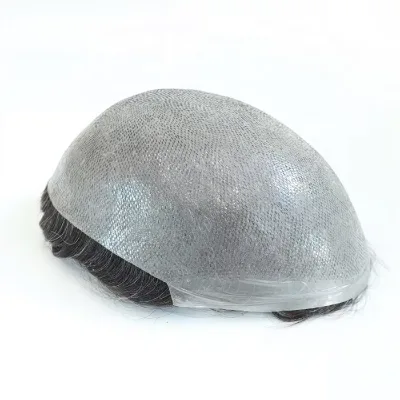
Hot Selling Natural Hairline Thin Skin 0.04-0.06 Curly India Human Hair Toupee
$81.85 - $93.85
MOQ: 1 pieces
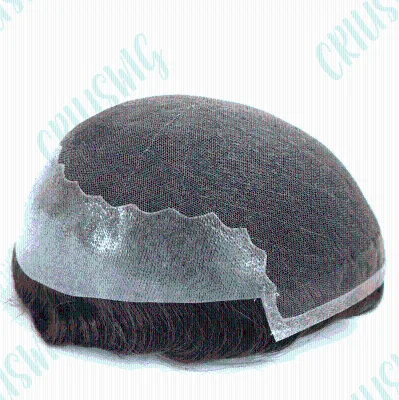
$97.83 - $108.69
MOQ: 1 pieces

Durable Mono PU Toupee 8*10 Inch #1b Color Indian Remy Human Hair System Replacement for Men
$78.80 - $87.50
MOQ: 1 pieces

Bonnieootun (Chongqing) Trade Co., Ltd.
- Trading Company
- Chongqing, China
- Lead time0 days
- Avg. response≤ 3h
Main productsHuman Hair Men Toupee,Human Hair Women Wigs,Human Hair Women Topper,Human Hair Hair Extention,Human Hair Accessories
Main marketsEastern Asia(10.00%), Africa(10.00%), Southeast Asia(10.00%), Eastern Europe(10.00%), Mid East(10.00%), North America(10.00%), Domestic Market(5.00%), South Asia(5.00%), Southern Europe(5.00%), Northern Europe(5.00%), Central America(5.00%), Western Europe(5.00%), Oceania(5.00%), South America(5.00%)

Qingdao Pulito Trading Co., Ltd.
- Trading Company
- Shandong, China
- Lead time30 days
- Avg. response≤ 22h
Main productsFull lace wigs,women's toupee,men's toupee,jewish wig,hair weft
Main marketsCentral America(15.00%), South America(15.00%), North America(15.00%), Africa(10.00%), Southern Europe(10.00%), Western Europe(8.00%), Eastern Europe(8.00%), Mid East(5.00%), Northern Europe(5.00%), South Asia(2.00%), Southeast Asia(2.00%), Eastern Asia(2.00%), Oceania(2.00%), Domestic Market(1.00%)
Qingdao Haizhixiu Hair Prodcuts Co., Ltd.
- Trading Company
- Shandong, China
- Lead time30 days
- Avg. response≤ 4h
Main productshair toupee,wigs,closure,eyelash,extension
Main marketsNorth America(40.00%), Northern Europe(30.00%), Mid East(10.00%), South Asia(5.00%), Southern Europe(5.00%), South America(5.00%), Western Europe(5.00%)

Foshan Wendy Hair Products Co., Ltd.
- Verified by TUVRHEINLAND
- Manufacturer/Factory,Group Corporation
- China Guangdong
- Lead time15 days
- Avg. response≤ 7h
Main productsHuman Hair, Wigs, Hair Extension, Brzilienne Hair, Virgin Hair, Virgin Pervian Hair, Virgin Brzilienne Hair, Malaysian Hair, Indian Hair, Hair
Main marketsSouth America,Eastern Europe,Mid East,North America,Southeast Asia,Eastern Asia,Oceania,Western Europe,Africa

Toupee for Men Human Hair Wigs, Brazilian Human Hair Toupee, Indian Hair Toupee
$104.00 - $116.00
MOQ: 1 Pieces

High Quality Toupee for Man Brazilian Indian Human Hair Toupee Men Full Lace Wigs
$104.00 - $116.00
MOQ: 1 Pieces

QINGDAO SHENGKAI ARTS & CRAFTS CO., LTD.
- Trading Company
- China Shandong
- Lead time30 days
- Avg. response≤ 4h
Main productsHair Wigs, Mannequin Heads, Top Piece Top Closure, Men Toupees, Synthetic Braiding Hair, Training Head, Top Closure, Human Hair Wigs, Hair Bang, Women Toupee
Main marketsSouth America,Eastern Europe,Mid East,North America,Southeast Asia,Eastern Asia,Oceania,Western Europe,Africa


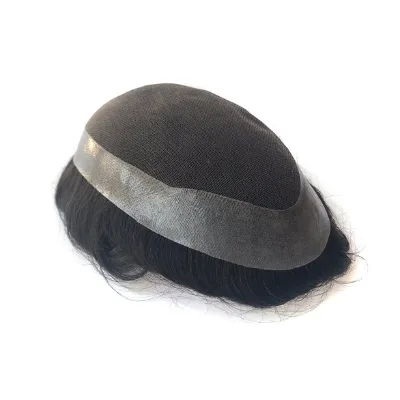


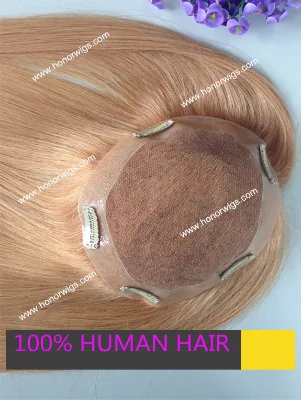


Comprehensive Sourcing Guide
Remy Indian Human Hair Toupee Supplier Concentration and Factory Types
The sourcing landscape for Remy Indian Human Hair Toupee reveals a distinct split between manufacturing capabilities and trading operations, primarily concentrated in specific Chinese provinces. Evidence indicates that suppliers are located in regions such as Shandong and Zhejiang, each offering different operational models. In Shandong, the available data points to a Manufacturer/Factory entity that holds ISO 9001 and QC 080000 certifications. This type of supplier typically controls the production line directly, allowing for greater oversight over the quality of the Indian Remy hair and the construction of the base, whether it is skin, mono, or lace. The presence of OEM and ODM capabilities suggests that these factories can handle custom specifications, from hair density to base size, which is critical for buyers seeking unique product differentiation. Conversely, suppliers in Zhejiang are identified as Trading Companies, holding ISO 9001 and ISO 14001 certifications. While they may not own the factories, they often aggregate products from multiple sources, offering a broader catalog that includes various toupee styles, wigs, and extensions. This distinction is vital for buyers to understand, as factory types influence lead times, customization flexibility, and price structures.
Understanding the company type is essential for aligning your sourcing strategy with your business model. If you require strict quality control and custom manufacturing, a Manufacturer/Factory with direct production capabilities is likely the better choice. These entities often provide more transparent production timelines and can accommodate specific requests, such as custom hair lengths or unique base materials. On the other hand, Trading Companies may offer faster access to stock items and a wider variety of products, which can be beneficial for buyers who need to diversify their inventory quickly. However, trading companies might have less direct control over the manufacturing process, potentially leading to variations in quality or longer communication chains. The certification profiles also differ, with manufacturers often focusing on quality management systems like ISO 9001 and specific quality control standards, while trading companies may include environmental management certifications like ISO 14001. Buyers should verify these credentials to ensure that the supplier’s operational standards match their own quality requirements. This verification process helps in selecting a partner that can reliably deliver Remy Indian Human Hair Toupee products that meet market expectations.
How to Verify Remy Indian Human Hair Toupee Suppliers
Verifying the authenticity and capability of Remy Indian Human Hair Toupee suppliers requires a multi-layered approach that goes beyond surface-level claims. Start by examining the supplier’s certification documents, such as ISO 9001 or QC 080000, to confirm their adherence to quality management standards. For manufacturers, it is crucial to verify that these certifications are current and cover the specific production processes involved in creating toupees. Additionally, check for any product-specific standards, such as those related to hair grade or base material durability. Response time is another key metric; suppliers with faster response times, such as those averaging around 11 hours, often indicate a more responsive and organized customer service team. This responsiveness can be a proxy for their overall operational efficiency and willingness to engage in detailed negotiations. Buyers should also look for evidence of past performance, such as product keywords and descriptions that accurately reflect the materials used, like Indian Remy hair or specific lace types.
Beyond certifications and response times, direct communication and sample evaluation are indispensable verification steps. Request detailed product specifications, including hair density, length, and base material, to ensure they match your requirements. For instance, some suppliers offer 100% density hair with specific lace materials like French or Swiss lace, while others may provide mono bases for durability. Ask for photos or videos of the production process to verify the manufacturing capabilities, especially if you are working with a factory. If the supplier claims to offer OEM services, inquire about their minimum order quantities for custom orders and their ability to handle rush production. Furthermore, verify the origin of the hair, as Indian Remy hair is a specific grade that commands a premium price. Ensure that the supplier can provide documentation or proof of the hair’s source and processing. By combining these verification methods, buyers can build a comprehensive profile of each supplier, reducing the risk of partnering with unreliable entities and ensuring that the Remy Indian Human Hair Toupee products meet the highest quality standards.
What to Compare Across Remy Indian Human Hair Toupee Suppliers
When evaluating multiple suppliers for Remy Indian Human Hair Toupee, it is essential to compare key operational and commercial metrics to identify the best fit for your business. Lead time is a critical factor, with some suppliers offering production times of 15 days, while others may require 23 days or more for custom orders. Rush production options are also available, with some factories able to deliver in as little as 4 to 6 weeks, which can be crucial for meeting urgent market demands. Minimum Order Quantity (MOQ) is another significant differentiator; many suppliers offer an MOQ of just one piece, allowing for low-risk testing of new products. However, for wholesale or bulk orders, MOQs may vary, so it is important to clarify these terms early in the negotiation process. Price ranges also differ significantly, with some products starting at $59 and going up to $280, depending on the complexity of the base, hair quality, and customization options.
In addition to lead times and prices, compare the specific product attributes and customization capabilities offered by each supplier. Look for details on hair density, such as 100%, 110%, or 130%, and base materials like French lace, Swiss lace, or mono. Some suppliers offer dyeable hair, while others do not, which can impact your ability to customize the final product for different customer preferences. Response time is also a comparative metric; suppliers with faster response times may be more reliable for ongoing communication and issue resolution. Additionally, consider the supplier’s main products and specialization; some may focus exclusively on toupees, while others offer a broader range of hair extensions and wigs. This specialization can indicate a deeper expertise in certain areas. By systematically comparing these factors, buyers can create a weighted scoring system to objectively assess each supplier, ensuring that the final selection aligns with their specific business needs, budget constraints, and quality expectations for Remy Indian Human Hair Toupee products.
Common Remy Indian Human Hair Toupee Sourcing Risks
Sourcing Remy Indian Human Hair Toupee comes with several inherent risks that buyers must proactively manage to ensure a successful partnership. One major risk is the variability in hair quality, as "Remy" hair must have the cuticles aligned to prevent tangling and matting. Suppliers may misrepresent the hair grade, offering non-Remy or blended hair at a premium price. To mitigate this, buyers should request detailed specifications and, if possible, conduct independent lab tests to verify the hair grade and origin. Another risk is the inconsistency in base construction, which affects the durability and natural appearance of the toupee. Differences in lace thickness, knotting techniques, and PU skin quality can lead to premature wear or an unnatural look. Buyers should carefully review product descriptions and request samples to assess the base quality firsthand. Additionally, communication gaps can arise, especially when dealing with trading companies or suppliers in different time zones. Misunderstandings regarding customization requirements, such as hair length or density, can lead to costly errors and delays.
Supply chain disruptions and lead time delays are also significant risks in the toupee industry. Production times can vary widely, from 15 days to over 10 weeks, depending on the complexity of the order and the supplier’s current workload. Rush production options may come at a premium cost or may not be available for all products. Buyers should establish clear communication channels and regular check-ins to monitor production progress. Furthermore, there is a risk of intellectual property infringement if you are working with custom designs. Ensure that your designs are protected and that the supplier has a clear agreement on confidentiality. Finally, financial risks can arise from unclear payment terms or lack of escrow protection. Buyers should use secure payment methods and verify the supplier’s financial stability before placing large orders. By identifying and addressing these common risks, buyers can build a more resilient sourcing strategy for Remy Indian Human Hair Toupee, ensuring consistent quality and reliable delivery.
Remy Indian Human Hair Toupee Regional Sourcing and Logistics
The regional concentration of Remy Indian Human Hair Toupee suppliers in China, particularly in Shandong and Zhejiang, offers distinct logistical advantages and challenges for international buyers. Suppliers in Shandong, often manufacturers, may benefit from proximity to major ports like Qingdao, which can facilitate efficient export logistics. This location can reduce shipping times and costs for buyers in North America and Europe. On the other hand, suppliers in Zhejiang, often trading companies, may have access to a broader network of logistics partners, offering more flexible shipping options. However, the distance from manufacturing sites to ports may add complexity to the supply chain. Buyers should consider the specific location of their chosen supplier when planning logistics, as this can impact transit times and customs clearance processes. Additionally, regional differences in labor costs and regulatory environments can affect pricing and compliance requirements.
Logistics planning also involves considering the packaging and handling of delicate hair products. Toupees require careful packaging to prevent damage during transit, with suppliers often using plastic bags or specialized boxes. Buyers should verify the packaging standards to ensure that products arrive in pristine condition. Furthermore, international shipping regulations regarding hair products may vary by destination country, requiring specific documentation or certifications. Buyers should work closely with their suppliers to ensure compliance with these regulations, avoiding delays or seizures at customs. The choice between air and sea shipping also depends on the urgency of the order and the volume of goods. Air shipping is faster but more expensive, while sea shipping is cost-effective for bulk orders but takes longer. By understanding the regional logistics landscape, buyers can optimize their supply chain, reducing costs and improving delivery reliability for Remy Indian Human Hair Toupee products.
Remy Indian Human Hair Toupee Commercial Terms and Order Planning
Effective commercial terms and order planning are crucial for managing the procurement of Remy Indian Human Hair Toupee successfully. Pricing structures can vary significantly, with some suppliers offering fixed prices for stock items and others providing custom quotes based on specifications. Buyers should negotiate clear pricing terms, including any discounts for bulk orders or repeat business. Payment terms are another critical aspect, with options ranging from upfront payment to letters of credit or escrow services. Using escrow can provide an additional layer of security, ensuring that payment is only released upon satisfactory delivery of the goods. Lead times should be explicitly agreed upon in the contract, including any penalties for delays. Rush production options should also be discussed, along with the associated costs and feasibility.
Order planning involves forecasting demand and aligning it with supplier capabilities. Buyers should consider the supplier’s production capacity and lead times when placing orders, ensuring that they can meet market demand without overstocking. For custom orders, it is important to provide detailed specifications early in the process to avoid delays. Minimum Order Quantities (MOQs) should be factored into the planning process, as they can impact inventory levels and cash flow. Additionally, buyers should plan for potential variations in production, such as changes in hair availability or base material costs. Regular communication with the supplier is essential to stay informed about production progress and any potential issues. By establishing clear commercial terms and robust order planning processes, buyers can minimize risks and ensure a smooth procurement experience for Remy Indian Human Hair Toupee, leading to long-term success in the market.
FAQs
What is the price range for remy indian human hair toupees?
Prices typically range from $59 to $280 depending on the base material and customization level. Stock items often cost between $85 and $190, while custom orders with specific lace or mono bases may reach higher price points. Buyers should verify exact costs based on their required density and base size.
What is the minimum order quantity for these toupees?
The minimum order quantity is generally one piece, allowing buyers to test quality before placing larger orders. This low MOQ supports both individual buyers and small businesses looking to sample products. Wholesale pricing is available for larger quantities, making it flexible for various business models and inventory needs.
How long does production take for custom orders?
Standard production time is usually six to ten weeks, with rush options available in four to eight weeks. Stock items can be delivered instantly after payment. Buyers requiring urgent shipments should confirm rush availability and associated costs with the supplier to ensure timely delivery for their specific business requirements.
Are these toupees made from 100% human hair?
Yes, the products are specified as 100% human hair, specifically Indian Remy hair. This ensures natural movement and durability. The hair grade is confirmed as Remy, meaning the cuticles are aligned. Buyers should verify if the hair is dyeable, as some stock items may have restrictions on coloring.
What certifications do the manufacturers hold?
Manufacturers in China Shandong hold ISO 9001 and QC 080000 certifications. Suppliers in China Zhejiang hold ISO 9001 and ISO 14001 certifications. These standards indicate quality management and environmental responsibility. Buyers should request current certificates to verify compliance with their specific sourcing requirements and regulatory standards.
Where are these suppliers located?
Suppliers are located in China Shandong and China Zhejiang. Shandong manufacturers often focus on production with specific lead times. Zhejiang suppliers may offer trading services with different response speeds. Buyers should consider location for shipping logistics and potential tariffs when calculating the total landed cost of their orders.