Wall Mounted Double Mug Hanger Suppliers and Manufacturers
Source 13 verified suppliers for Wall Mounted Double Mug Hanger options. Compare dimensions, certifications like ISO 9001, and response times to find the right partner. Contact suppliers directly to request quotes and verify lead times; review the available evidence before requesting comparable quotations from suitable candidates.
Suppliers List

Shenzhen Thomas Homeware Co., Limited
- Verified by BV
- Manufacturer/Factory
- China Guangdong
- Lead time0 days
- Avg. response≤ 8h
Main productsWall Shelf, Wine Bottle Rack, Display Shelf, Towel Rack, Metal Basket, Spice Rack, Wine Rack, Anti-Slip Mat, Shower Curtain, Window Curtain
Main marketsEastern Europe,North America
YIWU SHIYONG Trading Co., Ltd.
- Verified by TUVRHEINLAND
- Trading Company
- China Zhejiang
- Lead time15 days
- Avg. response≤ 7h
Main productsHanger, Couple
Main marketsSoutheast Asia/ Mideast,East Asia(Japan/ South Korea),Europe


Wall Hanging Aluminum Folding Retractable Hanger Multi-Functional Balcony Drying Hanger
$7.90 - $13.90
Moq: 100


CAO COUNTY DAWANG ARTS AND CRAFTS CO., LTD.
- Verified by TUVRHEINLAND
- Manufacturer/Factory
- China Shandong
- Lead time23 days
- Avg. response≤ 25h
Main productsWooden Cabinet, Iron Furniture, Wall Shelf
Main marketsEastern Europe,North America,Western Europe


Storage Rack Coffee Tea Cup Holder Glass Mug Hanger Multi-Purpose Storage Rack
Contact supplier
Moq: 1500


Jiangmen zhaosheng hardware company LTD
- Verified by TUVRHEINLAND
- Trading Company
- China Guangdong
- Lead time30 days
- Avg. response≤ 2h
Main productsShower Caddy, Dish Rack, Bathroom Rack, Kitchen Rack, Gn Pan, Fry Basket, Cooling Rack, Steam Table Pan, Anti Jam Hotel Food Pan, Chafing Dish
Main marketsSoutheast Asia/ Mideast,Europe,North America

Ningbo Yaohui Plastic Co., Ltd.
- Trading Company,Manufacturer/Factory
- China Zhejiang
- Lead time15 days
- Avg. response≤ 11h
Main productsHanger, Plastic Hanger, Coat Hanger, Zipper, Button, Cloth Accessories, Suit Hanger, Pants Hanger, Plastic Bottle, Ice Bucket
Main marketsSouth America,Eastern Europe,Mid East,North America,Southeast Asia,Eastern Asia,Oceania,Western Europe,Africa

Qingyuan Xingxiang Hardware Products Co., Ltd
- Verified by SGS
- Combined
- China Guangdong
- Lead time30 days
- Avg. response≤ 5h
Main productsShower Caddy Shelves, Hanging Hook, Coffee Pod Holder, Tissue Paper Towel Holder, Wire Storage Basket, Mutifunction Storage Rack, Cup Holder, Dish Drying Rack, Office Accessories, Watering Can
Main marketsEurope,North America

Guangxi Guilin Winsun Hanger Co., Ltd.
- Verified by BV
- Combined
- China Guangxi
- Lead time30 days
- Avg. response≤ 19h
Main productsWooden Hanger, Velvet Hanger, Plastic Hanger, Metal Hanger
Main marketsSouth America,Africa,Southeast Asia/ Mideast,East Asia(Japan/ South Korea),Europe,Australia,North America

- Verified by TUVRHEINLAND
- Trading Company,Manufacturer/Factory
- China Jiangsu
- Lead time23 days
- Avg. response≤ 3h
Main productsMedal, Coin, Lapel Pin, PVC Patch, Embroidery Patch, Keychain, Button Badge, Silicone Wristband, Lanyards, Gift
Main marketsSouth America,Eastern Europe,Mid East,North America,Oceania,Western Europe

Dongguan Yongzhao Hardware Products Co., Ltd.
- Combined
- China Guangdong
- Lead time15 days
- Avg. response≤ 6h
Main productsHanger, Plastic Hanger, Clothes Hangers, Mannequins, Fiberglass Mannequins, Clothing Hangers, Velvet Hangers, Rubber Coating Hanger, Lingerie Hanger, Swimwear Hanger
Main marketsSouth America,Southeast Asia/ Mideast,Europe,Australia,North America
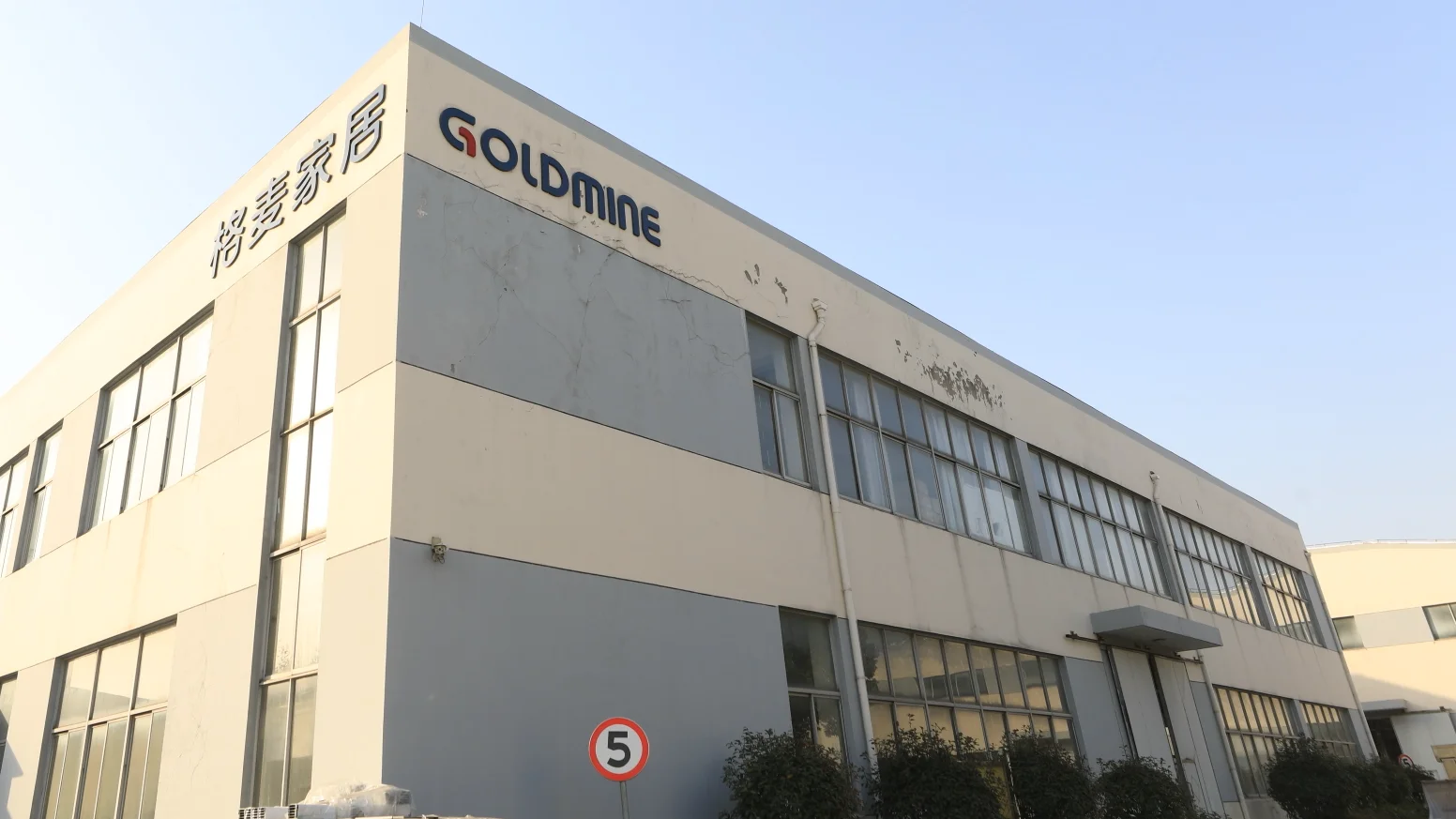
Nanjing Goldmine Houseware Co., Ltd.
- Trading Company
- Jiangsu, China
- Lead time25 days
- Avg. response≤ 5h
Main productskitchen storage supplies,cabinet drawer basket,kitchen storage holders,drawer organizers,dish drying rack
Main marketsDomestic Market(40.0%), North America(18.0%), Northern Europe(15.0%), Western Europe(10.0%), Oceania(5.0%), Southeast Asia(3.0%), Mid East(3.0%), South America(2.0%), South Asia(2.0%), Eastern Europe(2.0%)
Dongguan Chinyik Plastic and Hardware Products Factory
- Verified by SGS
- Combined
- China Guangdong
- Lead time30 days
- Avg. response≤ 14h
Main productsMould, Acrylic Mould Injection, LED, Plastic Injection Mould
Main marketsDomestic

Wenzhou MicaCare Tech Co., Ltd.
- Verified by SGS
- Trading Company,Manufacturer/Factory
- China Zhejiang
- Lead time38 days
- Avg. response≤ 3h
Main productsBathroom Chair, Shower Stool, Bath Bench, Shower Seat, Folding Seat, Grab Bar, Grab Rail, Baby Changing Station, Aed Cabinet, Bathroom Accessory
Main marketsSouth America,Eastern Europe,Mid East,North America,Southeast Asia,Eastern Asia,Oceania,Western Europe,Africa

Zhongshan SJ Hardware Co., Ltd.
- Combined
- China Guangdong
- Lead time30 days
- Avg. response≤ 7h
Main productsAluminum Profile, Aluminum Ventilation Grill, Aluminum Worktop Profile, Aluminum Handles, Aluminum Desk Cable Insert Box, Castor Wheel, Wire Baskets for Kitchen, Stainless Steel Handles, Kitchen Accessories, Furniture Fittings
Main marketsAfrica,Southeast Asia/ Mideast,Europe




Comprehensive Sourcing Guide
Wall Mounted Double Mug Hanger Supplier Concentration and Factory Types
The current supplier landscape for Wall Mounted Double Mug Hanger products reveals a distinct split between manufacturing capabilities and trading operations, primarily concentrated in specific Chinese provinces. Evidence indicates that manufacturers are located in Guangdong, while trading companies operate out of Zhejiang. This geographic separation is critical for buyers to understand, as it directly influences the type of service, pricing structure, and production control available during the sourcing process. Guangdong-based entities are identified as manufacturers or factories, which typically implies direct control over the production line, material sourcing, and quality assurance protocols. These suppliers often possess the infrastructure to handle complex customization requests, such as OEM and ODM services, allowing for tailored designs that meet specific retail or hospitality requirements. The presence of these factories in Guangdong suggests a mature industrial cluster where supply chain efficiencies for metal and wood processing are well-established, potentially offering competitive advantages in terms of production speed and cost management for bulk orders.
In contrast, the trading companies located in Zhejiang offer a different value proposition, focusing on product aggregation and logistics facilitation rather than direct manufacturing. These entities may source from multiple factories, providing buyers with a broader catalog of options, including items like stainless steel sock hangers and aluminum drying racks, which might be cross-sold alongside Wall Mounted Double Mug Hanger variants. While they do not manufacture the goods themselves, their role as intermediaries can simplify the procurement process for smaller buyers who need mixed container loads or diverse product lines. The distinction between these two supplier types is vital for strategic sourcing decisions. Buyers seeking deep customization, proprietary designs, or large-scale production runs should prioritize the manufacturer profile found in Guangdong. Conversely, buyers looking for quick access to a variety of home storage solutions, lower minimum order quantities, or consolidated shipping from a single point of contact may find the trading company model in Zhejiang more suitable for their immediate operational needs.
How to Verify Wall Mounted Double Mug Hanger Suppliers
Verifying the legitimacy and capability of suppliers requires a multi-layered approach that goes beyond simple profile reviews, focusing on third-party validations and operational transparency. The available data highlights that some suppliers hold Business Social Compliance Initiative (BSCI), ISO 14001, and ISO 9001 certifications, which serve as strong indicators of standardized management systems and ethical labor practices. These certifications are particularly relevant for buyers in Western markets where compliance with social and environmental standards is a prerequisite for market entry. Additionally, verification badges from recognized bodies like Bureau Veritas (BV) and TÜV Rheinland provide an extra layer of confidence regarding the supplier’s business legitimacy and financial stability. Buyers should actively look for these verification marks on supplier profiles, as they represent independent audits that confirm the company exists, operates legally, and meets specific quality or ethical benchmarks. The absence of such certifications, or a status marked as "NIL," should prompt further due diligence to ensure the supplier is not merely a shell company with no real operational capacity.
Beyond certifications, buyers must assess the supplier’s responsiveness and technical capacity to ensure they can meet project timelines and quality expectations. The response time metric, observed at approximately 7.95 hours for some manufacturers and 6.71 hours for trading companies, offers a preliminary gauge of communication efficiency. A faster response time often correlates with better project management and quicker resolution of technical queries regarding materials, dimensions, or customization options. Furthermore, buyers should verify the supplier’s ability to handle Original Equipment Manufacturing (OEM) and Original Design Manufacturing (ODM) requests, as indicated by the RD capacity data. This capability is essential for brands looking to differentiate their Wall Mounted Double Mug Hanger offerings with unique features, such as specific wood finishes, metal types, or integrated glass holders. Buyers should request samples and ask detailed questions about the production process to confirm that the supplier’s claimed capabilities align with their actual operational reality, ensuring that the partnership is built on verified competence rather than marketing claims.
What to Compare Across Wall Mounted Double Mug Hanger Suppliers
When evaluating multiple suppliers, buyers must systematically compare key operational metrics such as price, minimum order quantity (MOQ), and lead times to determine the best fit for their business model. Price ranges for similar wall mounted storage products vary significantly, with some items listed between $16.30 and $19.80, while others, like hangers, are priced much lower between $1.50 and $13.90. This disparity highlights the importance of comparing apples-to-apples based on material, size, and customization level. MOQs also differ widely, ranging from as low as 10 units for certain trading company items to 500 or 1000 units for manufacturer-produced racks. Buyers with limited capital or testing phases should target suppliers with lower MOQs, even if the unit price is slightly higher, to mitigate inventory risk. Conversely, buyers planning for large-scale retail distribution should negotiate with manufacturers who can offer volume discounts and consistent production capacity, leveraging their OEM/ODM capabilities to secure better terms.
In addition to cost and volume, buyers should compare the specific product attributes and customization options available to ensure alignment with their brand identity. Product evidence shows variations in materials, with some racks made of wood and others potentially involving metal components, as well as differences in style, such as modern versus rustic designs. Buyers must verify if the supplier offers customized logos, sizes, and packaging, as these details are crucial for brand consistency. The availability of certifications like CE/EU for specific products is another critical comparison point, especially for buyers targeting European markets where regulatory compliance is mandatory. Furthermore, the packing method, whether carton, OPP, or disassembly packing, impacts shipping costs and product protection. By creating a comparison matrix that includes these variables, buyers can objectively assess which suppliers offer the best balance of quality, compliance, cost, and flexibility, ensuring that their selection is data-driven and aligned with their strategic sourcing goals.
Common Wall Mounted Double Mug Hanger Sourcing Risks
One of the primary risks in sourcing wall mounted double mug hangers is the potential mismatch between claimed capabilities and actual production quality, particularly when dealing with trading companies that do not own factories. Buyers may encounter issues where the samples provided do not reflect the quality of mass production, or where the supplier lacks the technical expertise to handle complex customization requests. This risk is exacerbated if the supplier does not provide clear evidence of their manufacturing process or quality control measures. Additionally, the reliance on third-party verification badges without direct engagement with the audit reports can lead to a false sense of security. Buyers must ensure that the certifications, such as BSCI or ISO, are current and applicable to the specific products being ordered, as these standards can be broad and may not cover all aspects of product safety or durability. Failure to verify these details can result in compliance violations or product failures in the target market.
Another significant risk involves logistical delays and communication breakdowns, which can disrupt supply chains and lead to missed market opportunities. Lead times, while sometimes listed as zero or undefined in initial profiles, can vary significantly based on order volume, customization complexity, and raw material availability. Buyers must clarify these timelines explicitly before placing orders to avoid unexpected delays. Furthermore, the risk of intellectual property infringement is heightened when working with suppliers who offer extensive OEM/ODM services without clear contractual protections. Buyers should ensure that their designs and branding are legally protected and that the supplier agrees to strict confidentiality and non-compete clauses. Additionally, the variability in product specifications, such as dimensions and material thickness, can lead to installation issues or customer dissatisfaction if not strictly controlled. Buyers must implement rigorous quality assurance protocols, including pre-shipment inspections, to mitigate these risks and ensure that the final products meet their exact requirements.
Wall Mounted Double Mug Hanger Regional Sourcing and Logistics
The geographic location of suppliers plays a crucial role in determining logistics costs, lead times, and overall supply chain efficiency. Suppliers located in Guangdong, China, benefit from a mature manufacturing ecosystem with access to raw materials, skilled labor, and robust port infrastructure, which can facilitate faster production and shipping for Wall Mounted Double Mug Hanger orders. This region’s concentration of factories allows for economies of scale and specialized supply chains, potentially reducing production costs and improving quality consistency. Buyers sourcing from Guangdong should consider the proximity to major shipping hubs like Shenzhen, which can offer competitive freight rates and frequent shipping schedules to global destinations. However, buyers must also account for potential congestion or regulatory changes that could impact logistics, making it essential to maintain open communication with suppliers regarding shipping updates and potential delays.
In contrast, suppliers in Zhejiang, China, offer a different logistical profile, often characterized by a strong trading infrastructure and access to a diverse range of products. While these suppliers may not have direct manufacturing capabilities, their location in a major commercial hub can facilitate efficient consolidation of goods from multiple factories, simplifying logistics for buyers who need mixed product orders. Buyers sourcing from Zhejiang should evaluate the supplier’s experience in handling international shipping and their ability to coordinate with multiple manufacturers to ensure timely delivery. Additionally, the choice of region can impact the overall cost structure, as freight rates and insurance costs vary by origin. Buyers should work with their freight forwarders to calculate the total landed cost, including duties and taxes, to make informed decisions about which regional suppliers offer the best value. Understanding these logistical nuances is essential for optimizing the supply chain and ensuring that products reach the market efficiently and cost-effectively.
Wall Mounted Double Mug Hanger Commercial Terms and Order Planning
Effective order planning for wall mounted double mug hangers requires a thorough understanding of commercial terms, including payment structures, warranty policies, and after-sales support. Buyers should negotiate clear payment terms that align with their cash flow needs, such as using escrow services for initial orders to mitigate financial risk. It is crucial to define the scope of customization, including logo placement, packaging design, and any special features, in the purchase agreement to avoid disputes later. Buyers must also clarify the supplier’s policy on defective products, including replacement or refund procedures, to ensure that any quality issues are resolved promptly. Additionally, understanding the lead time for production and shipping is vital for inventory management, allowing buyers to plan their stock levels and marketing campaigns effectively. By establishing clear commercial terms, buyers can protect their interests and build a reliable partnership with their suppliers.
Furthermore, buyers should consider the long-term implications of their sourcing decisions, including the potential for scaling up production and expanding product lines. Suppliers with strong OEM/ODM capabilities can support growth by offering new designs and improvements based on market feedback. Buyers should maintain regular communication with their suppliers to stay informed about new product developments and industry trends. Additionally, buyers should evaluate the supplier’s ability to handle peak season demands and unexpected order surges, ensuring that they can maintain consistent supply throughout the year. By focusing on these commercial and operational aspects, buyers can create a resilient supply chain that supports their business growth and minimizes risks. This strategic approach to order planning and supplier management is essential for achieving long-term success in the competitive home storage and organization market.
FAQs
What is the price range for wall mounted wooden wine racks?
Prices for wall mounted wooden wine racks typically range from $16.30 to $19.80 per unit. This pricing depends on specific customization options and order volume. Buyers should verify exact costs based on their required model specifications and quantity tiers before finalizing procurement decisions.
What is the minimum order quantity for these storage racks?
The minimum order quantity varies by supplier, with options available at 500 units or 1000 units. Some suppliers also offer lower MOQs of 10 or 100 units for different product types like hangers. Buyers must check the specific listing to confirm the applicable threshold for their order.
Are these racks customizable for branding purposes?
Yes, customization is available for most wall mounted racks. Suppliers accept customized logos and offer various sizes as described or fully customized. Buyers can request specific modifications to meet their branding needs, ensuring the final product aligns with their commercial requirements and aesthetic preferences.
What certifications do these manufacturers hold?
Manufacturers in Guangdong hold BSCI, ISO 14001, and ISO 9001 certifications. Products often carry CE or EU certification marks. Buyers should verify specific compliance documents for their target market, as these standards ensure quality management and environmental responsibility in the production process.
How fast do suppliers typically respond to inquiries?
Response times average around 6.71 to 7.95 hours. This indicates a relatively quick turnaround for initial communications. Buyers can expect timely replies regarding product details and pricing, facilitating efficient negotiation and order placement without significant delays in the sourcing workflow.
Where are these suppliers located?
Suppliers are primarily located in China, specifically in Guangdong and Zhejiang provinces. Guangdong manufacturers often produce wooden racks, while Zhejiang suppliers may offer hangers. Buyers can filter results by these regions to align with logistics preferences and supply chain strategies.
What is the lead time for production?
Lead times vary, with some suppliers listing zero days for immediate availability and others indicating 15 days for production. Buyers should confirm the exact timeline with the supplier, as it depends on order size, customization requirements, and current production capacity constraints.