Wall Mounted Eyeglass Repair Kit Suppliers and Manufacturers
Explore 25 verified suppliers offering Wall Mounted Eyeglass Repair Kit solutions with varying lead times, response speeds, and certifications. Compare dimensions, materials, and pricing to select the right partner for your optical needs today; review the available evidence before requesting comparable quotations from suitable candidates.
Suppliers List

Danyang Jinggong Optical Co., Ltd.
- Trading Company
- Jiangsu, China
- Lead time15 days
- Avg. response≤ 13h
Main productsMicrofiber Cleaning Cloth, Lens Spray Cleaner, Glasses Accessories, Glasses tools
Main marketsNorth America(45.00%), Oceania(25.00%), Western Europe(20.00%), Southeast Asia(10.00%)
Shenzhen Aist Industrial Co., Ltd.
- Verified by TüVRheinland
- Trading Company
- Lead time7 days
- Avg. response≤ 5h
Main productsAuto Refractometer, Auto Lensmeter, Slit Lamp, Phoropter, Auto Lens Edge
Main marketsNorth America(25%), South America(15%), Eastern Europe(10%)
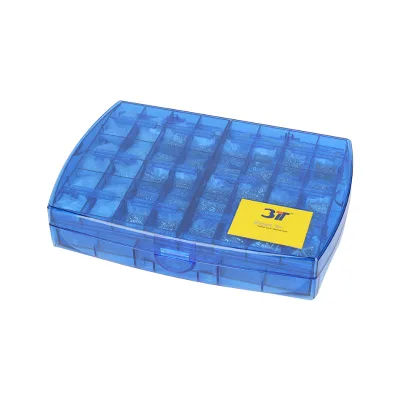
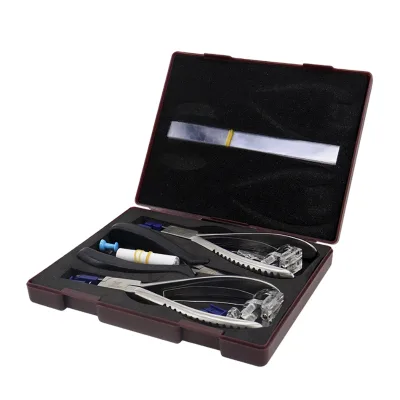
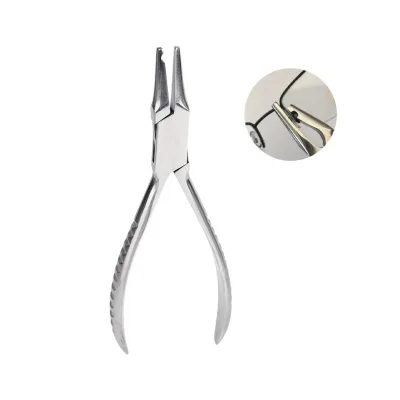
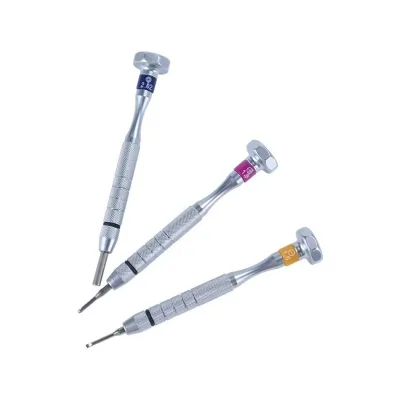
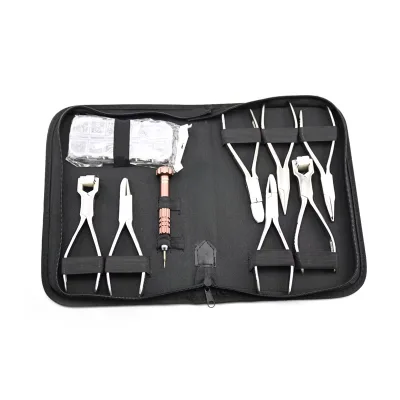
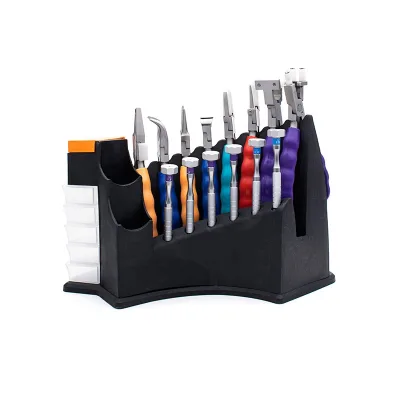
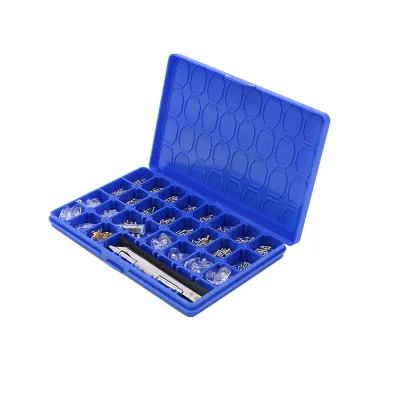
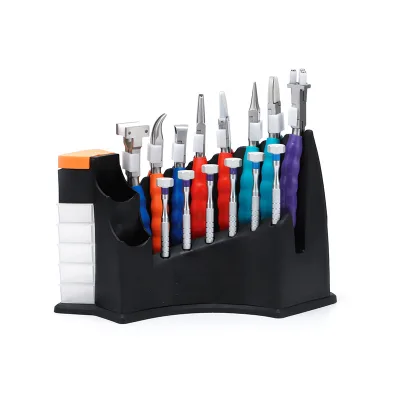
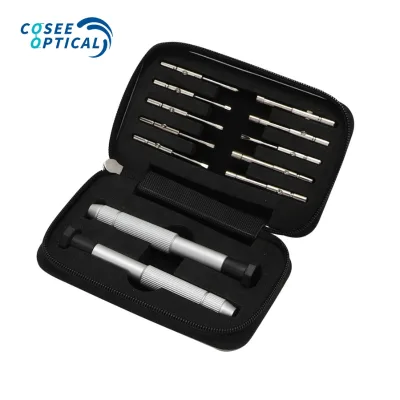
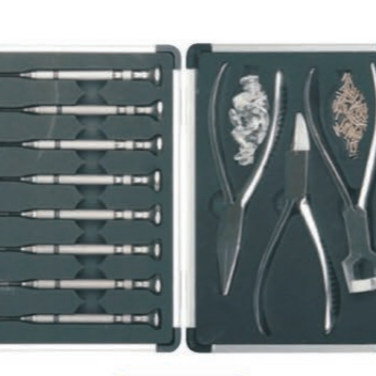
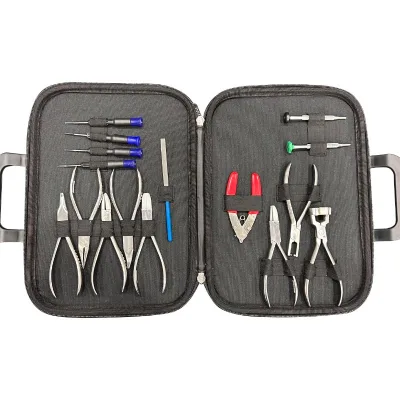
Optical Disassembly Tool Rimless Glasses Frame Eyeglasses Repair Pliers Kit Set
$45.93 - $56.13
MOQ: 1 sets

- Trading Company
- China Jiangsu
- Lead time23 days
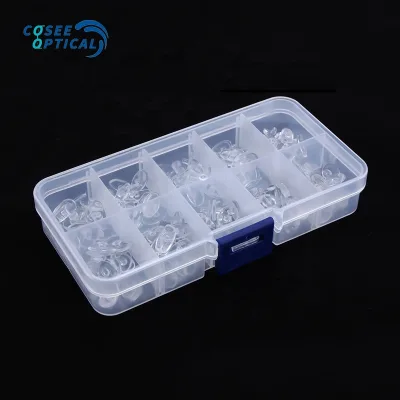
Main productsSilicone Nose Pads; Anti-Slip Pads, Lens Blocking Pads/Adhesive Pads, Screws; Screwdrivers, Pliers; Plier Stand, Lens Cleaners, Cutting Tools, Measuring Tools, Job Tray / Storage Box, Optical Accessories, Optometry Machines
Main marketsSouth America,Southeast Asia/ Mideast,East Asia(Japan/ South Korea),Domestic,Europe,Australia,North America

Huzhou Guoneng New Material Co., Ltd.
- Combined
- China Zhejiang
- Lead time23 days
Main productsGasket Maker, UV Light Glue, Leather Repair & Restoration Kit, Epoxy & Putty, Headlight Restoration Kit, Speedy Fix, Windshield Repair Kit, Anaorebic Thread Selant, Aerosol Cleaner & Grease, Cyanoacrylate Super Glue
Main marketsSouth America,Africa,Southeast Asia/ Mideast,Europe
- Verified by TüVRheinland
- Manufacturer, Trading Company
- Lead time25 days
- Avg. response≤ 4h
Main productsGlasses Case, Glasses Chain, Glasses Cloth, Glasses Cleaning Solution, Glasses Accessories
Main marketsNorth America(35%), South America(22%), Western Europe(10%)
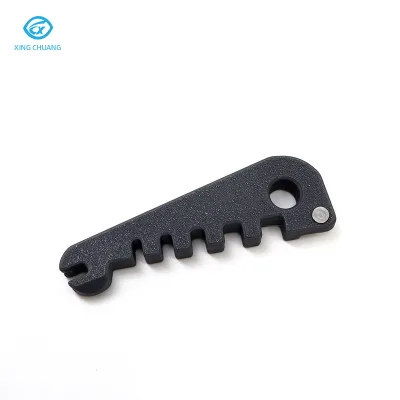
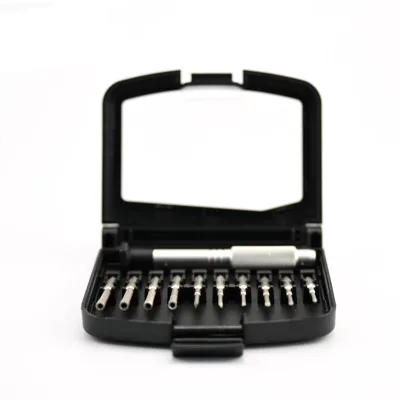
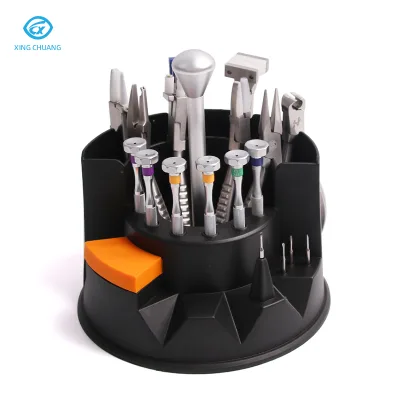
$60.00 - $72.00
MOQ: 50 pieces
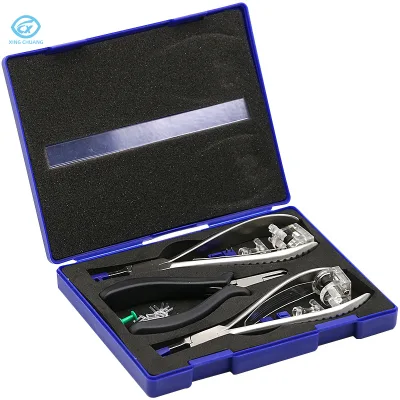
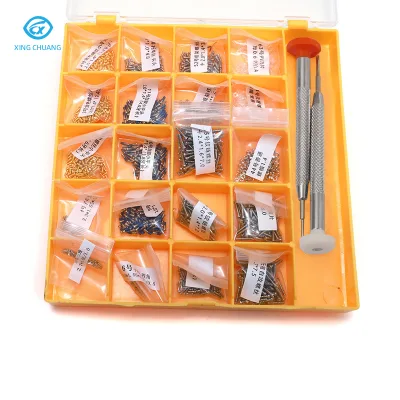
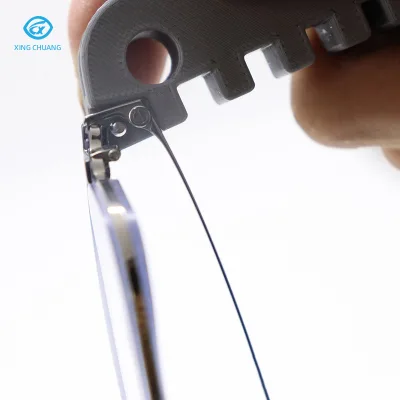
Optical Accessories Eyeglass Adjustment Tools Wholesale Eyewear Frames Repair Tool Eyeglass
$0.51 - $0.73
MOQ: 2 pieces

QINGDAO DINGANDA MACHINERY CO., LTD
- Verified by SGS
- Combined
- China Shandong
- Lead time23 days
Main productsGlass Machine, Glass Laminating Machine, Glass Processing Machine, Glass Storage Rack, Glass Vacuum Lifter, Glass Edging Machine, Glass Moving Tools
Main marketsSouth America,Southeast Asia/ Mideast,East Asia(Japan/ South Korea),Europe,North America
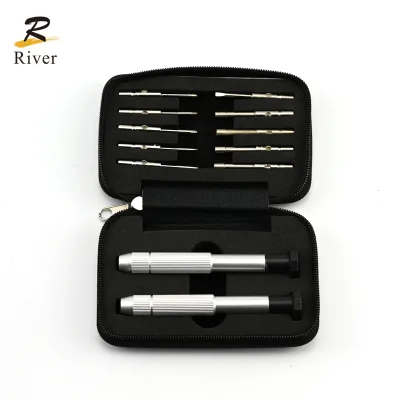
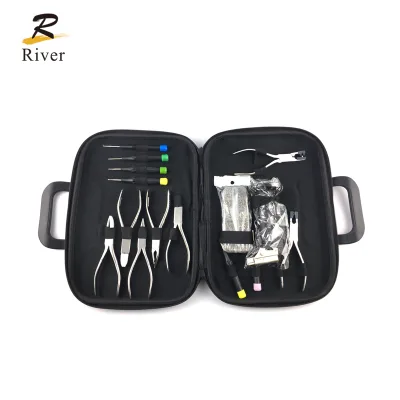
Danyang River Trading Co., Ltd.
- Verified by SGS Group
- Manufacturer, Trading Company
- Lead time20 days
- Avg. response≤ 5h
Main productsMicrofiber Cloth, Cases, Optical Equipment, Lens Cleaning Spray, Paper Bags
Main marketsDomestic Market(27%), Western Europe(18%), Southeast Asia(12%)
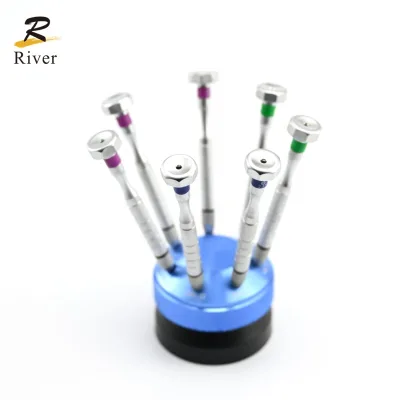
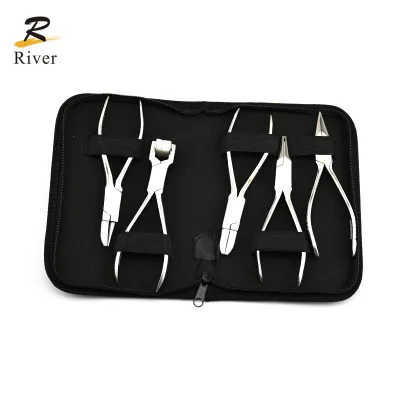
$19.93 - $24.53
MOQ: 2 pieces
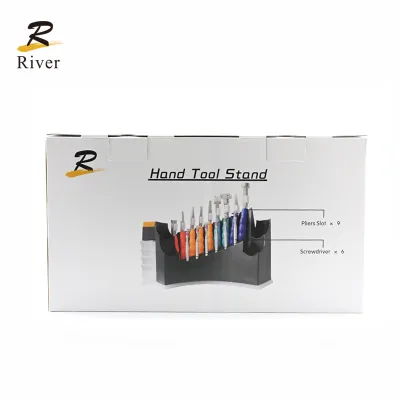
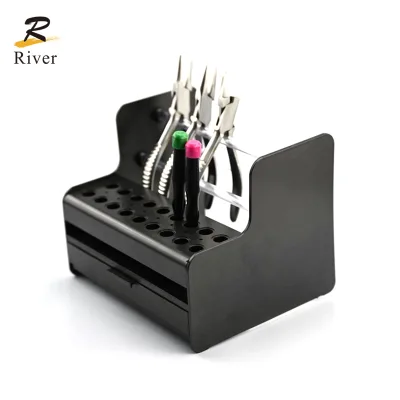
Shenzhen Holya Vision Optical Industrial Co.,Ltd
- Manufacturer, Trading Company
- Guangdong, China
- Lead time15 days
- Avg. response≤ 1h
Main productsOphthalmic equipment,Optical instrument,Auto Refractometer,Auto Lensmeter,Slit Lamp
Main marketsNorth America(40.00%), South America(30.00%), Eastern Europe(15.00%), Southeast Asia(10.00%), Africa(5.00%)
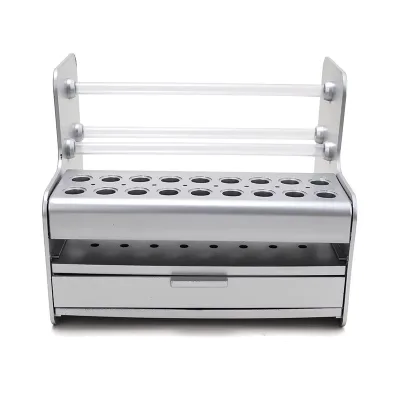
$3.06 - $5.09
MOQ: 1 pieces
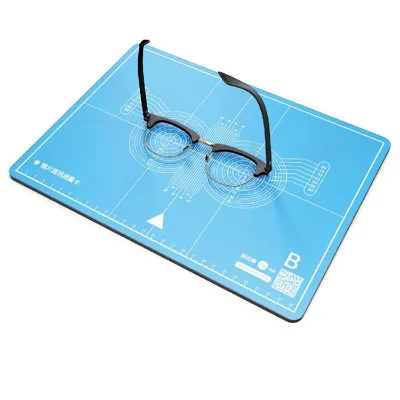
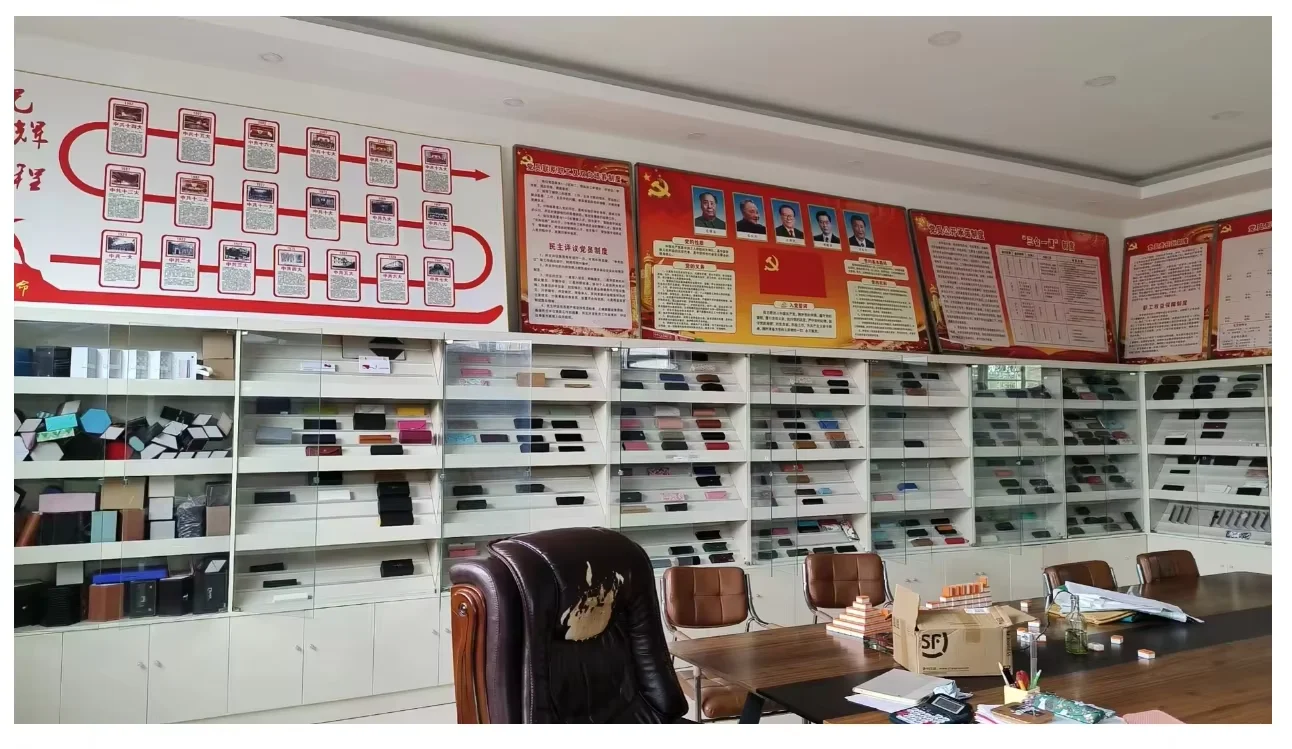
Yiwu Hongchuan Trading Firm (individual Business)
- Trading Company
- Zhejiang, China
- Lead time0 days
- Avg. response≤ 2h
Main productsGlasses case,Glasses cloth,Glasses box,Home decoration product,glass ware
Main marketsNorth America(35.00%), Central America(25.00%), South America(20.00%), Northern Europe(15.00%), Eastern Europe(5.00%)
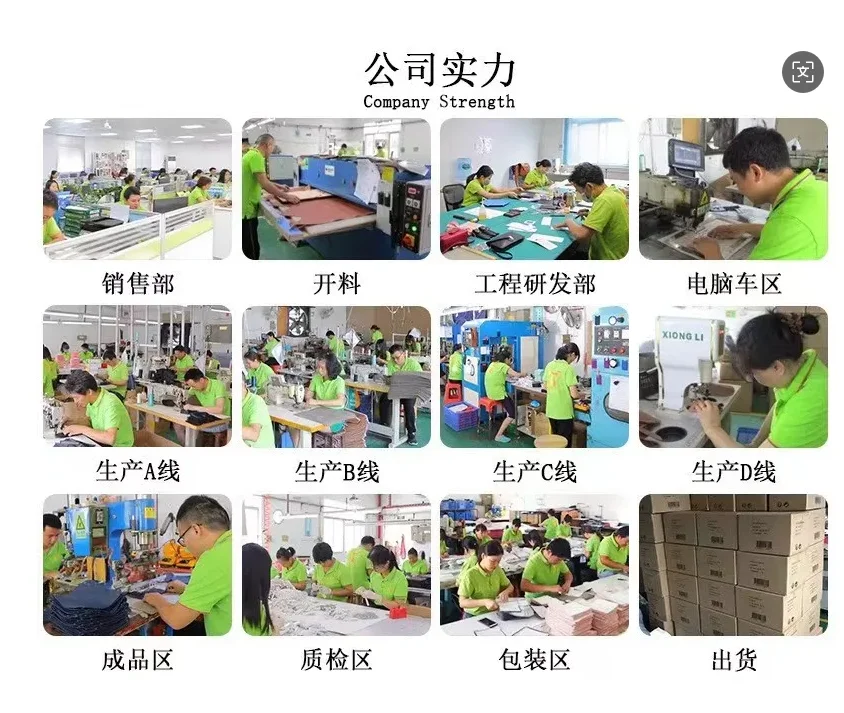
Hebei Zhiyun Import and Export Co., Ltd.
- Trading Company
- Hebei, China
- Lead time20 days
- Avg. response≤ 3h
Main productsGauze Swab,Cotton Swab,glass bottle,plastic bottle,metal boxes
Main marketsSoutheast Asia(40.00%), Africa(20.00%), Mid East(10.00%), South America(10.00%), Northern Europe(10.00%), North America(5.00%)

Danyang Xinjingjie Glasses Co., Ltd.
- Trading Company
- China Jiangsu
- Lead time0 days
Main productsEyeglasses Accessories, Kids Eyeglasses, Sunglasses, Optical Glasses, Sun Lens/ Tinted Lens, Blue Cut Lenses

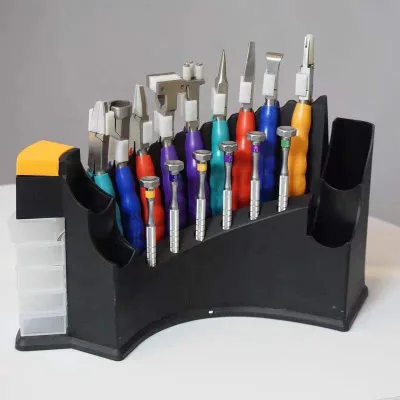
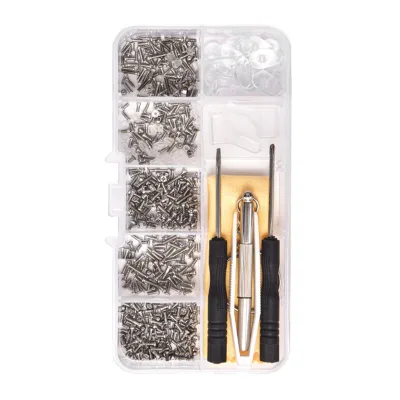
Small Kit Precision for Accessories Stand Mini Eyeglasses Repair Eyeglass Screwdriver Tools
$4.00 - $5.00
MOQ: 10 pair

Wenling Wenqiao Kung Chan Tools Firm
- Trading Company
- Zhejiang, China
- Lead time0 days
- Avg. response≤ 15h
Main productstools,home$garden,sports&outdoor,office
Main marketsNorth America(9.00%), South America(9.00%), Eastern Europe(9.00%), Southeast Asia(9.00%), Africa(9.00%), Mid East(9.00%), Eastern Asia(9.00%), Western Europe(9.00%), Central America(9.00%), Northern Europe(9.00%), Southern Europe(9.00%)

Hunan Lang Le Technology Co., Ltd.
- Manufacturer/Factory
- China Hunan
- Lead time23 days
Main productsAluminum Extrusion, T Slot, V Slot, SIM Racing, Aluminium Profile, Workbench, Belt Conyeor, Dog Bed, Angle Bracket, Extrusion Profile
Main marketsSouth America,Eastern Europe,Mid East,North America,Southeast Asia,Eastern Asia,Oceania,Western Europe,Africa

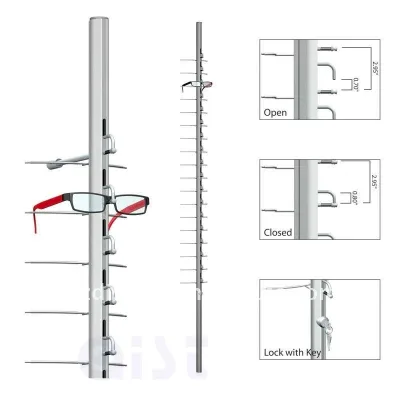
Wall Mounted Sunglass Display Rods Eyeglass Frame Display Rods Eyewear Display Stands with Locks
$12.00 - $18.00
MOQ: 10 Pieces

Wall Mounted Aluminum Alloy Panel Locking Rods 14 Pairs Aluminum Eyeglasses Display Rods Rack
$12.00 - $18.00
MOQ: 10 Pieces

Wall Mounted Aluminum Locking Rods 14 Frames Aluminum Eyeglasses Display Rods Rack
$12.00 - $16.00
MOQ: 10 Pieces


Taixing S&H International Trade Co., Ltd.
- Verified by BV
- Trading Company
- China Jiangsu
- Lead time15 days
Main productsGlasses Cases, Glasses Suitcase, Glasses Chains, Glasses Cleaning Cloth, Glasses Screwdriver, Glasses Spray, Glasses Accessories
Main marketsDomestic,Europe

Yiwu Baokai Import And Export Co., Ltd.
- Trading Company
- Zhejiang, China
- Lead time5 days
- Avg. response≤ 1h
Main productsglass,Sunglasses,glass box,glass tissue,Eyewear
Main marketsNorth America(20.00%), Eastern Europe(18.00%), Africa(14.00%), Western Europe(10.00%), Southeast Asia(5.00%), Southern Europe(5.00%), Mid East(5.00%), Northern Europe(5.00%), South America(5.00%), South Asia(4.00%), Central America(4.00%), Eastern Asia(3.00%), Domestic Market(1.00%), Oceania(1.00%)
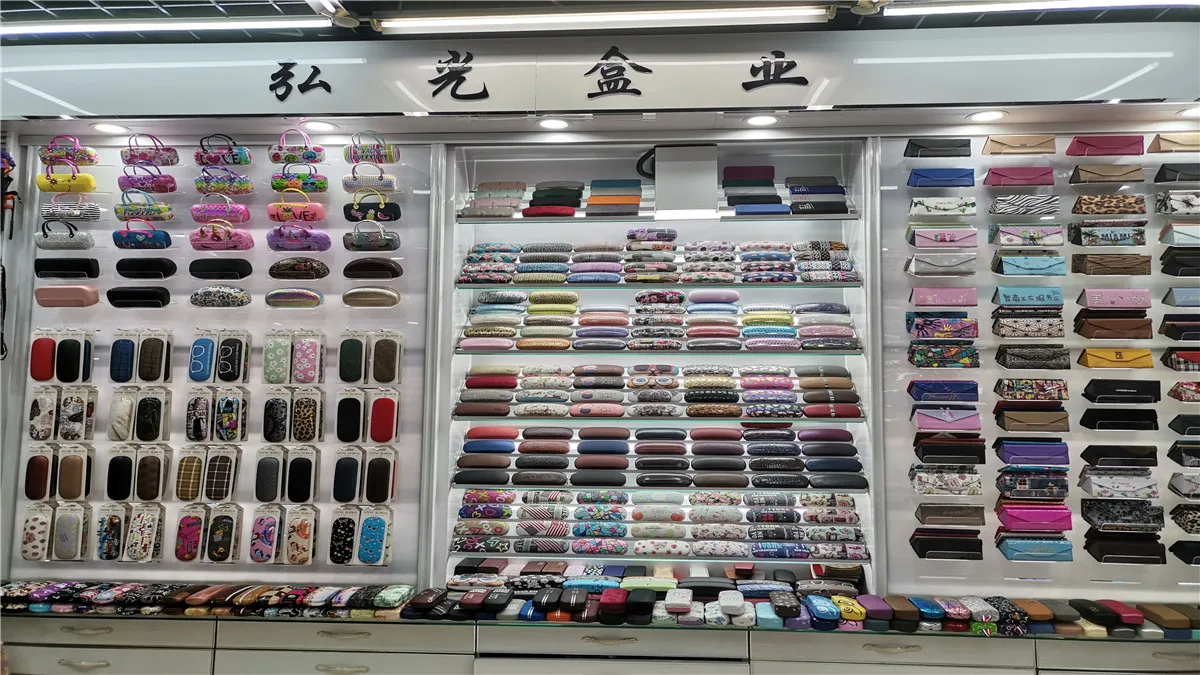
Yiwu City Hongguang Eyewear Box Firm
- Trading Company
- Zhejiang, China
- Lead time15 days
- Avg. response≤ 3h
Main productsGlasses Case, Glasses Cloth, Glasses Bag, Glasses Rope, Glasses Accessories
Main marketsDomestic Market(50.00%), South America(30.00%), North America(10.00%), Western Europe(10.00%)
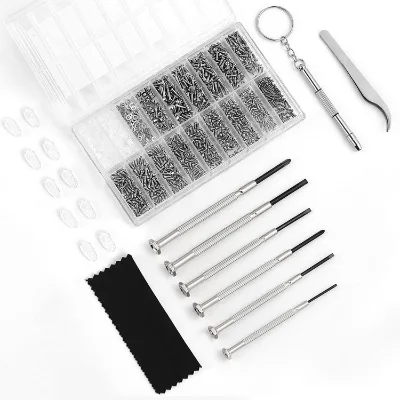
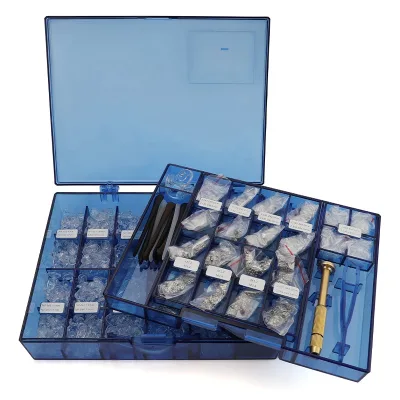
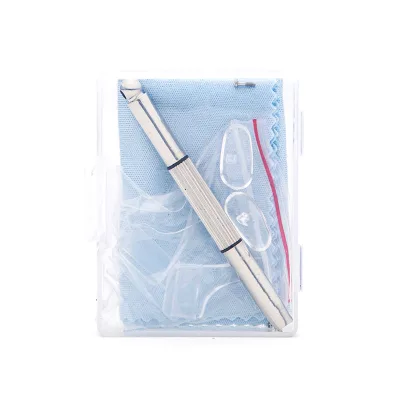
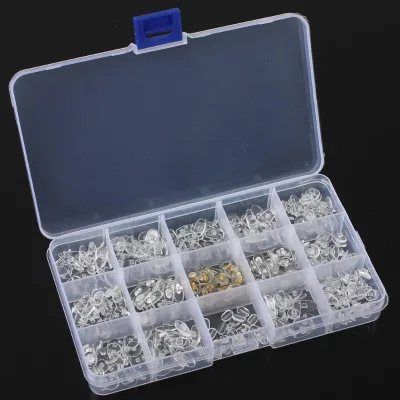
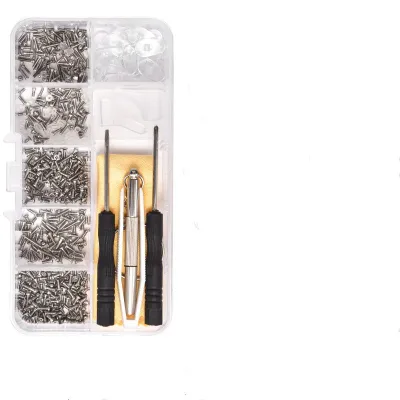
Border Supply Glasses Repair Kit with Metal Material Including Glasses Screws and Nose Pads
$2.30 - $3.20
MOQ: 10 pieces
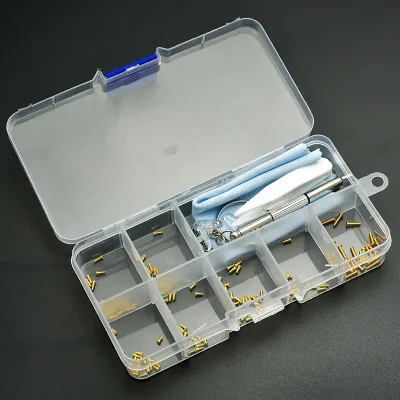
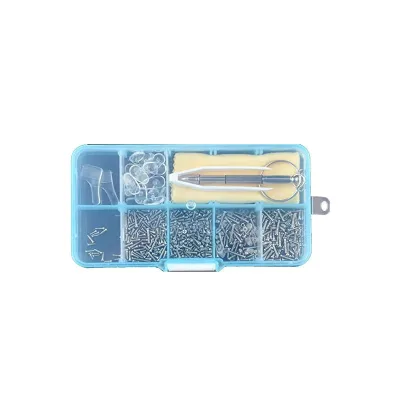

Danyang Huasu Optical Co., Ltd.
- Trading Company
- Jiangsu, China
- Lead time10 days
- Avg. response≤ 3h
Main productsoptical machines,ophthalmic machines,eyeglasses machines,optometry equipments,optical glasses
Main marketsNorth America(18.00%), Southeast Asia(15.00%), South America(15.00%), Mid East(10.00%), Oceania(10.00%), Northern Europe(10.00%), Eastern Europe(10.00%), Western Europe(5.00%), Domestic Market(3.00%), Africa(2.00%), Southern Europe(1.00%), South Asia(1.00%)
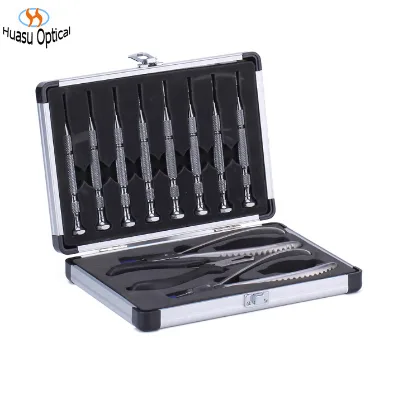
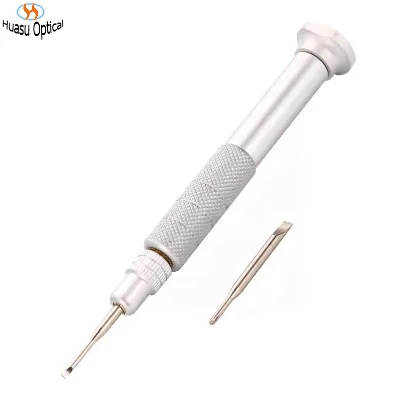
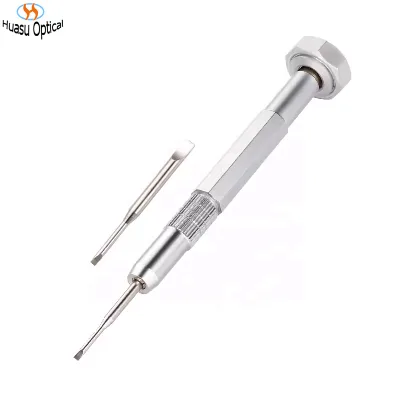
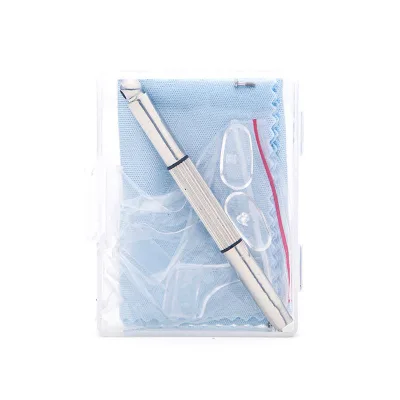
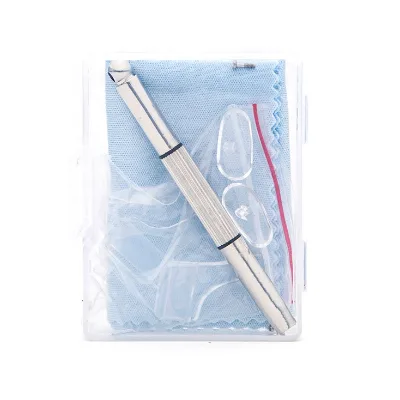
Optical Glasses Repair Tool Spare Parts Eyeglasses Screwdriver Good Quality Eyewear Accessory
$5.10 - $10.20
MOQ: 1 pieces

Takfly Communications Co., Ltd.
- Trading Company,Manufacturer/Factory
- China Guangdong
- Lead time15 days
Main productsFiber Optic Patchcord, Optical Adapter, Optic Attenuator, CWDM/DWDM, Media Converter, Optical Fiber Cable, Poe Switch, PLC Splitter, MPO/MTP, Fiber Optic Distribution Box
Main marketsSouth America,Eastern Europe,Mid East,North America,Southeast Asia,Eastern Asia,Oceania,Western Europe,Africa

Shenzhen Goongo Technology Co., Ltd.
- Verified by BV
- Trading Company,Manufacturer/Factory
- China Guangdong
- Lead time30 days
Main productsLED Headlight Bulb, Car LED Light, LED Light Bar, Jeep Headlight Light, Offroad Light Bar, LED Bulb, Signal Bulb, LED Headlight, Jeep Headlight, Work Light
Main marketsSouth America,Eastern Europe,Mid East,North America,Southeast Asia,Eastern Asia,Oceania,Western Europe,Africa

- Manufacturer, Trading Company
- Jiangsu, China
- Lead time40 days
- Avg. response≤ 4h
Main productsGlasses case,Hydraulic components,Lens cloth,Hydraulic Motor,Glasses accessories
Main marketsWestern Europe(50.00%), South America(15.00%), North America(10.00%), Oceania(5.00%), Northern Europe(4.00%), Eastern Asia(3.00%), Africa(2.00%), Domestic Market(2.00%), Eastern Europe(2.00%), Southeast Asia(2.00%), Southern Europe(2.00%), Central America(1.00%), South Asia(1.00%), Mid East(1.00%)

Shanghai Gogo Vision Co., Ltd.
- Trading Company
- Shanghai, China
- Lead time7 days
- Avg. response≤ 2h
Main productsAuto refrectometer,Auto lensmeter,Phoropter,Ophthalmic unit,Auto lens edger
Main marketsSouth America(20.00%), Central America(20.00%), North America(15.00%), Mid East(10.00%), South Asia(8.00%), Eastern Asia(5.00%), Southeast Asia(5.00%), Eastern Europe(5.00%), Africa(5.00%), Northern Europe(3.00%), Southern Europe(3.00%), Domestic Market(1.00%)
Visualtech (Shanghai) Corporation
- Verified by Intertek
- Manufacturer, Trading Company
- Lead time0 days
- Avg. response≤ 2h
Main productsAuto Refractometer, Slit Lamp, Auto Lensmeter, Lens Edging Machine, Auto Refractometer Base Accessories
Main marketsNorth America(20%), South America(20%), Western Europe(20%)

Ningbo Meilan Communication Equipment Co., Ltd.
- Verified by TUVRHEINLAND
- Trading Company,Manufacturer/Factory
- China Zhejiang
- Lead time15 days
Main productsFTTH Terminal Box, Finer Optic Cable, Fiber Optic Closure, FTTH Accessories, Fiber Optic Patch Cord, Patch Panel, Copper Connection Module, Distribution Box, ONU, Telecom Tools
Main marketsSouth America,Eastern Europe,Mid East,North America,Southeast Asia,Eastern Asia,Oceania,Western Europe,Africa
Guangzhou Xinrong Technology Co., Ltd.
- Manufacturer
- Guandong, China
- Lead time0 days
- Avg. response≤ 6h
Main productsscrews,rivet nuts,wire connector,crimp terminals,bolts
Main marketsNorth America(20.00%), Eastern Europe(15.00%), Western Europe(15.00%), South America(10.00%), Northern Europe(10.00%), Mid East(10.00%), Southeast Asia(10.00%), Southern Europe(5.00%), Eastern Asia(5.00%)

Nanjing Tianxingtong Electronic Technology Co., Ltd.
- Verified by BV
- Combined
- China Jiangsu
- Lead time23 days
Main productsFusion Splicer, Fiber Cleaver, OTDR, Fiber Splicing Machine, Vfl, Optic Fiber Laser Source, Optical Power Meter, Pon Network Tester, Fiber Optic Construction Tools, Network Tools
Main marketsSouth America,Africa,Southeast Asia/ Mideast,East Asia(Japan/ South Korea),Domestic,Europe,Australia,North America










Comprehensive Sourcing Guide
Wall Mounted Eyeglass Repair Kit Supplier Concentration and Factory Types
The current supplier landscape for wall mounted eyeglass repair kits shows a distinct concentration of manufacturing activity in Jiangsu, China, where specific product listings explicitly state this place of origin. Several observed product attributes confirm that items such as multifunctional repair kits and optical pliers sets originate from this region, suggesting a localized cluster for eyewear accessories and tools. While some listings indicate Guangdong as a production site for specific optical instruments, the primary evidence for repair kit components points toward Jiangsu. Buyers should prioritize verifying the specific factory location for each order, as the supply chain may involve different facilities within the same province or distinct regions entirely.
Company types in this sector vary between trading companies and manufacturers, with trading entities appearing frequently in the search results for accessories like lens sprays and repair kits. These trading companies often aggregate products from various factories, offering a broader range of items such as microfiber cloths and screwdriver sets under a single catalog. However, for specialized equipment like auto refractometers or slit lamps, the presence of manufacturers with specific R&D capabilities for sample processing and customized graphics becomes more relevant. Buyers must distinguish between a trading company that sources general accessories and a factory capable of producing complex optical tools, as this distinction impacts quality control and customization potential.
How to Verify Wall Mounted Eyeglass Repair Kit Suppliers
Verification of suppliers requires a rigorous check of their certification status and business credentials, as not all vendors provide the same level of assurance. Some suppliers in the current results display TüVRheinland verification, indicating a third-party audit of their business operations, while others may only hold CE certification for their specific products. Buyers should request proof of these certifications directly, ensuring that the CE mark applies to the specific wall mounted repair kits or optical tools being ordered rather than just general company compliance. The absence of a verified badge or specific certification should prompt a request for documentation before proceeding with any transaction.
Response time and lead time are critical metrics for assessing supplier reliability and operational efficiency. Current data indicates response times ranging from 5 to 13 hours, with lead times varying between 7 and 15 days depending on the product complexity. A supplier with a 5-hour response time and a 7-day lead time may be better suited for urgent orders or custom requests, whereas a 13-hour response and 15-day lead time might indicate a more standardized production cycle. Buyers should confirm these timelines in writing, as they can fluctuate based on order volume and raw material availability, and use them to gauge the supplier's capacity to meet specific project deadlines.
What to Compare Across Wall Mounted Eyeglass Repair Kit Suppliers
When comparing suppliers, the minimum order quantity (MOQ) and pricing structure are primary differentiators that affect procurement strategy. Product listings show MOQs as low as 1 piece for certain optical frame screw kits, while other specialized repair tools may require a minimum of 20 pieces. Prices for these items vary significantly, with some repair kits listed between $1.80 and $2.00, while more comprehensive tool sets or optical instruments can range from $45 to $95. Buyers must calculate the total cost of ownership, including shipping and potential bulk discounts, to determine the most economical option for their specific volume requirements.
Product specifications and material composition also require careful comparison to ensure the tools meet professional standards. Some repair kits are constructed from metal or stainless steel, offering durability for frequent use, while others may utilize plastic components for lighter weight. Attributes such as single package size and gross weight influence shipping costs and storage logistics, with some kits measuring as small as 2.1cm by 6.5cm and others reaching 40cm by 30cm. Buyers should verify the exact dimensions and material grades against their operational needs, ensuring that the selected tools are robust enough for professional optical workshops or suitable for retail display purposes.
Common Wall Mounted Eyeglass Repair Kit Sourcing Risks
One significant risk involves the inconsistency of product attributes across different listings, which can lead to confusion regarding the actual contents of a repair kit. For instance, some products are described as multifunctional kits with specific dimensions, while others are labeled simply as screwdriver sets or pliers, potentially lacking the comprehensive tools expected. Buyers must carefully cross-reference product keywords and detailed attributes to ensure the kit includes all necessary components, such as nose pads, screws, and specific drivers, before finalizing an order. Misalignment between the product description and the actual delivered item can disrupt workflow in optical repair centers.
Another risk pertains to the variability in warranty and after-sales support, which is not uniformly offered across all suppliers. While some optical instruments come with an 18-month warranty, many basic repair kits and accessories do not explicitly state a warranty period in their product attributes. This lack of standardized support can leave buyers vulnerable to defects or premature wear, especially when dealing with high-frequency use tools. Buyers should explicitly inquire about warranty terms and return policies for any repair kit, ensuring that there is a clear mechanism for addressing quality issues that may arise after the initial purchase.
Wall Mounted Eyeglass Repair Kit Regional Sourcing and Logistics
Logistics planning must account for the specific geographic origins of the products, as most observed repair kits and optical tools originate from Jiangsu, China, with some from Guangdong. The shipping distance and customs procedures will differ based on whether the supplier is located in the eastern coastal region of Jiangsu or the southern province of Guangdong. Buyers should request detailed shipping terms, including Incoterms, to understand who is responsible for freight costs and insurance during transit. Understanding the regional logistics network helps in estimating delivery times and potential delays caused by port congestion or seasonal shipping fluctuations.
Packaging dimensions and weight are critical factors for calculating shipping costs and storage requirements in the buyer's facility. Product data shows a wide range of package sizes, from compact kits measuring 12.6cm by 6.5cm to larger sets reaching 40cm by 30cm, with weights varying from 0.050 kg to 2.0 kg. These variations directly impact the number of units that can be shipped per container and the associated freight charges. Buyers should consolidate orders to maximize container utilization, selecting suppliers whose packaging dimensions align with their storage capabilities and shipping budget constraints to optimize overall logistics efficiency.
Wall Mounted Eyeglass Repair Kit Commercial Terms and Order Planning
Commercial terms regarding customization and branding are essential for buyers seeking to align products with their specific business identity. Some suppliers offer OEM, ODM, and OBM support, allowing for the application of customer logos and customized designs on repair kits and optical tools. This capability is particularly valuable for optical retailers or service centers looking to brand their equipment. Buyers should confirm the feasibility of these customization options, including any minimum order quantities required for branded production, and verify the lead time implications of adding custom branding to the standard manufacturing process.
Order planning must also consider the selling units and payment structures to ensure smooth transaction execution. While some products are sold as single items, others may require purchasing in multiples, such as sets of 10 items for display racks. Buyers need to clarify these selling units to avoid over-ordering or under-ordering inventory. Additionally, the use of escrow services should be verified to protect funds until the goods are received and inspected. Establishing clear payment terms and delivery schedules based on the supplier's confirmed lead times and response capabilities will mitigate financial risks and ensure timely receipt of essential optical repair equipment.
FAQs
Where are the eyeglass repair kits manufactured?
Most observed repair kits originate from Jiangsu, China. Some optical tools are sourced from Guangdong, China. Buyers should verify the specific place of origin for each product listing before placing an order to ensure alignment with regional shipping expectations.
What is the minimum order quantity for repair kits?
Minimum order quantities vary by product type. Some multifunctional kits require a minimum of 20 pieces. Other specialized screw assortments allow for single item purchases. Buyers must check the specific MOQ listed on the product page for accurate planning.
How long does it take to receive the repair tools?
Lead times for these optical tools range from 7 to 15 days depending on the supplier. Some suppliers offer faster response times of 5 hours while others take 13 hours. Actual delivery duration depends on the specific vendor selected and their current production schedule.
Are these repair kits certified for safety standards?
Certain optical instruments and repair tools carry CE certification. Verification by TüVRheinland is also available for some suppliers. Buyers should confirm the specific certification status for each item to ensure compliance with local safety regulations before finalizing any purchase.
What materials are used in the eyeglass repair tools?
Repair kits often feature stainless steel or metal components for durability. Some sets include silicone or PVC nose pads. The specific material composition varies by product, so buyers should review the product attributes section to confirm the exact materials used in each kit.
What is the price range for these optical repair kits?
Prices for repair kits range from approximately 1.80 to 95.00 units of currency. Specific items like screwdriver sets may cost between 50 and 75 units. Buyers should compare individual product listings to find the exact pricing for their required quantity and specifications.
Can suppliers customize the repair kit packaging or logo?
Many suppliers offer customized support including OEM, ODM, and OBM services. Customer logos can be applied to specific repair kits. Buyers needing branded packaging should verify the customization options and any associated costs directly with the supplier before placing an order.