Washing Apparel Jacket Suppliers and Manufacturers in China
Explore 21 verified options for Washing Apparel Jacket suppliers and manufacturers located in China. Buyers can compare certifications like BSCI and ISO 9000, response times, lead times, and product specifications such as material and customization. Review the listed details to identify suitable partners for your next order.
Suppliers List

QUANZHOU LONGHUA TRADING CO., LTD.
- Trading Company,Manufacturer/Factory
- China Fujian
- Lead time90 days
- Avg. response≤ 15h
Main productsShoes & Garments, Jacket, Shorts, Pants Joggers, Hoodies, Kid Shoes, Sport Shoes, Casual Shoes
Main marketsSouth America,Eastern Europe,Mid East,North America,Southeast Asia,Eastern Asia,Western Europe
- Verified by TüVRheinland
- Trading Company
- Lead time30 days
Main productsWomen's Clothing, Men's Clothing, Polo Shirt, Sweaters, Hoodies
Main marketsNorth America(30%), Eastern Europe(25%), Western Europe(25%)

Hubei Tianhe Kaisheng International Trading Co., Ltd.
- Trading Company
- China Hubei
- Lead time90 days
- Avg. response≤ 12h
Main productsWorkwear, Uniforms, Protective Clothing, High-Vis Garments, Chef Wear, Hospital Garments, Softshell Jackets, Knit Wear, Working Shirts, Winter Wear
Main marketsEastern Europe,North America,Eastern Asia,Western Europe

Shenzhen Elite Clothing Co., Ltd.
- Verified by TUVRHEINLAND
- Trading Company
- China Guangdong
- Lead time30 days
- Avg. response≤ 16h
Main productsPolo Shirts T Shirts, Hoodies and Sweatshirts, Sportswear, Shorts Pants, Work Wear High Visibility Clothing, Dress Shirts, Tank Tops, Basketball Uniforms, Baseball Uniforms, Jackets
Main marketsAustralia

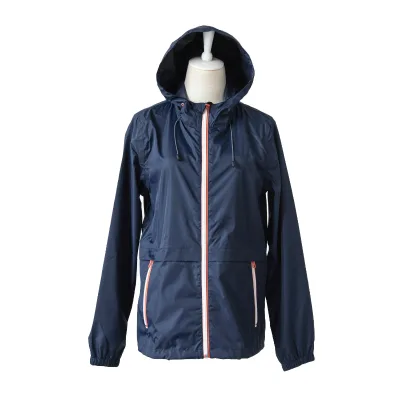
Lightweight Waterproof Raincoats Jacket Windbreaker Apparel Windbreaker Jacket
$6.00 - $11.00
Moq: 100

Ganzhou Sunpon Garment Co., Ltd.
- Verified by TüVRheinland
- Manufacturer, Trading Company
- Lead time60 days
- Avg. response≤ 4h
Main productsJackets, Rain Jacket, Hoodies& Sweatshirts, Workwear, Pet Clothes
Main marketsWestern Europe(65%), Eastern Europe(25%), Southern Europe(5%)

Times Chensheng (Xiamen) Trading Co., Ltd.
- Trading Company,Manufacturer/Factory
- China Fujian
- Lead time45 days
- Avg. response≤ 13h
Main productsJacket, Beach Shorts, Hoodies, Sports Wear, T-Shirt, Kids Wear, Casual Shorts, Swimming Wear, Sweater, Sport Bar
Main marketsSouth America,Eastern Europe,Mid East,North America,Southeast Asia,Eastern Asia,Oceania,Western Europe,Africa

Sun Protection Anti-UV Clothing Sun-Proof Clothing UV Protection Clothing Jacket
$5.20 - $5.80
Moq: 200

- Verified by CTI
- Trading Company
- China Anhui
- Lead time23 days
- Avg. response≤ 1h
Main productsFurniture, Home Furniture
Main marketsSoutheast Asia/ Mideast

- Verified by BV
- Trading Company
- China Guangdong
- Lead time15 days
- Avg. response≤ 14h
Main productsGolf Bag, Windcoat, Helmet, Golf Hat, Shirts, Tent, Basketball Jersey, Golf Umbrella, Football Jersey, Golf Grip
Main marketsAfrica,Southeast Asia/ Mideast,East Asia(Japan/ South Korea),Europe,Australia,North America

Fuzhou Pinchen Garment Co., Ltd.
- Verified by SGS
- Manufacturer
- China Fujian
- Lead time45 days
- Avg. response≤ 11h
Main productsWinter Jacket
Main marketsEurope,North America
Yancheng Chimei Apparel Co., Ltd.
- Verified by CTI
- Trading Company
- China Jiangsu
- Lead time30 days
- Avg. response≤ 4h
Main productsT Shirt, Hoodie, Jacket
Main marketsSouth America,Europe,Australia,North America


Reduced Puffer Jacket - Insulated, Lightweight, Water Repellent, Warm & Windproof Style
$6.99 - $11.99
Moq: 100

Nuolang (Guangdong) Garment Industry Co., Ltd.
- Verified by BV
- Combined
- China Guangdong
- Lead time15 days
- Avg. response≤ 2h
Main productsT-Shirt, Polo Shirt, Shirt, Coverall, Suit, Uniform, Sportswear, Casual Wear
Main marketsSoutheast Asia/ Mideast

Chinapack Ningbo Import & Export Co., Ltd.
- Verified by SGS
- Trading Company,Manufacturer/Factory
- China Zhejiang
- Lead time23 days
- Avg. response≤ 18h
Main productsSnowboard, Water Bottle, Promotional Hats, Glass Bottle, Ski Set, Snowboot, Snowboard Binding, Home Sock, Hood, Scarf
Main marketsSouth America,Eastern Europe,North America,Southeast Asia,Eastern Asia,Oceania,Western Europe
Guangzhou Yinimei Trading Firm
- Trading Company
- China Guangdong
- Lead time30 days
- Avg. response≤ 2h
Main productsApparel & Accessories, Men's Wear, Children's Clothing, Ladies' Clothing, Shoes, Children's Toys, "Bag", Hair
Main marketsSouth America,Eastern Europe,Mid East,North America,Southeast Asia,Eastern Asia,Oceania,Western Europe,Africa
Gaomi Jinpeng Labor Protection Products Co., Ltd.
- Verified by SGS
- Combined
- China Shandong
- Lead time30 days
- Avg. response≤ 19h
Main marketsDomestic
Great Wall Products Mfg., Ltd.
- Verified by BV
- Manufacturer/Factory
- China Fujian
- Lead time90 days
- Avg. response≤ 3h
Main productsSafe Work Glove, Men Jacket, Workwear, Reflective Jacket, Mechanical Gloves, Labor Gloves, Women Jacket, Children Jacket, Ski Wear, Reflective Pants
Main marketsSouth America,Eastern Europe,North America,Western Europe

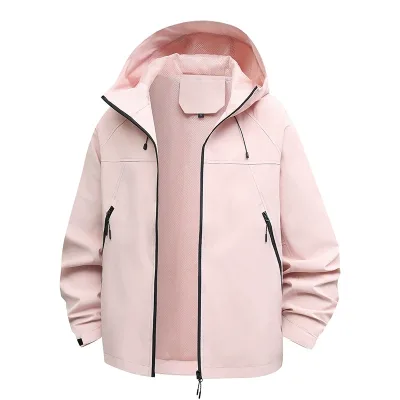
OEM 100% Polyester Winter Windproof Apparel Women Waterproof Windbreaker Jacket with Hood
$14.00 - $17.00
Moq: 1000

Customized Simple Style Ladys Hoody Apparel Windbreaker Waterproof Breathable Jacket
$11.80 - $13.80
Moq: 1000
- Verified by BV
- Trading Company,Manufacturer/Factory
- China Guangdong
- Lead time23 days
- Avg. response≤ 3h
Main productsJeans, Shorts, Skirts, Jacket, T-Shirt, Sweater, Dressess, Shirt, Pajamas, Knitted Trousers
Main marketsSouth America,Eastern Europe,Mid East,North America,Southeast Asia,Eastern Asia,Oceania,Western Europe,Africa

Fuzhou Changtai Textile Co., Ltd.
- Manufacturer
- China Fujian
- Lead time60 days
- Avg. response≤ 15h
Main productsJacket, Softshell Jacket, Padding Jacket, Wind Jacket, Safety Jacket, Reflective Jacket, Down Jacket, Rain Wear, Sports Wear, Outdoor Wear
Main marketsEurope,Australia
Wuhan TACEAG Garment Co., Ltd.
- Verified by SGS
- Trading Company,Manufacturer/Factory
- China Hubei
- Lead time23 days
- Avg. response≤ 9h
Main productsUniform, Jacket, Shirt, Pants, Shorts, Boots, Gloves, Hat, Belt, Shoes
Main marketsSouth America,Eastern Europe,Mid East,North America,Southeast Asia,Eastern Asia,Oceania,Western Europe,Africa

Fuzhou Voshine Garments Co., Ltd.
- Trading Company
- China Fujian
- Lead time0 days
- Avg. response≤ 2h
Main productsWaterproof Jackets, Ski Jackets, Windbreaker Jacket, Padding Jacket, Workwear, Climbing Pants, Raincoat, Softshell Jacket, Safety Jacket, Outdoor Jacket

Power Ascent (Xiamen) International Ltd.
- Verified by BV
- Trading Company,Manufacturer/Factory
- China Fujian
- Lead time90 days
- Avg. response≤ 25h
Main productsMen's Suit, Business Suit, Shirt, Trousers, Casual Jacket, Ski Wears, Softshell Jacket, Function Garments, Office Uniform, Worker Uniform
Main marketsSouth America,Eastern Europe,Mid East,North America,Oceania,Western Europe
Guangzhou Ouzun Clothing Co., Ltd.
- Verified by CTI
- Combined
- China Guangdong
- Lead time23 days
- Avg. response≤ 3h
Main productsUniforms, Pants, Suits&Blazer, T Shirt, Polo Shirt, Sportswear, Jacket, Hoodies&Sweatshirts
Main marketsDomestic






Comprehensive Sourcing Guide
Washing Apparel Jacket Supplier Concentration and Factory Types
Current data indicates a concentration of suppliers in China Fujian, a region known for textile manufacturing capabilities. This location hosts a mix of trading companies and manufacturers, offering buyers a choice between direct factory engagement and intermediary services. The presence of both entity types suggests a mature supply chain where some suppliers manage their own production lines while others focus on sourcing and logistics. Buyers should verify the specific operational model of each potential partner, as trading companies may offer broader product ranges while manufacturers might provide deeper customization for specific washing processes.
When evaluating the factory types, look for explicit mentions of OEM capabilities and in-house production facilities. Some suppliers list main products including shoes, garments, and various jacket styles, indicating a diversified manufacturing base. Others specialize in specific apparel categories like men's or women's clothing, which can impact their expertise in washing techniques. It is crucial to confirm whether the supplier's primary focus aligns with your specific Washing Apparel Jacket requirements. Do not assume all listed entities possess the same technical capacity; verify their actual production scope through direct inquiry or site audit requests to ensure they can handle the specific fabric treatments and finishing processes required.
How to Verify Washing Apparel Jacket Suppliers
Verification begins with checking for recognized system certifications such as BSCI, ISO 9000, GMP, and QC 080000, which indicate adherence to quality and social compliance standards. Some suppliers may also hold specific material certifications like GRS, which is essential for eco-friendly washing processes. Additionally, third-party verification marks like TüVRheinland provide an extra layer of trust regarding the supplier's business legitimacy and operational stability. Buyers should request current certification documents directly from the supplier to ensure they are valid and not expired, as these credentials are critical for maintaining brand reputation and meeting international compliance requirements.
Response time and sample processing capabilities are also key indicators of supplier reliability. Data shows response times around 14.18 hours, which suggests a moderate level of communication efficiency, though this can vary significantly between individual suppliers. Look for suppliers who explicitly support sample processing, graphic processing, and customized on-demand services, as these capabilities demonstrate flexibility and technical competence. Verify the sample lead time, which ranges from 2 to 3 weeks for standard items, to ensure it aligns with your project timeline. Do not rely solely on advertised response speeds; test the communication channel with a specific inquiry to gauge actual responsiveness and the quality of the information provided before committing to a larger order.
What to Compare Across Washing Apparel Jacket Suppliers
When comparing suppliers, prioritize lead time differences, as some offer a 30-day turnaround while others may require up to 90 days for production. This variance significantly impacts inventory planning and market responsiveness. Alongside lead times, compare Minimum Order Quantities (MOQ), which can range from 1000 to 2000 pieces per color depending on the specific product and customization level. Suppliers with lower MOQs may be more suitable for startups or test orders, whereas those with higher volumes might offer better unit economics for established brands. Ensure you understand the specific MOQ conditions for each item, as they often depend on fabric type and color complexity.
Material composition and customization options are another critical comparison point. Available materials include polyester, cotton, and blends, each requiring different washing treatments and finishing techniques. Some suppliers offer windproof or waterproof features, while others focus on enzyme wash or retro ethnic styles. Verify the customization availability for logos, patterns, and specific garment features like collar types or sleeve styles. Compare the sample lead times, which typically range from 2 to 3 weeks, to determine which supplier can meet your development schedule. Do not assume all suppliers offer the same level of customization; explicitly confirm the scope of changes you can make to the product design and the associated costs before proceeding.
Common Washing Apparel Jacket Sourcing Risks
One significant risk involves the discrepancy between advertised product attributes and actual production capabilities. Suppliers may list features like windproof or waterproof properties, but the actual performance depends on the specific washing and coating processes used. Without rigorous testing or third-party verification, buyers risk receiving products that do not meet the claimed specifications. It is essential to request detailed test reports or conduct independent quality checks on samples to validate claims regarding material durability, color fastness, and functional features before placing bulk orders. Relying solely on product descriptions without physical verification can lead to costly returns and damaged brand reputation.
Another risk is the variability in sample lead times and production consistency. While some suppliers promise 2-week sample turnaround, others may take 2 to 3 weeks, and bulk production times can extend to 90 days. Inconsistent lead times can disrupt supply chain planning and delay market launches. Additionally, the complexity of customization, such as specific logo placements or unique washing effects, can introduce delays if the supplier lacks the necessary equipment or expertise. Buyers should establish clear communication channels and set realistic expectations regarding timelines. Do not assume that sample approval guarantees identical bulk production quality; always request pre-shipment inspections to ensure the final products match the approved samples in terms of finish, fit, and function.
Washing Apparel Jacket Regional Sourcing and Logistics
Regional sourcing strategies should focus on identifying clusters with established textile infrastructure, such as the Fujian region, which currently shows a concentration of relevant suppliers. While specific clusters may vary, buyers should prioritize regions with a high density of manufacturers specializing in apparel and washing treatments. Logistics efficiency is often tied to the supplier's location, with sea freight being a common packing method for bulk orders. Verify the shipping terms and packaging standards, as some suppliers pack by sea while others may offer customized packing solutions. Understanding the logistics capabilities of the supplier helps in estimating total landed costs and delivery timelines accurately.
For buyers considering regions outside of the currently observed clusters, it is vital to investigate local infrastructure and export capabilities. Look for suppliers who can provide clear information on their shipping routes, freight forwarders, and packaging standards. The origin of the product, often listed as China, influences the logistics chain and potential tariffs. Ensure that the supplier has experience with international shipping and can handle documentation requirements for customs clearance. Do not assume that all suppliers in a region have the same logistical efficiency; verify their track record with similar orders and their ability to manage complex shipping scenarios. This due diligence helps mitigate risks associated with delays and additional costs during the transportation phase.
Washing Apparel Jacket Commercial Terms and Order Planning
Commercial terms regarding pricing and payment structures vary widely among suppliers, with unit prices ranging from $6.00 to $20.00 depending on material, complexity, and order volume. Buyers must carefully analyze the price range to understand the cost drivers, such as the use of premium cotton versus standard polyester or the inclusion of specialized washing treatments. Do not assume that lower prices indicate better value; consider the total cost of ownership, including shipping, duties, and potential quality issues. Establish clear payment terms and ensure they align with your cash flow and risk management strategies. Verify if escrow services are available to protect your funds until the goods are delivered and inspected.
Order planning requires a detailed understanding of the supplier's capacity and production schedule. With lead times ranging from 30 to 90 days, buyers must plan their inventory levels well in advance to avoid stockouts. Consider the sample lead time, which typically takes 2 to 3 weeks, as part of the overall timeline. Ensure that the supplier can accommodate your required order quantities within their production capacity, especially if you are placing large or complex orders. Do not assume that all suppliers can handle rush orders or last-minute changes; discuss your specific needs and constraints early in the negotiation process. Clear communication about order planning and capacity ensures a smoother transaction and reduces the risk of delays or production bottlenecks.
FAQs
What is the typical lead time for washing apparel jackets?
The typical lead time for washing apparel jackets is 90 days based on current supplier data. Some suppliers offer faster options with a 30-day lead time for specific orders. Buyers should confirm exact timelines with the manufacturer before placing bulk orders to ensure production schedules align with delivery needs.
What are the minimum order quantities for these jackets?
Minimum order quantities for washing apparel jackets generally start at 1000 pieces per color. Some listings require a higher threshold of 2000 pieces or 1500 pieces depending on the specific model and customization level. Buyers must verify the exact MOQ for their selected style before confirming the purchase agreement with the supplier.
Which certifications do the jacket manufacturers hold?
Manufacturers of washing apparel jackets hold various certifications including BSCI, ISO 9000, GMP, and QC 080000. One verified supplier also possesses GRS certification and TüVRheinland verification. These credentials indicate adherence to quality and safety standards, though buyers should request specific certificates for their required compliance needs.
Where are the suppliers of these jackets located?
Suppliers of washing apparel jackets are primarily located in Fujian, China, with some operations in Zhejiang, China. The products originate from these regions and are shipped via sea freight. Buyers should verify the specific factory location to assess logistics costs and potential shipping times for their international orders.
What materials are used for washing apparel jackets?
Washing apparel jackets are commonly made from polyester, cotton, and PU materials. Specific models feature windproof or waterproof properties using these fabrics. Some jackets utilize enzyme washed cotton for a retro ethnic style. Buyers should check the material composition for each product to ensure it meets their durability and comfort requirements.
How long does it take to receive samples?
Sample delivery times for washing apparel jackets typically range from 2 to 3 weeks. Some suppliers offer a 7-day sample order lead time for specific items. Buyers should confirm the sample timeline with the supplier to plan their product development schedule effectively before committing to large volume production runs.
What is the price range for these jackets?
The price range for washing apparel jackets varies from 6.00 to 20.00 per unit depending on the material and design. Specific models are listed between 9.00 and 15.00 or 6.50 and 8.00. Buyers should request detailed quotations based on their quantity and customization needs to get an accurate final price for their project.