Tilt Angle Measurement MPU6050 Suppliers and Manufacturers
Find 18 verified Tilt Angle Measurement MPU6050 suppliers offering products from China Guangdong, Shandong, and Hebei. Compare response times, lead times, certifications, and prices to source the right partner for your project needs today; review the available evidence before requesting comparable quotations from suitable candidates.
Suppliers List

Guangzhou Minder-Hightech co.,Ltd
- Trading Company
- China Guangdong
- Lead time30 days
- Avg. response≤ 5h
Main productsWire Bonder, Soldering Machine, Bond Tester, Grinder and Polisher, Dicing Saw, Die Bonder, Plasma Surface Treatment Machine, Ultrasonic Metal Welder, Glue Dispenser, Parallel Sealing Welder
Main marketsEurope,North America

Automatic Tilt Contact Angle Measuring Instrument, Contact Angle Meter
$4450.00 - $5450.00
MOQ: 1 Sets

Accurate Contact Angle Measurement-Contact Angle Meter-Contact Angle Measuring Instrument
$4000.00 - $10000.00
MOQ: 1 Pieces

Contact Angle Meter Drop Interfacial Tension Meter Contact Angle Measuring Instrument
$4000.00 - $10000.00
MOQ: 1 Pieces

$4000.00 - $10000.00
MOQ: 1 Pieces

Automatic Optical Contact Angle Measuring Instrument Water Drop Angle Measurement
$4000.00 - $10000.00
MOQ: 1 Pieces

Automatic Measuring Instrument Water Optical Contact Angle Meter Contact Angle Goniometer
$4000.00 - $10000.00
MOQ: 1 Pieces
Jinan Boni Technology Co., Ltd
- Verified by CTI
- Manufacturer/Factory,Group Corporation
- China Shandong
- Lead time15 days
- Avg. response≤ 9h
Main productsLaser Cleaning Machine, Laser Welding Machine, Laser Marking Machine, Laser Particle Size Analyzer, Soil Particle Detector, Soil Moisture Temperature Measuring Instrument, Soil Environmental Nutrient Detector, Water Contact Angle Analyzer, Laser Welder, Laser Cleaner
Main marketsSouth America,Eastern Europe,Mid East,Southeast Asia,Western Europe

Automatic Tilt Contact Angle Measuring Instrument, Contact Angle Meter
$5000.00 - $10000.00
MOQ: 1 Pieces

High Quality Automatic Water Drop Vtilt Measurement Meter Contact Angle Measuring Device
$5000.00 - $10000.00
MOQ: 1 Pieces

Water Drop Angle Measuring Instrument Physical Measuring Instruments Contact Angle Measurement
$5000.00 - $10000.00
MOQ: 1 Pieces

Tilt Contact Angle Measurement-Contact Angle Goniometer-Contact Angle Meter
$5000.00 - $10000.00
MOQ: 1 Pieces

Contact Angle Measurement Equipment, Optical Tensiometers, Contact Angle Goniometers
$5000.00 - $10000.00
MOQ: 1 Pieces

Automatic Water Drop Overall Vtilt Measurement Meter Contact Angle Measuring Device
$5000.00 - $10000.00
MOQ: 1 Pieces
Shijiazhuang Glit Electronic Technology Co., Ltd.
- Verified by Intertek
- Trading Company
- Lead time0 days
- Avg. response≤ 4h
Main productsEDG Nuclear-Free Density Gauge, Custom Software Development, Inclinometer and Displacement Gauge, Deep-Seated Horizontal Displacement Monitoring, Vibrating Wire Sensor
Main marketsEastern Europe(20%), Mid East(20%), South Asia(15%)

TRYTE TECHNOLOGY (H.K.) LIMITED
- Trading Company
- China Hunan
- Lead time0 days
- Avg. response≤ 18h
Main productsLab Equipment, Lab Instrument, Testing Machine, Analyzer Instrument, Coal Testing Instrument, Oil Testing Instrument, Petroleum Testing Instrument, Bomb Calorimeter, Medical Equipment, PCB Board Related Equipment
PW INSTRUMENTS (GUANGDONG) CO., LTD.
- Verified by BV
- Combined
- China Guangdong
- Lead time23 days
- Avg. response≤ 4h
Main productsUniversal Material Testing Machine, Climate Test Chamber, Optical Measurement Machine, Physical Property Testing Machine
Main marketsSouth America,Africa,Southeast Asia/ Mideast,East Asia(Japan/ South Korea),Domestic,Europe,Australia,North America

Dynamic Contact Angle Tester with Tilting and Rolling Angle Measurement
$10000.00 - $30000.00
MOQ: 1 Pieces


Contact Angle Tester Dynamic Contact Angle Measurement Instrument for Surface Analysis
$10000.00 - $30000.00
MOQ: 1 Pieces

High-Accuracy Contact Angle Measuring Instrument for Surface Wettability
$5000.00 - $10000.00
MOQ: 1 Pieces


Qingdao ZITN Technology Co., Ltd.
- Verified by TUVRHEINLAND
- Combined
- China Shandong
- Lead time15 days
- Avg. response≤ 21h
Main productsInertial Measurement Unit, Mwd/Lwd Directional Sensor, Directional Sensor for Logging Tools, Acceleration Sensor/Quartz Accelerometer, High Temperature Flash Memory, Thick Film Integrated Circuit, Linear Voltage Regulator, Dcdc Power Converter, Downhole Electronics, Downhole Telemetry Communication System
Main marketsSoutheast Asia/ Mideast,Europe


Fast Speed Measurement Inclinometer for Cable Logging Downhole Instruments
$2000.00 - $2300.00
MOQ: 10 Pieces


Chongqing Gold Mechanical & Electrical Equipment Co., Ltd.
- Combined
- China Chongqing
- Lead time15 days
- Avg. response≤ 4h
Main productsGeophysical Equipment, Underground Water Detector, Well Logging, Borehole Camera, Drilling Machine, Water Well Camera, Seismograph, Geological Instrument, Geophysical Instrument
Main marketsSouth America,Africa,Southeast Asia/ Mideast,East Asia(Japan/ South Korea),Domestic,Europe,Australia,North America
Shanghai GLOMRO Industrial CO., LTD.
- Verified by BV
- Trading Company
- China Shanghai
- Lead time30 days
- Avg. response≤ 11h
Main productsSpray Dryer Machine, Particle Size Analyzer, Oxygen Bomb Calorimeter, Spot Cooler, Tensile Strength Testing Machine, Explosion Proof Air Conditioner, Tga, DSC, Differential Scanning Calorimeter, Air Leakage Tester
Main marketsSouth America,Africa,Southeast Asia/ Mideast,Domestic,Europe,Australia,North America

Danyang YiCheng Fluid Equipment Co., Ltd.
- Verified by TUVRHEINLAND
- Combined
- China Jiangsu
- Lead time15 days
- Avg. response≤ 7h
Main productsHydraulic Fitting, Tube Fitting, Pipe Fitting, Tube Adapter, Tube Joint, Hose Fitting, Quick Coupling, Flange, Connector, Adapter
Main marketsSouth America

CHANGSHA LANGSHUO TECHNOLOGY CO LTD
- Verified by TUVRHEINLAND
- Trading Company
- China Hunan
- Lead time15 days
- Avg. response≤ 7h
Main productsUniversal Tensile Testing Machine, Plastic Test Machine, Packaging Test Machine, Ink Proofers, Contact Angle Testers, Paint Coating Test Machine, Viscometer Densimeter Gloss Meter, Surface Roughness Meter Vibration Meter, Video Measuring Machine Profile Projector, Hardness Tester
Main marketsSouth America,Africa,Southeast Asia/ Mideast,Europe,Australia,North America

$1000.00 - $3500.00
MOQ: 1 piece

Hunan Gonoava Instrument Co Ltd
- Verified by TUVRHEINLAND
- Trading Company
- China Hunan
- Lead time15 days
- Avg. response≤ 6h
Main productsThermal Gravimetric Analyzer, Differential Scanning Calorimeter, Helium Mass Spectrometer, Xrf Portable Analyzer, Fluorescence Spectrometer, RoHS Environmental Analyzer, Contact Angle Testers, Universal Tensile Compression Testing Machine, Climatic Test Chambers, Plastic Testing Machine
Main marketsSoutheast Asia/ Mideast,East Asia(Japan/ South Korea),North America

$1000.00 - $3000.00
MOQ: 1 Pieces

$1800.00 - $5800.00
MOQ: 1 Pieces

$1580.00 - $6980.00
MOQ: 1 Pieces

$1000.00 - $3000.00
MOQ: 1 Pieces

ISO15989 Automatic Tilt Contact Angle Measuring Instrument Water Drop Contact Angle Tester
$1000.00 - $3000.00
MOQ: 1 Pieces
Nanjing Sky Mems Technology Co., Ltd.
- Verified by BV
- Combined
- China Jiangsu
- Lead time15 days
- Avg. response≤ 2h
Main productsInertial Measurement Unit, Mems Accelerometer, Electronic Compass, Inclinometer, Fiber Optic Gyro, Gnss Ins Integrated Navigation System, Tilt Sensor, Imu
Main marketsSoutheast Asia/ Mideast,Europe

Shenzhen Pride Instrument Inc.
- Verified by SGS
- Trading Company,Manufacturer/Factory
- China Guangdong
- Lead time0 days
- Avg. response≤ 25h
Main productsHardness Testers Rocwell Testers Durometers, Measuring Tools Micrometers Dial Gauges, Force Gauges Torque Gauges Torque Wrenches, Metallographic Equipments Cutting Machines, Non Destructive Testing Coating Thickness Gauges, Optical Instruments Video Measuring Machines, Material Testing Machines Impact Testing Machine, Paint Testing Equipments DIN Cups Grind Gauges, Electronic Instruments Tachometers Refractometer, Hardwares Tools
Main marketsSouth America,Eastern Europe,Mid East,North America,Southeast Asia,Eastern Asia,Oceania,Western Europe,Africa
Orientools Industrial Co., Ltd.
- Verified by TUVRHEINLAND
- Trading Company,Manufacturer/Factory
- China Shanghai
- Lead time45 days
- Avg. response≤ 4h
Main productsFolding Ruler, Carpenter Pencil, Plastic Digital Vernier Caliper, Bubble Level Vial, Square Ruler, Stainless Steel Ruler, Height Gauge, Indicator
Main marketsSouth America,Eastern Europe,North America,Southeast Asia,Eastern Asia,Western Europe
Hangzhou Maixinminwei Technology Co., Ltd.
- Verified by TUVRHEINLAND
- Trading Company
- China Zhejiang
- Lead time15 days
- Avg. response≤ 3h
Main productsFog, Mems Imu, Inclinometer, Quartz Accelerometer, Mems Accelerometer, Mems Gyroscope, Fog Based Imu, Mems Ahrs, Mems Ins, Electronic Compass
Main marketsMid East,Southeast Asia,Western Europe
Dongguan Hongyu Instrument Equipment Co., Ltd.
- Manufacturer
- Guangdong, China
- Lead time7 days
- Avg. response≤ 1h
Main productsTensile testing machine,Simulated environmental testing chamber,Vibration testing bench,Acceleration impact testing machine,Experimental testing equipment
Main marketsNorth America(35.0%), South Asia(15.0%), South America(15.0%), Domestic Market(5.0%), Southeast Asia(5.0%), Northern Europe(5.0%), Central America(5.0%), Eastern Asia(5.0%), Mid East(5.0%), Africa(5.0%)
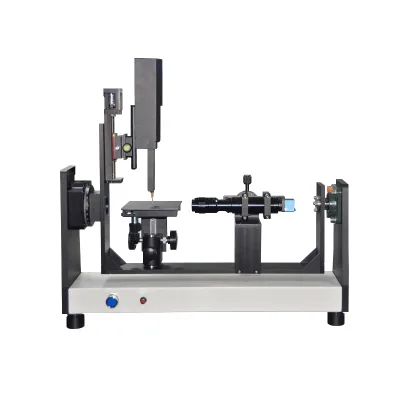
$210.00 - $3652.00
MOQ: 1 Minimum
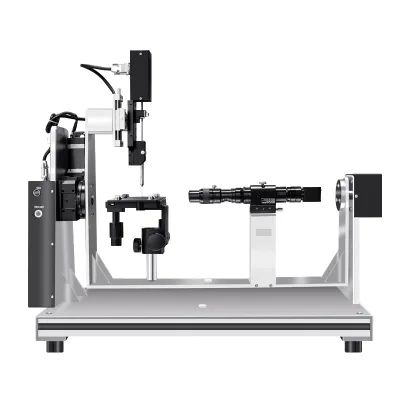
$260.00 - $3240.00
MOQ: 1 Minimum

Dongguan Lonroy Equipment Co., Ltd
- Verified by SGS
- Trading Company
- China Guangdong
- Lead time15 days
- Avg. response≤ 7h
Main productsMfi Tester, Izod Impact Tester, Charpy Impact Tester, Universal Testing Machine, Temperature Humidity Chamber, UV Weather Tester, Tensile Testing Machine, Taber Abrasion Tester, Hardness Tester, Projector
Main marketsAfrica

$1000.00 - $3000.00
MOQ: 1 Pieces

$1000.00 - $3000.00
MOQ: 1 Pieces

- Trading Company
- China Guangdong
- Lead time30 days
- Avg. response≤ 2h
Main productsCaliper, Micrometer, Gauges, Indicator, Indicator Stands, Bore Gauge, Levelling Tools, Height Gauge, V- Block, Magnetic Base
Main marketsSouth America,Southeast Asia/ Mideast,Europe,Australia,North America

Digital Protractor Angle Finder Level Inclinometer Magnetic V-Groove 0~360 Degree
$12.00 - $50.00
MOQ: 50 Pieces

Digital Protractor Angle Finder Level Inclinometer Magnetic V-Groove with Backlight
$12.00 - $50.00
MOQ: 50 Pieces

Angle Finder Level Digital Inclinometer Digital Protractor 0~360 Degree with Backlight
$12.00 - $50.00
MOQ: 50 Pieces
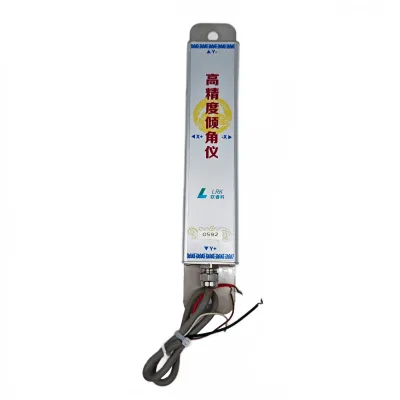
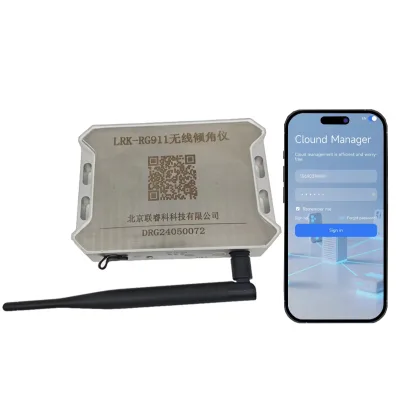


Comprehensive Sourcing Guide
Tilt Angle Measurement MPU6050 Supplier Concentration and Factory Types
The current supplier landscape for tilt angle measurement components reveals a concentration of manufacturing and trading entities primarily located in China, specifically within the Guangdong and Shandong provinces. These regions host a mix of company types, ranging from trading companies that aggregate products to manufacturers and factory groups capable of direct production. Some suppliers in these clusters list main products that include precision instruments like contact angle meters and laser cleaning machines, while others focus on specialized sensors such as high-precision inclinometers and tilt angle detectors. The presence of these diverse product lines suggests that suppliers often operate within broader industrial testing and measurement ecosystems rather than specializing exclusively in MPU6050 modules.
When evaluating the factory types available, buyers must distinguish between trading companies and direct manufacturers, as this distinction impacts supply chain control and customization capabilities. The observed data indicates that some entities operate as manufacturers or group corporations with verified capabilities in OEM and ODM services, while others function strictly as trading intermediaries. This structural difference is critical because manufacturers often possess the internal R&D capacity to customize sensor specifications, whereas trading companies may offer a wider variety of off-the-shelf inventory but less flexibility for engineering changes. Buyers should verify the specific company type listed for each potential partner to ensure alignment with their project requirements for either volume production or specialized component integration.
How to Verify Tilt Angle Measurement MPU6050 Suppliers
Verification of suppliers in this category requires a rigorous examination of their system certifications and third-party audit reports to confirm operational legitimacy. The available data shows that some suppliers hold recognized certifications such as ISO 9001, BSCI, ISO 20000, GMP, and QC 080000, which indicate adherence to quality management and safety standards. Additionally, verification badges from external agencies like CTI and Intertek provide an extra layer of confidence regarding the supplier's business practices and product reliability. However, not all suppliers display these credentials, and the absence of a certification listing does not automatically disqualify a vendor but necessitates a direct request for documentation before proceeding with any transaction.
Beyond certifications, buyers should assess the supplier's response time and verification status as indicators of their operational readiness and communication efficiency. The observed response times vary, with some suppliers demonstrating rapid engagement capabilities while others show longer intervals, which can impact the speed of resolving technical queries regarding MPU6050 specifications. A verified status, such as the CTI or Intertek badges noted in the data, serves as a proxy for a supplier's commitment to transparency and quality assurance. Buyers must actively check for these verification markers and request proof of current status, as relying solely on the initial listing without confirming the validity of the badge can lead to sourcing from entities that may not meet the required compliance standards for industrial applications.
What to Compare Across Tilt Angle Measurement MPU6050 Suppliers
Comparing suppliers requires a detailed analysis of their lead times, minimum order quantities, and pricing structures to determine the best fit for specific procurement needs. The data indicates that lead times can range significantly, with some suppliers offering a 15-day turnaround while others list a 30-day period, and in rare cases, a zero-day lead time which may indicate immediate stock availability. Minimum order quantities also vary, with some suppliers accepting orders as low as a single unit, while others may have higher thresholds that affect the total cost of ownership for small-batch projects. Buyers must weigh these factors against their production schedules and budget constraints to avoid delays or unnecessary inventory costs.
In addition to logistical metrics, the comparison should include the scope of main products and the specific technical attributes offered by each supplier. Some vendors list a broad range of equipment including laser welders and soil detectors, while others focus on precision instruments like contact angle meters and tilt sensors. The technical specifications provided, such as resolution, accuracy, and power requirements, are crucial for ensuring compatibility with the intended application. Buyers should scrutinize product attributes like voltage, communication methods, and accuracy ranges to confirm that the supplier can deliver components that meet the precise engineering requirements of their tilt angle measurement systems.
Common Tilt Angle Measurement MPU6050 Sourcing Risks
One significant risk in sourcing tilt angle measurement components is the potential mismatch between the supplier's primary product focus and the specific needs of the buyer. Many suppliers in the current results list main products that are unrelated to micro-electromechanical systems, such as laser cleaning machines or nuclear-free density gauges, which may indicate that MPU6050 modules are secondary offerings rather than core competencies. This lack of specialization can lead to gaps in technical support, limited availability of spare parts, or inconsistent quality control for the specific sensor components required. Buyers must verify that the supplier has a dedicated track record or specific product evidence for the exact component they intend to purchase.
Another critical risk involves the variability in product specifications and the potential for unverified claims regarding accuracy and performance. While some product listings provide detailed attributes like resolution and accuracy ranges, others may lack sufficient technical data to confirm compliance with industry standards. The absence of specific test results or standardized certification for the MPU6050 module itself can leave buyers vulnerable to receiving components that do not perform as expected in real-world applications. It is essential to request detailed test reports and performance data directly from the supplier to validate that the product meets the necessary precision and reliability standards before finalizing any purchase agreement.
Tilt Angle Measurement MPU6050 Regional Sourcing and Logistics
Regional sourcing strategies should focus on the identified manufacturing clusters in China, particularly Guangdong and Shandong, where a significant concentration of relevant suppliers is located. These regions offer established supply chains and logistics infrastructure that can facilitate the efficient movement of goods, but buyers must be aware that specific locations may vary depending on the supplier's operational base. The data confirms that products originate from these Chinese provinces, which implies that shipping times and customs procedures will be influenced by the distance from these hubs to the buyer's destination. Understanding the geographic distribution of suppliers helps in estimating transit times and potential logistical bottlenecks.
Logistics planning must also account for the specific packaging and handling requirements of sensitive electronic components like tilt angle sensors. Some product listings indicate specialized packaging such as wooden cases or specific protective measures to ensure the integrity of the equipment during transit. Buyers should confirm the packaging standards with the supplier to prevent damage during shipping, especially for high-precision instruments that require careful handling. Additionally, the origin of the product, whether from Hebei or other specific regions within China, can impact the availability of local logistics partners and the overall cost of freight, making it essential to factor these regional nuances into the final procurement strategy.
Tilt Angle Measurement MPU6050 Commercial Terms and Order Planning
Commercial terms and order planning must be carefully aligned with the supplier's stated lead times and minimum order quantities to ensure a smooth procurement process. The observed data shows that lead times can range from immediate availability to thirty days, which directly influences inventory planning and production scheduling. Buyers should negotiate clear delivery timelines and confirm whether the quoted prices include all necessary shipping and insurance costs to avoid unexpected expenses. Understanding the supplier's capacity for customized orders, such as OEM or ODM services, is also vital for projects requiring specific modifications to the standard MPU6050 modules.
Pricing structures and payment terms are equally critical components of the commercial agreement, as they can vary significantly between different suppliers. The data indicates price ranges for related instruments, but specific pricing for MPU6050 modules must be confirmed directly with the vendor to ensure accuracy. Buyers should also inquire about warranty periods, which some suppliers list as one year, and clarify the terms for returns or replacements in case of defective units. Establishing a clear understanding of these commercial terms early in the negotiation process helps mitigate financial risks and ensures that the final order aligns with the buyer's budget and operational expectations.
FAQs
What is the typical lead time for tilt angle measuring instruments?
Lead times vary by supplier, with some offering 15 days and others 30 days. Buyers should verify specific delivery schedules before ordering. Some suppliers may have zero lead time for immediate stock items. Always confirm the timeline with the vendor to ensure it meets project deadlines.
Do suppliers offer customization for tilt angle sensors?
Yes, several manufacturers provide OEM and ODM customization services for tilt sensors. Some suppliers explicitly list customization as available for specific models. Buyers should check product attributes to confirm if non-customized or tailored options are available for their specific application needs.
What certifications do tilt angle instrument suppliers hold?
Certifications vary, with some suppliers holding ISO 9001, BSCI, or Intertek verification. Other suppliers may have no listed system certifications. Buyers must verify specific credentials like GB or ANS standards directly with the vendor to ensure compliance with their industry requirements.
Where are the tilt angle measurement suppliers located?
Suppliers are located in regions such as Guangdong, Shandong, and Hebei in China. Some products originate from Hebei while others come from Guangdong. Buyers should confirm the specific place of origin for each item to assess shipping logistics and potential import duties.
What is the minimum order quantity for these instruments?
The minimum order quantity is often one unit for contact angle and tilt measuring instruments. Some suppliers allow single item purchases without bulk requirements. Buyers should check the specific MOQ listed for each product to ensure it aligns with their procurement volume.
How fast do suppliers typically respond to inquiries?
Response times range from 4 to 8.44 hours depending on the supplier. Some vendors respond within 4 hours while others take up to 8.44 hours. Buyers should expect varying reply speeds and may need to follow up if immediate assistance is required for urgent sourcing needs.
What is the price range for tilt angle measuring devices?
Prices vary significantly, ranging from 155 to 10,000 depending on the model and features. Basic sensors may cost around 155 while advanced instruments can reach 10,000. Buyers should compare specific price ranges for different models to find the best value for their budget.