Waterproof Shockproof Video Tripod Suppliers and Manufacturers
Source 27 verified suppliers for Waterproof Shockproof Video Tripod products. Compare response times, lead times, certifications, and MOQs to find the right partner. Contact suppliers directly to request quotes and samples; review the available evidence before requesting comparable quotations from suitable candidates.
Suppliers List

Rizhao Fenghua Scaffoldings Co., Ltd.
- Verified by BV
- Combined
- China Shandong
- Lead time45 days
- Avg. response≤ 14h
Main productsScaffolding, Scaffold, Forging, Formwork, Scaffold Couplers, Swivel Coupler, Frame System, Hand Tools, Scaffold Plank
Main marketsSouth America,East Asia(Japan/ South Korea),Europe,North America
Fotopro (Guangdong) Image Industrial Co., Ltd.
- Verified by SGS Group
- Manufacturer, Trading Company
- Guangdong, China
- Lead time30 days
- Avg. response≤ 3h
Main productsTripod, Selfie Stick, Light Tripod
Main marketsNorthern Europe(42%), Domestic Market(23%), North America(10%)
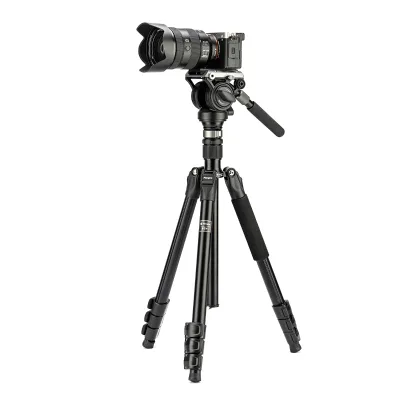
$63.33 - $68.80
MOQ: 100 pieces
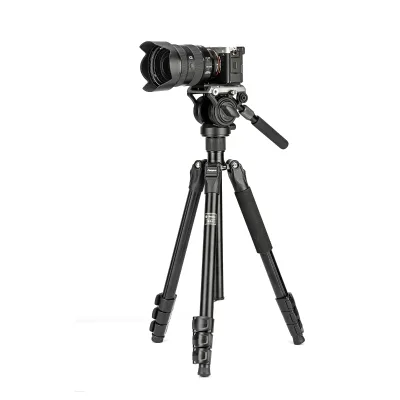
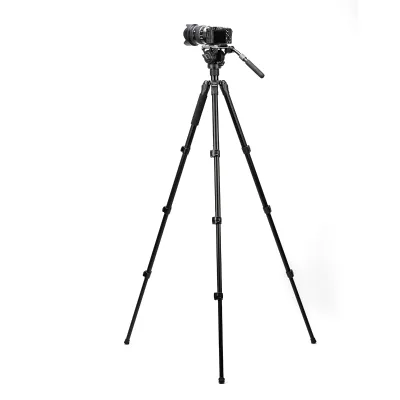
Dongguan Xintan Hardware Products Co., Ltd.
- Manufacturer, Trading Company
- Guangdong, China
- Lead time15 days
- Avg. response≤ 9h
Main productsTripod Stand,Photographic Lighting,LED Ring Light,Grow Tent,Hardware Accessories
Main marketsNorth America(40.00%), South America(15.00%), Western Europe(10.00%), Mid East(10.00%), Africa(10.00%), South Asia(5.00%), Southern Europe(5.00%), Northern Europe(5.00%)
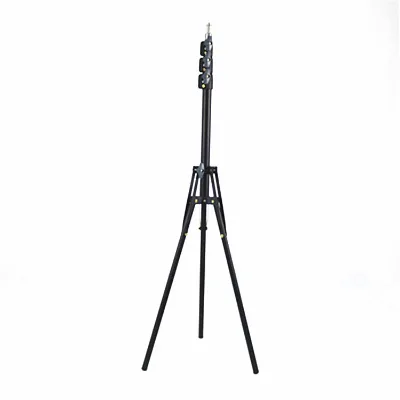
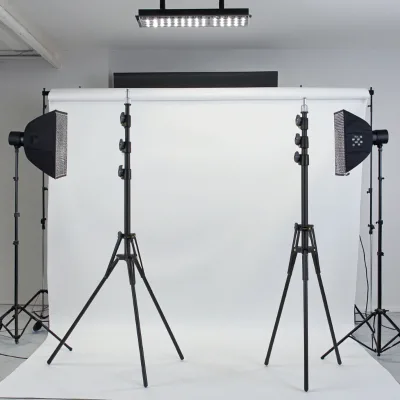
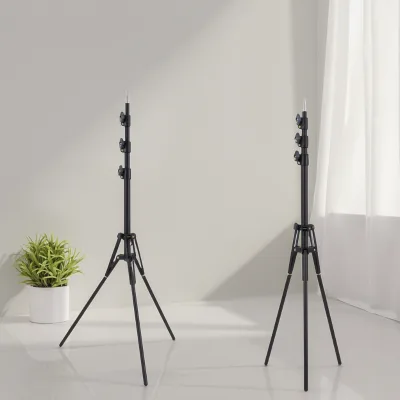
Waterproof Outdoor Tripod with Non Slip Feet for All Weather Video Shooting
$4.32 - $4.70
MOQ: 20 sets

Chongqing Dontop Optics Co., Ltd.
- Trading Company,Manufacturer/Factory
- China Chongqing
- Lead time38 days
- Avg. response≤ 5h
Main productsBinoculars, Rifle Scope, Range Finder, Spotting Scope, Telescope, Lenses, Red DOT, Night Vision, Monoculars, Mount
Main marketsSouth America,Eastern Europe,Mid East,North America,Southeast Asia,Eastern Asia,Oceania,Western Europe,Africa
- Verified by TüVRheinland
- Trading Company
- Lead time15 days
- Avg. response≤ 6h
Main productsPhotographic Flash, Continuous Light, LED Panel Light, Light Stand, Photography Accessories
Main marketsNorth America(15%), South America(15%), Southeast Asia(10%)
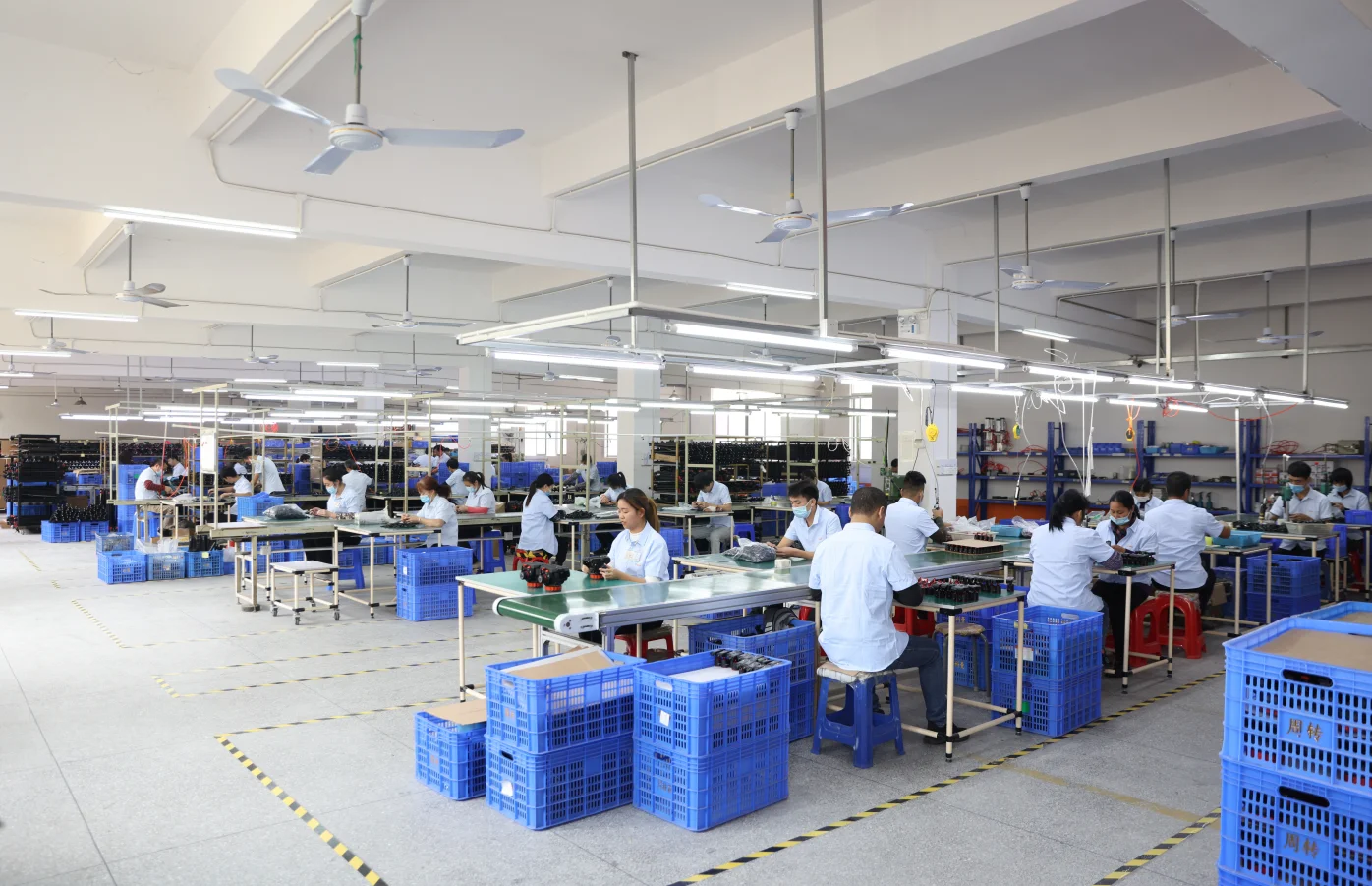
Coman Photo Equipement (zhongshan) Co., Ltd.
- Manufacturer, Trading Company
- Guangdong, China
- Lead time25 days
- Avg. response≤ 5h
Main productsTripod, Monopod, Ball Head, Slider, Dolly
Main marketsNorth America(40.00%), Western Europe(10.00%), Eastern Asia(10.00%), Domestic Market(10.00%), Northern Europe(7.00%), South America(5.00%), Eastern Europe(5.00%), Southeast Asia(5.00%), Southern Europe(3.00%), South Asia(2.00%), Mid East(2.00%), Africa(1.00%)
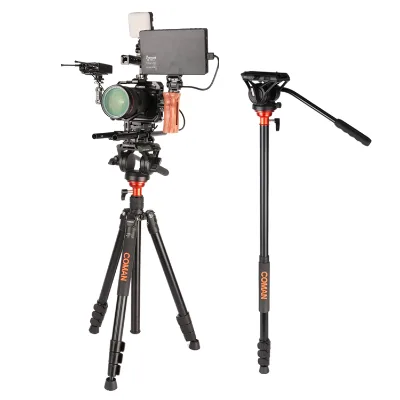
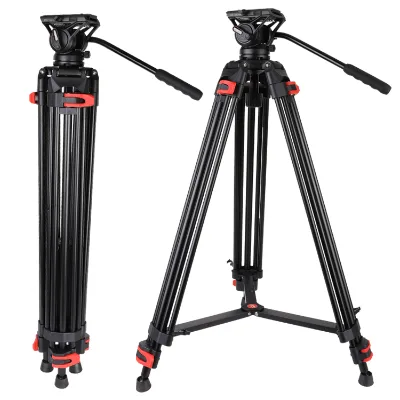
Professional Tripod for Camera Monopod Tripod for Digital Camera Video Tripod for DSLR Video Camera
$59.15 - $61.19
MOQ: 1 pieces
Ningbo E-Reise Photographic Equipment Co., Ltd.
- Manufacturer
- Zhejiang, China
- Lead time0 days
- Avg. response≤ 12h
Main productsPhotographic Equipment,comsumer electronics
Main marketsDomestic Market(30.00%), Western Europe(30.00%), South America(20.00%), Southeast Asia(10.00%), North America(10.00%)
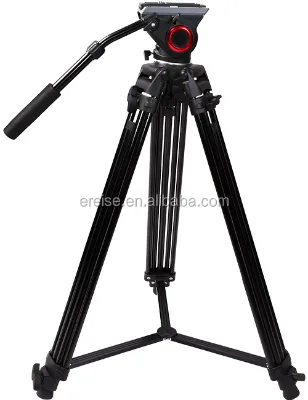
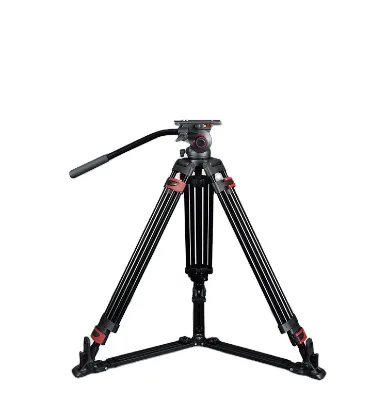
Hot Selling Professional Aluminum Tripod Stand Heavy Duty Tripod for Video DSLR Camera
$63.36 - $68.47
MOQ: 50 pieces
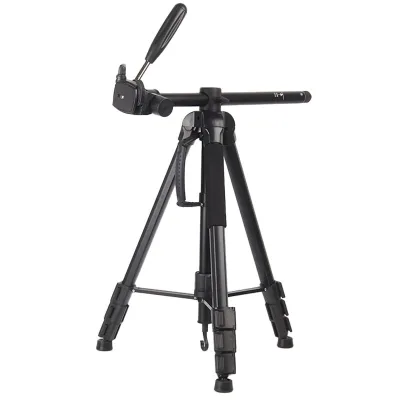
Overhead Shooting Tripod - 360° Rotation for Panoramic Photography & Videography
$20.62 - $25.78
MOQ: 2 Minimum
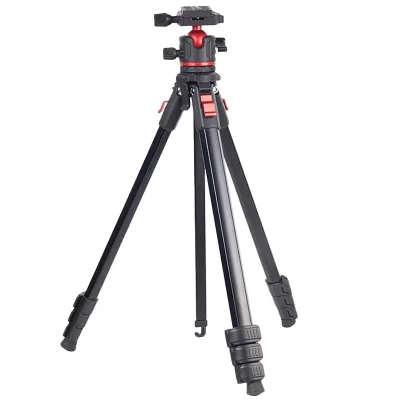
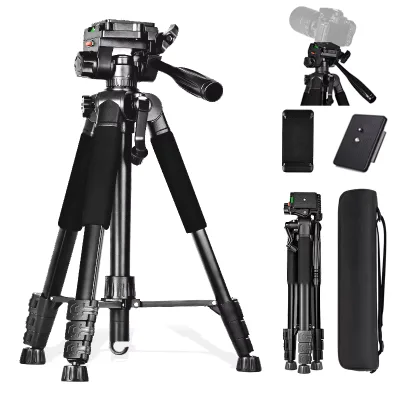
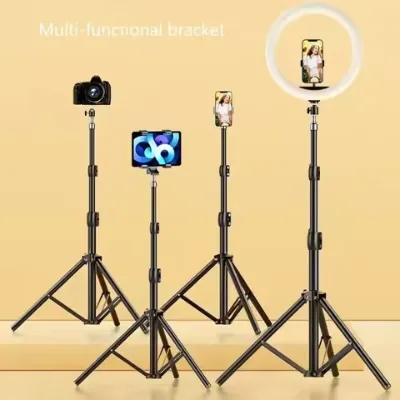
Camera Tripod with Ball Head Panoramic Shooting Function Outdoor Portable Stand & Fill Light Bracket
$30.00 - $40.00
MOQ: 2 Minimum

Shandong China Coal Construction Machinery Co., Ltd.
- Verified by BV
- Combined
- China Shandong
- Lead time30 days
- Avg. response≤ 4h
Main productsMini Excavator, Wheel Excavator, Road Roller, Road Loader, Spider Crane, Lawn Mower, Electric Forklift, Steel Rail, Concrete Pump, Small Excavator
Main marketsSouth America,North America

Safety Tripod High Quality Material Selection Earthquake Rescue Tripod
$230.00 - $350.00
MOQ: 1 Pieces

High-Strength Lightweight Small and Easy to Carry Self-Locking Brake Tripod
$230.00 - $350.00
MOQ: 1 Pieces

Zhongshan Yunteng Photographic Equipment Co., Ltd.
- Verified by SGS
- Combined
- China Guangdong
- Lead time45 days
- Avg. response≤ 3h
Main productsTripod, Stand, Selfi, Stick, Camera Accessory, Phone Accessory, Monopod, Light Stand, Mobile Holder, Panhead
Main marketsEast Asia(Japan/ South Korea),Europe

High-Quality Light Weight Compact 183cm Tripod for Camera Video Camcorder
$10.80 - $13.80
MOQ: 10 Pieces


High-Quality 183cm Tripod with Bright Ring Light for Camera Video Camcorder
$10.80 - $13.80
MOQ: 10 Pieces
Zhongshan Bolai Photographic Equipment Co., Ltd.
- Manufacturer, Trading Company
- Guangdong, China
- Lead time30 days
- Avg. response≤ 2h
Main productsHunting Tripod,Aluminum Tripod,Bipod,Camera Tripod,Arca Plate
Main marketsNorth America(70.00%), Domestic Market(30.00%)
- Manufacturer, Trading Company
- Shandong, China
- Lead time3 days
- Avg. response≤ 4h
Main productsBackdrops,Video Lights,Softboxes,Light Stands,Backdrop Support System
Main marketsCentral America(15.00%), South America(15.00%), North America(15.00%), Western Europe(10.00%), Northern Europe(10.00%), Africa(10.00%), Eastern Europe(10.00%), Southern Europe(5.00%), Eastern Asia(5.00%), Southeast Asia(5.00%)
$39.26 - $49.46
MOQ: 2 pieces
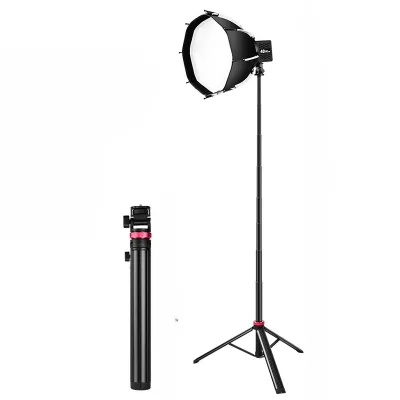
Ningbo Efoto Technology Co., Ltd.
- Manufacturer, Trading Company
- Zhejiang, China
- Lead time30 days
- Avg. response≤ 3h
Main productsStudio Equipment, Photography Accessories, Camera Tripods
Main marketsDomestic Market(49.00%), North America(10.00%), South America(8.00%), Southern Europe(7.00%), Northern Europe(7.00%), Western Europe(6.00%), Central America(5.00%), South Asia(3.00%), Eastern Europe(3.00%), Africa(2.00%)
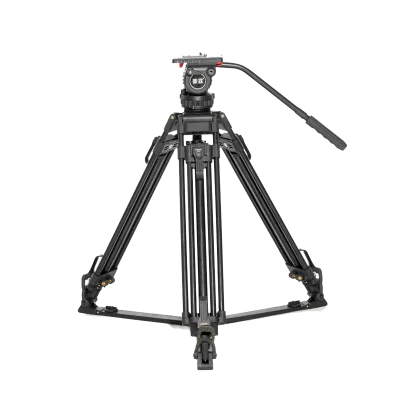
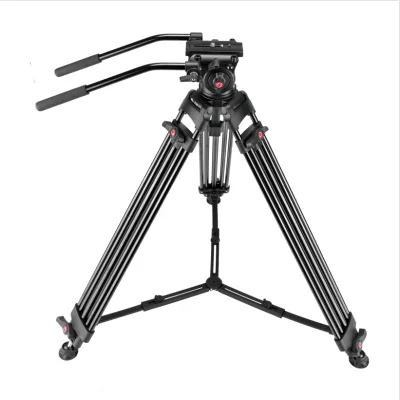
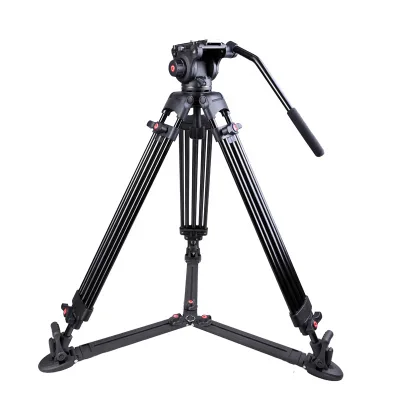
$307.25 - $363.27
MOQ: 2 pieces
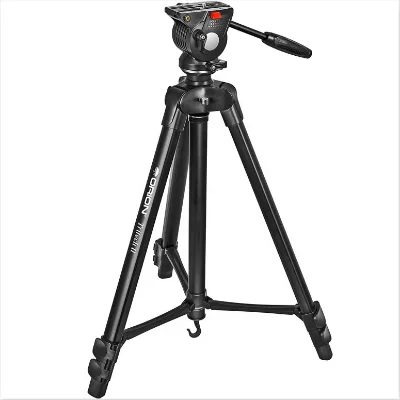
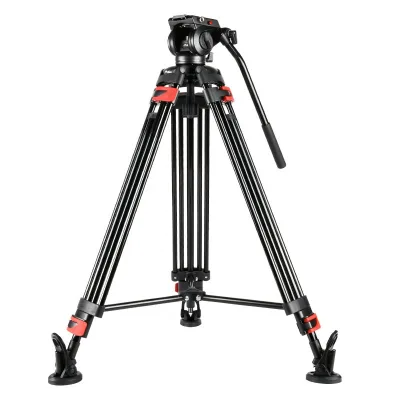
Shenzhen Apexel Technology Co., Ltd.
- Verified by SGS Group
- Manufacturer, Trading Company
- Lead time15 days
- Avg. response≤ 9h
Main productsCamera Lenses, Tripod, Photographic Lighting, Telescope & Binoculars
Main marketsNorth America(25%), Eastern Europe(10%), Eastern Asia(10%)
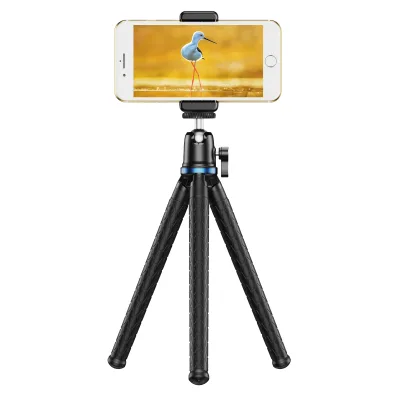
$5.39 - $5.70
MOQ: 10 Minimum
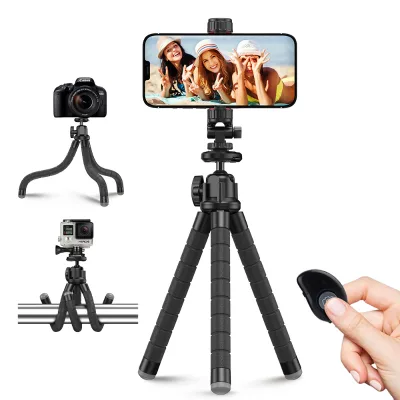
Versatile Octopus Flexible Tripod Stand with Quick Clamp Supports up to 2.5kg Fits Phones 55-94mm
$4.90 - $5.10
MOQ: 100 Minimum
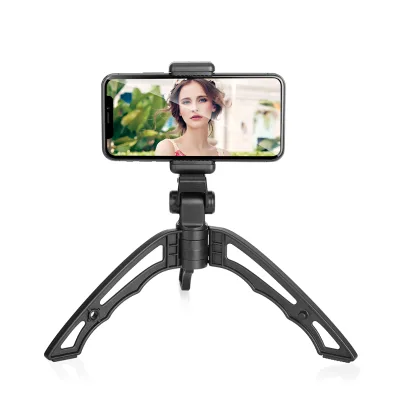

Guangdong Yisitu Tech Optical Instrument Co., Ltd.
- Verified by SGS
- Combined
- China Guangdong
- Lead time23 days
- Avg. response≤ 3h
Main productsTripod, Bipod, Scope Sight
Main marketsDomestic


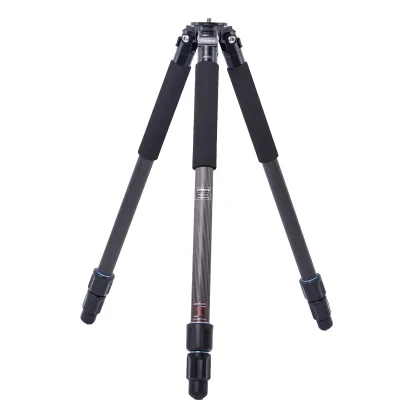
Lightweight Carbon Fiber Tripod for Professional Photography and Videography
$150.00 - $155.00
MOQ: 50


Shanghai Rainbow Industry and Trade Co., Ltd.
- Verified by TUVRHEINLAND
- Trading Company,Manufacturer/Factory
- China Shanghai
- Lead time45 days
- Avg. response≤ 3h
Main productsSpirit Level, Torpedo and Pocket Spirit Level, Box Torpedo Spirit Level, Heavy Duty I-Beam Spirit Level, Cast Torpedo Spirit Level, Heavy Duty Tripod, Self Inking Stamp, Carpenter Pencil, Tamper Proof Void Seal, Label
Main marketsEastern Europe,North America,Africa

Guangzhou Futu Intelligent Technology Co., Ltd
- Verified by SGS
- Combined
- China Guangdong
- Lead time15 days
- Avg. response≤ 6h
Main productsPhotographic Lighting, Camera Bag, Camera Tripod, Nail Lamp, Half Moon Light, Lash Light, Beauty Lamp, Eyelash Lamp, Lashes Lamp, Selfie Ring Light
Main marketsDomestic

High Quality Light Stand Aluminum Alloy Floor Mobile Tripod for Camera Video
$10.00 - $12.00
MOQ: 50 pieces


Guangzhou Miao Figure Digital Technology Co, Ltd
- Verified by TUVRHEINLAND
- Manufacturer/Factory
- China Guangdong
- Lead time68 days
- Avg. response≤ 2h
Main productsPhotography Lights, Photography Background, Photography Props, Camera Stand, Photography Stand, Background Stand, Camera Accessories, Action Camera Accessories, Photography Softbox, Photography Light Stand
Main marketsEastern Europe,Mid East,North America,Western Europe,Africa
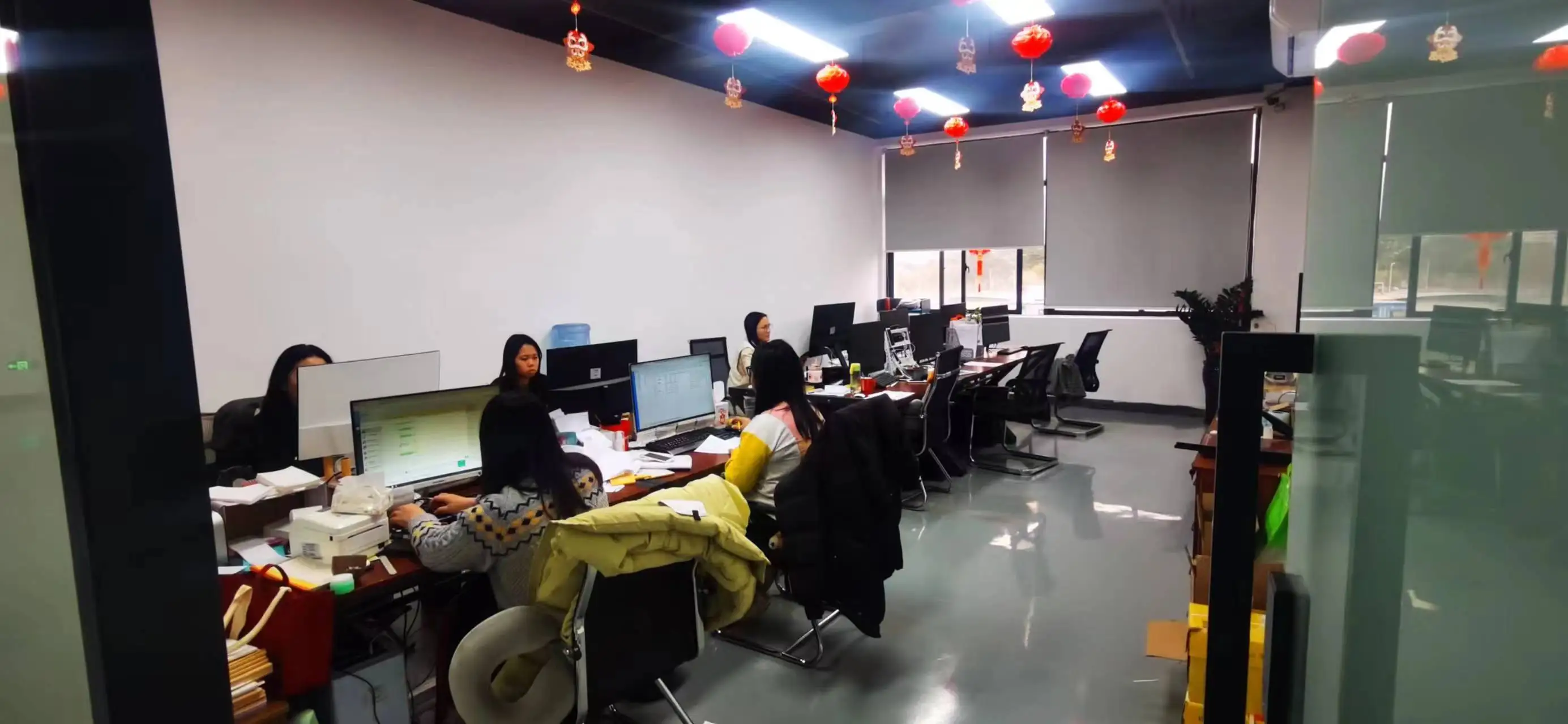
Guangzhou Valve Jing Trading Co., Ltd.
- Manufacturer
- Guangdong, China
- Lead time7 days
- Avg. response≤ 2h
Main productsPhotographic constant light,Photographic background,Photography hardware,Camera frame,Photography accessories
Main marketsDomestic Market(73.40%), North America(12.30%), Southern Europe(3.50%), Western Europe(2.83%), South America(2.83%), Mid East(2.60%), Africa(1.68%), Southeast Asia(0.86%)
ZHONGSHAN GOODTO INDUSTRIAL CO., LTD
- Manufacturer
- Guangdong, China
- Lead time0 days
- Avg. response≤ 2h
Main productsvideo and camera tripod,stablizer,professional head,mobile photography,lightweight tripod
Main marketsDomestic Market(20.00%), Southeast Asia(15.00%), Africa(10.00%), South Asia(10.00%), Mid East(10.00%), North America(5.00%), South America(5.00%), Northern Europe(5.00%), Central America(5.00%), Western Europe(5.00%), Eastern Asia(5.00%), Eastern Europe(5.00%)

Cangzhou Yingsheng Hardware Manufacturing Co., Ltd.
- Verified by SGS
- Combined
- China Hebei
- Lead time15 days
- Avg. response≤ 10h
Main marketsDomestic
Guangzhou Fushitu Digital Technology Co., Ltd.
- Verified by SGS Group
- Manufacturer, Trading Company
- Lead time20 days
- Avg. response≤ 3h
Main productsLED Half Moon Light, Lash Light, LED Star Ring Light, LED Ring Light, Tripod Stand & Camera Bag
Main marketsNorth America(30%), Western Europe(20%), Oceania(15%)
Zhongshan Cambofoto Photographic Equipment Co., Ltd.
- Manufacturer
- Guangdong, China
- Lead time30 days
- Avg. response≤ 3h
Main productsTripod,Monopod,Ball head,Selfie stick,light stand
Main marketsNorth America(30.00%), Eastern Europe(20.00%), Domestic Market(19.00%), Western Europe(10.00%), South Asia(5.00%), Southern Europe(5.00%), Southeast Asia(4.00%), Northern Europe(2.00%), Eastern Asia(2.00%), South America(1.00%), Central America(1.00%), Africa(1.00%)
Guangzhou Fushen Technology Co., Ltd.
- Manufacturer, Trading Company, Distributor/Wholesaler
- Guangdong, China
- Lead time15 days
- Avg. response≤ 1h
Main productsDrones and Accessories,Photographic equipment,Consumer electronics,Intelligent projection,Smart wear
Main marketsEastern Europe(13.00%), North America(12.00%), Northern Europe(12.00%), South America(8.00%), Western Europe(7.00%), Central America(6.00%), South Asia(3.00%)
Guangzhou Meizhi Guang Photographic Equipment Co., Ltd.
- Manufacturer
- Guangdong, China
- Lead time3 days
- Avg. response≤ 3h
Main productsPhotography lighting,live streaming lighting,photography accessories,Photography fill-in light,Selfie stick
Main marketsAfrica(30.00%), North America(10.00%), Southeast Asia(10.00%), Eastern Asia(10.00%), Mid East(10.00%), Domestic Market(5.00%), Southern Europe(5.00%), Northern Europe(5.00%), Western Europe(5.00%), Eastern Europe(5.00%), South America(5.00%)
Tengdafei Digital Technology (Dongguan) Co., Ltd.
- Verified by TüVRheinland
- Manufacturer, Trading Company
- Lead time7 days
- Avg. response≤ 2h
Main productsPhotographic Equipment, Digital Accessories, Precision Hardware, Outdoor Equipment
Main marketsDomestic Market(90%), North America(10%)

Shandong China Coal Industrial & Mining Supplies Group Co., Ltd.
- Verified by BV
- Manufacturer/Factory
- China Shandong
- Lead time98 days
- Avg. response≤ 1h
Main productsMine Car, Mucking Loader, Mining Locomotive, U Steel Support, Mine Support, Wall Cement Plaster Machine, Scraper Conveyor, Crawler Dumper, Concrete Pump
Main marketsSouth America,Eastern Europe,Mid East,North America,Southeast Asia,Eastern Asia,Oceania,Western Europe,Africa
Shaoxing Shangyu Guangyi Photographic Equipment Co., Ltd.
- Verified by Intertek
- Manufacturer, Trading Company
- Lead time45 days
- Avg. response≤ 4h
Main productsLight Stand, Live Stand
Main marketsNorth America(70%), Southeast Asia(30%)


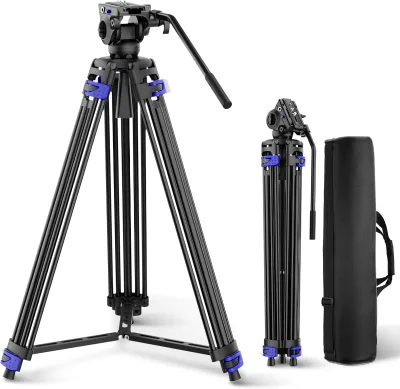
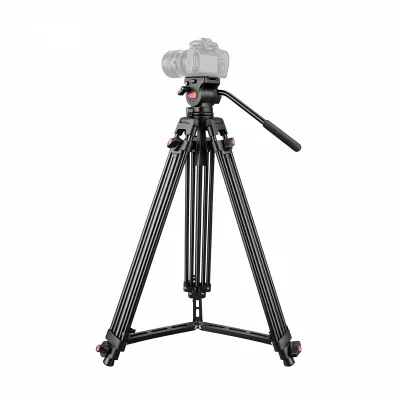


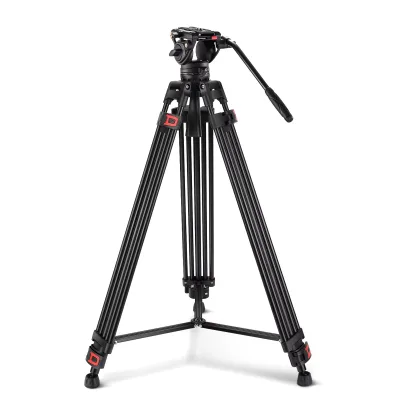
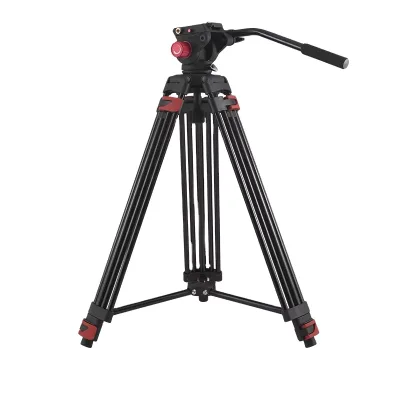


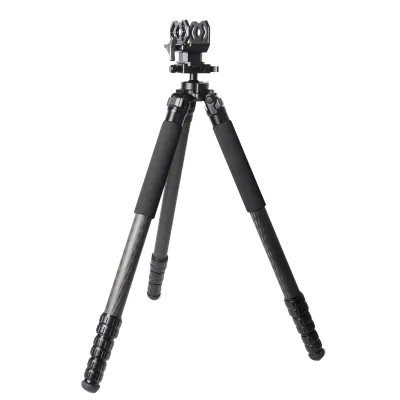
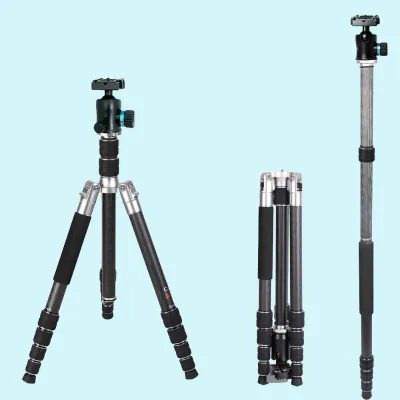
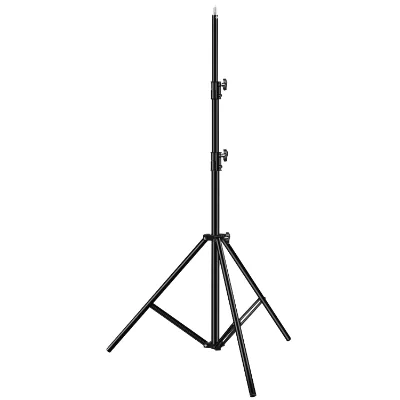
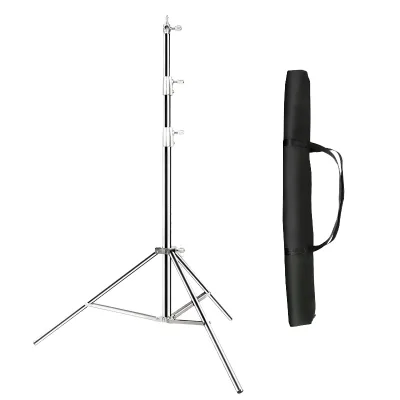


Comprehensive Sourcing Guide
Waterproof Shockproof Video Tripod Supplier Concentration and Factory Types
Current data indicates a concentration of manufacturing activity in specific Chinese provinces, with Shandong and Guangdong emerging as key regions for this category. Suppliers in Shandong often list scaffolding and construction hardware alongside consumer electronics, suggesting a diversified industrial base that may influence production capabilities for heavy-duty video equipment. In contrast, suppliers located in Guangdong frequently specialize in consumer electronics, specifically listing tripods, selfie sticks, and lighting accessories as their primary output. This geographic distinction helps buyers identify whether a factory focuses on structural metalwork or precision camera accessories.
The supplier types observed include combined entities that function as both manufacturers and trading companies, as well as pure manufacturers. Some entities explicitly state capabilities in OEM and ODM services, indicating they can handle custom design and branding requests. Others focus on light customization, sample processing, and graphic processing, which suits buyers needing minor adjustments to existing models. When evaluating a potential partner, buyers should verify if the company type aligns with their specific needs, such as whether they require full-scale manufacturing or a trading partner with access to multiple factories.
How to Verify Waterproof Shockproof Video Tripod Suppliers
Verification is a critical step when sourcing waterproof shockproof video tripods, as the market contains a mix of verified and unverified entities. Current records show that some suppliers hold BV verification status, while others are verified by SGS Group. These third-party validations provide a baseline of trust regarding the company's legal existence and operational history. Buyers should prioritize suppliers with these specific verification badges, as they indicate that an independent agency has reviewed the business credentials. Relying solely on self-reported information without third-party validation increases the risk of engaging with non-compliant vendors.
Beyond basic verification, buyers must examine the specific certifications listed for the products and the company system. Available data includes ISO9001:2015 certificates for quality management systems, alongside product-specific certifications like BSCI, RoHS, CE, and FCC. These standards are particularly relevant for electronic components and materials used in tripods, ensuring compliance with international safety and environmental regulations. A supplier claiming to offer waterproof gear should be able to demonstrate RoHS compliance for materials and CE marking for electronic features. Buyers should request copies of these certificates to confirm they match the specific product models being considered.
What to Compare Across Waterproof Shockproof Video Tripod Suppliers
When comparing potential partners, response time and lead time are essential metrics for assessing operational efficiency. The data reveals significant variation, with response times ranging from 3 hours to over 13 hours, and lead times spanning from 15 days to 45 days. A supplier with a 3-hour response time and a 15-day lead time may be better suited for urgent orders or agile supply chains, whereas a 45-day lead time suggests a longer production cycle typical of heavy manufacturing. Buyers should align these timelines with their own inventory planning and market demand forecasts to avoid stockouts or delays.
Minimum Order Quantity (MOQ) and customization capabilities also vary widely across the supplier base. Some suppliers list an MOQ of 1 unit, catering to small businesses or sample testing, while others require a minimum of 500 units, which is typical for bulk manufacturing runs. Customization options range from available logo printing and color changes to full ODM services for structural modifications. Buyers must determine their volume requirements early to filter out suppliers with incompatible MOQs. Additionally, checking if the supplier offers specific customization features, such as private molds or specific leg section configurations, ensures the final product meets the exact technical specifications required for professional video applications.
Common Waterproof Shockproof Video Tripod Sourcing Risks
One significant risk involves the discrepancy between product keywords and actual category classifications. Some listings for tripods appear under consumer electronics categories like camera accessories, while others are grouped with industrial scaffolding or construction hardware. This categorization inconsistency can lead to confusion regarding the intended use and durability of the product. A tripod listed alongside scaffolding couplers might be designed for heavy industrial support rather than delicate video equipment, potentially lacking the fluid heads or precision required for professional videography. Buyers must scrutinize the product attributes to ensure the item is genuinely designed for camera support and not repurposed construction gear.
Another risk relates to the accuracy of product specifications and material claims. While some listings explicitly state materials like carbon fiber or carbon steel, others provide vague descriptions. The load capacity and weight specifications are critical for video stability; for instance, a tripod with a 5kg load capacity may be insufficient for heavy professional camera rigs. Furthermore, the presence of features like bubble levels, twist locks, and specific leg section counts must be verified against the actual product. Buyers should request detailed specification sheets and physical samples to confirm that the advertised waterproof and shockproof capabilities are genuine and not merely marketing terms.
Waterproof Shockproof Video Tripod Regional Sourcing and Logistics
Geographic location plays a pivotal role in determining shipping costs and delivery timelines for heavy video equipment. Suppliers in Guangdong, China, are often positioned closer to major international shipping ports, which can facilitate faster export processes for lightweight camera accessories. In contrast, suppliers in Shandong may have different logistical advantages depending on the specific port of departure and the nature of the cargo. Buyers should consider the distance between the factory and the nearest port when calculating total landed costs, as inland transportation can add significant time and expense to the supply chain.
Logistics planning must also account for the physical dimensions and weight of the tripods. Products with extended lengths of over 1.6 meters and weights ranging from 1.8kg to nearly 2kg require careful packaging to prevent damage during transit. Some suppliers offer folded lengths as short as 59mm, which optimizes container space and reduces shipping volume. Buyers should verify the single package size and total weight with the supplier to ensure accurate freight quotes. Additionally, understanding the specific packaging requirements for waterproof gear is essential to maintain the integrity of the product during long-haul shipping.
Waterproof Shockproof Video Tripod Commercial Terms and Order Planning
Commercial terms regarding pricing and payment structures vary significantly based on order volume and customization levels. Price ranges observed in the data span from approximately $54 to $130 per unit, depending on the model and features such as fluid heads or carbon fiber construction. Buyers should note that lower MOQs often correlate with higher unit prices, while bulk orders may unlock more competitive pricing tiers. It is crucial to clarify whether the quoted price includes packaging, labeling, and any specific customization fees before finalizing the order.
Order planning must also integrate the supplier's capacity for sample processing and graphic customization. Some suppliers offer light customization and sample processing, which allows buyers to test product quality before committing to large production runs. Others provide full ODM services, enabling the creation of unique product models. Buyers should establish a clear timeline that includes sample approval, production, and quality inspection phases. Understanding the supplier's capacity for handling custom orders ensures that the production schedule aligns with the buyer's market launch dates, preventing bottlenecks in the supply chain.
FAQs
What is the typical lead time for video tripods?
Manufacturers in China generally require 15 to 45 days for production. Guangdong suppliers often offer faster turnaround times around 15 to 30 days, while Shandong-based factories may need up to 45 days. Buyers should confirm specific schedules with the supplier before placing orders to ensure timely delivery.
What certifications are available for professional tripods?
Suppliers provide various certifications including ISO9001:2015, BSCI, RoHS, CE, and FCC. These ensure quality management and compliance with international safety standards. Buyers should verify specific certificates with the supplier to match their regional regulatory requirements and ensure the products meet necessary industry benchmarks.
What is the minimum order quantity for tripods?
MOQs vary significantly by supplier and product type. Some manufacturers require a minimum of 100 units, while others may accept orders as low as one piece. Certain industrial suppliers might set MOQs at 500 units. Buyers must check the specific MOQ for their chosen model and supplier.
How quickly do suppliers respond to inquiries?
Response times typically range from 3 to 13.6 hours. Faster response rates are often associated with specialized manufacturers in Guangdong. Buyers should expect quicker replies from suppliers with verified status and established communication channels. Prompt inquiries can help secure better pricing and availability for urgent orders.
What is the price range for heavy-duty tripods?
Prices for professional video tripods generally range from approximately $54 to $130 per unit. Specific models like the S5i Pro are priced between $63 and $68. Costs depend on materials, load capacity, and customization options. Buyers should request detailed quotes to understand final pricing based on volume.
Can tripods be customized with a logo?
Yes, many suppliers offer customization services including logo printing. OEM and ODM capabilities are available for branding needs. Buyers can request custom logos on tripods and packaging. This service allows businesses to maintain brand consistency. Confirm customization details and any additional costs with the supplier before finalizing the order.
What materials are used for professional tripods?
Professional tripods are commonly made from carbon fiber or carbon steel. Carbon fiber models offer lightweight portability with high load capacities, often around 5kg. Steel tripods provide durability for heavy-duty use. Buyers should select materials based on their specific weight and strength requirements for their video production needs.