Mini Back Clip Camera Suppliers and Manufacturers
Source 29 verified Mini Back Clip Camera suppliers from Guangdong, China. Compare response times, lead times, certifications, and pricing to find the right partner. Verify specifications and MOQs directly with factories; review the available evidence before requesting comparable quotations from suitable candidates.
Suppliers List

Jungle Electronic Technology Co., Limited
- Manufacturer, Trading Company
- Guangdong, China
- Lead time0 days
- Avg. response≤ 9h
Main productsCCTV camera,Car dash camera,Hidden camera,Miner,Detector
Main marketsSouthern Europe(16.00%), Northern Europe(15.00%), Western Europe(10.00%), North America(10.00%), Mid East(10.00%), Eastern Europe(10.00%), South America(5.00%), Oceania(5.00%), Africa(5.00%), Southeast Asia(5.00%), South Asia(3.00%), Domestic Market(2.00%), Central America(2.00%), Eastern Asia(2.00%)
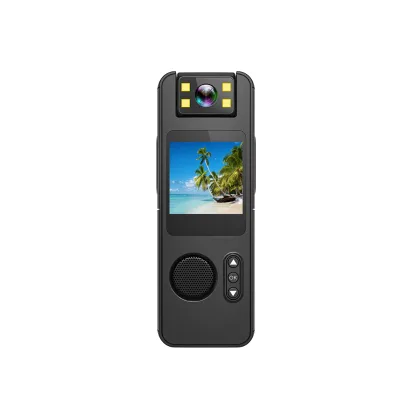
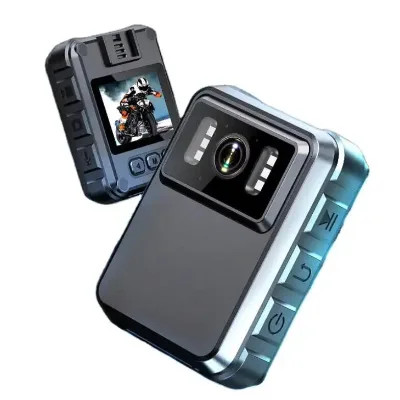
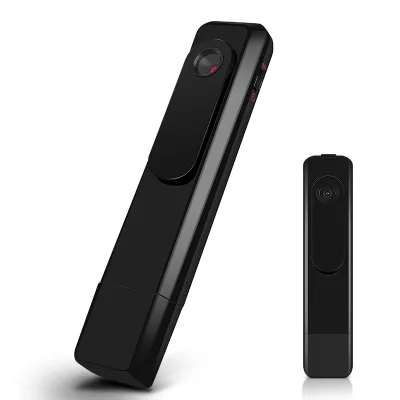
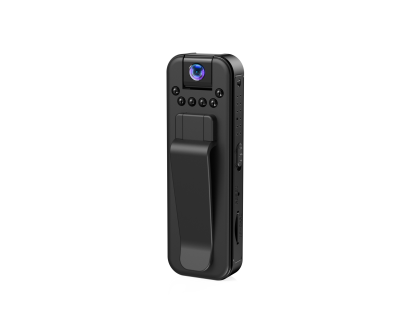
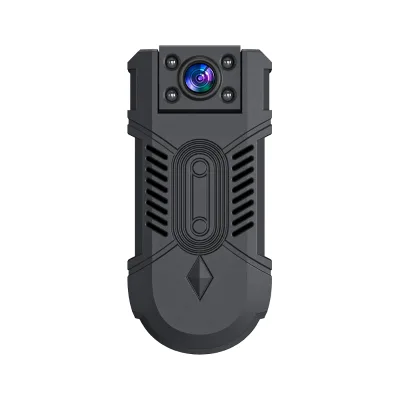
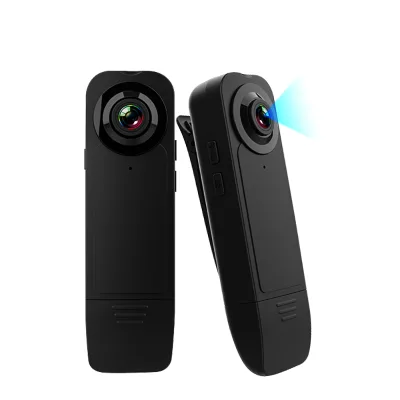
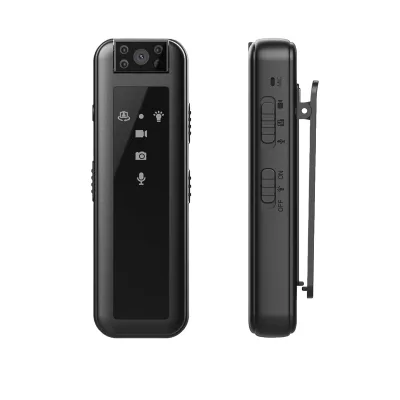
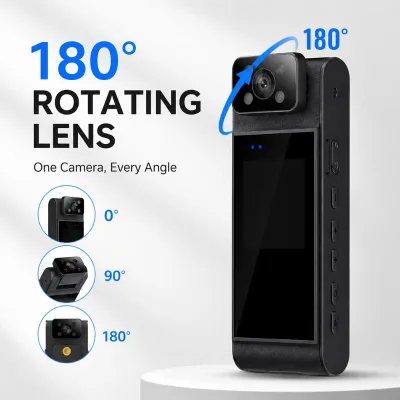
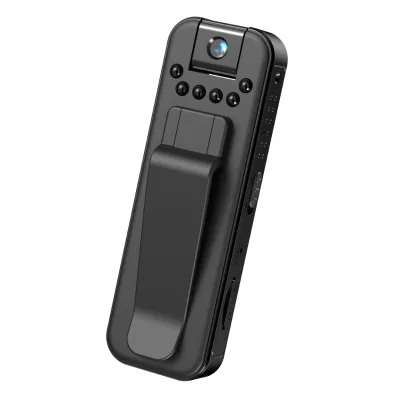
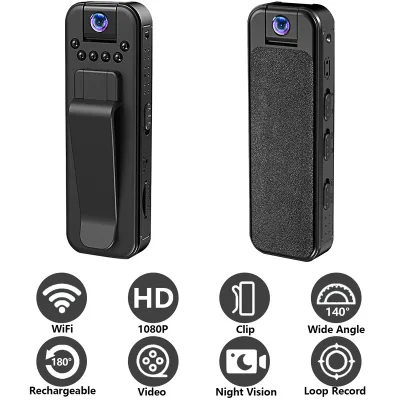
CS11 Full HD 1080P Body Cam Mini Back Clip Camera Portable 1080P HD Camera Night Vision Body Camera
$22.09 - $22.61
MOQ: 5 pieces
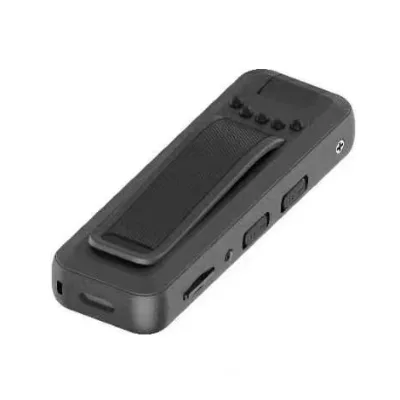
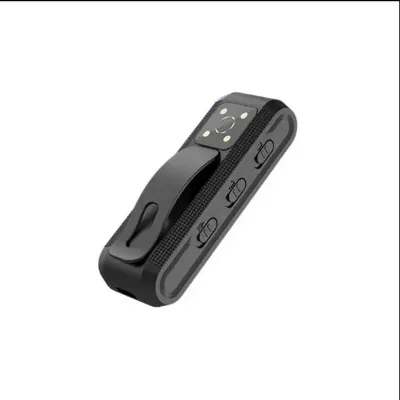
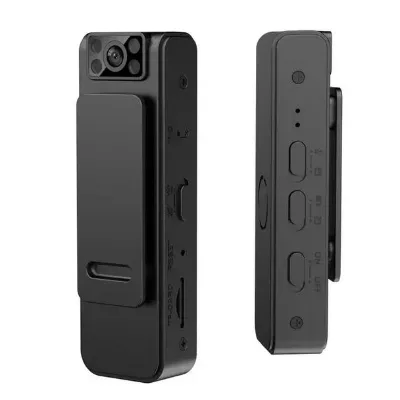
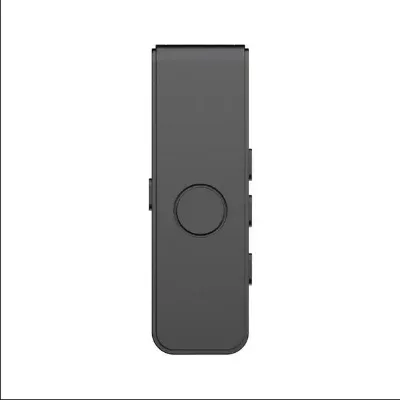
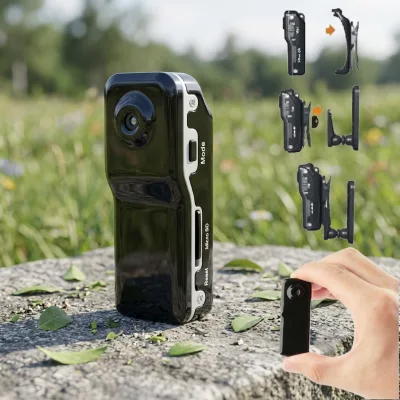
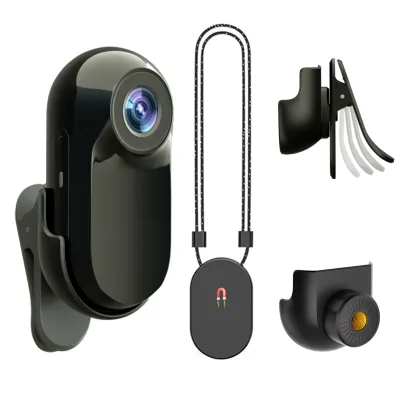
L9 with Clip and Strong Magnetic Adsorption for X-sport Sports DV and Instrument
$19.40 - $21.46
MOQ: 5 pieces

Mingshang Technology Co., Ltd.
- Manufacturer/Factory,Group Corporation
- China Guangdong
- Lead time23 days
- Avg. response≤ 5h
Main productsRear View Camera, Mobile DVR, Rear View System, Wireless Camera System, Vehicle Safety System, Ai Camera, 360 Camera System, Adas, DMS, Bsd
Main marketsEastern Europe,North America,Western Europe

Anhui Tsinglink Information Technology Co., Ltd.
- Verified by TUVRHEINLAND
- Combined
- China Anhui
- Lead time23 days
- Avg. response≤ 2h
Main products4G Video Terminal, 4G Camera, 4G Walkie Talkie, 4G Wireless Camera, 4G Body-Worn Camera, 4G Mobile DVR/NVR
Main marketsSoutheast Asia/ Mideast,Domestic,North America

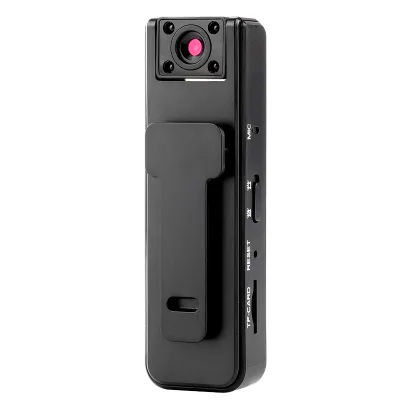
Large Battery Light Weight Back Clip WiFi 4G Wireless Image Transmission Body Worn Mini Camera
$230.00 - $260.00
MOQ: 10 Pieces

High Sensitivity Belt Clip Body Camera with Continuous Recording Capability
$230.00 - $260.00
MOQ: 10 Pieces
Shenzhen Famefar Technology Co., Ltd.
- Verified by TüVRheinland
- Trading Company
- Lead time5 days
- Avg. response≤ 2h
Main productsMini Camera, Kids Camera, Sport Camera, Webcam, Network Camera
Main marketsNorth America(20%), South America(15%), Eastern Europe(10%)

Shenzhen Feikasi Industrial Co., Limited
- Manufacturer
- Guangdong, China
- Lead time15 days
- Avg. response≤ 1h
Main productsUSB Bodycam,Sport Camera,Car Dash Camera,WiFi Mini Camera,Hunting Trail Camera
Main marketsNorth America(36.00%), Eastern Europe(24.00%), Southeast Asia(18.00%), South America(6.00%), South Asia(4.00%), Africa(4.00%), Western Europe(3.00%), Southern Europe(2.00%), Oceania(1.00%), Central America(1.00%), Northern Europe(1.00%)

Shenzhen Alishang Trading Co., Ltd.
- Manufacturer, Trading Company, Buying Office
- Guangdong, China
- Lead time5 days
- Avg. response≤ 7h
Main productsSignal Amplifier,Signal RF Module,Signal Detector,refurbished phones,refurbished laotops
Main marketsSouth America(30.00%), North America(26.60%), Western Europe(9.90%), Eastern Europe(8.80%), Northern Europe(5.60%), Eastern Asia(3.50%), Oceania(3.10%), Southeast Asia(3.10%), South Asia(2.20%), Mid East(2.20%), Central America(2.00%), Domestic Market(1.10%), Southern Europe(1.00%), Africa(0.90%)
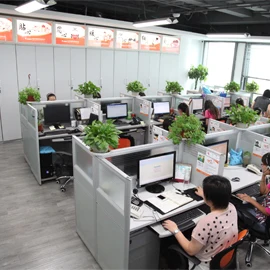
Shenzhen Bangenkai Technology Co., Ltd.
- Manufacturer, Distributor/Wholesaler
- Guangdong, China
- Lead time5 days
- Avg. response≤ 3h
Main productsdigital voice recorder,mini camera,detectors,car reveres camera,car dash cam
Main marketsNorth America(25.00%), Southeast Asia(13.00%), Western Europe(10.00%), Eastern Europe(10.00%), Northern Europe(5.00%), Central America(5.00%), South America(5.00%), Eastern Asia(5.00%), Mid East(5.00%), South Asia(5.00%), Africa(5.00%), Oceania(3.00%), Domestic Market(2.00%), Southern Europe(2.00%)

Shenzhen Eeyelog Technology Co., Ltd.
- Manufacturer
- China Guangdong
- Lead time15 days
- Avg. response≤ 2h
Main productsbody worn cameras, docking stations, dash cameras
Main marketsSouth America,Southeast Asia/ Mideast,East Asia(Japan/ South Korea),Domestic,Europe,Australia,North America

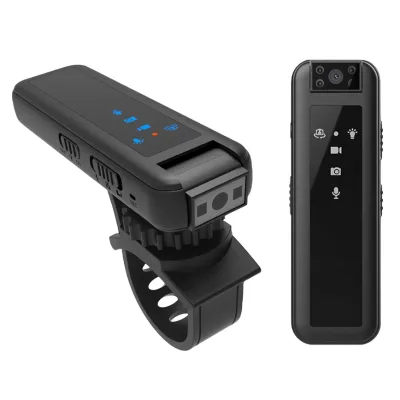
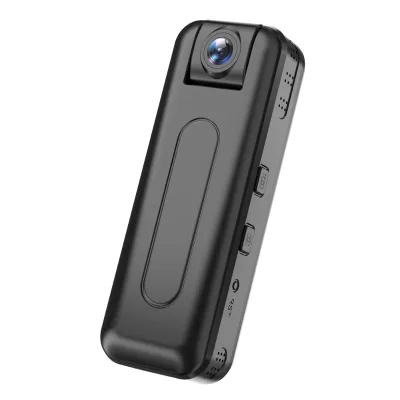
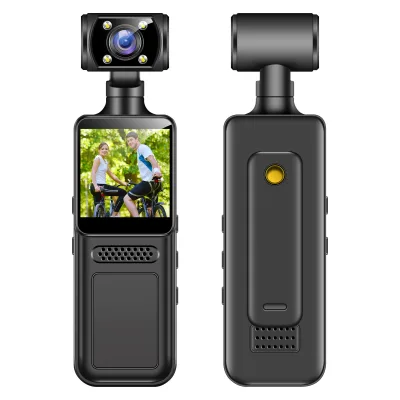
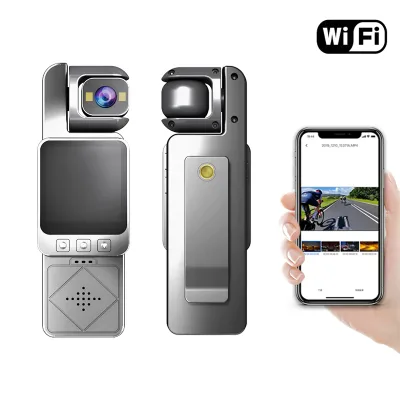
Magnetic Clip Mini Body Camera Rotatable Lens Travel Walking Video Capture Tool
$120.00 - $130.00
MOQ: 1 pcs


Shenzhen COC-Technology Co.,Ltd
- Verified by TüVRheinland
- Trading Company
- Lead time10 days
- Avg. response≤ 3h
Main productsDigital Camera, Voice Translator, Mini Printer, Instant Print Camera, Kids Camera
Main marketsEastern Europe(15%), Northern Europe(15%), North America(10%)
- Verified by TüVRheinland
- Trading Company
- Lead time15 days
- Avg. response≤ 7h
Main productsPhotographic Flash, Continuous Light, LED Panel Light, Light Stand, Photography Accessories
Main marketsNorth America(15%), South America(15%), Southeast Asia(10%)

Shantou S-Partner Toys Co., Ltd.
- Verified by CTI
- Trading Company
- China Guangdong
- Lead time30 days
- Avg. response≤ 5h
Main marketsSouth America,Southeast Asia/ Mideast,East Asia(Japan/ South Korea),Europe,North America

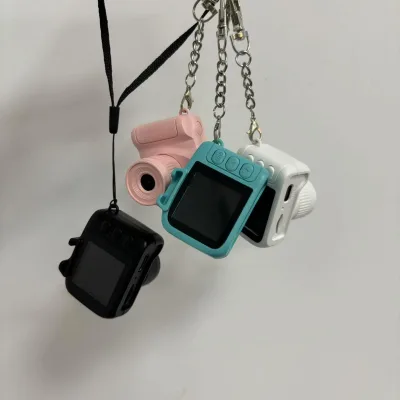
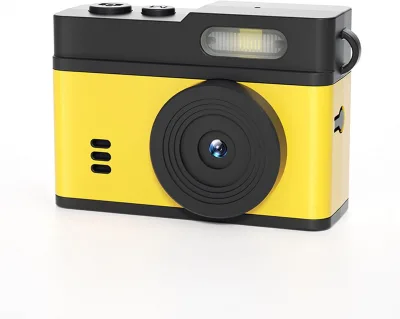
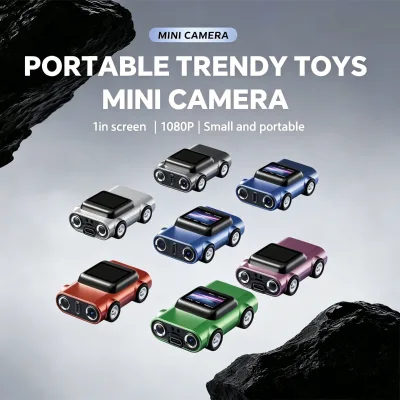
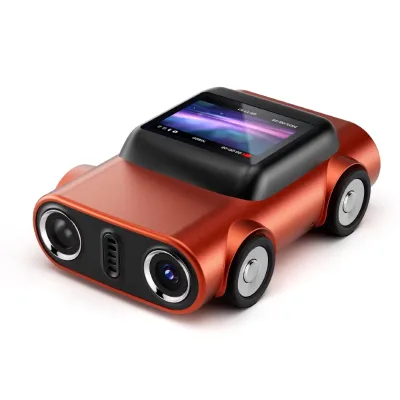
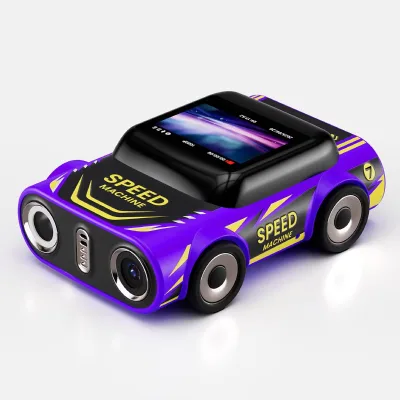
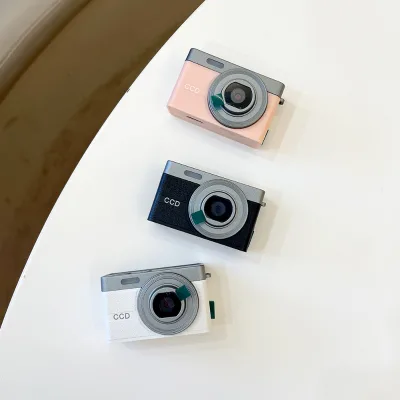
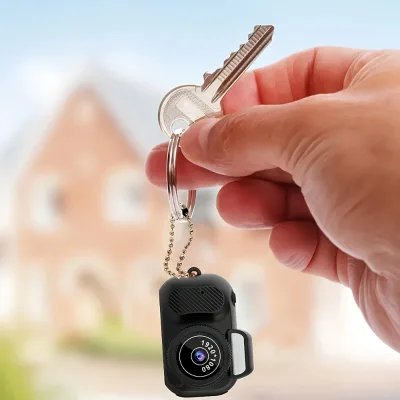
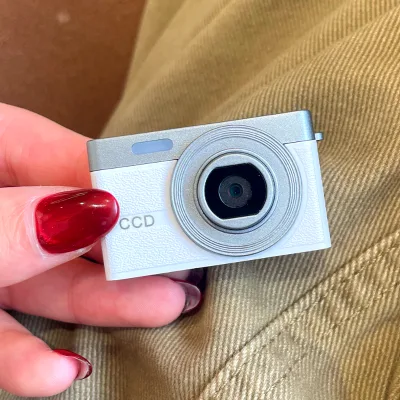
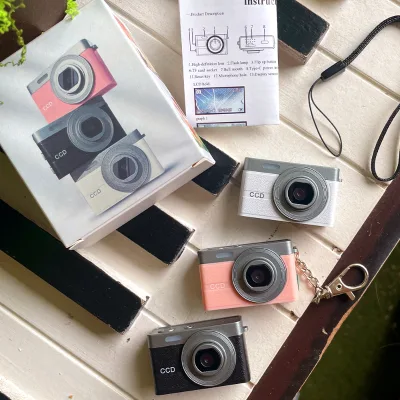
Mini Retro 1080P HD Kids Camera with CMOS Sensor and Keychain Mini Camera
$4.30 - $7.00
MOQ: 100 Pieces

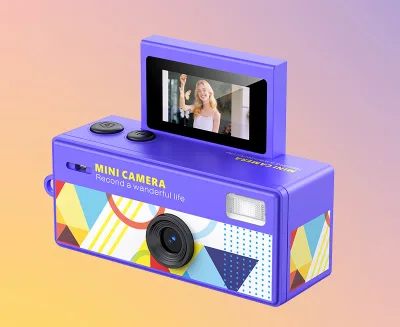
Mini Digital Camera, 0.96inch Mini Camera, 1080P HD Portable Compact Camera
$4.30 - $7.00
MOQ: 100 Pieces

Anhui Orange Smart Iot Co., Ltd.
- Verified by SGS
- Trading Company,Manufacturer/Factory
- China Anhui
- Lead time45 days
- Avg. response≤ 2h
Main productsSecurity Camera, IP Camera, CCTV Camera, CCTV, Camera, 4G Solar Camera, Mini CCTV Camera, Surveillance Camera, Solar Camera, Thermal Camera
Main marketsSouth America,Eastern Europe,Mid East,North America,Southeast Asia,Eastern Asia,Oceania,Western Europe,Africa

Shenzhen Xumeng Technology Co., Ltd.
- Verified by BV
- Trading Company,Manufacturer/Factory
- China Guangdong
- Lead time15 days
- Avg. response≤ 8h
Main productsEarphones, Phone Cases, Chargers, Data Cables, Memory Card, Smart Watch, Watch Straps, Speaker, Phone Battery
Main marketsSouth America,Eastern Europe,Mid East,North America,Southeast Asia,Eastern Asia,Oceania,Western Europe,Africa


Portable 1080P Mini Digital Video Camera Retro Outdoor with Key Chain 0.96 Inch Pocket Camcorder
$6.40 - $7.35
MOQ: 5 Pieces


Dongguan Bowen Electronic Technology Limited
- Trading Company
- Dongguan, China
- Lead time0 days
- Avg. response≤ 2h
Main productsToys&Hobbies,Educational Toys,Puzzle & Games,Blocks&Model Building Toys,Remote Control Toys
Main marketsNorth America(25.00%), South America(20.00%), Eastern Europe(10.00%), Western Europe(8.00%), Central America(8.00%), Northern Europe(6.00%), Southern Europe(5.00%), Southeast Asia(5.00%), Eastern Asia(4.00%), Africa(3.00%), Mid East(3.00%), Oceania(2.00%), South Asia(1.00%)
Shenzhen Focus Electronics Co., Ltd.
- Verified by SGS Group
- Manufacturer, Trading Company
- Lead time7 days
- Avg. response≤ 1h
Main productsCD or DVD BT Player, Kids Camera, Body Camera, Doorbell Camera, Smart Incubator with camera
Main marketsDomestic Market(28%), Southeast Asia(18%), North America(15%)

Shenzhen Ouxiang Electronics Co., Ltd.
- Verified by TUVRHEINLAND
- Manufacturer/Factory
- China Guangdong
- Lead time23 days
- Avg. response≤ 4h
Main productsG Smart Helmet Camera, 4G Dash Camera, DC Charge Controller, Tactical Helmet Camera, Ar Smart Helmet Camera, 4G Mobile DVR, Law Enforcement Bodycam
Main marketsSouth America,Eastern Europe,Mid East,North America,Southeast Asia,Eastern Asia,Western Europe,Africa


Remote with Body Worn Camera External Mini Camera Picture-in-Picture Dual Recording
$75.00 - $88.00
MOQ: 1 Pieces
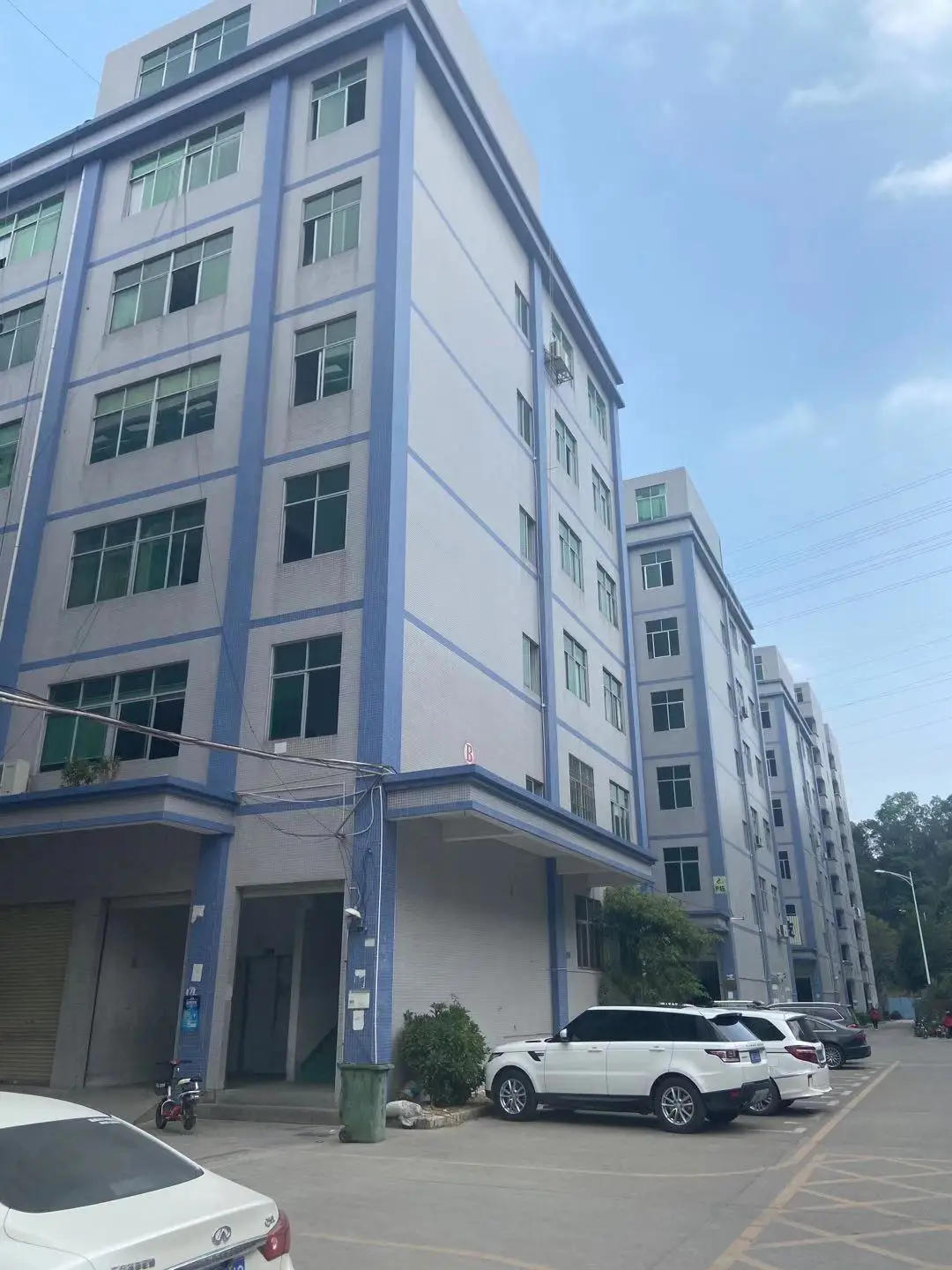
- Manufacturer
- Guangdong, China
- Lead time5 days
- Avg. response≤ 6h
Main productsMini camera,sport camera,hunting camera,kids camera,Endoscope camera
Main marketsNorth America(60.00%), Western Europe(14.00%), South America(10.00%), Eastern Europe(5.00%), Southeast Asia(5.00%), Northern Europe(3.00%), Africa(3.00%)

Huizhou Huaxi Technology Co., Ltd.
- Verified by SGS
- Trading Company
- China Guangdong
- Lead time15 days
- Avg. response≤ 5h
Main marketsEurope

Tiny Size Sports Camera High Resolution Image Output Mini Sports Camera
$27.99 - $37.99
MOQ: 20 Pieces


Guangzhou Mego Import & Export Co., Ltd.
- Manufacturer, Trading Company, Distributor/Wholesaler
- Guangdong, China
- Lead time3 days
- Avg. response≤ 4h
Main productsVideo Game Accessories,Gaming controller,Mouse & Keyboard,Game Handheld Console,Game headsets
Main marketsWestern Europe(25.00%), North America(18.00%), Eastern Asia(8.00%), Eastern Europe(8.00%), Southern Europe(7.00%), South America(6.00%), Northern Europe(6.00%), Central America(5.00%), Mid East(5.00%), Southeast Asia(5.00%), Oceania(3.00%), Africa(2.00%), Domestic Market(1.00%), South Asia(1.00%)

Shenzhen Shire Star Electronic Technology Co., Ltd.
- Verified by BV
- Manufacturer/Factory
- China Guangdong
- Lead time15 days
- Avg. response≤ 4h
Main productsTrail Camera, Hunting Camera, Wildlife Camera, GPS Dog Collar, Pet Camera, Dog Camera, Dog Training Collar, Mini Camera, Miniature Camera, Small Camera
Main marketsSouth America,Eastern Europe,North America,Southeast Asia,Oceania,Western Europe,Africa
Shenzhen Jiuding Anxin Technology Co., Ltd.
- Manufacturer, Trading Company
- Guangdong, China
- Lead time3 days
- Avg. response≤ 5h
Main productsProjector,screen,electronic whiteboard,projector table,ceiling mount
Main marketsSouth America(45.00%), Southeast Asia(20.00%), North America(20.00%), Africa(10.00%), Western Europe(5.00%)

Shenzhen Shixin Digital Co., Ltd.
- Manufacturer
- China Guangdong
- Lead time15 days
- Avg. response≤ 8h
Main productsUSB Camera, IP Camera, CCTV, 4K Camera, Security Camera, Camera Module, Mini Camera, Webcam, HD Camera, CCTV Camera
Main marketsSoutheast Asia/ Mideast,Domestic,Europe,North America


Mini USB Camera Full HD Webcam Camera with Metal Case Support Different Fov Lens
$18.00 - $23.00
MOQ: 10 Pieces


Dongguan Vionix Smart Tech Co., Ltd
- Verified by SGS
- Trading Company
- China Guangdong
- Lead time15 days
- Avg. response≤ 1h
Main productsPlasma Ball, Air Purifier, Smart Glasses, Smart Watch, Smart Speaker, Smart Tracker, Smart Camera, Night Light, Smart Ring, Smart Earphone
Main marketsDomestic
Shanxi Changkun Electronic Technology Co.,ltd
- Verified by SGS Group
- Manufacturer, Trading Company
- Lead time15 days
- Avg. response≤ 2h
Main productsSlushie Maker, Microphones, Kids' Cameras, Mini Printer, Small Home Appliances
Main marketsNorth America(25%), Domestic Market(20%), Eastern Asia(15%)

Shenzhen Shiyusheng Technology Co., Ltd.
- Verified by SGS
- Manufacturer/Factory
- China Guangdong
- Lead time15 days
- Avg. response≤ 11h
Main productsSpeaker, Earphone, Gamed, Phone Case, Charger, Powerbank, Memory Card, Phone Cable
Main marketsSouth America,Eastern Europe,Mid East,North America,Southeast Asia,Eastern Asia,Oceania,Western Europe,Africa

Xiamen Aisite Technology Co., Ltd
- Verified by SGS
- Combined
- China Fujian
- Lead time15 days
- Avg. response≤ 2h
Main marketsDomestic

Shenzhen Esaker Technology Co., Ltd.
- Verified by SGS
- Manufacturer/Factory
- China Guangdong
- Lead time15 days
- Avg. response≤ 8h
Main productsGame Console, Gaming Accessories, Phone Case, Charger, Entertainment Electronics, Game Controller, Game Box, Earphone
Main marketsSouth America,Eastern Europe,Mid East,North America,Southeast Asia,Eastern Asia,Oceania,Western Europe,Africa


Small Pocket Camera with Stabilization System and High Definition Image Capture
$33.49 - $35.00
MOQ: 50 Pieces

Quanzhou E-Best International Trade Co., Ltd.
- Verified by BV
- Trading Company
- China Fujian
- Lead time30 days
- Avg. response≤ 6h
Main productsBluetooth Speaker, Phone Case, Power Bank, Beauty Device, Portable Projector, IP Poe Camera, Mouse, Air Fryer, Razors, Wireless Headphones
Main marketsNorth America

$15.69 - $17.65
MOQ: 20 Pieces

$23.63 - $26.59
MOQ: 20 Pieces
Shenzhen Delanda Technology Co., Ltd.
- Verified by SGS Group
- Manufacturer, Trading Company
- Lead time3 days
- Avg. response≤ 2h
Main productsUnderwater camera, Kids Walkie Talkie, Digital Camera, Printing Camera, Screenless Retro camera
Main marketsDomestic Market(44%), Western Europe(25%), Eastern Europe(14%)



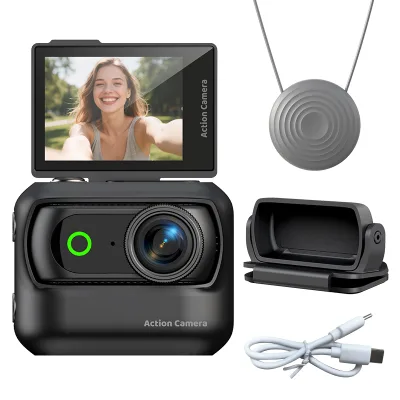
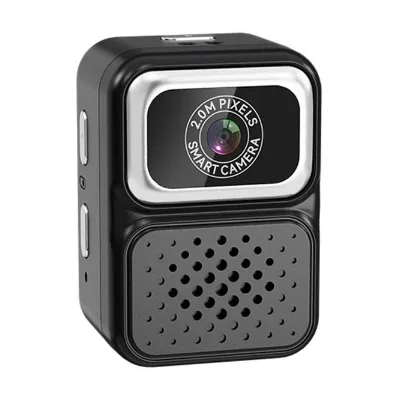

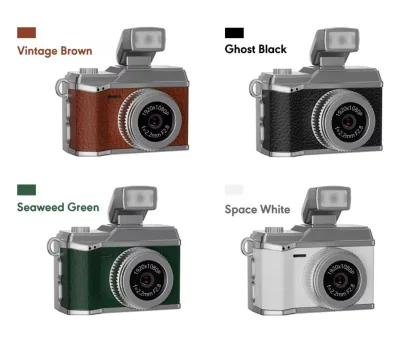


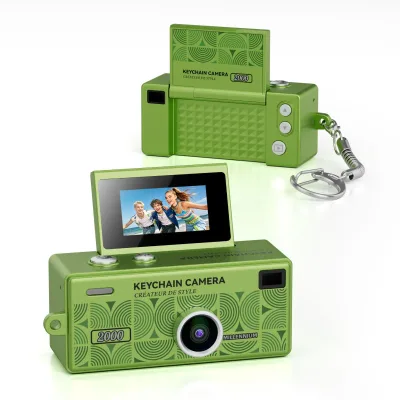








Comprehensive Sourcing Guide
Mini Back Clip Camera Supplier Concentration and Factory Types
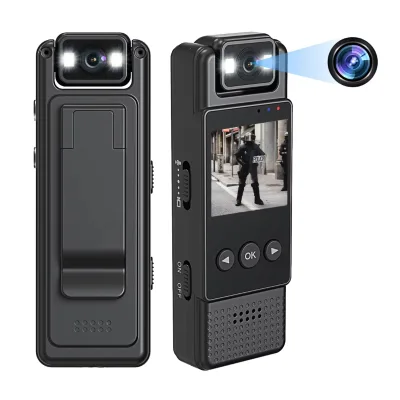
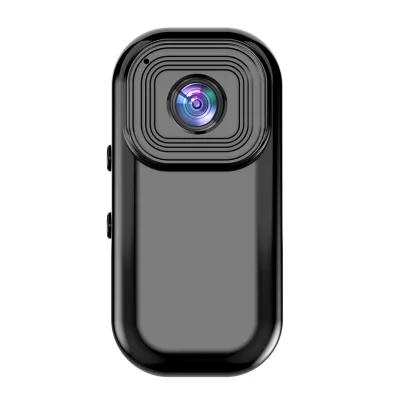
The available data indicates a significant concentration of manufacturers and trading companies operating within Guangdong, China, specifically for Mini Back Clip Camera production. This region serves as a primary hub where supply chains for electronic components and final assembly converge, allowing for efficient production of devices like the CS11 and L3 models. Buyers observing results from this location should note that the supplier base includes both direct manufacturers and trading companies, each offering distinct advantages in terms of production control versus logistical flexibility. The presence of multiple product lines, ranging from standard body cameras to specialized sports recorders, suggests a mature ecosystem capable of handling diverse order requirements.
When evaluating the factory types found in this cluster, it is essential to distinguish between entities that own production lines and those that facilitate trade. Manufacturers typically offer direct access to engineering teams for customizations like OEM or ODM services, which are explicitly listed as supported features for several models in the current results. Trading companies, conversely, may aggregate products from various factories to provide a broader catalog, potentially including items like rear-view systems or ADAS cameras alongside the core mini camera offerings. Buyers must verify the specific company type listed in the supplier profile to understand the depth of technical support and the potential for direct factory communication during the sourcing process.
How to Verify Mini Back Clip Camera Suppliers
Verification begins with scrutinizing the specific attributes provided in the supplier profile, such as response times and established operational metrics. Current data shows response times varying significantly, with some suppliers indicating a response time of 9 while others demonstrate a faster rate of 4.49, which can serve as a proxy for operational efficiency and customer service readiness. Buyers should prioritize suppliers who demonstrate rapid communication capabilities, as this often correlates with better project management and quicker resolution of technical queries regarding product specifications like sensor technology or video compression formats. Additionally, checking for certifications such as TS 16949 or ISO 9001 provides a baseline assurance of quality management systems, though these must be confirmed against the specific supplier's documentation rather than assumed.
Beyond response metrics, buyers must validate the authenticity of product claims by cross-referencing detailed specifications against the supplier's provided evidence. For instance, the presence of specific model numbers like CS11 or L9, along with attributes such as 1080P resolution, H.264 compression, and specific sensor chips like GC1054, offers concrete data points for verification. It is crucial to ensure that the claimed features, such as night vision capabilities or waterproof ratings, align with the technical data sheets provided. Buyers should request sample units to physically test these attributes, particularly focusing on battery capacity, memory card compatibility, and the functionality of specialized features like built-in sirens or magnetic adsorption, ensuring the product matches the advertised specifications before committing to a larger order.
What to Compare Across Mini Back Clip Camera Suppliers
Comparative analysis should focus on the tangible commercial and logistical parameters available in the supplier listings, such as minimum order quantities, pricing structures, and lead times. The data reveals a wide range in pricing, with some models listed between $5.40 and $5.80, while others range from $9.00 to $10.00, and premium units reaching up to $22.60. Buyers must evaluate these price points in the context of the Minimum Order Quantity (MOQ), which is observed at 5 units for certain items, to determine the total cost of entry for different product tiers. Understanding the relationship between price and volume is critical, as lower unit costs often require higher order volumes, which impacts cash flow and inventory management strategies for the buyer.
In addition to cost and volume, lead times and response speeds are vital comparison metrics that influence supply chain reliability. While some suppliers indicate a lead time of 23 days, others may offer faster turnaround depending on stock availability, as suggested by keywords like "Stock In Warehouse." Buyers should compare these timelines against their own project schedules to ensure timely delivery. Furthermore, the variety of main products offered by a supplier, such as the inclusion of vehicle safety systems or 360-degree cameras, can indicate the breadth of their manufacturing capabilities. A supplier with a diverse product portfolio may offer better cross-selling opportunities or more robust support infrastructure, whereas a specialized manufacturer might provide deeper expertise in specific camera technologies.
Common Mini Back Clip Camera Sourcing Risks
One significant risk in sourcing mini back clip cameras involves the potential discrepancy between advertised specifications and actual product performance, particularly regarding battery life and sensor quality. The data lists varying battery capacities, such as 300mAH for one model and 1800mAH for another, which directly impacts usage duration and reliability in the field. Buyers face the risk of receiving units that do not meet the expected operational standards if the supplier fails to provide accurate testing data or if the components used, such as the CMOS sensor, are of inferior grade. This risk is compounded by the complexity of features like night vision and waterproofing, which require rigorous testing to ensure they function as claimed under real-world conditions.
Another critical risk is the variability in supplier reliability and communication, which can lead to delays or misunderstandings regarding order fulfillment. The observed response times and lead times suggest that not all suppliers operate with the same level of efficiency, and a lack of clear communication can result in missed deadlines or incorrect shipments. Buyers must be vigilant about verifying the supplier's ability to meet specific customization requests, such as logo printing or software reengineering, as these services are listed but may vary in execution quality. Failure to establish clear expectations and communication channels early in the process can lead to disputes over product quality or delivery schedules, ultimately affecting the buyer's business operations and reputation.
Mini Back Clip Camera Regional Sourcing and Logistics
Sourcing from the identified region of Guangdong, China, offers distinct logistical advantages due to the established infrastructure for electronics manufacturing and export. The concentration of manufacturers in this area facilitates efficient supply chain management, reducing the time and cost associated with transporting raw materials and finished goods. Buyers should leverage this regional expertise by selecting suppliers who have experience with international shipping and customs clearance, ensuring that products like the CS11 or L8 models are delivered securely and on time. The proximity of component suppliers to assembly lines in Guangdong often results in shorter lead times and greater flexibility in production scheduling, which is beneficial for managing inventory levels.
However, buyers must also consider the logistical challenges associated with importing from this region, including potential customs duties, shipping delays, and the need for robust packaging to protect sensitive electronic components. The dimensions and weight of the products, such as the 12.0 cm * 12.0 cm * 6.0 cm size for the CS11, influence shipping costs and storage requirements. Buyers should work closely with their logistics partners to optimize freight costs and ensure that the products are handled correctly during transit. Additionally, understanding the local business culture and communication norms in Guangdong can help buyers navigate negotiations and build stronger relationships with suppliers, ultimately leading to a more successful sourcing experience.
Mini Back Clip Camera Commercial Terms and Order Planning
Effective order planning requires a clear understanding of the commercial terms offered by suppliers, including payment methods, warranty provisions, and after-sales support. The data indicates that many suppliers offer a one-year warranty, which is a critical factor in mitigating the risk of product failure and ensuring long-term reliability. Buyers should carefully review the warranty terms to understand what is covered, such as manufacturing defects or component failures, and what the process is for claiming repairs or replacements. Additionally, the availability of customized support, including online technical assistance and software reengineering, should be factored into the decision-making process to ensure ongoing product viability and support.
When finalizing orders, buyers must align their procurement strategy with the supplier's production capabilities and lead times to avoid bottlenecks. The observed lead times and MOQs suggest that buyers need to plan their inventory levels carefully to balance cost efficiency with supply chain responsiveness. For instance, ordering larger quantities to meet lower unit price thresholds may require significant upfront capital and storage space, while smaller orders might result in higher per-unit costs but greater flexibility. Buyers should also consider the potential for future customization needs, such as branding or specific feature additions, and ensure that the supplier has the capacity to accommodate these requests without disrupting the production schedule or compromising product quality.
FAQs
Where are mini back clip cameras manufactured?
Mini back clip cameras are manufactured in Guangdong, China. This region is a known hub for electronics production. Buyers should verify specific factory locations during supplier negotiations to ensure quality control and logistics efficiency for their orders.
What is the minimum order quantity for these cameras?
The minimum order quantity is typically 5 units per item. This low threshold allows small businesses to test products without large capital investment. Buyers must confirm the exact MOQ with each supplier as it may vary based on customization requirements.
How fast do suppliers respond to inquiries?
Suppliers generally respond within 4 to 9 hours. Fast response times indicate active sales teams ready to assist with technical questions. Buyers should expect quicker replies from manufacturers compared to trading companies when seeking urgent product specifications.
What is the typical delivery lead time?
Lead times vary significantly, ranging from 0 to 23 days depending on the supplier. Some vendors offer stock items for immediate shipping while others require production time. Buyers must clarify the specific lead time before placing an order to avoid delays.
Are these cameras waterproof and weatherproof?
Yes, many models feature waterproof and weatherproof capabilities suitable for outdoor use. Specific ratings like IP68 are available for certain models. Buyers should check the product attributes to confirm the exact protection level required for their intended application environment.
What video resolution do these cameras support?
These cameras support Full HD 1080P resolution with options for 1920x1080 pixels. Some models also offer lower resolutions like 720P or 480P. Buyers should verify the specific resolution settings to ensure compatibility with their recording and viewing systems.
Do suppliers offer customization services?
Suppliers provide customization support including OEM, ODM, and custom logo printing. Online technical support is also available for software reengineering. Buyers needing branded products should discuss specific customization details and additional costs directly with the manufacturer.
What is the price range for these cameras?
Prices range from approximately 5.40 to 22.60 USD per unit depending on the model. Factors like battery capacity, night vision, and connectivity options influence the final cost. Buyers should compare multiple listings to find the best value for their specific needs.