Real Time Green Screen Backdrop Suppliers and Manufacturers
Source 26 verified suppliers for Real Time Green Screen Backdrop solutions. Compare key dimensions including location, lead time, MOQ, response time, and certifications to identify the right partner. Review product specifications and request quotes directly from the listed factories; review the available evidence before requesting comparable quotations from suitable candidates.
Suppliers List
Jiangxi Mubao Equipment Co., Ltd.
- Manufacturer, Trading Company
- Jiangxi, China
- Lead time15 days
- Avg. response≤ 1h
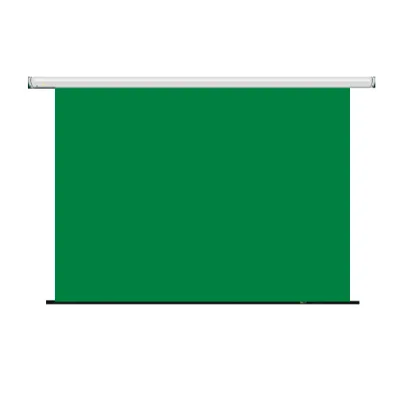
Main productsprojection screen,home cinema screen,Fixed frame screen,Detachable Projection,Motorized Lifting Projection Screen
Main marketsNorth America(45.00%), Eastern Europe(40.00%), Southern Europe(15.00%)

- Verified by BV
- Combined
- China Zhejiang
- Lead time30 days
- Avg. response≤ 2h
Main productsMicro Fiber Fabric, Brushed Fabric, Peach Skin, Satin, Pongee, Micro Fiber Bedsheets, Pillow, Ultrasonic Quilt, Wax Fabric, 100% Polyester Fabric
Main marketsAfrica,Europe,North America
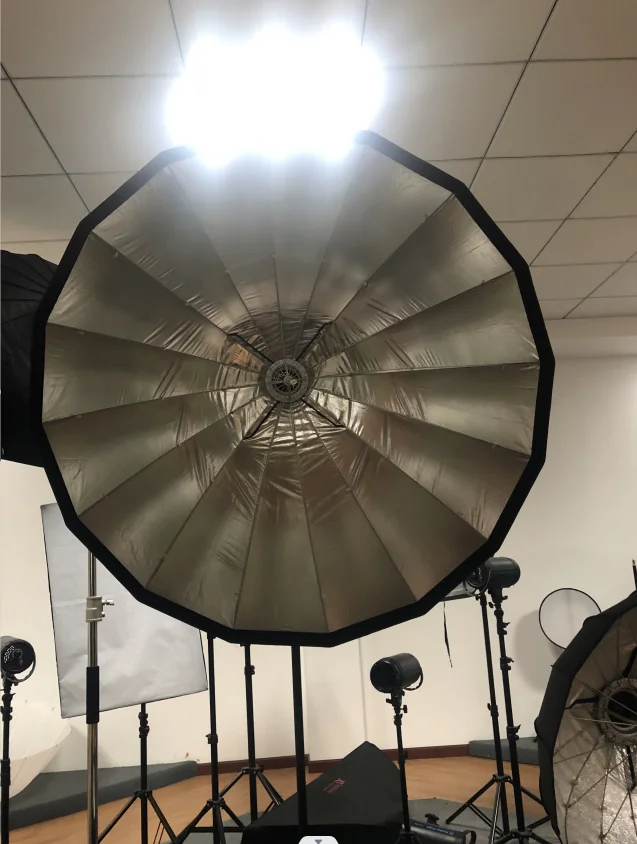
- Manufacturer, Trading Company
- Shandong, China
- Lead time3 days
- Avg. response≤ 5h
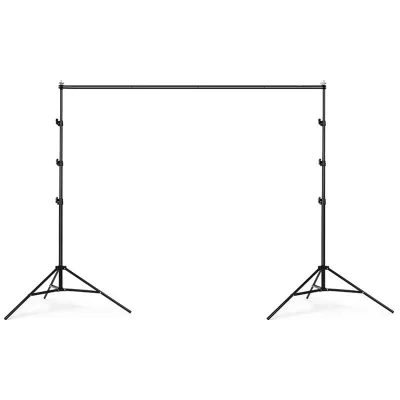
Main productsBackdrops,Video Lights,Softboxes,Light Stands,Backdrop Support System
Main marketsCentral America(15.00%), South America(15.00%), North America(15.00%), Western Europe(10.00%), Northern Europe(10.00%), Africa(10.00%), Eastern Europe(10.00%), Southern Europe(5.00%), Eastern Asia(5.00%), Southeast Asia(5.00%)

Foshan Shuaige Furniture Co., Ltd.
- Verified by TUVRHEINLAND
- Combined
- China Guangdong
- Lead time23 days
- Avg. response≤ 5h
Main productsWedding Chair, Wedding Table, Dining Furniture, Dining Chair, Dining Table Set, Stainless Steel Chair, Wedding Furniture, Wedding Backdrop, Banquet Furniture, Hotel Chair and Table
Main marketsDomestic


Stainless Steel 3 Panel Stand Backdrop Decoration Silver Wedding Backdrop
$180.00 - $280.00
MOQ: 2 Pieces


Shenzhen Jiayunfeng Stage Equipment Co., Ltd.
- Verified by SGS
- Combined
- China Guangdong
- Lead time15 days
- Avg. response≤ 6h
Main productsStage Curtain, Velvet, Stage Machinery, Projection Screen, LED Star Screen, Motorized Curtain Track, Motorized Topic, Laser Light Demo Screen
Main marketsOthers(foreignTradeCapacity.exportBusinessCapacityMarketOther),Domestic


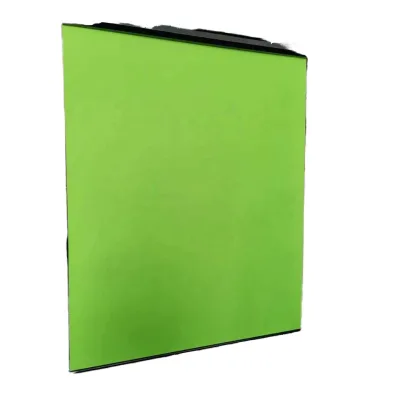
Versatile Green Chroma Key Screen Backdrop for Photography and Filmmaking
$6.00 - $14.00
MOQ: 50 Pieces


Durable Fireproof Christmas Green Backdrop Curtain/Drape for Party Decoration
$8.00 - $13.00
MOQ: 100 Square Meters
Xinxiang Shilejia Science & Technology Trading Co., Ltd.
- Manufacturer, Trading Company
- Henan, China
- Lead time20 days
- Avg. response≤ 4h
Main productsProjection Screen,projector screen,projector lift,projector ceiling mount,electric projection screen
Main marketsNorthern Europe(20.00%), Eastern Europe(18.00%), Southeast Asia(15.00%), North America(10.00%), South America(8.00%), Eastern Asia(7.00%), Central America(6.00%), Southern Europe(5.00%), Africa(3.00%), Western Europe(2.50%), South Asia(2.00%), Oceania(1.20%), Domestic Market(1.00%), Mid East(1.00%)
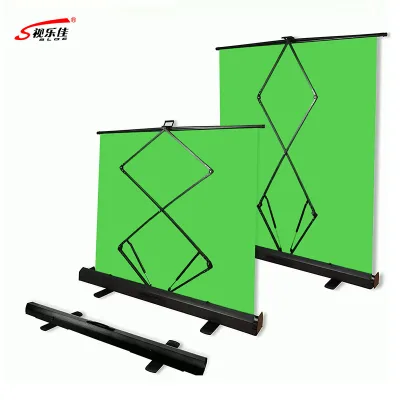
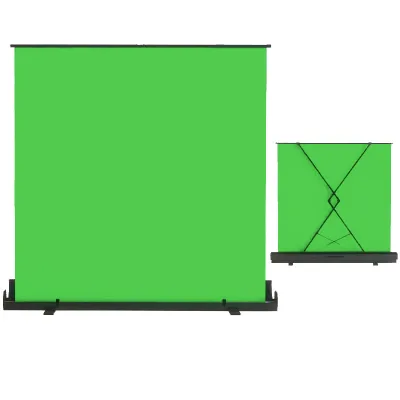
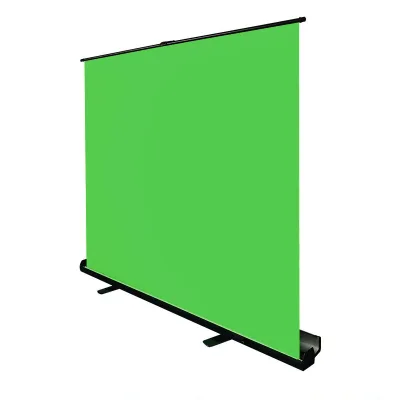
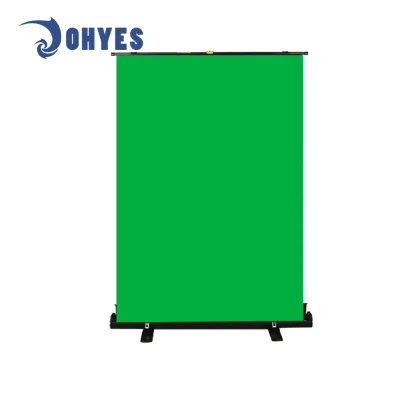
Portable Green Screen with Live Green Screen Portable Stand Quick Installation
$103.00 - $113.00
MOQ: 2 Minimum

Dongying Mingyang Advertising Co., Ltd.
- Trading Company
- China Shandong
- Lead time0 days
- Avg. response≤ 1h
Main productsTents, Flag, Event Tents, Custom Flags, Tension Fabric Wall, Sales Tents, Beach Flag, Camping Tents, Banner

Guangzhou Miao Figure Digital Technology Co, Ltd
- Verified by TUVRHEINLAND
- Manufacturer/Factory
- China Guangdong
- Lead time68 days
- Avg. response≤ 2h
Main productsPhotography Lights, Photography Background, Photography Props, Camera Stand, Photography Stand, Background Stand, Camera Accessories, Action Camera Accessories, Photography Softbox, Photography Light Stand
Main marketsEastern Europe,Mid East,North America,Western Europe,Africa
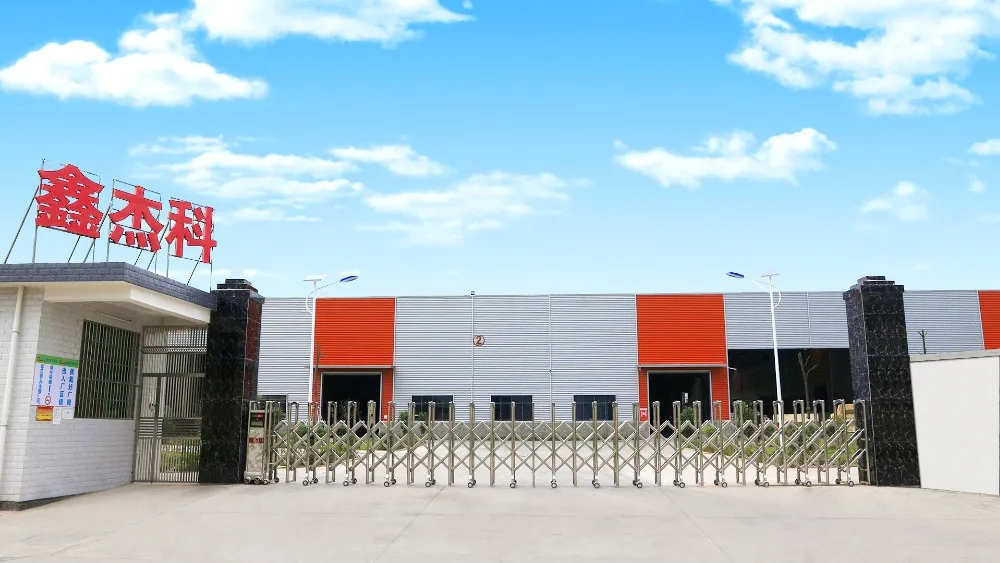
Anfu Xinjieke Technology Co., Ltd.
- Manufacturer, Trading Company
- Jiangxi, China
- Lead time10 days
- Avg. response≤ 9h
Main productsTripod Screen, Fast Fold Screen, Motorized Screen, Manual Screen, Projector
Main marketsDomestic Market(40.00%), Western Europe(15.00%), Eastern Asia(15.00%), Southeast Asia(15.00%), Oceania(5.00%), North America(3.00%), South America(2.00%), Central America(2.00%), Northern Europe(2.00%), Southern Europe(1.00%)
Chengdu Tops Technology Co., Ltd.
- Verified by TüVRheinland
- Trading Company
- Lead time15 days
- Avg. response≤ 3h
Main productsPhoto Booth, Guestbook Phone, Heat Pump
Main marketsWestern Europe(41%), North America(23%), Northern Europe(6%)

Zhengzhou Simu Shangda Arts & Crafts Co., Ltd.
- Verified by SGS
- Trading Company
- China Henan
- Lead time23 days
- Avg. response≤ 3h
Main productsWedding Backdrop, Artificial Flower, Wedding Table, Wedding Chair, Wedding Centerpieces, Wedding Ceiling Decoration, Photo Booth, Candy Cart, LED Number Letter, Wedding Decoration Light
Main marketsSouth America,Eastern Europe,Mid East,North America,Southeast Asia,Eastern Asia,Oceania,Western Europe,Africa

Smooth Square Acrylic LED Backdrop Wedding Stage Backdrop Green Backdrops
$720.00 - $722.00
MOQ: 2 Pieces

Smooth Hot-Selling Modern Acrylic Backdrop for Wedding Party Stage Decoration
$204.00 - $221.00
MOQ: 2 pieces

Foshan Dasi Metal Technology Co., Ltd.
- Verified by SGS
- Combined
- China Guangdong
- Lead time15 days
- Avg. response≤ 2h
Main productsFlag & Banner, Beach Flags, Backdrop, Tents, Promotion Table, Pop up Wall, a Frame Banner, Beach Flagpole, Beach Flagbase, Display Accessories
Main marketsDomestic,Europe
Shaoxing Shangyu Forfeel Photographic Equipment Co., Ltd.
- Manufacturer, Trading Company
- Zhejiang, China
- Lead time10 days
- Avg. response≤ 4h
Main productsPhotographic Equipment
Main marketsNorth America(30.00%), Western Europe(27.00%), Eastern Asia(15.00%), Eastern Europe(10.00%), Oceania(5.00%), Mid East(5.00%), Southeast Asia(5.00%), South America(3.00%)
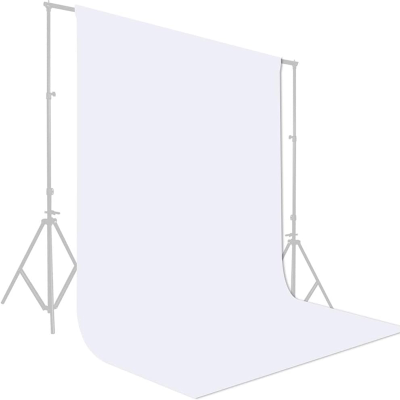
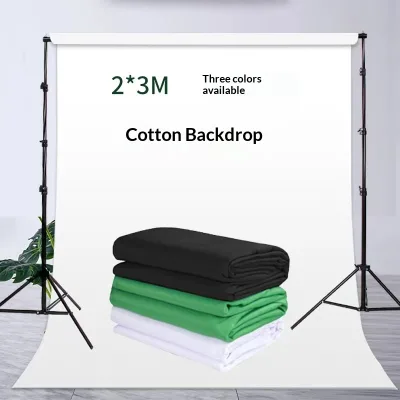
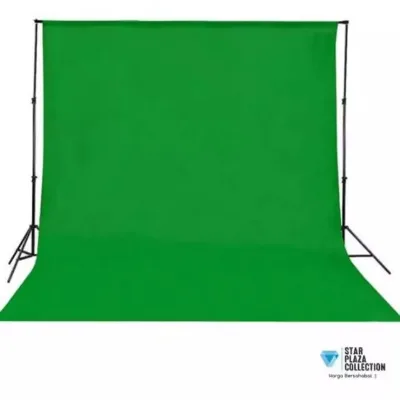
White Background for Photography Backdrop for Youtube Videos Live Streaming Interviews Portraits
$2.13 - $5.08
MOQ: 20 Minimum
Ningbo E-Reise Photographic Equipment Co., Ltd.
- Manufacturer
- Zhejiang, China
- Lead time0 days
- Avg. response≤ 12h
Main productsPhotographic Equipment,comsumer electronics
Main marketsDomestic Market(30.00%), Western Europe(30.00%), South America(20.00%), Southeast Asia(10.00%), North America(10.00%)
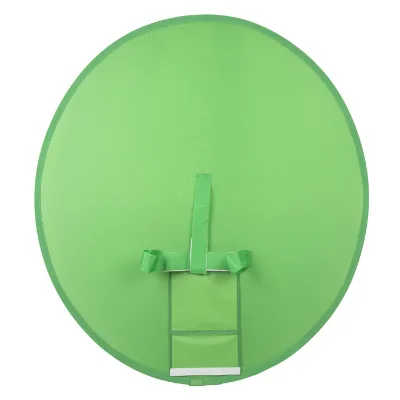
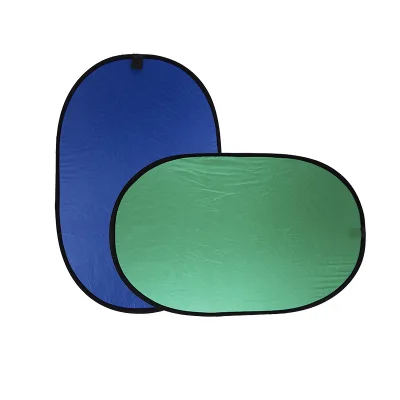
Portable Webcam Background Photography Reflector Chroma Key Backdrop Green Screen
$6.27 - $7.31
MOQ: 100
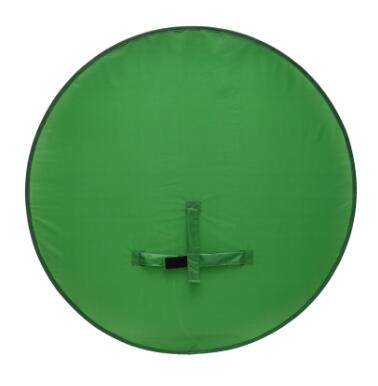
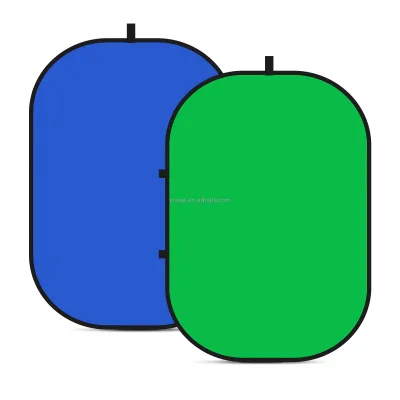
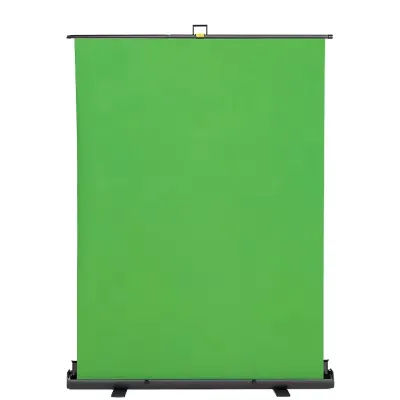
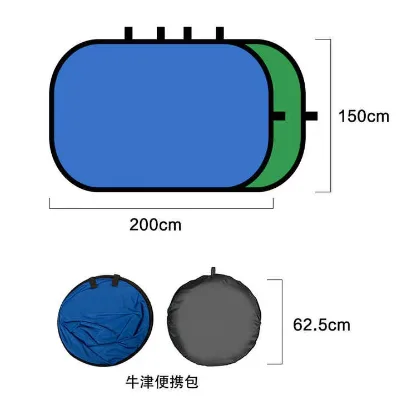
150X200cm Portable Green Screen with Real-time Green Screen Portable Bracket Quick Installation
$50.00 - $80.00
MOQ: 2 Minimum
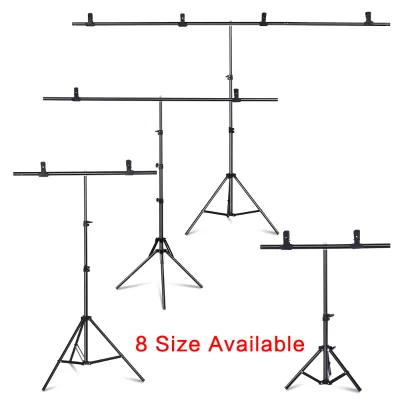
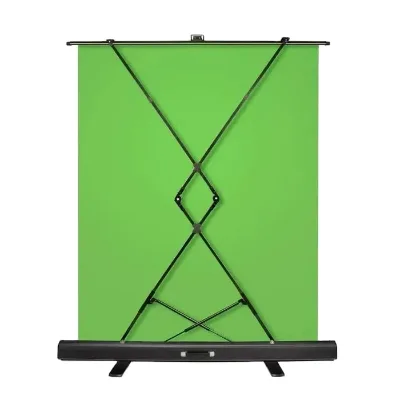
$46.99 - $130.52
MOQ: 10 Minimum
Suzhou Azure Image Audio Visual Equipment Co., Ltd.
- Manufacturer, Trading Company
- Jiangsu, China
- Lead time20 days
- Avg. response≤ 19h
Main productsMotorized Projector Screen,Tripod projector screen,Projection screen,Fixed frame screen,Projector
Main marketsCentral America(30.00%), Mid East(20.00%), South America(20.00%), Northern Europe(5.00%), Southeast Asia(5.00%), Western Europe(3.00%), Eastern Asia(3.00%), South Asia(3.00%), North America(3.00%), Domestic Market(2.00%), Africa(2.00%), Oceania(2.00%), Southern Europe(1.00%), Eastern Europe(1.00%)

Shenzhen Tianlang Advertising Media Co., Ltd.
- Verified by BV
- Combined
- China Guangdong
- Lead time15 days
- Avg. response≤ 5h
Main productsSeg Light Box, Exhibition Light Box, Exhibition Standing, Folding Light Box, Folding Cloth Frame Booth
Main marketsSouth America,Africa,Southeast Asia/ Mideast,East Asia(Japan/ South Korea),Europe,Australia,North America

Weifang Ronning Industry Co., Ltd.
- Verified by TUVRHEINLAND
- Combined
- China Shandong
- Lead time15 days
- Avg. response≤ 2h
Main productsCustom Flag, Hand Flag, Car Flag, Garden Flag, Custom Bandanna, Custom Scarf, Custom Pennant
Main marketsNorth America

Lightweight Seamless and Professional Event Display Tension Fabric Backdrop for Trade Shows
$49.00 - $109.00
MOQ: 1 Pieces

Custom Design 8FT 10FT Straight Backdrop Tension Fabric Portable Pop up Backdrop
$49.00 - $109.00
MOQ: 1 Pieces
Henan Smooth Industrial Co., Ltd.
- Trading Company
- Henan, China
- Lead time12 days
- Avg. response≤ 3h
Main productsWedding backdrop, Wedding flower, Wedding centerpiece, Wedding table chair
Main marketsSouth America(35.00%), North America(35.00%), Eastern Europe(25.00%), Mid East(12.00%)
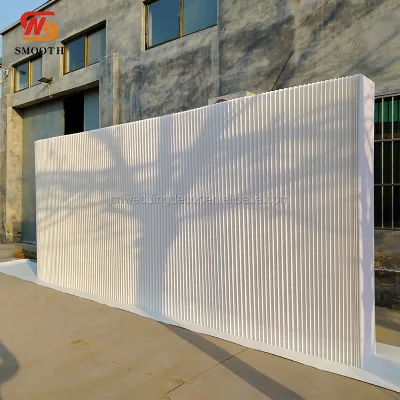
SMOOTH Wedding Home Living Room Backdrop White Paper Wall Folding Screen for Party
$226.00 - $238.00
MOQ: 1
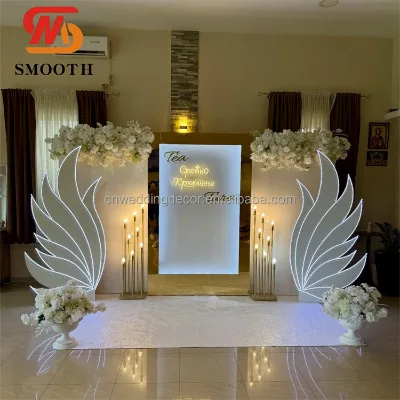
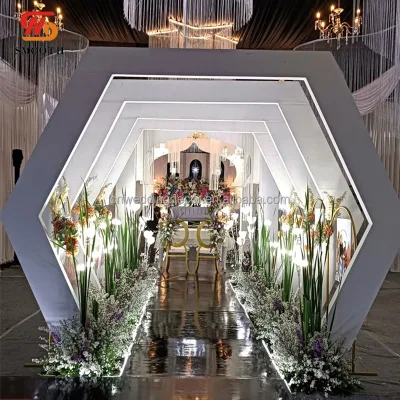
SMOOTH Whole Set White Pentagon Background Polygon Acrylic Backdrop with Led Light
$360.00 - $420.00
MOQ: 1 pieces
Shanghai Guojie Banner Produce Co., Ltd.
- Verified by SGS Group
- Manufacturer, Trading Company
- Lead time15 days
- Avg. response≤ 2h
Main productsBanner, Flag, Table Cloth, Trade Show Tent, Display Stand Banner
Main marketsNorth America(44%), South America(11%), Central America(8%)
Shaoxing Fantai Digital Photographic Equipment Co., Ltd.
- Verified by SGS Group
- Manufacturer, Trading Company
- Lead time20 days
- Avg. response≤ 6h
Main productsTripod, Studio Light, Cleaning Kit, Continous COB Light, Ring Light
Main marketsNorth America(40%), Western Europe(31%), Southeast Asia(19%)
Shenzhen DDW Technology Co., Ltd.
- Verified by TüVRheinland
- Manufacturer, Trading Company
- Lead time3 days
- Avg. response≤ 2h
Main productsRental LED Screen, COB LED Screen, Indoor Outdoor LED Screen, Transparent LED Screen, Creative LED Screen
Main marketsSouth Asia(10%), North America(9%), Eastern Europe(9%)

Eurasia Global International Trade (Shenzhen) Co., Ltd.
- Verified by TUVRHEINLAND
- Trading Company
- China Guangdong
- Lead time15 days
- Avg. response≤ 7h
Main productsExhibition Booth, Rollup Banner, Display Stand, Portable Table, Trade Show Booth, Light Box, LED Light Strip, Flag, Backdrop Stand, Portable Desk
Main marketsEurope
- Verified by TüVRheinland
- Trading Company
- Lead time15 days
- Avg. response≤ 7h
Main productsPhotographic Flash, Continuous Light, LED Panel Light, Light Stand, Photography Accessories
Main marketsNorth America(15%), South America(15%), Southeast Asia(10%)
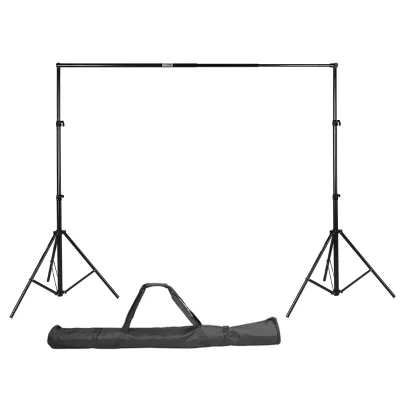
$43.00 - $49.00
MOQ: 1 pieces
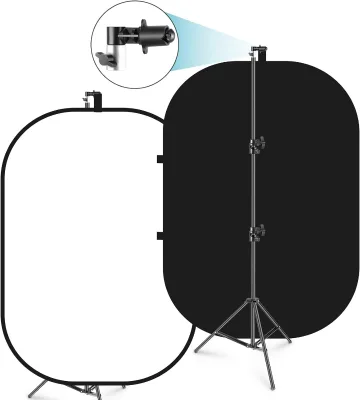
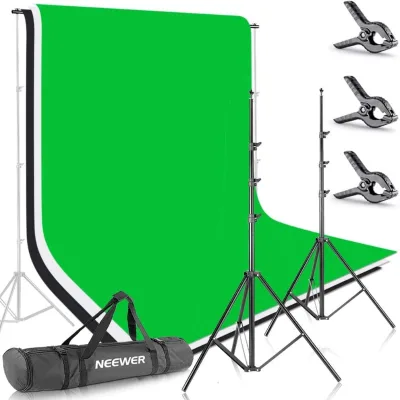
Ningbo Focus Studio Equipment Co., Ltd.
- Manufacturer, Trading Company
- Zhejiang, China
- Lead time30 days
- Avg. response≤ 2h
Main productsPhoto Studio Accessories
Main marketsDomestic Market(70.00%), North America(12.00%), Western Europe(9.00%), Southeast Asia(5.00%), Eastern Asia(2.00%), South America(1.00%), Mid East(1.00%)
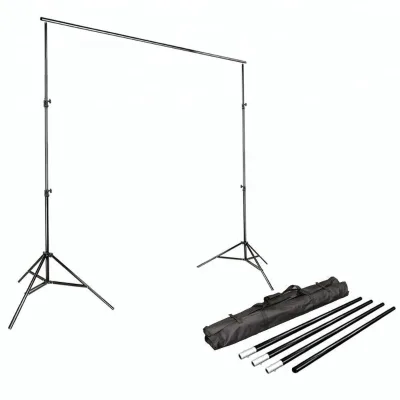
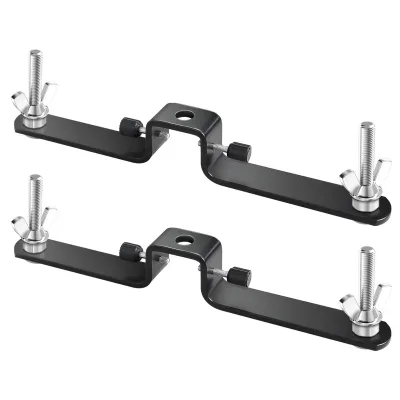
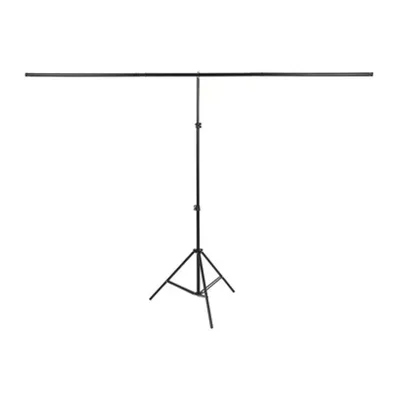
Prime Focus Studio Backdrop Support System Triple Crossbar Mounting Bracket
$4.10 - $10.24
MOQ: 10 pieces

Dongguan Bibuke Electronic Technology CO.,LTD
- Verified by SGS
- Trading Company,Manufacturer/Factory,Group Corporation
- China Guangdong
- Lead time23 days
- Avg. response≤ 2h
Main productsLCD Display, TFT LCD Display, LCD Module Display, OLED Display, COB LCD Display, Cog LCD Display, Buzzer, Other Electronic Materials
Main marketsSouth America,Eastern Europe,Mid East,North America,Southeast Asia,Eastern Asia,Oceania,Western Europe,Africa
Hangzhou D&d Import And Export Co., Ltd.
- Trading Company
- Zhejiang, China
- Lead time20 days
- Avg. response≤ 3h
Main productsFlag Banner, Flag Gifts
Main marketsNorth America(60.00%), Western Europe(10.00%), Mid East(10.00%), Southeast Asia(10.00%), South America(5.00%), Africa(5.00%)
$61.57 - $71.83
MOQ: 2 pieces


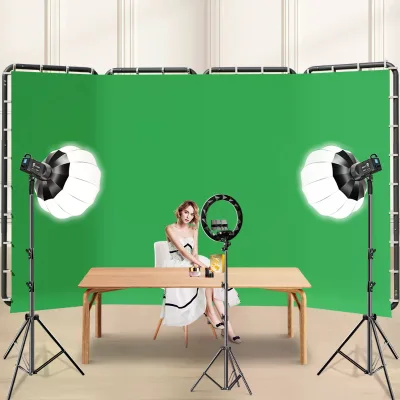
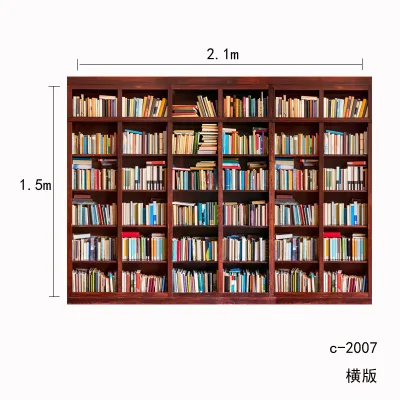
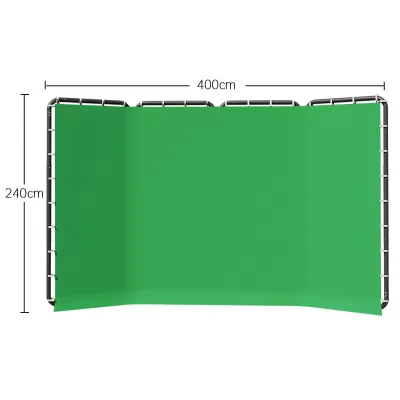
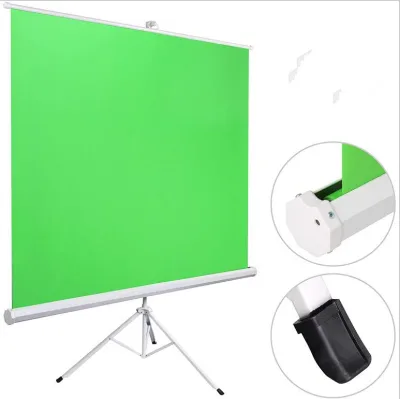
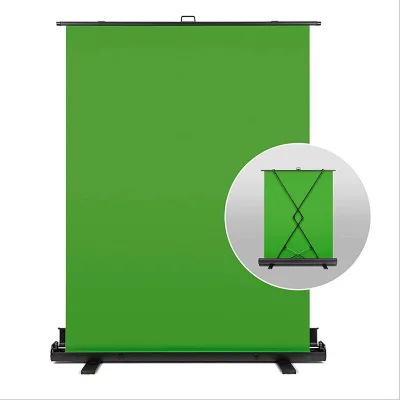
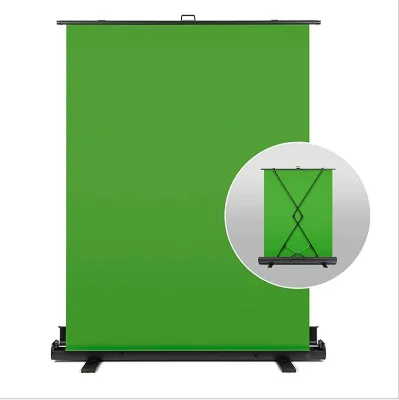


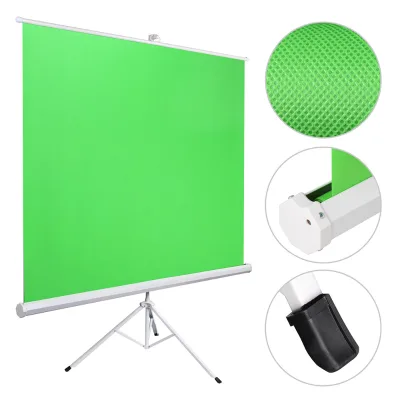
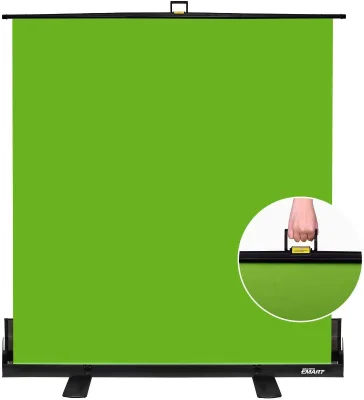
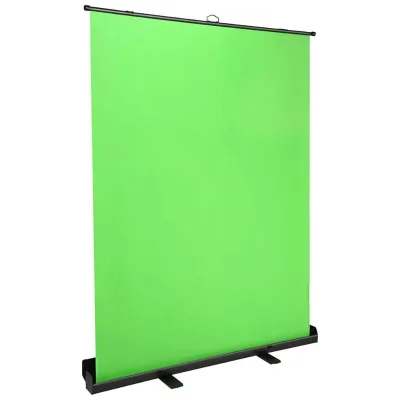
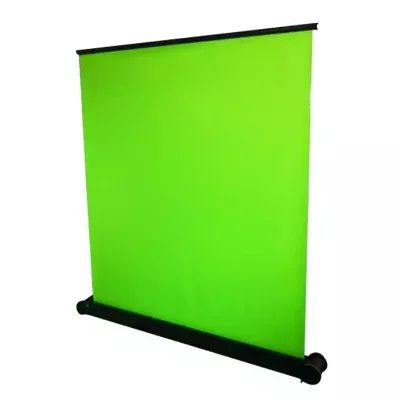
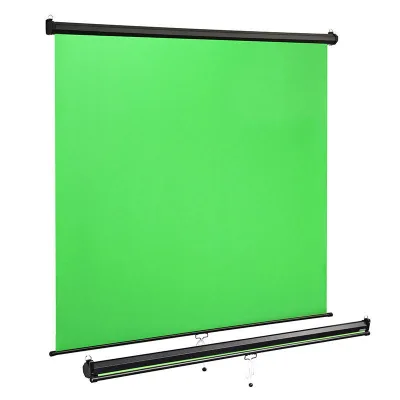
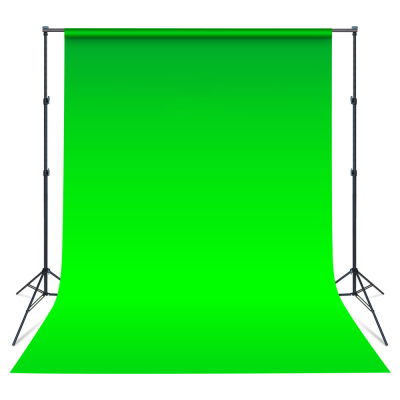






Comprehensive Sourcing Guide
Real Time Green Screen Backdrop Supplier Concentration and Factory Types
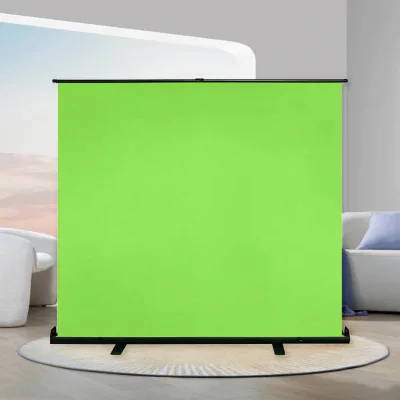
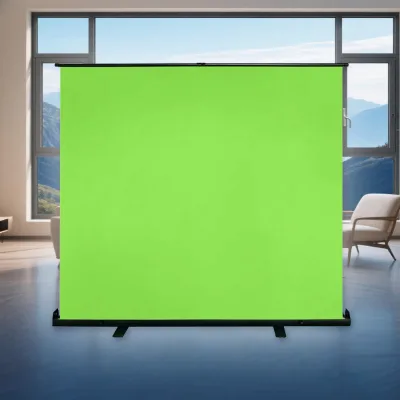
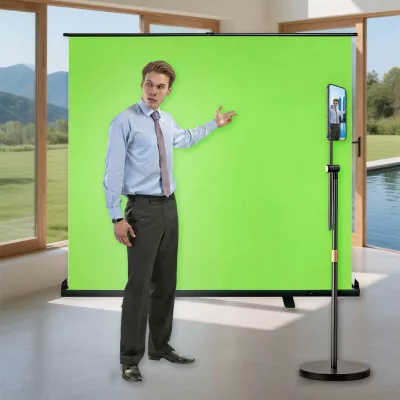
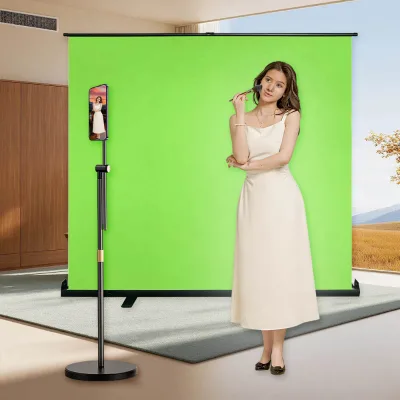
Suppliers in this category cluster around two distinct production models, and buyers should understand the split before shortlisting. On one side are specialist screen manufacturers, typically organized as manufacturer-trading hybrids, whose main product lines include projection screens, home cinema screens, fixed frame screens, detachable projection systems, and motorized lifting projection screens. These factories are well positioned for rigid or framed backdrop formats and engineered solutions such as collapsible, floor-rising, or virtual shooting system green screens. On the other side are textile-focused producers whose core business is micro fiber fabric, brushed fabric, satin, pongee, and 100% polyester cloth; they typically supply chromakey fabric by the roll, solid-color photography backdrops, and wrinkle-free polyester backgrounds cut and hemmed to size.
Location evidence on current listings points to Jiangxi for the screen-side producers and Zhejiang for the fabric mills, with Shandong appearing as a base for photo-studio accessory suppliers that combine backdrops with video lights, softboxes, and backdrop support systems. Treat these as directional signals rather than guarantees, since listings can change. When evaluating a candidate, classify it first by factory type — screen fabricator, fabric mill, or accessory assembler — because that classification predicts what it can customize, what its realistic lead time will be, and whether it controls the critical chromakey surface or merely buys it in.
How to Verify Real Time Green Screen Backdrop Suppliers
Start with structural verification rather than product photos. Confirm the company type shown on the profile — manufacturer, trading company, or a combined model — and check whether third-party verification is displayed; at least one fabric-side supplier on current results carries a BV verification badge, which is a useful benchmark for what documented vetting looks like. Ask for a business license and cross-check the registered scope against the claimed main products. A supplier whose main products are projection screens, fixed frame screens, and motorized lifting systems is plausibly equipped for rigid green screens; a profile listing bedsheets, quilts, and wax fabric alongside backdrop cloth is probably a diversified textile mill, which is acceptable but changes your quality-control approach.
Second, verify manufacturing capability with evidence tied to this product. Request the exact fabric specification in writing — one current listing states 120GSM polyester microfiber, which is the level of specificity you should demand — plus weave type, weight tolerance, and dye process for the chromakey green. Ask whether private-mold or ODM/OEM work is supported; several current listings do declare this capability, but never assume it applies across the board. Finally, verify responsiveness before committing: response-time figures on live profiles range from roughly one hour to five hours in this category, so measure actual reply speed during your inquiry round and treat slow pre-sale replies as a predictor of after-sales friction. Keep a verification checklist per supplier and score each item objectively.
What to Compare Across Real Time Green Screen Backdrop Suppliers
Build a comparison matrix using the attributes that actually appear on supplier profiles, and record blanks honestly rather than assuming every supplier displays every field. The most decision-relevant columns are lead time, MOQ, response time, verification status, company type, location, and main products. Current data shows real spread: one screen specialist lists a 15-day lead time with a one-hour response time, a fabric mill lists 30 days, and a Shandong backdrop-and-lighting supplier lists just 3 days but a five-hour response time. That spread matters more than headline pricing, because it tells you who can serve urgent restocks and who is better for planned bulk runs.
On MOQ, compare like with like: fabric-by-the-roll listings on current results show minimums in the thousands of units, which suits large buyers, while finished backdrop or screen listings may be sold as single items with no stated minimum. Confirm the actual MOQ for your exact size and format before comparing prices. Product scope is another comparison axis — some suppliers cover only backdrops, while others bundle softboxes, light stands, and support systems, which can consolidate your purchasing. Also compare customization declarations: one supplier states customization available with client color and design accepted and offers hemmed or overlock stitching with a rod pocket; another declares a private mold. Weigh verified capability and fit-to-need above raw quote rank.
Common Real Time Green Screen Backdrop Sourcing Risks
The biggest category-specific risk is chromakey performance failure: a green that reflects unevenly, wrinkles under studio lights, or shifts hue between production batches. Wrinkle-free and non-reflective claims appear on current listings, but claims are not proof — require physical samples from the actual production run and test them under your lighting setup before approving mass production. A second risk is material substitution: listings may describe PVC-based collapsible screens in one product and polyester microfiber or muslin-style fabric in another, sometimes within the same supplier's catalog. Specify the material, fabric weight, and finish in a written specification sheet, and note that one listing shows a single-item gross weight of 60 kg, which materially affects freight and handling if you order rigid formats.
Third, watch for mixed factory types. A combined manufacturer-trading profile means your contact may not control the production line, adding a handoff layer that can delay rework. Fourth, mismatched expectations on customization: some listings state customization available while others are fixed-specification catalog items, so confirm before design investment. Fifth, after-sales gaps: one listing offers free spare parts and a one-year warranty, but this is not a category-wide guarantee — treat warranty terms as negotiable and documented, never assumed. Finally, avoid judging suppliers by response speed alone; the fastest responder on paper is not automatically the strongest manufacturer.
Real Time Green Screen Backdrop Regional Sourcing and Logistics
Regional sourcing in this category follows the factory-type split described earlier. Screen-side producers located in Jiangxi specialize in projection screen formats, including fixed frame, detachable, and motorized lifting systems, plus collapsible virtual shooting setups; packaged dimensions on one such listing run to 280 × 45 × 45 cm per single item, so carton size and gross weight must enter your freight calculations early. Fabric-side mills in Zhejiang pack chromakey cloth in rolls, which ships more densely and suits sea freight for bulk orders, while a Shandong accessory supplier's screen-and-frame kits pack down to roughly 90 × 25 × 25 cm. Ask every shortlisted supplier for the single package size and single gross weight of your exact configuration before comparing landed costs.
Lead-time differences by region are significant on current data: three days from the Shandong accessory supplier, fifteen days from the Jiangxi screen manufacturer, and thirty days from the Zhejiang fabric mill. Plan inventory buffers around the slowest link in your chosen supply chain rather than the fastest quote. Also confirm the shipping port or origin city each supplier uses, since inland origins add domestic trucking time and cost to the quoted lead time. For mixed orders — backdrops plus lights and stands — check whether one region can consolidate the shipment, because splitting suppliers across regions multiplies customs entries, minimum freight charges, and coordination overhead. Always request packaging specs in writing with the quotation.
Real Time Green Screen Backdrop Commercial Terms and Order Planning
Structure commercial terms around the verified data points from your supplier matrix. Anchor negotiations on three levers: lead time, MOQ, and customization scope. Where a fabric supplier states a 5000-unit MOQ for roll goods and 3000 units for finished backdrops, use those figures as opening references but negotiate against your actual demand forecast — first-article or pilot orders at lower volumes are often acceptable if you commit to repeat purchases. Where a screen supplier quotes 106–113 USD price bands on finished green screen units, treat listed prices as negotiation baselines only, since they shift with size, format, and order volume; never lock a budget to a listing price without a formal quotation for your specification.
Plan orders against the lead-time spread documented earlier — three, fifteen, and thirty days — and add sample production and shipping time on top. For customized colors, printed designs, or private-mold work, add tooling and approval cycles to the calendar before promising delivery dates to your own customers. Put warranty terms in the contract: free spare parts and a one-year warranty exist in this market but must be stated per supplier, not assumed. Use secure payment structures — escrow-style protection or staged payments against inspection — and hold a retention percentage until post-shipment quality checks pass. Finally, schedule reorders by lead-time class: keep safety stock against the 30-day fabric channel and use short-lead accessory suppliers for urgent top-ups.
FAQs
What is the typical lead time for green screen backdrops?
Manufacturers in Jiangxi, China, typically require 15 days to produce and ship orders. Suppliers in Shandong offer a faster turnaround of just 3 days. Zhejiang-based fabric producers generally need 30 days for bulk textile orders. Buyers should confirm specific timelines with the supplier before placing an order.
What are the minimum order quantities for green screen fabrics?
Minimum order quantities vary significantly by product type. Fabric suppliers in Zhejiang require a minimum of 3,000 to 5,000 units. In contrast, manufacturers of portable projection screens and complete studio setups do not list specific MOQs in the provided data. Buyers must verify the exact MOQ directly with the supplier.
How quickly do suppliers respond to inquiries?
Response times differ among suppliers. Some manufacturers in Jiangxi and Shandong respond within one to five days. Suppliers in Zhejiang have an average response time of 1.73 days. Fast response times indicate active customer service teams. Buyers should expect varying reply speeds depending on the supplier's location and current workload.
What materials are used for green screen backdrops?
Common materials include PVC, polyester microfiber, and cotton. Portable screens often use PVC for durability and portability. Fabric backdrops are typically made from 120GSM polyester microfiber or 100% polyester. Some heavy-duty options use thickened cotton. Buyers should check product specifications to ensure the material meets their lighting and durability requirements.
Are green screen backdrops customizable?
Yes, many suppliers offer customization options. Fabric producers in Zhejiang accept custom colors, designs, and printing methods like disperse or digital printing. Manufacturers also provide private molds for specific screen models. Buyers can request custom sizes and logos. Always confirm customization details and any associated costs with the supplier before finalizing the order.
What certifications do green screen suppliers have?
Some manufacturers hold RoHS system certifications, ensuring compliance with environmental standards. Other suppliers may have BV verification for business credibility. Buyers should request specific certification documents to verify product safety and quality standards. Certifications vary by supplier, so direct verification is essential for compliance with local regulations.
What is the price range for green screen products?
Prices vary based on product type and material. Portable PVC screens and complete studio setups range from approximately 106 to 113 units of currency. Bulk fabric rolls are priced around 1.15 units per unit. Prices depend on quantity and customization. Buyers should request detailed quotes to understand the total cost including shipping and taxes.