Portable Mini Video Camera Tripod Suppliers and Manufacturers
Explore 20 verified options for Portable Mini Video Camera Tripod from Guangdong, China. Compare lead times, certifications like BSCI and RoHS, and product specifications including load capacity and material. Contact suppliers directly to request samples or customizations; review the available evidence before requesting comparable quotations from suitable candidates.
Suppliers List
Fotopro (Guangdong) Image Industrial Co., Ltd.
- Verified by SGS Group
- Manufacturer, Trading Company
- Guangdong, China
- Lead time30 days
- Avg. response≤ 3h
Main productsTripod, Selfie Stick, Light Tripod
Main marketsNorthern Europe(42%), Domestic Market(23%), North America(10%)
- Verified by TüVRheinland
- Trading Company
- Lead time15 days
- Avg. response≤ 7h
Main productsPhotographic Flash, Continuous Light, LED Panel Light, Light Stand, Photography Accessories
Main marketsNorth America(15%), South America(15%), Southeast Asia(10%)
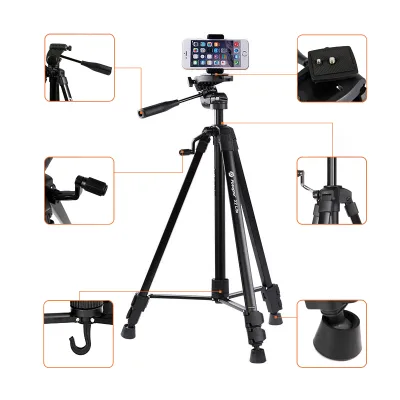
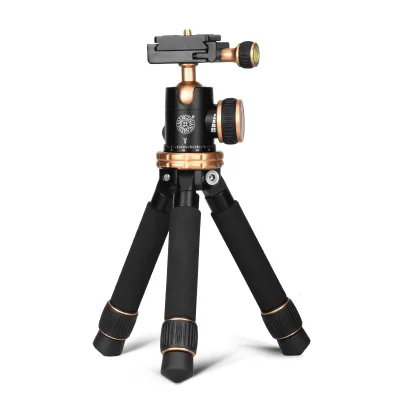
X2 Lite Professional Aluminum Photo Tripod Flexible Mini Camera Tripod Stand
$10.95 - $11.50
MOQ: 1 pieces
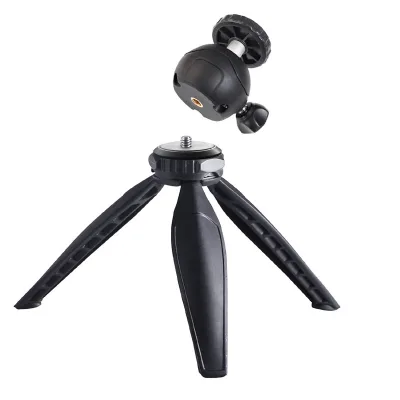
$2.20 - $2.80
MOQ: 2 pieces
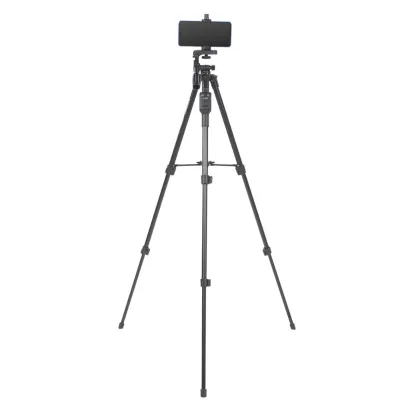
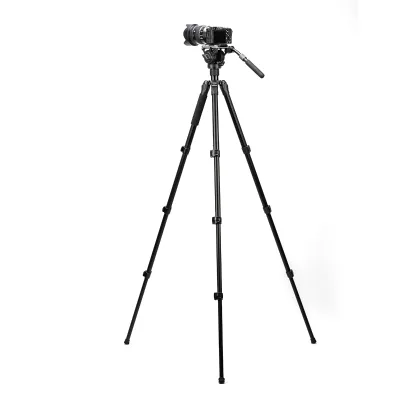
YUNTENG VCT-5208 Aluminum Camera Tripod With 3-Way Head & Remote + Clip for Camera Phone
$9.25 - $10.10
MOQ: 10 pieces
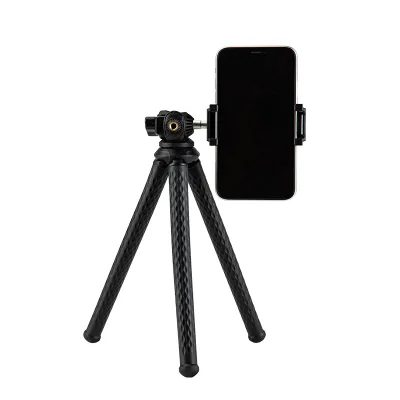

Chongqing Dontop Optics Co., Ltd.
- Trading Company,Manufacturer/Factory
- China Chongqing
- Lead time38 days
- Avg. response≤ 5h
Main productsBinoculars, Rifle Scope, Range Finder, Spotting Scope, Telescope, Lenses, Red DOT, Night Vision, Monoculars, Mount
Main marketsSouth America,Eastern Europe,Mid East,North America,Southeast Asia,Eastern Asia,Oceania,Western Europe,Africa

- Verified by SGS
- Manufacturer/Factory
- China Guangdong
- Lead time23 days
- Avg. response≤ 20h
Main productsCNC Machining Parts
Main marketsSouth America,Eastern Europe,Mid East,North America,Southeast Asia,Eastern Asia,Oceania,Western Europe

OEM Die Casted Mini Portable Aluminum Camera Tripod of Photographic Equipment
$1.50 - $1.90
MOQ: 100 Pieces

Shenzhen Ecostar Technology Co., Ltd
- Manufacturer
- Guangdong, China
- Lead time7 days
- Avg. response≤ 2h
Main productscamera,camera accessories,mouse keyboard,smart watch,projector
Main marketsNorth America(28.00%), Western Europe(18.00%), Domestic Market(10.00%), Northern Europe(9.00%), Eastern Europe(5.00%), Mid East(5.00%), South Asia(4.50%), Southern Europe(4.00%), Southeast Asia(4.00%), Oceania(4.00%), South America(3.50%), Central America(2.00%), Eastern Asia(1.50%), Africa(1.50%)
Shenzhen Apexel Technology Co., Ltd.
- Verified by SGS Group
- Manufacturer, Trading Company
- Lead time15 days
- Avg. response≤ 10h
Main productsCamera Lenses, Tripod, Photographic Lighting, Telescope & Binoculars
Main marketsNorth America(25%), Eastern Europe(10%), Eastern Asia(10%)
Ningbo Efoto Technology Co., Ltd.
- Manufacturer, Trading Company
- Zhejiang, China
- Lead time30 days
- Avg. response≤ 3h
Main productsStudio Equipment, Photography Accessories, Camera Tripods
Main marketsDomestic Market(49.00%), North America(10.00%), South America(8.00%), Southern Europe(7.00%), Northern Europe(7.00%), Western Europe(6.00%), Central America(5.00%), South Asia(3.00%), Eastern Europe(3.00%), Africa(2.00%)

Rizhao Fenghua Scaffoldings Co., Ltd.
- Verified by BV
- Combined
- China Shandong
- Lead time45 days
- Avg. response≤ 14h
Main productsScaffolding, Scaffold, Forging, Formwork, Scaffold Couplers, Swivel Coupler, Frame System, Hand Tools, Scaffold Plank
Main marketsSouth America,East Asia(Japan/ South Korea),Europe,North America
Ningbo E-Reise Photographic Equipment Co., Ltd.
- Manufacturer
- Zhejiang, China
- Lead time0 days
- Avg. response≤ 11h
Main productsPhotographic Equipment,comsumer electronics
Main marketsDomestic Market(30.00%), Western Europe(30.00%), South America(20.00%), Southeast Asia(10.00%), North America(10.00%)
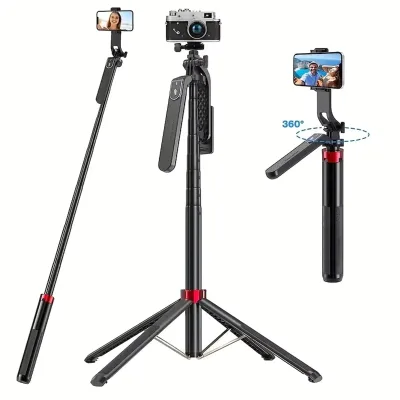
Overhead Shooting Tripod - 360° Rotation for Panoramic Photography & Videography
$20.64 - $25.80
MOQ: 2 Minimum
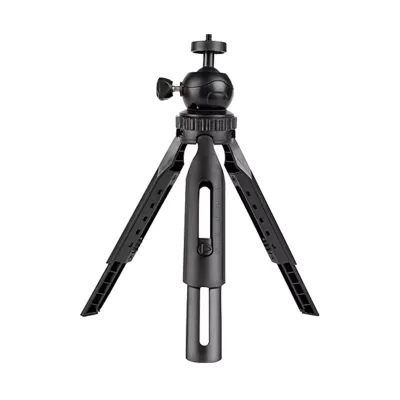
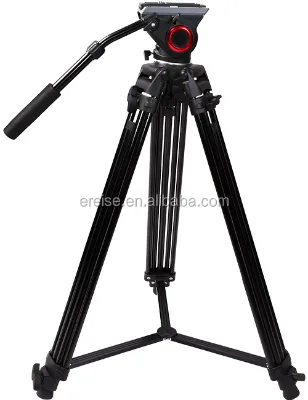
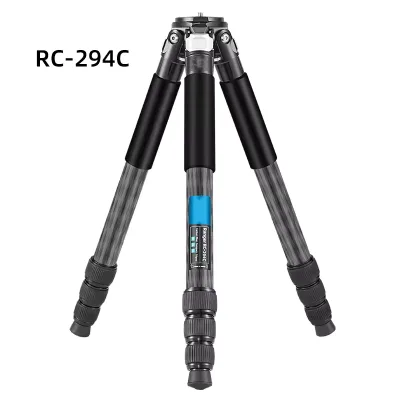
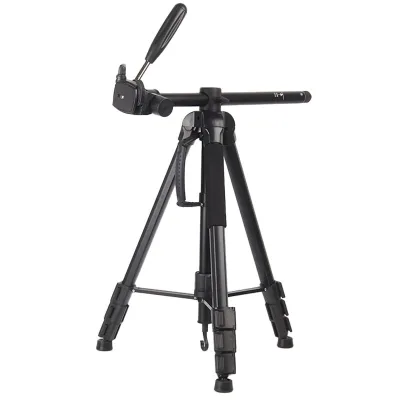
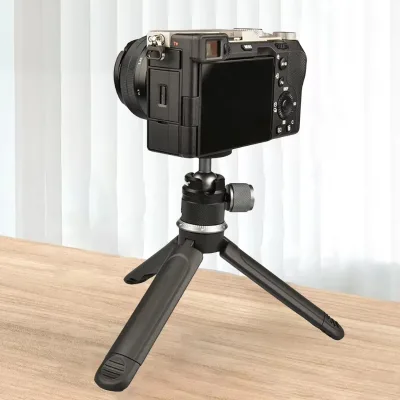
Professional Camera Portable Tripod Stand Carbon Fiber Camera Tripod for Photography Adapter
$88.00 - $138.00
MOQ: 2 Minimum

Guangzhou Miao Figure Digital Technology Co, Ltd
- Verified by TUVRHEINLAND
- Manufacturer/Factory
- China Guangdong
- Lead time68 days
- Avg. response≤ 2h
Main productsPhotography Lights, Photography Background, Photography Props, Camera Stand, Photography Stand, Background Stand, Camera Accessories, Action Camera Accessories, Photography Softbox, Photography Light Stand
Main marketsEastern Europe,Mid East,North America,Western Europe,Africa
Shenzhen Genyuanfa Industrial Co., Ltd.
- Trading Company, Distributor/Wholesaler
- Guangdong, China
- Lead time7 days
- Avg. response≤ 3h
Main productsLED Ring Light,display stand,mobile phone stand,selfie stick,Wireless microphone
Main marketsDomestic Market(50.00%), North America(10.00%), Eastern Asia(6.00%), South America(5.00%), Mid East(5.00%), Southeast Asia(5.00%), Africa(4.00%), Central America(3.00%), Oceania(2.00%), South Asia(2.00%), Southern Europe(2.00%), Northern Europe(2.00%), Eastern Europe(2.00%), Western Europe(2.00%)
- Manufacturer, Trading Company
- Guangdong, China
- Lead time20 days
- Avg. response≤ 7h
Main productsCamera Tripod,Camera Accessories,Film Camera,Photographic Accessories,Camer lens
Main marketsAfrica(30.00%), Northern Europe(10.00%), Western Europe(10.00%), Southern Europe(5.00%), North America(5.00%), South Asia(5.00%), Eastern Asia(5.00%), Eastern Europe(5.00%), Domestic Market(5.00%), South America(5.00%), Oceania(5.00%), Southeast Asia(5.00%), Mid East(4.00%), Central America(1.00%)
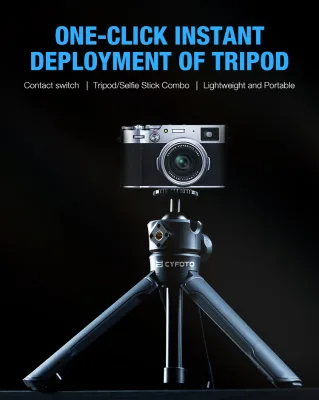
$6.14 - $8.19
MOQ: 500 pieces
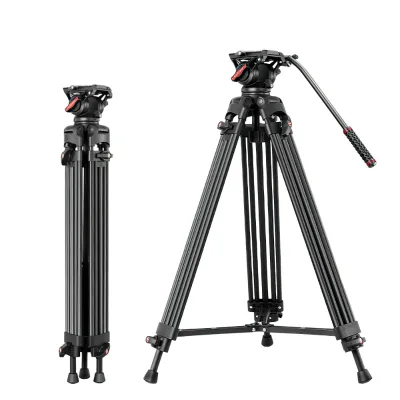
Professional Fluid Head Camcorder Tripod for DSLR Video Telescope Tripod with Stable Performance
$14.00 - $15.00
MOQ: 50 pieces
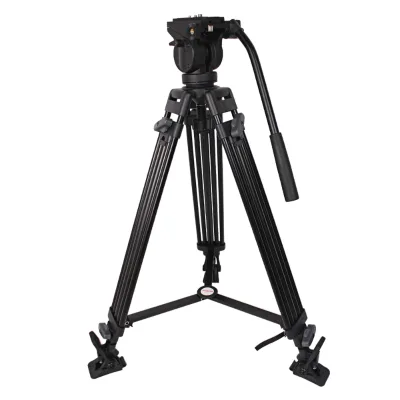
Professional Heavy-Duty Video Camera Tripod for DSLR Camcorder Telescope Photography for DV Users
$140.00 - $150.00
MOQ: 50 pieces

Zhongshan Yunteng Photographic Equipment Co., Ltd.
- Verified by SGS
- Combined
- China Guangdong
- Lead time45 days
- Avg. response≤ 3h
Main productsTripod, Stand, Selfi, Stick, Camera Accessory, Phone Accessory, Monopod, Light Stand, Mobile Holder, Panhead
Main marketsEast Asia(Japan/ South Korea),Europe
Zhongshan Cambofoto Photographic Equipment Co., Ltd.
- Manufacturer
- Guangdong, China
- Lead time30 days
- Avg. response≤ 3h
Main productsTripod,Monopod,Ball head,Selfie stick,light stand
Main marketsNorth America(30.00%), Eastern Europe(20.00%), Domestic Market(19.00%), Western Europe(10.00%), South Asia(5.00%), Southern Europe(5.00%), Southeast Asia(4.00%), Northern Europe(2.00%), Eastern Asia(2.00%), South America(1.00%), Central America(1.00%), Africa(1.00%)
Shaoxing Fantai Digital Photographic Equipment Co., Ltd.
- Verified by SGS Group
- Manufacturer, Trading Company
- Lead time20 days
- Avg. response≤ 6h
Main productsTripod, Studio Light, Cleaning Kit, Continous COB Light, Ring Light
Main marketsNorth America(40%), Western Europe(31%), Southeast Asia(19%)
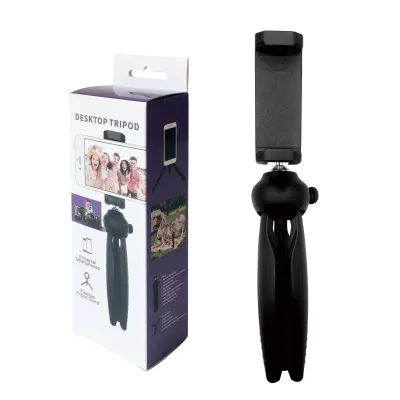
Mini Heavy Duty Small Desktop Tripod Professional Mini Tabletop Tripod for Photography
$1.63 - $3.06
MOQ: 100 pieces
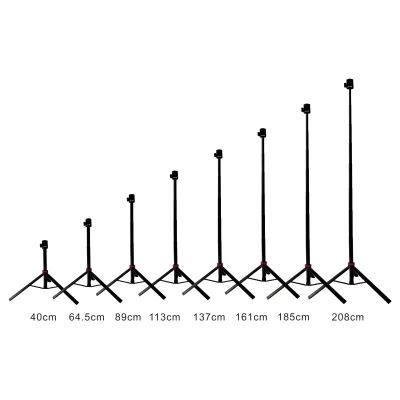
2m Light Stand Tripod With Quick Release Plate for Video Vlog Photography Shoot
$5.11 - $7.16
MOQ: 100 pieces
- Manufacturer, Trading Company
- Shandong, China
- Lead time3 days
- Avg. response≤ 5h
Main productsBackdrops,Video Lights,Softboxes,Light Stands,Backdrop Support System
Main marketsCentral America(15.00%), South America(15.00%), North America(15.00%), Western Europe(10.00%), Northern Europe(10.00%), Africa(10.00%), Eastern Europe(10.00%), Southern Europe(5.00%), Eastern Asia(5.00%), Southeast Asia(5.00%)
Dongguan Xintan Hardware Products Co., Ltd.
- Manufacturer, Trading Company
- Guangdong, China
- Lead time15 days
- Avg. response≤ 11h
Main productsTripod Stand,Photographic Lighting,LED Ring Light,Grow Tent,Hardware Accessories
Main marketsNorth America(40.00%), South America(15.00%), Western Europe(10.00%), Mid East(10.00%), Africa(10.00%), South Asia(5.00%), Southern Europe(5.00%), Northern Europe(5.00%)
Guangzhou Fushitu Digital Technology Co., Ltd.
- Verified by SGS Group
- Manufacturer, Trading Company
- Lead time20 days
- Avg. response≤ 2h
Main productsLED Half Moon Light, Lash Light, LED Star Ring Light, LED Ring Light, Tripod Stand & Camera Bag
Main marketsNorth America(30%), Western Europe(20%), Oceania(15%)
Guangdong Futulong Photography Equipment Co., Ltd.
- Manufacturer
- Guangdong, China
- Lead time3 days
- Avg. response≤ 4h
Main productsPhotography lighting,live streaming lighting,photography accessories,Photography fill-in light,Selfie stick
Main marketsSouth America(30.00%), Africa(10.00%), North America(5.00%), Eastern Europe(5.00%), Southeast Asia(5.00%), Oceania(5.00%), Mid East(5.00%), Eastern Asia(5.00%), Western Europe(5.00%), Central America(5.00%), Northern Europe(5.00%), Southern Europe(5.00%), South Asia(5.00%), Domestic Market(5.00%)
ZHONGSHAN GOODTO INDUSTRIAL CO., LTD
- Manufacturer
- Guangdong, China
- Lead time0 days
- Avg. response≤ 3h
Main productsvideo and camera tripod,stablizer,professional head,mobile photography,lightweight tripod
Main marketsDomestic Market(20.00%), Southeast Asia(15.00%), Africa(10.00%), South Asia(10.00%), Mid East(10.00%), North America(5.00%), South America(5.00%), Northern Europe(5.00%), Central America(5.00%), Western Europe(5.00%), Eastern Asia(5.00%), Eastern Europe(5.00%)







Comprehensive Sourcing Guide
Portable Mini Video Camera Tripod Supplier Concentration and Factory Types
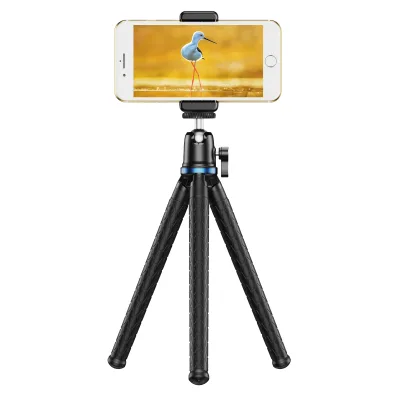
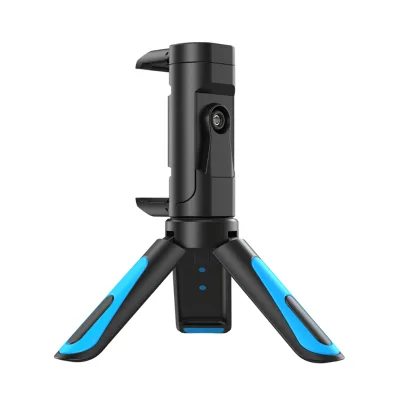
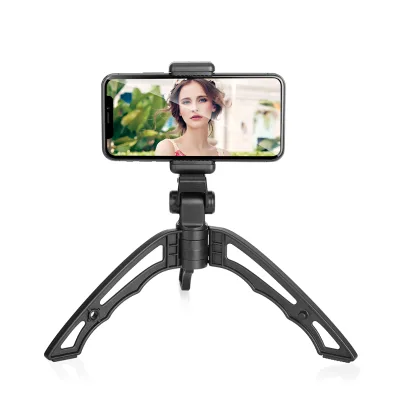
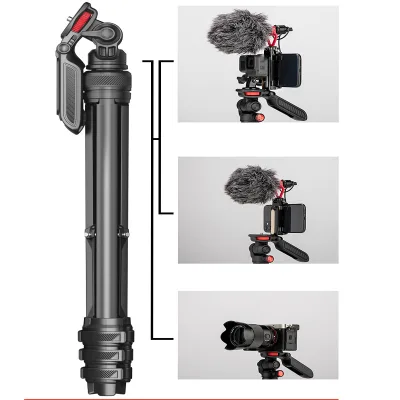
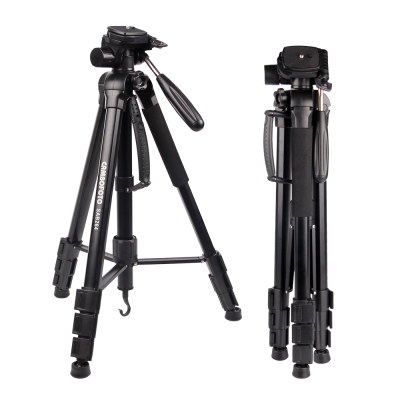
The current search results indicate a clear concentration of manufacturers and trading companies operating within Guangdong, China, for portable mini video camera tripods. This region serves as a primary hub for consumer electronics and camera accessories, where suppliers leverage established supply chains for materials like carbon fiber and aluminum. The data confirms that the place of origin for the listed products is consistently Guangdong, suggesting a dense cluster of production facilities capable of handling both standard and customized orders. Buyers should recognize that this geographic concentration often correlates with specialized expertise in lightweight, portable designs, as evidenced by the specific product attributes such as 4-section legs and compact folded lengths found in the results.
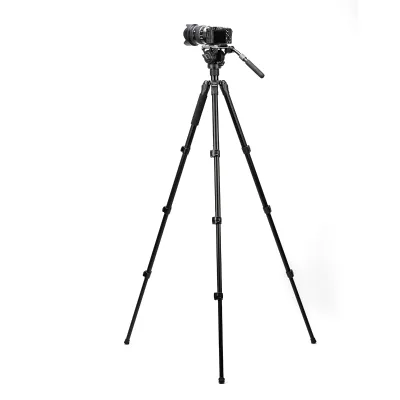
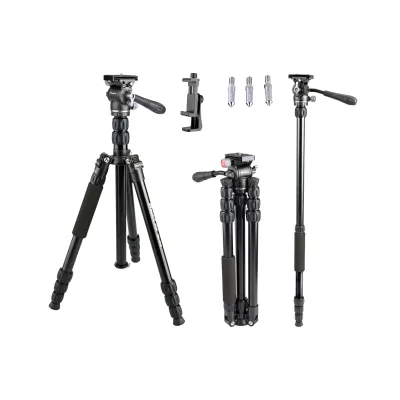
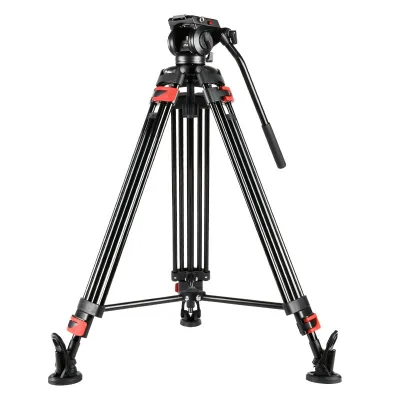
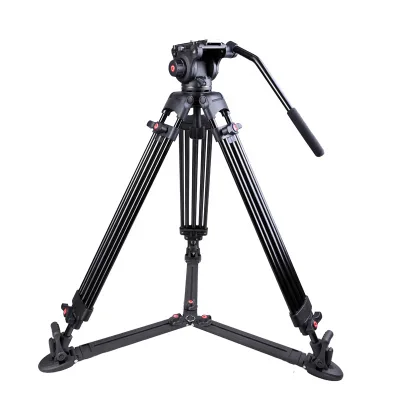
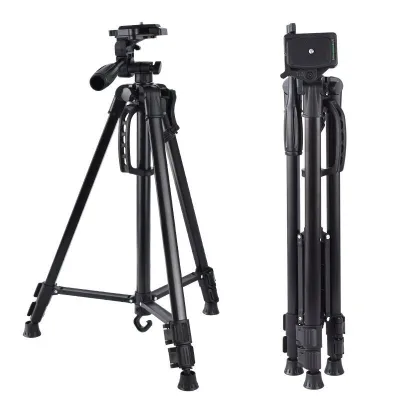
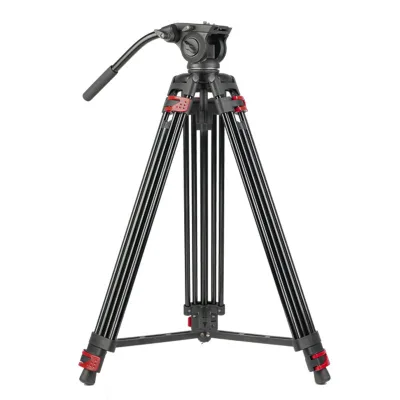
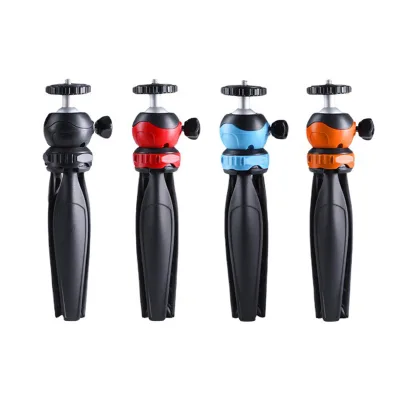
When evaluating the supplier types in this cluster, it is essential to distinguish between pure manufacturers and trading companies, as both appear in the results. Manufacturers typically offer direct control over production processes, which can facilitate the light customization and sample processing capabilities noted in the supplier data. Trading companies, on the other hand, may aggregate products from various factories to offer a broader range of options, such as the mix of tripod types ranging from heavy-duty video stands to flexible mini tripods. Buyers must verify the specific company type to understand the depth of technical support and the flexibility of the supply chain, ensuring the chosen partner aligns with their specific volume and customization needs without assuming all suppliers in the region offer identical capabilities.
How to Verify Portable Mini Video Camera Tripod Suppliers
Verification of suppliers in the Portable Mini Video Camera Tripod sector requires a rigorous check of third-party credentials and system certifications. The available data highlights that some suppliers have undergone verification by SGS Group, a critical step for establishing trust in the manufacturing process. Additionally, the presence of system certifications such as BSCI, RoHS, CE, and FCC indicates adherence to international standards for social compliance, environmental safety, and electromagnetic compatibility. Buyers should prioritize suppliers who display these specific certifications, as they provide concrete evidence that the factory meets regulatory requirements for exporting to major markets. It is crucial to request current certification documents rather than relying on general claims, ensuring the credentials are valid and applicable to the specific product models being sourced.
Beyond certifications, buyers must assess the operational reliability of the supplier through response times and production capacity indicators. The observed data shows a response time of 3 days for some suppliers, which serves as a baseline for communication efficiency. A faster response time often correlates with better project management and a more agile supply chain, which is vital for time-sensitive orders. Furthermore, the supplier's capacity for light customization, sample processing, and graphic processing suggests a flexible manufacturing environment. Buyers should verify these capabilities by requesting samples and testing the supplier's ability to handle specific requests, such as custom branding or unique leg configurations. Confirming these operational metrics ensures the supplier can deliver consistent quality and meet the specific demands of the portable tripod market.
What to Compare Across Portable Mini Video Camera Tripod Suppliers
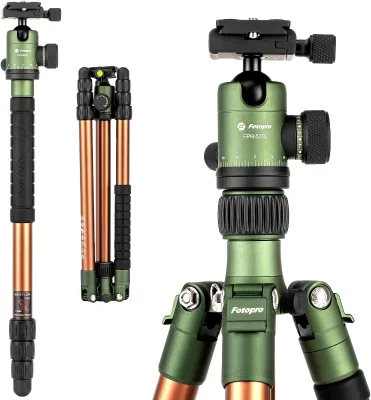
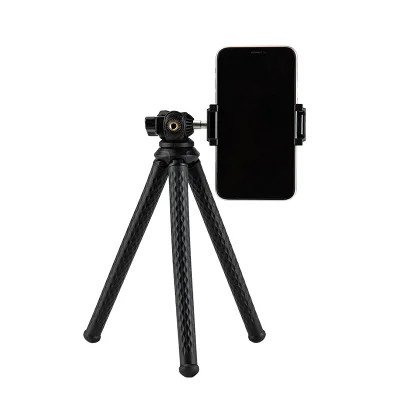
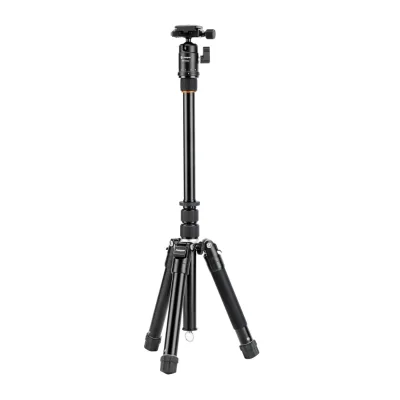
Comparing suppliers requires a detailed analysis of product specifications, pricing structures, and minimum order quantities to ensure alignment with business goals. The data reveals a wide range of product attributes, including materials like carbon fiber and aluminum, load capacities ranging from 2kg to 8kg, and varying leg section counts. Buyers should compare these technical specifications to determine which supplier offers the optimal balance of weight, durability, and stability for their specific use cases. For instance, a supplier offering a carbon fiber tripod with a 4-section design and an extended length of 1566mm may be ideal for professional video work, while another offering a high-density rubber-coated model with a 1-section leg might be better suited for smartphone photography.
Pricing and order terms are equally critical factors in the comparison process. The observed price ranges vary significantly, from as low as $5.00 to as high as $92.00, reflecting differences in material quality, brand positioning, and feature sets. Buyers must evaluate the price per unit against the minimum order quantity (MOQ), which is listed as 1 for some items, allowing for low-risk sampling. It is also important to compare the lead times, with some suppliers indicating a 30-day production window. By creating a side-by-side comparison of these variables, buyers can identify suppliers that offer the best value proposition without compromising on quality or delivery schedules. This structured approach ensures that the final selection is based on concrete data rather than assumptions.
Common Portable Mini Video Camera Tripod Sourcing Risks
One significant risk in sourcing portable mini video camera tripods is the potential discrepancy between advertised specifications and actual product performance. The data shows variations in material descriptions, such as "Carbon Fiber" versus "Aluminum" or "High-density rubber-coated Robust and Plastic," which can lead to confusion if not carefully verified. Buyers face the risk of receiving products that do not meet the stated load capacity or weight requirements, potentially affecting the usability of the tripod in professional settings. To mitigate this, it is essential to request detailed product evidence and physical samples before committing to large orders, ensuring that the materials and construction match the supplier's claims.
Another critical risk involves the reliability of the supply chain and the consistency of quality control. While some suppliers display certifications like RoHS and CE, the absence of these marks on other listings raises concerns about compliance and safety. Additionally, the variation in response times and lead times suggests that some suppliers may struggle with production scheduling or communication. Buyers should be wary of suppliers who cannot provide clear timelines or who lack third-party verification. Establishing a robust quality assurance process, including pre-shipment inspections and clear communication channels, is necessary to navigate these risks effectively. By proactively addressing these potential pitfalls, buyers can protect their interests and ensure a smoother sourcing experience.
Portable Mini Video Camera Tripod Regional Sourcing and Logistics
The concentration of suppliers in Guangdong, China, offers distinct logistical advantages for sourcing portable mini video camera tripods. This region benefits from well-developed infrastructure and proximity to major ports, facilitating efficient export operations. The consistent place of origin across the product data suggests that buyers can expect streamlined logistics from this hub, reducing transit times and shipping costs. However, buyers must also consider the potential for regional disruptions, such as seasonal production peaks or regulatory changes, which could impact delivery schedules. Understanding the specific logistics capabilities of each supplier is crucial for planning inventory levels and managing customer expectations.
When evaluating regional sourcing, buyers should also assess the supplier's experience with international shipping and customs clearance. The data indicates that suppliers are capable of handling various product types, from heavy-duty video tripods to lightweight mini tripods, each with different packaging and shipping requirements. Buyers should verify the supplier's ability to handle complex logistics, such as consolidating orders from multiple SKUs or managing customs documentation for different markets. Additionally, the lead time of 30 days observed in the data should be factored into the overall logistics plan, accounting for potential delays in production or transit. By carefully planning the logistics strategy, buyers can ensure a reliable supply chain that meets their operational needs.
Portable Mini Video Camera Tripod Commercial Terms and Order Planning
Commercial terms for portable mini video camera tripods vary significantly based on the supplier's capabilities and the specific product requirements. The data shows a minimum order quantity (MOQ) of 1 for some items, which is advantageous for buyers looking to test the market or fulfill small orders. However, for larger volumes, buyers should negotiate favorable terms regarding pricing tiers and payment schedules. The price range of $5.00 to $92.00 indicates a wide spectrum of options, allowing buyers to select products that fit their budget constraints. It is essential to clarify the payment terms, such as the use of escrow services, to ensure financial security and protect against potential disputes.
Order planning must also account for the lead time and production capacity of the chosen supplier. With a lead time of 30 days observed in the data, buyers should plan their inventory orders well in advance to avoid stockouts. The supplier's capacity for light customization and sample processing offers flexibility for buyers who require tailored solutions. However, buyers should confirm the supplier's ability to scale production to meet increased demand without compromising quality. By establishing clear commercial terms and a robust order planning process, buyers can ensure a smooth and efficient sourcing experience. This approach minimizes risks and maximizes the potential for successful long-term partnerships with reliable suppliers.
FAQs
What is the typical lead time for portable mini video camera tripods?
The typical lead time for these tripods is 30 days from order confirmation. This duration allows for production and quality checks before shipment. Buyers should confirm specific timelines with suppliers as variations may occur based on order volume and customization needs.
What is the minimum order quantity for portable mini video camera tripods?
The minimum order quantity is one single item for many portable mini video camera tripods. This low threshold allows buyers to test products without large commitments. However, specific suppliers may have different requirements, so verifying the exact MOQ per listing is essential before purchasing.
Where are portable mini video camera tripods typically manufactured?
Portable mini video camera tripods are typically manufactured in Guangdong, China. This region is a known hub for consumer electronics and camera accessories. Buyers should verify the specific place of origin listed on each product page to ensure it matches their sourcing preferences.
What certifications do portable mini video camera tripods usually have?
Many portable mini video camera tripods carry BSCI, RoHS, CE, and FCC certifications. These indicate compliance with safety and environmental standards. Buyers should check the specific certification list for each product to ensure they meet their local regulatory requirements before placing an order.
What is the price range for portable mini video camera tripods?
The price range for portable mini video camera tripods typically spans from 5.00 to 92.00 USD. Costs vary based on material, features, and brand specifications. Buyers should review individual product listings for current pricing and consider bulk discounts that may apply to larger orders.
How quickly do suppliers respond to inquiries about portable mini video camera tripods?
Suppliers typically respond to inquiries within 3 hours. This fast response time helps buyers clarify product details and negotiate terms efficiently. Buyers should expect prompt communication but should also verify response times on specific supplier profiles as performance can vary.
What materials are used for portable mini video camera tripods?
Portable mini video camera tripods are commonly made from carbon fiber, aluminum, or high-density rubber-coated plastic. Material choice affects weight and load capacity significantly. Buyers should check product attributes to select the material that best suits their specific camera equipment and usage environment.