Waterproof Stainless Steel Chair Suppliers and Manufacturers
Source 24 verified suppliers for Waterproof Stainless Steel Chair products. Compare dimensions, lead times, MOQs, and certifications from Guangdong and Hebei factories. Request quotes directly to evaluate pricing and response times; review the available evidence before requesting comparable quotations from suitable candidates.
Updated
Suppliers List
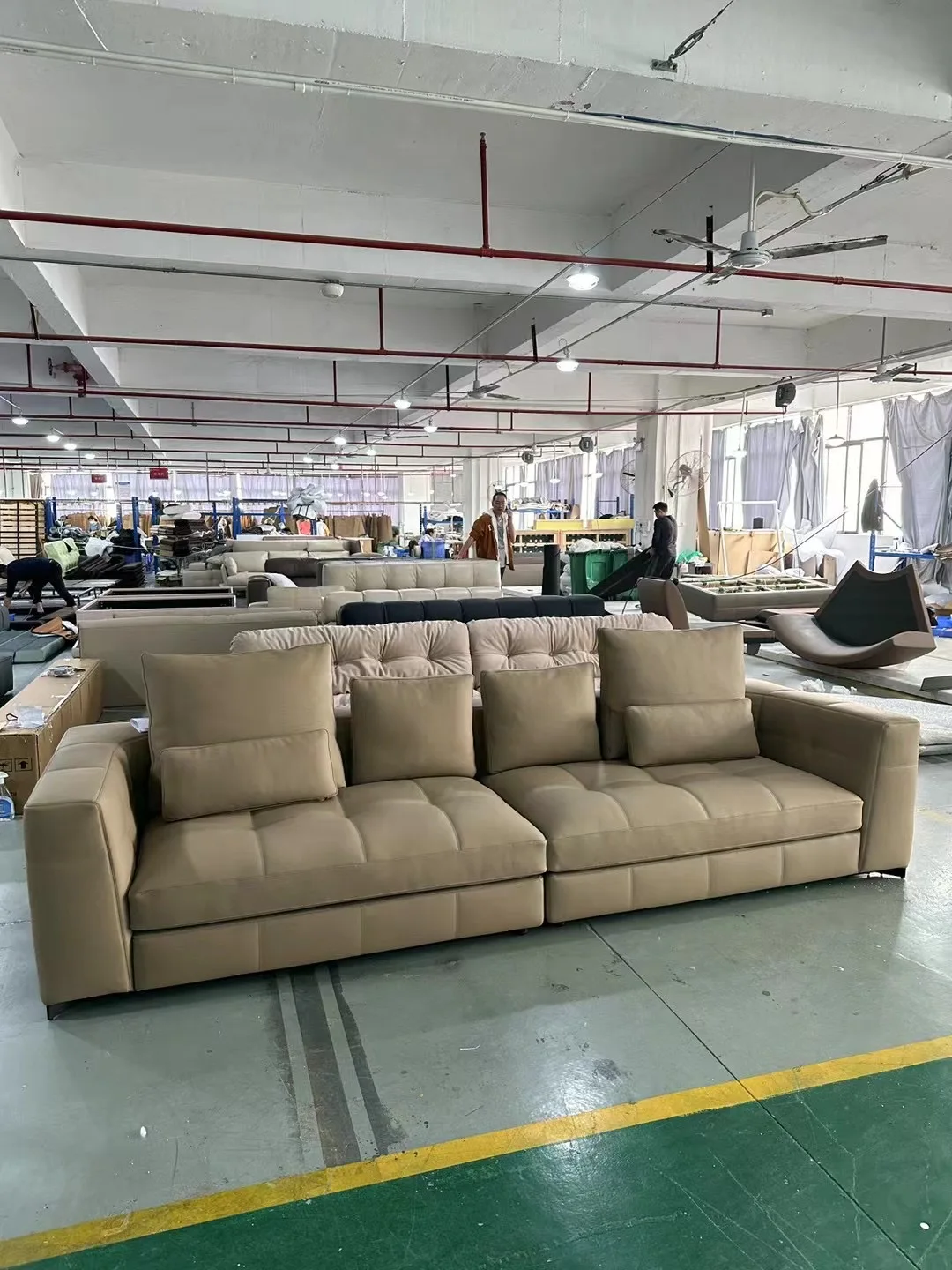
Foshan Huibolin Home Furnishings Co., Ltd.
- Manufacturer, Distributor/Wholesaler
- Guangdong, China
- Lead time20 days
- Avg. response≤ 1h
Main productsfurniture
Main marketsNorth America(34.00%), Northern Europe(16.00%), Mid East(15.00%), Western Europe(13.00%), South Asia(8.00%), Domestic Market(8.00%), Oceania(6.00%)
Hebei Mingshuai Furniture Sales Co., Ltd.
- Verified by Intertek
- Trading Company
- Lead time20 days
- Avg. response≤ 2h
Main productsDining Chair, Dining Table, Office Chair, Wedding Chair, Bar Chair
Main marketsEastern Europe(27%), North America(21%), Western Europe(20%)
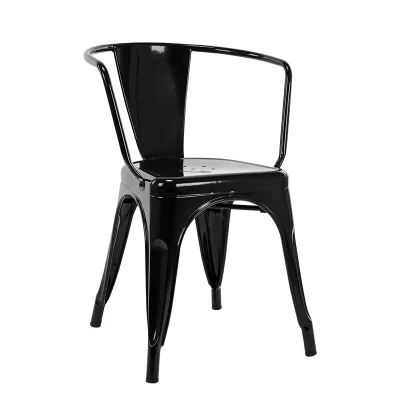
$7.7388 - $10.834
MOQ: 100 pieces
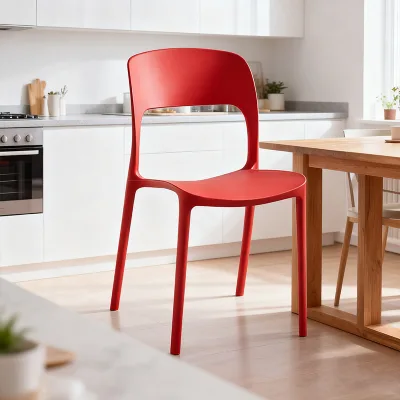
$7.7672 - $10.5767
MOQ: 200 pieces
Foshan Yulin Furniture Co., Ltd.
- Trading Company, Buying Office, Distributor/Wholesaler
- Guangdong, China
- Lead time0 days
- Avg. response≤ 6h
Main productsoutdoor tables,outdoor chairs,sofas,daybed,swing
Main marketsNorth America(20.00%), Western Europe(20.00%), Mid East(15.00%), Oceania(10.00%), Central America(10.00%), Northern Europe(10.00%), Eastern Europe(5.00%), Southern Europe(5.00%), Domestic Market(3.00%), South Asia(2.00%)

- Verified by SGS
- Trading Company
- China Guangdong
- Lead time60 days
- Avg. response≤ 9h
Main productsOutdoor Furniture, Garden Furniture, Rattan Furniture, Patio Furniture, Outdoor Chair, Egg Swing Chair, Sun Lounger, Table Base, Table Top, Hotel Furniture
Main marketsSouth America,Southeast Asia/ Mideast,Europe,Australia,North America

Foshan Shuaige Furniture Co., Ltd.
- Verified by TUVRHEINLAND
- Combined
- China Guangdong
- Lead time23 days
- Avg. response≤ 4h
Main productsWedding Chair, Wedding Table, Dining Furniture, Dining Chair, Dining Table Set, Stainless Steel Chair, Wedding Furniture, Wedding Backdrop, Banquet Furniture, Hotel Chair and Table
Main marketsDomestic
Foshan Dominate Furniture Co., Ltd.
- Verified by TüVRheinland
- Manufacturer, Trading Company
- Lead time20 days
- Avg. response≤ 4h
Main productsWedding Furniture, Event Furniture, Party Furniture, Hotel Chair, Hotel Table
Main marketsNorth America(35%), Africa(8%), Mid East(8%)
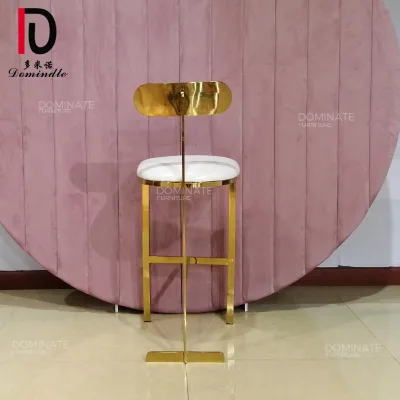
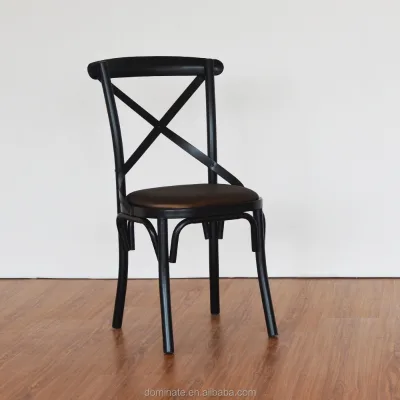
Hot Sale Stackable Metal Cross Back Chair With Soft Cushion
$17.00 - $22.00

- Verified by SGS
- Combined
- China Guangdong
- Lead time30 days
- Avg. response≤ 5h
Main productsOffice Chair, Computer Desk, Sofa
Main marketsSouth America,Southeast Asia/ Mideast

- Verified by TUVRHEINLAND
- Trading Company,Manufacturer/Factory
- China Shandong
- Lead time23 days
- Avg. response≤ 9h
Main productsFolding Table, Chiavari Chair, Beer Table, Louis Chair, Bentwood Chair, Cross Back Chair, Stainless Steel Chair, Bamboo Folding Table and Chair
Main marketsSouth America,Eastern Europe,Mid East,North America,Southeast Asia,Eastern Asia,Oceania,Western Europe,Africa

Guangdong Yaqi Furniture Industry Co., Ltd.
- Verified by SGS
- Combined
- China Guangdong
- Lead time23 days
- Avg. response≤ 5h
Main productsAuditorium Chairs, Cinema Hall Chairs, School Chairs, School Furniture, Airpoirt Chairs, Leisure Chairs, Leather Recliner Sofa, Public Seating, Waiting Beach, Cinema Seat
Main marketsSouth America,Southeast Asia/ Mideast,East Asia(Japan/ South Korea),Domestic,Europe,North America

Guangdong Oshujian Furniture Co., Ltd.
- Verified by TUVRHEINLAND
- Combined
- China Guangdong
- Lead time15 days
- Avg. response≤ 4h
Main productsWaiting Chair, Airport Chair, Auditorium Chair, Office Sofa
Main marketsDomestic
Foshan Lvye Furniture Co., Ltd.
- Manufacturer, Trading Company
- Guangdong, China
- Lead time18 days
- Avg. response≤ 8h
Main productsOffice Chair,furniture hardware,office furniture,interior design,Office Desk
Main marketsNorth America(18.00%), Eastern Europe(15.00%), Mid East(13.00%), Northern Europe(13.00%), Southeast Asia(12.00%), Western Europe(8.00%), Southern Europe(7.00%), Africa(3.00%), South America(3.00%), South Asia(2.00%), Oceania(2.00%), Eastern Asia(2.00%), Central America(2.00%)
$29.00 - $30.00
$52.00 - $52.10
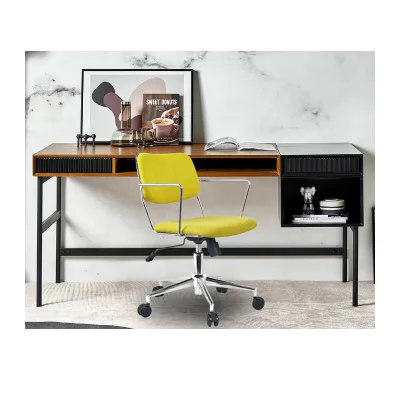
Classical Modern Home Office Chair
$45.00 - $45.10
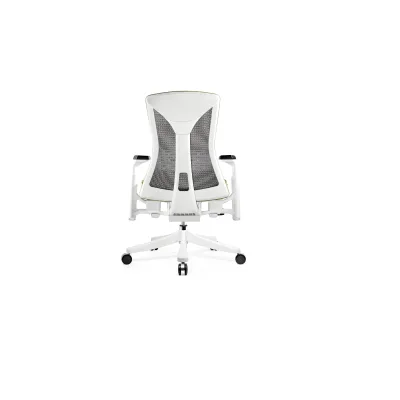
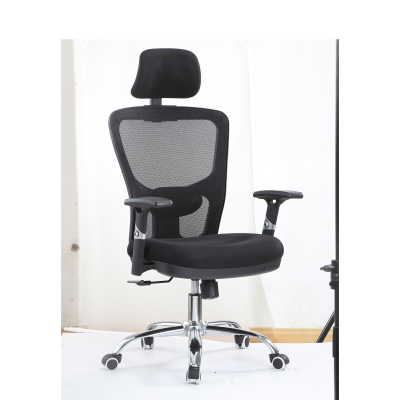
Classical Ergonomic Mesh Chair for Office
$132.00 - $132.20
Guangxi Dewell Living Co., Ltd.
- Trading Company
- Guangxi, China
- Lead time0 days
- Avg. response≤ 1h
Main productsoutdoor furniture,outdoor umbrella,sun lounger,dining table and chair,Cast aluminum furniture
Main marketsSoutheast Asia(20.00%), North America(20.00%), Africa(15.00%), Mid East(15.00%), Western Europe(15.00%), South America(10.00%), Eastern Europe(5.00%)
$376.82 - $393.9671
MOQ: 2 pieces

$842.6669 - $894.997
MOQ: 2 pieces

- Verified by CTI
- Trading Company
- China Anhui
- Lead time23 days
- Avg. response≤ 2h
Main productsFurniture, Home Furniture
Main marketsSoutheast Asia/ Mideast
Jiangxi Yongsheng Leisure Products Co., Ltd.
- Manufacturer, Trading Company
- Jiangxi, China
- Lead time30 days
- Avg. response≤ 6h
Main productsGardan Chairs, Outdoor Table, Hammock, Folding reclining Chair, Bar Table
Main marketsEastern Europe(16.00%), Western Europe(15.00%), Southern Europe(15.00%), Northern Europe(15.00%), Southeast Asia(15.00%), North America(9.00%), South America(5.00%), Oceania(5.00%), Domestic Market(5.00%)
Foshan Feixiao Furniture Co., Ltd.
- Manufacturer
- Guangdong, China
- Lead time20 days
- Avg. response≤ 3h
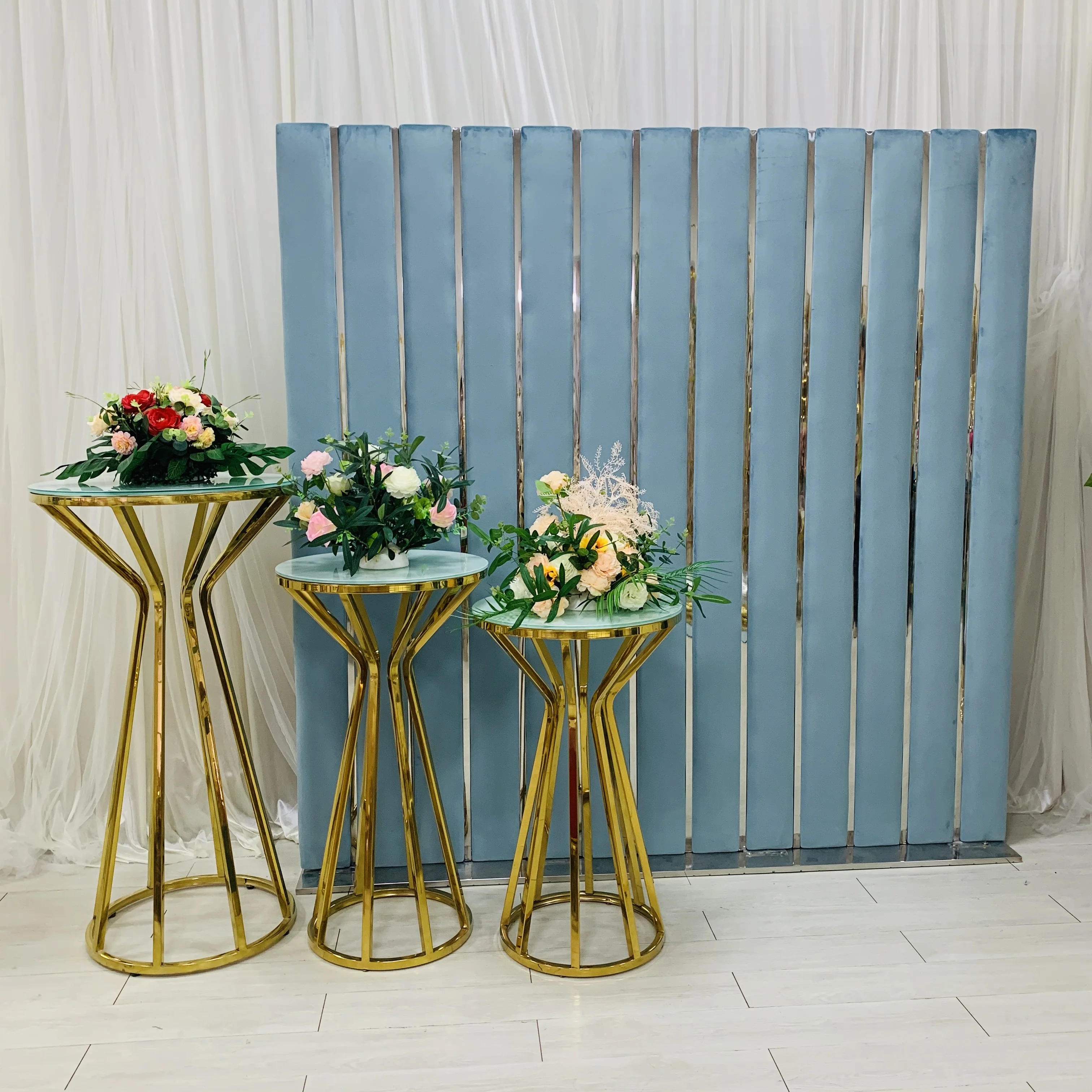
Main productswedding Table,wedding background,Event Chair,Event furniture,Wedding Furniture
Main marketsSouth America(20.00%), Africa(10.00%), Western Europe(10.00%), Southern Europe(10.00%), South Asia(8.00%), Mid East(7.00%), Southeast Asia(5.00%), Central America(5.00%), Eastern Europe(5.00%), North America(5.00%), Oceania(5.00%), Domestic Market(2.00%), Northern Europe(2.00%), Eastern Asia(2.00%)

Shenzhen Xinfangzhen Technology Co., Ltd.
- Verified by SGS
- Combined
- China Guangdong
- Lead time15 days
- Avg. response≤ 1h
Main productsStainless Steel Sculpture, Fiberglass Sculpture, Metal Flower Pot, Outdoor Bench
Main marketsDomestic

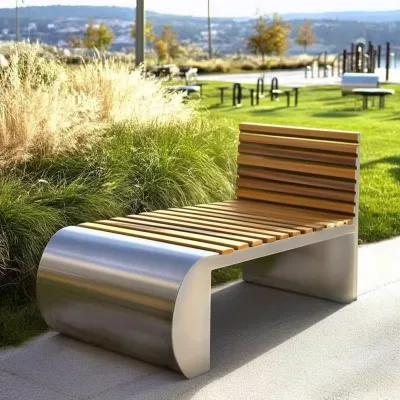
Outdoor Stainless Steel Anti-Corrosion Wood Leisure Chair with Backrest and Powder Coating
$280.00 - $2680.00
MOQ: 10 Pieces

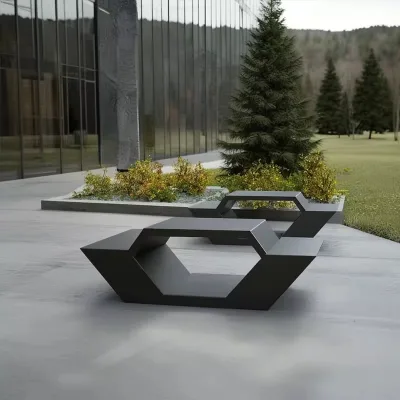
Outdoor Simple and Irregular-Shaped Stainless Steel Anti-Corrosion Wood Leisure Seats
$280.00 - $2680.00
MOQ: 10 Pieces

Jiangsu Saikang Medical Equipment Co., Ltd.
- Verified by BV
- Combined
- China Jiangsu
- Lead time15 days
- Avg. response≤ 3h
Main productsHospital Bed, Medical Bed, Hospital Equipment, Operation Table, Medical Stretcher
Main marketsSoutheast Asia/ Mideast,Domestic,Europe

Foshan Aston Furniture Co., Ltd.
- Verified by SGS
- Combined
- China Guangdong
- Lead time15 days
- Avg. response≤ 9h
Main productsoffice Furniture
Main marketsDomestic

Foshan Dream Gate Furniture Co., Ltd.
- Verified by SGS
- Trading Company,Manufacturer/Factory
- China Guangdong
- Lead time30 days
- Avg. response≤ 4h
Main productsGarden Furniture, Outdoor Furniture, Rattan Furniture, Dining Furniture, Restaurant Furniture, Bar Furniture, Beach Chair, Table Leg, Garden Chair, Steel Chair
Main marketsSouth America,Eastern Europe,Mid East,North America,Southeast Asia,Eastern Asia,Oceania,Western Europe

Ningbo Yilong Outdoor Products Co., Ltd.
- Verified by TUVRHEINLAND
- Manufacturer/Factory
- China Zhejiang
- Lead time0 days
- Avg. response≤ 14h
Main productsAluminium Foldable Gazebo, Aluminium Umbrella, Wooden Umbrella, Beach Umbrella, Swing Chair, Steel Gazebo, Outdoor Furniture, Campling, Chair, Table
Main marketsSouth America,Eastern Europe,Mid East,North America,Southeast Asia,Eastern Asia,Oceania,Western Europe,Africa

Zhenjiang Normanship Co., Ltd.
- Trading Company,Manufacturer/Factory
- China Jiangsu
- Lead time120 days
- Avg. response≤ 4h
Main productsLifeboat&Rescue Boat, Davit&Crane, Outfittings, Lifeboat Replacements, Mooring Fittings, Propeller, Marine Door, Marine Cover, Marine Equipment, Rib Boat
Main marketsSouth America,Eastern Europe,Mid East,North America,Southeast Asia,Eastern Asia,Oceania,Western Europe,Africa

NINGBO XUSHENG LEISURE PRODUCTS CO., LTD.
- Trading Company
- China Zhejiang
- Lead time30 days
- Avg. response≤ 12h
Main productsBeach Chair, Patio Swing Chair, Garden Tools, Outdoor Furniture, Patio Umbrella, BBQ, Sun Lounger, Tent & Awning, Cast Aluminium Garden Furniture, Rattan Furniture
Main marketsSouth America,Africa,Southeast Asia/ Mideast,East Asia(Japan/ South Korea),Domestic,Europe,Australia,North America

- Verified by TUVRHEINLAND
- Trading Company
- China Zhejiang
- Lead time30 days
- Avg. response≤ 10h
Main productsSports and Outdoor
Main marketsSoutheast Asia/ Mideast,Europe
Guangzhou YaTing Outdoor Furniture Co., Ltd.
- Verified by BV
- Combined
- China Guangdong
- Lead time23 days
- Avg. response≤ 25h
Main productsOutdoor Furniture, Beach Chair, Swings, Tents, Synthetic Rattan Furniture, Wood Furniture, Graden Furniture, Rattan Chair, Umbrella, Textilene Chair
Main marketsEurope,Australia,North America

Negotiable





Comprehensive Sourcing Guide
Waterproof Stainless Steel Chair Supplier Concentration and Factory Types
The current supplier landscape for waterproof stainless steel chairs reveals a distinct concentration of manufacturing activity within Guangdong, China. This region serves as a primary hub for furniture production, leveraging established supply chains for metal processing and finishing. Buyers evaluating this market should note that the predominant company types operating in this space are Manufacturers and Distributors or Wholesalers. This structural diversity means that sourcing options range from direct factory engagements to intermediary trading entities that may offer broader catalog access. Understanding this dichotomy is essential for determining whether the priority is direct cost control through factory directness or logistical convenience through established distribution networks. The presence of both types indicates a mature ecosystem where specialized production capabilities coexist with flexible commercial arrangements.
In addition to the Guangdong-based manufacturers, the search results also highlight Trading Companies as a significant participant type in the Waterproof Stainless Steel Chair sector. These entities often bridge the gap between specialized workshops and international buyers, providing services such as consolidation and quality assurance. While manufacturers focus on production efficiency and technical specifications, trading companies may emphasize customer service, flexible order sizes, and multi-product sourcing. For buyers seeking waterproof stainless steel chairs, recognizing whether a supplier is a manufacturer or a trading company helps in negotiating terms and understanding the value chain. Manufacturers might offer better pricing on large volumes but require higher minimums, whereas trading companies might accommodate smaller trial orders with greater flexibility. This distinction is crucial for aligning supplier selection with specific business needs, whether they involve high-volume procurement or diversified product sourcing.
How to Verify Waterproof Stainless Steel Chair Suppliers
Verification of suppliers requires a multi-layered approach that goes beyond basic company profiles. One critical step is checking for third-party verification badges, such as Intertek, which indicates that an independent agency has assessed the supplier’s business legitimacy and operational capabilities. This verification provides a baseline of trust, confirming that the entity exists and operates as claimed. Additionally, buyers should scrutinize system certifications, specifically looking for standards like EN 12520, (EC) 1907/2006, and EN 581. These certifications are particularly relevant for furniture, as they address structural safety, chemical restrictions, and outdoor durability. Ensuring that a supplier holds these certifications is vital for meeting regulatory requirements in target markets, especially in Europe where EN standards are mandatory for many furniture applications. This verification process helps mitigate risks associated with non-compliant products and ensures that the materials used, such as stainless steel, meet specific quality and safety benchmarks.
Beyond certifications, buyers must evaluate the supplier’s response time and communication efficiency. A response time of one or two days is a measurable indicator of operational readiness and customer service quality. Suppliers who respond promptly are often more reliable in handling complex inquiries, custom requests, and post-sales support. It is also important to verify the supplier’s capacity for customization, such as graphic processing, sample processing, and light customization. This capability is crucial for buyers who need specific branding, such as water-transfer logo designs, or unique product configurations. By assessing these operational metrics, buyers can gauge the supplier’s ability to meet specific project requirements. Furthermore, checking the supplier’s main products and company type helps confirm their expertise. A supplier listing furniture as a main product and identifying as a manufacturer or distributor is more likely to have the necessary technical knowledge and supply chain control to deliver high-quality waterproof stainless steel chairs compared to a generalist trader.
What to Compare Across Waterproof Stainless Steel Chair Suppliers
When comparing suppliers, lead time is a pivotal metric that impacts inventory management and project timelines. The observed lead times for these products typically range around twenty days, which is a standard benchmark for manufacturing and shipping. Buyers should compare this against their own delivery deadlines to ensure alignment. Additionally, the minimum order quantity (MOQ) varies significantly among suppliers, with some requiring as few as one hundred pieces while others may have higher thresholds. This variation allows buyers to select suppliers that match their order volume capabilities. For instance, a buyer with limited storage space might prefer a supplier with a lower MOQ, even if the unit price is slightly higher. Comparing these logistical constraints helps in selecting a partner that fits the buyer’s operational scale and financial planning. It is also important to note that some suppliers offer flexible production capabilities, such as customized orders, which can be a decisive factor for niche market entries.
Price and product specifications are another critical area for comparison. The price range for waterproof stainless steel chairs can vary, with some models priced between two hundred twenty-six and two hundred thirty-five units of currency, while others may be lower, around seven to eleven units, depending on materials and design complexity. Buyers should compare not just the unit price but also the total cost of ownership, including shipping and potential customization fees. Product attributes such as material composition, design style, and specific use cases should be meticulously compared. For example, some chairs are designed for hotel and villa applications with modern aesthetics, while others are industrial-style dining chairs. Comparing these features ensures that the selected product meets the intended application requirements. Additionally, checking the supplier’s warranty terms, such as a three-year warranty, can provide additional value and peace of mind. By systematically comparing these factors, buyers can make informed decisions that balance cost, quality, and service.
Common Waterproof Stainless Steel Chair Sourcing Risks
One significant risk in sourcing waterproof stainless steel chairs is the potential discrepancy between advertised specifications and actual product quality. Buyers must be cautious of vague descriptions, such as generic "metal" material claims without specifying the grade of stainless steel. Low-grade metals may not provide the promised waterproof and rustproof properties, leading to premature failure in outdoor environments. This risk is compounded by the lack of visible test results in some listings. Buyers should request detailed material certificates and third-party test reports to verify the corrosion resistance and structural integrity of the chairs. Without this verification, there is a risk of receiving products that do not meet the durability standards required for commercial or high-traffic residential use. This is particularly important for chairs intended for hotel, apartment, or villa applications where longevity and maintenance costs are critical considerations.
Another risk involves the reliability of delivery and communication. While some suppliers boast quick response times, others may have delays in production or shipping that are not immediately apparent. The lead time of twenty days is an estimate and can be affected by various factors, including raw material shortages or production bottlenecks. Buyers should establish clear communication channels and regular update protocols to monitor production progress. Additionally, the risk of intellectual property infringement exists, especially when custom designs or logos are involved. Buyers must ensure that the supplier has the necessary rights to produce and ship customized items. This is particularly relevant for water-transfer logo designs or unique model numbers. Failing to address these risks can lead to legal disputes, delayed shipments, and reputational damage. Therefore, thorough due diligence and clear contractual terms are essential to mitigate these potential pitfalls in the sourcing process.
Waterproof Stainless Steel Chair Regional Sourcing and Logistics
Sourcing from Guangdong, China, offers logistical advantages due to its status as a major manufacturing and export hub. The region’s proximity to major ports, such as Tianjin Xingang mentioned in some listings, facilitates efficient shipping to global destinations. Buyers should consider the impact of regional logistics on lead times and costs. Shipping from Guangdong typically involves a well-established network of freight forwarders and container services, which can reduce transit times and improve reliability. However, buyers must also account for potential customs delays and import duties in their destination countries. Understanding the specific port of loading and the supplier’s experience with international shipping is crucial for smooth logistics. Some suppliers may offer door-to-door services, while others may only handle ex-works shipments. Clarifying these terms early in the negotiation process helps in avoiding unexpected costs and delays.
In addition to Guangdong, other regions like Hebei are also active in the furniture manufacturing sector, as indicated by some product origins. Buyers should compare the logistical implications of sourcing from different regions. Hebei, for instance, may offer different cost structures or production capabilities compared to Guangdong. The choice of region can also influence the availability of specific materials or design styles. For example, some suppliers in Hebei may specialize in industrial-style dining chairs, while those in Guangdong might focus on modern outdoor furniture. Buyers should evaluate the total landed cost, including freight, insurance, and handling fees, to determine the most cost-effective sourcing strategy. Additionally, considering the environmental and regulatory differences between regions can impact the sustainability and compliance of the sourced products. By carefully assessing regional logistics, buyers can optimize their supply chain for efficiency, cost, and reliability.
Waterproof Stainless Steel Chair Commercial Terms and Order Planning
Commercial terms such as payment methods and warranty policies are critical components of order planning. Common payment terms include T/T 30% deposit and 70% balance before shipment, which is a standard practice in international trade. Buyers should negotiate these terms to align with their cash flow requirements and risk tolerance. Additionally, the availability of escrow services can provide an extra layer of security for transactions. Warranty terms, such as a three-year warranty, indicate the supplier’s confidence in their product quality and provide buyers with recourse in case of defects. Understanding these commercial terms helps in structuring orders that minimize financial risk and ensure product reliability. Buyers should also consider the supplier’s return and replacement policies, which can vary significantly between manufacturers and trading companies. Clear agreements on these terms are essential for maintaining a healthy business relationship and ensuring long-term success.
Order planning should also account for the supplier’s production capacity and customization capabilities. Suppliers offering customized on-demand services, graphic processing, and sample processing are valuable for buyers with specific branding or design needs. However, these services may impact lead times and costs. Buyers should plan their orders well in advance to accommodate any additional processing time. Furthermore, considering the MOQ and batch sizes is crucial for inventory management. Large orders may benefit from economies of scale, while smaller orders may require higher unit prices. Buyers should also evaluate the supplier’s ability to handle peak demand periods and ensure consistent quality across batches. By integrating these commercial and logistical considerations into their order planning, buyers can optimize their procurement strategy for efficiency, cost-effectiveness, and quality assurance. This holistic approach ensures that the sourcing process aligns with broader business objectives and market demands.
FAQs
What is the price range for waterproof stainless steel chairs?
Prices for these chairs typically range from approximately $7.74 to $285 per unit depending on the specific model and material grade. Basic metal dining chairs start at the lower end, while modern marine-grade stainless steel armchairs with waterproof cushions command higher prices. Buyers should check the specific product listing for the exact cost based on quantity and customization needs.
What is the typical lead time for these orders?
Manufacturers generally require 15 to 25 days for production and delivery. Some suppliers indicate a standard lead time of around 20 days for standard models. Buyers should confirm the exact timeline with the supplier, as customized orders or high-volume purchases may extend the production schedule beyond the standard window provided in the initial quotation.
What are the minimum order quantities for these chairs?
Minimum order quantities vary by supplier, with some requiring as few as 100 pieces for standard metal dining chairs. Other manufacturers may set the MOQ at 200 pieces for specific plastic or stackable models. Buyers must verify the specific MOQ for their chosen product, as custom designs or specialized materials often carry higher minimum purchase requirements.
Where are these chairs typically manufactured?
Most suppliers are located in Guangdong, China, which is a major hub for furniture manufacturing. Some specific product lines originate from Hebei, China. Buyers should verify the place of origin for each specific product listing to understand shipping logistics and potential tariffs associated with the manufacturing location of the selected chair model.
What certifications do these chairs have?
Some suppliers hold certifications such as EN 12520, EN 581, and compliance with EC 1907/2006 regulations. These standards ensure durability and safety for outdoor and dining use. Buyers should request specific certification documents from the supplier to verify that the chairs meet the required safety and quality standards for their target market or project specifications.
How quickly do suppliers respond to inquiries?
Suppliers typically respond to inquiries within one to two days. Fast response times help buyers clarify specifications and negotiate terms efficiently. Buyers should expect a prompt reply when contacting manufacturers directly, as quick communication is essential for coordinating custom orders and verifying production details before finalizing the purchase agreement.