Restaurant Dining Chairs Suppliers and Manufacturers
Source 33 verified suppliers for Restaurant Dining Chairs. Compare key dimensions including location, lead times, MOQs, response times, certifications, and pricing. Verify supplier credentials and request quotes directly to streamline your procurement process; review the available evidence before requesting comparable quotations from suitable candidates.
Updated
Suppliers List

Langfang Ruiyi Furniture Co., Ltd.
- Verified by TUVRHEINLAND
- Trading Company,Manufacturer/Factory
- China Hebei
- Lead time60 days
- Avg. response≤ 3h
Main productsDining Chair, Dining Table, Accent Chair, Sofa Chair, Coffee Table, Lounge Chair, Cabinet, Glass TV Stand, Side Table, Tea Table
Main marketsSouth America,Eastern Europe,Mid East,North America,Southeast Asia,Eastern Asia,Oceania,Western Europe,Africa

Guangdong KINGDOM Furniture Manufacturing Co., Ltd.
- Verified by SGS
- Combined
- China Guangdong
- Lead time30 days
- Avg. response≤ 4h
Main productsHotel Chair, Banquet Chair, Wedding Chair, Chiavari Chair, Hotel Banquet Table, Folding Table, Chair Cover, Tablecloth, Meeting Chair, Dancing Floor
Main marketsSoutheast Asia/ Mideast,Domestic,North America

Foshan Qiancheng Furniture CO.,LTD.
- Verified by BV
- Manufacturer/Factory
- China Guangdong
- Lead time60 days
- Avg. response≤ 4h
Main productsDining Table, Dining Chair, Coffee Table, Console Table, TV Stand, Leisure Chair, Bar Table, Bar Chair, Mirror, Sofa
Main marketsSouth America,Eastern Europe,Mid East,North America,Southeast Asia,Eastern Asia,Oceania,Western Europe,Africa

Foshan Comfort Home Furniture Co., Ltd
- Verified by BV
- Manufacturer/Factory
- China Guangdong
- Lead time30 days
- Avg. response≤ 3h
Main productsDining Table, Dining Chair, Dining Furniture, Compressed Sofa, Compressed Mattress
Main marketsSouth America,Eastern Europe,Mid East,North America,Southeast Asia,Eastern Asia,Oceania,Western Europe,Africa


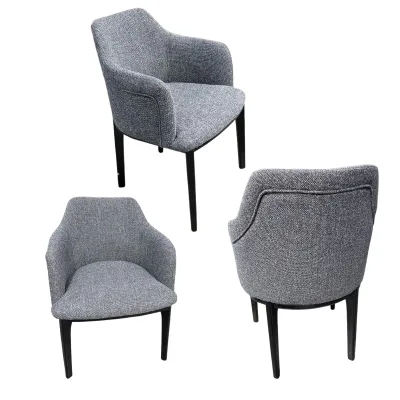
Restaurant Chair Nordic Dining Room Chairs Modern Furniture Fabric Dining Chairs
$34.00 - $43.00
MOQ: 1 Pieces

Xuzhou Risen Industry and Supply Co., Ltd
- Verified by TUVRHEINLAND
- Trading Company
- China Jiangsu
- Lead time30 days
- Avg. response≤ 4h
Main productsHousehold Adornment, Household Supplies, Home Decoration, Compressed Sofa, Dining Furniture, Bothroom Organizer, Kitchen Storage, Glass Ornaments, Ceramic Tableware, Home Fragrance
Main marketsSouth America
Henan Defujiabao Furniture Co., Ltd.
- Verified by Intertek
- Manufacturer, Trading Company
- Lead time15 days
- Avg. response≤ 3h
Main productsKid's Beds, Bunk Beds, School Furniture, Wooden Climbing Frame, Pet Furniture

- Verified by SGS
- Trading Company
- China Guangdong
- Lead time60 days
- Avg. response≤ 9h
Main productsOutdoor Furniture, Garden Furniture, Rattan Furniture, Patio Furniture, Outdoor Chair, Egg Swing Chair, Sun Lounger, Table Base, Table Top, Hotel Furniture
Main marketsSouth America,Southeast Asia/ Mideast,Europe,Australia,North America

Restaurant Furniture Dining Chair Modern Furniture Dining Furniture Metal Chair
$20.00 - $35.00
MOQ: 100 Pieces


Foshan Boke Furniture Co.,LTD.
- Verified by SGS
- Combined
- China Guangdong
- Lead time15 days
- Avg. response≤ 3h
Main productsOffice Chair, Mesh Cahir, Training Chair, Ergonomic Chair, Conference Chair, Study Chair, Office Sofa, Leather Chair, Office Desk, Executive Chair
Main marketsSoutheast Asia/ Mideast,Domestic,Australia

Furniture Modern Restaurant Chair Table Chair Dining Chair Home Dining Chair
$23.00 - $25.50
MOQ: 100 Pieces

Hot Sale Modern Hotel Furniture Dining Room Dining Chair for Restaurant
$30.00 - $35.00
MOQ: 30 Pieces

Baidi (changzhou) International Trade Co., Ltd.
- Trading Company
- Jiangsu, China
- Lead time30 days
- Avg. response≤ 4h
Main productsBar Stool, Vanity Stool, Office Chair, E-Sports Gaming Chair, Stool Accessories
Main marketsNorth America(100.00%)

Foshan Xinda Furniture Co., Ltd.
- Verified by SGS
- Manufacturer/Factory
- China Guangdong
- Lead time30 days
- Avg. response≤ 3h
Main productsRestaurant Furniture, Bar Furniture, Hotel Bedroom Furniture
Main marketsSouth America,Eastern Europe,Mid East,North America,Southeast Asia,Eastern Asia,Oceania,Western Europe,Africa


Durable Restaurant Dining Chairs for Living Rooms Bars and Outdoor Areas
$68.00 - $120.00
MOQ: 10 Meters


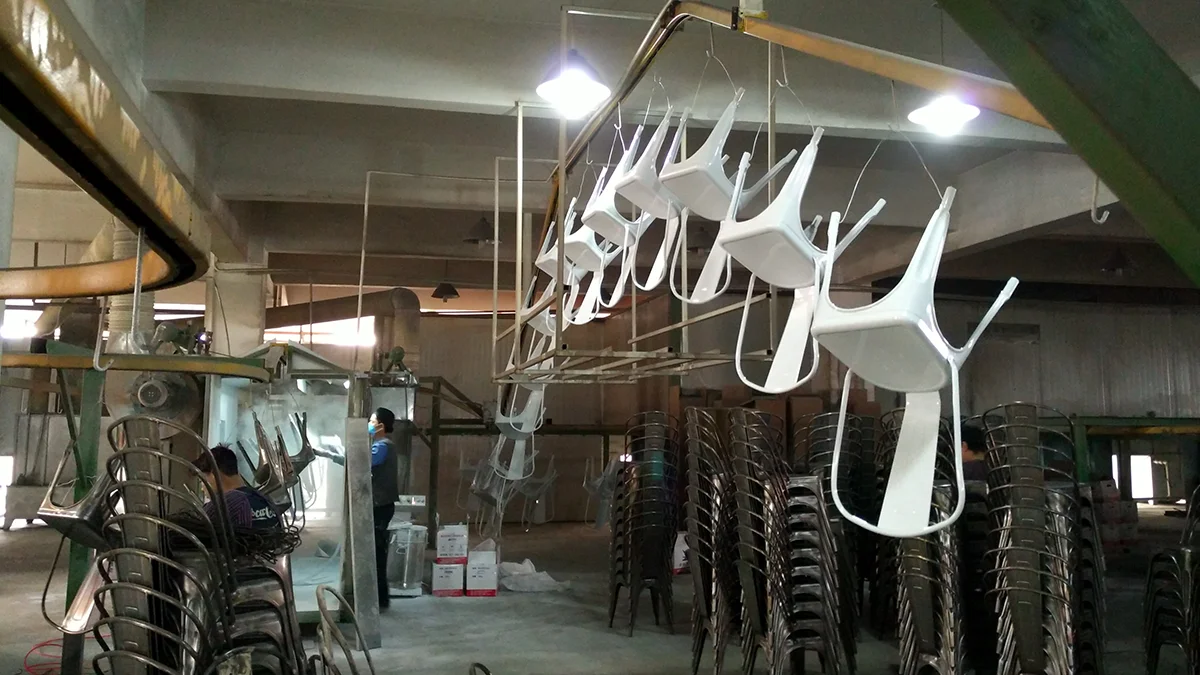
Anji Chunyue Furniture Co., Ltd.
- Manufacturer
- Zhejiang, China
- Lead time25 days
- Avg. response≤ 2h
Main productsDining Chairs, Office Chairs, Plastic Chairs, Design Chairs, Metal Chairs
Main marketsWestern Europe(30.00%), North America(20.00%), South America(20.00%), Domestic Market(10.00%), Southeast Asia(10.00%), Southern Europe(5.00%), Northern Europe(5.00%)

Tianjin Bchair Import and Export Trade Co., Ltd.
- Verified by SGS
- Trading Company
- China Tianjin
- Lead time23 days
- Avg. response≤ 1h
Main productsDining Chairs, Dining Table, Benches, Ottomans, Tolix Chairs, Bar Table, Restaurant Chair, Lounge Chair
Main marketsSouth America,Eastern Europe,Mid East,North America,Western Europe


Popular Dining Chairs Designed for Restaurant, Cafe, Commercial Spaces
$10.00 - $20.00
MOQ: 100 Pieces


Modern Elegant Dining Chair for Dining Room Coffee Shop Restaurant Chair
$10.00 - $20.00
MOQ: 100 Pieces


Qingdao Green Forest Furnishing Co., Ltd.
- Verified by SGS Group
- Manufacturer, Trading Company
- Lead time60 days
- Avg. response≤ 2h
Main productsDining Chair, Dining Table, Coffee Table, Wood Bed, Wood Stool
Main marketsNorthern Europe(25%), Western Europe(15%), Southern Europe(15%)

Tianjin Shining International Trade Co., Ltd.
- Verified by SGS
- Trading Company,Manufacturer/Factory
- China Tianjin
- Lead time30 days
- Avg. response≤ 5h
Main productsStorage Rack&Shelving, Drying Rack, Utility Cart, Dish Rack, Coffee Table, Hotel Chairs&Tables, Church Chairs, Office Chairs
Main marketsSouth America,Eastern Europe,Mid East,Southeast Asia,Eastern Asia,Oceania,Western Europe,Africa

Bazhou Yuehui Metal Products Co., Ltd.
- Verified by SGS
- Trading Company
- China Hebei
- Lead time30 days
- Avg. response≤ 10h
Main productsDining Chair, Dining Table, Chair, Furniture
Main marketsSouth America,Europe,North America


Hot Sale Modern Dining Chair Design Restaurant Dining Room Furniture Chair
$24.50 - $26.00
MOQ: 200 Pieces
- Trading Company
- Hebei, China
- Lead time15 days
- Avg. response≤ 1h
Main productsoffice chairs,office desks,office furniture,school Furniture,Ergonomics chair
Main marketsSoutheast Asia(30.00%), North America(30.00%), Domestic Market(10.00%), South Asia(10.00%), Africa(10.00%), South America(10.00%)

Foshan Dream Gate Furniture Co., Ltd.
- Verified by SGS
- Trading Company,Manufacturer/Factory
- China Guangdong
- Lead time30 days
- Avg. response≤ 4h
Main productsGarden Furniture, Outdoor Furniture, Rattan Furniture, Dining Furniture, Restaurant Furniture, Bar Furniture, Beach Chair, Table Leg, Garden Chair, Steel Chair
Main marketsSouth America,Eastern Europe,Mid East,North America,Southeast Asia,Eastern Asia,Oceania,Western Europe
Guangxi Gcon Furniture Group Co., Ltd.
- Manufacturer, Trading Company
- Lead time旺季: "1 - 20":35,"21 - 100":40,"101 - 1000":45,"> 1000":"To be negotiated", 淡季: "1 - 20":35,"21 - 100":40,"101 - 1000":45,"> 1000":"To be negotiated"
- Avg. response≤ 6h
Main productsOffice Furniture, Home Furniture, Hotel Furniture, School Furniture
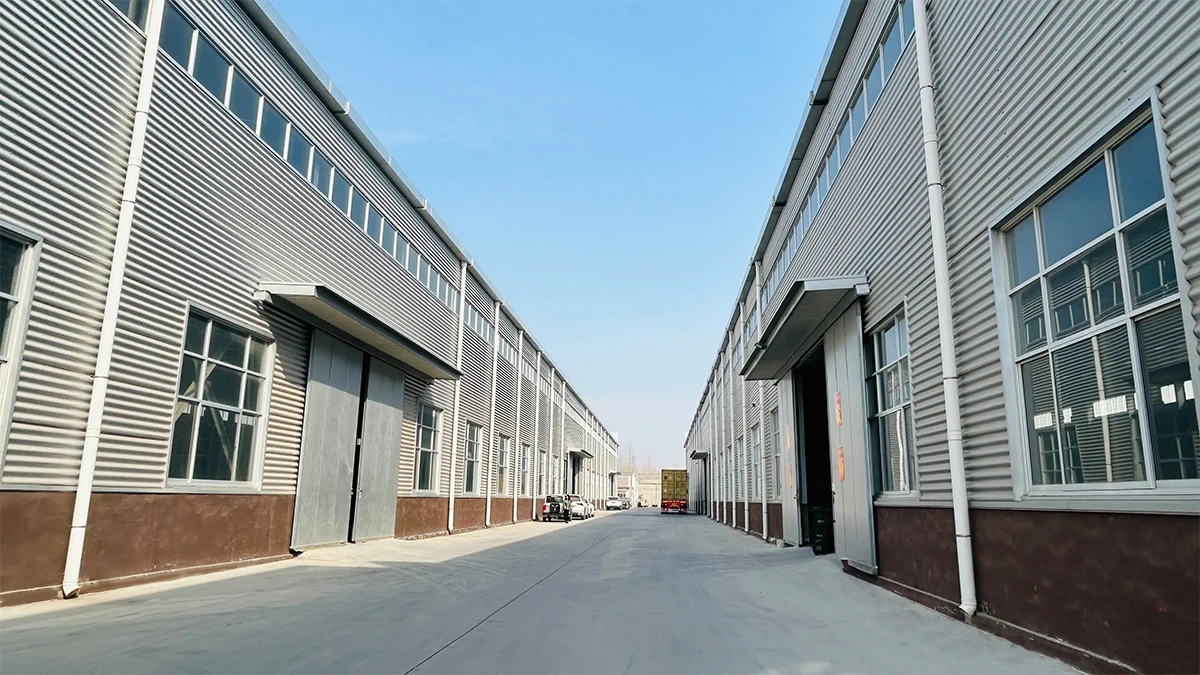
Langfang Qintai Import & Export Trading Co., Ltd.
- Trading Company
- Hebei, China
- Lead time25 days
- Avg. response≤ 2h
Main productsfurniture,dinning chair,banquet chair,plastic chair,tables
Main marketsEastern Europe(20.00%), South America(15.00%), Central America(10.00%), Western Europe(10.00%), South Asia(10.00%), North America(10.00%), Northern Europe(5.00%), Mid East(5.00%), Southeast Asia(5.00%), Southern Europe(5.00%), Eastern Asia(3.00%), Africa(2.00%)
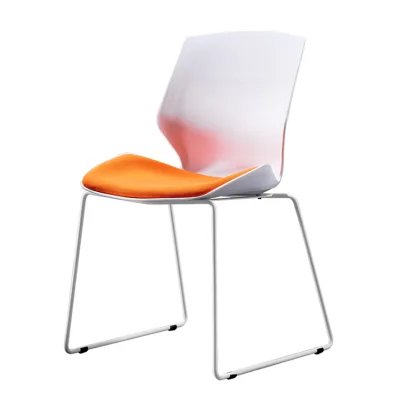
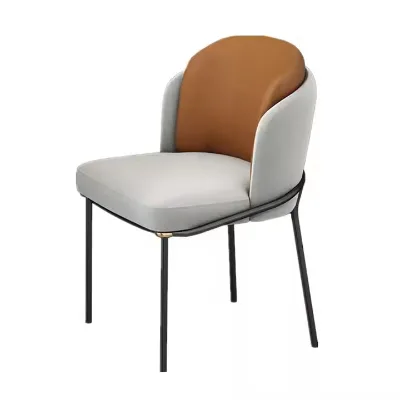
$20.6209 - $25.5696
MOQ: 50 pieces
Bazhou Kaisanda Furniture Co., Ltd.
- Trading Company
- China Hebei
- Lead time0 days
- Avg. response≤ 1h
Main productsChairs, Gaming Chair, Sofa Chair, Home

Modern Design Fabric Upholstered Dining Chair for Restaurant Hotel Cafe
$10.00 - $18.00
MOQ: 100 Pieces


Hebei Mingshuai Furniture Sales Co., Ltd.
- Verified by Intertek
- Trading Company
- Lead time20 days
- Avg. response≤ 2h
Main productsDining Chair, Dining Table, Office Chair, Wedding Chair, Bar Chair
Main marketsEastern Europe(27%), North America(21%), Western Europe(20%)
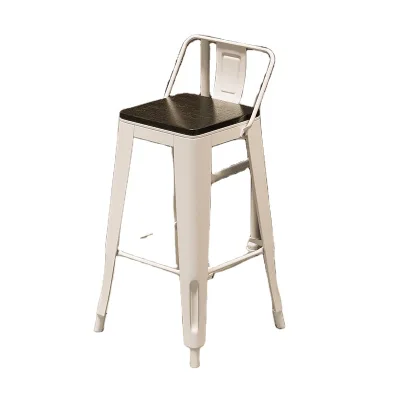
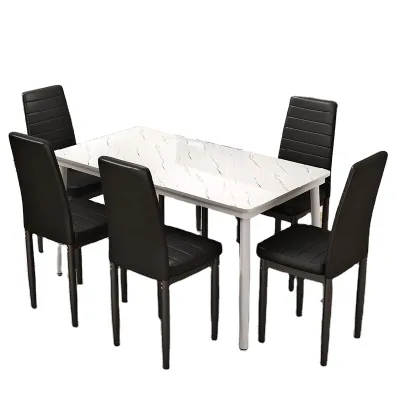
High Quality Hot Selling High Back Comfortable Banquet Chair Dining Chair
$9.50 - $9.90
MOQ: 200 pieces
- Trading Company
- Hebei, China
- Lead time0 days
- Avg. response≤ 2h
Main productsSalon Chair,Shampoo Bed,Hair Dresser's Mirror,Beauty Bed,Sofa And Chair
Main marketsNorth America(40.00%), South Asia(20.00%), Mid East(20.00%), Africa(20.00%)
Changsha Dengdu E-commerce Co., Ltd.
- Trading Company
- Hunan, China
- Lead time0 days
- Avg. response≤ 2h
Main productslighting
Main marketsNorth America(51.00%), Northern Europe(49.00%)
Hengshui Lihao Import And Export Trading Co., Ltd.
- Trading Company
- Hebei, China
- Lead time15 days
- Avg. response≤ 4h
Main productsMen's clothing,Women's clothing,Underwear,watch,socks
Main marketsNorth America(50.00%), Eastern Europe(10.00%), Southeast Asia(9.00%), Western Europe(5.00%), South America(5.00%), Africa(4.00%), Eastern Asia(4.00%), Mid East(4.00%), Oceania(4.00%), Domestic Market(1.00%), South Asia(1.00%), Southern Europe(1.00%), Northern Europe(1.00%), Central America(1.00%)
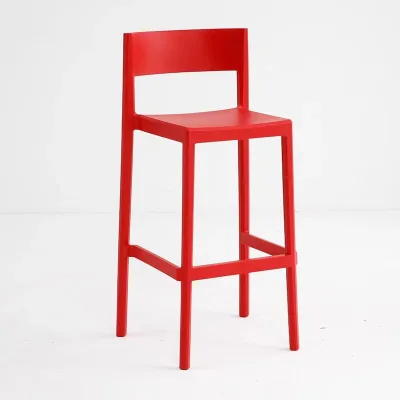
$25.55 - $29.55
MOQ: 10 Minimum
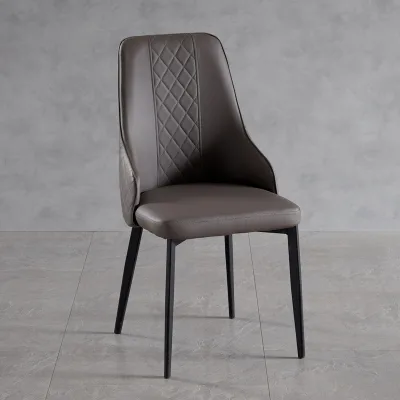
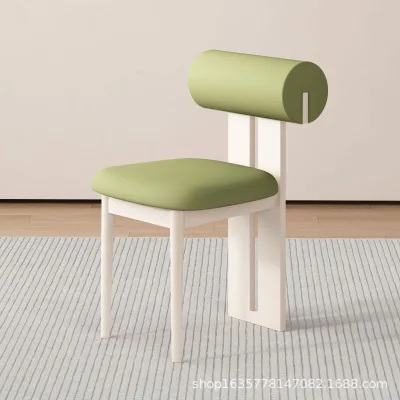
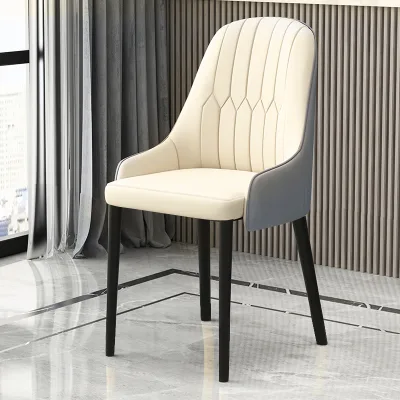
Luxury Restaurant Furniture Velvet Fabric Dining Chair Wooden Leg Retro Backrest Dining Chair
$32.00 - $36.00
MOQ: 2 pieces
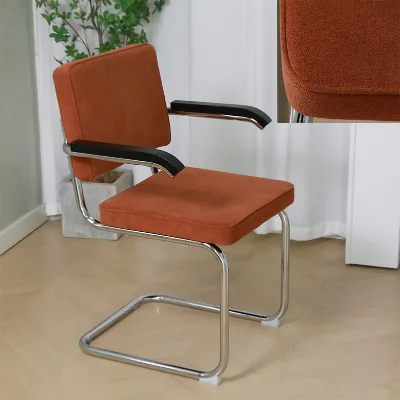
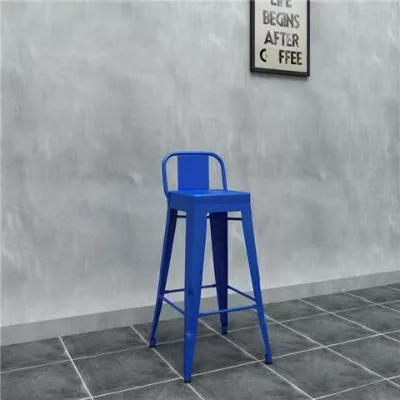
$16.45 - $17.65
MOQ: 2 pieces
Foshan Yulin Furniture Co., Ltd.
- Trading Company, Buying Office, Distributor/Wholesaler
- Guangdong, China
- Lead time0 days
- Avg. response≤ 6h
Main productsoutdoor tables,outdoor chairs,sofas,daybed,swing
Main marketsNorth America(20.00%), Western Europe(20.00%), Mid East(15.00%), Oceania(10.00%), Central America(10.00%), Northern Europe(10.00%), Eastern Europe(5.00%), Southern Europe(5.00%), Domestic Market(3.00%), South Asia(2.00%)
Bazhou Chuangyou Business Trade Co., Ltd.
- Verified by Intertek
- Manufacturer, Trading Company
- Lead time30 days
- Avg. response≤ 3h
Main productsSoft pack chair, Plastic chair, Compressed sofa
Shenzhen Bangyuan Furniture Co., Ltd.
- Verified by SGS Group
- Manufacturer, Trading Company
- Lead time10 days
- Avg. response≤ 3h
Main productsLED Commercial Furniture, Indoor & Outdoor Lighting, Led Lights, Landscape Lighting, Decorative Lighting
Main marketsNorth America(60%), South America(7%), Mid East(6%)

Shanghai Miaolian Industry Co., Ltd.
- Verified by TUVRHEINLAND
- Manufacturer/Factory
- China Shanghai
- Lead time45 days
- Avg. response≤ 3h
Main productsFurniture, Restaurant Furniture, Hotel Furniture, Chair, Table, Sofa, Bed, Cabinet, Restaurant, Hotel
Main marketsSouth America,Eastern Europe,Mid East,North America,Southeast Asia,Eastern Asia,Oceania,Western Europe,Africa

Tianjin Weirui International Trade Co., Ltd.
- Verified by SGS
- Trading Company
- China Tianjin
- Lead time23 days
- Avg. response≤ 7h
Main productsGaming Chair, Office Chair, Office Desk, Dining Chair, Computer Desk, Gaming Desk, Bookshelf, Computer Desk with Bookshelf, Shelf
Main marketsSouth America,Southeast Asia/ Mideast,Europe
Fujian Quanzhou Runwan Crafts Co., Ltd.
- Trading Company
- Fujian, China
- Lead time0 days
- Avg. response≤ 7h
Main productsfurniture
Main marketsNorth America(50.00%)

Huzhou Jiuwei Furniture Manufacturing Co., Ltd.
- Manufacturer, Trading Company
- Zhejiang, China
- Lead time35 days
- Avg. response≤ 1h
Main productsTable, Chair, Cabinet, Ottoman, Bed
Main marketsNorth America(30.00%), Oceania(30.00%), South America(20.00%), Northern Europe(10.00%), Western Europe(4.00%), Southern Europe(3.00%), Eastern Europe(3.00%)
Foshan Youheng Furniture Co., Ltd.
- Verified by Intertek
- Trading Company
- Lead time10 days
- Avg. response≤ 8h
Main productsSofa, Chairs, Tables, Beds, Sofa Beds
Main marketsNorth America(30%), Eastern Europe(12%), South America(11%)
Foshan Feixiao Furniture Co., Ltd.
- Manufacturer
- Guangdong, China
- Lead time20 days
- Avg. response≤ 3h
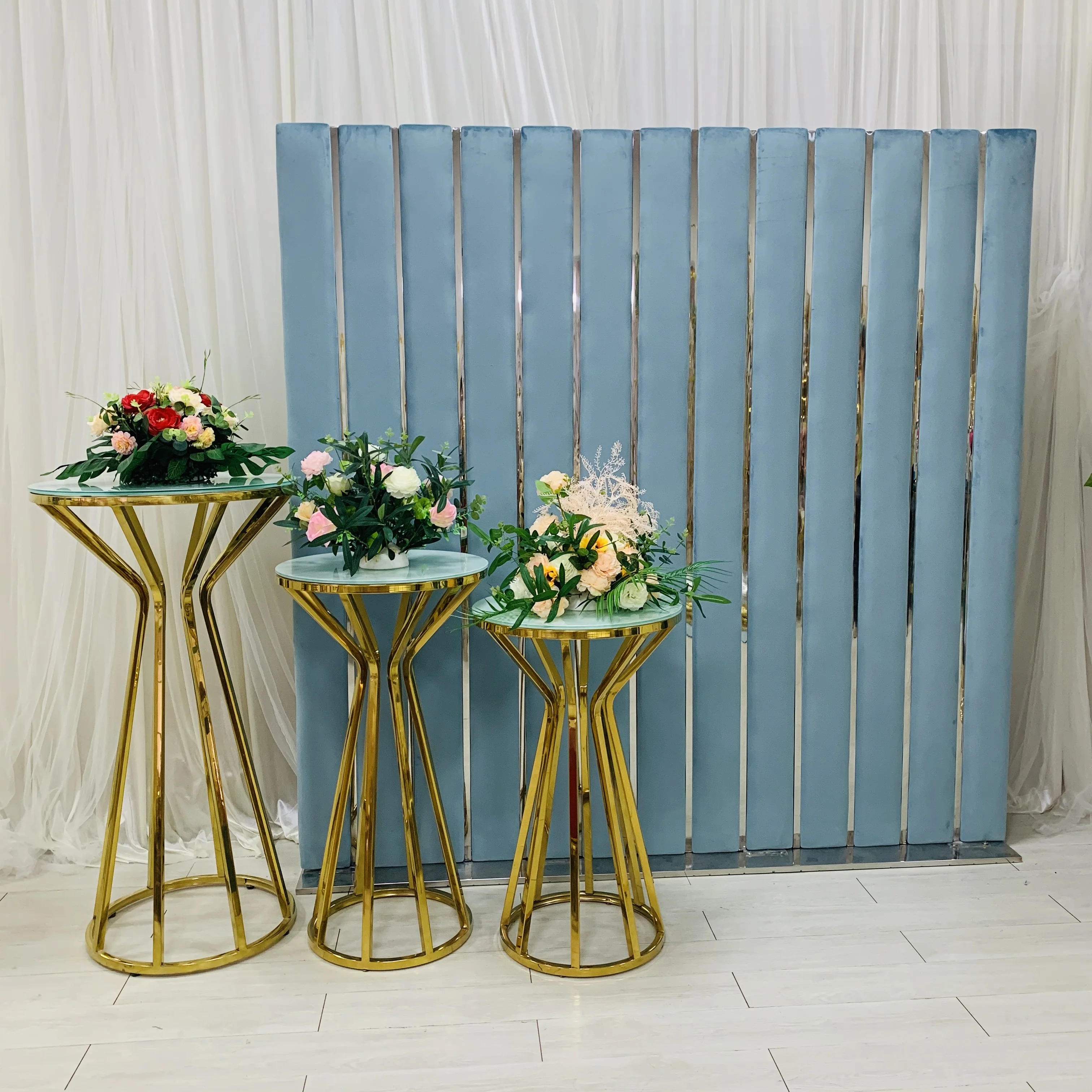
Main productswedding Table,wedding background,Event Chair,Event furniture,Wedding Furniture
Main marketsSouth America(20.00%), Africa(10.00%), Western Europe(10.00%), Southern Europe(10.00%), South Asia(8.00%), Mid East(7.00%), Southeast Asia(5.00%), Central America(5.00%), Eastern Europe(5.00%), North America(5.00%), Oceania(5.00%), Domestic Market(2.00%), Northern Europe(2.00%), Eastern Asia(2.00%)


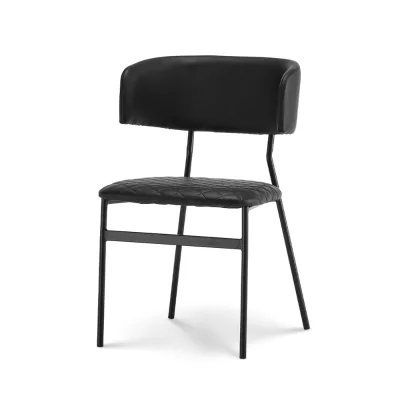
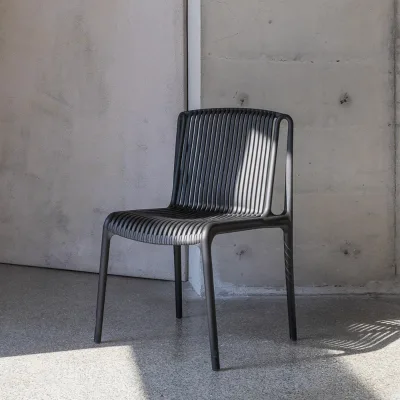
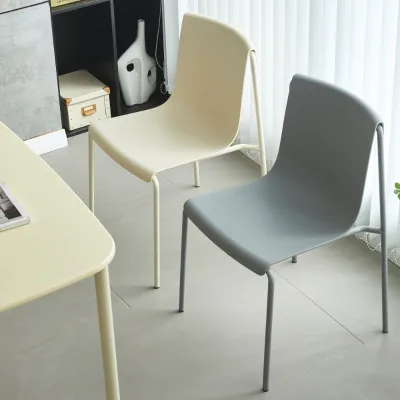
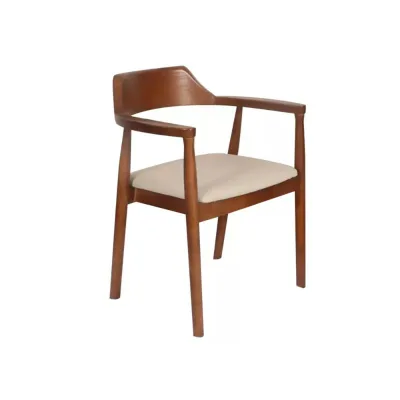






Comprehensive Sourcing Guide
Restaurant Dining Chairs Supplier Concentration and Factory Types
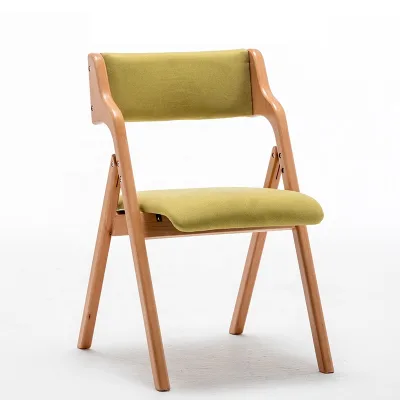
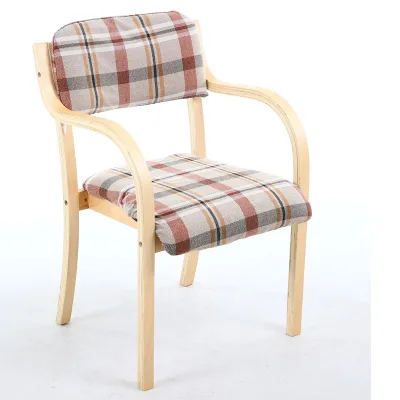
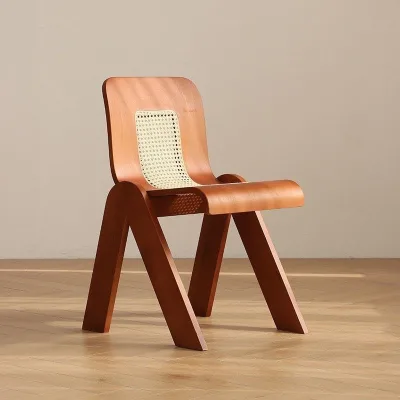
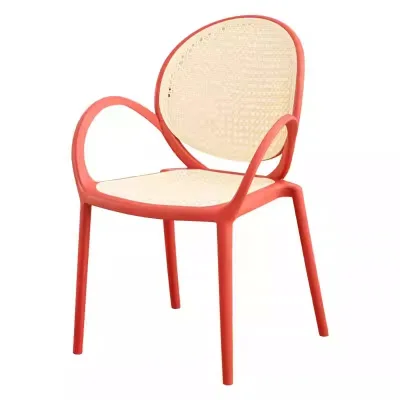
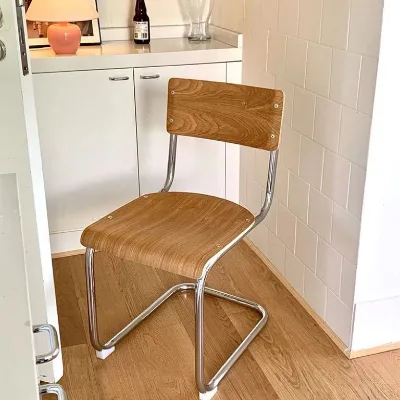
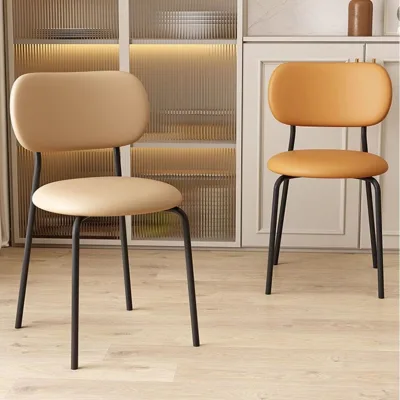
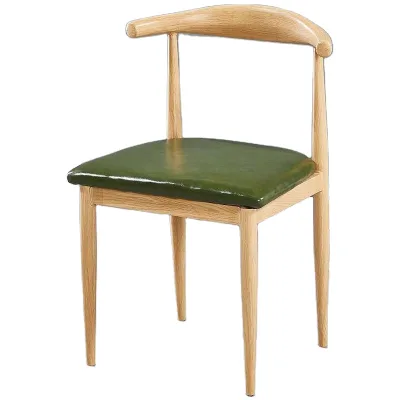
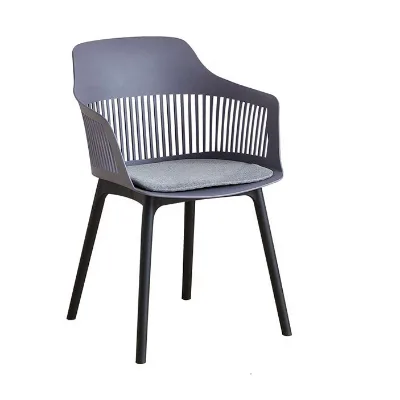
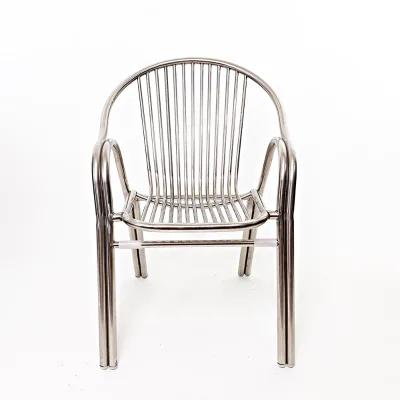
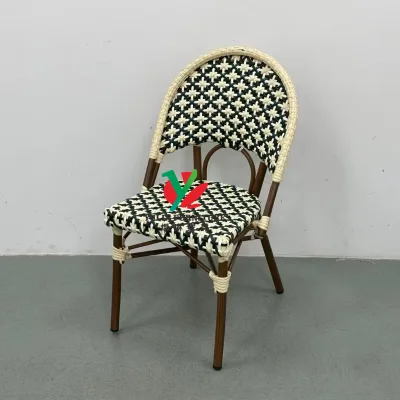
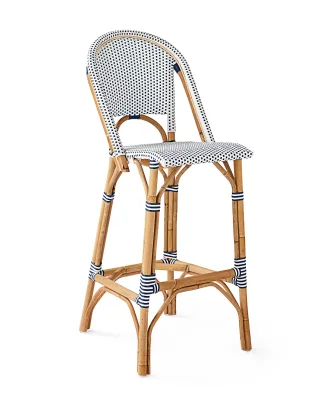
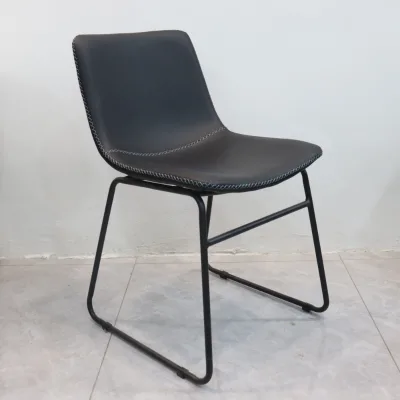
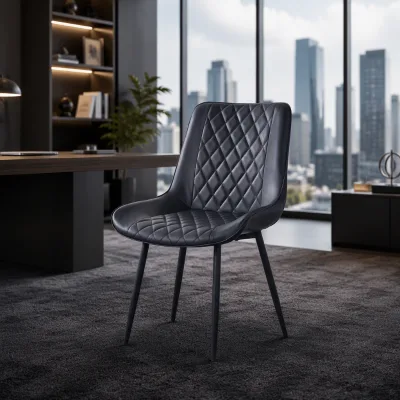
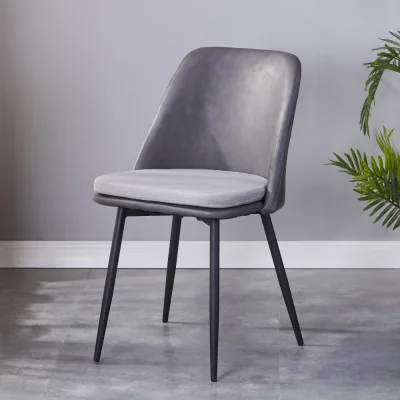
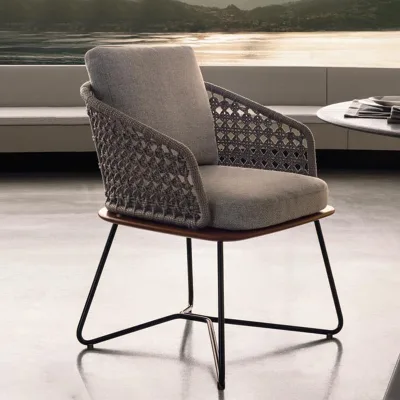
The current supplier landscape for Restaurant Dining Chairs reveals a distinct geographic concentration in China, with specific manufacturing hubs identified in Hebei and Guangdong provinces. These regions serve as primary centers for furniture production, offering buyers access to established industrial clusters that specialize in both residential and commercial seating solutions. Suppliers in these locations often operate as either trading companies or manufacturer/factory entities, providing a diverse range of sourcing options depending on the buyer’s need for direct factory pricing versus consolidated logistics. Understanding the distinction between these company types is crucial for evaluating the supply chain structure, as trading companies may offer broader product assortments while manufacturers typically provide deeper customization capabilities and direct quality control over the production process.
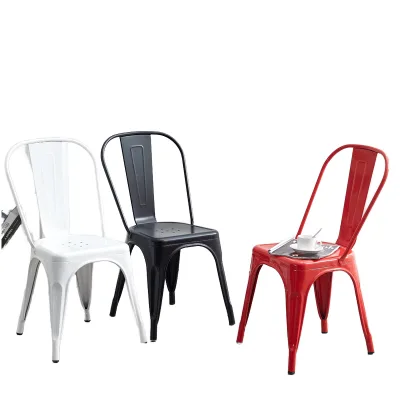
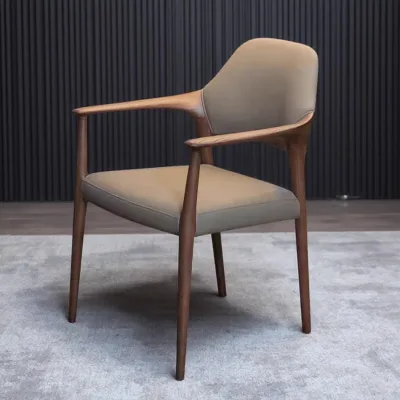
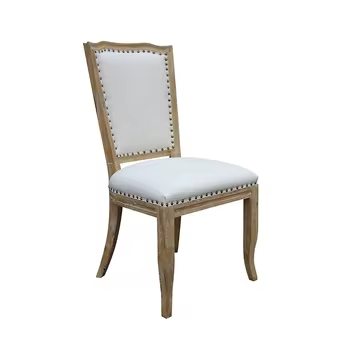
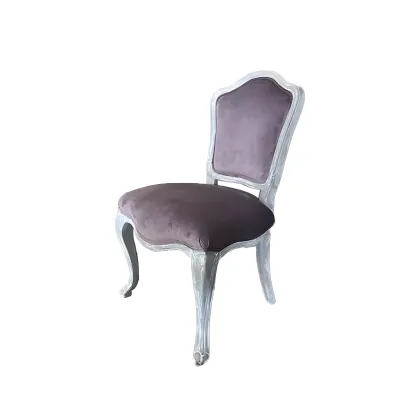
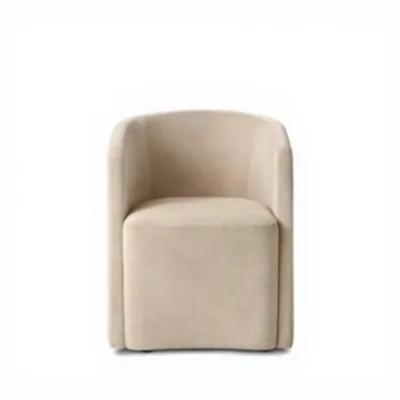
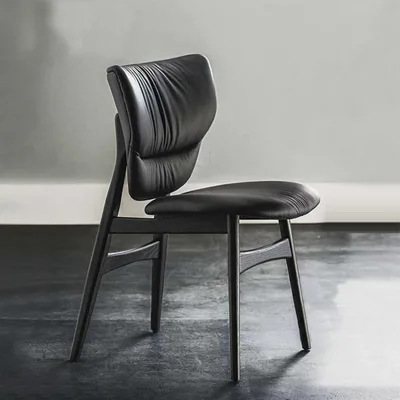
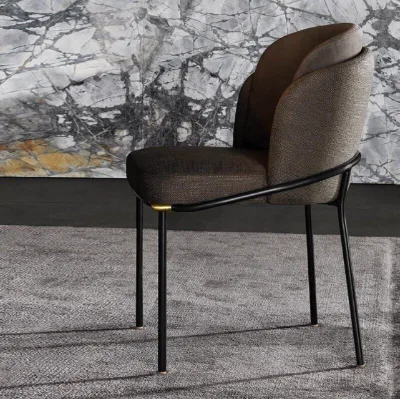
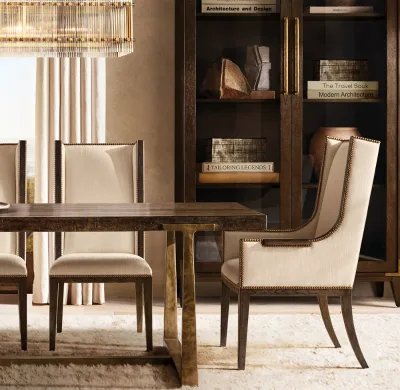
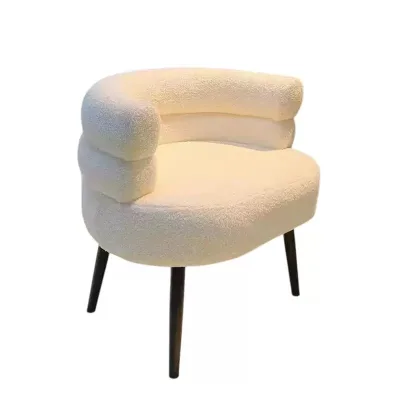
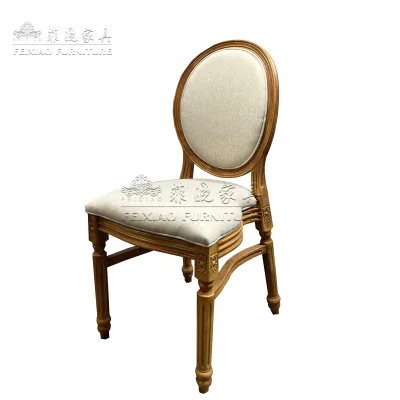
Within these clusters, the product portfolio varies significantly, with some suppliers focusing on specific styles such as Nordic, modern, or European designs, while others offer comprehensive ranges including dining tables, accent chairs, and lounge furniture. The presence of own brands like Twolf and Qiancheng furniture indicates that some manufacturers have developed their own intellectual property and design identities, which can be advantageous for buyers seeking unique aesthetic solutions rather than generic white-label products. Additionally, the availability of ODM and OEM services suggests that many factories are equipped to handle custom design requests, allowing buyers to tailor materials, dimensions, and finishes to their specific brand requirements. This flexibility is particularly important for restaurant owners who need seating that aligns with their interior design theme while meeting durability standards for high-traffic commercial environments.
How to Verify Restaurant Dining Chairs Suppliers
Verifying the credibility of restaurant dining chair suppliers requires a multi-layered approach that combines third-party certifications, factory audits, and product-specific evidence. Buyers should prioritize suppliers who hold recognized system certifications such as ISO 9001, BSCI, ISO 14001, and ISO 9001:2015, as these indicate adherence to international quality management and environmental standards. Additionally, verification badges from reputable agencies like TÜV Rheinland, SGS, and BV provide an extra layer of confidence regarding the supplier’s operational integrity and compliance with ethical labor practices. These certifications are not merely decorative; they serve as critical indicators of a supplier’s ability to maintain consistent production quality and meet the rigorous demands of commercial furniture procurement.
Beyond certifications, buyers should examine the specific product attributes and manufacturing capabilities listed by suppliers to ensure alignment with their requirements. For instance, checking for details on material composition, such as fabric, wood, synthetic leather, or metal frames, helps assess the durability and aesthetic suitability of the chairs. Suppliers who provide detailed specifications on tube thickness, foam density, and finish types, such as powder coating or oven painting, demonstrate a higher level of transparency and technical expertise. Furthermore, verifying the supplier’s response time and lead time capabilities can offer insights into their operational efficiency and reliability. A supplier with a quick response time and reasonable lead time is more likely to handle urgent orders and maintain consistent communication throughout the procurement process, reducing the risk of delays and misunderstandings.
What to Compare Across Restaurant Dining Chairs Suppliers
When evaluating multiple suppliers for Restaurant Dining Chairs, buyers must systematically compare key operational metrics to identify the most suitable partner for their specific needs. One critical factor is the minimum order quantity (MOQ), which can vary significantly across suppliers, ranging from as low as 50 pieces to 200 pieces or more. This variation directly impacts the initial investment and inventory management strategy, making it essential for buyers to align MOQs with their projected sales volume and storage capacity. Additionally, comparing lead times is vital for supply chain planning, as some suppliers may offer faster turnaround times of 30 days, while others might require up to 60 days for production and delivery. Understanding these timelines helps buyers manage their inventory levels and avoid stockouts during peak dining seasons.
Price and customization options are another crucial dimension for comparison, as they directly influence the total cost of ownership and product differentiation. Buyers should analyze the price ranges offered by different suppliers, noting that costs can vary based on material quality, design complexity, and order volume. For example, some suppliers may offer competitive pricing for standard models, while others might provide better value for customized designs with specific materials or finishes. Additionally, evaluating the customization capabilities, such as the availability of ODM and OEM services, allows buyers to tailor products to their brand identity. Suppliers who offer flexible customization options, including choices in fabric, frame color, and cushion density, provide greater versatility in meeting diverse restaurant design requirements. By carefully comparing these factors, buyers can make informed decisions that balance cost, quality, and operational efficiency.
Common Restaurant Dining Chairs Sourcing Risks
Sourcing Restaurant Dining Chairs from international suppliers introduces several potential risks that buyers must proactively manage to ensure a smooth procurement process. One significant risk is the variability in product quality, which can arise from differences in manufacturing standards and material sourcing. Without proper verification, buyers may receive chairs that do not meet their expected durability or aesthetic standards, leading to customer dissatisfaction and potential returns. This risk is particularly pronounced when dealing with suppliers who lack comprehensive quality control measures or fail to provide detailed product specifications. To mitigate this, buyers should request samples and conduct thorough inspections before placing large orders, ensuring that the final products align with their quality expectations.
Another common risk is the potential for delays in production and delivery, which can disrupt business operations and impact customer service. Suppliers with longer lead times or inefficient production processes may struggle to meet tight deadlines, especially during peak seasons when demand for furniture is high. Additionally, communication barriers and language differences can lead to misunderstandings regarding product specifications, packaging requirements, and shipping instructions, further exacerbating the risk of errors. Buyers should establish clear communication channels and provide detailed written specifications to minimize the likelihood of miscommunication. Furthermore, understanding the supplier’s logistics capabilities and shipping methods is crucial for ensuring timely delivery and avoiding unexpected costs associated with customs clearance or freight delays. By anticipating these risks and implementing appropriate mitigation strategies, buyers can safeguard their investments and maintain operational continuity.
Restaurant Dining Chairs Regional Sourcing and Logistics
The geographic location of suppliers plays a pivotal role in determining logistics costs, delivery times, and overall supply chain efficiency for Restaurant Dining Chairs. Suppliers located in China, particularly in provinces like Hebei and Guangdong, offer distinct advantages in terms of manufacturing scale and cost competitiveness. However, buyers must also consider the logistical implications of sourcing from these regions, including shipping distances, port accessibility, and customs procedures. Understanding the regional strengths of these manufacturing hubs can help buyers optimize their sourcing strategy, balancing cost savings with logistical convenience. For instance, suppliers in Guangdong may have better access to major shipping ports, facilitating faster and more cost-effective export processes compared to suppliers in other regions.
Logistics planning also involves evaluating the supplier’s packaging and shipping methods to ensure that products arrive in pristine condition. Suppliers who use robust packaging techniques, such as bubble bags, EPE foam, and woven bags, can significantly reduce the risk of damage during transit. Additionally, buyers should assess the supplier’s ability to handle different shipping volumes, from small LCL shipments to full container loads, to accommodate varying order sizes. Understanding the supplier’s packing specifications, such as pieces per carton and total container capacity, helps buyers calculate shipping costs and optimize container utilization. By carefully considering these logistical factors, buyers can streamline their supply chain, reduce transit times, and minimize the risk of product damage, ensuring a seamless delivery experience for their restaurant operations.
Restaurant Dining Chairs Commercial Terms and Order Planning
Effective order planning for Restaurant Dining Chairs requires a thorough understanding of commercial terms, including pricing structures, payment methods, and after-sales support. Buyers should negotiate clear pricing agreements that account for volume discounts, customization fees, and shipping costs to avoid unexpected expenses. Additionally, establishing a reliable payment method, such as escrow services, can provide financial security and ensure that funds are only released upon satisfactory delivery of the products. This approach minimizes the risk of fraud and ensures that both parties adhere to the agreed-upon terms. Buyers should also clarify the supplier’s warranty and return policies, as these terms can significantly impact the long-term cost of ownership and customer satisfaction.
Furthermore, buyers must plan for the long-term sustainability of their supplier relationship by considering factors such as scalability, responsiveness, and product innovation. Suppliers who demonstrate a commitment to continuous improvement and customer service are more likely to provide consistent quality and support over time. Buyers should also evaluate the supplier’s ability to handle repeat orders and manage inventory replenishment efficiently, ensuring that they can meet ongoing demand without significant delays. By establishing a strategic partnership with a reliable supplier, buyers can secure a steady supply of high-quality Restaurant Dining Chairs, support their brand growth, and maintain a competitive edge in the market. This proactive approach to commercial terms and order planning helps mitigate risks and fosters a mutually beneficial relationship that drives long-term success.
FAQs
What is the typical lead time for Restaurant Dining Chairs?
Manufacturers generally require 30 to 60 days to produce and ship orders. Suppliers in Guangdong often offer faster turnaround times around 30 days, while Hebei-based factories may need up to 60 days. Buyers should confirm specific schedules with their chosen supplier before placing bulk orders to ensure timely delivery.
What are the minimum order quantities for dining chairs?
Minimum order quantities vary significantly by supplier and product type. Some manufacturers accept orders as low as 50 pieces, while others require a minimum of 200 units. Buyers should check the specific MOQ listed for each product model, as requirements depend on customization levels and production capacity constraints.
What certifications do dining chair suppliers typically hold?
Reputable suppliers often hold ISO 9001 quality management certifications and BSCI social compliance audits. Some manufacturers also possess ISO 14001 environmental certificates. Third-party verifications from TÜV Rheinland, SGS, or Bureau Veritas further validate supplier reliability. Buyers should request current certificates to ensure compliance with international standards.
What materials are commonly used for Restaurant Dining Chairs?
Common materials include fabric, wood, synthetic leather, and metal frames. Options range from solid wood and metal tubes to high-density sponge cushions with polyester or PU leather covers. Suppliers offer various finishes like powder coating or glossy oil painting. Buyers can select materials based on durability needs and aesthetic preferences for their venue.
How quickly do suppliers typically respond to inquiries?
Response times generally range from 2.90 to 3.60 hours for active suppliers. Faster response rates indicate better communication channels and dedicated sales teams. Buyers should prioritize suppliers with quick response times to ensure efficient negotiation and order processing. Delays in communication may signal potential issues with order tracking or customer support.
Can dining chairs be customized for specific venues?
Many suppliers offer customization options for fabric, color, and dimensions. Buyers can choose from various styles like modern, European, or Nordic designs. Customization is available for both material and structural elements. However, some products may have non-customized options with lower minimum order quantities. Buyers should discuss specific requirements with the manufacturer.