Chemical Physics Laboratory Lab Bench Suppliers and Manufacturers
Find 22 verified suppliers offering Chemical Physics Laboratory Lab Bench with options for customization, delivery times, and pricing. Compare response times, lead times, and certifications to select the right partner for your school or research needs; review the available evidence before requesting comparable quotations from suitable candidates.
Updated
Suppliers List

Guangzhou Penway Lab Equipment Co., Ltd.
- Verified by SGS
- Trading Company,Manufacturer/Factory
- China Guangdong
- Lead time15 days
- Avg. response≤ 3h
Main productsLab Furniture, Lab Bench, Lab Table, Fume Hood, Fume Cupboard, Lab Construction, Lab Designs, Lab Cabinets, Lab Equipment
Main marketsSouth America,Eastern Europe,Mid East,North America,Southeast Asia,Eastern Asia,Oceania,Western Europe,Africa

Luoyang Mas Younger Export and Import Company (Ltd.)
- Verified by BV
- Combined
- China Henan
- Lead time15 days
- Avg. response≤ 7h
Main productsMetal Locker, Office Cupboard, Filing Cabinet, Mobile Pedestal, Filing Storage Cabinet, Mobile Shelving System, Metal Office Furniture, Offie Desk / Table, Metal Bed, Safe Box
Main marketsAfrica,Europe
Guangdong Zhijian Experimental Equipment Technology Co., Ltd.
- Manufacturer, Trading Company
- Guangdong, China
- Lead time30 days
- Avg. response≤ 2h
Main productsLaboratory equipment,Test bed ark,Office furniture,Experimental instruments and consumables,Ventilation equipment
Main marketsSoutheast Asia(30.00%), North America(30.00%), Central America(15.00%), Northern Europe(10.00%), Mid East(5.00%), South America(5.00%), Eastern Asia(5.00%)
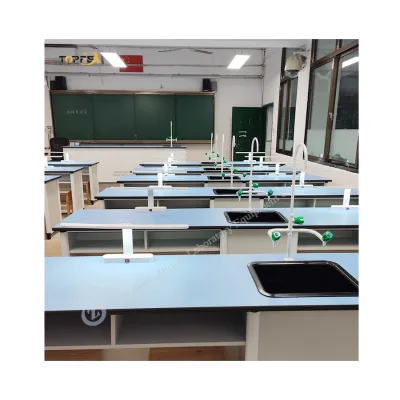
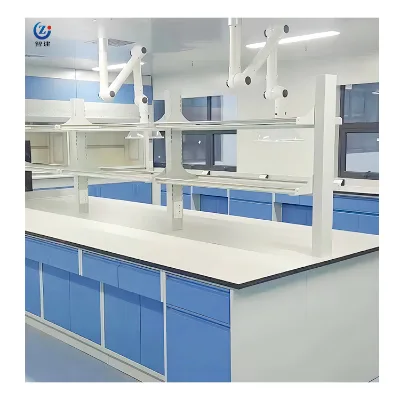
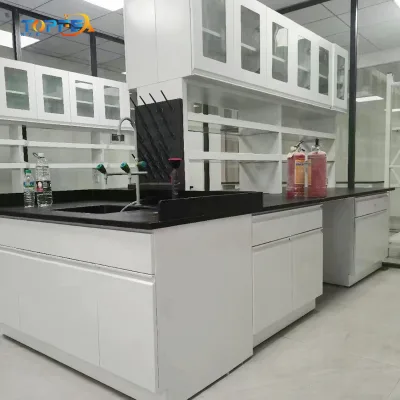
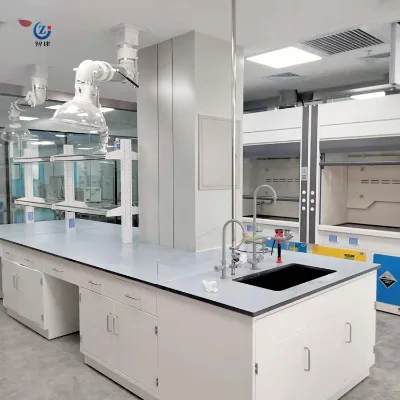
pharmacy chemical grade lab tables
$130.00 - $190.00
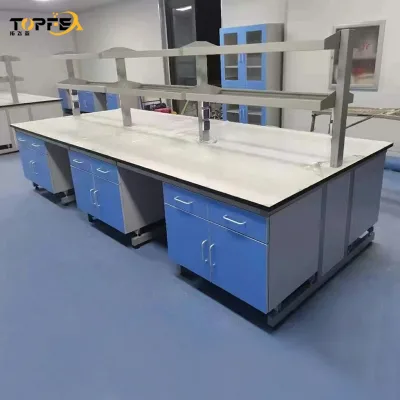
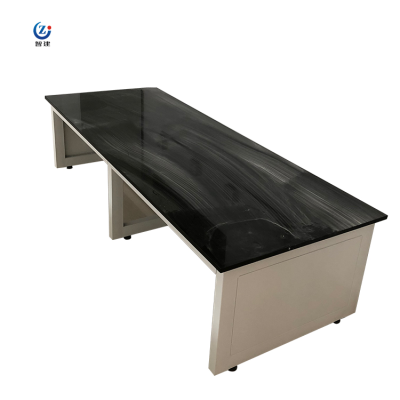
Floor mounted testing work Lab Bench
$130.00 - $190.00
$133.2053 - $184.4388
MOQ: 2 meters
Zhejiang Zhongyi Furniture Co., Ltd.
- Verified by TüVRheinland
- Manufacturer, Trading Company
- Zhejiang, China
- Lead time15 days
- Avg. response≤ 2h
Main productsSchool Chair, School Desk, Whiteboard, Theater Furniture, Office Furniture
Main marketsEastern Europe(25%), Mid East(22%), North America(15%)
Foshan Yingde Laboratory Equipment Co., Ltd.
- Manufacturer, Trading Company, Distributor/Wholesaler
- Guangdong, China
- Lead time14 days
- Avg. response≤ 1h
Main productsFume hood,Lab bench,lab Island bench,Laboratory accessories,Laboratory equipment
Main marketsNorth America(30.00%), Northern Europe(10.00%), Africa(10.00%), Mid East(10.00%), Oceania(8.00%), Domestic Market(5.00%), Southeast Asia(5.00%), Eastern Asia(5.00%), Southern Europe(5.00%), Eastern Europe(3.00%), Central America(3.00%), Western Europe(2.00%), South Asia(2.00%), South America(2.00%)
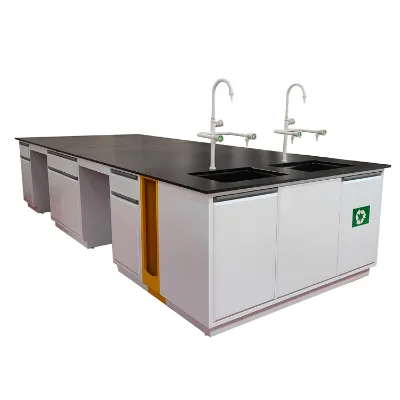
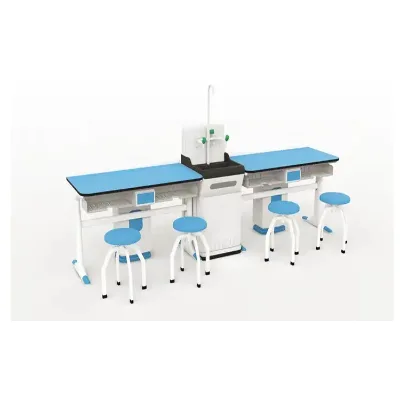
Lab Bench Experiment for Educational Laboratory of Physics Stem Innovation Laborortory School Tables
$150.00 - $170.00
MOQ: 1 Minimum

Chemistry Lab Workbench Ceramic Table 15mm/20mm/25mm Thick Lab Bench Ceramic Laboratory Countertop
$49.00 - $55.00
MOQ: 1 pieces
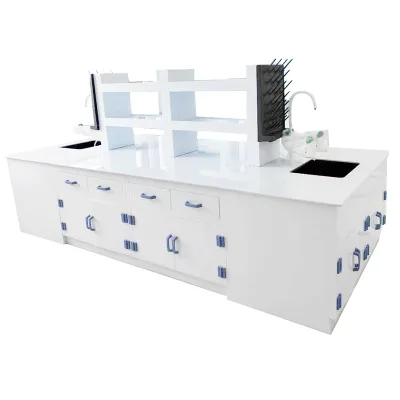
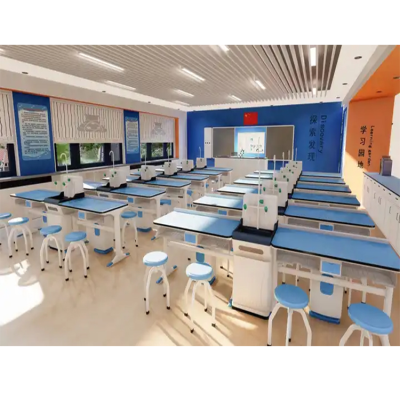
Physics Science Lab Experiment for student fun chemistry physical density scientific
$150.00 - $170.00
MOQ: 1 Minimum
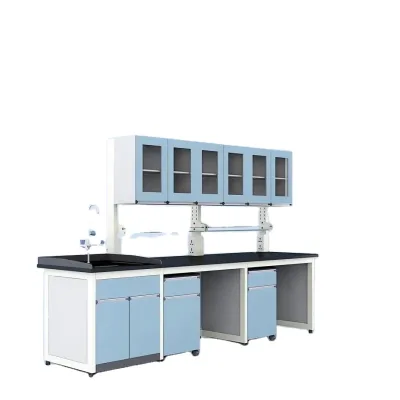
Factory Wholesale Laboratory Construction Bench Steel Wood Student Lab Bench for University School
$130.00 - $170.00
MOQ: 1 pieces

Guangdong Everpretty Furniture Co., Ltd.
- Combined
- China Guangdong
- Lead time23 days
- Avg. response≤ 14h
Main productsStudent Desk & Chair, Kid's Desk & Chair, Laboratory Benches & Stools, Canteen Table Benches, Library Bookshelf Desk & Chair, Bunk Bed & Roomset Furniture, Auditorium & Theater Chair, White Board Green Board Cork Board, Storage Cabinet & Wardrobe, Office Table & Chair
Main marketsAfrica,Southeast Asia/ Mideast


High Quality Biotechnology Laboratory Equipment Biochemistry Central Lab Table Bench
$218.00 - $338.00
MOQ: 2 Pieces

Guangzhou Max Laboratory Equipment Co., Ltd.
- Verified by TüVRheinland
- Trading Company
- Lead time20 days
- Avg. response≤ 3h
Main productsLab Furniture, Fume Hood, Lab Accessories, Biosafety Cabinet, Laminar Flow Cabinet
Main marketsNorth America(15%), Eastern Europe(10%), Southeast Asia(10%)
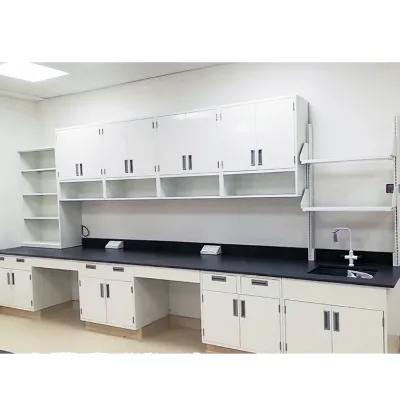
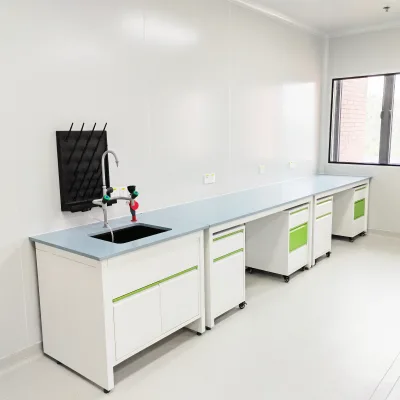
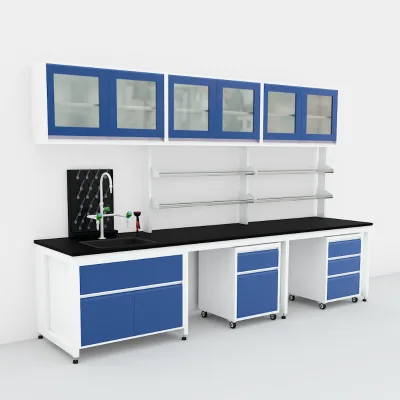
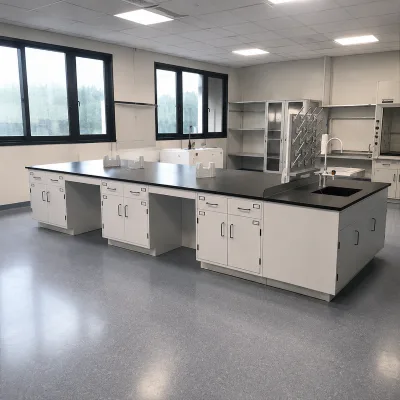
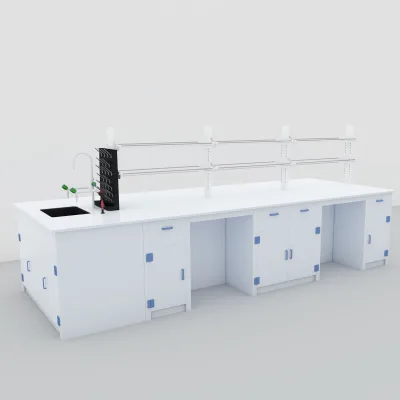
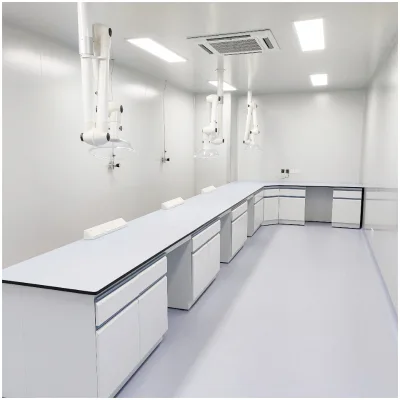
HPLC Lab Steel Bench Wet Chemical Laboratory Workbench with Wheel
$140.00 - $160.00
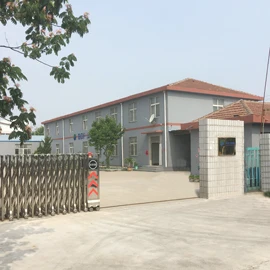
Hebei Comnenir Furniture Sales Co., Ltd.
- Verified by Intertek
- Trading Company
- Lead time30 days
- Avg. response≤ 2h
Main productsSchool Sets, School Desks, School Chairs, Training Room Furniture, Laboratory Furniture
Main marketsMid East(35%), Southeast Asia(20%), Domestic Market(20%)
Qingdao Blue Ocean Foundation Lab Equipment Co., Ltd.
- Manufacturer, Trading Company
- Shandong, China
- Lead time15 days
- Avg. response≤ 21h
Main productsLaboratory Furniture,Tool Cabinet,Fume Hood,instrument
Main marketsDomestic Market(74.00%), Africa(6.00%), North America(5.00%), Mid East(5.00%), South Asia(2.00%), Eastern Asia(2.00%), Southeast Asia(2.00%), Oceania(2.00%), South America(1.00%), Western Europe(1.00%)
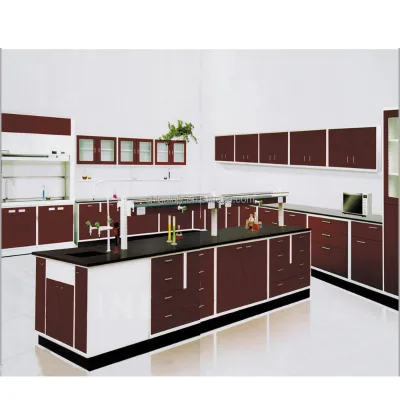
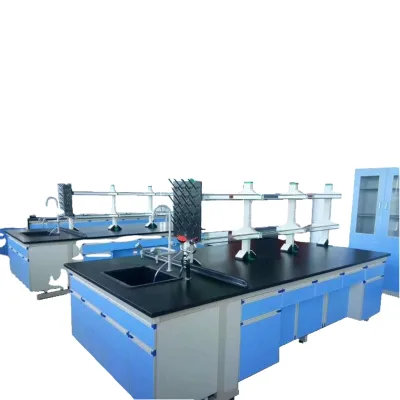
High Quality Laboratory Furniture Center Lab Bench for Physics Science Biology Science Lab Table
$110.00 - $130.00
MOQ: 1 meters
Luoyang Fraser Metal Products Co., Ltd.
- Verified by SGS Group
- Manufacturer, Trading Company
- Lead time25 days
- Avg. response≤ 3h
Main productsLaboratory Furniture, Medical Furniture, School Furniture, Office Furniture, Industrial Security Cabinet
Main marketsDomestic Market(45%), North America(15%), Southeast Asia(15%)
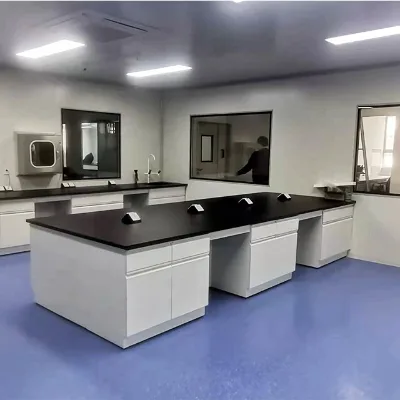
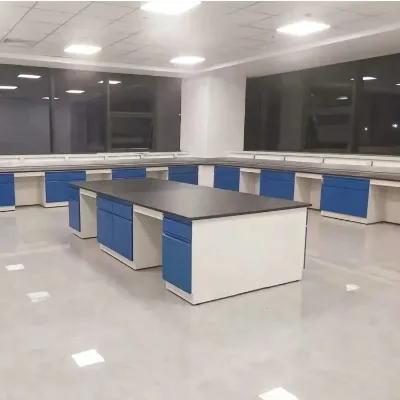
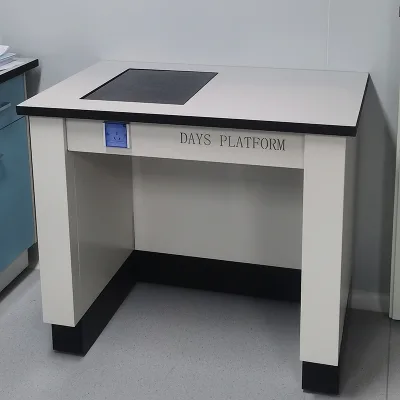
Modern School Laboratory Bench Flat Balance Bench Chemical Lab Anti Vibration Table
$215.00 - $260.00
MOQ: 1



Guangzhou Apex Industrial Co., Ltd.
- Manufacturer, Trading Company
- Guangdong, China
- Lead time15 days
- Avg. response≤ 13h
Main productsLaboratory Furniture,Medical Furniture,HPL products
Main marketsMid East(40.00%), Africa(20.00%), North America(20.00%), Western Europe(10.00%), Southern Europe(5.00%), Northern Europe(5.00%)
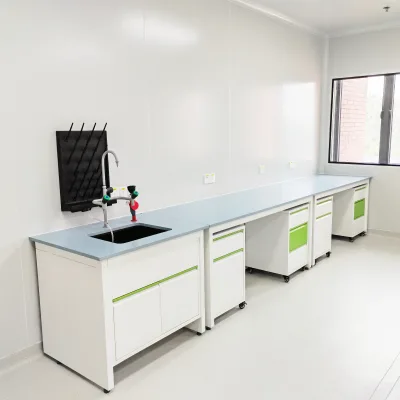
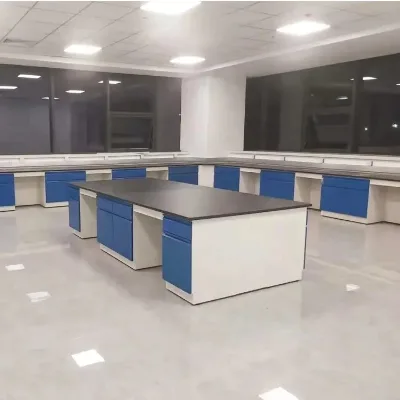
Chemical Lab Equipment Suppliers Electrical Physics Instrument Laboratory Worktable Bench With Sink
$133.5719 - $154.1209
MOQ: 1 meters
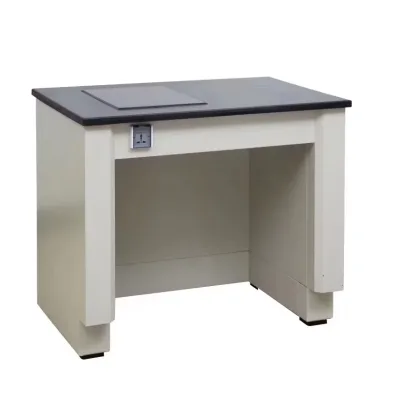
Modern School Laboratory Bench Flat Balance Bench Chemical Lab Anti Vibration Table
$160.00 - $180.00
MOQ: 1 sets
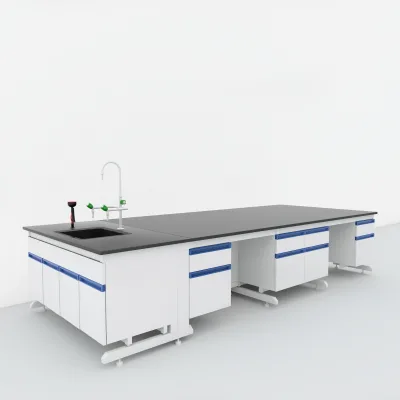
Acid Resistance Furniture Laboratory for Chemical Lab Work Bench Used for Chemisrty Industry
$130.00 - $150.00
MOQ: 1 meters
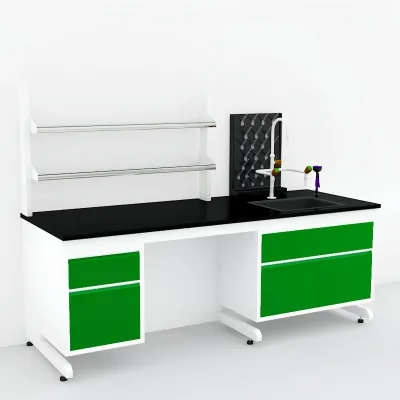
Chemical Corrosive Resistance Lab Workbench With Fume Hood for Chemistry Laboratories
$130.00 - $150.00
MOQ: 1 meters
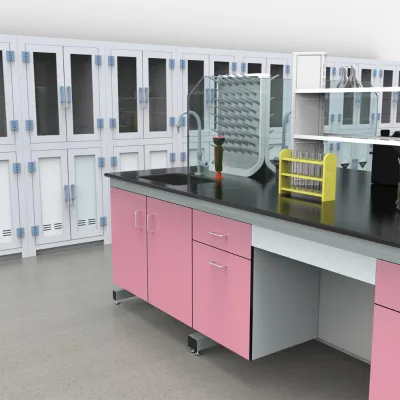
$138.00 - $155.00
MOQ: 1 meters
Guangdong Ever Great Laboratory Equipment Co., Ltd
- Verified by SGS Group
- Manufacturer, Trading Company
- Lead time25 days
- Avg. response≤ 2h
Main productsLaboratory Workbench, Fume Hood Cupboard, Reagent Cabinet, Laboratory Cabinet
Main marketsDomestic Market(50%), Southeast Asia(20%), North America(10%)
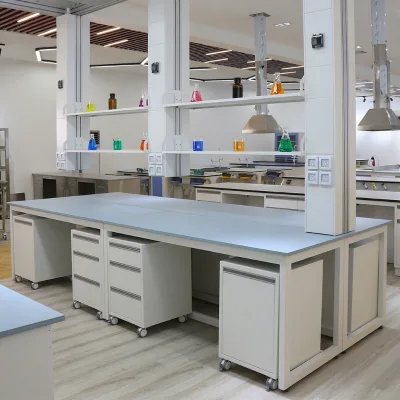
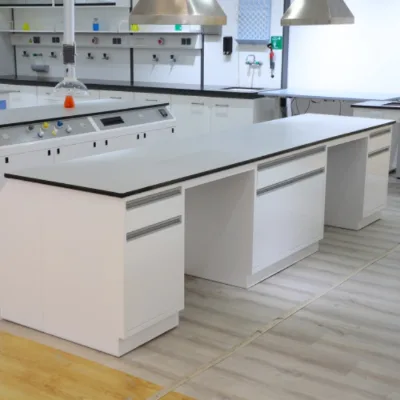
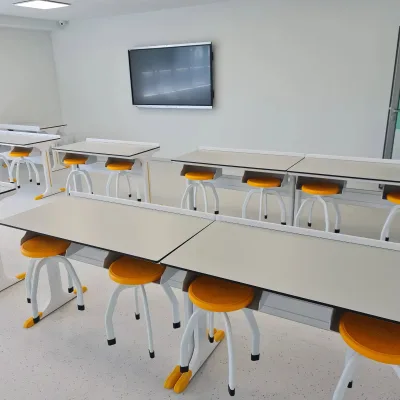
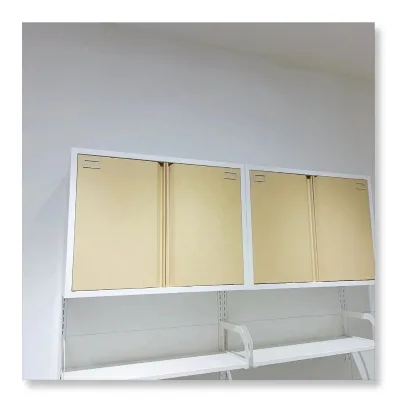
Lab Furniture Work Bench Lab Table Bench Wall Cup Board
$145.00 - $435.00
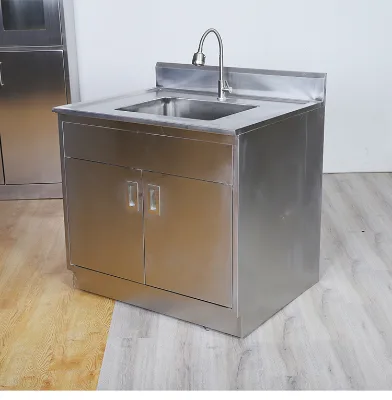

Chengdu Ample Import And Export Co., Ltd.
- Trading Company
- Sichuan, China
- Lead time30 days
- Avg. response≤ 2h
Main productsFume Hood,Biosafety Cabinet,Chemical Storage Cabinet,Safety Cabinet,Laboratory Furniture
Main marketsMid East(20.00%), North America(20.00%), South America(10.00%), South Asia(5.00%), Southern Europe(5.00%), Northern Europe(5.00%), Central America(5.00%), Eastern Europe(5.00%), Western Europe(5.00%), Eastern Asia(5.00%), Oceania(5.00%), Africa(5.00%), Southeast Asia(5.00%)
Jiangsu Cartmay Industrial Co., Ltd.
- Verified by SGS Group
- Manufacturer, Trading Company
- Lead time25 days
- Avg. response≤ 1h
Main productsLaboratory Furniture, School Furniture
Main marketsMid East(45%), Domestic Market(25%), Southeast Asia(8%)
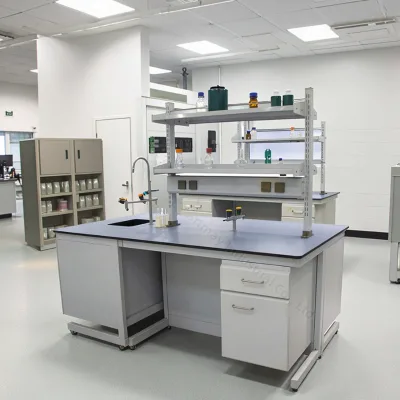
$138.00 - $599.00
MOQ: 1 Minimum
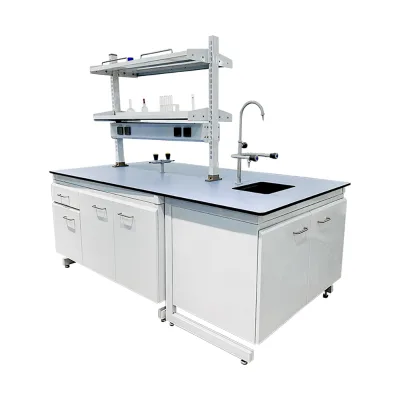
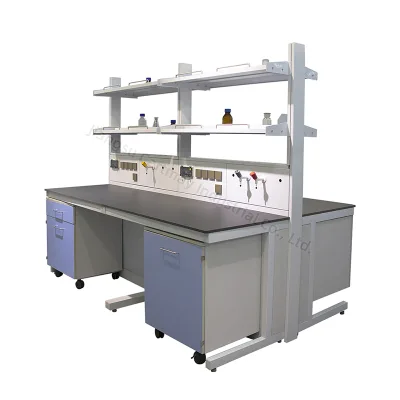
$140.00 - $180.00
MOQ: 1 meters
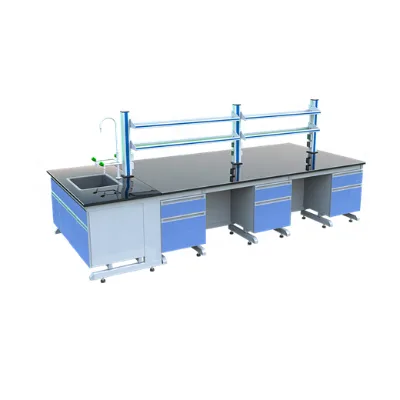
$140.00 - $180.00
MOQ: 1 meters
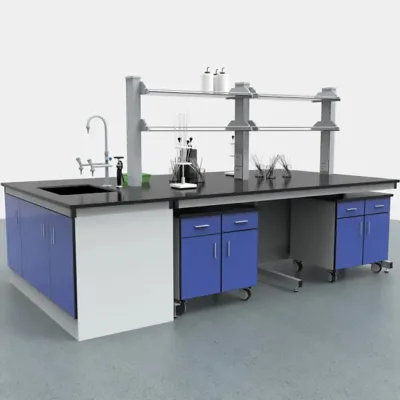
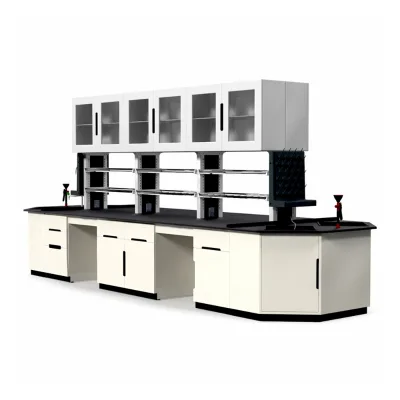
$140.00 - $180.00
MOQ: 1 meters
Guangzhou CSZY Hardware Corporation
- Manufacturer, Trading Company
- Guangdong, China
- Lead time10 days
- Avg. response≤ 2h
Main productsGAS SPRINGS,LAB FURNITURE,electronic gas lift,METAL AUTO PARTS
Main marketsMid East(14.00%), Northern Europe(12.00%), Oceania(11.00%), Africa(10.00%), North America(10.00%), Southeast Asia(8.00%), Eastern Asia(7.00%), South Asia(5.00%), Eastern Europe(5.00%), Southern Europe(5.00%), Western Europe(4.00%), Domestic Market(3.00%), Central America(3.00%), South America(3.00%)

Guangdong Zhijian Experimental Equipment Technology Co., Ltd.
- Trading Company,Manufacturer/Factory
- China Guangdong
- Lead time23 days
- Avg. response≤ 7h
Main productsLab Furniture, Lab Bench, Lab Cabinet, Lab Chair, Lab Table, Fume Hood, School Lab Furniture, Las Stool, Eye Wash, Peg Board
Main marketsSouth America,Eastern Europe,Mid East,North America,Southeast Asia,Eastern Asia,Oceania,Western Europe,Africa

Jiangmen Henda Supply Chain Management Co., Ltd.
- Trading Company
- Guangdong, China
- Lead time20 days
- Avg. response≤ 4h
Main productsschool lab table,Fume hood,lab sink,sample cabinet,lab chair
Main marketsNorthern Europe(60.00%), Mid East(25.00%), Eastern Asia(10.00%), Southeast Asia(5.00%)
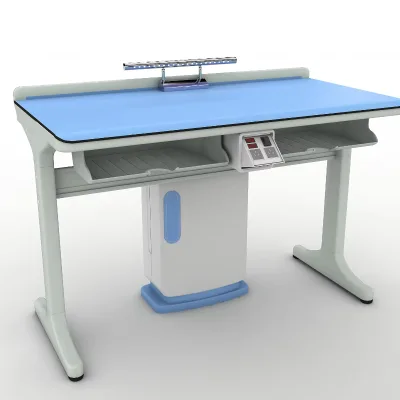
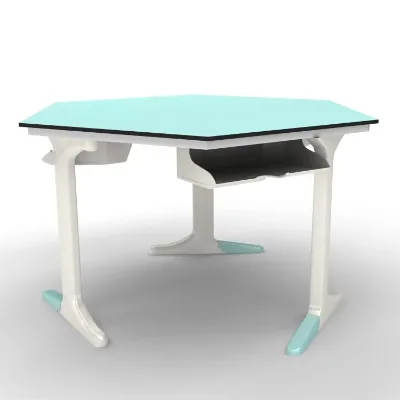
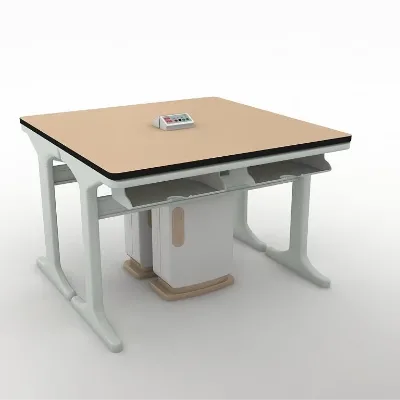
Lab Table 1.2m Modern Design Bench Physics Lab Bench School Furniture
$350.00 - $700.00
MOQ: 10 Minimum

Hebei Comnenir Furniture Sales Co., Ltd.
- Verified by SGS
- Trading Company
- China Hebei
- Lead time15 days
- Avg. response≤ 1h
Main productsSchool Furniture, Auditorium Furniture, Office Furniture
Main marketsSouth America,Southeast Asia/ Mideast,Domestic,Europe

High Quality Laboratory Furniture Equipment Center Chemistry Lab Bench for Physics Science
$299.00 - $399.00
MOQ: 10 pieces

High Quality Laboratory Furniture Center Chemistry Lab Work Bench for Physics
$299.00 - $356.00
MOQ: 10 pieces

High Quality Laboratory Furniture Equipment Center Chemistry Lab Work Bench for Physics
$299.00 - $356.00
MOQ: 10 pieces

$48.50 - $623.40
MOQ: 50 Pieces

Manufacturer High Quality Chemistry/Physical/Biologic Lab Table/Bench, Classroom Lab
$299.00 - $356.00
MOQ: 10 pieces
Jiangxi Aiyi Hi-Tech Co., Ltd.
- Verified by Intertek
- Trading Company
- Lead time15 days
- Avg. response≤ 2h
Main productsLaboratory Furniture, Chromatograph, Spectrometer
Main marketsEastern Europe(15%), Western Europe(15%), Mid East(10%)
Yantai Furui Technology Co., Ltd.
- Trading Company
- Shandong, China
- Lead time0 days
- Avg. response≤ 2h
Main productsfume hood,lab table,lab cabinet,lab accessories,lab stool
Main marketsSouth America(50.00%), Eastern Europe(15.00%), North America(10.00%), South Asia(10.00%), Southeast Asia(7.00%), Western Europe(4.00%), Northern Europe(4.00%)
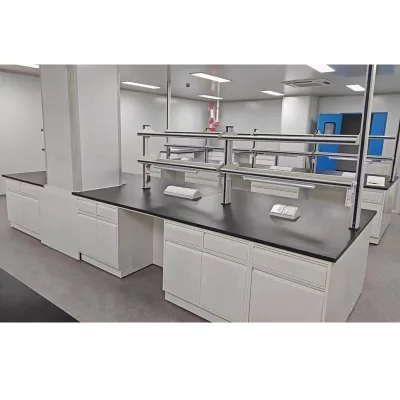
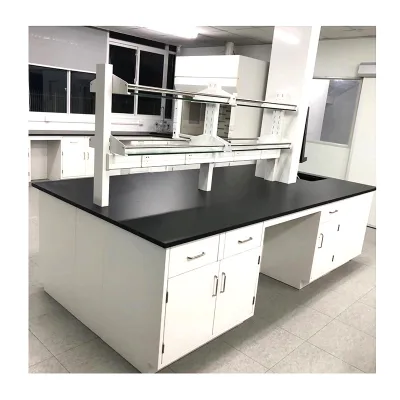
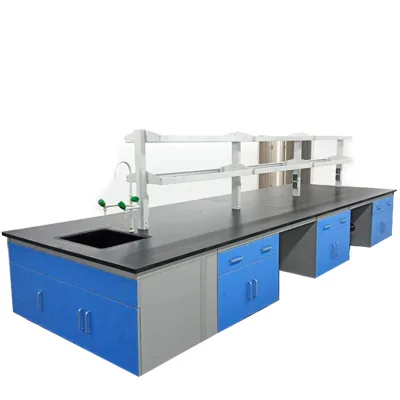
Chemistry Lab Steel Fabrication Work Bench Table Epoxy Bench with Sink
$154.8659 - $289.0826
MOQ: 2 meters

Dongguan Webber Steel Furniture Co., Ltd.
- Verified by SGS
- Manufacturer
- China Guangdong
- Lead time15 days
- Avg. response≤ 6h
Main productsFurniture, Office Furniture, Morden Furniture, Chinese Furniture, Mobile Filing Cabinet, School Furniture, Server Racks, File Cabinet, Network Cabinet, Household Furniture
Main marketsEast Asia(Japan/ South Korea),Europe,North America
Guangdong Everpretty Furniture Co., Ltd.
- Manufacturer, Trading Company
- Lead time旺季: "1 - 300000":35,"> 300000":"To be negotiated", 淡季: "1 - 300000":35,"> 300000":"To be negotiated"
- Avg. response≤ 1h
Main productsSchool Furniture, Library Furniture, Laboratory Furniture, Dormitory Furniture, Office Furniture


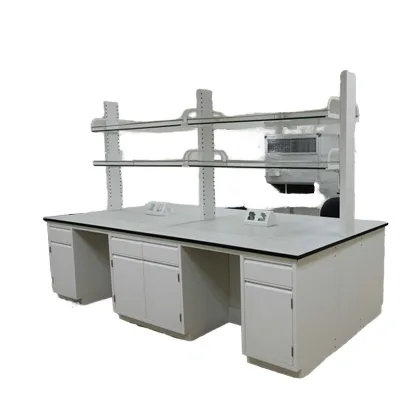
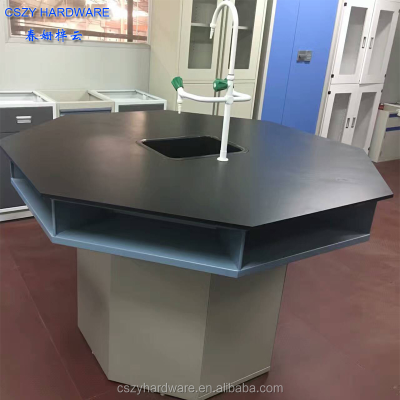
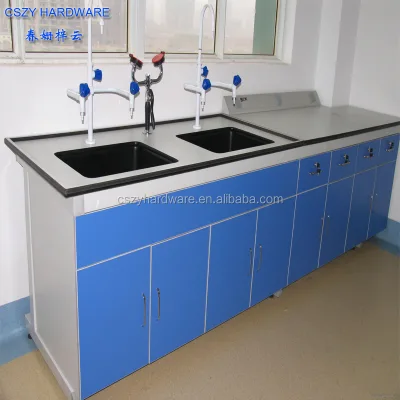


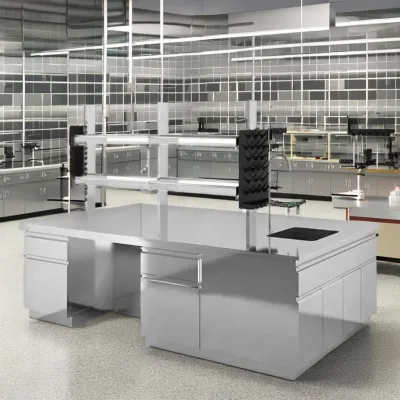


Comprehensive Sourcing Guide
Chemical Physics Laboratory Lab Bench Supplier Concentration and Factory Types
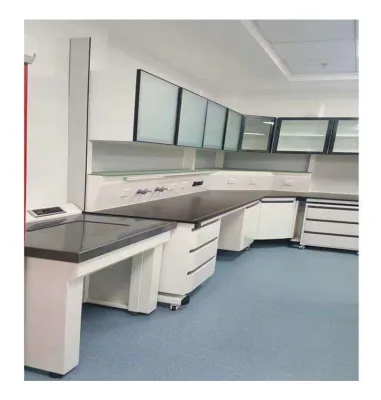
The current supplier landscape for Chemical Physics Laboratory Lab Bench products reveals a distinct geographic and operational concentration that buyers must navigate carefully. Evidence indicates that a significant portion of available inventory originates from Guangdong, China, where manufacturers and trading companies operate in close proximity. This region is known for its robust manufacturing infrastructure, which supports the production of diverse laboratory furniture types, including steel and wood lab benches, fume hoods, and complete lab construction projects. The presence of both trading companies and direct manufacturers in this cluster suggests a competitive market where buyers can access a wide range of product specifications, from basic school lab furniture to complex research institute setups. However, the coexistence of these two company types introduces variability in service models and pricing structures that requires careful evaluation.
In contrast, other suppliers are located in regions such as Henan, China, offering a different set of capabilities and product focuses. These suppliers often specialize in metal-based laboratory solutions, including clinical science laboratory workbenches and heavy-duty workstations, which may differ significantly from the wood-steel composite benches found in Guangdong. The company types in these areas include combined entities that may offer OEM and ODM services, allowing for greater customization of laboratory furniture designs. This diversity in supplier types and locations means that buyers cannot assume a uniform standard of product quality or manufacturing capability across all results. Instead, they must assess each supplier’s specific focus, whether it leans towards commercial furniture for schools or specialized equipment for hospitals and research institutes, to ensure alignment with their project requirements.
How to Verify Chemical Physics Laboratory Lab Bench Suppliers
Verification is a critical step in ensuring that the Chemical Physics Laboratory Lab Bench suppliers you engage with meet your quality and reliability standards. One key indicator of supplier credibility is the presence of third-party verification badges, such as SGS or BV, which signal that the company has undergone specific audits or inspections. For instance, some suppliers in the current results display SGS verification, which can provide confidence in their operational practices and product consistency. However, it is important to note that not all suppliers display such certifications, and the absence of a visible badge does not necessarily indicate a lack of quality. Buyers should actively inquire about any internal quality control processes or external audits that the supplier may have undergone, even if they are not prominently displayed on the product listing.
Beyond verification badges, buyers should assess the supplier’s response time and communication efficiency as a proxy for their operational maturity. Suppliers with faster response times, such as those averaging under three days, may indicate a more agile and customer-focused organization. In contrast, suppliers with slower response times, such as those taking nearly seven days, might suggest a less responsive support structure or a higher volume of inquiries that could delay critical communications. Additionally, buyers should verify the supplier’s main product offerings to ensure they align with specific laboratory needs. For example, some suppliers focus heavily on school laboratory furniture, while others specialize in industrial workbenches or clinical science equipment. Confirming that the supplier’s core competencies match your specific requirements can help avoid mismatches in product quality and service expectations.
What to Compare Across Chemical Physics Laboratory Lab Bench Suppliers
When evaluating multiple suppliers for Chemical Physics Laboratory Lab Bench products, buyers should compare key operational metrics such as lead times, minimum order quantities (MOQs), and pricing structures to determine the best fit for their procurement strategy. Lead times vary significantly among suppliers, with some offering delivery within fifteen workdays after receiving a deposit, while others may require up to thirty days. This difference can impact project timelines, especially for urgent installations or phased rollouts. Buyers should also pay close attention to MOQs, as some suppliers may require a minimum order of five sets, while others may accept orders for single units. Understanding these thresholds is crucial for budgeting and inventory planning, particularly for smaller institutions or pilot projects with limited initial requirements.
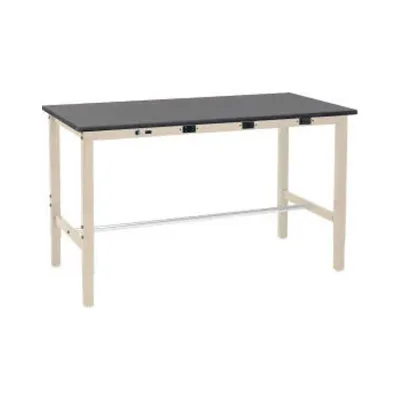
Pricing is another critical factor that varies widely across suppliers, reflecting differences in material quality, customization options, and production scales. For example, some lab benches are priced between $150 and $330 per unit, while others may range from $550 to $650, depending on features such as countertop materials, frame structures, and included accessories. Buyers should request detailed quotes that break down costs for standard versus customized options, including any additional fees for specific worktop materials like phenolic resin, epoxy resin, or ceramic. Additionally, comparing the customization capabilities of suppliers is essential, as some offer extensive design services, including layout planning and system integration, while others may have limited options. By systematically comparing these dimensions, buyers can identify suppliers that offer the best balance of cost, quality, and service for their specific laboratory needs.
Common Chemical Physics Laboratory Lab Bench Sourcing Risks
Sourcing Chemical Physics Laboratory Lab Bench products from international suppliers introduces several risks that buyers must proactively manage to ensure successful procurement. One significant risk is the variability in product condition and quality, as some suppliers may list items as "used" or "new" without clear differentiation in their descriptions. This ambiguity can lead to misunderstandings about the expected lifespan and performance of the laboratory furniture, particularly for critical applications in research institutes or hospitals. Buyers should explicitly request detailed product specifications, including material grades, structural integrity tests, and warranty terms, to mitigate the risk of receiving substandard or mismatched goods. Additionally, the risk of communication gaps due to language barriers or time zone differences can delay project progress and lead to errors in order specifications.
Another common risk is the potential for discrepancies between the ordered product and the delivered item, particularly when customization is involved. Suppliers may offer various options for worktops, frames, and accessories, but the final product may not align with the buyer’s expectations if the design process is not carefully managed. Buyers should insist on detailed drawings or 3D models for approval before production begins, ensuring that all custom features are accurately represented. Furthermore, the risk of logistical delays or damage during transit is heightened when products are packed in standard cartons or bubble film without adequate reinforcement. Buyers should verify the packaging standards with suppliers, especially for fragile components like glassware or sensitive electronic integrations, to ensure that items arrive in pristine condition. Addressing these risks through clear contracts and rigorous quality checks is essential for a smooth sourcing experience.
Chemical Physics Laboratory Lab Bench Regional Sourcing and Logistics
The geographic location of suppliers plays a pivotal role in determining the logistics and shipping costs associated with Chemical Physics Laboratory Lab Bench procurement. Suppliers located in Guangdong, China, benefit from established export infrastructure and proximity to major ports, which can facilitate faster and more cost-effective shipping to international destinations. This region’s concentration of manufacturers and trading companies creates a competitive environment that may offer better freight rates and more flexible shipping options. Buyers should leverage this advantage by requesting detailed shipping quotes that include packaging dimensions and weights, as laboratory furniture can be bulky and heavy, impacting overall logistics costs. Additionally, understanding the supplier’s packing methods, such as the use of bubble film, hard cotton, and wooden packages, is crucial for ensuring that items are protected during transit.
In contrast, suppliers in other regions, such as Henan, China, may have different logistical profiles that affect shipping times and costs. Buyers should inquire about the supplier’s experience with international shipping and their ability to handle complex logistics, including customs clearance and last-mile delivery. For large-scale projects involving multiple lab benches, coordinating shipments from different suppliers can be challenging, so buyers should consider consolidating orders with a single supplier whenever possible. Furthermore, buyers should be aware of any regional trade restrictions or tariffs that may apply to laboratory furniture imports, as these can significantly impact the final landed cost. By carefully evaluating the logistical implications of sourcing from different regions, buyers can optimize their supply chain and minimize unexpected expenses or delays.
Chemical Physics Laboratory Lab Bench Commercial Terms and Order Planning
Effective commercial terms and order planning are essential for managing the procurement of Chemical Physics Laboratory Lab Bench products and ensuring a smooth transaction process. Buyers should carefully review the payment terms offered by suppliers, such as the requirement for a deposit before production begins, and negotiate favorable conditions that protect their financial interests. For instance, some suppliers may require a significant upfront payment, while others may offer more flexible payment schedules tied to production milestones or delivery. Understanding these terms is crucial for cash flow management, especially for large orders that involve substantial capital investment. Additionally, buyers should clarify the warranty and after-sales support policies, including the duration of coverage and the process for claiming repairs or replacements, to ensure long-term satisfaction with the purchased laboratory furniture.
Order planning also involves coordinating the delivery timeline with the supplier to align with the buyer’s installation schedule. Buyers should confirm the lead time for production and shipping, as well as any potential delays due to holidays or peak seasons, to avoid disruptions in their project timeline. For customized lab benches, buyers should allow additional time for design approval and prototype testing, if applicable, to ensure that the final product meets their specifications. Furthermore, buyers should consider the scalability of their order, as some suppliers may offer volume discounts or preferential terms for larger purchases. By developing a comprehensive order plan that accounts for all commercial and logistical factors, buyers can minimize risks and ensure a successful procurement outcome for their Chemical Physics Laboratory Lab Bench needs.
FAQs
What is the typical lead time for lab benches?
Manufacturers in China generally require 15 to 30 workdays to produce and ship laboratory furniture. Delivery usually begins after the deposit is received. Buyers should confirm specific timelines with suppliers, as production schedules vary by order volume and customization requirements.
What materials are used for lab bench countertops?
Common countertop materials include phenolic resin, epoxy resin, and ceramic. These surfaces offer chemical resistance and durability for school and research environments. Suppliers often provide options to match specific laboratory safety standards and usage requirements for different scientific disciplines.
What is the minimum order quantity for lab furniture?
Minimum order quantities typically range from one to five sets. Some suppliers accept single-unit orders for customized pieces, while others require bulk purchases for standard models. Buyers should verify the specific MOQ with each supplier before placing an order.
Are lab benches available for school laboratories?
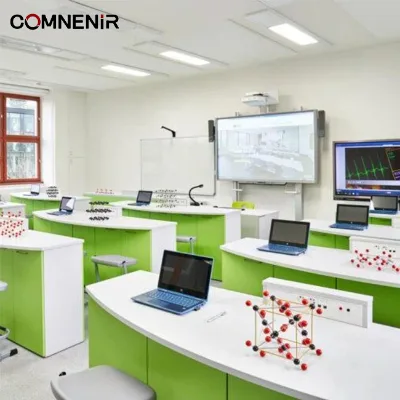
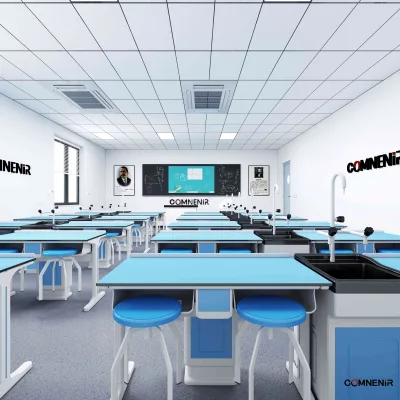
Yes, many suppliers specialize in furniture for schools, companies, and research institutes. Products are designed for physics, chemistry, and biology labs. Customization is available to meet specific educational or institutional layout needs and safety regulations.
What is the price range for school lab benches?
Prices for laboratory benches generally range from $150 to $650 per unit. Costs depend on materials, dimensions, and customization options. Buyers should request detailed quotes to understand pricing variations based on specific product models and order quantities.
How quickly do suppliers respond to inquiries?
Response times vary, with some suppliers replying within two hours and others taking up to seven hours. Faster response rates often indicate higher availability. Buyers should check individual supplier profiles to gauge communication speed before initiating contact.