Handmade Concrete Street Bench Suppliers and Manufacturers
Explore 22 verified options for Handmade Concrete Street Bench products with varying delivery times, certifications, and material specs. Compare response times, lead times, and warranty terms to select the right partner for your project needs; review the available evidence before requesting comparable quotations from suitable candidates.
Updated
Suppliers List

Foshan Optima Home Industry Co .,Ltd
- Trading Company
- China Guangdong
- Lead time0 days
- Avg. response≤ 7h
Main productsFurniture, Railings, Staircase, Aluminum Windows & Doors, Wooden Doors, Wooden Cabinets, Wrought Iron Products, Bathroom Products
Foshan Inspiration Decoration Material Co., Ltd.
- Manufacturer, Trading Company
- Lead time旺季: "1 - 10":25,"> 10":"To be negotiated", 淡季: "1 - 10":25,"> 10":"To be negotiated"
- Avg. response≤ 5h
Main productsGRC/UHPC Landscape Bench, Landscape Planters, Fiberglass Sculpture, Artificial Sandstone Sculpture, Architectural Ornament
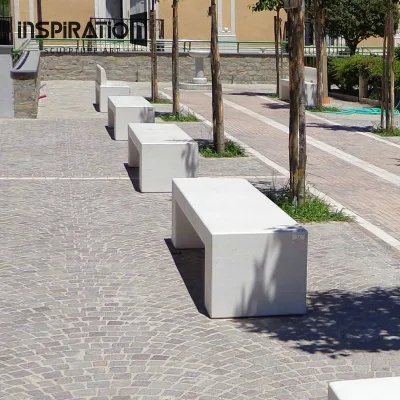
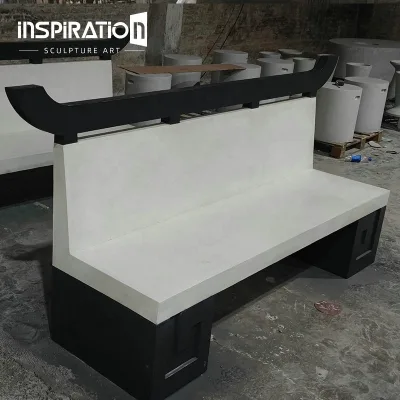
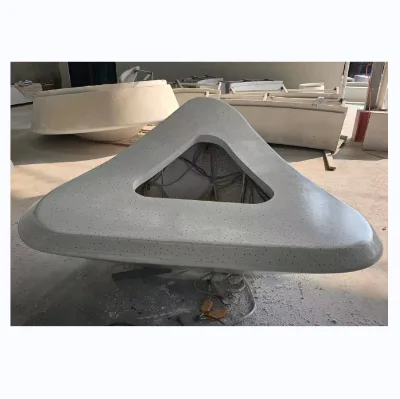
Creative White Concrete City Furniture Urban Design Pubic Spaces Modern Concrete Bench
$103.9615
MOQ: 10 Minimum
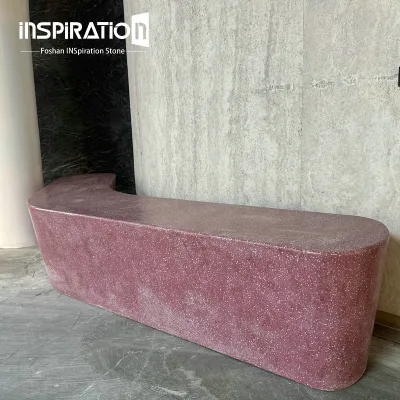
Outdoor Furniture Cast Stone Outdoor Furniture Concrete Street benches
$103.9615 - $207.9231
MOQ: 10 square
Zhuhai Dezi Construction Materials Co., Ltd.
- Manufacturer
- Guangdong, China
- Lead time30 days
- Avg. response≤ 1h
Main productsGRC planter,GRC panels,GRC claddling,GRG ceiling,GRG molding
Main marketsNorth America(50.00%), Mid East(20.00%), Eastern Europe(20.00%), South Asia(10.00%)
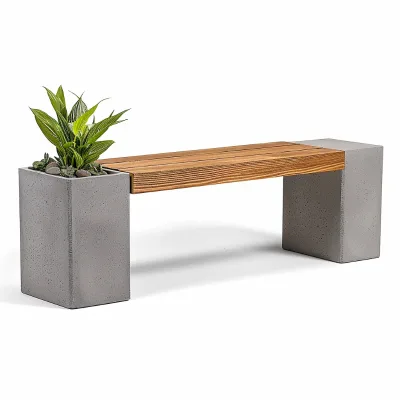
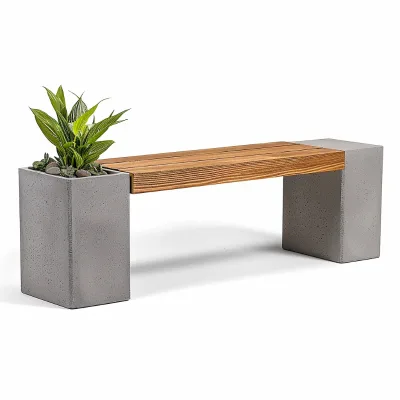
$154.2286 - $205.6372
MOQ: 30 pieces
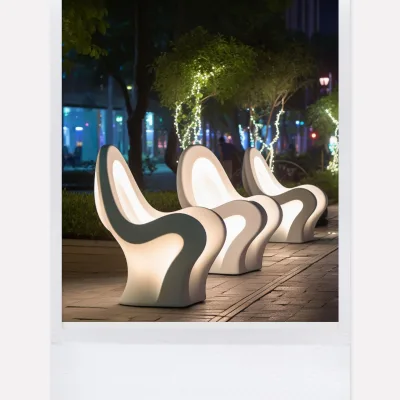
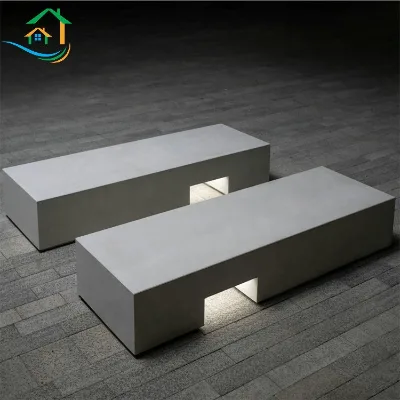
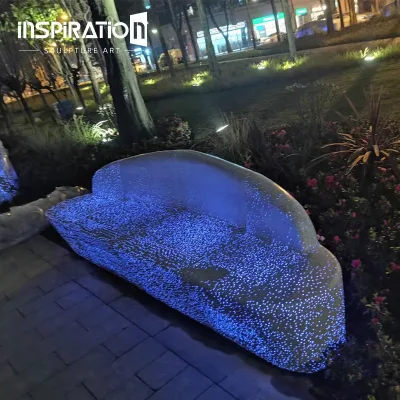
Amazon Hot Seller Translucent Concrete GRC Street Bench Seat With Light Inside
$53.3189
MOQ: 10 Minimum
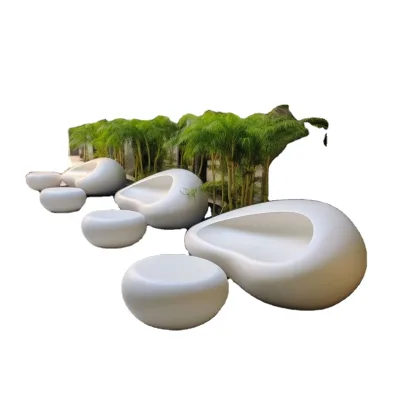
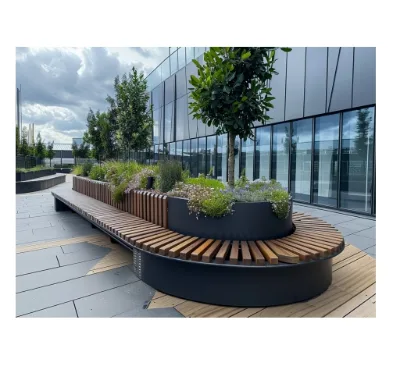

Xiamen Magic Stone Company Limited
- Trading Company,Manufacturer/Factory
- China Fujian
- Lead time0 days
- Avg. response≤ 12h
Main productsTombstone

Quyang Blue Ville Landscaping Sculpture Co., Ltd.
- Verified by SGS
- Trading Company,Manufacturer/Factory
- China Hebei
- Lead time45 days
- Avg. response≤ 6h
Main productsSculpture, Marble Sculpture, Brone Sculpture, Stainless Steel Sculpture, Marble Fountain, Marble Gazebo, Marble Column, Marble Railing, Marble Bathtub, Iron Products
Main marketsSouth America,Eastern Europe,Mid East,North America,Southeast Asia,Eastern Asia,Oceania,Western Europe,Africa

Customized Hand Made Long Size Natural Stone Marble Carving Bench for Garden
$500.00 - $3000.00
MOQ: 1 Pieces

New Design Modern Hand Carved Flowers Outdoor Park White Marble Bench for Garden
$300.00 - $1500.00
MOQ: 1 Pieces

Outdoor Decoration Hand Carved Natural Stone Garden Products Curve Benches Marble Bench for Park
$1500.00 - $4510.00
MOQ: 1 Pieces
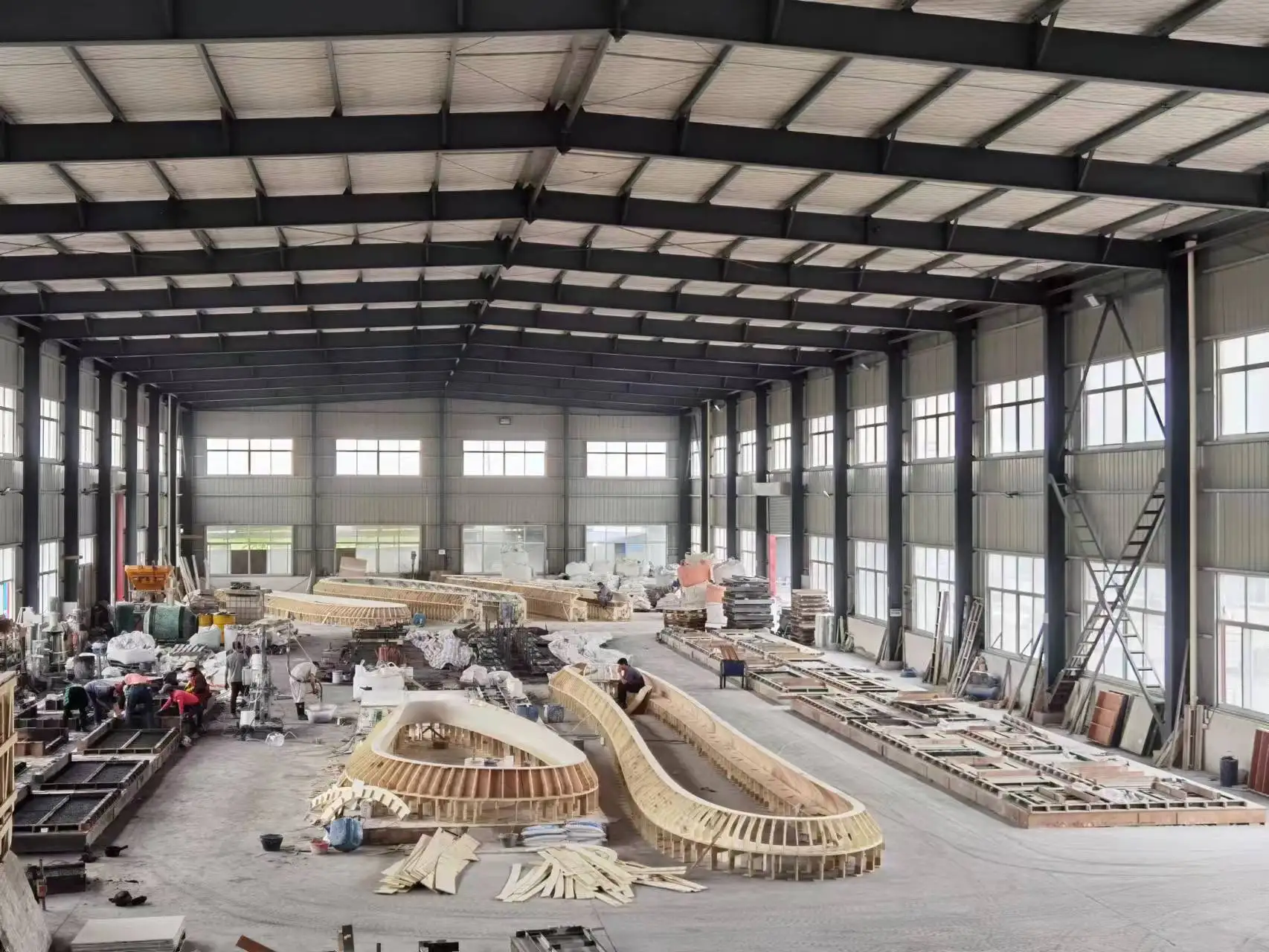
Shanghai Kai Si Building Decoration Materials Co., Ltd.
- Trading Company
- Shanghai, China
- Lead time30 days
- Avg. response≤ 11h
Main productsGRC,UHPC,GRG,EPS,GRP
Main marketsNorth America(20.00%), Domestic Market(10.00%), Eastern Asia(10.00%), Oceania(10.00%), Southeast Asia(5.00%), South Asia(5.00%), Southern Europe(5.00%), Northern Europe(5.00%), Central America(5.00%), Western Europe(5.00%), Eastern Europe(5.00%), Mid East(5.00%), South America(5.00%), Africa(5.00%)

Quyang Zhongou Yishu Marble Sculpture Manufactory
- Verified by TUVRHEINLAND
- Combined
- China Hebei
- Lead time30 days
- Avg. response≤ 4h
Main productsStatue, Fireplace, Sculpture, Fountain, Gazebo, Animal Statue, Column, Urn, Tombstone & Monument, Kitchen Hood
Main marketsDomestic


High Quality Hand-Carved Marble Bench with Antique Treatment for Garden Decoration
$453.00 - $3216.00
MOQ: 1 Pieces


Fujian Hui'an Chongwu Xingyan Stone Products Co., Ltd.
- Verified by SGS
- Combined
- China Fujian
- Lead time60 days
- Avg. response≤ 1h
Main productsTombstone&Monument, Fountain, Sculpture&Statue, Roman Column, and.
Main marketsDomestic

Zhengzhou Millie Arts & Crafts Co., Ltd.
- Verified by TUVRHEINLAND
- Trading Company
- China Henan
- Lead time45 days
- Avg. response≤ 1h
Main productsBronze Sculpture, Marble Sculpture, Stainless Steel Sculpture, Sculpture, Marble Fountain, Marble Gazebo, Bronze Fountain, Iron Gazebo, Landscape Sculpture, Bronze Animal Sculpture
Main marketsNorth America

Natural Stone Hand Carving Outdoor Natural Black Granite Marble Bench with Back
$200.00 - $600.00
MOQ: 1 Pieces


Hebei Kingmiracle Import & Export Trading Co.,Ltd.
- Verified by SGS
- Trading Company
- China Hebei
- Lead time30 days
- Avg. response≤ 1h
Main productsStone Carving, Copper Sculpture, Fiberglass Sculpture, Stainless Steel Sculpture
Main marketsEurope,North America

Modern Outdoor Garden Hand Carved Beige Marble Bench for Park & Villa Use Bench
$1120.00 - $2650.00
MOQ: 1 Pieces

French Style Outdoor Hand Carved Natural Stone Marble Garden Bench Garden Bench for Villa and Park
$690.00 - $1680.00
MOQ: 1 Pieces

French Style Outdoor Hand Carved Natural Stone Marble Garden Bench Garden Bench for Villa and Park
$820.00 - $1580.00
MOQ: 1 Pieces

Hebei Maochang Hardware and Mineral Import and Export Co., Ltd.
- Trading Company
- China Hebei
- Lead time0 days
- Avg. response≤ 1h

Guangzhou Sarhang Stone Solutions Limited.
- Trading Company,Manufacturer/Factory
- China Guangdong
- Lead time15 days
- Avg. response≤ 7h
Main productsMarble Tiles, Granite Tiles, Onyx Marble, Limestone, Travertine, Sandstone, Waterjet Marble Medallion, Marble Inlay, Marble Panels, Marble Floor
Main marketsEastern Europe,Mid East,North America,Southeast Asia,Eastern Asia,Western Europe,Africa

Hand Carved Customized Stone Bench Villa Garden Decorative Marble Garden Bench
$500.00 - $1500.00
MOQ: 1 Pieces

Outstanding Quality Outdoor Decorative Hand Carved Marble Benches Park Marble Bench for Sale
$500.00 - $1500.00
MOQ: 1 Pieces

Customizable Stone Bench Luxurious Design Hand Carved Marble Bench for Garden Decoration
$500.00 - $1500.00
MOQ: 1 Pieces

Popular Design Outdoor Natural Garden Stone Carving White Marble Granite Bench for Sale
$500.00 - $1500.00
MOQ: 1 Pieces


Jiangxi Raphael Outdoor Furniture Co., Ltd.
- Verified by TUVRHEINLAND
- Trading Company
- China Jiangxi
- Lead time15 days
- Avg. response≤ 4h
Main productsFiberglass Sculpture, Hotel Furniture, Fiberglass Garden Planter, Fiberglass Bench, Outdoor Fiberglass Furniture, Custom Fiberglass Sculpture, Outdoor Landscape Art Statue, Bench Outdoor Public Chair, Custom Fiberglass Reception Desk, Outdoor Rattan Chair
Main marketsDomestic

Quyang Grace Stone Industry Co., Ltd.
- Combined
- China Hebei
- Lead time23 days
- Avg. response≤ 16h
Main productsMarble Fireplace Mantel, Marble Sculpture, Marble Fountain, Fountain, Marble Flower Pot, Lamp, Gazebo, Wrought Iron Fence, Cast Iron Gate, Statue
Main marketsSoutheast Asia/ Mideast,East Asia(Japan/ South Korea),Domestic,Europe,North America

Guangzhou Huasheng Metal Materials Co., Ltd.
- Verified by SGS
- Combined
- China Guangdong
- Lead time30 days
- Avg. response≤ 13h
Main productsKiosk, Kitchen Cabinet, Bus Stop Shelter, Light Box, Metal Products, Advertising Billboard, Metal Products Manufacturer, Water Heater, Outdoor Furniture, Mailbox
Main marketsEurope

Qingdao Chifine Machinery Co., Ltd.
- Verified by BV
- Manufacturer/Factory,Group Corporation
- China Shandong
- Lead time45 days
- Avg. response≤ 17h
Main productsCasting, Sand Casting, Precision Casting, Steel Casting, Iron Casting, Aluminum Casting, Die Casting, Forging Part, Forging, Cast Iron
Main marketsSouth America,Eastern Europe,Mid East,North America,Southeast Asia,Eastern Asia,Oceania,Western Europe,Africa

Quanzhou Tianyuan Stone Co., Ltd.
- Verified by BV
- Trading Company
- China Fujian
- Lead time15 days
- Avg. response≤ 3h
Main productsGranite Marble Tile and Slab, Countertop Vanity Table, Slate Sandstone Pebble Travertine, Pillar Column Fountain, Waterjet Medallion Mosaic Tile, Cobblestone Kerbstone Paving, Sculpture Statue, Construction Landscape Stone, Fireplace Bathtub, Floor and Wall Stone
Main marketsSouth America,Southeast Asia/ Mideast,Europe,North America

Guangzhou Rovis New Materials Industry Co., Ltd
- Verified by CTI
- Combined
- China Guangdong
- Lead time15 days
- Avg. response≤ 25h

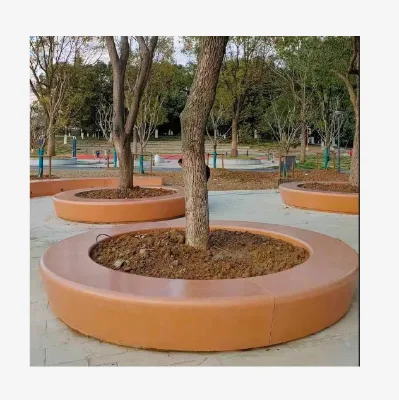
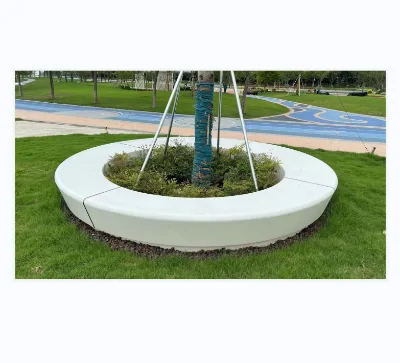
Beautiful Custom Polyurethane Ring Planter Bench for Pedestrian Streets
$2000.00 - $4000.00
MOQ: 1 Pieces

High Quality Custom Polyurethane Public Space Bench for Riverside Views
$2000.00 - $4000.00
MOQ: 1 Pieces

Shenzhen 7-Hong Technology Co. Ltd.
- Verified by TUVRHEINLAND
- Trading Company
- China Guangdong
- Lead time23 days
- Avg. response≤ 3h
Main productsSculptures, Statues, Benches, Flower Pots, Wall Decorations, Home Decorations
Main marketsSoutheast Asia/ Mideast

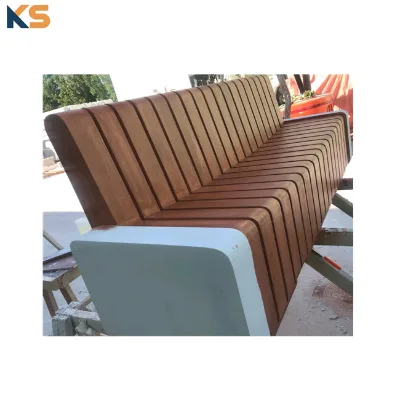
Customized Modern Eco-Friendly Anti-Corrosion Outdoor Solid Wood Bench
$299.00 - $1999.00
MOQ: 1 Pieces


XIAMEN SINO TOPSTONE IMP & EXP TRADE CO., LTD.
- Verified by TUVRHEINLAND
- Trading Company
- China Fujian
- Lead time15 days
- Avg. response≤ 3h
Main productsMarble Crafts, Marble Furniture, Marble Slabs, Granite Tile, Countertop, Landscaping Stones, Marble Sink & Bathtub, Marble Mosaic, Waterjet and Medallions, Tombstone
Main marketsEurope


Universal Exterior Garden Decoration Granite Outdoor Grey Stone Benches
$800.00 - $8000.00
MOQ: 2 Pieces

Quyang Perfect Sculpture Factory
- Manufacturer/Factory
- China Hebei
- Lead time30 days
- Avg. response≤ 2h
Main productsSculpture, Fountain, Fireplace, Statue, Column Pillar, Gazebo, Flower Pot, Table Bench, Bronze, Fiberglass Resin
Main marketsSouth America,Eastern Europe,Mid East,North America,Southeast Asia,Eastern Asia,Oceania,Western Europe,Africa

Qu Yang Sheng Ya Sculpture Factory
- Combined
- China Hebei
- Lead time60 days
- Avg. response≤ 5h
Main productsStone Sculpture, Marble Fireplace, Marble Fountain, Statue, Planter and Pots, Tables and Benches, Animals, Marble Slabs, Column, Pillars
Main marketsSouth America,Africa,Southeast Asia/ Mideast,Domestic,Europe,Australia,North America

Modern Outdoor Handmade Sculpture Marble Bench Garden Bench Stone Bench (MB-021)
Negotiable
MOQ: 1 Pieces


High Quality Hand Carving Marble Bench Stone Bench Garden Decoration Bench (MB-020)
Negotiable
MOQ: 1 Pieces


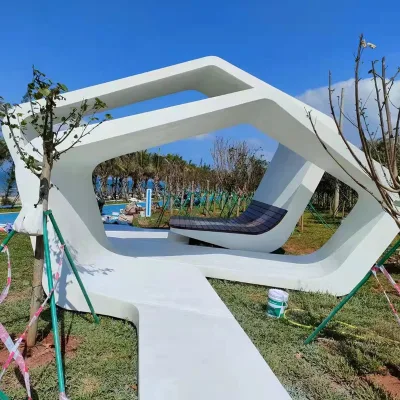
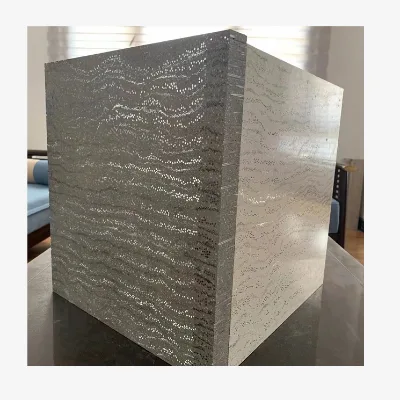


Comprehensive Sourcing Guide
Handmade Concrete Street Bench Supplier Concentration and Factory Types
The current supplier landscape for handmade concrete street benches reveals a distinct concentration of manufacturing and trading entities within China, specifically in the Guangdong region. This geographic clustering is significant for buyers because it indicates a mature industrial ecosystem capable of supporting complex fabrication processes. The observed data confirms that suppliers in this area are actively listing products such as municipal street furniture, park benches, and modern concrete designs. This concentration suggests that buyers can expect a high density of potential partners who specialize in both the artistic customization and the structural integrity required for outdoor urban furniture. The presence of these suppliers in Guangdong implies access to established supply chains for raw materials like GRC, UHPC, and fiberglass, which are critical for producing durable and lightweight concrete alternatives.
Within this regional cluster, the supplier types vary between pure manufacturers and hybrid trading companies. Some entities operate strictly as manufacturers, offering direct control over the production process for items like GRC landscape benches and architectural ornaments. Others function as trading companies, aggregating products from multiple factories to offer a broader catalog that includes wooden doors, aluminum windows, and wrought iron products alongside concrete benches. This distinction is crucial for procurement strategy, as manufacturers may offer better pricing and customization flexibility for large orders, while trading companies might provide easier communication and consolidated shipping for mixed product orders. Buyers must carefully evaluate whether they need the specialized craftsmanship of a dedicated concrete producer or the logistical convenience of a general trading firm that can source complementary street furniture items in a single transaction.
How to Verify Handmade Concrete Street Bench Suppliers
Verifying the legitimacy and capability of suppliers requires a multi-layered approach that goes beyond simple profile reviews. Buyers should prioritize suppliers who provide detailed technical specifications for their concrete products, such as compressive strength, water absorption rates, and ultimate flexure strength. For instance, specific product listings indicate compressive strengths of 55.2 MPa and water absorption rates of 8.6%, which are critical metrics for ensuring the bench can withstand outdoor weathering and heavy public use. These technical details serve as a proxy for manufacturing quality; suppliers who omit such data may lack rigorous quality control processes. Additionally, checking for certifications like SGS provides an external validation of product safety and material composition, reducing the risk of receiving substandard materials that could fail prematurely in a public space.
Response time and communication efficiency are also key indicators of supplier reliability. Data shows response times ranging from 5 to 6.35 hours, which suggests a generally responsive market, but buyers should test this directly by sending detailed RFQs with specific customization requirements. A supplier’s willingness to provide detailed packing information, such as bubble wrap inside and wooden frames outside, demonstrates attention to detail that often correlates with overall service quality. Furthermore, buyers should verify the supplier’s ability to handle custom designs, as many listings highlight customized sizes and styles. Confirming that the supplier has experience with specific applications, such as hotels, parks, or commercial plazas, ensures they understand the aesthetic and functional demands of the intended environment. This verification process helps filter out suppliers who may only offer generic, off-the-shelf products rather than true handmade solutions.
What to Compare Across Handmade Concrete Street Bench Suppliers
When evaluating multiple suppliers, buyers must compare key operational metrics such as lead times, minimum order quantities, and pricing structures. Lead times vary significantly, with some suppliers offering 20-25 days for standard orders and others requiring 30-45 days, particularly for customized pieces. Understanding these timelines is essential for project planning, especially when coordinating with installation crews or managing seasonal demand peaks. Minimum order quantities also differ, with some suppliers accepting orders as low as one set, which is ideal for small-scale projects or prototyping, while others require a minimum of ten units. This flexibility allows buyers to scale their orders based on budget and space requirements without being forced into excessive inventory.
Pricing and product attributes should be analyzed in tandem to determine true value. Prices for concrete benches can range from approximately $103 to $700 per unit, depending on the complexity of the design, material thickness, and customization level. Buyers should compare not just the unit price but also the included services, such as design support or warranty coverage. For example, some suppliers offer a 2-3 year warranty under normal usage, which adds significant value and reduces long-term maintenance costs. Additionally, comparing the material options, such as GRC, FRP, terrazzo, or transparent concrete, helps buyers select the best balance of durability, weight, and aesthetic appeal for their specific application. By systematically comparing these factors, buyers can identify suppliers that offer the best combination of quality, cost, and service for their specific needs.
Common Handmade Concrete Street Bench Sourcing Risks
One of the primary risks in sourcing handmade concrete street benches is the potential for inconsistency in quality and finish. Since these products are often handmade, variations in texture, color, and dimensions can occur between batches or even within a single unit. Buyers must establish clear quality standards and request samples before committing to large orders to ensure the final product meets their expectations. Another risk is the fragility of concrete products during shipping, despite robust packaging. While suppliers often use wooden frames and bubble wrap, the weight and brittleness of concrete make it susceptible to damage if not handled correctly. Buyers should verify the supplier’s packing methods and consider purchasing additional insurance to mitigate the financial impact of any transit damage.
Communication barriers and cultural differences can also lead to misunderstandings regarding design specifications and delivery expectations. Suppliers may interpret customization requests differently, resulting in products that do not match the buyer’s vision. To mitigate this risk, buyers should provide detailed technical drawings and reference images, and maintain regular communication throughout the production process. Additionally, buyers should be aware of potential delays due to seasonal fluctuations in production capacity. Some suppliers indicate that lead times may need to be negotiated during peak seasons, which can disrupt project timelines. Proactive planning and clear contractual terms regarding delays and penalties can help manage these risks and ensure a smoother procurement experience.
Handmade Concrete Street Bench Regional Sourcing and Logistics
Sourcing from the Guangdong region offers logistical advantages due to its proximity to major shipping ports like Shenzhen. This geographic location facilitates efficient export processes, reducing transit times and costs for international buyers. The concentration of suppliers in this area also means that buyers can potentially visit factories or showrooms to inspect products in person, although this is not always feasible for all buyers. Understanding the local logistics infrastructure is crucial for planning the final leg of the supply chain. Buyers should work with suppliers who have experience in international shipping and can provide accurate documentation, including commercial invoices, packing lists, and certificates of origin.
Packaging and handling requirements are critical considerations for regional sourcing. Concrete benches are heavy and require specialized handling equipment for unloading at the destination. Buyers should confirm the single package size and gross weight with the supplier to ensure they have the necessary infrastructure for receiving the goods. For example, some listings indicate a single gross weight of 5.000 kg, which may seem light but can be misleading if the actual product is much heavier. Buyers must verify the actual weight and dimensions to avoid unexpected handling costs or delays at customs. Additionally, considering the environmental impact of shipping heavy materials, buyers might explore local sourcing options if available, although the current data suggests Guangdong is a primary hub for these products.
Handmade Concrete Street Bench Commercial Terms and Order Planning
Commercial terms such as payment methods, warranty policies, and after-sales support are vital components of the sourcing process. Buyers should negotiate clear payment terms that protect their interests, such as using escrow services for the first few orders to ensure product quality and delivery. Warranty coverage, typically ranging from 2-3 years, provides a safety net against manufacturing defects, but buyers must understand the specific conditions and exclusions. It is also important to clarify who is responsible for any necessary repairs or replacements, especially for large-scale public installations. Establishing a strong relationship with the supplier can lead to better terms and more flexible support in the future.
Order planning should account for the customization process, which can add time and complexity to the procurement cycle. Buyers should allow sufficient time for design approval, sample production, and final manufacturing, especially for unique or complex designs. Coordinating with other street furniture items, such as tables or planters, can streamline the ordering process and reduce shipping costs. Buyers should also consider the long-term maintenance requirements of concrete benches, including cleaning and sealing, and factor these costs into their overall budget. By carefully planning the order process and establishing clear commercial terms, buyers can minimize risks and ensure a successful procurement outcome for their Handmade Concrete Street Bench projects.
FAQs
What is the typical lead time for handmade concrete benches?
Manufacturers in China typically require 20 to 25 days for delivery during standard seasons. For larger orders exceeding ten units, lead times may extend and require direct negotiation with the supplier to ensure timely production and shipping.
What is the minimum order quantity for concrete street furniture?
Minimum order quantities vary by supplier type. Some trading companies accept a single set as the minimum, while specialized manufacturers often require a minimum of ten units. Buyers should verify specific MOQs based on their project scale.
What materials are used for modern concrete street benches?
Common materials include GRC, UHPC, terrazzo, and GFRC. These composites offer high compressive strength, often around 55.2 MPa, and flexural strength of 13.7 MPa. Options also include fiberglass and transparent concrete for unique aesthetic designs.
Are custom designs available for outdoor concrete benches?
Yes, customization is widely available for size, color, and style. Suppliers offer contemporary designs in white, grey, or beige. Buyers can request specific dimensions and finishes to match their urban or park environment requirements effectively.
What certifications do concrete bench suppliers typically hold?
Many suppliers provide SGS certification to verify product quality and safety standards. Buyers should request these certificates to ensure the materials meet international durability and safety requirements for public spaces and commercial outdoor installations.
What is the price range for concrete street benches?
Prices typically range from approximately 104 to 700 USD per unit. Costs depend on material complexity, customization level, and order volume. Metal frame benches may cost more than standard concrete options due to additional structural components.