Wear Resistant EPDM Rubber Trim Suppliers and Manufacturers
Explore 16 verified options for Wear Resistant EPDM Rubber Trim from China Shandong and Hebei. Compare response times, lead times, certifications, and pricing to find the right partner. Contact suppliers directly to request samples and confirm customization details; review the available evidence before requesting comparable quotations from suitable candidates.
Suppliers List

Qingdao Weilian Plastic & Rubber Co., LTD.
- Trading Company,Manufacturer/Factory
- China Shandong
- Lead time23 days
- Avg. response≤ 10h
Main productsRubber Sealing Strip, Rubber Metal Bonded Part, Rubber Hose, Rubber Grommet, Rubber Buffer, Rubber Bushing, Rubber Gasket Seal, Silicone Rubber Cap, Rubber Stopper
Main marketsSouth America,Eastern Europe,Mid East,North America,Southeast Asia,Eastern Asia,Western Europe
Qinghe County Xiuxuan Sealing Co., Ltd.
- Verified by SGS
- Combined
- China Hebei
- Lead time23 days
- Avg. response≤ 2h
Main productsRubber Sealing Strip, Ship Anti-Collision Strip, Door Seal, Door and Window Sealing, Waterproof/Windproof Seal, Bus Door Seals
Main marketsDomestic

EPDM Rubber Foamed Strip Wear - Resistant Shock - Absorbing and Anti - Collision Rubber Seal Strip
$1.00 - $5.00
MOQ: 500 Meters


EPDM Rubber Sealing Strip: Preferred Choice for Weather-Resistant Sealing
$2.60 - $2.81
MOQ: 500 Meters


Ningbo Boman Mechanical & Technology Co., Ltd.
- Manufacturer/Factory
- China Zhejiang
- Lead time15 days
- Avg. response≤ 14h
Main productsOil Seal, O Ring, Customize Molded Rubber Part, Bonded Seal, Extrusion Strip, Rubber Ball, Valve Stem Seal, Rubber Product, Plastic Products, Silicone Product
Main marketsSouth America,Eastern Europe,Mid East,North America,Southeast Asia,Eastern Asia,Western Europe

Hebei Jiexing Rubber Seals Co., Ltd.
- Verified by TUVRHEINLAND
- Manufacturer/Factory
- China Hebei
- Lead time23 days
- Avg. response≤ 2h
Main productsRubber Seal Strip, Rubber Plastic Sealing Strips, Silicone/EPDM/NBR/PVC Seal Strip, Solid/Foam Strip, Door&Window Seal Strip, Auto Rubber Seal Strip, Production of EPDM Monomer Sealing Strips, Nitrile Foam Strips, EPDM Composite Sealing Strips, Silicone Strips Nitrile Sealing Strips
Main marketsSouth America,Eastern Europe,Mid East,North America,Southeast Asia,Eastern Asia,Oceania,Western Europe,Africa


Rubber Solid Round Strip Corrosion Resistant Wear Resistant EPDM Rubber Sealing Strip
$0.20 - $0.40
MOQ: 100 Pieces

Oil Resistant Shock Absorbing Rubber Strip 3mm Thick NBR EPDM Solid Square Strip
$0.18 - $0.39
MOQ: 300 Pieces

Hebei Changfeng Rubber and Plastic Products Co., Ltd.
- Combined
- China Hebei
- Lead time23 days
- Avg. response≤ 8h
Main productsRubber Seal Strips, Rubber Sealing Strips, Rubber Grommet, Rubber Hose, Auto Parts, Rubber Gaskets, Silicone Hose, Molded Rubber Parts, Weatherstrips, EPDM Rubber Products
Main marketsEurope,Australia,North America


EPDM Anti-Collision Buffer, Oil Resistance, High Temperature Resistance, and Shaped Rubber Strip
$0.20 - $0.40
MOQ: 500 Meters

EPDM Dense Anti-Collision Adhesive Strip Is Wear-Resistant and Waterproof
$0.18 - $0.23
MOQ: 500 Meters

Qinghe County Hongli Rubber and Plastic Co., Ltd.
- Combined
- China Hebei
- Lead time30 days
- Avg. response≤ 6h
Main productsMat Switch, Rubber Strip, Safety Edge Switch, Inflatable Rubber Strips, Safety Step Mat, Bumper for Agv, Sealing Strip, Self-Adhesive Rubber Strips
Main marketsDomestic

- Combined
- China Hebei
- Lead time23 days
- Avg. response≤ 3h
Main productsRubber Strips, Silicone Rubber Seal Strip, PVC Sealing Strips, Automobile Rubber Strip, Door and Window Rubber Strips, Rubber Hose, Hose Protector, Mud Flaps, EPDM/PVC Profile, Window & Door Weatherstrip
Main marketsSouth America,Africa,Southeast Asia/ Mideast,Domestic,Europe,Australia,North America

Tianjin Haijinshu Rubber Technology Co., Ltd.
- Verified by SGS
- Trading Company
- China Tianjin
- Lead time23 days
- Avg. response≤ 2h
Main productsRubber Strip, Rubber Hose, Fuel Hose, Brake Hose, Door Seal, Sealing Strip, Water Hose, Coolant Hose, Silicone Tube, Weather Strip
Main marketsDomestic

Anti-Slip EPDM Rubber Strip for Equipment Base Anti-Collision Protection
$0.24 - $0.44
MOQ: 300 Meters


Soft EPDM Rubber Hollow Strip for Waterproof Door and Window Applications
$0.24 - $0.34
MOQ: 300 Meters
Xingtai Shuoxi Trading Co., Ltd
- Verified by SGS
- Manufacturer
- China Hebei
- Lead time15 days
- Avg. response≤ 21h
Main productsSealing Element, Rubber and Plastic Products, Tc Oil Seal, Tg Oil Seal, Tb Oil Seal, DC Oil Seal, O-Rings, Custom Rubber Parts
Main marketsDomestic
Fuzhou Fuqiang Precision Co., Ltd.
- Verified by CTI
- Manufacturer/Factory
- China Fujian
- Lead time23 days
- Avg. response≤ 12h
Main productsWiring Harness, Automotive Wire Harness, Battery Harness, Electric Vehicle Wire Harness, Electronic Wiring Harness, Auto Wire Harness, Wire Harness Tape, Harness Connectors, Wire Harness Terminals
Main marketsSouth America,Eastern Europe,Mid East,North America,Southeast Asia,Eastern Asia,Oceania,Western Europe,Africa

Ningbo Yombo Rubber & Plastic Products Co., Ltd.
- Combined
- China Zhejiang
- Lead time30 days
- Avg. response≤ 17h
Main productsPlastic Products, Rubber Products, Silicon Rubber Products, Rubber Roof Flashing, Roof Flashing, Rubber Seal, Master Flash, Rubber Auto Parts, Rubber Parts, Plastic Parts
Main marketsDomestic,Europe,Australia,North America


High Quanlity EPDM Rubber Pads
MOQ: 10000 Pieces
Hebei Chen Zhi Yuan Trading Company Limited
- Verified by CTI
- Trading Company
- China Hebei
- Lead time30 days
- Avg. response≤ 6h
Main productsArtificial Grass, Gym Floor, Gym Mat, Rubber Mat
Main marketsSouth America,Africa,Southeast Asia/ Mideast,East Asia(Japan/ South Korea),Domestic,Europe,Australia,North America

Xingshidun New Material Co., Ltd.
- Trading Company,Manufacturer/Factory
- China Hebei
- Lead time15 days
- Avg. response≤ 5h
Main productsWaterproof Membrane, EPDM Membrane, Tpo Membrane, PVC Membrane, HDPE Membrane, Non-Asphalt Waterproof Membrane, Construction Waterproofing, Building Material, Roofing Sheet, Self Adhesive Butyl Tape
Main marketsSouth America,Eastern Europe,Mid East,North America,Southeast Asia,Eastern Asia,Oceania,Western Europe,Africa
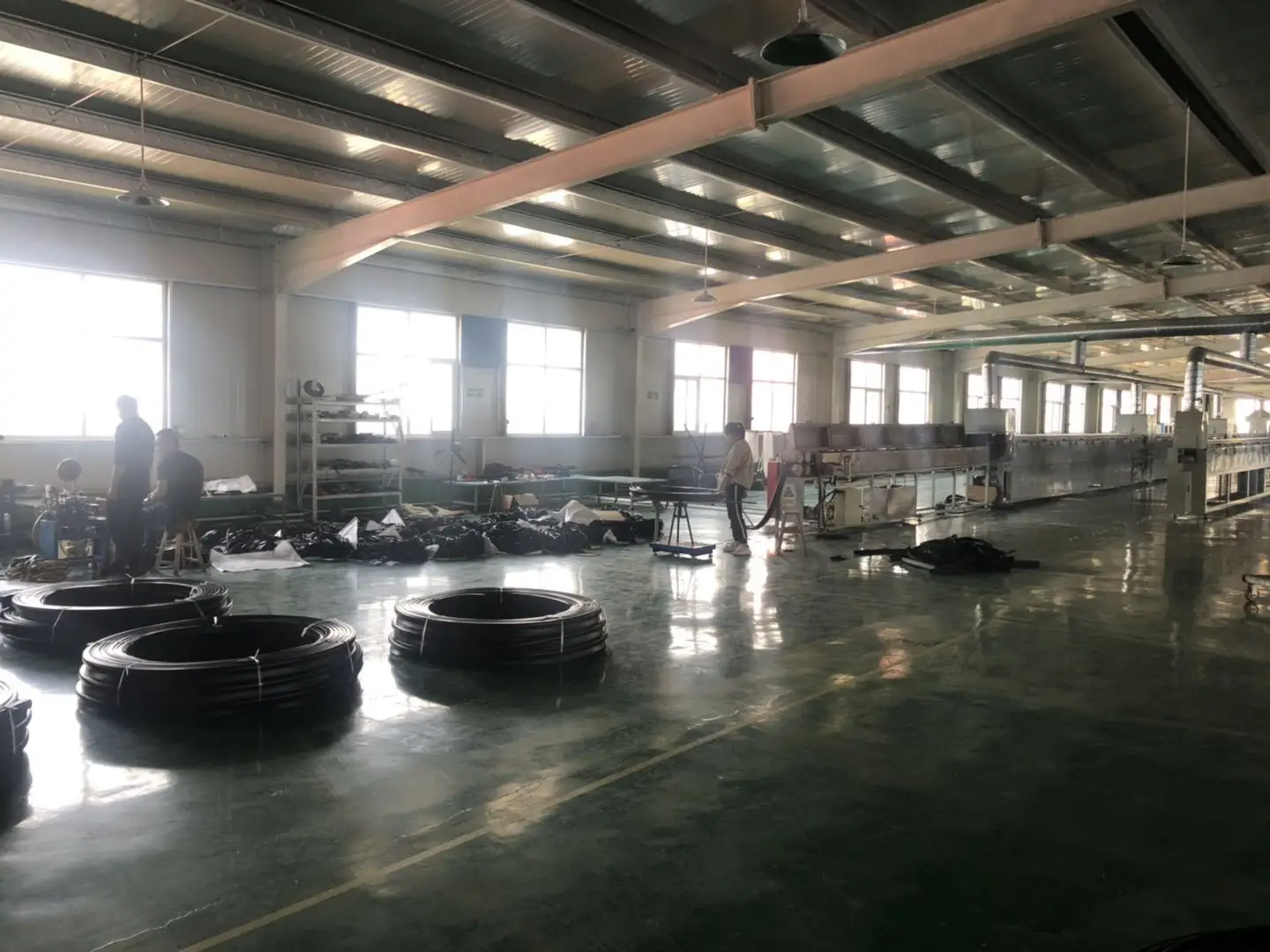
Hebei Fengyang Rubber Products Co., Ltd.
- Manufacturer, Trading Company
- Hebei, China
- Lead time0 days
- Avg. response≤ 4h
Main productsRubber sealing strip,Silicone sealing strip,Foam sealing strip,Sealing strip,Rubber products
Main marketsOceania(10.00%), Africa(10.00%), Southeast Asia(10.00%), Eastern Europe(10.00%), South America(10.00%), Mid East(10.00%), Domestic Market(5.00%), South Asia(5.00%), Southern Europe(5.00%), Northern Europe(5.00%), Central America(5.00%), Western Europe(5.00%), Eastern Asia(5.00%), North America(5.00%)
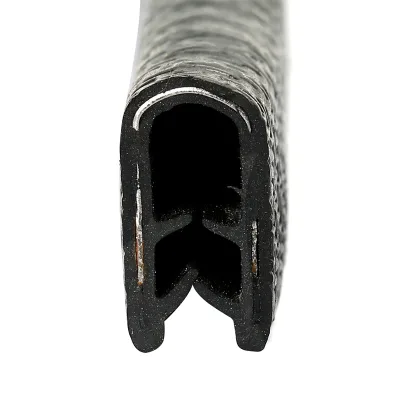
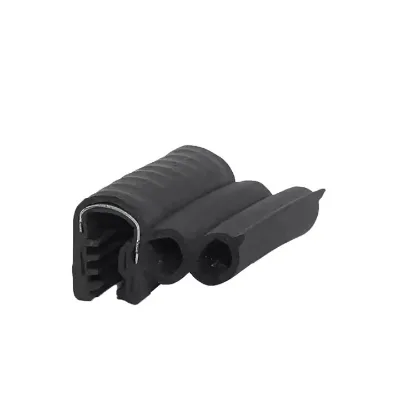
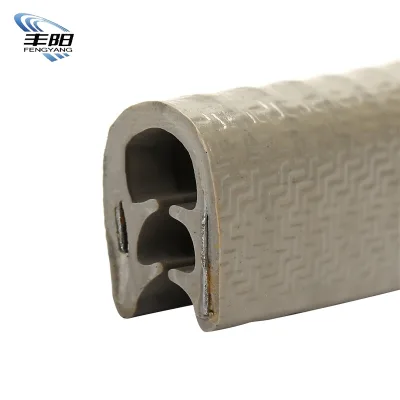
$0.29 - $0.72
MOQ: 50 meters
Anhui Boom Auto Parts Co., Ltd.
- Verified by SGS
- Combined
- China Anhui
- Lead time30 days
- Avg. response≤ 11h
Main marketsNorth America

Zhangjiagang Vella International Co., Ltd.
- Verified by TUVRHEINLAND
- Trading Company
- China Jiangsu
- Lead time30 days
- Avg. response≤ 9h
Main productsFlooring, Underlay, Nonwoven, WPC Decking, Painter Felt, WPC, Wood-Plastic Composites
Main marketsEast Asia(Japan/ South Korea),Europe,Australia


Comprehensive Sourcing Guide
Wear Resistant EPDM Rubber Trim Supplier Concentration and Factory Types
Current data indicates a concentration of manufacturing activity in China, specifically within the Shandong and Hebei provinces. Suppliers in these regions list main products that include rubber sealing strips, rubber metal bonded parts, and various rubber hoses, suggesting a specialized industrial cluster for extruded rubber profiles. The company types observed range from trading companies to manufacturers and factories, with some entities explicitly identifying as manufacturers capable of OEM and ODM services. This mix allows buyers to find direct production sources or intermediaries depending on their volume needs.
When evaluating the factory type, it is crucial to distinguish between entities that only trade and those that own the production lines. Some product attributes explicitly state the enterprise type as a manufacturer, while others list a combined status. Buyers should verify if the supplier possesses the specific extrusion technology required for wear-resistant EPDM profiles, as this capability is often tied to the physical location of the factory. The presence of specific certifications like SGS, Reach, and RoHS in product attributes further signals a manufacturer's commitment to quality standards, which is a key differentiator in these concentrated regions.
How to Verify Wear Resistant EPDM Rubber Trim Suppliers
Verification begins with checking for third-party validation marks such as SGS, which appears in the product attributes of several listed items. Buyers must confirm that the supplier holds active certifications like Reach and RoHS, as these are explicitly mentioned in the product evidence for specific rubber trim models. It is essential to request current certificates rather than relying on static web pages, as these documents prove the supplier's adherence to international safety and environmental standards. The presence of these specific marks in the product data provides a baseline for trust, but direct verification with the issuing body remains the gold standard for due diligence.
Beyond certifications, buyers should assess the supplier's response time and verification status to gauge operational reliability. Data shows response times varying significantly, with some suppliers responding in under two hours while others take longer. A verified status, such as the SGS verification noted for certain suppliers, adds a layer of credibility to the business entity. Buyers should also examine the company type listed, ensuring it aligns with their procurement strategy, whether they require a direct manufacturer for customization or a trading company for consolidated sourcing. Confirming the origin location, such as Qingdao or Qinghe, helps validate the supplier's physical presence and logistical capabilities.
What to Compare Across Wear Resistant EPDM Rubber Trim Suppliers
Buyers must compare lead times and minimum order quantities (MOQ) to align supplier capabilities with project schedules. Observed lead times can extend up to 23 days, while MOQs vary widely from 100 units to 1000 units depending on the specific product model and customization level. A supplier offering a lower MOQ of 100 may be suitable for prototyping, whereas a higher MOQ of 1000 might be necessary for bulk production runs. Comparing these metrics helps determine which suppliers can meet tight deadlines and budget constraints without compromising on the required volume of wear-resistant EPDM trim.
Price ranges and material specifications are equally critical dimensions for comparison across different suppliers. Product data indicates price points ranging from $0.10 to $5.00 per unit, influenced by factors such as material composition, size, and processing technology. Some suppliers offer standard sizes, while others provide fully customizable specifications, which often impacts the final cost. Buyers should analyze the material attributes, such as EPDM or hard rubber, and performance features like corrosion resistance or high elasticity to ensure the quoted price reflects the actual quality and durability required for the application.
Common Wear Resistant EPDM Rubber Trim Sourcing Risks
One significant risk involves the discrepancy between claimed customization capabilities and actual production capacity. While many suppliers list customization as available, the specific process technology, such as extrusion or continuous vulcanization, must be verified to ensure the final product meets wear-resistant standards. If a supplier claims to be a manufacturer but lacks the specific extrusion equipment, the quality of the rubber trim may suffer, leading to premature failure in vehicle or industrial applications. Buyers should request detailed process descriptions to confirm that the supplier can execute the specific manufacturing steps required for high-performance sealing strips.
Another risk lies in the variability of product standards and packaging, which can affect logistics and installation. Product attributes show a mix of standard and unstandard specifications, with packing methods ranging from plastic bags inside cartons to simple boxes. Inconsistent packaging can lead to damage during transit, particularly for delicate rubber profiles that require protection from crushing or environmental exposure. Additionally, the lack of a unified standard across different suppliers means that dimensions and tolerances may vary, requiring careful measurement and testing upon receipt to ensure compatibility with existing machinery or vehicle components.
Wear Resistant EPDM Rubber Trim Regional Sourcing and Logistics
Sourcing from China, particularly from Shandong and Hebei provinces, offers access to established rubber manufacturing clusters, but logistics planning is essential. The origin locations listed, such as Qingdao and Qinghe, Xingtai, Hebei, indicate specific ports and industrial zones that influence shipping routes and transit times. Buyers should account for the distance from these inland or coastal hubs to their destination, as this affects the overall lead time and freight costs. Understanding the regional logistics network helps in selecting suppliers that can deliver efficiently without incurring unexpected delays or additional charges.
Logistics also involve managing the specific packaging requirements to protect the rubber trim during international transit. Product evidence suggests that items are packed in plastic bags and carton boxes, or sometimes in boxes alone, which must be robust enough to withstand shipping conditions. Buyers need to verify if the supplier's packaging meets the necessary standards for long-distance transport, especially for heavy or irregularly shaped profiles. Ensuring that the packaging is secure prevents damage to the wear-resistant properties of the EPDM rubber, which could be compromised by moisture or physical impact during the shipping process.
Wear Resistant EPDM Rubber Trim Commercial Terms and Order Planning
Commercial terms regarding pricing and payment structures must be clearly defined before placing an order. The observed price ranges, from $0.10 to $5.00, suggest that unit costs are highly dependent on order volume and specific product configurations. Buyers should negotiate based on the total quantity required, as higher volumes often secure better pricing tiers. It is also vital to clarify whether the quoted price includes all necessary certifications and testing fees, as these can add hidden costs to the final invoice. Clear communication on pricing ensures that the budget aligns with the expected quality and performance of the wear-resistant EPDM trim.
Order planning requires a detailed review of the supplier's capacity to handle the requested volume and customization. With lead times up to 23 days and varying MOQs, buyers must plan their inventory levels carefully to avoid stockouts or overstocking. The ability to customize the product model, such as the "wl-profile" or "WL-trim," allows for tailored solutions but may extend the production timeline. Buyers should establish a clear timeline that accounts for the supplier's response time, production schedule, and shipping duration to ensure the delivery of the rubber trim aligns with their operational needs and project deadlines.
FAQs
What is the price range for EPDM rubber trim?
Prices for EPDM rubber trim range from 0.10 to 5.00 per unit depending on specifications. Some profiles start at 0.10 while specialized shock-absorbing strips cost up to 5.00. Buyers should verify exact pricing based on custom dimensions and order volume requirements.
What are the minimum order quantities for these products?
Minimum order quantities vary significantly between suppliers, ranging from 100 to 1000 units. Specific products like edge protection profiles require 100 units, whereas weather-resistant strips may demand 1000 units. Always confirm the MOQ with the specific manufacturer before placing an order.
How long does it take to receive the rubber trim?
Lead times for manufacturing and shipping typically average around 23 days for standard orders. Some suppliers may offer faster response times, but the general production window remains consistent. Buyers should plan their inventory schedules accordingly to avoid delays in project timelines.
Where are the manufacturers of EPDM rubber trim located?
Manufacturers are primarily located in Shandong and Hebei provinces within China. Specific origins include Qingdao and Qinghe, Xingtai. These regions host both trading companies and factories specializing in rubber extrusion and sealing solutions for various industrial applications.
What certifications do these rubber products hold?
Many products carry certifications such as SGS, Reach, and RoHS to ensure safety and quality. Some manufacturers also verify their compliance with environmental protection standards. Buyers should request specific certification documents to confirm that the materials meet their industry requirements.
Can I get custom sizes for the rubber sealing strips?
Customization is available for most EPDM rubber trim products to fit specific application needs. Suppliers offer OEM and ODM services to produce unique shapes like U-channels or solid cords. Buyers can specify dimensions and materials to ensure a perfect fit for their machinery or vehicles.
What materials are used for the wear-resistant rubber trim?
The primary material used is EPDM rubber, known for its excellent weather and aging resistance. Some products also incorporate PVC or hard rubber for enhanced durability. These materials provide strong resistance to corrosion, UV exposure, and chemical damage in various environments.