wear-resisting shoes clothing hang tag Suppliers and Manufacturers
Source wear-resisting shoes clothing hang tag options from 32 verified suppliers. Compare key dimensions including location, lead time, MOQ, and response time. Review product specifications and pricing to identify the right partner for your garment accessories needs; review the available evidence before requesting comparable quotations from suitable candidates.
Updated
Suppliers List

Wenzhou Yigou Trading Co., Ltd
- Verified by CTI
- Trading Company
- China Zhejiang
- Lead time30 days
- Avg. response≤ 5h
Main productsClothing Accessories, Label Printing Material, Polyester Satin, Seal Tag, Rubber Label, Plastic Seal Tag, Woven Label, Label Ribbon TTR Ribbon, Cotton Tape, Woven Edge Satin Ribbon
Main marketsSoutheast Asia/ Mideast,Europe


$0.005 - $0.20
MOQ: 1000 Sets

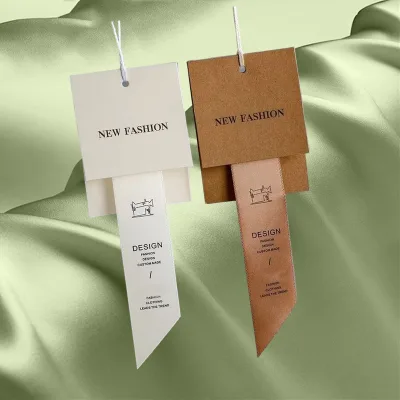
Custom Private Brand Logo Clothing Hang Tags Garment Clothes Size Tags Sale Price Hang Tags
$0.005 - $0.20
MOQ: 1000 Sets

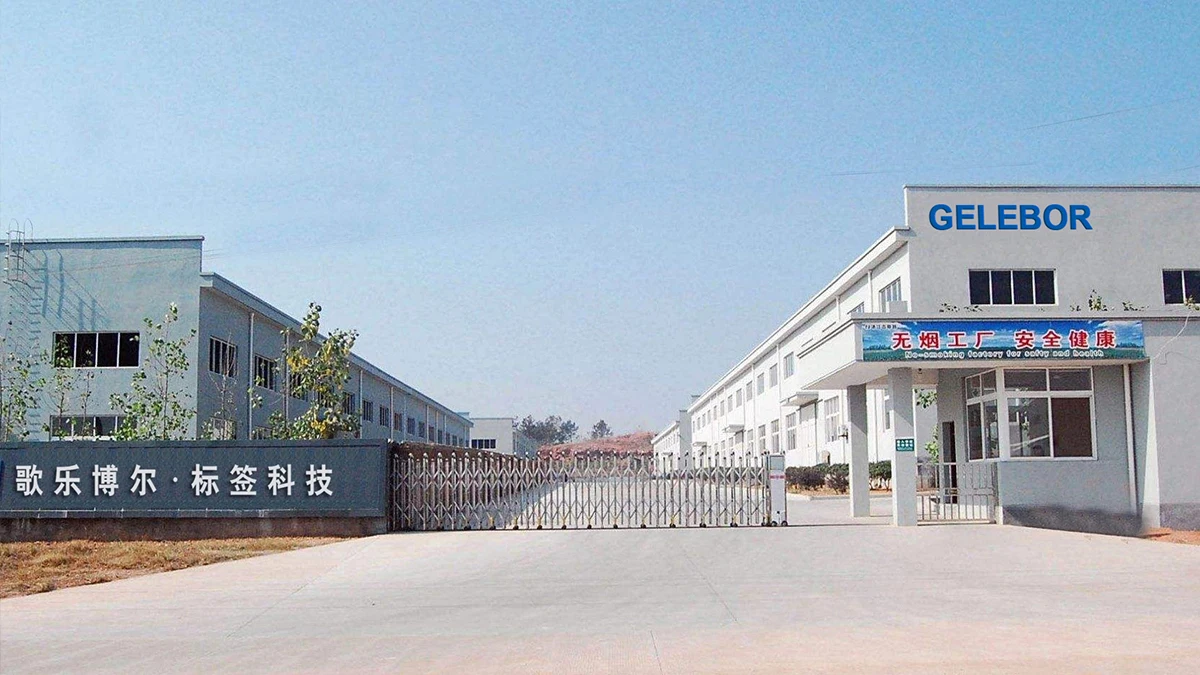
Hefei Gelebor Adhesive Products Co., Ltd.
- Manufacturer, Trading Company
- Anhui, China
- Lead time15 days
- Avg. response≤ 3h
Main productsSelf-Adhesive Labels,Packing Box,Hand Bags,Card Tags,Propaganda Album
Main marketsDomestic Market(95.00%), North America(1.00%), Southern Europe(1.00%), Eastern Asia(1.00%), Mid East(1.00%), Eastern Europe(1.00%)
Guangzhou Xiangtengyun Paper & Plastic Products Co., Ltd.
- Trading Company
- Lead time旺季: "1 - 10000":7,"> 10000":"To be negotiated", 淡季: "1 - 10000":7,"> 10000":"To be negotiated"
- Avg. response≤ 3h
Main productsMailing Bag,Packaging Bag,Paper Box,Paper Card,Shopping Bag

Guangzhou Blf Packing Co., Ltd.
- Verified by TUVRHEINLAND
- Combined
- China Guangdong
- Lead time15 days
- Avg. response≤ 13h
Main productsPaper Bag, Paper Box, Gift Box, Non Woven Bag, Book, Tag, Sticker, Air Freshener, Cards, Jewelry Box
Main marketsOthers(foreignTradeCapacity.exportBusinessCapacityMarketOther),Europe,North America

Dongguan FengSuer Textile Co., Ltd
- Verified by TUVRHEINLAND
- Trading Company
- China Guangdong
- Lead time23 days
- Avg. response≤ 4h
Main productsWoven Patches, Woven Labels, Embroidery Patch, Keychians, Hantags, Printing Labels, Printing Patches, Woven Tape, Ribbon
Main marketsEurope

Guangzhou Praise-E Packaging Products Co., Ltd.
- Verified by TUVRHEINLAND
- Manufacturer/Factory
- China Guangdong
- Lead time0 days
- Avg. response≤ 3h
Main productsHologram Sticker, Packaging Label, Packaging Bags, Packaging Boxes, Paper Boxes, Catalogue, Tag, Shrink Packaging Label
Main marketsEastern Europe,North America,Southeast Asia
Guangzhou Langyin Network Technology Co., Ltd.
- Verified by SGS Group
- Manufacturer
- Lead time0 days
- Avg. response≤ 2h
Main productsHang Tag, Woven Label, Plastic Seal Tag, Hang Tag String, Patches
Main marketsSouth America(30%), Eastern Europe(20%), Southeast Asia(20%)

Zhangzhou Taki Industry and Trade Co., Ltd
- Verified by BV
- Manufacturer/Factory
- China Fujian
- Lead time23 days
- Avg. response≤ 5h
Main productsPackaging Paper Bag, Packaging Paper Box, Products Box, Fold Boutique Gift Box, Shopping Paper Bag, Fruit Packaging Cartons Box, Kraft Paper Bags Food Bag, Plastic Box Pet PVC Boxes, Paper Sleeves with Brand Design, One-Stop Packaging Supplier
Main marketsSouth America,Eastern Europe,Mid East,North America,Southeast Asia,Eastern Asia,Oceania,Western Europe,Africa

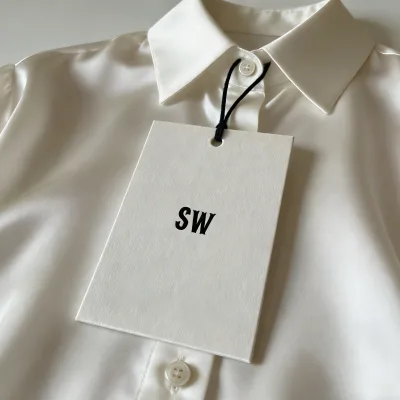
Custom Hang Paper Tag Labels Tags for Clothes Garment Clothing Hang Tags
$0.095 - $0.39
MOQ: 500 Pieces

Custom Hang Paper Tag Labels Price Tags for Clothes Garment Clothing Hang Tags
$0.095 - $0.39
MOQ: 500 Pieces

Custom Design Printing Name Logo Paper Garment Clothing Hang Tags with String
$0.095 - $0.39
MOQ: 500 Pieces

Guangzhou Colormark Printing And Packaging Ltd.
- Manufacturer
- Guangdong, China
- Lead time8 days
- Avg. response≤ 3h
Main productsPackage label,Package box,Hang tag,Paper bag,Paper coupon
Main marketsNorth America(15.00%), Northern Europe(12.00%), Southern Europe(12.00%), Eastern Europe(12.00%), Western Europe(12.00%), Mid East(10.00%), Oceania(8.00%), Domestic Market(5.00%), Southeast Asia(5.00%), South America(5.00%), South Asia(2.00%), Africa(1.00%), Central America(1.00%)

- Manufacturer/Factory
- China Henan
- Lead time15 days
- Avg. response≤ 8h
Main productsRibbons and Printed Ribbons, Sticker Label, Hang String Seal /Seal Tags/ Hang Tags String, Cotton Tape, Silicone Products, Nail Files, Lanyard
Main marketsSouth America,Eastern Europe,Mid East,North America,Southeast Asia,Eastern Asia,Oceania,Western Europe,Africa

Hangzhou Fuhan Garment Accessories Co., Ltd.
- Verified by BV
- Combined
- China Zhejiang
- Lead time15 days
- Avg. response≤ 4h
Main productsGarment Woven Label Tag, Packaging Box, Embroidery Patch, PVC Rubber Patch, Garment Accessories, Adhesive Sticker Print Label, Packaging Bag, Leather Labels, Scented Sachet, Ribbon
Main marketsEurope

Fogang Hui Long Accessories Co., Ltd.
- Manufacturer
- Guangdong, China
- Lead time12 days
- Avg. response≤ 5h
Main productsCotton String Plastic Fastener,Hang tag String orang,Wax String Plastic Fastener,plastic hook for garment,seal tag
Main marketsDomestic Market(31.00%), Central America(23.00%), Eastern Asia(16.00%), South Asia(15.00%), North America(7.00%), Eastern Europe(2.00%), Mid East(1.00%), Southeast Asia(1.00%), Northern Europe(1.00%), South America(1.00%)
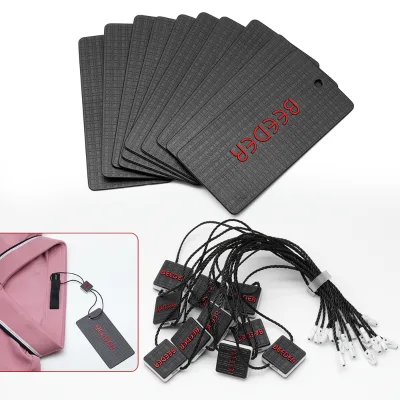
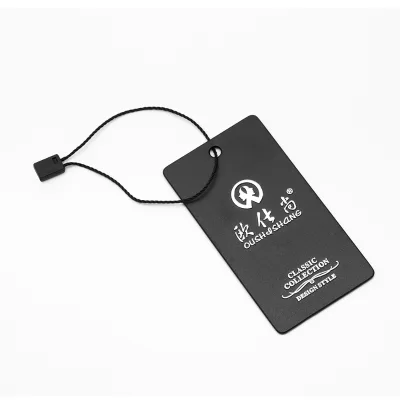
$0.03 - $0.08
MOQ: 5000 pieces

Dongguan Jiguan Technology Co., Ltd.
- Verified by TUVRHEINLAND
- Combined
- China Guangdong
- Lead time15 days
- Avg. response≤ 4h
Main productsLabels, Adhesive Labels, Roll Labes, Stickers
Main marketsNorth America
Hangzhou Fuyang Hongwei Garment Accessories Co., Ltd.
- Manufacturer, Trading Company
- Zhejiang, China
- Lead time15 days
- Avg. response≤ 10h
Main productsleather patch,rubber logo patch,embroidery patch,trademark,color box
Main marketsSouth America(20.00%), North America(20.00%), Northern Europe(10.00%), Western Europe(10.00%), Southern Europe(10.00%), Mid East(10.00%), Eastern Europe(10.00%), South Asia(5.00%), Eastern Asia(5.00%)

Yichanglong Garment Accessories Limited
- Verified by SGS
- Manufacturer/Factory
- China Guangdong
- Lead time15 days
- Avg. response≤ 7h
Main productsHang Tag String, Elastic Tape, Perfume Metal Label, Nail File, Backpack, Lanyard, Lvds Screen Cable, Paper Tag, Drawcord, Silk Scarf
Main marketsSouth America,Eastern Europe,Mid East,North America,Southeast Asia,Eastern Asia,Oceania,Western Europe,Africa


Wholesaler High Quality Black Hang Tag String for Clothing Shoes Accessories
$0.0011 - $0.0013
MOQ: 10000 Pieces

Guangzhou Hongtu Garment Co., Ltd.
- Manufacturer
- Guangdong, China
- Lead time10 days
- Avg. response≤ 7h
Main productsclothing tag,woven label,paper bag,wedding invitations,thank you card
Main marketsNorth America(38.00%), South America(30.00%), Southeast Asia(15.00%), Oceania(6.00%), Eastern Europe(5.00%), Western Europe(4.00%), Central America(2.00%)
REUNERS ENTERPRISES (HONG KONG) LIMITED
- Verified by SGS Group
- Manufacturer, Trading Company
- Lead time5 days
- Avg. response≤ 3h
Main productsWoven Label, Woven Patches, Embroidery Patches, Hang Tags, Plastic Seal Tags
Main marketsDomestic Market(50%), North America(23%), Eastern Europe(10%)
Jcbasic Garment Accessories (shanghai) Co., Limited
- Trading Company
- Lead time旺季: "1 - 100000":7,"> 100000":"To be negotiated", 淡季: "1 - 100000":7,"> 100000":"To be negotiated"
- Avg. response≤ 3h
Main productsPoly Mailer, Die Cut Bag, Zipper Bag, Keychain, Baseball Hat
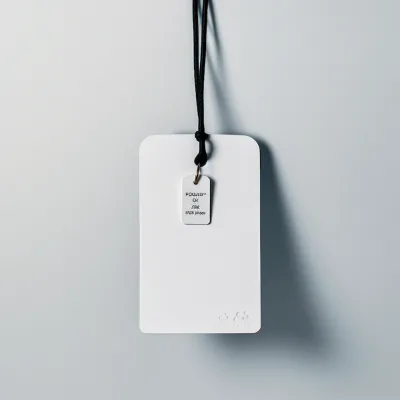
$0.0414 - $0.0827
MOQ: 100 pieces
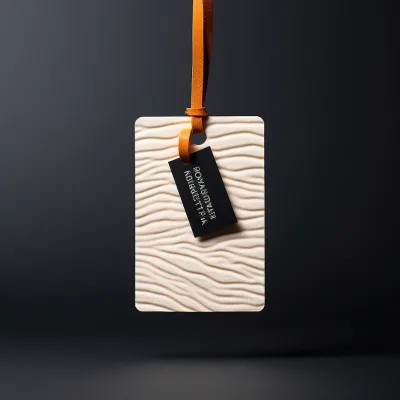

Customized Fashion Embossed Hangtags Garment Hangtags Garment Labels
$0.0411 - $0.0822
MOQ: 100 pieces

Shishi Solder Hardware Products Co., Ltd.
- Verified by SGS
- Trading Company
- China Fujian
- Lead time15 days
- Avg. response≤ 5h
Main productsMetal Label, Button, Zipper, Belt Buckle, Pin Badge, Fridge Magne, Woven Label, PVC/Ruber Label, Hang Tag
Main marketsSouth America,Southeast Asia/ Mideast,East Asia(Japan/ South Korea),Europe,Australia,North America

Custom Clothing Hang Tag Embossed Hangtags for Clothing Eco-Friendly Recyle Hang Tag Swing Hang Tag
$0.012 - $0.10
MOQ: 1000 Pieces

$0.012 - $0.10
MOQ: 1000 Pieces

$0.012 - $0.10
MOQ: 1000 Pieces


Dongguan Fanyuan Trading Co., Ltd.
- Verified by BV
- Manufacturer/Factory
- China Guangdong
- Lead time23 days
- Avg. response≤ 5h
Main productsWoven Label/Patch/Badge, Embroidered Patch/Badge, PVC/Silicone Label, 3D PVC Keychains, Action Figure, Handicrafts, Statue, Cartoon Toys, Promotional Gifts, Fridge Magnet
Main marketsSouth America,Eastern Europe,Mid East,North America,Southeast Asia,Eastern Asia,Oceania,Western Europe,Africa

Customized Stickers Clothing Hangtags Customized Logo Printed Clothing Hangtag Tags
$0.1412 - $1.42
MOQ: 100 Pieces


Wholesale Garment Hang Tags High Temperature Resistant Washable Woven Label
$0.14 - $0.3499
MOQ: 500 Pieces
Zhejiang Taigeka Import And Export Co., Ltd.
- Trading Company
- Lead time旺季: "1 - 10000":7,"> 10000":"To be negotiated", 淡季: "1 - 10000":7,"> 10000":"To be negotiated"
- Avg. response≤ 5h
Main productsTag, Plastic Lanyard Custom, Clothing Accessories, Bag, Collar Logo

Guangzhou Yifang Mingye Garment Accessories Co., Ltd.
- Verified by SGS
- Trading Company
- China Guangdong
- Lead time15 days
- Avg. response≤ 7h
Main productsZipper Bag, Mailer Bag, Paper Tag/Card, Tissue Paper & Sticker, Paper Bag, Paper Box
Main marketsOthers(foreignTradeCapacity.exportBusinessCapacityMarketOther),East Asia(Japan/ South Korea)
Shanghai Rui Mao Textile Co., Ltd.
- Trading Company
- Shanghai, China
- Lead time0 days
- Avg. response≤ 6h
Main productscotton dust bag,cotton tote bag,poly mailer bag,enamel pin,poly carry bag
Main marketsNorth America(50.00%), Central America(10.00%), Western Europe(10.00%), Eastern Europe(10.00%), South America(10.00%), Southern Europe(5.00%), Northern Europe(5.00%)

Dongguan Fison Packaging Co., Ltd.
- Verified by CTI
- Trading Company
- China Guangdong
- Lead time23 days
- Avg. response≤ 1h
Main productsPaper Bag Paper, Gift Box, Gift Wrapping Paper, Self-Adhesive Labels, Clothing Labels, Hang Tags, Garment Accessories
Main marketsSoutheast Asia/ Mideast,Europe


Customized Logo PVC Hang Tag Clothing Label Paper Tag Product Garment Tag for Jeans Bags Shoes
$0.10 - $0.15
MOQ: 500 Pieces

HEBEI DALI IMP. & EXP. CO., LTD
- Verified by SGS
- Combined
- China Hebei
- Lead time15 days
- Avg. response≤ 4h
Main productsBolt Seal, Container Seal, Cable Seal
Main marketsEast Asia(Japan/ South Korea)

High Quality Design Lockable Garment Clothing Hanging Label Plastic Hang Tags Custom Shoe Tag
$0.0315 - $0.0328
MOQ: 2000 Pieces

Plastic Tag for Shoes Locking Security Tag Seal Clothing Hang Tags Plastic Security Seals Logo
$0.0315 - $0.0328
MOQ: 2000 Pieces

$0.021 - $0.0215
MOQ: 2000 Pieces

Shanghai Yini Printing Co., Ltd.
- Verified by SGS
- Trading Company
- China Shanghai
- Lead time15 days
- Avg. response≤ 1h
Main productsPaper Gift Box, Custom Paper Box, Cosmetic Box, Corrugated Box, Paper Bag, Folding Box, Magnetic Box, Drawer Box, Mailer Box, Shipping Box
Main marketsDomestic
Shenzhen Angela Pack Co., Ltd.
- Manufacturer, Trading Company
- Guangdong, China
- Lead time7 days
- Avg. response≤ 3h
Main productspacking tape,packaging tape,kraft paper tape,tissue paper,water activated tape
Main marketsWestern Europe(30.00%), North America(30.00%), Domestic Market(20.00%), Northern Europe(15.00%), Eastern Europe(5.00%)
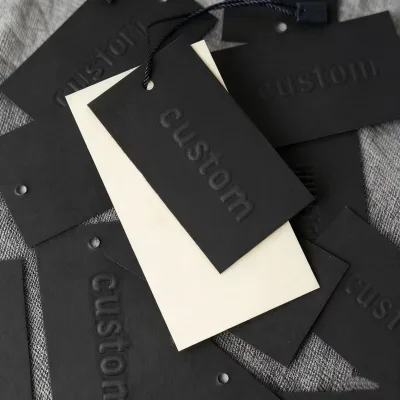
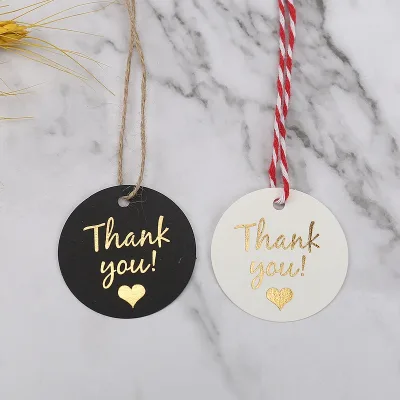
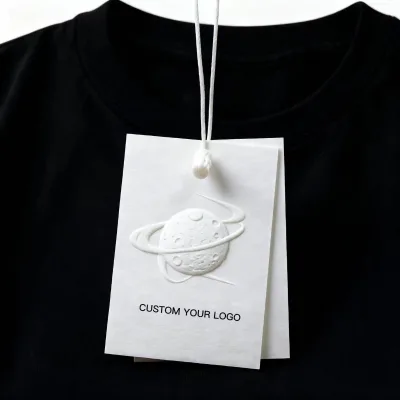
Custom Adhesive Hang Tags PVC and Plastic Hangtags for Clothing Shoes and Socks for Price Tags
$0.0104 - $0.238
MOQ: 500 pieces

$0.0104 - $0.0828
MOQ: 500 pieces
Jinjiang Tushuo Clothing Accessories Co., Ltd.
- Manufacturer, Trading Company
- Fujian, China
- Lead time7 days
- Avg. response≤ 1h
Main productsHang tag,Woven label,care label,Packing box,Heat transfer printing
Main marketsNorth America(50.00%), South America(20.00%)

Yiwu Shengwen Electronic Technology Co., Ltd.
- Trading Company
- Zhejiang, China
- Lead time9 days
- Avg. response≤ 2h
Main productspaper bag,zipper bag,shopping bag,shipping mailer,tissue paper
Main marketsEastern Europe(30.00%), North America(20.00%), Southern Europe(10.00%), Northern Europe(10.00%), Central America(10.00%), Western Europe(10.00%), South America(10.00%)
Dongguan Minghong Printing Co., Ltd.
- Verified by Intertek
- Manufacturer, Trading Company
- Lead time15 days
- Avg. response≤ 1h
Main productsPaper Bag, Hang Tag, Woven Label, Paper Box, Boutique Box
Main marketsNorth America(50%), Eastern Europe(10%), Western Europe(10%)
Huzhou Double Qing Clothing Accessory Co., Ltd.
- Manufacturer, Trading Company
- Zhejiang, China
- Lead time7 days
- Avg. response≤ 3h
Main productsResin Ribbon,TTR wax Resin Ribbon,Nylon Taffeta Lable,Polyester Satin,Cotton Ribbon
Main marketsNorthern Europe(20.00%), Southeast Asia(20.00%), Central America(20.00%), North America(20.00%), South America(15.00%), Mid East(5.00%)
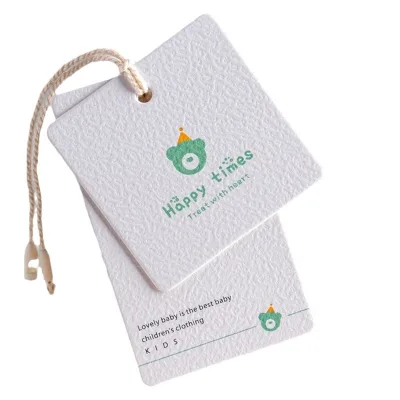
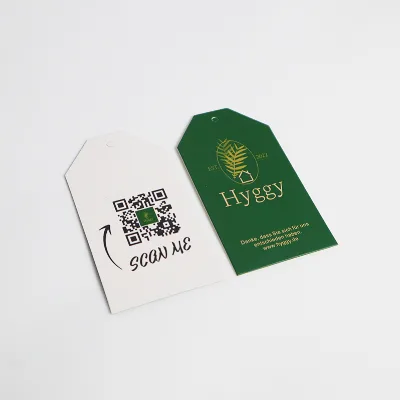
Wholesale Hang Tags Gold Foil Printed Custom LOGO With Hangtags Cord for Clothing Labels
$0.05 - $0.10
MOQ: 100 pieces
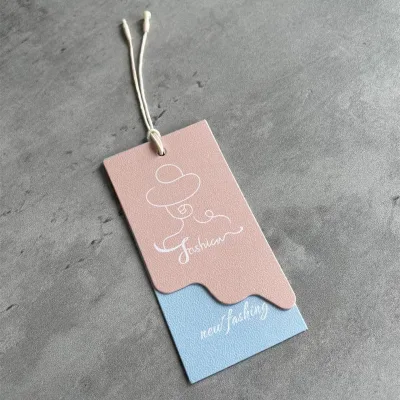
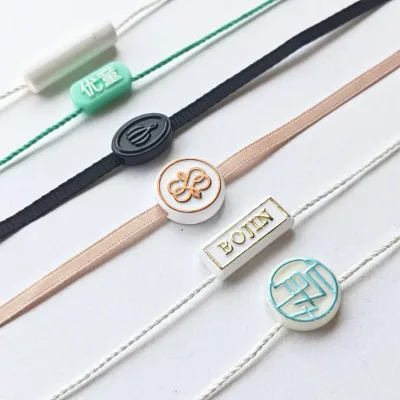

Micolor Printing Products Co., Ltd
- Verified by TUVRHEINLAND
- Trading Company,Manufacturer/Factory,Group Corporation
- China Guangdong
- Lead time120 days
- Avg. response≤ 2h
Main productsHang Tags, Paper Gift Bags/Boxes, Clothing Labels, Paper Hangers, Wrapping Paper, Paper Boxes, Heat Transfer Labels, Zipper Bags, Fabric Drawstring Pouch/Bag
Main marketsEastern Europe,North America

$0.02 - $0.10
MOQ: 500 Pieces

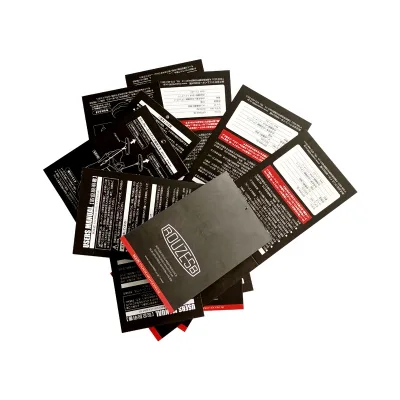
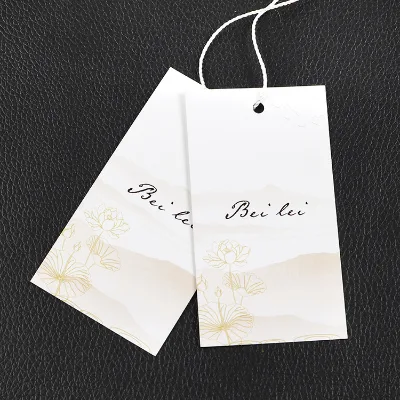
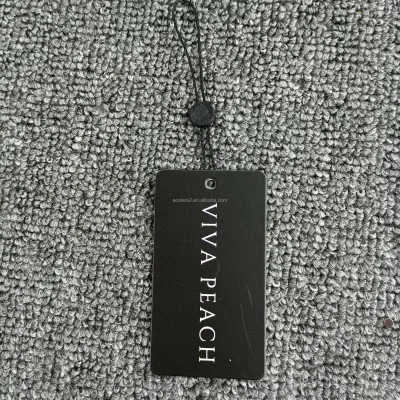


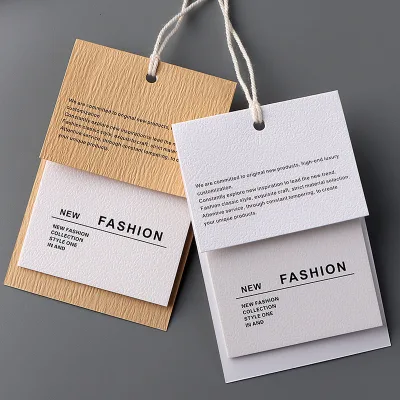
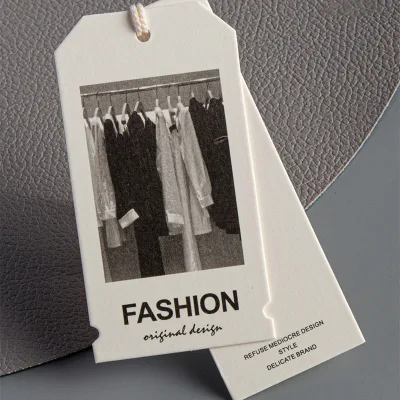
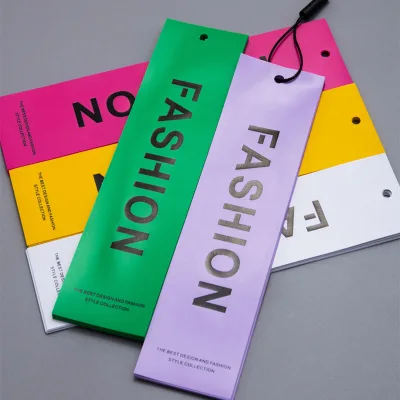
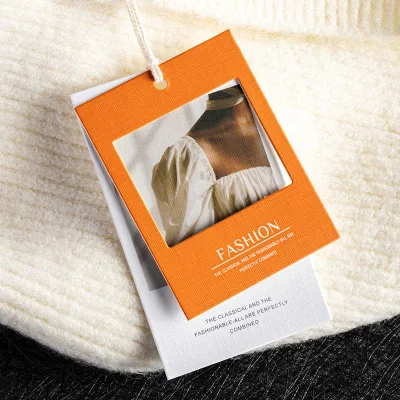
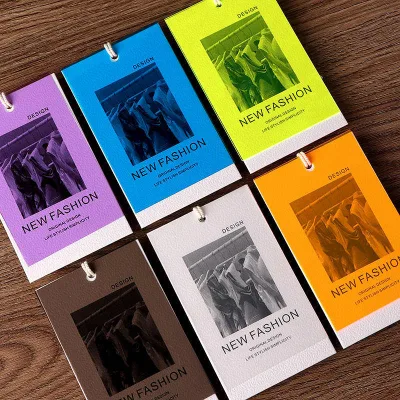


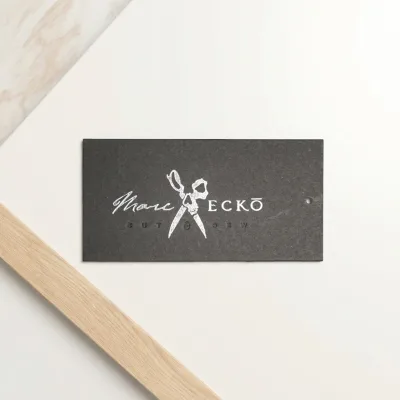
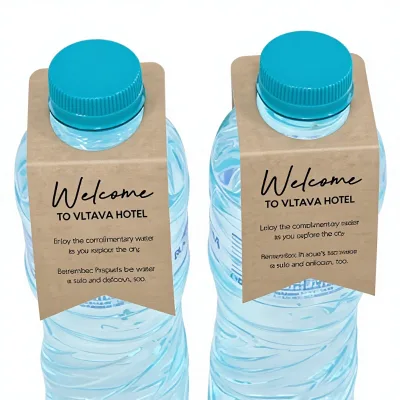
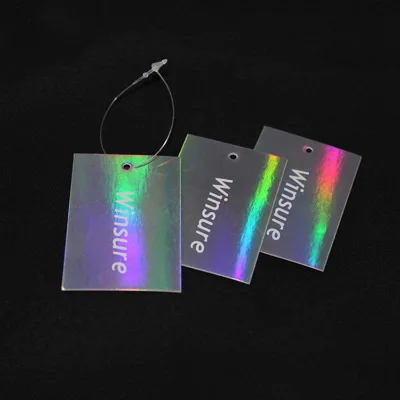
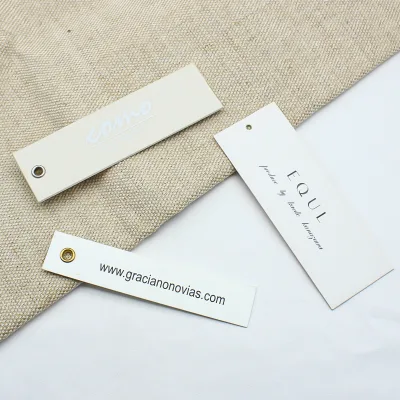


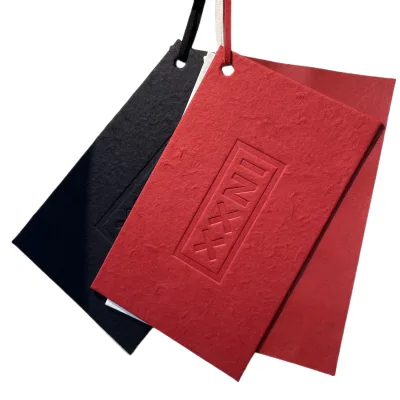
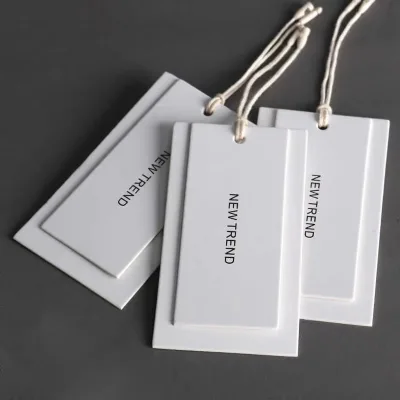


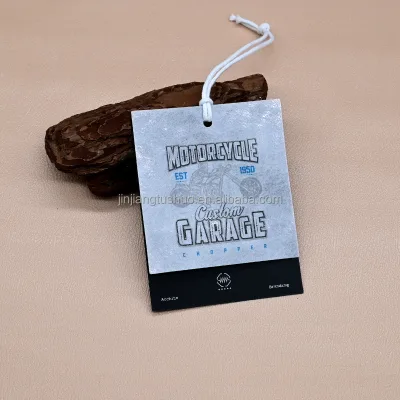
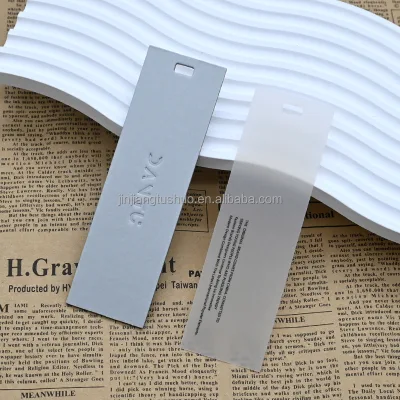

Comprehensive Sourcing Guide
Wear-Resisting Shoes Clothing Hang Tag Supplier Concentration and Factory Types
Current data indicates a concentration of suppliers in China, specifically within the Zhejiang, Anhui, and Guangdong provinces. These regions host a mix of trading companies and manufacturers capable of producing paper hang tags, woven labels, and rubber seals. Some suppliers in Zhejiang focus on clothing accessories and label printing materials, while others in Anhui specialize in self-adhesive labels and packing boxes. Guangdong-based entities often combine capabilities with ODM and OEM services for custom shapes and materials like paper or PVC. The presence of these diverse company types suggests that buyers can find both direct production facilities and intermediaries depending on their volume needs.
When evaluating the factory type, it is crucial to distinguish between pure trading companies and those that also operate as manufacturers. Some results show a dual status as both manufacturer and trading company, which may offer more flexibility in production control. Others are listed strictly as trading companies, which might imply a reliance on external factories for the actual manufacturing of wear-resisting tags. Buyers should verify the specific production capabilities of the entity they engage with, as the ability to handle custom orders, such as laser-etched labels or specific finishing techniques, often depends on whether the supplier owns the machinery or merely sources it.
How to Verify Wear-Resisting Shoes Clothing Hang Tag Suppliers
Verification processes for these suppliers vary significantly based on the credentials displayed in their profiles. Some suppliers have undergone third-party verification by organizations like CTI or TÜV Rheinland, which adds a layer of confidence regarding their business legitimacy and operational standards. However, not all suppliers in the current results display such certifications, and some show a system certification status of NIL. Buyers must actively check for these specific verification badges rather than assuming all listed entities have undergone rigorous external audits. The absence of a visible certification does not necessarily indicate a lack of quality, but it does require the buyer to perform additional due diligence.
Beyond external verification, buyers should assess the supplier's response time and communication reliability as a proxy for operational stability. Response times in the observed data range from approximately three hours to nearly thirteen hours, indicating varying levels of customer service efficiency. A faster response time often correlates with a more active sales team and better project management capabilities. Additionally, checking the main products listed for each supplier ensures they have a history of producing relevant items like garment tags, paper hang tags, or woven labels. This alignment between the supplier's stated main products and the buyer's specific need for wear-resisting tags is a critical first step in establishing a trustworthy relationship before placing any orders.
What to Compare Across Wear-Resisting Shoes Clothing Hang Tag Suppliers
Comparing suppliers requires a detailed analysis of lead times, minimum order quantities, and pricing structures. Lead times in the current dataset vary from as little as seven days during peak seasons to thirty days for standard orders, with some large volume orders requiring negotiation. Minimum order quantities also differ, with some suppliers requiring 100 units while others set the bar at 1000 units. Buyers must align these constraints with their inventory planning and budget, as a lower MOQ might be preferable for testing new designs, whereas a higher MOQ could secure better unit pricing. The price range observed spans from very low costs per unit to higher tiers, reflecting differences in material quality and customization complexity.
Material specifications and customization options are equally critical dimensions for comparison. Suppliers offer a wide array of materials including paper, kraft paper, PVC, and woven fabrics, each with distinct durability characteristics suitable for wear-resisting applications. Customization features such as embossing, debossing, UV printing, and hot stamping are available from various vendors, but the specific capabilities must be matched to the product requirements. Some suppliers support specific design file formats like PDF, CorelDRAW, or AI, while others may have different technical requirements. Evaluating these technical specifications alongside the supplier's ability to handle custom shapes and sizes ensures that the final product meets the intended functional and aesthetic standards for shoes and clothing.
Common Wear-Resisting Shoes Clothing Hang Tag Sourcing Risks
One significant risk involves the discrepancy between advertised capabilities and actual production capacity, particularly regarding lead times during peak seasons. While some suppliers claim a seven-day turnaround for smaller orders, larger volumes often require negotiation, which can lead to delays if not explicitly agreed upon in the contract. Buyers must be wary of suppliers who provide vague lead time estimates without clear distinctions between peak and off-peak periods. This ambiguity can disrupt supply chains, especially for time-sensitive fashion collections where hang tags are essential for retail readiness. Ensuring that the lead time is confirmed in writing for the specific order volume is a necessary precaution against potential bottlenecks.
Another risk pertains to the consistency of material quality and the durability of the wear-resisting features. While some products are described as eco-friendly or recycled, the actual performance of these materials under stress may vary between suppliers. The presence of features like barcode printing or waterproofing is noted, but the longevity of these features depends on the specific manufacturing process used. Buyers should request physical samples to verify that the tags can withstand the intended use conditions, such as friction on shoes or repeated handling on clothing. Relying solely on product descriptions without tangible proof of quality can result in receiving tags that fail to meet the durability expectations required for the brand's reputation.
Wear-Resisting Shoes Clothing Hang Tag Regional Sourcing and Logistics
Sourcing from China offers access to established manufacturing clusters in Zhejiang, Anhui, and Guangdong, each with its own logistical advantages. Zhejiang suppliers often focus on a broad range of clothing accessories and label materials, while Anhui and Guangdong entities may specialize in specific packaging solutions or combined manufacturing and trading models. The proximity of these regions to major ports facilitates efficient shipping, but buyers must account for the specific delivery methods offered, such as DHL, UPS, EMS, FedEx, or TNT air freight. Understanding the shipping options available from each supplier helps in calculating the total landed cost and ensuring timely delivery to the destination market.
Logistics planning must also consider the packaging standards and the potential for damage during transit. Suppliers typically use polybags and cartons for packing, which provides a baseline level of protection. However, for wear-resisting tags that might be subject to rough handling, additional packaging reinforcement might be necessary. Buyers should verify the packing details provided in the product attributes to ensure they are sufficient for the specific journey the goods will undertake. Furthermore, the origin of the products, consistently listed as Made in China, means that import duties and customs regulations in the destination country will apply. Planning for these regulatory requirements in advance prevents delays at the border and ensures a smooth entry of the goods into the local market.
Wear-Resisting Shoes Clothing Hang Tag Commercial Terms and Order Planning
Commercial terms regarding pricing and payment structures vary widely among suppliers, with unit prices ranging from fractions of a cent to higher amounts depending on the complexity of the order. Some suppliers offer flexible pricing based on volume, while others maintain fixed rates for specific configurations. Buyers should carefully review the price ranges provided, noting that the minimum price often applies to the lowest tier of customization or material quality. It is essential to clarify whether the quoted price includes all finishing processes like lamination or hot stamping, as these can significantly impact the final cost. Negotiating these terms early in the process helps in establishing a clear budget and avoiding unexpected expenses later.
Order planning must also account for the sample lead times and the availability of design file support. Many suppliers support sample orders within seven days, which is crucial for validating the design before committing to a large production run. The ability to provide design files in formats like PDF, CorelDRAW, or AI is a standard requirement, but buyers should confirm that the supplier can handle their specific file types without additional conversion costs. Additionally, the availability of OEM and ODM services allows for greater customization, but this requires clear communication of the design intent. By aligning the order timeline with the supplier's sample and production capabilities, buyers can ensure a streamlined process from concept to final delivery.
FAQs
What is the price range for custom clothing hang tags?
Prices for custom clothing hang tags typically range from $0.005 to $0.50 per unit depending on material and finishing. Suppliers offer options from basic paper tags to luxury branded labels with special effects. Volume discounts often apply for larger orders, making bulk purchasing more cost-effective for high-volume apparel brands seeking competitive pricing.
What is the minimum order quantity for these tags?
The minimum order quantity varies by supplier, with some requiring as few as 100 units while others set the threshold at 1000 pieces. Buyers should verify specific MOQs with individual suppliers before placing orders. Lower MOQs are suitable for small batches or sampling, whereas higher volumes may unlock better pricing tiers.
How long does production take for custom tags?
Production lead times generally range from 7 to 30 days depending on order volume and complexity. Some suppliers offer faster turnaround during off-peak seasons, while peak periods may extend delivery times. Buyers should confirm specific lead times with suppliers to ensure timely delivery for seasonal apparel launches or urgent restocking needs.
What materials are used for clothing hang tags?
Common materials include paper, kraft paper, PVC, and polyester satin. Suppliers offer eco-friendly options like recycled kraft paper or durable synthetic materials. Material choice affects durability, print quality, and environmental impact. Buyers can select materials based on brand positioning, product type, and sustainability goals for their specific apparel or accessory lines.
Are custom logo and design options available?
Yes, most suppliers offer full customization including custom logos, designs, and shapes. Buyers can provide design files in PDF, CorelDRAW, or AI formats. Options include embossing, debossing, hot stamping, and various printing techniques. This flexibility allows brands to create unique, branded hang tags that align with their identity and product requirements.
What certifications do these suppliers have?
Suppliers may hold various certifications such as CTI or TÜV Rheinland verification. Buyers should verify specific certifications relevant to their market requirements. Some suppliers focus on eco-friendly materials, while others emphasize quality control processes. Confirming certifications ensures compliance with industry standards and buyer expectations for product safety and manufacturing quality.