Cutting Black Silicone Seal Strip Suppliers and Manufacturers
Explore 21 verified options for Cutting Black Silicone Seal Strip from China Hebei, Jiangxi, and Guangdong. Compare response times, lead times, certifications, and prices to find the right partner. Contact suppliers directly to request samples; review the available evidence before requesting comparable quotations from suitable candidates.
Suppliers List
Qinghe County Xiuxuan Sealing Co., Ltd.
- Verified by SGS
- Combined
- China Hebei
- Lead time23 days
- Avg. response≤ 2h
Main productsRubber Sealing Strip, Ship Anti-Collision Strip, Door Seal, Door and Window Sealing, Waterproof/Windproof Seal, Bus Door Seals
Main marketsDomestic
ESSENTRA HENGZHU PRECISION COMPONENTS CO., LTD.
- Verified by SGS
- Combined
- China Jiangxi
- Lead time30 days
- Avg. response≤ 3h
Main productsCam Lock, Cabinet Lock, Hinge, Handles
Main marketsSouth America,Africa,Southeast Asia/ Mideast,East Asia(Japan/ South Korea),Domestic,Europe,Australia,North America
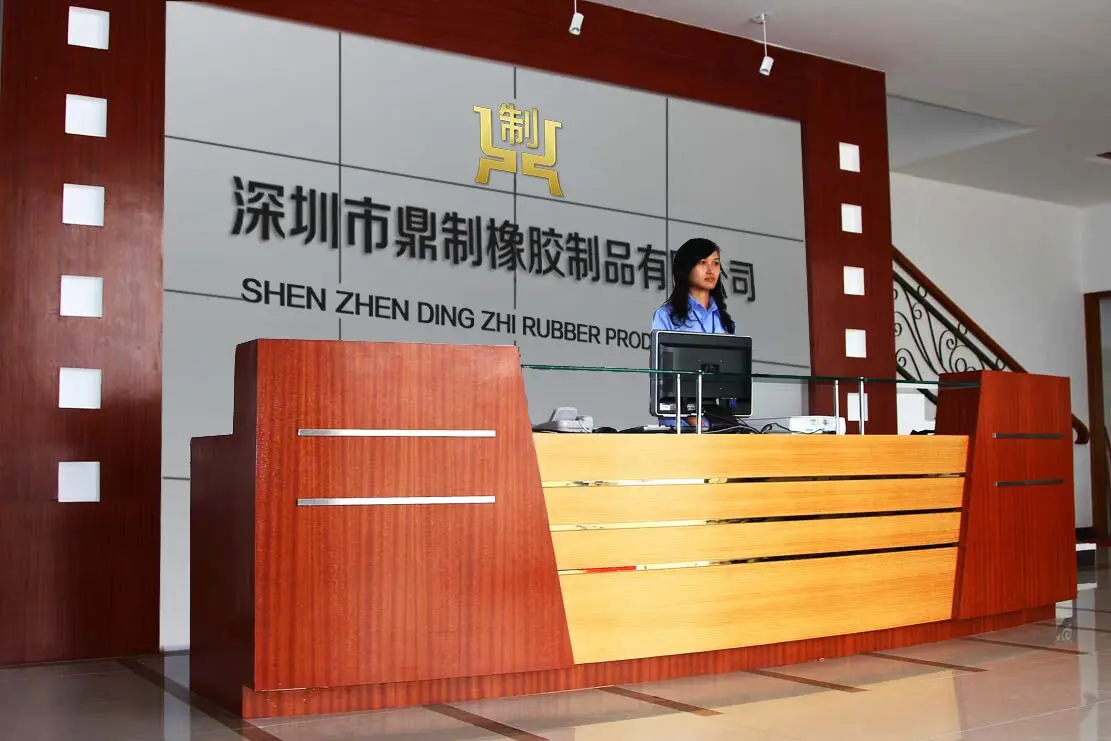
Shenzhen Dingzhi Rubber Products Co., Ltd.
- Manufacturer, Trading Company, Distributor/Wholesaler
- Guangdong, China
- Lead time5 days
- Avg. response≤ 2h
Main productsSilicone sheet,O-ring,Silicone foam string,Silicone sucker,Latex sheet
Main marketsDomestic Market(20.00%), South Asia(15.00%), South America(10.00%), Southern Europe(10.00%), Northern Europe(10.00%), Central America(10.00%), Western Europe(10.00%), North America(10.00%), Eastern Asia(5.00%)

HEBEI HANGYUN RUBBER PRODUCTS CO.,LTD.
- Verified by CTI
- Combined
- China Hebei
- Lead time30 days
- Avg. response≤ 2h
Main productsCustom EPDM/NBR/Silicone Rubber Molding Parts, Rubber Seal Strip, Car Seal, Anti-Collision Protection Seal, Door and Window Seal, Self-Adhesive Sealing Strip, Rubber Hose, Edge Band/Edge Corner Protector Strip, Boat Ship Seal, Spiral Guard Hose
Main marketsSouth America,Others(foreignTradeCapacity.exportBusinessCapacityMarketOther),Southeast Asia/ Mideast,East Asia(Japan/ South Korea),Domestic,Europe,Australia,North America

Premium High-Temperature Black Silicone Seal Strip for Versatile Applications
$0.10 - $1.00
MOQ: 500 Meters


High-Quality Extruded Silicone Rubber Seal Strip for Versatile Applications
$0.10 - $1.00
MOQ: 500 Pieces
Dongguan Huaqi Sealing Co., Ltd.
- Verified by TUVRHEINLAND
- Combined
- China Guangdong
- Lead time15 days
- Avg. response≤ 3h
Main productsSilicone Rubber Sheet, Silicone Foam Sheet, Silicone Tube, Rubber Tube, Rubber Strips, Oil Seals, Suction Cup
Main marketsSoutheast Asia/ Mideast,Domestic

Factory Wholesale High Temperature Resistant Mold Custom Black Silicone Sealing Strip
$0.50 - $3.20
MOQ: 100 meters

High Quality High Temp Resistant Custom Shape Color Silicone Rubber Sealing Strip
$0.25 - $3.60
MOQ: 100 Meters

Suzhou Honychem Specialties Manufacture Co., Ltd.
- Verified by BV
- Trading Company,Manufacturer/Factory
- China Jiangsu
- Lead time15 days
- Avg. response≤ 3h
Main productsSilicone Seal, Rubber Seal, Silicone Parts, Silicone Tube, Rubber O Ring, Silicone Keyboard, Silicone Rubber Keyboard Button, Rubber Gasket, Silicone Rubber, Rubber Parts
Main marketsSouth America,Eastern Europe,Mid East,North America,Southeast Asia,Eastern Asia,Oceania,Western Europe,Africa


Silicone Seals Strip Customized Rubber Silicone Weatherstrip Rubber Seals Sealing Strip
$0.50 - $2.50
MOQ: 100 Meters


Heat-Resistant Silicone Rubber Seal Strip Silicone Sealing Strips of Various Shapes
$0.50 - $1.35
MOQ: 100 Meters

Foamed Rubber Gasket Manufacturers Rubber Strip Seals Silicon Rubber Strip
$0.50 - $2.50
MOQ: 100 Meters


Ningbo Boman Mechanical & Technology Co., Ltd.
- Manufacturer/Factory
- China Zhejiang
- Lead time15 days
- Avg. response≤ 14h
Main productsOil Seal, O Ring, Customize Molded Rubber Part, Bonded Seal, Extrusion Strip, Rubber Ball, Valve Stem Seal, Rubber Product, Plastic Products, Silicone Product
Main marketsSouth America,Eastern Europe,Mid East,North America,Southeast Asia,Eastern Asia,Western Europe

- Combined
- China Hebei
- Lead time23 days
- Avg. response≤ 4h
Main productsRubber Strips, Silicone Rubber Seal Strip, PVC Sealing Strips, Automobile Rubber Strip, Door and Window Rubber Strips, Rubber Hose, Hose Protector, Mud Flaps, EPDM/PVC Profile, Window & Door Weatherstrip
Main marketsSouth America,Africa,Southeast Asia/ Mideast,Domestic,Europe,Australia,North America

Zhuhai Onaseal Technology Co., Ltd
- Verified by SGS
- Trading Company
- China Guangdong
- Lead time15 days
- Avg. response≤ 4h
Main productsEPDM Rubber Seals, EPDM Foam Sealing Strips, PU Foam Sealing Strips, Door and Window Brush Seals, Door Bottom Seals, Silicone Rubber Seals, Reinforced Filament Tape, Automotive Rubber Seals
Main marketsOthers(foreignTradeCapacity.exportBusinessCapacityMarketOther),Europe

Hebei Jiexing Rubber Seals Co., Ltd.
- Verified by TUVRHEINLAND
- Manufacturer/Factory
- China Hebei
- Lead time23 days
- Avg. response≤ 2h
Main productsRubber Seal Strip, Rubber Plastic Sealing Strips, Silicone/EPDM/NBR/PVC Seal Strip, Solid/Foam Strip, Door&Window Seal Strip, Auto Rubber Seal Strip, Production of EPDM Monomer Sealing Strips, Nitrile Foam Strips, EPDM Composite Sealing Strips, Silicone Strips Nitrile Sealing Strips
Main marketsSouth America,Eastern Europe,Mid East,North America,Southeast Asia,Eastern Asia,Oceania,Western Europe,Africa


Silicone Rubber Anti-Slip Strip Waterproof White Silicone Strip Solid Silicone Sealing Strip
$0.14 - $0.18
MOQ: 200 Meters

Anti-Slip Silicone Strip Waterproof Sealing Strip White Silicone Rubber Strip
$0.15 - $0.30
MOQ: 100 Meters

Xingtai Yinghua Rubber Machinery Manufacturing Co., Ltd.
- Verified by BV
- Trading Company,Manufacturer/Factory
- China Hebei
- Lead time90 days
- Avg. response≤ 1h
Main productsRubber Extruder, Rubber Vulcanizing Press, Rubber Products, Rubber Strip
Main marketsSouth America,Eastern Europe,Mid East,North America,Southeast Asia,Eastern Asia,Oceania,Western Europe,Africa

Qingdao Weilian Plastic & Rubber Co., LTD.
- Trading Company,Manufacturer/Factory
- China Shandong
- Lead time23 days
- Avg. response≤ 9h
Main productsRubber Sealing Strip, Rubber Metal Bonded Part, Rubber Hose, Rubber Grommet, Rubber Buffer, Rubber Bushing, Rubber Gasket Seal, Silicone Rubber Cap, Rubber Stopper
Main marketsSouth America,Eastern Europe,Mid East,North America,Southeast Asia,Eastern Asia,Western Europe

Jiangyin No.3 Rubber Manufacturer Co., Ltd.
- Verified by BV
- Combined
- China Jiangsu
- Lead time23 days
- Avg. response≤ 10h
Main productsO Ring, Oil Seal, Skeleton Oil Seal, Silicone Oil Seal O-Ring, Fluorine Oil Seal O-Ring, Various Rubber Seals, Rubber Gasket, Y Type Circle, U-Seal Ring
Main marketsSouth America,Africa,Southeast Asia/ Mideast,East Asia(Japan/ South Korea),Domestic,Europe,Australia,North America

Milesun Rubber & Plastic Technology Co., Ltd.
- Verified by CTI
- Manufacturer/Factory
- China Guangdong
- Lead time23 days
- Avg. response≤ 12h
Main productsRubber Components, Rubber Damper/Shock Absorber/Sheet, Rubber-Metal Components, Sealing Ring, Home Appliance Rubber and Metal Components, Power Tool Rubber and Metal Components, Auto Rubber and Metal Components, Sanitary Rubber and Metal Components, Kitchen Ware / Daily Use Rubber Products, Food Grade Rubber Products/Toy
Main marketsSouth America,Eastern Europe,Mid East,North America,Southeast Asia,Eastern Asia,Oceania,Western Europe,Africa
Hebei Yuyang Auto Parts Co., Ltd.
- Trading Company
- Hebei, China
- Lead time15 days
- Avg. response≤ 2h
Main productsAir conditioning pipe,Molded in and out of the trachea,Rubber seal,Silicone tube,Silicone seals
Main marketsDomestic Market(25.00%), Eastern Europe(20.00%), North America(15.00%), Central America(10.00%), Southeast Asia(10.00%), South America(10.00%), Western Europe(5.00%), Southern Europe(5.00%)
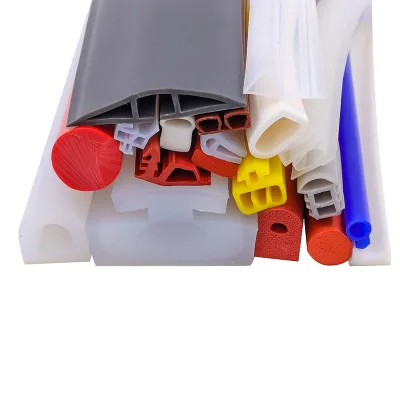
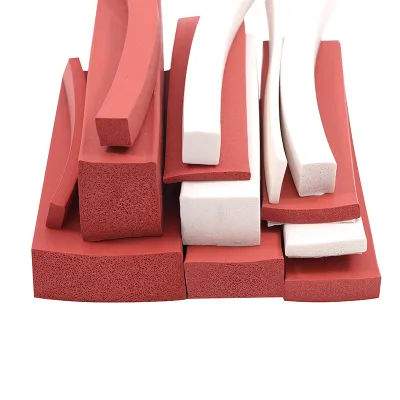
OEM High Quality Silicone Rubber Seal Strip for Building Doors and Windows
$0.10 - $3.00
MOQ: 1000 Minimum

Qinghe County Hongli Rubber and Plastic Co., Ltd.
- Combined
- China Hebei
- Lead time30 days
- Avg. response≤ 7h
Main productsMat Switch, Rubber Strip, Safety Edge Switch, Inflatable Rubber Strips, Safety Step Mat, Bumper for Agv, Sealing Strip, Self-Adhesive Rubber Strips
Main marketsDomestic
Hebei Changlian Rubber and Plastic Products Co., Ltd
- Verified by SGS
- Combined
- China Hebei
- Lead time15 days
- Avg. response≤ 2h
Main productsRubber Seal Strip, Door Seal, Rubber Gasket, Oven Door Seal, Rubber Fender, Shower Door Seal, Sponge/Foam Seal Strip, Mud Flpas, Rubber Hose
Main marketsEurope,North America

$2.00 - $10.00
MOQ: 200 Meters


High Quality Customized Heat & Low Temperature Resistant Silicone Rubber Seal Strip
$2.00 - $10.00
MOQ: 200 Meters

Silicone Silicon Material / High Temperature Resistant Gasket Sealing Strip
$2.00 - $10.00
MOQ: 200 Meters

Xiamen Neway Rubber & Plastic Products Co., Ltd.
- Verified by BV
- Combined
- China Fujian
- Lead time15 days
- Avg. response≤ 3h
Main productsPlastic Injection Molding, Plastic Parts, Silicone Rubber Parts, Gasket Seals, Rubber Grommet, Mould, O Ring, Extrusion Strip, Metal Parts, Suction Cup
Main marketsSouth America,Africa,Southeast Asia/ Mideast,East Asia(Japan/ South Korea),Europe,Australia,North America


High Quality Foam Sealing Strip Silicone Rubber Foam Extruded Sealing Strip
$0.25 - $1.20
MOQ: 3000 Meters

Hebei Changfeng Rubber and Plastic Products Co., Ltd.
- Combined
- China Hebei
- Lead time23 days
- Avg. response≤ 8h
Main productsRubber Seal Strips, Rubber Sealing Strips, Rubber Grommet, Rubber Hose, Auto Parts, Rubber Gaskets, Silicone Hose, Molded Rubber Parts, Weatherstrips, EPDM Rubber Products
Main marketsEurope,Australia,North America

Qinghe Julong Vehicle Fittings Co., Ltd
- Verified by TUVRHEINLAND
- Combined
- China Hebei
- Lead time15 days
- Avg. response≤ 7h
Main productsTuto Cables, Rubber Seals
Main marketsSouth America,Africa,Europe

Suzhou Forens New Material Co., Ltd
- Manufacturer/Factory
- China Jiangsu
- Lead time23 days
- Avg. response≤ 10h
Main productsModular Expansion Joint, Finger Expansion Joint, Pot Bearing, Elastomeric Bearing, Spherical Bearing, Structural Expansion Joints, Movement Joint, Stair Nosing, Hospital Handrail, Wall Guard
Main marketsSouth America,Eastern Europe,Mid East,North America,Southeast Asia,Eastern Asia,Oceania,Western Europe,Africa




Comprehensive Sourcing Guide
Cutting Black Silicone Seal Strip Supplier Concentration and Factory Types
Current data indicates a concentration of manufacturing activity in Hebei Province, specifically within the Qinghe County and Xingtai City regions, where suppliers produce various rubber and silicone sealing products. These facilities often operate as combined entities, offering both Original Design Manufacturing and Original Equipment Manufacturing capabilities alongside their own branded lines. The presence of continuous vulcanization processes in product attributes suggests a mature industrial base capable of handling solid core and hollow sealing strip configurations. Buyers should verify if a specific factory maintains this specific regional footprint, as the Hebei cluster is distinct from other potential manufacturing hubs that may exist in different provinces.
In addition to the Hebei concentration, other regions like Jiangxi and Guangdong appear in the supplier landscape, though their primary product focus may vary significantly. Suppliers in these areas might specialize in different hardware components or silicone sheets rather than the specific black silicone seal strips required for automotive or window applications. It is crucial to distinguish between manufacturers, trading companies, and distributors, as the company type influences the supply chain structure. A combined company type often implies a broader range of services, but buyers must confirm if the specific facility actually performs the vulcanization and cutting processes in-house or if they source the raw material and simply assemble the final product.
How to Verify Cutting Black Silicone Seal Strip Suppliers
Verification begins with checking for recognized third-party audit credentials, such as the SGS verification status observed in some supplier profiles. This external validation provides a baseline of confidence regarding the supplier's operational stability and compliance with basic business standards. Buyers should also look for specific system certifications like ISO9001:2015 or ISO14001:2015, which indicate a commitment to quality management and environmental standards respectively. The presence of an ISO certification on a product listing for rubber gaskets or seal strips is a strong indicator that the supplier adheres to documented quality control procedures during the manufacturing of their sealing components.
Response time and lead time are critical operational metrics that serve as proxies for supplier reliability and capacity. A response time of approximately 1.44 hours suggests a highly active sales team capable of addressing inquiries quickly, whereas a 2.40-hour response might indicate a different operational scale or staffing model. Lead times vary significantly, with some suppliers offering a 5-day turnaround while others require up to 30 days. Buyers must correlate these timelines with their own project schedules and verify if the stated lead time includes the time required for custom mold creation or if it applies only to standard stock items. Confirming these numbers directly with the supplier ensures that the production schedule aligns with delivery expectations.
What to Compare Across Cutting Black Silicone Seal Strip Suppliers
When evaluating potential partners, the minimum order quantity (MOQ) is a primary differentiator that affects procurement flexibility. Some suppliers list an MOQ as low as one piece, which is ideal for prototyping or small-scale testing, while others require a minimum of 500 units for standard silicone rubber seal strips. This variance dictates the initial investment required and the inventory risk for the buyer. Additionally, price ranges differ substantially, with some products listed between 0.33 and 0.66 per unit, while others range from 1.00 to 5.00 depending on the complexity of the seal, such as metal-rubber compound strips versus simple solid core options.
Beyond pricing and volume, the technical specifications of the product must be compared to ensure compatibility with the intended application. Attributes such as high and low temperature resistance, aging resistance, and waterproof capabilities are essential for automotive and machinery applications. Buyers should verify if the supplier offers customization for specifications, as many listings indicate that custom sizes and shapes are available. The vulcanization method, specifically continuous vulcanization, is another key factor that influences the consistency and durability of the final seal. Comparing these technical parameters alongside the supplier's main product focus ensures that the selected vendor can meet the specific performance requirements of the project.
Common Cutting Black Silicone Seal Strip Sourcing Risks
One significant risk involves the discrepancy between the claimed material composition and the actual product delivered. While many listings specify silicone rubber, some product attributes list materials as plastic or generic rubber, which may not meet the specific thermal or chemical resistance needs of the application. Buyers must rigorously verify the material composition, especially when the product is intended for high-temperature environments or exposure to harsh weather conditions. The presence of attributes like "UV Resistance" and "Corrosion Resistance" should be confirmed through independent testing or detailed material data sheets provided by the supplier before placing a large order.
Another risk relates to the variability in packing standards and shipping logistics, which can impact the condition of the seals upon arrival. Product attributes indicate different packing methods, ranging from individual boxes to cartons with specific volume standards like 0.005CBM per carton. Inconsistent packing can lead to damage during transit, particularly for delicate sealing strips that require protection from crushing or deformation. Furthermore, the origin of the product, whether from Qinghe County or other regions, may influence the shipping duration and customs clearance times. Buyers should clarify the packing details and origin to ensure that the logistics plan accounts for potential delays or handling issues that could compromise the integrity of the seals.
Cutting Black Silicone Seal Strip Regional Sourcing and Logistics
The geographic location of the supplier plays a pivotal role in determining shipping costs and delivery timelines. Suppliers located in Hebei Province, such as those in Qinghe County, offer a centralized manufacturing hub that may provide logistical advantages for bulk shipments. However, suppliers in Guangdong or Jiangxi may have different port access and shipping routes that could affect the overall cost structure. Buyers should assess the proximity of the factory to major shipping ports to minimize inland transportation costs and reduce the risk of delays associated with long-haul trucking.
Logistics planning must also account for the specific packaging requirements of the seal strips to ensure they arrive in optimal condition. The product attributes show that some items are packed in boxes while others use cartons with defined standard dimensions. This variation requires careful coordination with the freight forwarder to optimize container space and prevent damage. Additionally, the lead time of 5 to 30 days observed in the data suggests that production scheduling is a critical component of the logistics plan. Buyers should factor in the time required for quality inspections and potential rework when calculating the total time from order placement to final delivery at their facility.
Cutting Black Silicone Seal Strip Commercial Terms and Order Planning
Commercial terms regarding customization and standard specifications are fundamental to successful order planning. Many suppliers indicate that customization is available, allowing buyers to specify exact dimensions and shapes for their sealing needs. However, the availability of custom specifications often comes with a higher minimum order quantity or a longer lead time compared to standard products. Buyers must clearly define their requirements for custom molds or specific vulcanization processes early in the negotiation to avoid misunderstandings that could delay production. Understanding the balance between standard and custom offerings helps in optimizing the order volume and cost structure.
Payment terms and escrow services are also critical components of the commercial agreement that protect both parties. While specific escrow details are not always explicitly stated in the product attributes, the presence of verification badges like SGS suggests a level of trust that may be supported by secure payment platforms. Buyers should verify the specific payment terms, such as deposit percentages and balance due dates, to ensure they align with their cash flow management. Additionally, the response time of the supplier, which can range from 1.44 to 2.40 hours, indicates their availability for resolving commercial disputes or clarifying order details. Establishing clear communication channels and agreeing on these terms upfront ensures a smoother transaction process and reduces the risk of commercial friction.
FAQs
What is the price range for black silicone seal strips?
Prices vary by type and customization. Basic silicone strips range from $0.33 to $0.66 per unit with a minimum order of 500 units. Waterproof or compound options cost between $1.00 and $5.00 with lower minimums of 100 units. Simple gaskets start at $0.30 with an MOQ of just one piece.
What are the typical lead times for these products?
Manufacturing lead times depend on the supplier's location and capacity. Suppliers in Hebei typically require 23 days for production. Jiangxi-based manufacturers often need 30 days. Guangdong suppliers offer faster turnaround times, with some completing orders in just 5 days depending on stock availability and order volume.
What certifications do these suppliers hold?
Verification standards vary by manufacturer. Some suppliers hold SGS verification for quality assurance. Others provide ISO9001:2015 and ISO14001:2015 certificates for management systems. Product-level certifications may also include ISO standards. Buyers should verify specific documentation requirements with individual suppliers to ensure compliance with their project specifications.
What are the minimum order quantities for silicone strips?
MOQs differ significantly based on product type. Standard silicone rubber strips usually require a minimum order of 500 units. Waterproof variants may have an MOQ of 100 units. Some gasket suppliers offer extremely low minimums, accepting orders as small as one piece. Custom composite strips often follow the higher volume thresholds.
Where are these silicone seal strip suppliers located?
Major manufacturing hubs are concentrated in China. Hebei province, specifically Qinghe County, is a key production area for rubber and silicone products. Jiangxi province hosts manufacturers specializing in hardware and seals. Guangdong province also supplies silicone sheets and sealing strips. Buyers can filter results by these specific regions for logistics planning.
What customization options are available for seal strips?
Most suppliers offer extensive customization services. Options include OEM and ODM manufacturing with own brand capabilities. Specifications such as size, shape, and material hardness can be tailored. Products are available in various forms including solid core, hollow, and metal-rubber compound strips. Continuous vulcanization processes ensure consistent quality for custom orders.