Wearable Mini Portable Fan Suppliers and Manufacturers
Explore 17 verified options for Wearable Mini Portable Fan suppliers and manufacturers in China. Compare locations, lead times, certifications, and prices to find the right partner. Contact suppliers directly to request quotes and verify specifications; review the available evidence before requesting comparable quotations from suitable candidates.
Suppliers List

- Trading Company
- China Zhejiang
- Lead time30 days
- Avg. response≤ 11h
Main productsHome Appliance, Cookware Set, Thermos, Home Storage, Furniture, Pet Supplies, Garden Tools, Outdoor Supplies, Baby Supplies, Houesehold Items
Main marketsSouth America,Africa,Southeast Asia/ Mideast,East Asia(Japan/ South Korea),Domestic,Europe,Australia,North America

ZHONGSHAN KWANGNA GLOBAL SUPPLY CHAIN CO., LTD
- Trading Company
- China Guangdong
- Lead time0 days
- Avg. response≤ 5h
Main productsMosquito Repellent Light, Small Kitchen Air Conditioner, Air Frier, Coffee Maker, Vacuum Cup, Coffee Steel Cup, Portable Mini Fan, Steel Milk Cup, Rice Cooker, Smart Rice Cooker


Cute Handheld Fan Rechargeable Handy Cooling Fan Portable Handheld Fan Mini Fan
$1.61 - $1.89
MOQ: 500 Pieces


- Manufacturer, Trading Company
- Lead time旺季: "1 - 1000":12,"1001 - 5000":15,"5001 - 10000":20,"> 10000":"To be negotiated", 淡季: "1 - 1000":12,"1001 - 5000":15,"5001 - 10000":20,"> 10000":"To be negotiated"
Main productsCustom Flags And Banners, Promotion Gifts, Promotion Apparel And Accessories, Advertising Display, Fashion Accessories
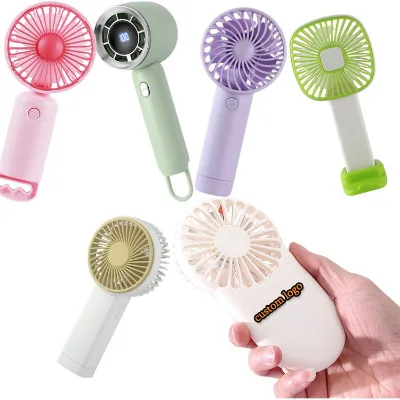
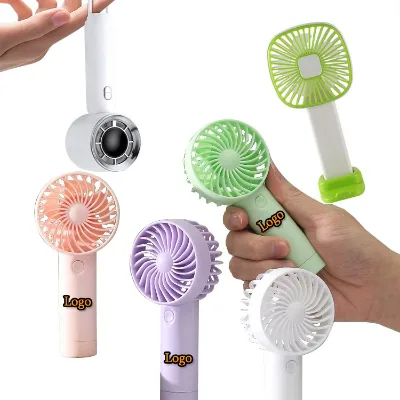
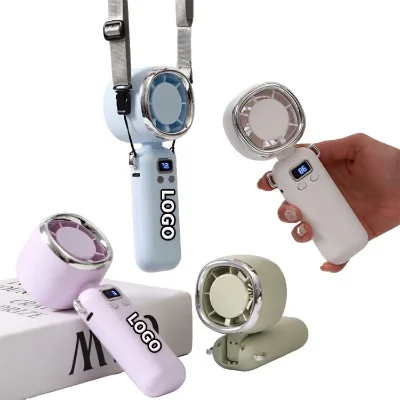
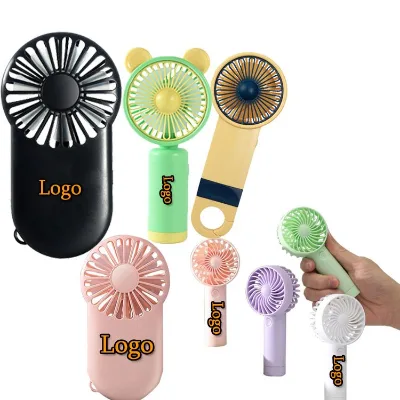
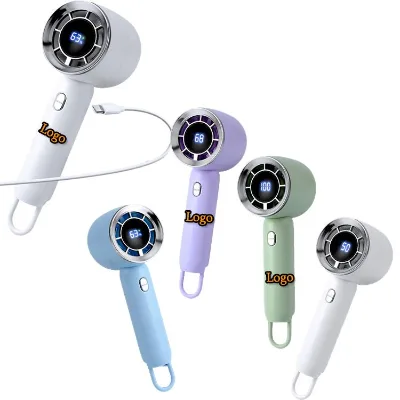
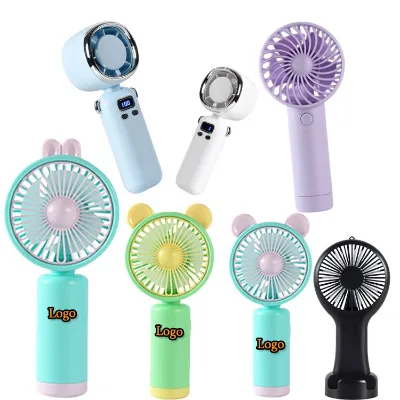
Summer Desktop Outdoor Portable Fan New Design Rechargeable Usb Portable Mini Air Cooler Fan
$0.57 - $0.89
MOQ: 100 pieces

- Verified by SGS
- Trading Company,Manufacturer/Factory
- China Zhejiang
- Lead time0 days
- Avg. response≤ 8h
Main productsTools, Car Equipments, Rubber Material, Auto Parts, Slipper, Construction Hand Tool, Garden Tools, Hardware Tools, Food Packing Material
Main marketsSouth America,Eastern Europe,Mid East,North America,Southeast Asia,Eastern Asia,Oceania,Western Europe,Africa

BiLiQi Electric Appliance Co., Ltd.
- Manufacturer
- China Guangdong
- Lead time23 days
- Avg. response≤ 13h
Main productsSingle Phase Fan Motor, Bathroom Fan Motor Ventilation Fan Moto, Shaded Pole Fan AC Micro Motor
Main marketsDomestic

Jiangmen SHT Metal Products Co., Ltd.
- Manufacturer
- China Guangdong
- Lead time30 days
- Avg. response≤ 3h
Main productsPizza Oven, BBQ Grill, Outdoor Kitchen, Gas Grill, Kitchen Cabinet, Barbecue Grill, Charcoal Grill, BBQ Gas Grill, Outdoor Grill, Gas Pizza Oven
Main marketsEurope,Australia,North America

Shantou Xinbo Intelligent Technology Co., Ltd
- Verified by SGS
- Trading Company
- China Guangdong
- Lead time15 days
- Avg. response≤ 3h
Main productsMini Fan, Handheld Mini Fan, Portable Mini Fan, Desk Fan
Main marketsSoutheast Asia/ Mideast


Factory Wholesale Turbo-Powered, High-Airflow USB Rechargeable Handheld Mini Portable Fan
$2.26 - $2.86
MOQ: 100 Pieces


Wenzhou Hexi Electronic Technology Co., Ltd.
- Verified by SGS
- Combined
- China Zhejiang
- Lead time23 days
- Avg. response≤ 6h
Main productsNeck and Back Massager, Massage Gun, Massage Pillow, Foot Massager, Beauty& Personal Care, Water Flosser, Eye Massager, Electric Toothbrush, Hair Curler, Knee Massager
Main marketsAfrica,Southeast Asia/ Mideast,Europe


High Speed Rechargeable Portable 5-Speed USB Charging Handheld Fan Mini Cooling Fan
$2.00 - $2.40
MOQ: 100 Pieces

Ningbo General Union Co., Ltd.
- Trading Company
- China Zhejiang
- Lead time23 days
- Avg. response≤ 15h
Main productsTable Lamp, Heat Press Machine, Home Appliance, Alarm Clock, Fans, Night Light, Solar Light, Kitchen Appliance, Pet Product, Sport Equipment
Main marketsSouth America,Eastern Europe,Mid East,North America,Southeast Asia,Eastern Asia,Oceania,Western Europe,Africa


Hot Selling Mini Handheld Fan Portable Rechargeable Waist Fan with Lanyard
$5.77 - $6.38
MOQ: 100 Pieces
Anhui Xianwei E-Commerce Co., Ltd
- Verified by TUVRHEINLAND
- Manufacturer/Factory
- China Anhui
- Lead time0 days
- Avg. response≤ 5h
Main productsLamp, Cup, Tent
Main marketsSouth America,Eastern Europe,Mid East,North America,Southeast Asia,Eastern Asia,Oceania,Western Europe,Africa

Portable High Speed Fan Digital Cooling Mini Fan Battery Operated Rechargeable Handheld Fan
$0.86 - $2.98
MOQ: 100 Pieces


New Customizable Mini Fan Handheld Charging USB Cute Portable Fan Mini USB 400mAh
$0.52 - $0.95
MOQ: 100 Pieces

$0.57 - $1.35
MOQ: 100 Pieces


- Combined
- China Guangdong
- Lead time23 days
- Avg. response≤ 3h
Main productsPromotion Gift, Toy, Flashing Item, Free Gift, Business Gift, Novelty
Main marketsAfrica,Europe,North America


Portable Small Fan Student Dormitory Mini Handheld Small Fan Pocket Handheld Fan
$0.86 - $0.88
MOQ: 1080 Pieces

Shenzhen Yukon Glory Technology Co., Ltd.
- Trading Company
- China Guangdong
- Lead time0 days
- Avg. response≤ 2h
Main productsSolar Exhaust Fan, Kitchen Ventilation Fan with Battery, Solar Pet Exhaust Fan, Solar Roof Fan, Solar Cooling Fan, Solar Exhaust Fan for Chicken Coop, Battery, Solar Fan, Solar Ventilation Fan, Ventilating Device

- Verified by BV
- Trading Company
- China Zhejiang
- Lead time30 days
- Avg. response≤ 8h
Main productsElectric Kettle, Massager, Hair Dryer, Heater, Electric Grill, Humidifier, Hair Straightener, Mixer, Beauty Instrument, Electronics
Main marketsAfrica,Southeast Asia/ Mideast,Europe,North America

- Verified by TUVRHEINLAND
- Combined
- China Zhejiang
- Lead time30 days
- Avg. response≤ 12h
Main productsSnowboard, Ski Boot, Ski Equipments, Snowboardings, Ski Helmet, Boots, Ski Gloves, Ski Goggles, Binding
Main marketsEast Asia(Japan/ South Korea),Europe,North America

Shenzhen Ikeemi Technology Co., Ltd.
- Trading Company,Manufacturer/Factory
- China Guangdong
- Lead time15 days
- Avg. response≤ 15h
Main productsPhone Accessory, Phone Case, Phone Holder, Screen Protector, iPhone Case, Samsung Case, LG Case, Apple Watch Stand, Promotion Gift, Drawing and Pattern Customized Phone Case
Main marketsSouth America,Eastern Europe,Mid East,North America,Southeast Asia,Eastern Asia,Oceania,Western Europe,Africa

- Manufacturer/Factory
- China Beijing
- Lead time15 days
- Avg. response≤ 2h
Main productsWireless Calling System, Nurse Calling System, Mini Fan, Networking Products, Intercom System
Main marketsSouth America,Eastern Europe,Mid East,North America,Southeast Asia,Eastern Asia,Oceania,Western Europe,Africa

Shantou XIQI Plastic Products Co., Ltd.
- Verified by SGS
- Manufacturer
- China Guangdong
- Lead time15 days
- Avg. response≤ 3h
Main productsToys Gift Electrical Equipment Household Effe
Main marketsEast Asia(Japan/ South Korea),Europe,North America


Comprehensive Sourcing Guide
Wearable Mini Portable Fan Supplier Concentration and Factory Types
Current data indicates that suppliers for wearable mini portable fans are concentrated in specific Chinese provinces, with Zhejiang and Guangdong emerging as primary manufacturing hubs. Fact records show a trading company based in Zhejiang offering a broad range of home appliances and household items, while another entity in Guangdong specializes in small kitchen appliances and portable cooling devices. These locations suggest a regional clustering where supply chains for battery-powered electronics and plastic molding are established, allowing for efficient component sourcing and assembly. Buyers should verify if a supplier's physical address aligns with these known industrial zones to confirm their operational capacity and logistical readiness.
The supplier landscape includes both trading companies and potential manufacturing entities, though the provided facts explicitly identify a trading company structure for at least one major provider. Trading companies often aggregate products from various factories, offering a wider catalog that includes home storage, furniture, and pet supplies alongside the core wearable fan products. This structure can simplify the sourcing process for buyers needing multiple product categories, but it may introduce an intermediary layer between the buyer and the actual production line. It is essential to distinguish whether a supplier manages their own production facilities or acts as a broker, as this distinction impacts quality control authority and direct communication channels regarding custom specifications.
How to Verify Wearable Mini Portable Fan Suppliers
Verification begins with checking for recognized system certifications that validate quality management and environmental standards. The available evidence confirms that some suppliers hold ISO9001:2015 and ISO14001:2015 certificates, which are critical indicators of a structured quality assurance process. Buyers must request current copies of these documents to ensure they are valid and not expired, as certification status can change. Additionally, product-specific certifications such as CB, CE, ROHS, CCC, and GS appear on certain fan models, indicating compliance with international safety and electromagnetic standards. These credentials are non-negotiable for markets in Europe and North America, and their absence should trigger a deeper audit of the supplier's compliance history.
Response time and communication efficiency serve as practical metrics for supplier reliability during the verification phase. Data shows response times varying significantly, with some suppliers averaging around 10.48 hours while others respond in under five hours. A faster response time often correlates with a more active sales team and better project management capabilities, which is vital for resolving technical queries about battery capacity or noise levels. Buyers should test communication channels before placing orders to gauge the speed and clarity of responses. Furthermore, verifying the supplier's main product list ensures they specialize in relevant categories like heating and cooling appliances rather than offering a scattered inventory that might dilute their expertise in wearable fan technology.
What to Compare Across Wearable Mini Portable Fan Suppliers
When evaluating potential partners, lead time and minimum order quantity (MOQ) are critical commercial variables that differ across the supplier base. One supplier lists a standard lead time of 30 days with an MOQ of 1000 units, while another offers a shorter delivery window of 20 days with a lower entry threshold of 500 pieces. Some entries even indicate a lead time of zero days, which may imply immediate stock availability or a highly optimized production line. Buyers must compare these figures against their own inventory needs and cash flow constraints to determine which supplier offers the most viable timeline for their specific order volume.
Product specifications and pricing structures provide another layer of comparison essential for matching the right supplier to the project requirements. Prices for similar wearable fans range from approximately $1.41 to $7.43, reflecting differences in battery capacity, material quality, and feature sets like bladeless designs or foldable mechanisms. Noise levels also vary, with some models operating at 20 dB while others reach 40 dB, directly impacting the user experience in quiet environments. Buyers should align their technical requirements, such as the need for Type-C charging or specific battery capacities like 500mAh versus 600mAh, with the supplier's product attributes to ensure the final unit meets performance expectations without unnecessary cost inflation.
Common Wearable Mini Portable Fan Sourcing Risks
One significant risk involves the discrepancy between advertised customization capabilities and actual production flexibility. While many product listings state that customization is available or accepted, the extent of this flexibility varies by supplier. Some models offer specific color options like green, black, white, and purple, while others may have rigid constraints on packaging or branding. Buyers must explicitly confirm the scope of customization, including whether logos can be molded into the plastic or if only color box printing is feasible. Assuming broad customization without written confirmation can lead to production delays or the delivery of non-compliant goods that fail to meet brand identity standards.
Another risk stems from inconsistent shipping and payment terms that may not be clearly defined in initial product listings. Evidence shows varied shipment methods ranging from DHL and UPS to sea freight, with payment options including T/T and PayPal. The lack of a standardized logistics approach can complicate cost calculations, especially when factoring in duties and insurance for international delivery. Furthermore, the absence of a unified escrow service in the provided data means buyers must rely on the supplier's stated payment terms, which may expose them to financial risk if the transaction is not secured through a third-party platform. Verifying these terms in a formal contract is necessary to mitigate the risk of non-delivery or payment disputes.
Wearable Mini Portable Fan Regional Sourcing and Logistics
Geographic location plays a pivotal role in determining shipping efficiency and cost structures for wearable mini portable fans. Suppliers in Guangdong and Zhejiang offer distinct logistical advantages, with Guangdong often providing faster access to major ports for international sea freight and air cargo. The data indicates that some suppliers in these regions offer delivery times as short as 15 to 20 days, suggesting proximity to efficient logistics networks. Buyers should prioritize suppliers located in these provinces to minimize transit times and reduce the carbon footprint of their supply chain, provided the product specifications meet their quality requirements.
Logistics planning must also account for the specific packaging and dimensions of the products to optimize container loading. Product attributes reveal standard dimensions such as 5.84.212.5CM or 7.84.218.8CM, which directly influence how many units fit into a standard shipping container. Packaging types vary from color boxes to LCL/FCL arrangements, affecting the overall volume and weight of the shipment. Buyers need to calculate the total cubic meterage based on these dimensions to negotiate better freight rates and avoid paying for empty space. Understanding these physical constraints allows for more accurate cost forecasting and ensures that the supply chain remains efficient from the factory floor to the final destination.
Wearable Mini Portable Fan Commercial Terms and Order Planning
Order planning requires a clear understanding of the pricing tiers and volume discounts available from different suppliers. The observed price range for wearable fans spans from $1.41 to $7.43, with specific models like the JH25325-2 priced at $4.30 and the M-F57 at $1.88. These variations are driven by features such as wattage, battery capacity, and design complexity. Buyers should request detailed price schedules that outline how costs decrease as order quantities increase beyond the minimums of 500 or 1000 units. Establishing a clear volume-based pricing structure is essential for maintaining profit margins and ensuring the project remains financially viable at scale.
Commercial terms regarding payment and delivery must be finalized before production begins to avoid misunderstandings. While some suppliers accept PayPal and T/T, others may have specific requirements for deposit percentages or letter of credit usage. The delivery time, ranging from 15 to 30 days, should be factored into the overall project timeline, including buffer time for potential customs delays or quality inspections. Buyers should also verify if the supplier offers escrow services to protect funds until the goods are shipped and verified. A robust order plan includes these commercial safeguards, ensuring that the financial and logistical aspects of the transaction are secure and aligned with the buyer's operational schedule.
FAQs
What is the price range for portable mini fans?
Prices for portable mini fans typically range from $1.41 to $7.43 per unit. The cost varies based on specific features such as battery capacity, noise level, and customization options. Buyers should check the minimum order quantity to determine the final per-unit cost for their specific order volume.
What is the minimum order quantity for these fans?
The minimum order quantity generally starts at 500 pieces for some suppliers, while others require 1000 pieces. This threshold depends on the specific manufacturer and the product model selected. Buyers should verify the exact MOQ with the supplier before placing an order to ensure it fits their budget.
How long does delivery take for these orders?
Lead times for these portable fans typically range from 15 to 30 days. Some suppliers offer faster turnaround times, while others may have longer production schedules. Buyers should confirm the exact delivery time with the supplier, as it can vary based on order volume and customization requirements.
Are these fans customizable for branding?
Yes, customization is available for many portable mini fan models. Suppliers often allow buyers to customize packaging, colors, and sometimes product features. Buyers should inquire about specific customization options and any associated costs or minimum order requirements for branded items directly with the supplier.
What certifications do these fans have?
Many portable fans carry certifications such as CB, CE, ROHS, CCC, and GS. Additionally, suppliers may hold ISO9001:2015 and ISO14001:2015 system certifications. Buyers should request specific certification documents for the products they intend to purchase to ensure compliance with their local market regulations.
Where are these suppliers located?
Suppliers for these portable fans are primarily located in China, specifically in the Zhejiang and Guangdong provinces. These regions are known for their manufacturing capabilities in home appliances and consumer electronics. Buyers can filter suppliers by location to potentially reduce shipping costs and lead times.