Weld Stud Screws Suppliers and Manufacturers in China
Compare 21 verified Weld Stud Screws suppliers by location, lead time, and certifications. Review product standards like ISO 9001 and material options including carbon steel and stainless steel. Contact suppliers directly to request quotes for your specific requirements; review the available evidence before requesting comparable quotations from suitable candidates.
Suppliers List

Ruian Yiteng Hardware Products Co., Ltd.
- Manufacturer/Factory
- China Zhejiang
- Lead time45 days
Main productsScrew, Bolt, Nut, Stainless Steel 304 Grab Bar, Car Accessories, Auto Parts, Stainless Steel Screw, ABS Grab Bar, Hardware Parts, Stainless Steel Parts
Main marketsSouth America,Eastern Europe,North America,Southeast Asia,Eastern Asia,Oceania,Western Europe,Africa


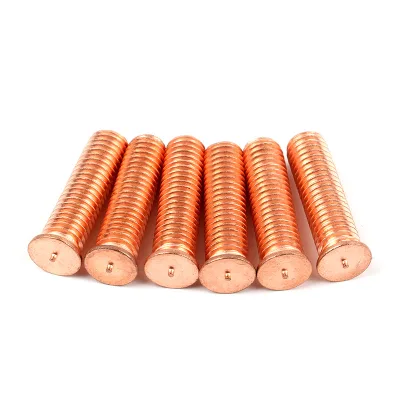
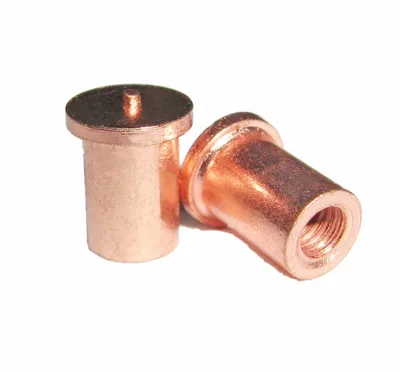
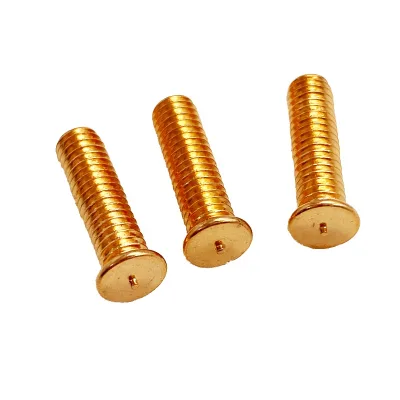
Factory Direct Weld Studs Welding Studs Flat Head Brass High Strength Welding Studs
$0.38 - $0.52
MOQ: 50000 Pieces

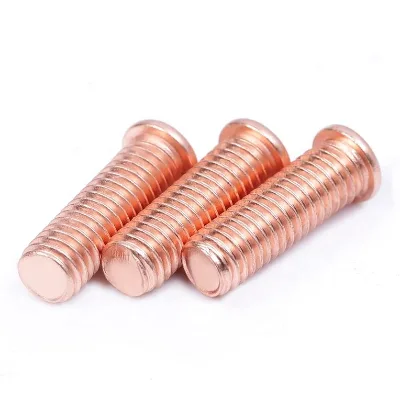
Factory Direct Sale Copper Threaded Insert Fastener Screw and Nut Weld Studs for Metal
$0.38 - $0.52
MOQ: 50000 Pieces

Copper Plated Internal Thread Welding Stud Welding Nut Stud Spot Welding Stud
$0.38 - $0.52
MOQ: 50000 Pieces

Jinjiang Tagong Hardware Forging Manufacturer Co. Ltd.
- Verified by BV
- Manufacturer/Factory
- China Fujian
- Lead time90 days
Main productsFastener, Nuts, Wheel Hub Bolt, Hexagon Nuts, Slotted Nuts, Wheel Nuts, Flange Nuts, Railway Nuts, Truck Nuts, Nylon Insert Nuts
Main marketsSouth America,Eastern Europe,Mid East,North America,Southeast Asia,Eastern Asia,Oceania,Western Europe,Africa

Shenzhen Sandum Precision Parts Co., Ltd.
- Manufacturer/Factory
- China Guangdong
- Lead time23 days
Main productsThread Inserts, CNC Machining, Power Elements, Pogo Pin, Presss Fit Connectors, Self Clinching Standoff Nut
Main marketsSouth America,Eastern Europe,North America

Zhejiang Unit Hardware Products Co.,Ltd
- Verified by TUVRHEINLAND
- Manufacturer/Factory
- China Zhejiang
- Lead time90 days
Main productsStainless Steel Self Drilling Screw, Stainless Steel Self Tapping Screw, Stainless Steel Bolt and Nut, Brass Hex Bolt and Nut, Brass Machine Screw, Brass Self Tapping Screw, Brass Wood Screw, Brass Flat Washer, Stainless Steel Machine Screw, Rivet Nuts
Main marketsSouth America,Eastern Europe,Mid East,North America,Southeast Asia,Oceania,Africa


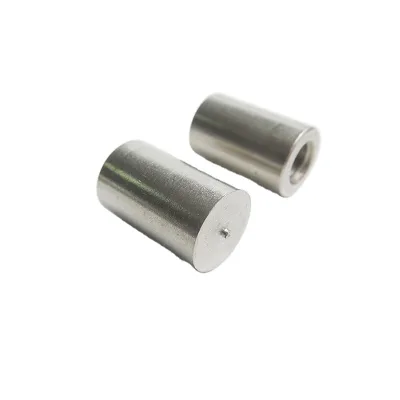
Welding Screw Which Made of Stainless Steel 316 Fasteners Welding Studs Screw
$0.00
MOQ: 100000 Pieces


Shenzhen In-sail Precision Parts Co., Ltd.
- Verified by TUVRHEINLAND
- Combined
- China Guangdong
- Lead time15 days
Main productsHardware, Fasteners, CNC Machining, Screws, Nuts, Turning Parts, Stamping Parts, Milling Parts, Plungers, Rivets
Main marketsDomestic

Zhejiang Ruizhao Technology Co., Ltd.
- Verified by TUVRHEINLAND
- Combined
- China Zhejiang
- Lead time30 days
Main productsFlange Bolt, Socket Screw, Press Screw, Step Screw, Wheel Nut, Wheel Bolt, Flange Nut, Circlip, Clip Nut, Automotive Fasteners
Main marketsSoutheast Asia/ Mideast,Europe
Changzhou Roca Fastener Co., Ltd.
- Manufacturer
- Jiangsu, China
- Lead time20 days
- Avg. response≤ 12h
Main productsFastener , Hand Tool, Air Tool, Electric Tool, Cutting Tool
Main marketsDomestic Market(70.00%), South America(10.00%), Southeast Asia(10.00%), North America(5.00%), Western Europe(5.00%)
Hebei Zhongbo Industrial And Mining Accessories Co., Ltd.
- Trading Company
- Hebei, China
- Lead time0 days
- Avg. response≤ 1h
Main productsbolt and nut,Mining Machinery,rock bolt,drill bit,drill rod
Main marketsMid East(30.00%), Africa(30.00%), Domestic Market(10.00%), South America(10.00%), North America(10.00%), Eastern Europe(10.00%)
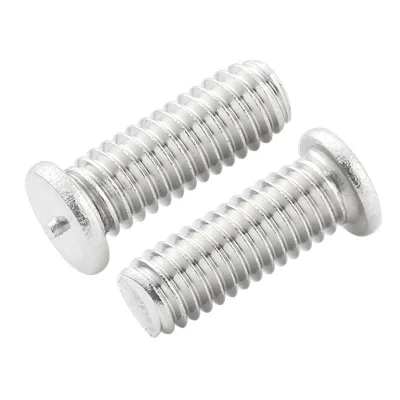
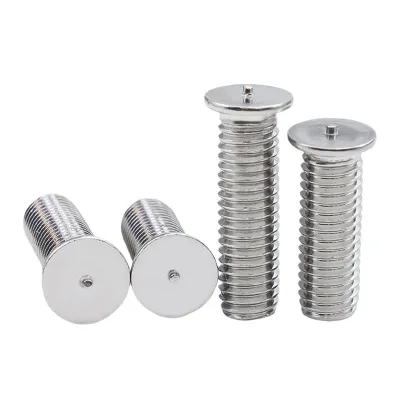
1/4 Multi-functional Welding Studs
$0.02 - $0.07

Tianjin Iking Gerui Tech Co., Ltd.
- Verified by BV
- Combined
- China Tianjin
- Lead time15 days
Main productsGlass Wool Insulation, Rock Wool Insulation, Rubber Foam Insulation, Ceramic Fiber Insulation, Foam Glass, Insulation Pins, Aluminum Metal Jacketing System, Arc Welding Machines, Shear Stud Connectors, Bolts and Nuts
Main marketsSouth America,Southeast Asia/ Mideast,North America
- Verified by TUVRHEINLAND
- Trading Company
- China Jiangsu
- Lead time15 days
Main productsHex Bolts Screws Nuts Washers Thread Rods, Non-Standard Metal Parts
Main marketsSouth America,North America
Jiaxing Sunrise Import & Export Co., Ltd.
- Verified by SGS
- Trading Company
- China Zhejiang
- Lead time30 days
Main productsScrew, Washer, Stamping Part, Auto Part, Nail, Sheet Metal, Spare Parts, Drywall Screw, Fastener, Self Drilling Screw
Main marketsSouth America,Southeast Asia/ Mideast,Europe
Handan Wangsheng Fastener Co., Ltd.
- Verified by TüVRheinland
- Manufacturer, Trading Company
- Lead time15 days
- Avg. response≤ 4h
Main productsBolt, Nut, Washer, Anchor Bolt, Stud Bolt
Main marketsDomestic Market(20%), South Asia(15%), Africa(10%)
Shenzhen Huaxianglian Hardware Co., Ltd.
- Manufacturer
- Lead time旺季: "1 - 5000":8,"> 5000":"To be negotiated", 淡季: "1 - 5000":8,"> 5000":"To be negotiated"
- Avg. response≤ 4h
Main productsturning parts,CNC machining parts,screws,nuts,micro precision parts
- Verified by SGS
- Trading Company
- China Jiangsu
- Lead time30 days
Main productsBolt, Nut, Screw, Washer, Pin, Rubber End Cap
Main marketsOthers(foreignTradeCapacity.exportBusinessCapacityMarketOther),Europe,North America

$0.01 - $0.03
MOQ: 1000 Pieces

Custom Weld Studs Totailored Fasteners for Your Unique Welding Requirements
$0.01 - $0.03
MOQ: 1000 Pieces

Welding Stud Standoffs Precision Spacer Fasteners for Structural Support
$0.01 - $0.03
MOQ: 1000 Pieces

High-Quality Weld Studs Durable Fasteners for Industrial Welding Projects
$0.01 - $0.03
MOQ: 1000 Pieces

Wxsny Welding Stud External Internal Thread Stud Welding Stainless Steel Weld Stud
$0.01 - $0.03
MOQ: 1000 Pieces

$0.01 - $0.03
MOQ: 1000 Pieces
Chongqing Leeyu Fasteners Technology Co., Ltd.
- Verified by CTI
- Manufacturer/Factory
- China Chongqing
- Lead time23 days
Main productsNail Gun, Gad Nail, Powder Actuated Nail Gun, Gas Actuated Nail Gun, Air Actuated Nail Gun, Shooting Nails, Gas Fuel Cell, Power Loads
Main marketsSouth America,Eastern Europe,Mid East,North America,Southeast Asia,Eastern Asia,Oceania,Western Europe,Africa
Guangzhou Shengfeng Hardware Co., Ltd.
- Verified by TüVRheinland
- Trading Company
- Lead time25 days
- Avg. response≤ 2h
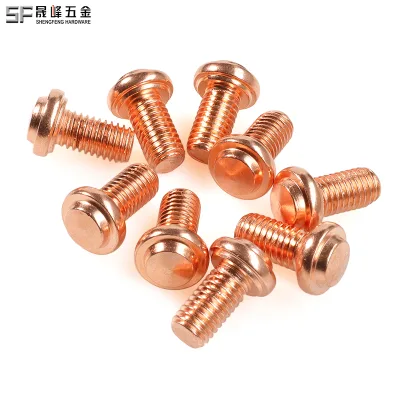
Main productsSelf Dirlling Screws, CD Weld Stud, Rivet Nuts, Blind Rivet, Special Turning Part
Main marketsNorth America(8%), South America(8%), Eastern Europe(7%)

Dongguan Ganggu Hardware Product Co., Ltd.
- Manufacturer
- Guangdong, China
- Lead time5 days
- Avg. response≤ 2h
Main productsScrew & bolt,Nut,Shaft & pin,CNC Parts,rivet
Main marketsDomestic Market(40.00%), North America(15.00%), Southeast Asia(8.00%), Northern Europe(5.00%), Southern Europe(5.00%), Western Europe(5.00%), Eastern Europe(5.00%), South Asia(3.00%), Central America(3.00%), South America(3.00%), Eastern Asia(3.00%), Mid East(2.00%), Oceania(2.00%), Africa(1.00%)
- Verified by SGS
- Trading Company
- China Shandong
- Lead time15 days
Main productsBolt, Nut, Screw, Threaded Inserts, Washers, Threaded Rods & Studs, Lifting & Clamping, Pins & Rivets, Nails
Main marketsEurope
Ningbo Geobo Hardware Co., Ltd.
- Verified by CTI
- Trading Company
- China Zhejiang
- Lead time45 days
Main productsstainless steel screw nut
Main marketsSouth America,Africa,Southeast Asia/ Mideast,Europe,Australia,North America

- Verified by CTI
- Combined
- China Sichuan
- Lead time60 days
Main productsTwin Screw Extruder Parts, Screw Element, Barrels, Shafts, Extruder Spare Parts, Screw and Barrel, Petrifaction Screw Elements, Twin Screw
Main marketsSouth America,Domestic,Europe

Hebei Shengtian Pipe-Fitting Group Co., Ltd.
- Combined
- China Hebei
- Lead time23 days
Main productsPipe Fitting, Elbow, Tee, Flange, Bend, Pipe Cap, Steel Pipe, Seamless Pipe, Pipe Reducer, Steel Elbow
Main marketsSoutheast Asia/ Mideast


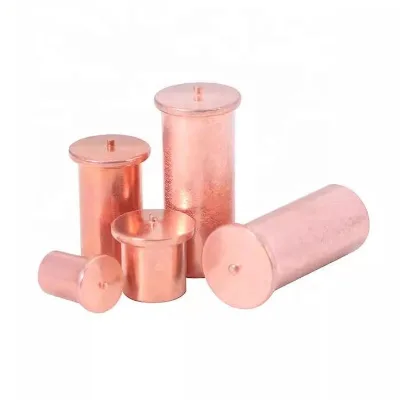


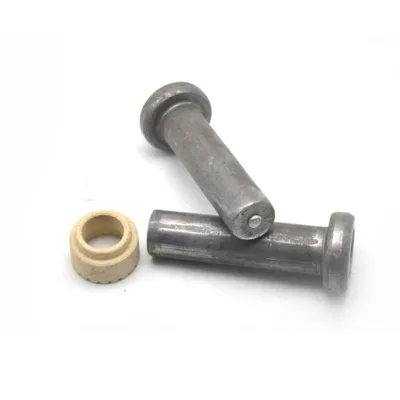
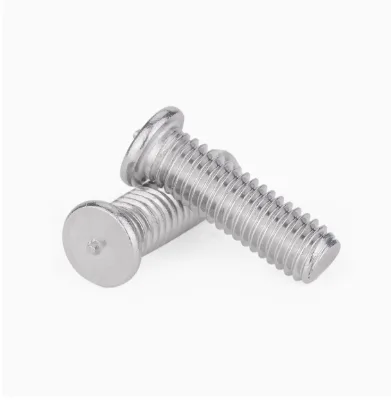
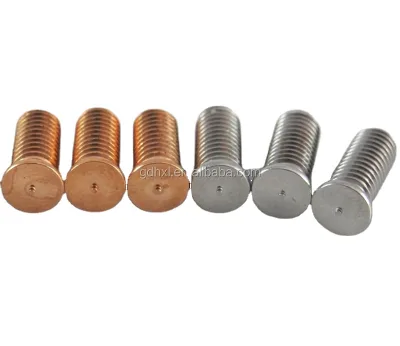


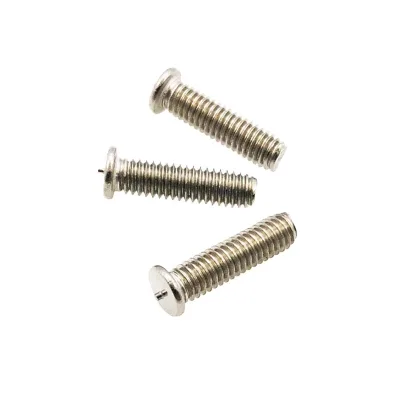


Comprehensive Sourcing Guide
Weld Stud Screws Supplier Concentration and Factory Types
The current supplier landscape for Weld Stud Screws shows a distinct concentration of manufacturing activity within China, specifically in the provinces of Zhejiang, Fujian, and Guangdong. Factories in Wenzhou, Zhejiang, and Shenzhen, Guangdong, are frequently identified as primary production hubs for these fasteners. These regions host a mix of manufacturers and factories that specialize in producing carbon steel, alloy steel, and stainless steel variants of the product. The presence of these facilities suggests a mature supply chain capable of handling both standard and customized orders for industrial applications.
When evaluating the type of entity you are engaging, it is crucial to distinguish between pure manufacturers and trading companies. The available data indicates that many suppliers operate as manufacturers or factories with in-house capabilities for OEM and ODM services. Some entities also maintain their own brands, such as TAJIANG or UIE, which can indicate a deeper level of production control. However, not all suppliers in the search results explicitly declare their company type, so buyers must verify whether the entity is a direct factory or an intermediary. This distinction impacts the ability to customize specifications like material grades, surface treatments, and specific dimensions such as M825 or M1035.
How to Verify Weld Stud Screws Suppliers
Verification of a weld stud screw supplier requires a rigorous check of their system certifications and third-party audit reports. Many suppliers in the dataset display ISO 9000 and ISO 9001 certifications, which are standard indicators of quality management systems. Some listings also include specific product certifications such as ISO, GS, RoHS, and CE, which are essential for ensuring compliance with international safety and environmental standards. Additionally, verification badges from organizations like BV or TÜV Rheinland provide an extra layer of confidence regarding the supplier's operational integrity and financial stability.
Beyond certifications, buyers should scrutinize the specific product attributes and material claims provided in the supplier's catalog. For instance, some listings explicitly state materials like Carbon Steel, Alloy Steel, or Stainless Steel, along with hardness values such as HV 200-302 or HRC 22-32. It is vital to confirm that the stated material matches the application requirements, whether for machinery, chemical industries, or automotive use. Buyers must also check if the supplier offers customization for surface treatments like hot galvanizing or true colors, and verify if the packing methods, such as PE bags or cartons, align with shipping needs. Never assume a supplier's capability based on general claims; always request specific test reports or factory audit documents to validate these details.
What to Compare Across Weld Stud Screws Suppliers
Comparing suppliers effectively involves analyzing key operational metrics such as lead time, minimum order quantity (MOQ), and pricing structures. The data reveals significant variation in lead times, ranging from 23 days to 90 days, which directly impacts your production schedule and inventory planning. Similarly, MOQs differ substantially, with some suppliers requiring as few as 1,000 units while others demand 50,000 or even 100,000 units. These thresholds can be a deciding factor for small to medium-sized enterprises versus large industrial buyers. Pricing also fluctuates, with some listings showing unit costs as low as $0.0008, while others range from $0.38 to $1,500 depending on the product type and volume.
In addition to logistics and cost, buyers should compare the breadth of main products and the depth of customization options. Some suppliers focus exclusively on fasteners like screws, bolts, and nuts, while others offer a broader range including CNC machining, power elements, and self-clinching standoffs. The ability to customize models, such as offering metric and inch sizes or specific standards like DIN, GB, ANSI, and JIS, is another critical differentiator. Suppliers that provide detailed product attributes, including standard sizes like M2 through M6 or specific lengths, demonstrate a higher level of technical capability. Evaluating these factors side-by-side helps identify the partner best suited to your specific volume and technical requirements.
Common Weld Stud Screws Sourcing Risks
One of the primary risks in sourcing Weld Stud Screws is the potential mismatch between advertised specifications and actual product quality. Suppliers may list materials like Carbon Steel or Stainless Steel, but without verified test results, the actual hardness or corrosion resistance might not meet your project standards. For example, a supplier claiming an HV rating of 200-302 must provide evidence to support this claim, as variations in heat treatment can significantly affect performance. Relying solely on catalog descriptions without independent verification can lead to product failures in critical applications like chemical industry machinery or automotive assemblies.
Another significant risk involves the reliability of lead times and the consistency of supply chain operations. While some suppliers advertise a lead time of 23 days, others may require up to 90 days, creating uncertainty for time-sensitive projects. If a supplier fails to meet their stated delivery window, it can disrupt your entire production line. Furthermore, the lack of standardized packaging or unclear origin details, such as generic "China" origins versus specific cities like Wenzhou or Shenzhen, can complicate logistics and customs clearance. Buyers must ensure that the supplier has a proven track record of meeting deadlines and maintaining consistent quality to mitigate these operational risks effectively.
Weld Stud Screws Regional Sourcing and Logistics
Sourcing Weld Stud Screws from specific regions in China offers distinct logistical advantages and challenges. The concentration of manufacturers in Zhejiang, Fujian, and Guangdong provides access to a robust network of suppliers, but it also means that shipping costs and transit times can vary based on the specific port of origin. Factories in Wenzhou and Shenzhen are well-positioned for export, often utilizing nearby ports to facilitate efficient shipping to global markets. However, buyers must account for the fact that different regions may have different infrastructure capabilities, which can affect the speed and reliability of delivery.
When planning logistics, it is essential to consider the packaging standards and shipping methods recommended by the supplier. Some listings specify packaging like "PE Bag + Cartons" or "Box and Cartons and Pallets," which can influence how the goods are loaded and transported. Understanding the origin, such as "Wenzhou, Zhejiang Province" or "Shenzhen China," allows buyers to better estimate freight costs and transit durations. Additionally, the type of fastener, whether it is a weld stud, threaded insert, or self-drilling screw, may require specific handling to prevent damage during transit. Buyers should coordinate closely with their logistics partners to ensure that the chosen shipping method aligns with the supplier's packaging and the destination's import requirements.
Weld Stud Screws Commercial Terms and Order Planning
Commercial terms for weld stud screw orders often include specific pricing structures, payment conditions, and customization agreements. The data shows a wide range of unit prices, from $0.0008 to $1,500, which suggests that pricing is highly dependent on material type, volume, and customization level. Buyers must clarify whether the quoted price includes all costs or if additional fees for tooling, packaging, or shipping apply. Understanding the MOQ requirements is equally critical, as some suppliers require 1,000 units while others demand 100,000, which can significantly impact the total cost of ownership and inventory management strategies.
Order planning should also account for the supplier's capacity for OEM and ODM services, as well as their ability to handle custom requests. Many suppliers offer customization for materials, sizes, and surface treatments, but this requires clear communication and potentially longer lead times. Buyers should verify the supplier's ability to meet specific standards like DIN, GB, or ANSI and ensure that the production timeline aligns with their project schedule. Additionally, checking for escrow options or verified payment methods can provide financial security. By carefully reviewing these commercial terms and aligning them with your production needs, you can establish a reliable partnership that minimizes risk and ensures timely delivery of high-quality Weld Stud Screws.
FAQs
What is the typical lead time for Weld Stud Screws?
Lead times vary by supplier location and order volume. Manufacturers in Zhejiang report a standard 45-day production cycle, while suppliers in Fujian may require up to 90 days. Guangdong-based factories often offer faster turnaround times around 23 days. Buyers should confirm specific schedules with the supplier before placing orders to ensure timely delivery.
What are the common materials used for weld studs?
Weld studs are primarily manufactured from carbon steel and stainless steel. Some suppliers also offer alloy steel options for specialized applications. Materials are selected based on strength requirements and environmental conditions. Custom material requests are frequently available, allowing buyers to specify exact grades such as carbon steel or stainless steel for their specific machinery or chemical industry needs.
What is the minimum order quantity for weld studs?
Minimum order quantities depend on the supplier and product specifications. Some manufacturers require a minimum of 50,000 units, while others accept orders as low as 1,000 pieces. Stainless steel threaded studs often have lower MOQs compared to heavy-duty carbon steel variants. Buyers should verify the specific MOQ with the supplier to align with their inventory requirements.
Are weld studs customizable for specific applications?
Yes, most suppliers offer customization for weld studs. Buyers can request specific sizes, thread types, and surface treatments. Customization options include varying materials like carbon steel or stainless steel and adjusting dimensions to fit machinery or chemical industry applications. Packaging can also be customized to meet logistical needs, ensuring the products arrive safely and efficiently.
What certifications do weld stud suppliers typically hold?
Many weld stud suppliers hold ISO 9001 or ISO 9000 certifications, ensuring quality management standards are met. Some manufacturers also possess additional certifications such as ISO 20000, GS, RoHS, and CE. These certifications indicate compliance with international standards for product quality and safety. Buyers should verify specific certifications relevant to their industry requirements before finalizing a purchase.
What is the price range for Weld Stud Screws?
Prices for weld studs vary based on material, size, and quantity. Carbon steel studs may range from $0.38 to $0.52 per unit, while stainless steel options can be priced between $0.10 and $0.75. Larger orders or specific customizations may affect the final cost. Buyers should request detailed quotes to understand the total cost including packaging and shipping.