Weighted Action Electronic Piano Suppliers and Manufacturers
Source 22 verified suppliers for Weighted Action Electronic Piano. Compare lead times, MOQs, certifications, and response rates to find the right partner. Review product specs and request quotes today; review the available evidence before requesting comparable quotations from suitable candidates.
Updated
Suppliers List

Zhangzhou Leting Furniture Co., Ltd.
- Verified by CTI
- Combined
- China Fujian
- Lead time15 days
- Avg. response≤ 3h
Main productsFurniture, Digital Piano
Main marketsDomestic


Electric Piano Electronic Keyboard Piano 88 Keys Weighted Hammer Action
$315.00 - $320.00
MOQ: 20 Pieces


Electronic Piano - Student Instrument - Portable - 88-Key - Digital Piano
$140.00 - $150.00
MOQ: 20 Pieces


88-Key Professional Electric Piano, Hammer-Action Digital Electronic Piano, Electronic Keyboard
$175.00 - $180.00
MOQ: 20 Pieces

Quanzhou Jinfubei Trading Co., Ltd.
- Manufacturer, Trading Company
- Fujian, China
- Lead time7 days
- Avg. response≤ 2h
Main productsElectronic Digital Piano,Electronic Drum,Electronic Organ,Electronic Guitar,Accordion
Main marketsSoutheast Asia(40.00%), North America(30.00%), Western Europe(10.00%), Northern Europe(10.00%), South America(5.00%), Central America(5.00%)

Shenzhen Konix Technology Co., Ltd.
- Manufacturer, Trading Company
- Guangdong, China
- Lead time25 days
- Avg. response≤ 4h
Main productsRoll up piano,Roll up drum kit/piano,Silicone Piano,Electronic Drum Kit,MIDI Keyboard
Main marketsNorth America(25.00%), Domestic Market(12.00%), Eastern Asia(12.00%), Oceania(7.00%), Central America(7.00%), Northern Europe(7.00%), Eastern Europe(5.00%), Western Europe(5.00%), South America(5.00%), Southern Europe(5.00%), Southeast Asia(3.00%), South Asia(3.00%), Africa(2.00%), Mid East(2.00%)
- Manufacturer
- Tianjin, China
- Lead time45 days
- Avg. response≤ 3h
Main productsDrum,Melodica,Accordion,Wind Instrument,Guitar
Main marketsSouth America(50.00%), Domestic Market(25.00%), Africa(25.00%)
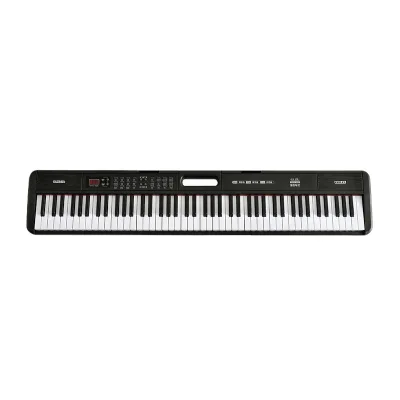
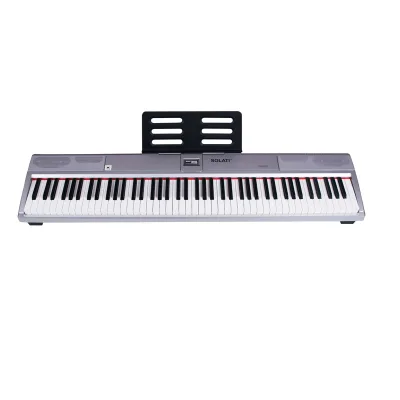
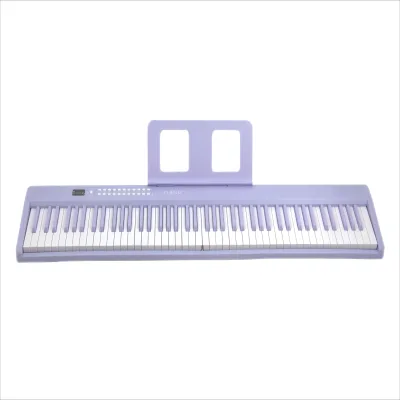
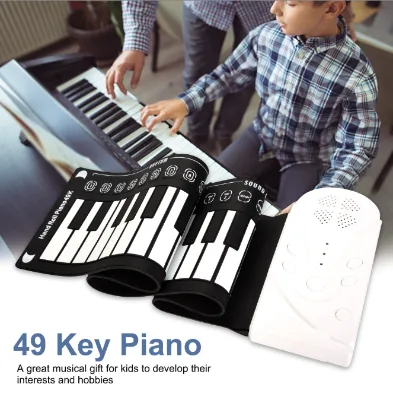
$14.8263 - $16.8996
MOQ: 16 pieces

Quanzhou Chorus Technology Co., Ltd.
- Verified by SGS
- Manufacturer/Factory
- China Fujian
- Lead time30 days
- Avg. response≤ 3h
Main productsPiano, Digital Piano, Upright Piano, Grand Piano, Electronic Piano, Keyboard Piano, Piano Stand, Piano Chair, Piano Headphones, Piano Cover
Main marketsSouth America,Eastern Europe,Mid East,North America,Southeast Asia,Eastern Asia,Oceania,Western Europe,Africa

Guangzhou Vines Musical Instruments Co., Ltd
- Verified by TUVRHEINLAND
- Trading Company
- China Guangdong
- Lead time15 days
- Avg. response≤ 8h
Main productsAcoustic Guitar, Electric Guitar, Classical Guitar, Electric Bass Guitar, Ukulele, Guitar Strings, Musical Instrument Accessories, Violin, Guitar Amplifier, Drum Piano
Main marketsAfrica,Europe,North America

Quanzhou Shengxinyue Intelligent Technology Co., Ltd.
- Verified by SGS
- Combined
- China Fujian
- Lead time30 days
- Avg. response≤ 3h
Main marketsDomestic


Acoustic Piano 88 Keys Electron Piano for Sale Music Keyboard Digital Piano 88 Weighted Key
$102.50 - $107.50
MOQ: 1 Pieces

Price Piano for Sale Digital Piano Keyboard 88 Keys Digital Piano 88 Weighted Key
$63.50 - $66.50
MOQ: 1 Pieces

Digital Piano 88 Weighted Key Keyboard Piano for Sale Electric Piano Price
$63.50 - $66.50
MOQ: 1 Pieces

Electronic Piano for Sales Electric Piano Upright 88 Key Digital Piano Electrical
$63.50 - $66.50
MOQ: 1 Pieces

Music Keyboard Instruments Electronic Piano Electric Piano 88 Keys Digital Piano Acoustic
$63.50 - $66.50
MOQ: 1 Pieces

- Trading Company
- Hong Kong S.A.R.
- Lead time30 days
- Avg. response≤ 1h
Main productsMusical Instrument Production,Trade in musical instruments,import and export trade,Integrated services,Product Sales
Main marketsDomestic Market(30.00%), South America(20.00%), North America(15.00%), Eastern Europe(10.00%), Southeast Asia(10.00%), Oceania(3.00%)

Jiangxi Baorui Electronic Technology Co., Ltd.
- Manufacturer, Trading Company
- Jiangxi, China
- Lead time20 days
- Avg. response≤ 2h
Main productsfolding piano,drum,hand roll piano,electric piano,digital piano
Main marketsNorth America(40.00%), Eastern Europe(30.00%), Southeast Asia(20.00%), Eastern Asia(3.00%), Central America(3.00%), South America(2.00%), South Asia(1.00%), Northern Europe(1.00%)
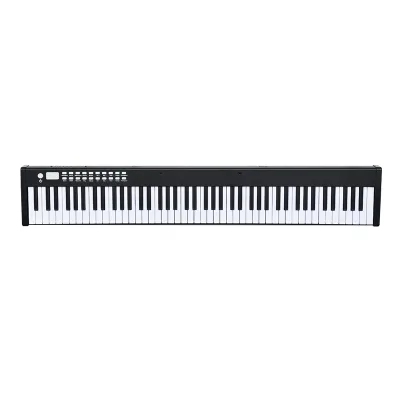
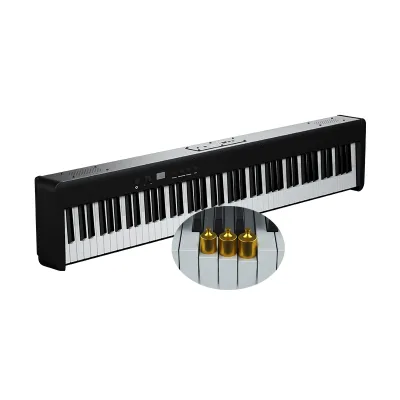
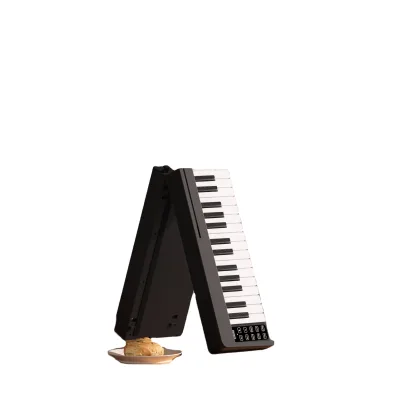
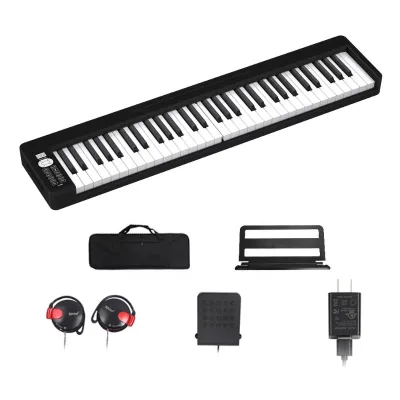
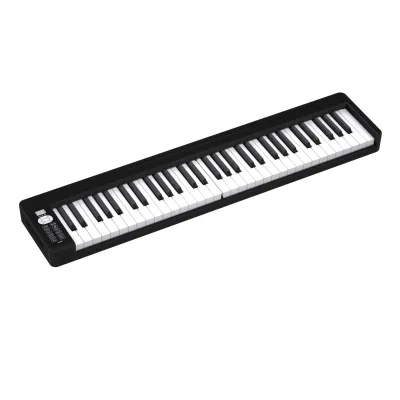
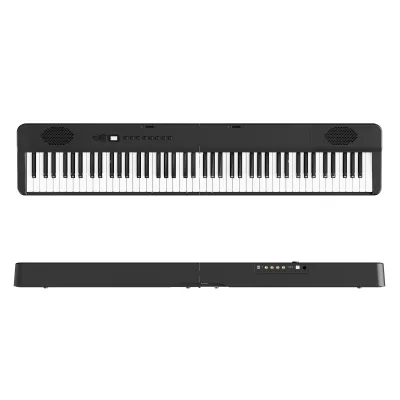
Hammer Action Piano with Double HIFI Speaker Digital Piano Keyboard Wood Texture Keys
$141.00 - $145.00
MOQ: 8

Jinjiang Beisite Electronic Technology Co., Ltd.
- Combined
- China Fujian
- Lead time30 days
- Avg. response≤ 15h
Main productsDigital Piano
Main marketsSouth America,Southeast Asia/ Mideast,Europe


Portable Foldable Electronic Piano 88 Keys Foldable Piano with Semi Weighted
$41.00 - $43.00
MOQ: 5 Boxes


Changshu Huasheng Musical Instrument Co., Ltd.
- Manufacturer, Trading Company
- Jiangsu Province, China
- Lead time30 days
- Avg. response≤ 4h
Main productsGuitar,Piano,Ukulele,Keyboard instrument,Stringed instrument
Main marketsNorth America(50.00%), Western Europe(20.00%), Oceania(15.00%), Domestic Market(10.00%), South America(5.00%)

- Verified by TUVRHEINLAND
- Trading Company
- China Fujian
- Lead time23 days
- Avg. response≤ 5h
Main productsYoga Set, Pet Supplies, Sneakers, Sportswear, Underwear, Swimsuit, Sports Equipment, Packaging, Outdoor Product, Solar Energy
Main marketsSoutheast Asia/ Mideast
Alwaysfaith International Trade Co., Ltd. (Huizhou)
- Verified by Intertek
- Trading Company
- Lead time15 days
- Avg. response≤ 6h
Main productsUkulele, Electric Guitar, Acoustic Guitar
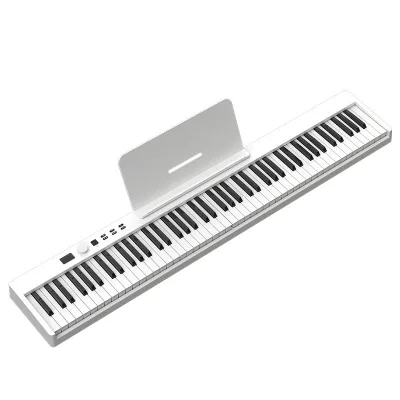
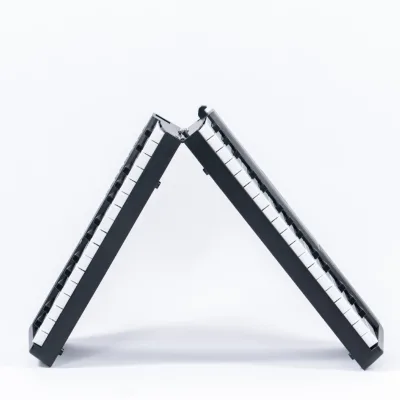
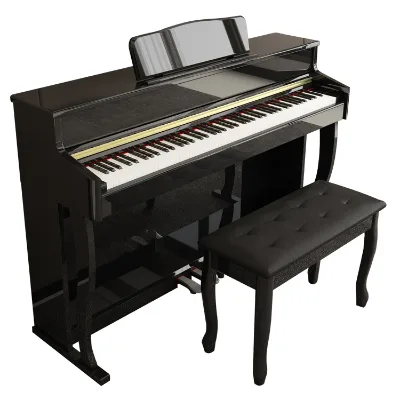
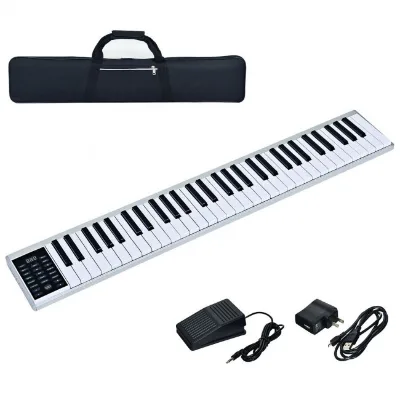
Multi-function Instrument 61-key Rechargeable Version Folding Electronic Piano
$22.5583
MOQ: 1 Minimum
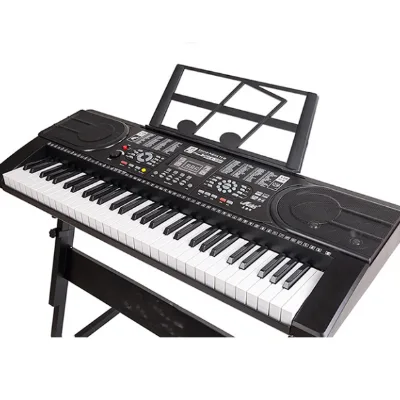
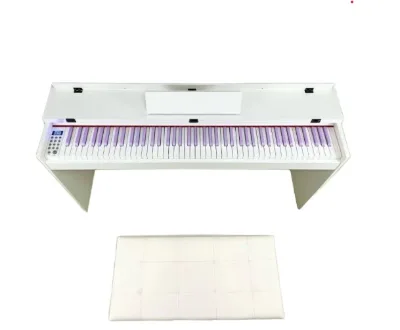
Jinjiang Beisite Electronic Technology Co., Ltd.
- Verified by TüVRheinland
- Manufacturer, Trading Company
- Lead time20 days
- Avg. response≤ 2h
Main productsDigital Piano
Main marketsDomestic Market(16%), South America(15%), North America(10%)
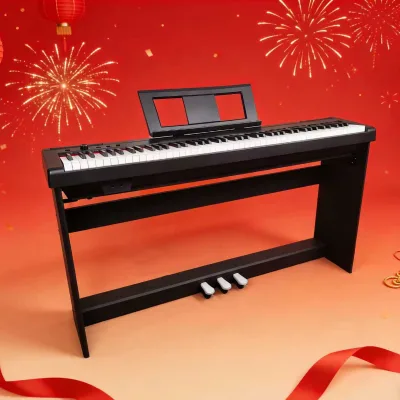
Beisite Digital Electric Piano 88 Teclas 88 Keys Piano Electronic Price Folding Piano for Sale
$119.9651 - $126.1178
MOQ: 5 cartons
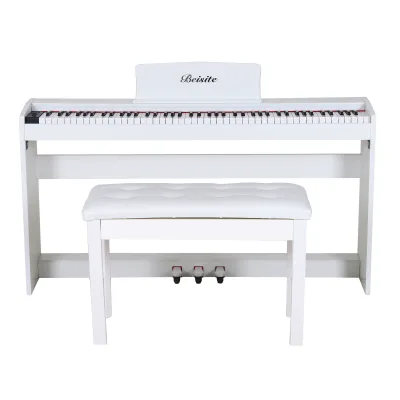
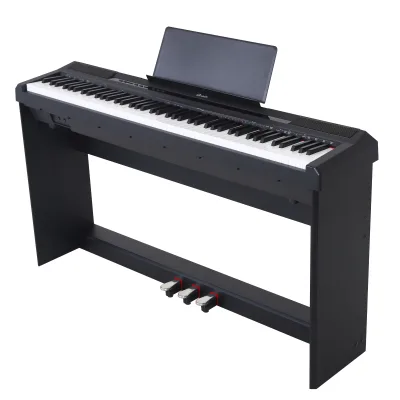
Portable 88-Key Fully Weighted Digital Piano - Professional-Grade Touch for On-the-Go Music
$120.8768 - $127.0743
MOQ: 5 cartons
Guangdong Konix Technology Co., Ltd.
- Verified by Intertek
- Manufacturer, Trading Company
- Lead time15 days
- Avg. response≤ 3h
Main productsRoll Up Piano, Electronic Drum Kit, Electronic Piano, Electronic Wind Instrument, MIDI Keyboard
Main marketsNorth America(60%), Western Europe(23%), Southeast Asia(10%)
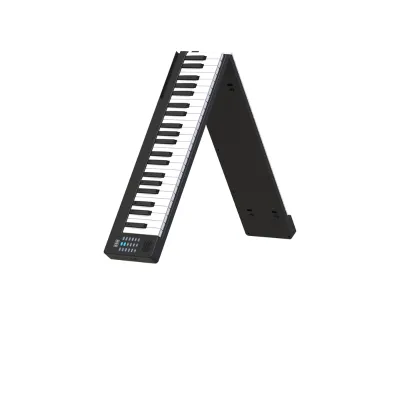
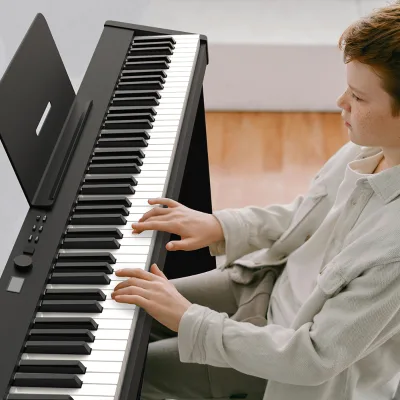
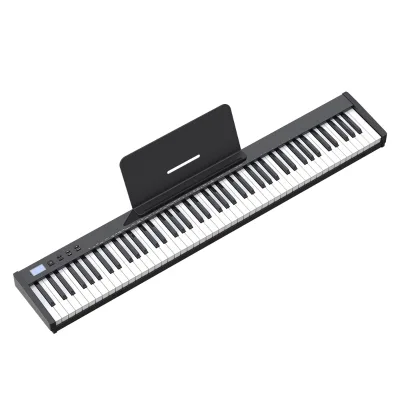
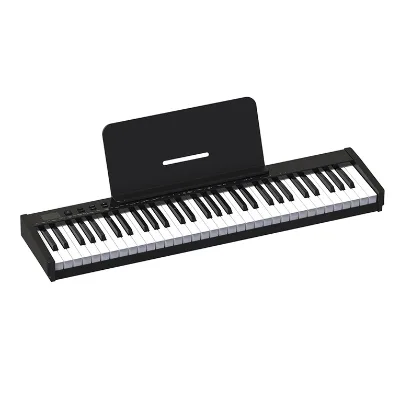
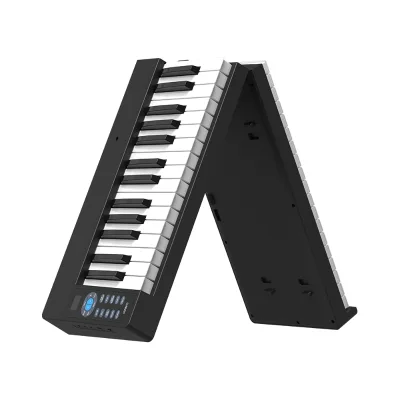
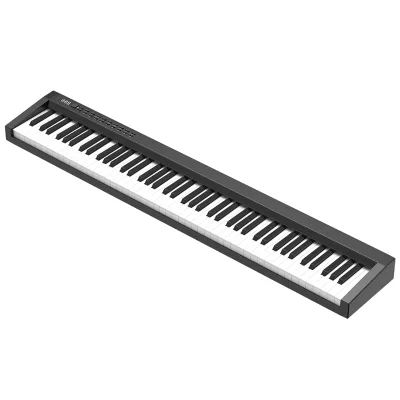
New Arrival 88-Keys Digital Stage Piano
$62.00 - $69.00
Jinjiang Chengfuxing Electronic Technology Co., Ltd.
- Verified by SGS Group
- Manufacturer, Trading Company
- Lead time20 days
- Avg. response≤ 8h
Main productsDigital Piano, Electronic Organ, Instrument Keyboards
Main marketsDomestic Market(35%), North America(25%), South America(10%)
Zhaoqing Haidele Music Instrument Technology Co., Ltd.
- Manufacturer, Trading Company
- Guangdong, China
- Lead time25 days
- Avg. response≤ 3h
Main productsDigital Piano,Electronic Drum,Roll Up Piano,Keyboard Stand,Sustain Pedal
Main marketsNorthern Europe(100.00%), Central America(100.00%), South Asia(100.00%), Domestic Market(100.00%), Mid East(100.00%), Oceania(100.00%), Africa(100.00%), Southeast Asia(100.00%), Eastern Europe(100.00%), South America(100.00%), Southern Europe(100.00%), North America(60.00%), Western Europe(30.00%), Eastern Asia(10.00%)
Jinjiang Jinyue Electronic Technology Co., Ltd.
- Manufacturer, Trading Company
- Fujian, China
- Lead time10 days
- Avg. response≤ 3h
Main productsdigital piano,electric piano,88 keys electronic keyboard,electronic piano
Main marketsDomestic Market(40.00%), North America(11.00%), Southeast Asia(10.00%), South America(9.00%), Western Europe(4.00%), Southern Europe(4.00%), Africa(4.00%), Central America(3.00%), Mid East(3.00%), Northern Europe(3.00%), Eastern Europe(2.00%), South Asia(2.00%), Oceania(2.00%), Eastern Asia(2.00%)
Quanzhou Badu Electronic Technology Co., Ltd.
- Verified by SGS Group
- Manufacturer, Trading Company
- Lead time30 days
- Avg. response≤ 2h
Main productsElectronic Keyboard, Digital Piano
Main marketsSouth America(25%), Eastern Europe(25%), North America(20%)
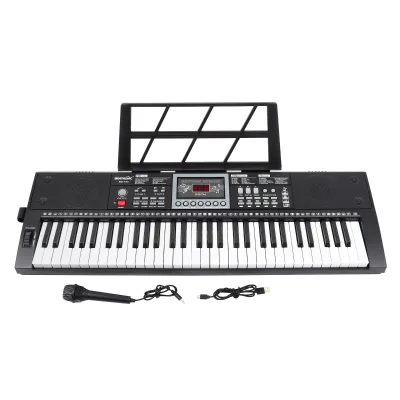
$12.6766 - $13.7829
MOQ: 100 pieces
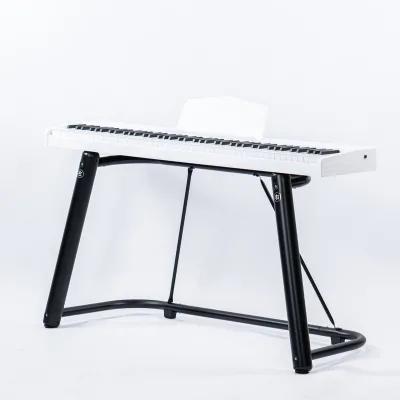
$49.422 - $53.7154
MOQ: 50 pieces

Quanzhou Badu Electronic Technology Co., Ltd.
- Verified by TUVRHEINLAND
- Combined
- China Fujian
- Lead time23 days
- Avg. response≤ 11h
Main productsPiano
Main marketsSouth America


Portable Multi-Function Electronic Keyboard Music Educational Instrument Digital Piano for Wholesale
$8.94 - $11.04
MOQ: 50 Pieces
Hangzhou Aierke Musical Instrument Co., Ltd.
- Verified by TüVRheinland
- Manufacturer, Trading Company
- Lead time45 days
- Avg. response≤ 10h
Main productsElectronic Keyboard, Electronic Piano, Electronic Drum, Amplifier
Main marketsNorth America(51%), Western Europe(20%), Domestic Market(15%)
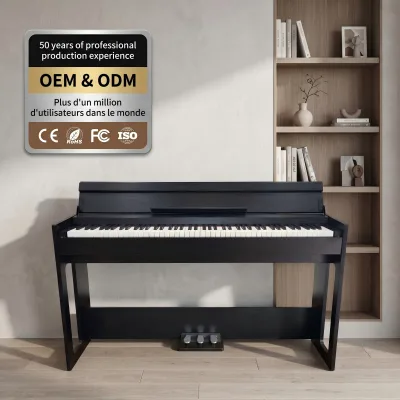
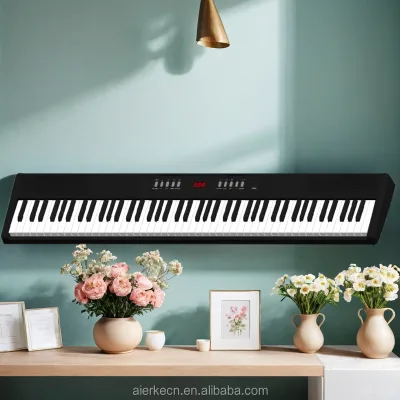
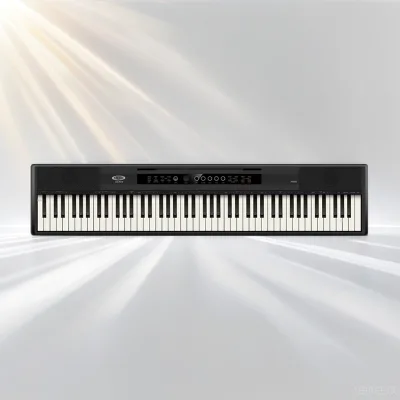
Professional 88-Key Electronic Piano with Sustain Pedal | Power Failure Protection for Home Use
$105.00 - $210.00
MOQ: 1 pieces
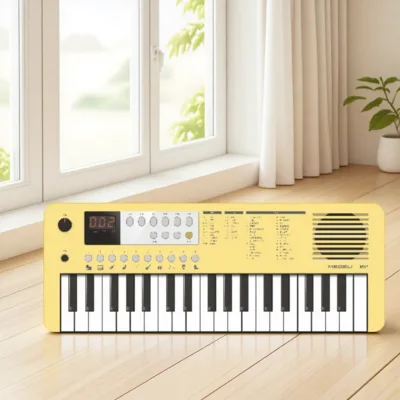
Yellow Portable 37-Key Electronic Piano MK1 with LED Display Screen Plastic Material
$21.6077 - $27.7798
MOQ: 1 pieces

Shenzhen Aide Linna Musical Instrument Co., Ltd.
- Manufacturer, Trading Company
- Guangdong, China
- Lead time15 days
- Avg. response≤ 3h
Main productsacoustic guitar pickup,Guitar speaker,Guitar strings,Guitar pick,Guitar capo
Main marketsDomestic Market(60.00%), South Asia(6.00%), South America(6.00%), Northern Europe(5.00%), Eastern Asia(5.00%), North America(5.00%), Central America(4.00%), Mid East(3.00%), Eastern Europe(3.00%)





Comprehensive Sourcing Guide
Weighted Action Electronic Piano Supplier Concentration and Factory Types
The current supplier landscape for weighted action electronic pianos reveals a distinct geographic concentration in China, specifically within the Fujian province. This region has emerged as a significant hub for musical instrument manufacturing, offering buyers access to a dense network of production facilities. The observed data indicates that suppliers in this area are primarily engaged in the production of digital pianos, electronic organs, and related keyboard instruments. This clustering suggests a mature supply chain ecosystem where specialized components, such as weighted hammer mechanisms and electronic circuitry, are readily available. Buyers evaluating potential partners should recognize that this regional focus can facilitate more efficient communication and logistics, as many manufacturers operate within close proximity to one another. The presence of multiple suppliers in Fujian implies a competitive market environment, which may drive innovation in product design and pricing strategies. However, it is crucial for buyers to verify the specific capabilities of each factory, as the concentration of suppliers does not automatically guarantee uniform quality or service levels across all entities in the region.
Supplier types in this sector vary, with many entities operating as combined entities that function as both manufacturers and trading companies. This dual role can offer flexibility, allowing buyers to access a broader range of products while benefiting from direct factory pricing on certain items. Some suppliers are identified as pure manufacturers, focusing on OEM and ODM services, which is ideal for buyers seeking custom branding or unique product specifications. Others may operate primarily as trading companies, leveraging their network to source products from various factories. The verification status of these suppliers also varies, with some holding third-party verification credentials such as CTI, which can provide an additional layer of confidence regarding their business legitimacy. Buyers should carefully assess whether a supplier’s structure aligns with their specific needs, whether they require direct factory interaction for customization or prefer the convenience of a trading partner who manages multiple product lines. Understanding these distinctions is essential for building a reliable and responsive supply chain for weighted action electronic pianos.
How to Verify Weighted Action Electronic Piano Suppliers
Verifying the credibility and capabilities of Weighted Action Electronic Piano suppliers requires a multi-faceted approach that goes beyond simple profile reviews. One critical step is to examine the supplier’s verification status, as third-party audits can provide valuable insights into their operational integrity. For instance, some suppliers in the current results hold CTI verification, which indicates that an independent agency has assessed their business practices. Buyers should prioritize suppliers with such verifications, as they have undergone rigorous checks regarding their legal status and manufacturing capabilities. Additionally, it is important to review the supplier’s main products and company type to ensure they align with your sourcing goals. A supplier listing electronic digital pianos and electronic drums as main products may have more specialized expertise than one with a broader, less focused inventory. This alignment ensures that the supplier has dedicated resources and experience in the specific niche of weighted action instruments, reducing the risk of quality inconsistencies or production delays.
Another essential aspect of verification is assessing the supplier’s responsiveness and communication efficiency. The response time metric provides a quantitative measure of how quickly a supplier engages with potential buyers, which is a strong indicator of their customer service quality. In the observed data, response times vary, with some suppliers responding within two hours, while others may take slightly longer. A faster response time often correlates with a more proactive and attentive supplier who is eager to build a business relationship. Buyers should also look for clear and detailed product information, including specifications, certifications, and customization options. Suppliers that provide comprehensive data, such as certification details like CQC, CE, and GOST, demonstrate a commitment to transparency and compliance. Furthermore, verifying the supplier’s ability to handle custom orders is crucial, as many buyers require specific branding or feature modifications. By combining verification checks with an evaluation of communication speed and product detail, buyers can significantly reduce the risk of partnering with unreliable suppliers.
What to Compare Across Weighted Action Electronic Piano Suppliers
When evaluating multiple suppliers for weighted action electronic pianos, buyers must systematically compare key operational metrics to identify the most suitable partner. Lead time is a critical factor, as it directly impacts inventory management and order fulfillment speed. In the current results, lead times range from seven to fifteen days, reflecting differences in production capacity and supply chain efficiency. Buyers with urgent requirements should prioritize suppliers with shorter lead times, while those with flexible schedules may opt for suppliers with longer but potentially more stable production cycles. Similarly, the minimum order quantity (MOQ) varies among suppliers, with some requiring as few as twenty units, which is advantageous for smaller buyers or those testing new markets. Comparing MOQs allows buyers to align their orders with their financial capacity and storage capabilities, ensuring that they do not overcommit to inventory that may not sell quickly. This comparison helps in balancing cost efficiency with operational flexibility.
Another vital dimension for comparison is the price range and customization options offered by each supplier. Prices for weighted action electronic pianos in the observed data range from approximately $37 to $320, depending on the model, features, and build quality. Buyers should analyze these prices in conjunction with the product specifications, such as the type of weighted action, key material, and additional features like MP3 players or chord functions. Suppliers offering customization services, such as OEM and ODM, provide opportunities for brand differentiation, which can be a significant competitive advantage. Additionally, comparing the response time of suppliers can reveal their level of engagement and willingness to support buyers throughout the procurement process. A supplier with a quick response time and competitive pricing may offer better overall value, even if their initial quote is slightly higher. By systematically comparing these factors, buyers can make informed decisions that balance cost, quality, and service, ultimately selecting a supplier that best meets their specific business needs.
Common Weighted Action Electronic Piano Sourcing Risks
Sourcing weighted action electronic pianos from international suppliers introduces several risks that buyers must proactively manage to ensure a successful procurement process. One significant risk is the variability in product quality, particularly regarding the weighted action mechanism itself. While many suppliers claim to offer weighted hammer-action keys, the actual feel and responsiveness can differ substantially between models and manufacturers. Buyers may encounter issues where the keys feel too light or too heavy, or where the mechanism lacks durability over time. This risk is exacerbated by the lack of standardized testing protocols across different factories, making it difficult to predict product performance without physical inspection. Additionally, the use of different materials, such as ABS plastic versus non-plastic components, can affect the instrument’s longevity and aesthetic appeal. Buyers must be vigilant in verifying material specifications and requesting samples to assess the tactile experience of the weighted keys before committing to large orders.
Another common risk is the potential for miscommunication regarding customization and certification requirements. Suppliers may offer customization options, but the implementation of specific branding, packaging, or feature modifications can lead to errors if not clearly documented. For instance, a buyer may request a specific plug type or control layout, but the supplier might deliver a product with different specifications due to oversight or misunderstanding. Furthermore, certification compliance is a critical concern, as products must meet the regulatory standards of the destination market. While some suppliers list certifications like CQC, CE, and GOST, buyers must verify that these certifications are valid and applicable to their specific region. Failure to do so can result in customs delays, product recalls, or legal liabilities. Additionally, the risk of supply chain disruptions, such as delays in component sourcing or production bottlenecks, can impact lead times. Buyers should establish clear communication channels and regular check-ins to mitigate these risks and ensure that orders are fulfilled as expected.
Weighted Action Electronic Piano Regional Sourcing and Logistics
The geographic concentration of Weighted Action Electronic Piano suppliers in Fujian, China, offers distinct logistical advantages for international buyers. This region’s established infrastructure for musical instrument manufacturing facilitates efficient production and export processes, reducing the overall time and cost associated with sourcing. Buyers benefit from the proximity of suppliers to major shipping ports, which can streamline the transportation of goods to global destinations. The clustering of factories also enables easier coordination of quality control inspections, as third-party agencies can visit multiple suppliers in a single trip. This efficiency is particularly valuable for buyers managing multiple orders or seeking to consolidate shipments from different suppliers. However, buyers must also consider the potential challenges of regional sourcing, such as the need to navigate local logistics networks and understand export regulations. Establishing strong relationships with local freight forwarders can help mitigate these challenges and ensure smooth transit of goods.
Logistics planning for weighted action electronic pianos requires careful attention to packaging and handling, given the delicate nature of the weighted action mechanisms. Suppliers typically use carton packing, but the robustness of this packaging can vary, impacting the risk of damage during transit. Buyers should verify the packaging standards and dimensions provided by suppliers, as these details are crucial for calculating shipping costs and optimizing container space. For instance, some models have specific dimensions that affect how many units can be loaded into a standard container. Additionally, buyers must consider the weight of the instruments, as heavier models can increase shipping costs and require special handling arrangements. The choice of shipping method, whether by sea or air, will also depend on the urgency of the order and the budget constraints. Sea freight is generally more cost-effective for large orders, while air freight may be necessary for urgent replenishments. By understanding these logistical factors, buyers can optimize their supply chain and minimize unexpected costs associated with international trade.
Weighted Action Electronic Piano Commercial Terms and Order Planning
Effective order planning for weighted action electronic pianos requires a thorough understanding of commercial terms and financial implications. Buyers must carefully review the pricing structures offered by suppliers, which can vary based on order volume, customization requirements, and payment terms. In the observed data, prices range from $37 to $320, reflecting the diversity of products available. Buyers should negotiate for volume discounts where possible, as larger orders often qualify for reduced unit costs. Additionally, understanding the payment terms is crucial for cash flow management. Suppliers may offer various payment options, such as T/T, L/C, or escrow services, each with different levels of security and flexibility. Using escrow services can provide an added layer of protection, ensuring that funds are only released upon satisfactory delivery of the goods. Buyers should also consider the total landed cost, including shipping, insurance, and import duties, to accurately assess the profitability of their sourcing strategy.
Another critical aspect of order planning is managing the minimum order quantity (MOQ) and lead times to align with sales forecasts and inventory needs. Suppliers with lower MOQs, such as twenty units, offer greater flexibility for buyers who are testing new markets or have limited storage space. However, these lower MOQs may come with higher unit prices. Buyers must balance this trade-off based on their specific business model and risk tolerance. Additionally, lead times of seven to fifteen days require careful scheduling to ensure that products arrive in time for peak selling seasons. Buyers should establish a clear timeline for order placement, production, and shipping, allowing for buffer periods to handle potential delays. Regular communication with suppliers regarding production status can help identify and resolve issues early, preventing disruptions to the supply chain. By integrating these commercial considerations into their order planning, buyers can optimize their procurement process and enhance their competitive position in the market.
FAQs
What is the price range for weighted action electronic pianos?
Prices for weighted action electronic pianos typically range from $37 to $320 per unit. The lowest cost options are portable models, while professional-grade instruments with weighted keys and additional features command higher prices. Buyers should verify specific pricing based on the selected model and order quantity.
What certifications are available for these electronic pianos?
Most weighted action electronic pianos listed carry CQC, CE, and GOST certifications. Some suppliers also offer EAC system certification. These certifications ensure compliance with regional safety and quality standards. Buyers should confirm specific certification requirements with suppliers before placing orders to ensure market acceptance.
What is the typical lead time for manufacturing?
Manufacturing lead times for weighted action electronic pianos vary between 7 and 15 days. Faster production is available from some suppliers, while others may require additional time for complex orders. Buyers should confirm exact lead times with suppliers, as production schedules can fluctuate based on order volume and customization needs.
What is the minimum order quantity for these instruments?
The minimum order quantity for weighted action electronic pianos is typically 20 units. This MOQ applies to standard models and may vary for customized configurations. Buyers should verify the specific MOQ with suppliers, as bulk orders might qualify for different terms or pricing structures depending on the manufacturer.
Where are these electronic pianos manufactured?
Weighted action electronic pianos are primarily manufactured in Fujian, China. This region is a known hub for musical instrument production, offering established supply chains and manufacturing expertise. Buyers sourcing from this location can expect access to a wide variety of models and competitive pricing structures.
What response times can buyers expect from suppliers?
Suppliers typically respond to inquiries within 2 to 2.02 hours. This rapid response time facilitates efficient communication regarding product specifications, pricing, and order details. Buyers can expect timely updates on their sourcing requests, enabling quicker decision-making and smoother transaction processes throughout the procurement cycle.