Weight Loss Massage Belt Suppliers and Manufacturers
Source 28 verified Weight Loss Massage Belt suppliers from China. Compare lead times, MOQs, certifications, and response rates to find the right partner. Contact suppliers directly to request quotes and samples; review the available evidence before requesting comparable quotations from suitable candidates.
Suppliers List
Chenfeng Future (Fu'an) Technology Co., Ltd.
- Verified by SGS
- Manufacturer
- China Fujian
- Lead time15 days
- Avg. response≤ 14h
Main productsMassage Pillow, Massage Shawl, Massage Cushion, Massage Mattress
Fu'an Faercon Electronics Limited
- Manufacturer, Trading Company
- Fujian, China
- Lead time30 days
- Avg. response≤ 3h
Main productsMassage pillows,Massage cushion,Massage Belt,Massage Chair,Foot Massager
Main marketsDomestic Market(30.0%), Southeast Asia(23.0%), Mid East(10.0%), Western Europe(10.0%), North America(6.0%), Eastern Europe(5.0%), Eastern Asia(3.0%), Southern Europe(3.0%), South America(2.0%), South Asia(2.0%), Central America(2.0%), Oceania(2.0%), Africa(1.0%), Northern Europe(1.0%)
Shenzhen Chalk Art Tech Co., Ltd.
- Verified by TüVRheinland
- Trading Company
- Lead time15 days
Main productsMassage Gun, Neck And Shoulder Massager, Knee Massager, Foot Massager, Electric Body Massager
Main marketsNorth America(30%), Western Europe(20%), Southern Europe(15%)

Xiamen Morrow Sun Technology Co., Ltd.
- Verified by BV
- Manufacturer/Factory
- China Fujian
- Lead time23 days
- Avg. response≤ 4h
Main productsMassage Chair, Massage Pillow, Massage Cushion, Shoulder Massager, Massage Sticker, Foot Massager, Foot SPA
Main marketsSouth America,Eastern Europe,Mid East,North America,Southeast Asia,Eastern Asia,Oceania,Western Europe,Africa

$14.50 - $15.00
MOQ: 1000 Pieces

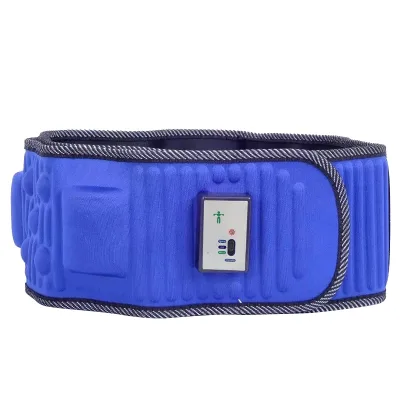
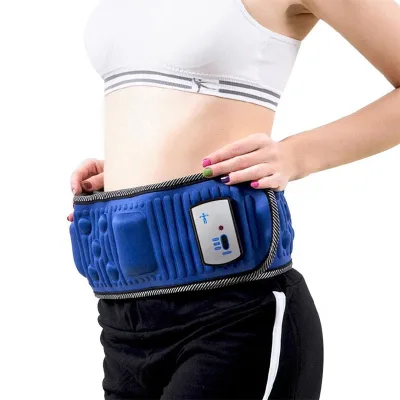
Electric Vibration Heat Body Waist Fat Burning Lose Weight Slimming Waterproof Massage Belt
$7.00 - $7.50
MOQ: 1000 Pieces


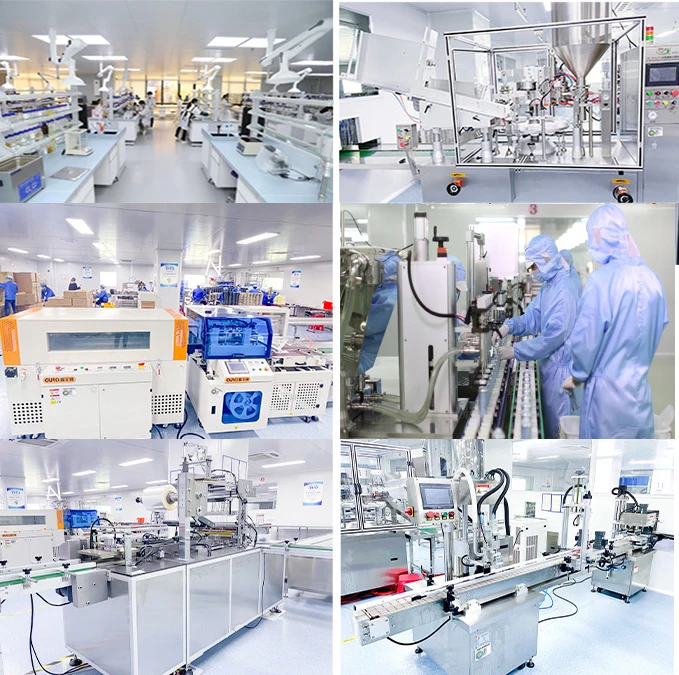
Guangzhou Joyslim Electronic Technology Co., Ltd.
- Manufacturer
- Guangdong, China
- Lead time10 days
- Avg. response≤ 7h
Main productsfar infrared sauna blanket,far infrared massager belt,far infrared leg massager,far infrared sauna suits,eye massager
Main marketsNorth America(40.0%), Eastern Europe(20.0%), Western Europe(20.0%), Northern Europe(10.0%), Domestic Market(1.0%), South Asia(1.0%), Southern Europe(1.0%), Southeast Asia(1.0%), Central America(1.0%), South America(1.0%), Eastern Asia(1.0%), Mid East(1.0%), Oceania(1.0%), Africa(1.0%)

Hubei YJT Intelligent Technology Group Co., Ltd.
- Verified by SGS
- Combined
- China Hubei
- Lead time15 days
- Avg. response≤ 1h
Main productsLaser Treatment Instrument, Physiotherapy Rehabilitation, Medical Laser Physical Therapy, Rehabilitation Therapy Equipment, Low Level Laser Therapy, Home Healthcare, Laser Acupuncture, Cold Laser Treatment Instrument, Health Care, Health Care Cold Laser Therapeutic
Main marketsSoutheast Asia/ Mideast,East Asia(Japan/ South Korea),Domestic,Europe,Australia,North America
Zhengzhou Funxi Health Technology Co., Ltd.
- Verified by Intertek
- Trading Company
- Lead time15 days
- Avg. response≤ 3h
Main productsBody Massager, Hydrogen Machine & Bottle, Foot Massager, Cupping Massager, Beauty & Personal Care Device
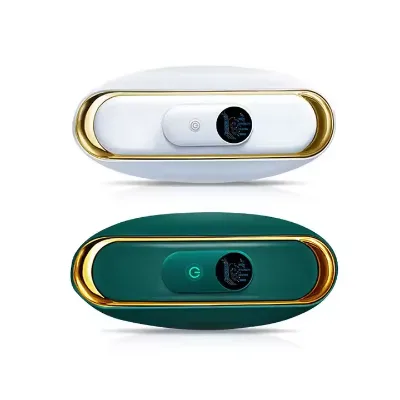
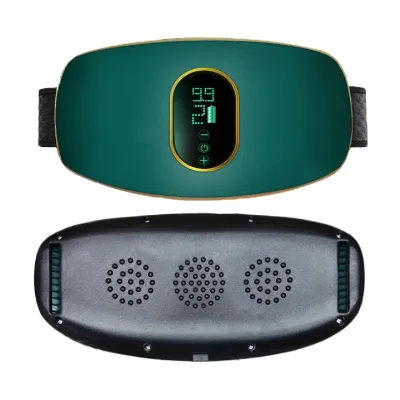
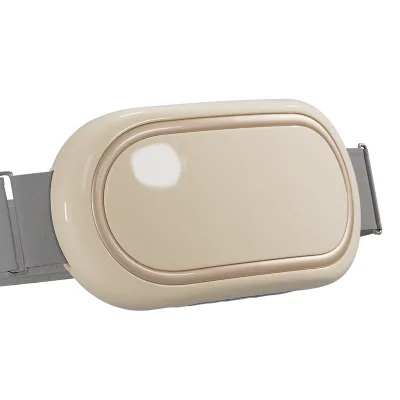
Good Price Waist Infrared Massager Electric Massage Vibrating Slim Belly Fat Burner Device
$3.08 - $6.16
MOQ: 10 Minimum
Shenzhen Simcos Technology Co., Ltd.
- Verified by SGS
- Combined
- China Guangdong
- Lead time30 days
- Avg. response≤ 4h
Main productsRed Light Therapy, Heated Gloves, Heated Socks, Infrared Light Therapy, Heated Insoles, Heated Jacket, Heated Vest, Red Light Therapy Panel
Main marketsEurope,North America


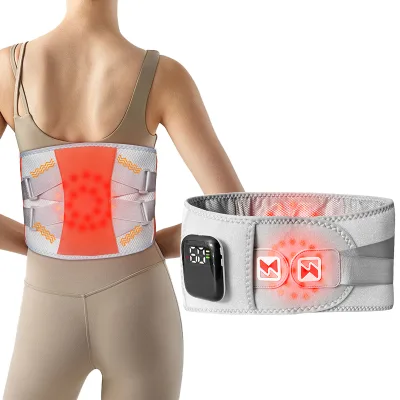
Infrared Red Light Therapy Waist Belt Weight Loss Body Pain Recovery Red Light Therapy Belt
$23.30 - $27.00
MOQ: 1 Pieces


- Trading Company
- Fujian, China
- Lead time25 days
- Avg. response≤ 2h
Main productsneck massager,foot massager,massage pillow,massage cushion,massage gun
Main marketsSoutheast Asia(30.0%), North America(30.0%), Domestic Market(20.0%), South America(10.0%), Mid East(10.0%)

Monica Technology (Shenzhen) Co., Ltd.
- Verified by SGS
- Trading Company
- China Guangdong
- Lead time30 days
- Avg. response≤ 21h
Main productsPet Product, Pet Water Dispenser, Sports Repair Products, Beauty Equipment, Pet Daily Necessities, Tens Products, Outdoor Sports Products, Phototherapy Beauty Products, Work out Repair Products, Phototherapy Sports Rehabilitation Products
Main marketsEast Asia(Japan/ South Korea)
Shenzhen Foyoga Technology Co., Ltd.
- Manufacturer, Trading Company, Distributor/Wholesaler
- Guangdong, China
- Lead time15 days
- Avg. response≤ 3h
Main productsMassager,Tens unit,Therapy product,Muscle stimulator,Health care product
Main marketsDomestic Market(16.0%), North America(10.0%), Eastern Europe(10.0%), Northern Europe(10.0%), South America(8.0%), Eastern Asia(7.000000000000001%), South Asia(6.0%), Africa(6.0%), Southeast Asia(5.0%), Southern Europe(5.0%), Mid East(5.0%), Central America(5.0%), Western Europe(5.0%), Oceania(2.0%)
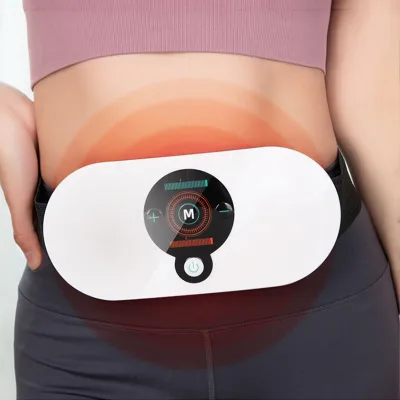
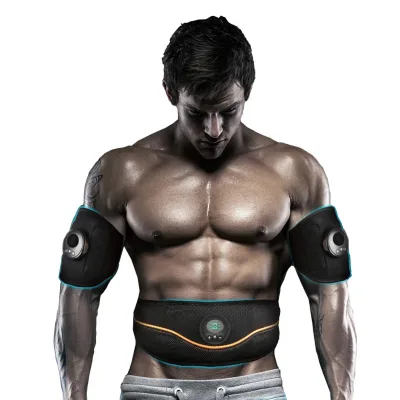
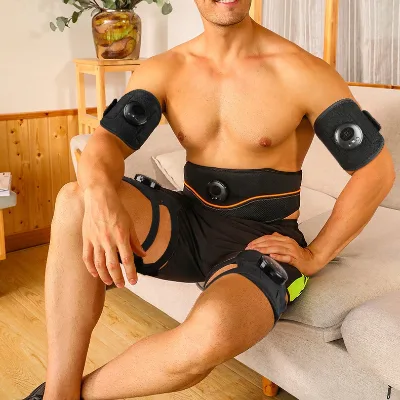
Abdominal Belt Weight Loss Massager Machine for Men and Women Body Application
$12.26 - $50.08
MOQ: 1 Minimum
$10.00 - $29.00
MOQ: 1 pieces
Dongguan Xi Li Jian Technology Co., Ltd.
- Verified by SGS Group
- Manufacturer, Trading Company
- Lead time30 days
- Avg. response≤ 3h
Main productsFoot Massager, Shoulder Massager, Waist Massager, Red Light Therapy Belt, Heating Pad
Main marketsNorth America(25%), Western Europe(15%), Mid East(10%)
Shenzhen Cresolar Technology Co., Ltd.
- Verified by Intertek
- Trading Company
- Lead time7 days
- Avg. response≤ 2h
Main productsMassage Gun, Head Massager, Neck Massager, Eye Massager
Main marketsNorth America(50%), Southeast Asia(20%), Western Europe(15%)

Ningde Crius Electronic Co., Ltd.
- Verified by TUVRHEINLAND
- Combined
- China Fujian
- Lead time30 days
- Avg. response≤ 4h
Main productsMassage Chair, Jade Massage Bed, Massage Pillow, Tourmaline Bracelet, Foot Massager, Jade Mattress, Massage Cushion, Massage Belt, Eye Massager, Neck and Shoulder Massager
Main marketsAustralia


Slimming Massage Belt Electric Women Slimming Belt with Heating Function
$6.00 - $22.00
MOQ: 300 Pieces

Shenzhen Wayestar Technology Co., Ltd.
- Manufacturer, Trading Company
- Guangdong, China
- Lead time7 days
- Avg. response≤ 2h
Main productsFacial Roller,Gua Sha,red light therapy,led face mask,ice globes
Main marketsNorth America(40.0%), Domestic Market(20.0%), South Asia(10.0%), Western Europe(10.0%), Eastern Europe(5.0%), Africa(5.0%), Southeast Asia(5.0%), Eastern Asia(5.0%)
Huizhou Youmay Medical Equipment Co., Ltd.
- Manufacturer, Trading Company
- Guangdong, China
- Lead time15 days
- Avg. response≤ 12h
Main productsMassage Gun
Main marketsNorth America(60.0%), Western Europe(30.0%), Eastern Asia(10.0%)
Shenzhen Shi Yikang Hi-Technology Co., Ltd.
- Manufacturer
- Guangdong, China
- Lead time25 days
- Avg. response≤ 1h
Main productsMassager,Beauty Product,EMS,Head massage,Compression massager
Main marketsEastern Asia(11.1%), Eastern Europe(10.8%), North America(10.5%), Southeast Asia(10.3%), South America(10.2%), Central America(9.8%), Domestic Market(6.800000000000001%), Northern Europe(5.8%), Mid East(5.6%), Africa(5.1%), Western Europe(4.7%), Southern Europe(4.2%), South Asia(2.6%), Oceania(2.5%)
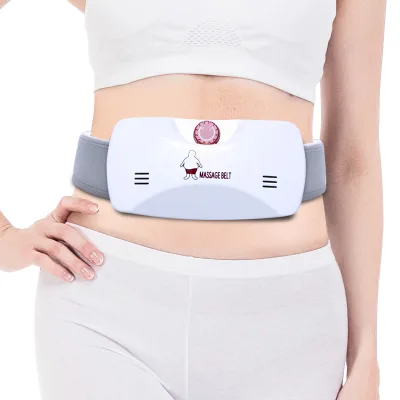
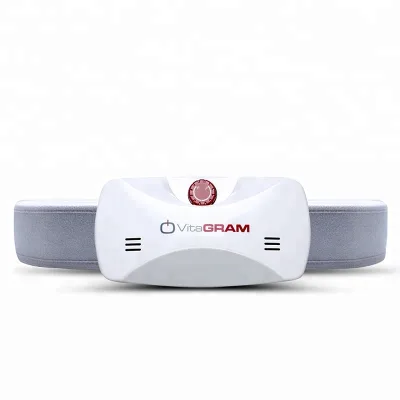
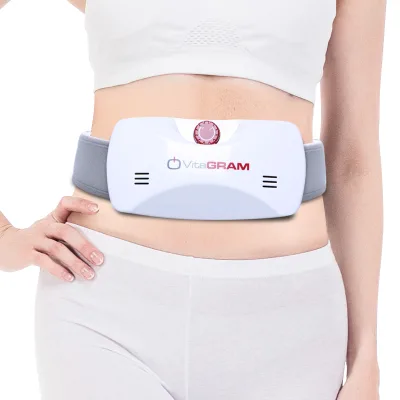
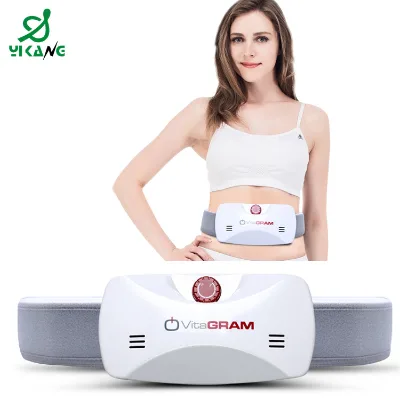
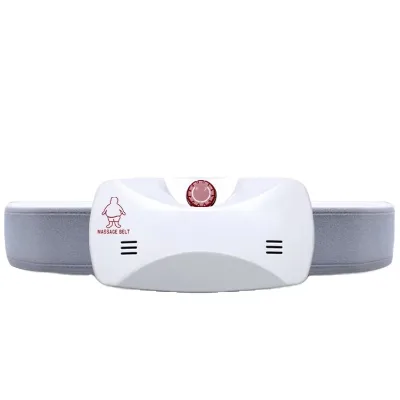
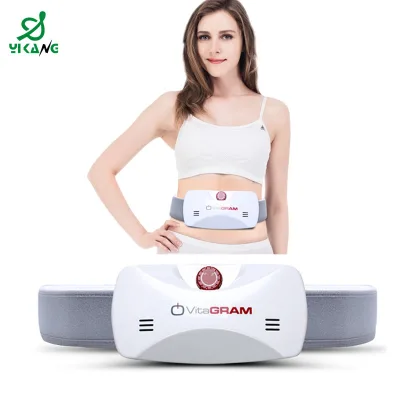
Weight Loss Abdominal Massage Machine Adjustable Muscle Toning Waist Belt Electrion
$15.90 - $19.90
MOQ: 2 pieces

Shenzhen Pentasmart Technology Co., Ltd
- Verified by TUVRHEINLAND
- Combined
- China Guangdong
- Lead time30 days
- Avg. response≤ 2h
Main productsNeck Massager, Knee Massager, Massage Gun, Lumbar Massager, Head Massager, Massage Cushion, Mini Massager, Foot Massager, Eye Massager, Back Massager
Main marketsSoutheast Asia/ Mideast,East Asia(Japan/ South Korea),Domestic,Europe,North America

Factory Direct Sale Menstrual Pain Massage Relief Weight Loss Waist Belt with Slimming Price
$20.57 - $24.20
MOQ: 2 Pieces

Factory Direct Sale Menstrual Pain Relief Weight Loss Massage Belt with Health Curing Massager
$20.57 - $24.20
MOQ: 2 Pieces

Menstrual Pain Relief Waist Belt Massager with Weight Loss Air Pressure Kneading Massager
$20.57 - $24.20
MOQ: 2 Pieces

2023 New Intelligent Abdomen Massager Belt Abdomen and Back Massager Pain Relief
$20.57 - $24.20
MOQ: 2 Pieces

$20.57 - $24.20
MOQ: 2 Pieces
Shenzhen Dahao E-Commerce Co., Ltd.
- Trading Company
- Guangdong, China
- Lead time0 days
- Avg. response≤ 5h
Main productsMassager Product,Home Use Beauty Equipment
Main marketsNorth America(50.0%), Western Europe(30.0%), Oceania(10.0%), Mid East(5.0%), Eastern Asia(5.0%)
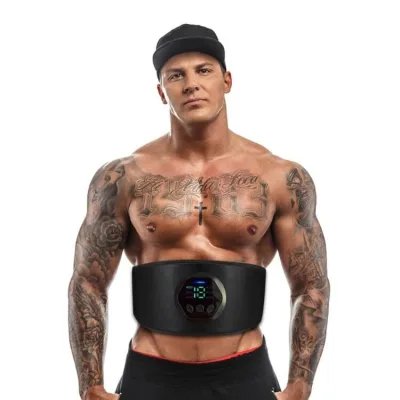
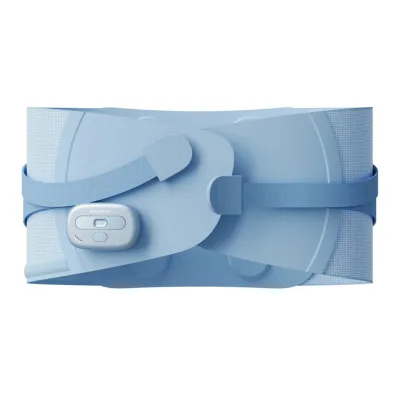
$24.36 - $28.08
MOQ: 5 pieces
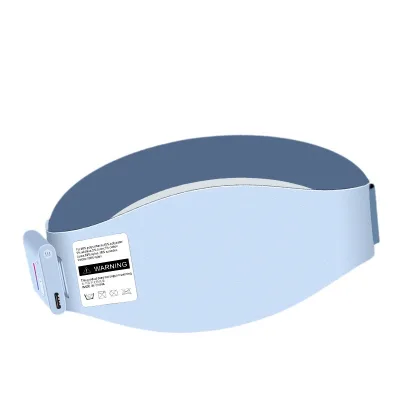
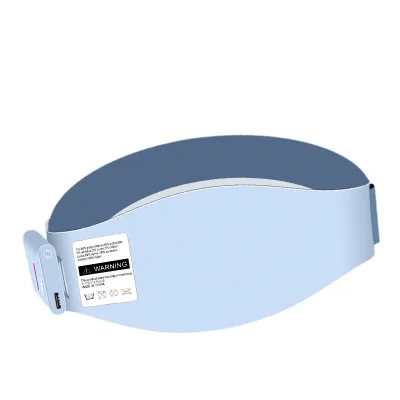
Heating Electric Abdominal Muscle Belly Fat Burning Rechargeable Massage Slimming Belt Vibrating
$16.85 - $19.30
MOQ: 5 pieces
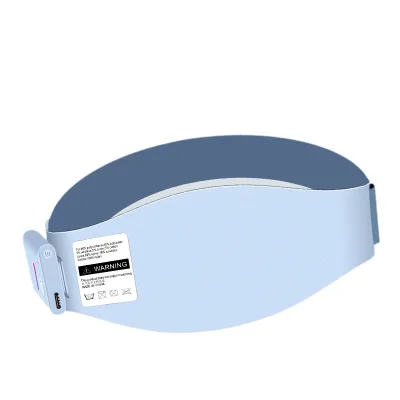
- Verified by TüVRheinland
- Trading Company
- Zhejiang, China
- Lead time30 days
- Avg. response≤ 2h
Main productsPilates Reformers, Treadmill, Exercise Bike, Dumbbell, Massage Guns
Main marketsNorth America(30%), South America(20%), Mid East(15%)
- Verified by TüVRheinland
- Trading Company
- Lead time20 days
- Avg. response≤ 1h
Main productsPilates Reformers, Treadmill, Exercise Bike, Dumbbell, Massage Guns
Main marketsWestern Europe(20%), North America(18%), Domestic Market(15%)
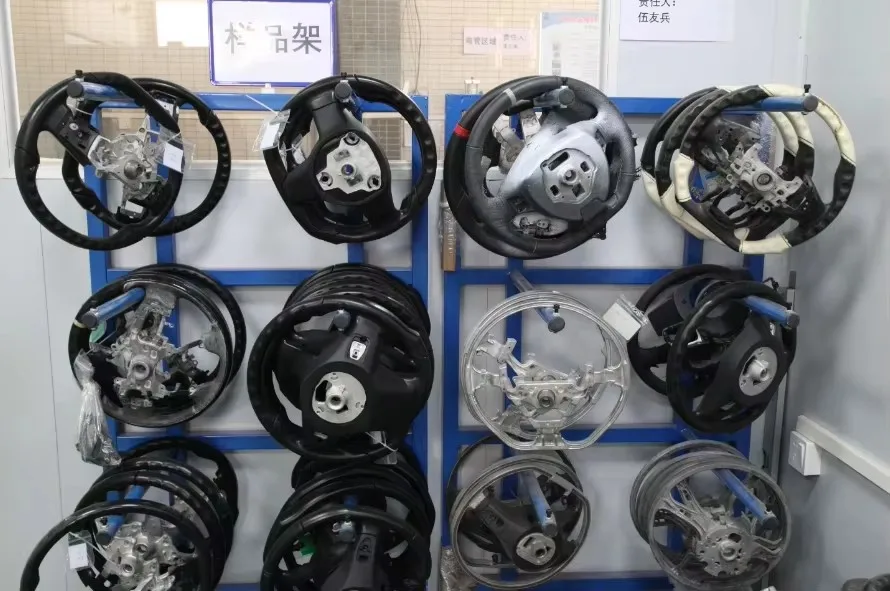
Shenzhen Qingying Technology Co., Ltd.
- Manufacturer
- Guangdong, China
- Lead time0 days
- Avg. response≤ 3h
Main productsCar steering wheel,Car spoiler,Car exterior accessories,Tens massager,Eye massager
Main marketsNorth America(25.0%), Western Europe(20.0%), South America(15.0%), Southeast Asia(15.0%), Eastern Asia(15.0%), Mid East(5.0%), Eastern Europe(5.0%)
Shenzhen Youmei Electronics Co., Ltd.
- Manufacturer, Trading Company
- Lead time旺季: "1 - 1000":15,"> 1000":"To be negotiated", 淡季: "1 - 1000":15,"> 1000":"To be negotiated"
- Avg. response≤ 10h
Main productsMassage Gun,High speed hair dryer,Health care,Fitness Accessories,Home Use Beauty Equipment
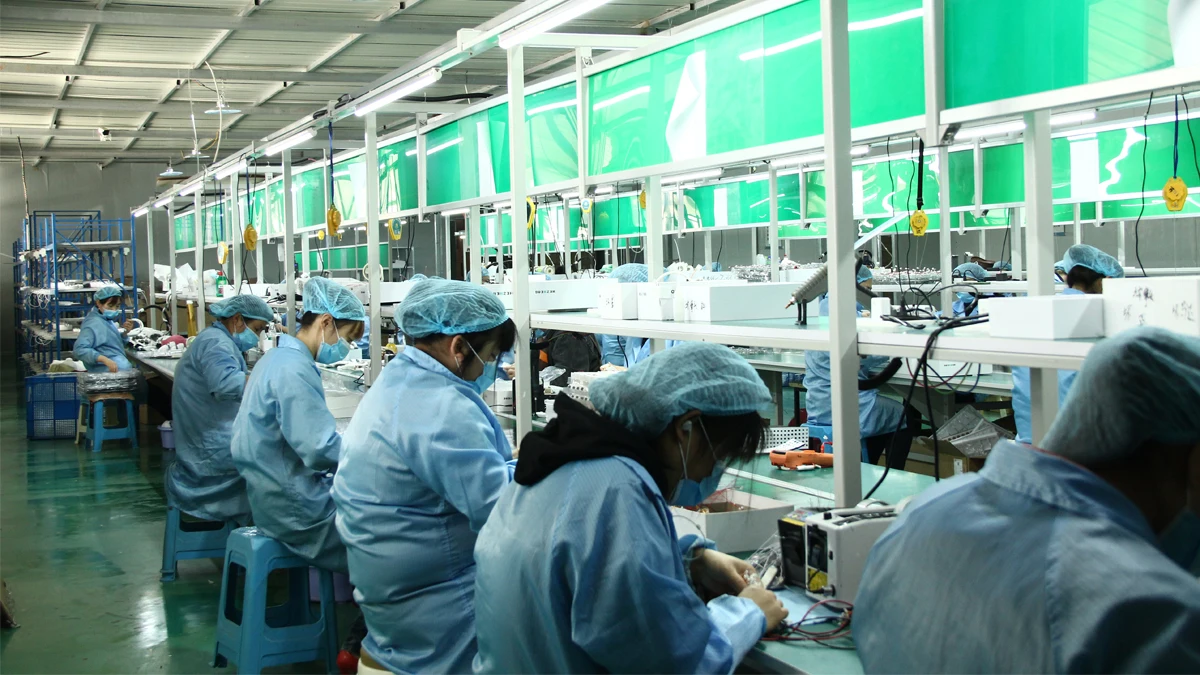
Hefei Hezheng Medical Technology Co., Ltd.
- Manufacturer, Trading Company
- Anhui, China
- Lead time25 days
- Avg. response≤ 3h
Main productsHead Massager, Neck Massager, Eye Massager, Knee Massager, Waist Massager
Main marketsDomestic Market(50.0%), Eastern Asia(25.0%), Eastern Europe(20.0%), Mid East(3.0%), North America(2.0%)
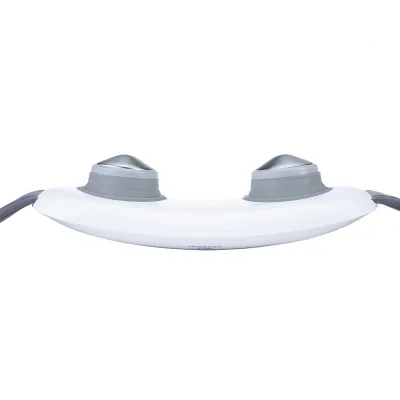
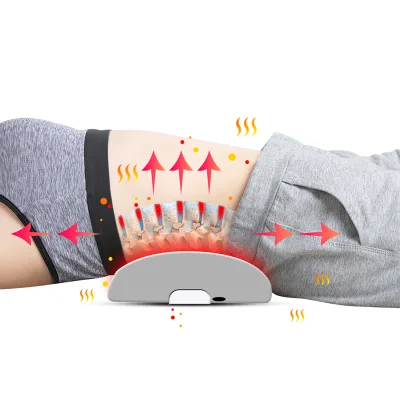
Cordless Pain Relief Hot Compress Vibration Waist Massage Belt Red Light Therapy
$25.73 - $31.90
MOQ: 5 pieces
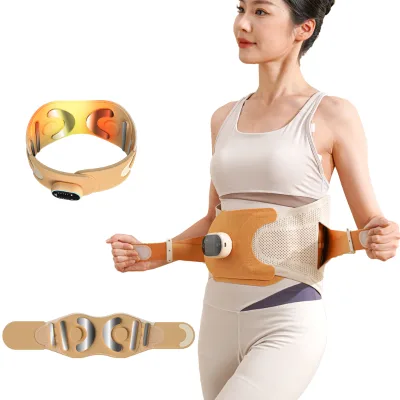
$36.18 - $44.84
MOQ: 100 pieces
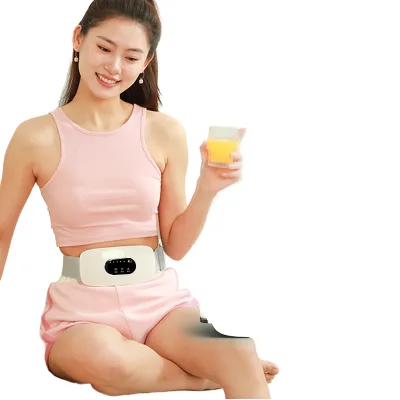
Men's Waist Slimming Belly Belt with Lumbar Massage Abdominal Back Massager Therapy Machine
$19.40 - $23.49
MOQ: 5 pieces
Wuhan Evergreen Electronic Technology Co., Ltd.
- Trading Company
- Hubei, China
- Lead time20 days
- Avg. response≤ 4h
Main productstens massager,neck massager,foot massager,scalp massager,body massager
Main marketsWestern Europe(24.0%), North America(20.0%), South America(10.0%), Eastern Europe(10.0%), Southeast Asia(8.0%), Mid East(7.000000000000001%), Oceania(6.0%), Africa(5.0%), Eastern Asia(5.0%), South Asia(2.0%), Northern Europe(2.0%), Southern Europe(1.0%)

Shenzhen Guangtong Precision Industry Co., Ltd.
- Manufacturer, Trading Company
- Guangdong, China
- Lead time0 days
- Avg. response≤ 5h
Main productsMassage Mat,Massage Cushion,Massage Gun,Massage Pillow,Massager
Main marketsEastern Asia(20.0%), North America(20.0%), Africa(10.0%), Western Europe(10.0%), South America(10.0%), Southern Europe(5.0%), South Asia(5.0%), Eastern Europe(5.0%), Northern Europe(5.0%), Oceania(5.0%), Central America(2.0%), Mid East(2.0%), Southeast Asia(1.0%)

Qingdao Aost Medical Manufacture Co., Ltd.
- Verified by TUVRHEINLAND
- Manufacturer/Factory
- China Shandong
- Lead time23 days
- Avg. response≤ 11h
Main productsBlood Lancet, Crepe Bandage, Alcohol Swab, Urine Bag, Gauze Swab, Endotracheal Tube, Oxygen Mask, Spinal Needle, Surgical Face Mask, Syringe
Main marketsSouth America,Eastern Europe,Mid East,North America,Southeast Asia,Eastern Asia,Oceania,Western Europe,Africa


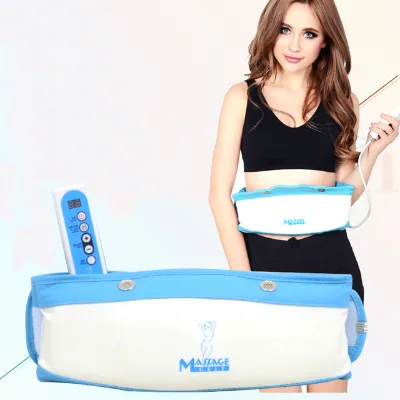
Heating Shoulder and Neck Massage Belt
Contact supplier

Shenzhen Shanglaite Electronic Technology Co., Ltd
- Verified by SGS
- Combined
- China Guangdong
- Lead time15 days
- Avg. response≤ 14h
Main productsRed Light Therapy, Full Body Red Light Therapy Panel, Red Light Capsule, Red Light Therapy Pod, Red Light Therapy Bed
Main marketsEurope,Australia,North America






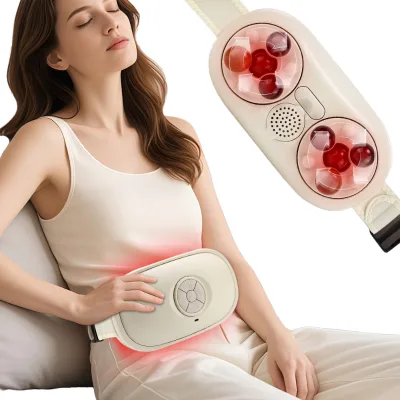
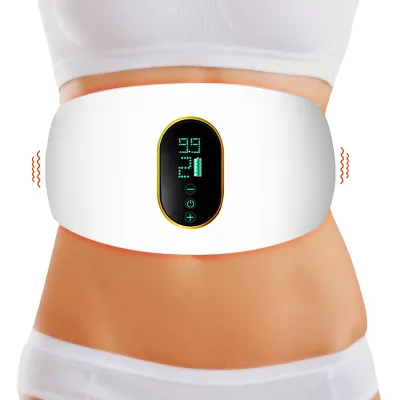
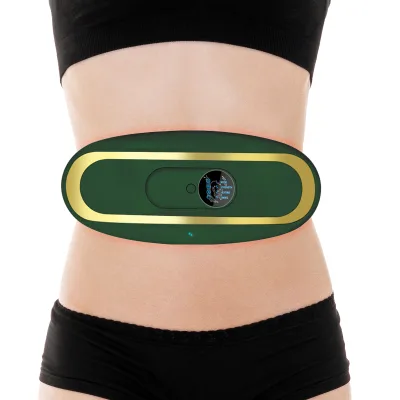
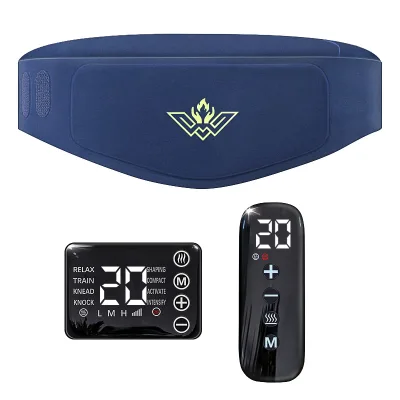
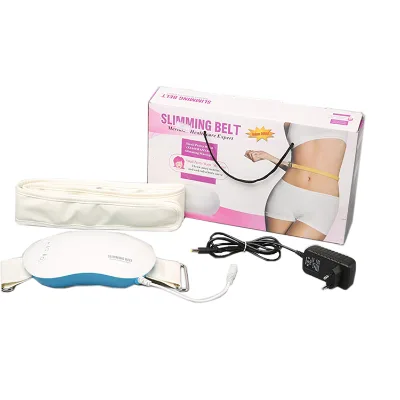
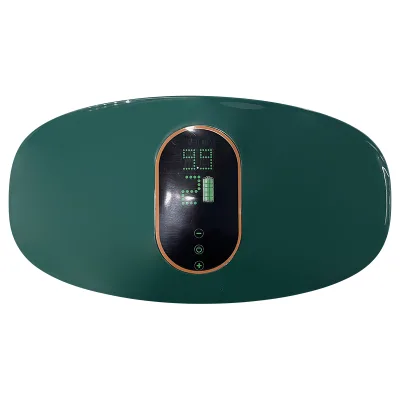
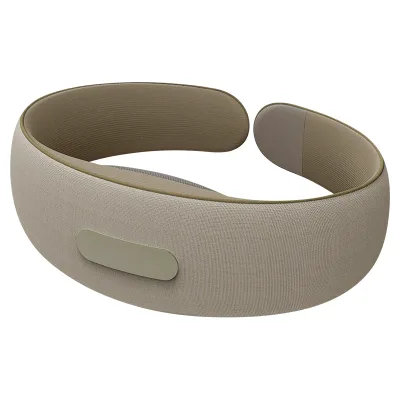
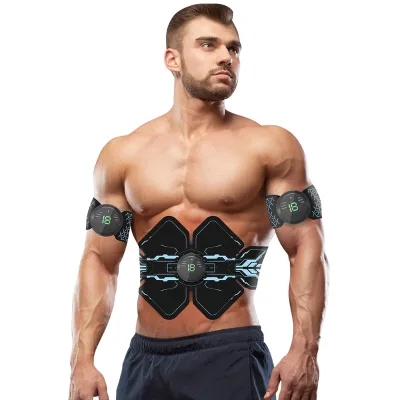
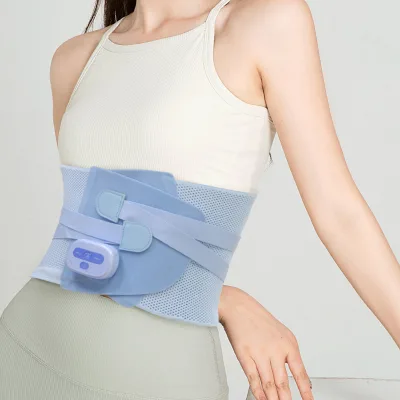
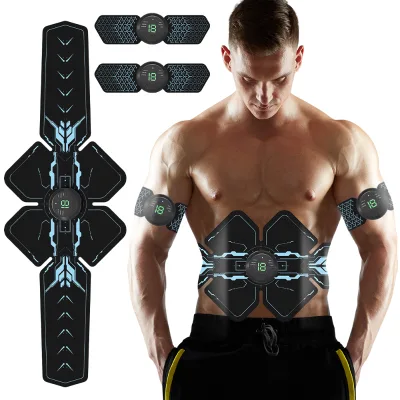
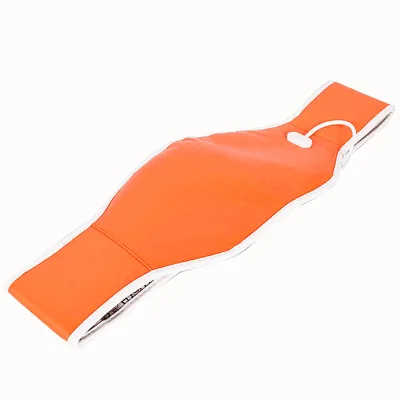
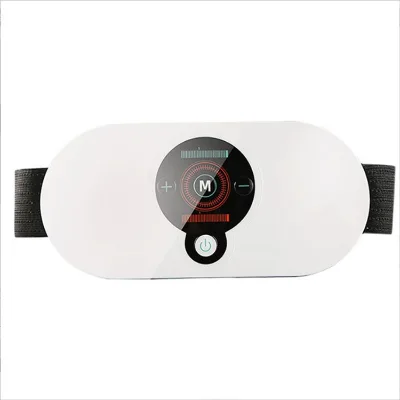
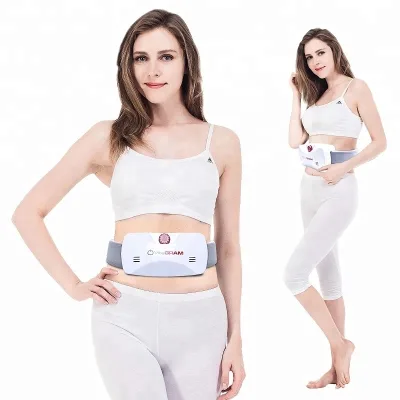


Comprehensive Sourcing Guide
Weight Loss Massage Belt Supplier Concentration and Factory Types
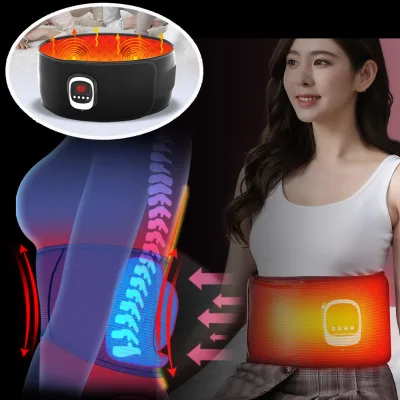
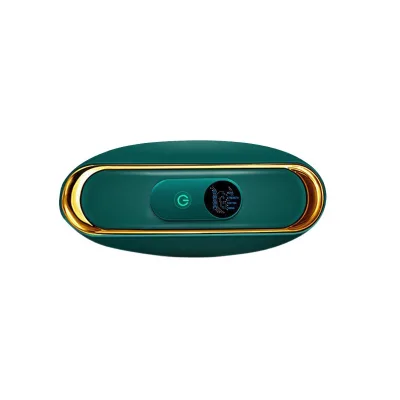
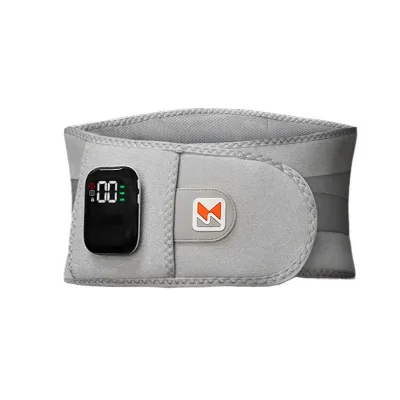
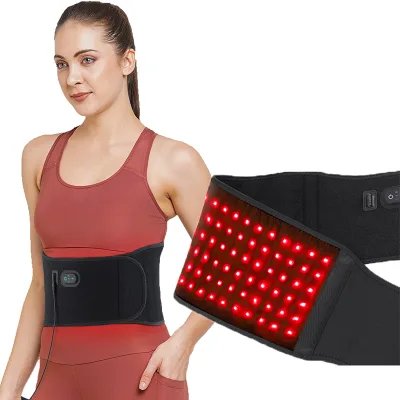
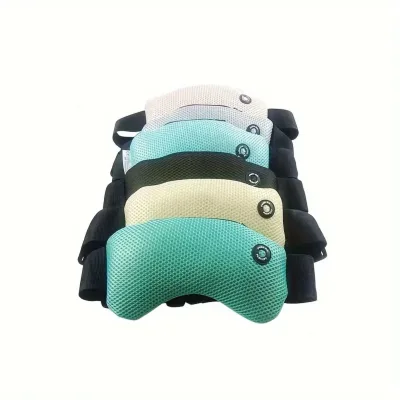
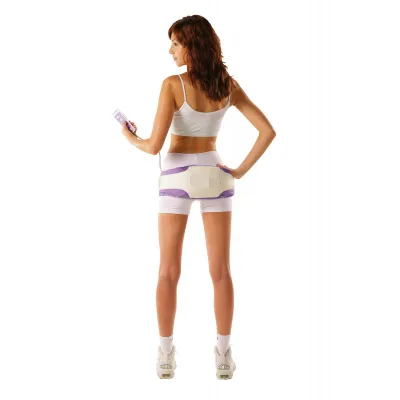
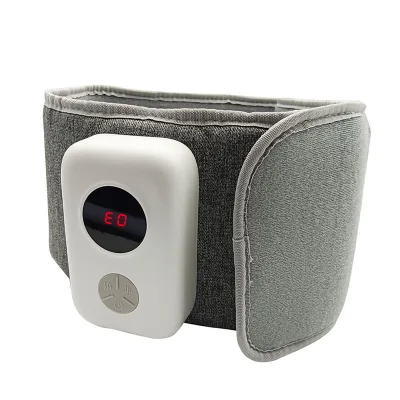
The current supplier landscape for weight loss massage belts shows a distinct concentration in Fujian, China, where multiple manufacturers and trading companies operate. This region serves as a primary hub for producing items such as massage pillows, cushions, and specialized belts featuring heating and vibration technologies. Buyers observing results from this area will frequently encounter suppliers listing their main products as massage belts alongside related health care devices like foot massagers and neck massagers. The presence of both manufacturers and trading companies in this cluster indicates a mature supply chain capable of handling diverse order requirements, from direct factory production to consolidated sourcing.
When evaluating the factory types within this concentration, it is essential to distinguish between pure manufacturers and hybrid entities. Some suppliers in the results are identified strictly as manufacturers, while others operate as trading companies or a combination of both. This distinction impacts the buyer's ability to verify production capabilities directly. For instance, a manufacturer might offer OEM customization and in-house R&D for features like vibration levels or heating controls, whereas a trading company may focus on sourcing from various factories to offer a broader catalog. Buyers should verify the specific company type listed in the supplier profile to understand the depth of their involvement in the manufacturing process and their capacity to handle custom orders.
How to Verify Weight Loss Massage Belt Suppliers
Verification of suppliers for weight loss massage belts relies heavily on third-party audit reports and specific credential checks rather than self-declared claims. In the current results, certain suppliers display verification badges from recognized bodies such as SGS or TÜV Rheinland, which serve as concrete evidence of their operational standards. These certifications often cover critical aspects like product safety, electrical compliance, and quality management systems. Buyers should prioritize suppliers with these visible verification marks, as they indicate that an independent party has assessed the supplier's facilities and processes. It is crucial to note that not every supplier in the search results will display these specific credentials, and the absence of a badge does not automatically disqualify a vendor but requires further due diligence.
Beyond third-party verification, buyers must scrutinize the specific product attributes and certifications listed in the supplier's catalog to ensure compliance with international standards. Some suppliers in the results list comprehensive system certifications including WEEE, RoHS, EMC, LVD, CE, and FCC, which are vital for electronic massage devices sold in global markets. These certifications confirm that the products meet specific environmental and safety regulations regarding electrical components and hazardous substances. When a supplier claims these standards, buyers should request the actual certificate documents to validate the claims. Additionally, checking for response times and verification status helps gauge the supplier's reliability and transparency, ensuring that the communication channel is active and the supplier is willing to engage in a professional procurement process.
What to Compare Across Weight Loss Massage Belt Suppliers
Comparing suppliers requires a systematic analysis of key operational metrics such as lead time, minimum order quantity, and response speed to determine the best fit for specific project needs. The data indicates significant variation in lead times, with some suppliers offering a 15-day turnaround while others require up to 30 days. Similarly, minimum order quantities range widely, with some suppliers accepting orders as low as one unit, while others enforce a minimum of 50 units. Response times also differ, with some suppliers responding within three hours and others taking over thirteen hours. Buyers must align these operational constraints with their inventory planning and budget to avoid delays or excessive capital tie-up.
In addition to logistical metrics, buyers should compare the specific product features and customization capabilities offered by different suppliers. The results show diverse product attributes, including varying massage methods like backward massage or kneading, and different heating levels or vibration gears. Some suppliers support OEM and ODM services, allowing for custom branding and design modifications, while others may offer limited customization options. Price ranges also fluctuate based on these features, with some products listed between $4.35 and $6.35, while others range from $21.51 to $28.00. Evaluating these product-specific details alongside the commercial terms ensures that the selected supplier can deliver a product that meets both functional requirements and cost targets without compromising on quality or delivery schedules.
Common Weight Loss Massage Belt Sourcing Risks
One significant risk in sourcing weight loss massage belts involves the discrepancy between claimed product functions and actual performance capabilities. Suppliers may advertise features such as "fat burning" or "pain relief," but the technical specifications often reveal the actual mechanisms, such as vibration motors or heating elements, which may not deliver the marketed health benefits. Buyers must carefully review the product attributes, such as battery capacity, rated power, and massage area, to understand the true functionality. Relying solely on marketing keywords without verifying the technical data can lead to receiving products that do not meet customer expectations or regulatory requirements for medical or therapeutic claims.
Another critical risk is the inconsistency in after-sales support and warranty provisions across different suppliers. While some suppliers explicitly state a one-year warranty and offer free spare parts, others may provide only online technical support or no clear warranty terms. This variation can lead to significant challenges if the electronic components, such as batteries or motors, fail after the initial sale. Buyers should verify the specific after-sale service details listed in the product attributes, such as the availability of spare parts or the duration of the warranty. Failing to clarify these terms before placing an order can result in additional costs and logistical headaches when addressing product defects or maintenance needs in the target market.
Weight Loss Massage Belt Regional Sourcing and Logistics
Sourcing from the identified cluster in Fujian, China, offers logistical advantages due to the region's established infrastructure for manufacturing and exporting electronic health devices. The concentration of suppliers in this area facilitates efficient coordination for production and shipping, as many factories are located near major ports and logistics hubs. Buyers sourcing from this region can expect streamlined communication and potentially faster transit times compared to sourcing from more remote locations. However, the specific location of the factory, whether in Fujian or Guangdong, can influence shipping costs and delivery schedules, so buyers should confirm the exact place of origin for each product to optimize their logistics strategy.
When planning logistics, buyers must account for the varying product weights and packaging dimensions that affect shipping costs and container utilization. The results show products with different gross weights, ranging from 0.45 kg to 2.00 kg, and varying package sizes, such as 40x20x20 cm or 27x11x70 cm. These differences impact the number of units that can be shipped per container and the overall freight charges. Buyers should calculate the total landed cost by considering these physical attributes alongside the unit price and shipping fees. Additionally, understanding the specific packaging standards, such as color boxes or kraft-paper boxes, is essential for ensuring the products arrive in good condition and meet retail presentation requirements in the destination market.
Weight Loss Massage Belt Commercial Terms and Order Planning
Commercial terms for weight loss massage belts vary significantly based on the supplier's capacity and the specific product configuration. Buyers should carefully review the pricing structures, which can range from as low as $4.35 to over $28.00 per unit, depending on features like heating levels, vibration gears, and customization options. The minimum order quantity is another critical factor, with some suppliers requiring a minimum of 50 units while others accept single-item orders. Understanding these thresholds is essential for budgeting and inventory management, as ordering below the MOQ may not be possible, while ordering above it could lead to excess stock if demand is not accurately forecasted.
Order planning must also consider the production lead times and the availability of customization services. Suppliers with OEM capabilities may require additional time for design approval and sample production before mass manufacturing begins. Buyers should factor in these lead times, which can range from 15 to 30 days, into their overall supply chain timeline to ensure timely delivery. Furthermore, verifying the charging standards, such as Type-C, and battery capacities is crucial for ensuring product compatibility with local power standards and user expectations. By aligning commercial terms with realistic production schedules and technical requirements, buyers can mitigate risks and ensure a smooth procurement process for weight loss massage belts.
FAQs
What is the typical lead time for orders?
Lead times vary by supplier, with observed ranges from 15 to 30 days. Buyers should confirm specific delivery schedules before placing orders to ensure timely receipt of goods.
Are these massage belts available for customization?
Yes, customization is available for many models. Suppliers support OEM and ODM services, allowing buyers to request specific features like vibration levels, heating functions, or custom branding.
What is the minimum order quantity required?
Minimum order quantities differ across listings. Some suppliers require 50 units, while others accept orders as low as one piece. Check individual product pages for exact MOQ requirements.
Where are these products manufactured?
Most products originate from Fujian, China, with some listings indicating Guangdong. Buyers should verify the specific place of origin on the product details page for accurate shipping estimates.
Do suppliers offer warranty coverage?
Warranty terms vary by product. Some listings specify a one-year warranty, while others offer free spare parts for after-sales service. Review the specific product attributes for details.
What certifications do the suppliers hold?
Verified suppliers may hold certifications such as SGS, TüVRheinland, CE, FCC, RoHS, and WEEE. Buyers should check the verification badge and certification list on the supplier profile.
How quickly do suppliers typically respond?
Response times vary, with some suppliers replying within 3 hours and others taking longer. Buyers should expect a range of response speeds and check the specific supplier profile for details.
What is the price range for these belts?
Prices range from approximately 4.35 to 28.00 USD depending on features and order volume. Specific costs depend on the model, customization options, and the minimum order quantity selected.